welcome to cambodia
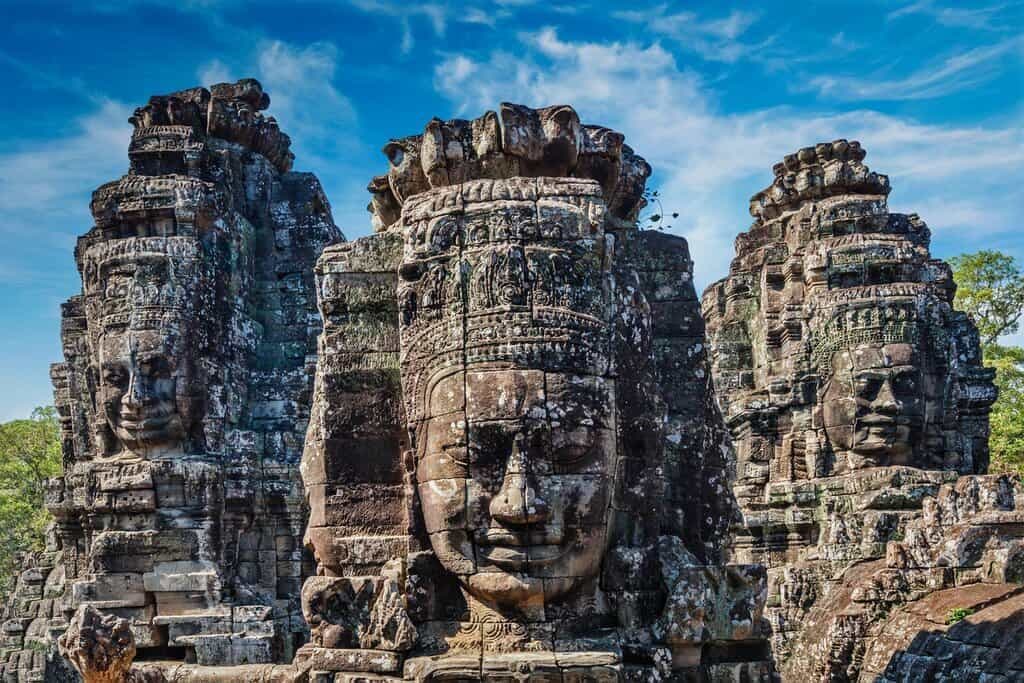
Welcome to Cambodia
Explore Cambodia Tours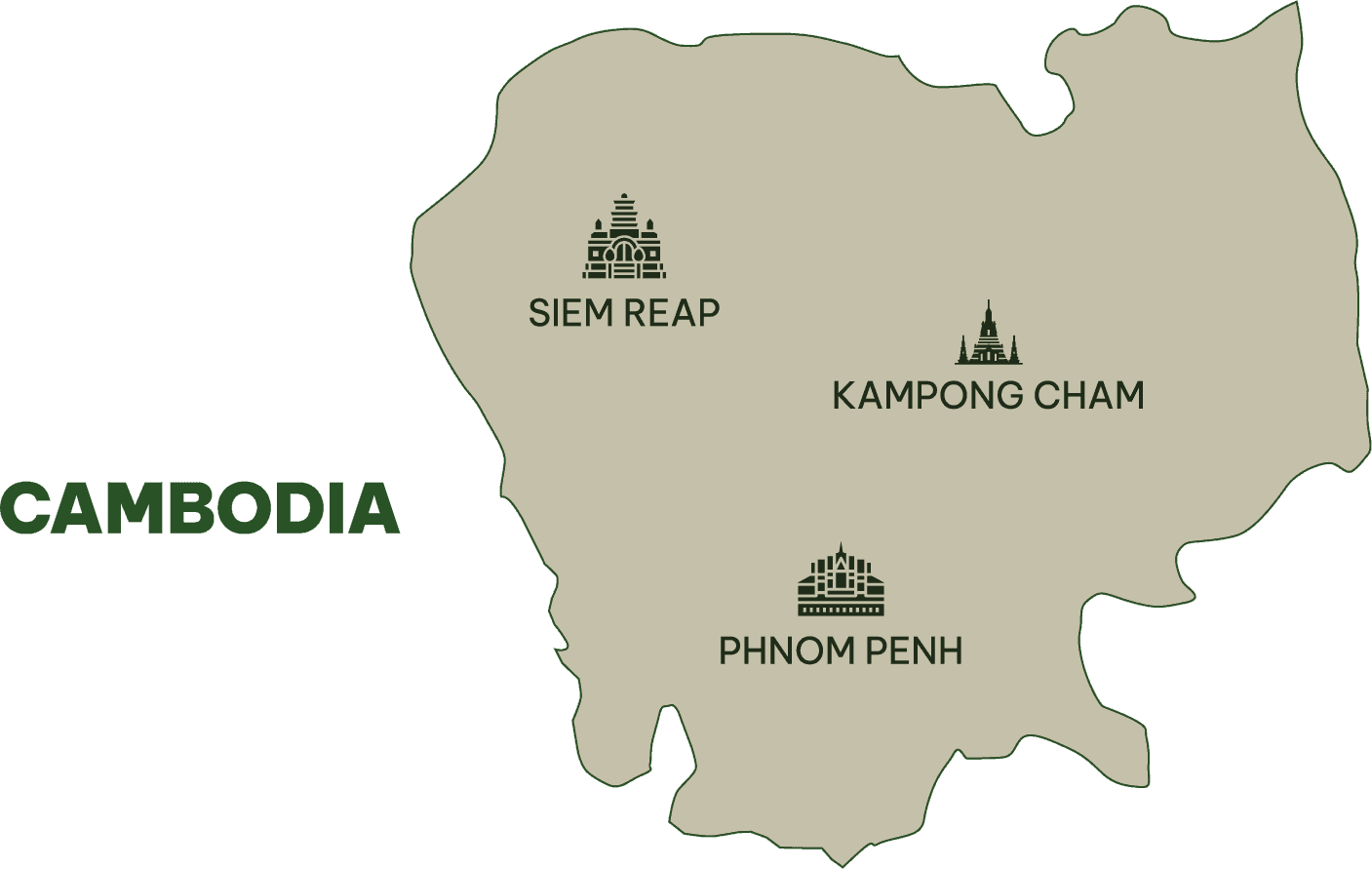
Capital: Phnom Penh
Currency: Cambodian Riel (KHR) — US Dollars are widely accepted
Official Language: Khmer
Major Cities: Phnom Penh, Siem Reap, Sihanoukville
Why You’ll Love Cambodia
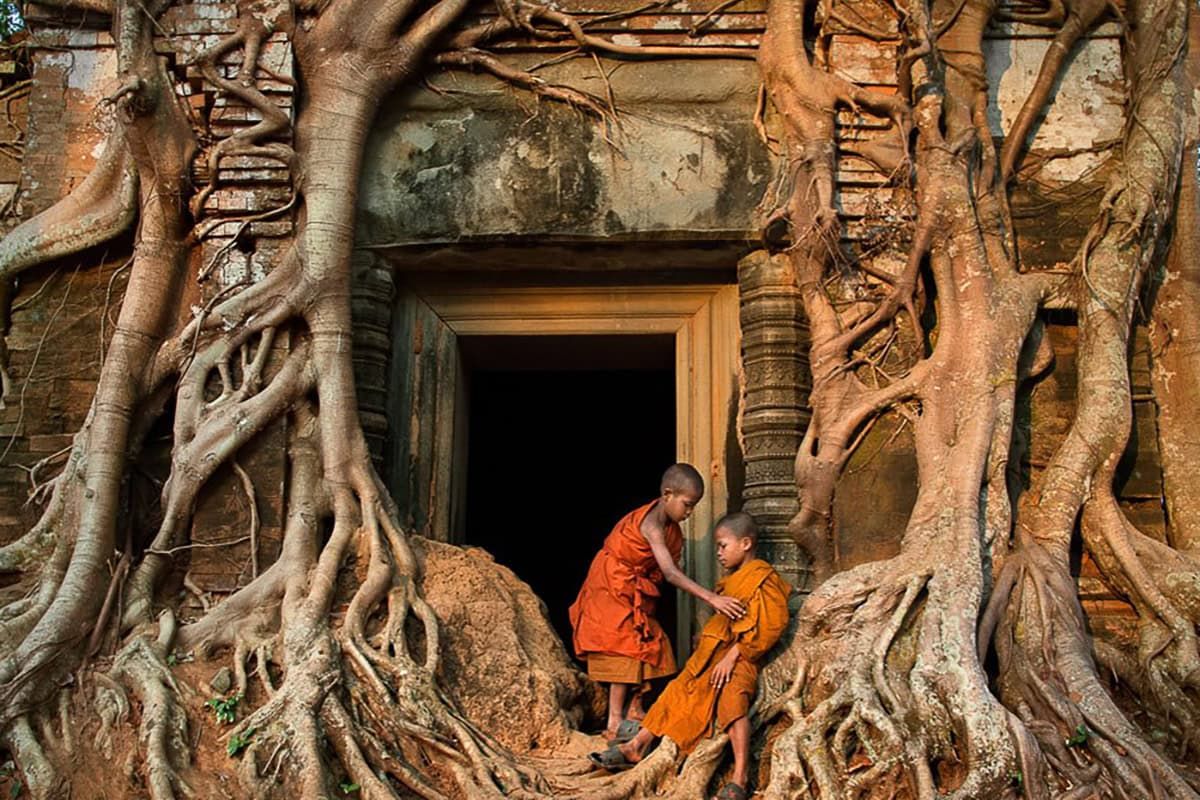
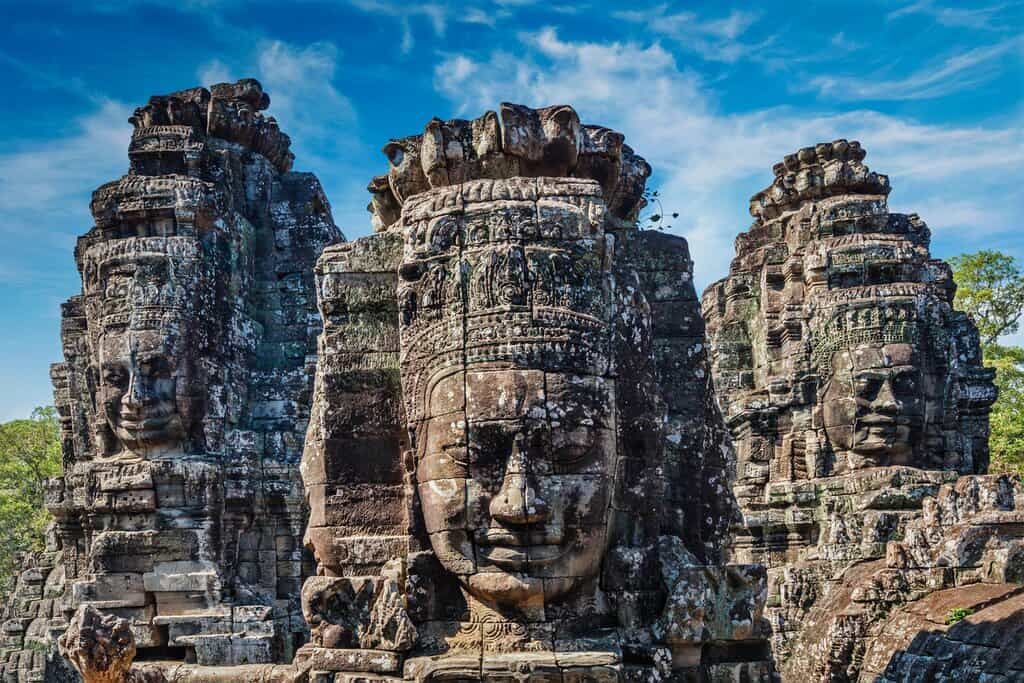
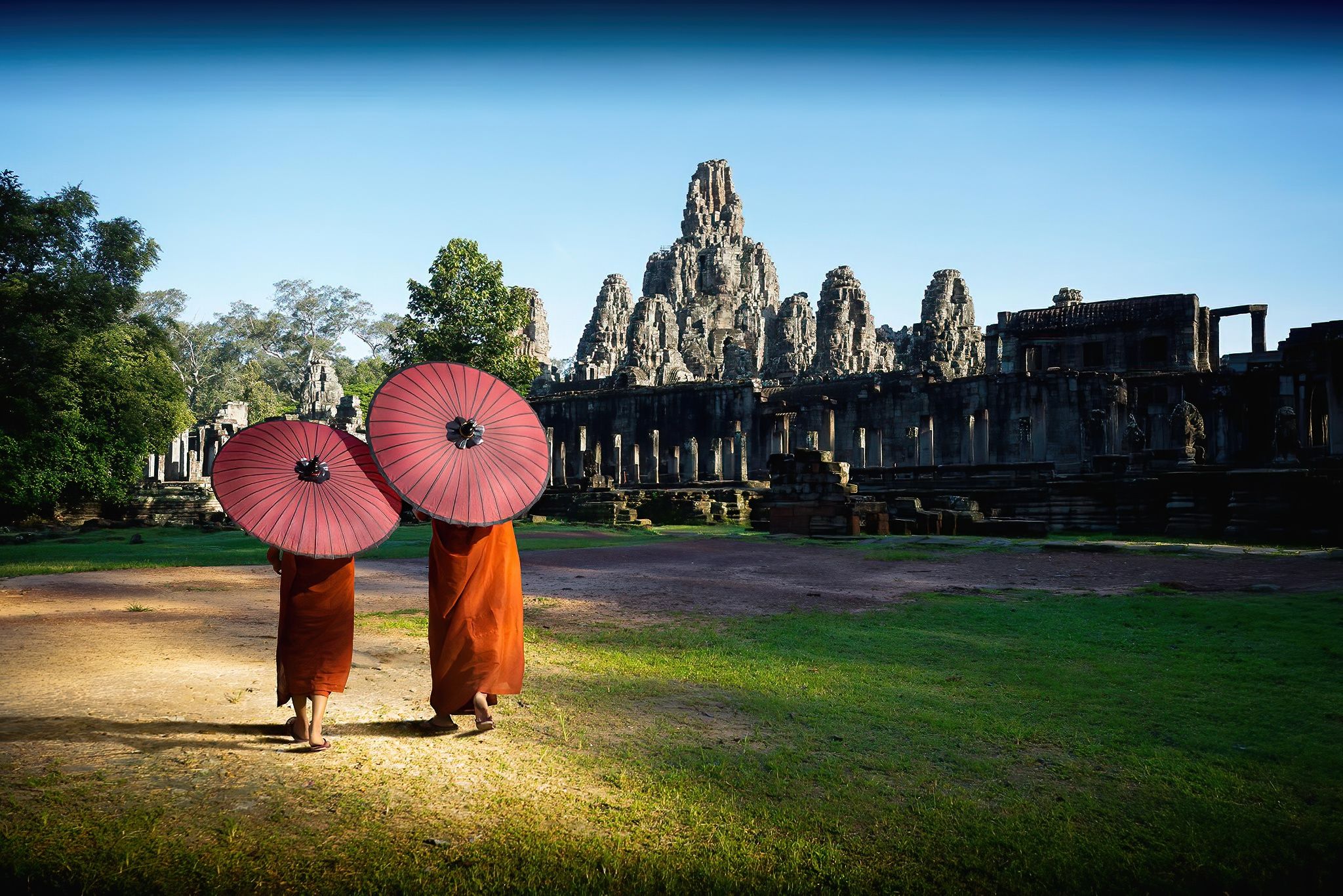
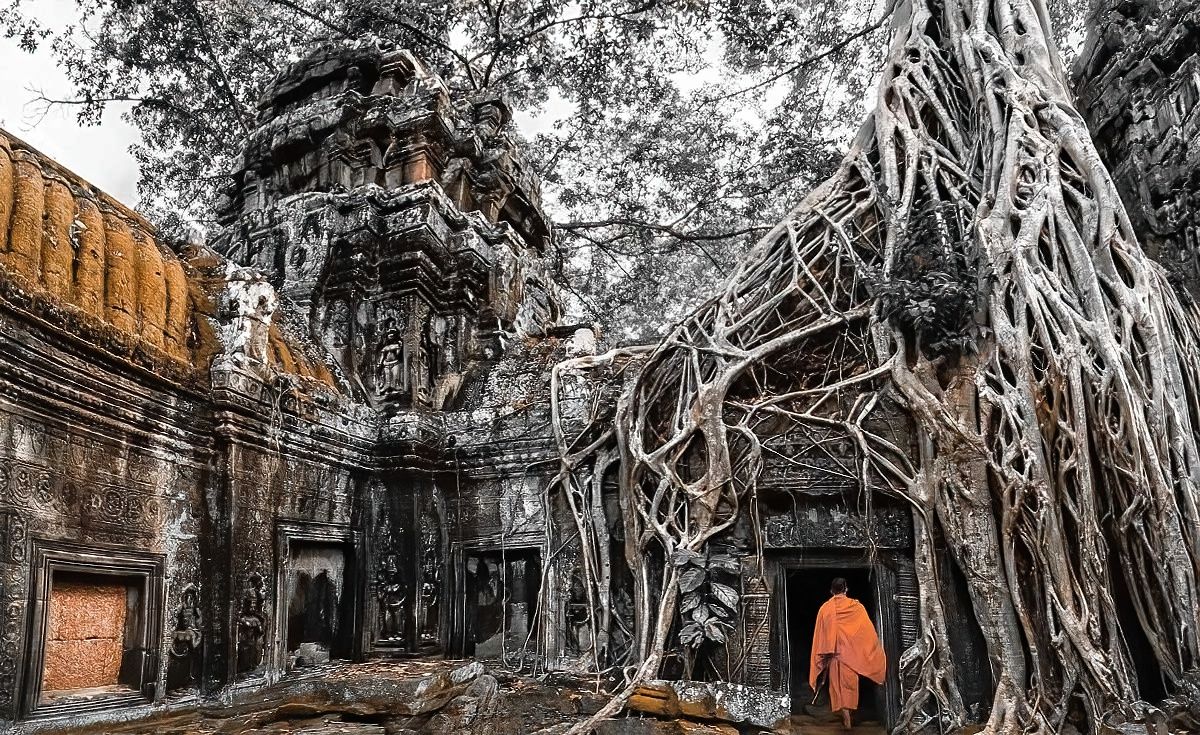
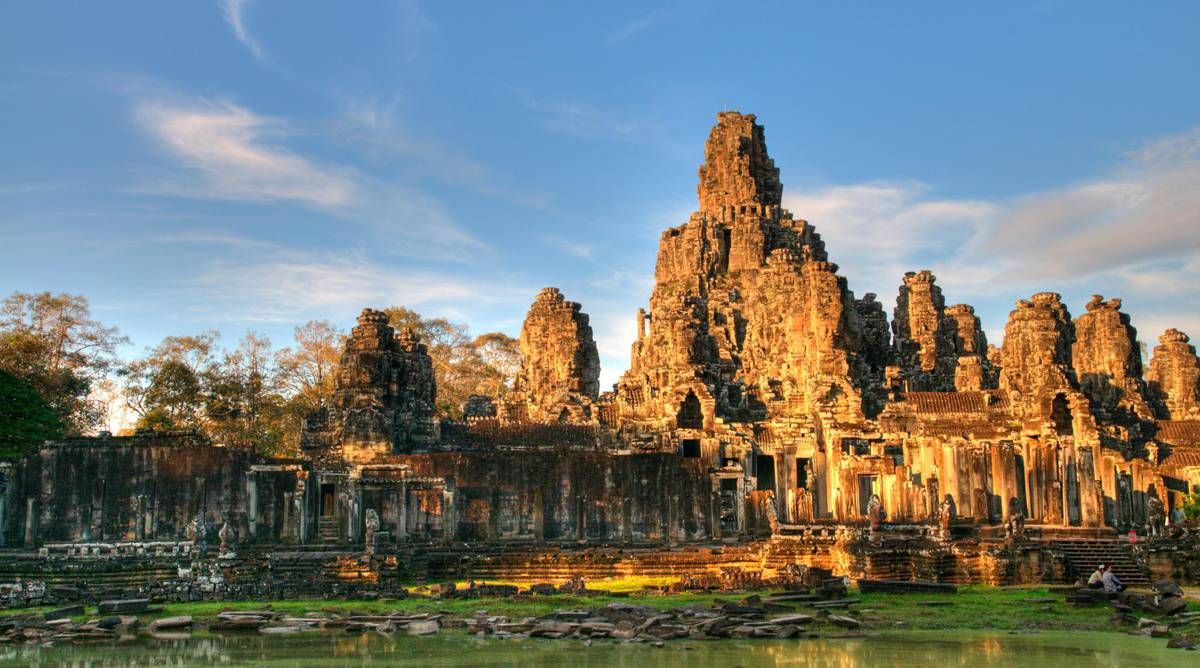
- Angkor Wat – the world’s largest and most magnificent religious monument, a symbol of Cambodia’s spiritual and architectural glory.
- A land shaped by the Khmer Empire’s rich history, now pulsing with a modern creative energy in its art, design, and local communities.
- Authentic cuisine to savor — from the fragrant fish amok to comforting kuy teav noodles and sweet sticky rice desserts.
- The tranquil beauty of Tonle Sap Lake, with its fascinating floating villages and ever-changing landscapes through the seasons.
Visa to Cambodia
Visa & Entry Requirements for Cambodia
Visa on Arrival
Cambodia offers visa-on-arrival services for travelers from eligible countries. The following visa categories can be obtained upon arrival:
- T-Class (Tourist Visa) – ideal for leisure travelers
- E-Class (Ordinary Visa) and its extensions: EB, EG, ER, or ES (for business, employment, retirement, or student purposes)
- A-Class (Diplomatic), B-Class, C-Class, and K-Class (for Cambodian-origin foreign nationals)
Simply prepare your passport (valid for at least 6 months), one passport-sized photo, and the visa fee in cash (USD). Processing usually takes around 15–30 minutes at major international airports or land borders.
Visa from Cambodian Embassies
Travelers may also apply for a visa in advance through Cambodian embassies worldwide. Required documents may vary depending on the embassy, but typically include:
- Passport and passport-sized photos
- Proof of health insurance
- An invitation letter from a registered Cambodian company or institution
It’s recommended to check directly with your nearest Cambodian embassy for the most up-to-date requirements before applying.
E-Visa (Online Application)
Tourists can conveniently apply for an E-Visa online before traveling.
- Website: www.evisa.gov.kh (beware of unofficial sites that charge higher fees)
- Cost: USD 30 + USD 6 processing fee
- Processing time: ~3 working days
- Validity: 90 days from issue date, allowing a 30-day stay
This option is ideal for travelers entering Cambodia through international airports such as Phnom Penh, Siem Reap, or Sihanoukville.
E-Arrival Immigration & Customs Form
Cambodia has recently introduced a digital arrival card system – the Cambodia e-Arrival (CeA) – to simplify entry procedures.
- Where to fill out:
- https://arrival.gov.kh
- Or via the mobile app “Cambodia e-Arrival” (available on Play Store)
- When: Within 7 days before arrival
- Currently available at: Siem Reap International Airport (trial phase)
- Paper forms are still used at other airports and all land/water borders.
During this trial period, some airlines flying to Siem Reap no longer provide paper forms. Phnom Penh Airport will adopt the system soon.
Travel Tip
Although Cambodia’s e-form system is expanding, visa-on-arrival and e-visa processes remain unchanged. Always prepare a few USD notes for visa fees and have your travel documents printed or saved offline in case of internet issues upon arrival.
Best time to travel
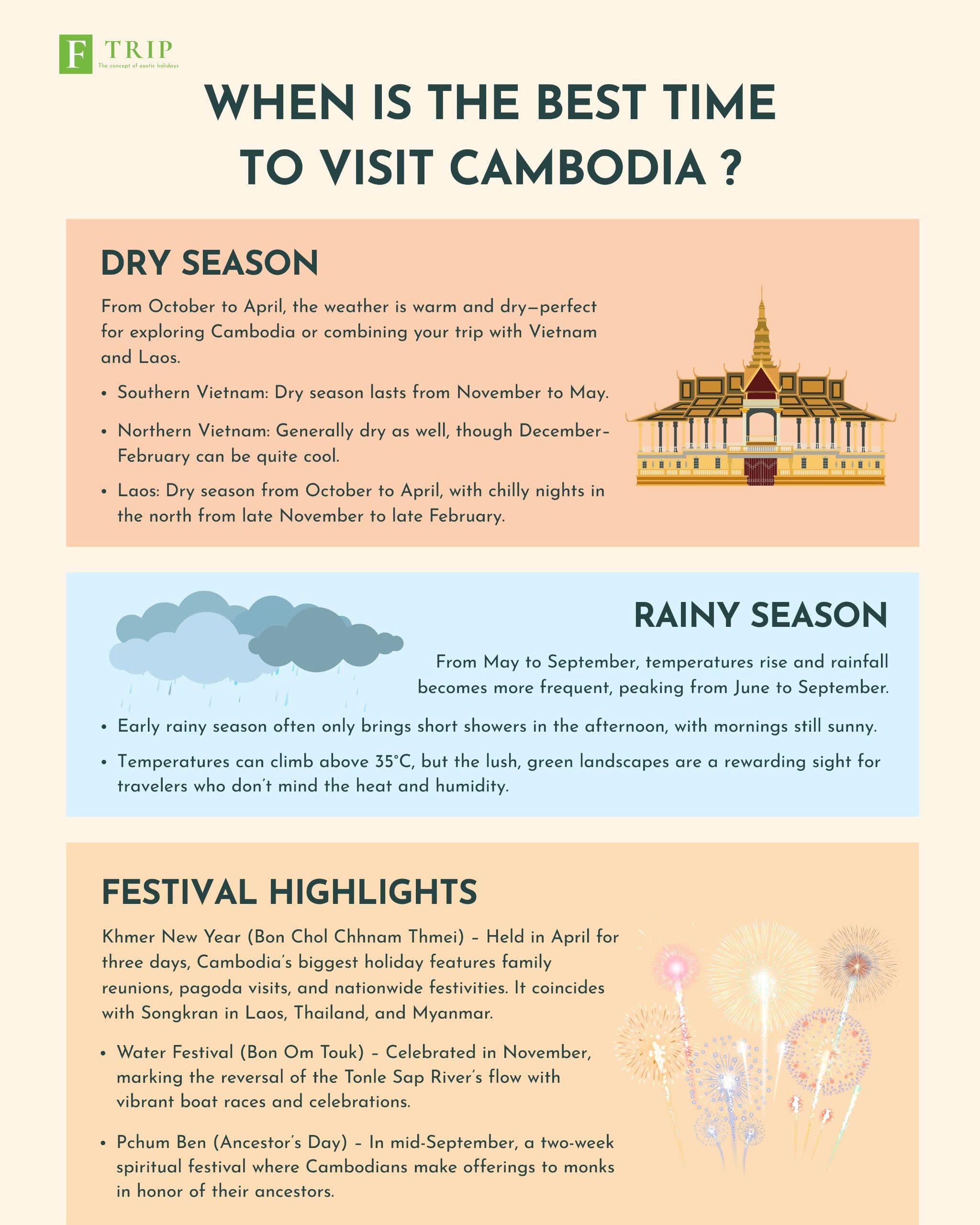
When Is the Best Time to Visit Cambodia?
Cambodia’s dry season runs from October to April, offering warm, pleasant weather across the country—making it the ideal time for exploring not only Cambodia but also neighboring Vietnam and Laos.
- South Vietnam enjoys dry weather from November to May.
- North Vietnam has a dry period too, except for the cooler months of December to February.
- Laos experiences its dry season from October to April, with chilly nights in the north between late November and late February.
If you’re planning a multi-country Southeast Asia trip, this shared dry season is the perfect window.
Visiting During the Rainy Season (May–September)
From May onward, temperatures rise and rainfall becomes more frequent, peaking in June through September. The first couple of months of the rainy season usually bring short showers late in the day, leaving mornings mostly sunny. Temperatures during this period can soar above 35°C, but the lush landscapes can be a reward for those who don’t mind the heat and humidity.
Budget tip: The early and late months of the rainy season are ideal for travelers looking for great deals—hotels and tours often cost significantly less, and attractions are far less crowded.
Festival Highlights
For some, the best time to visit Cambodia isn’t just about the weather—it’s about joining in the country’s vibrant celebrations:
- Khmer New Year (Bon Chol Chhnam Thmei) – Held over three days in April, this is Cambodia’s biggest holiday, marked by family reunions, pagoda visits, and nationwide festivities. It coincides with Songkran in Laos, Thailand, and Myanmar.
- Water Festival (Bon Om Touk) – Every November, this spectacular event celebrates the reversal of the Tonle Sap River’s flow with boat races and lively celebrations.
- Pchum Ben (Ancestor’s Day) – A two-week spiritual observance in mid-September, when Cambodians make offerings to monks in honor of their ancestors.
Travel tips
Health & Safety
There are no mandatory vaccinations to enter Cambodia. However, travelers are encouraged to consult their doctor or a travel health clinic about vaccines for typhoid, tetanus, hepatitis A & B, and malaria prevention. Comprehensive travel insurance is strongly recommended to cover medical emergencies, accidents, or loss of belongings.
Electricity
The standard voltage is 220V, 50Hz. Most outlets use two-pin plugs, though three-pin types can also be found. Bring a universal adapter to avoid compatibility issues and protect your devices.
Currency, Exchange & ATMs
The Cambodian Riel (KHR) is the local currency, but US dollars are widely accepted throughout the country. The general exchange rate is around USD 1 = 4,000 Riels. Common Riel denominations include 500, 1,000, 2,000, 5,000, and 10,000 notes. ATMs are available in major cities and dispense both Riels and USD.
Packing Tips
Light, breathable clothing made from cotton or natural fibers is ideal for Cambodia’s tropical climate.
- Bring a light jacket for cooler months (December–January) or for evenings in the highlands.
- If needed, warm layers can easily be purchased at local markets for a fraction of the price at home.
Etiquette
As a predominantly Buddhist country, modesty is highly valued.
- Avoid wearing revealing clothing, especially in cities or temples.
- When visiting pagodas, cover your shoulders and knees.
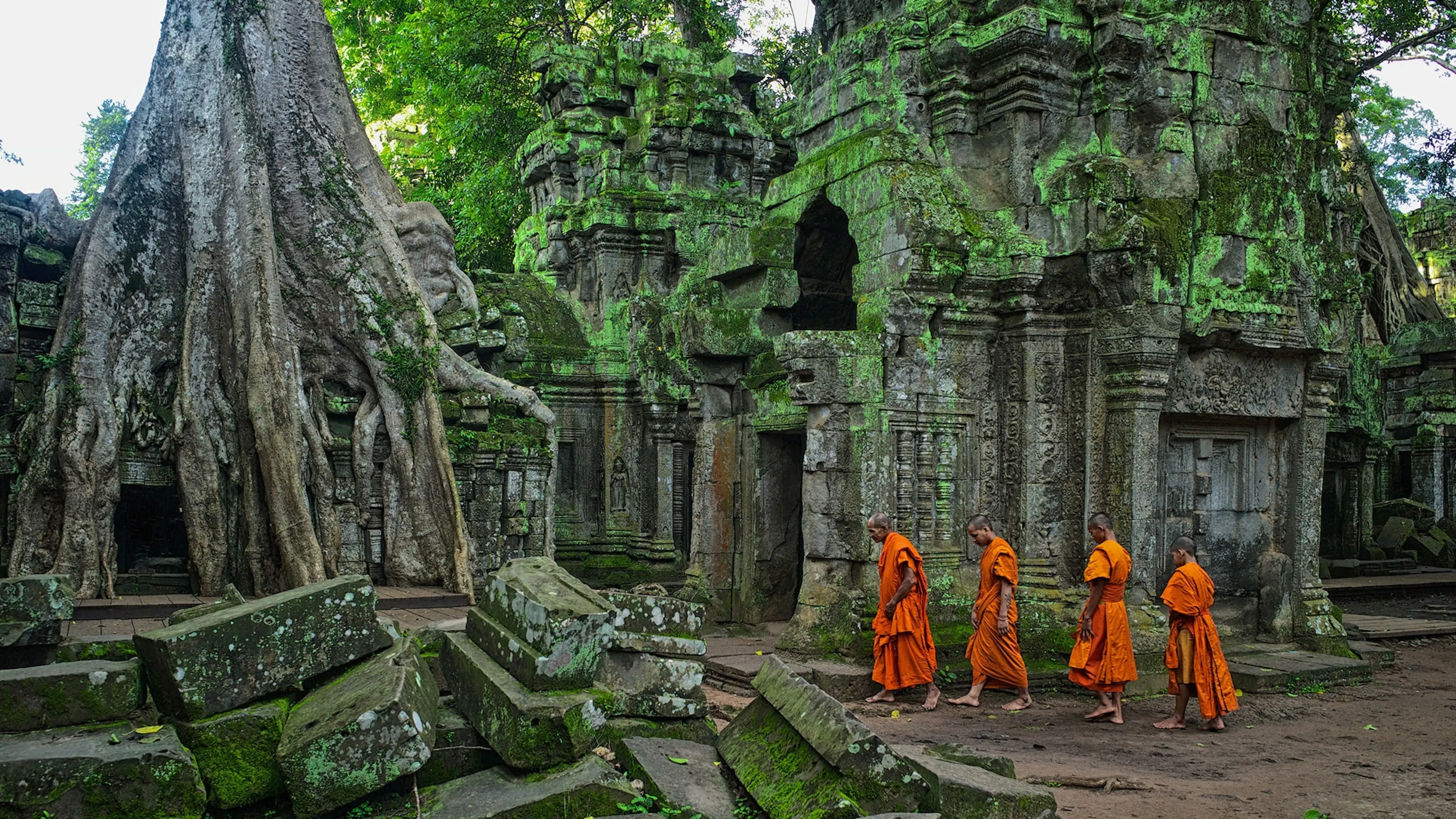
- Women should not touch monks or hand items directly to them. Respecting these customs reflects cultural sensitivity and earns appreciation from locals.
Time Zone & Working Hours
Cambodia operates on GMT +7.
- Business hours: 8:00 a.m. – 12:00 p.m. and 1:00 p.m. – 5:00 p.m., Monday to Friday.
- Banks: 8:00 a.m. – 3:00 p.m.
- Private companies may open on Saturdays, while most government offices are closed.
Language
Khmer is the official language. English and French are commonly spoken in tourist areas, hotels, and restaurants.
Internet Access
Internet is widely available and affordable. Many cafés, hotels, and restaurants offer free Wi-Fi, and internet cafés charge around $0.50–$1 per hour.
Communication
For international calls, dial 001 or 007 before the country code and phone number. Cambodia uses GSM networks, with several reliable providers offering prepaid SIM cards and 4G coverage across major destinations.
Domestic Flights & Baggage
Flight schedules can vary and are subject to change without prior notice.
- Check in at least 1 hour before departure.
- Baggage allowance: 20 kg per person (economy class).
- Hand luggage: maximum 7 kg. Departure taxes for domestic and international flights are already included in your ticket price.
Food & Drink
Food lovers will be spoiled for choice in Phnom Penh, Siem Reap, and Sihanoukville. Traditional Khmer cuisine centers on rice, fish, herbs, and spices—don’t miss local dishes like amok curry and Khmer soups. International dining options are also plentiful, from European and American to Japanese, Thai, and Vietnamese restaurants.
Souvenirs
The Krama, Cambodia’s traditional cotton or silk scarf, is a national symbol and a perfect keepsake. Used for everything from sun protection to daily chores, it reflects Khmer identity and practicality. Pick one up at local markets or souvenir shops—and ask vendors to show you the traditional way to wear it for that authentic look.