Welcome to Vietnam
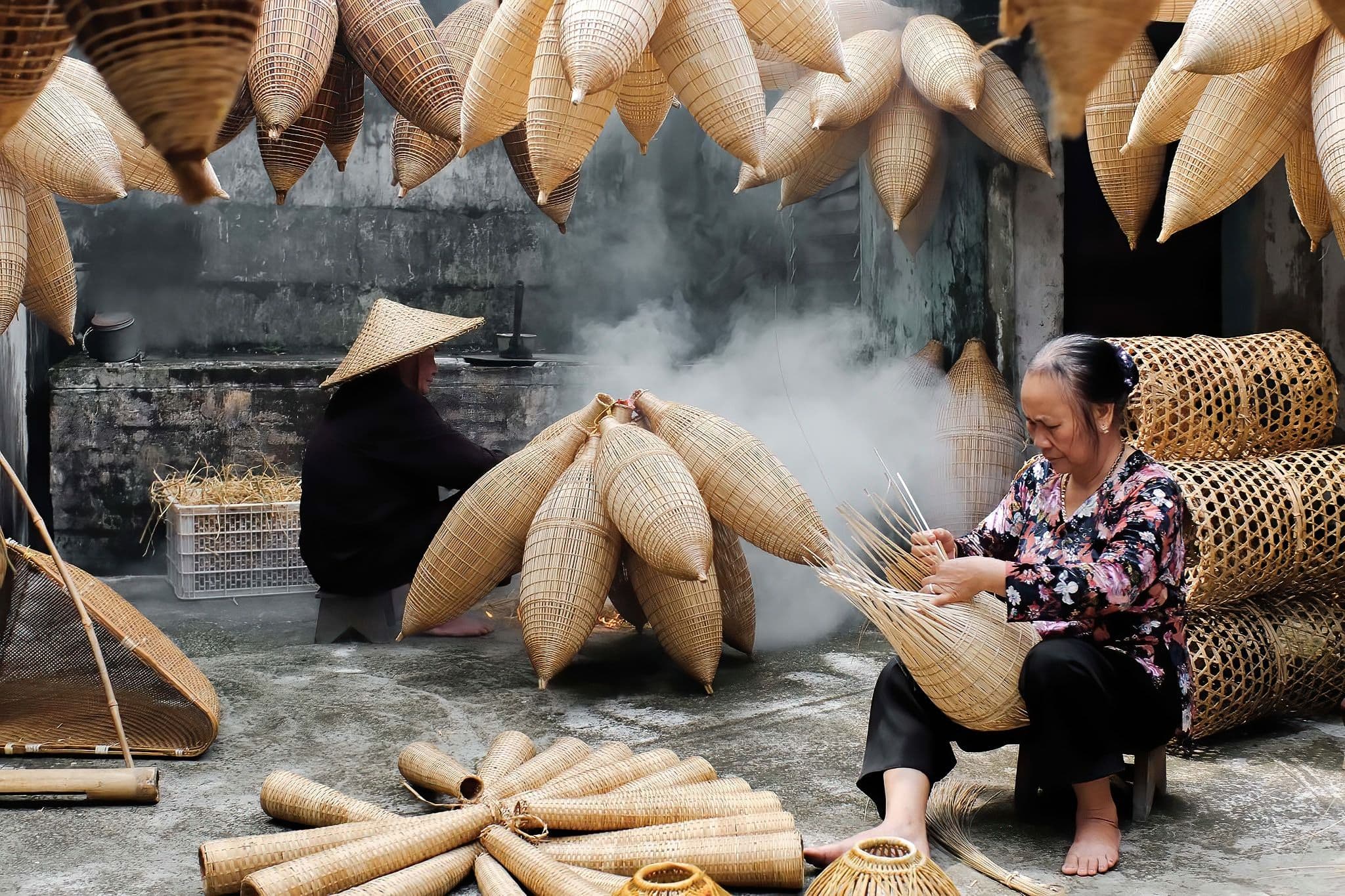
Welcome to Vietnam
Explore Vietnam Tours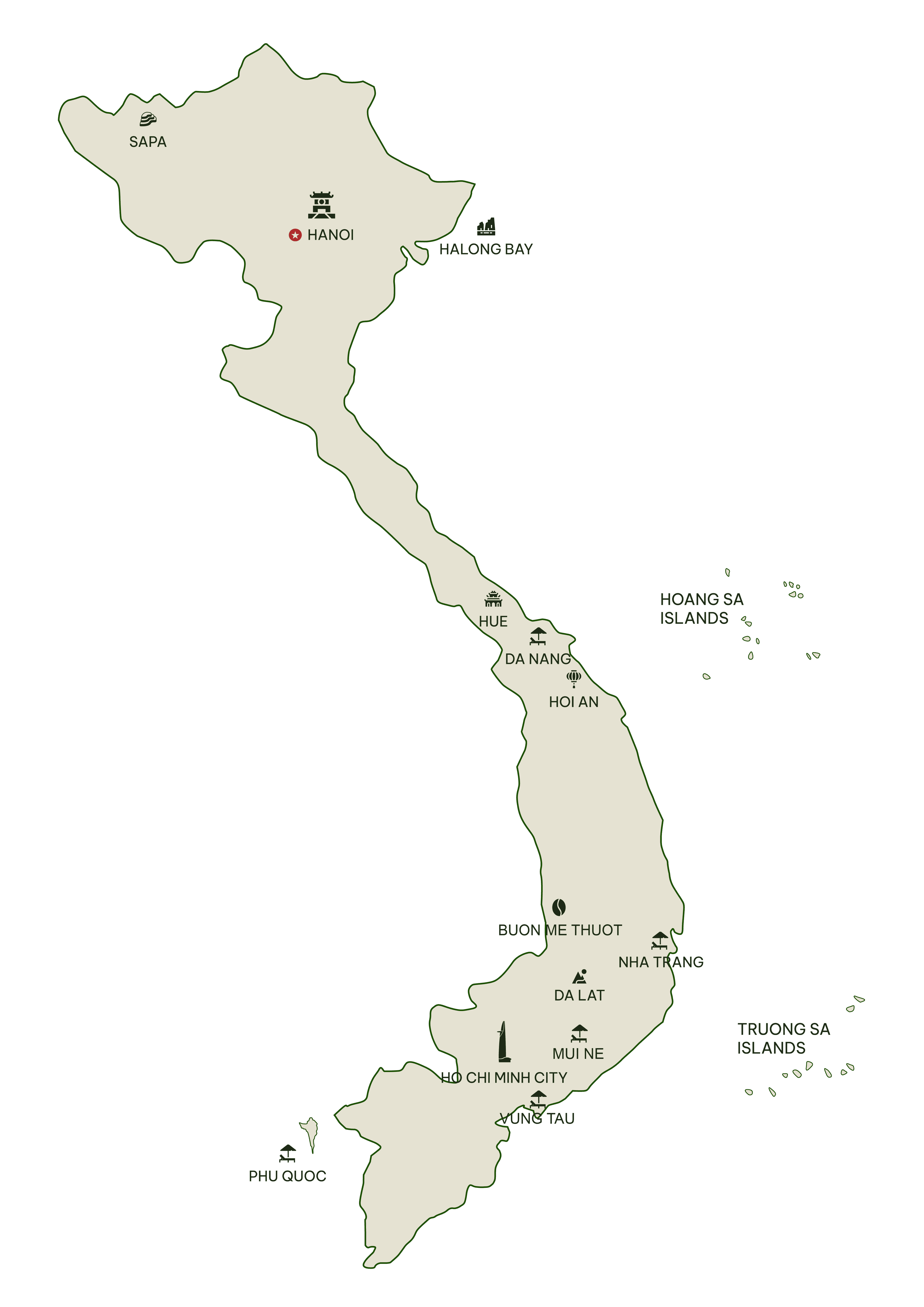
Capital: Ha Noi
Currency: Vietnamese dong (VND)
Official Language: Vietnamese
Major Cities: Ho Chi Minh city, Sapa, Hoi An, Hue, Da Nang
Unique Highlights:
World-renowned cuisine: Savor pho, banh mi, and fresh spring rolls — a true feast for the senses.
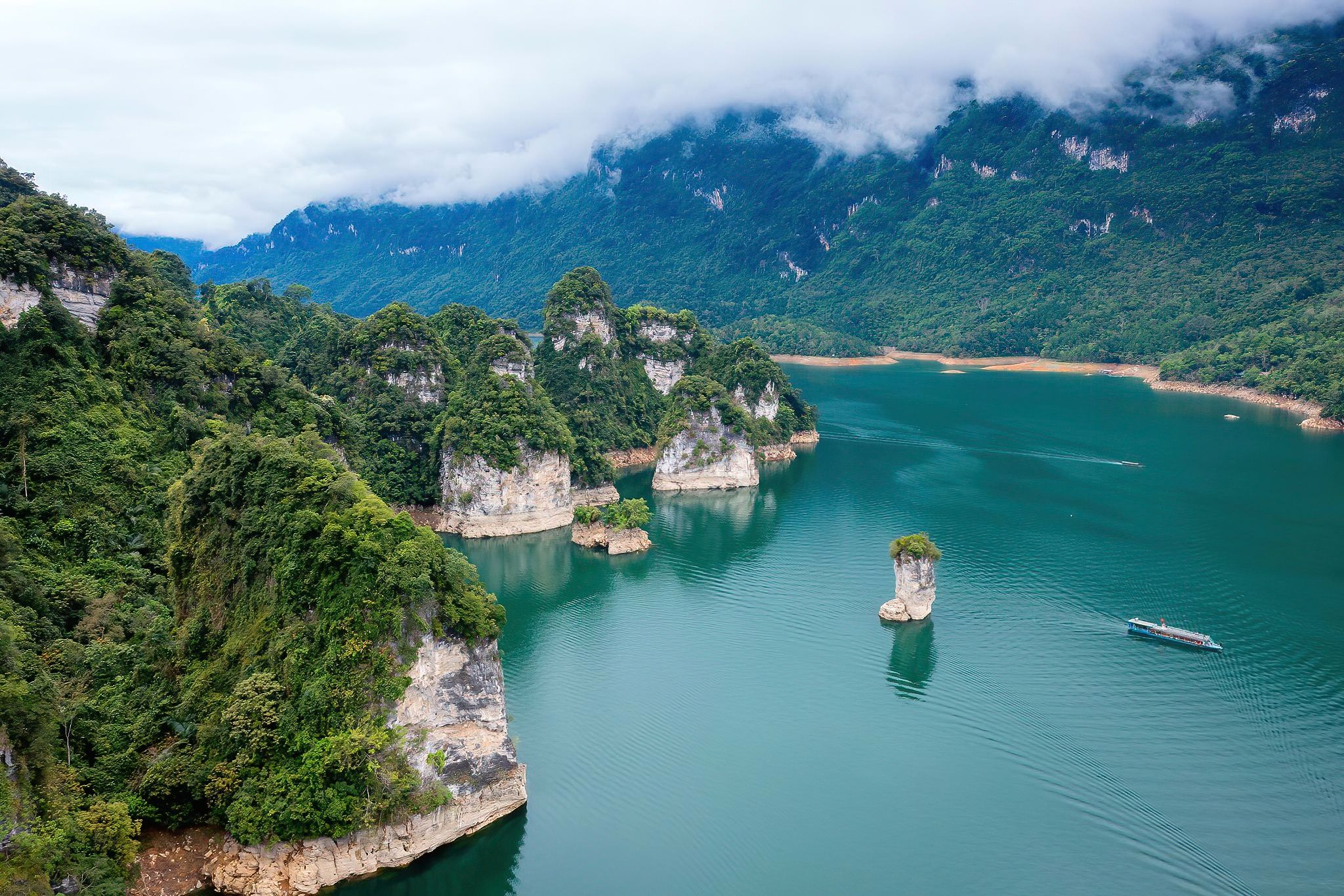
Breathtaking natural landscapes: From emerald rice terraces to limestone karsts rising from turquoise waters.
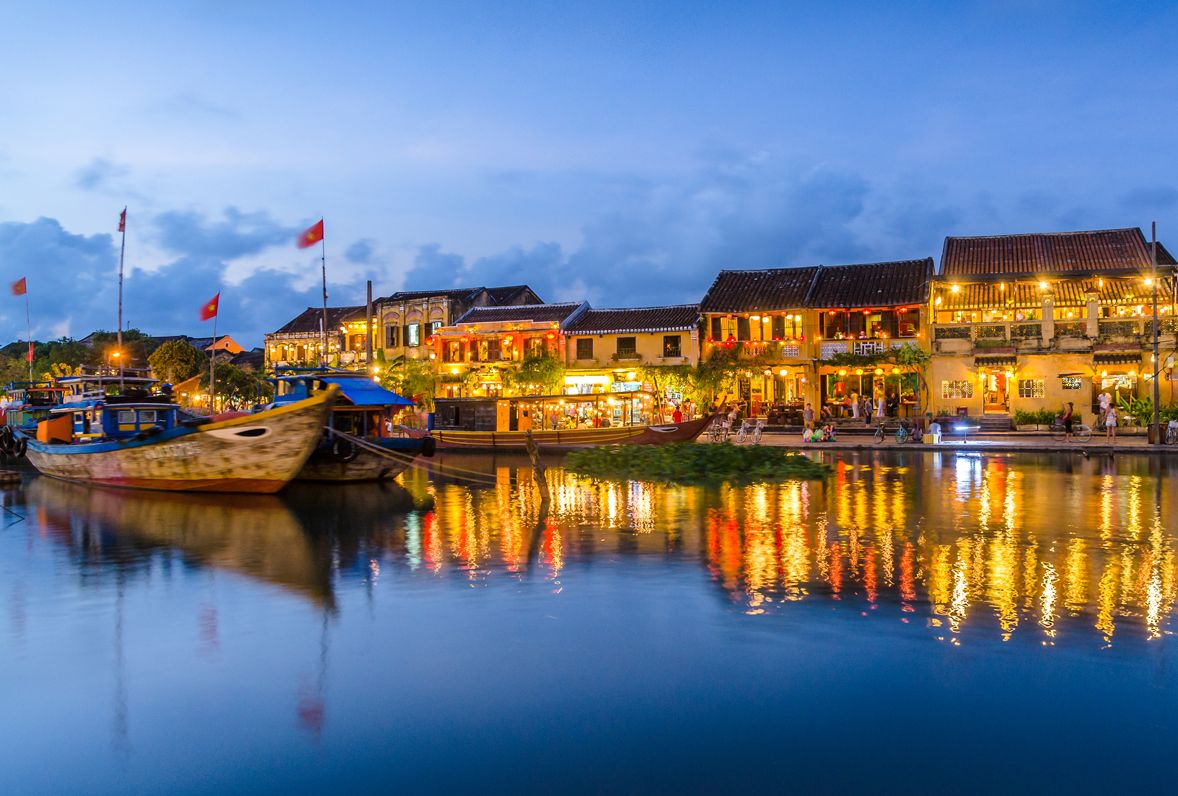
UNESCO World Heritage Sites: Explore Ha Long Bay, Hoi An Ancient Town, and Phong Nha–Ke Bang National Park.
Rich history and culture: A fascinating blend of ancient dynasties, colonial heritage, and wartime stories.
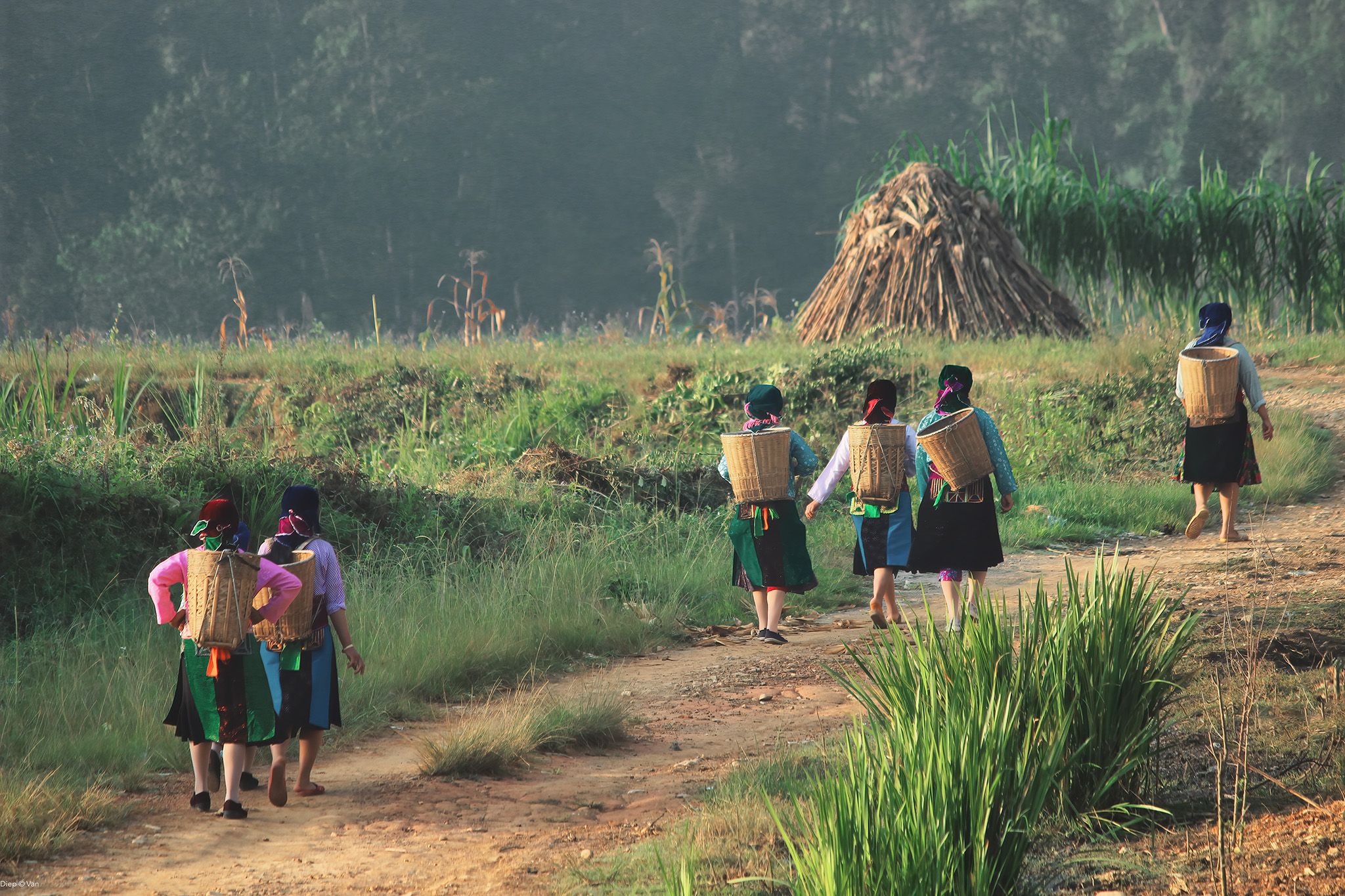
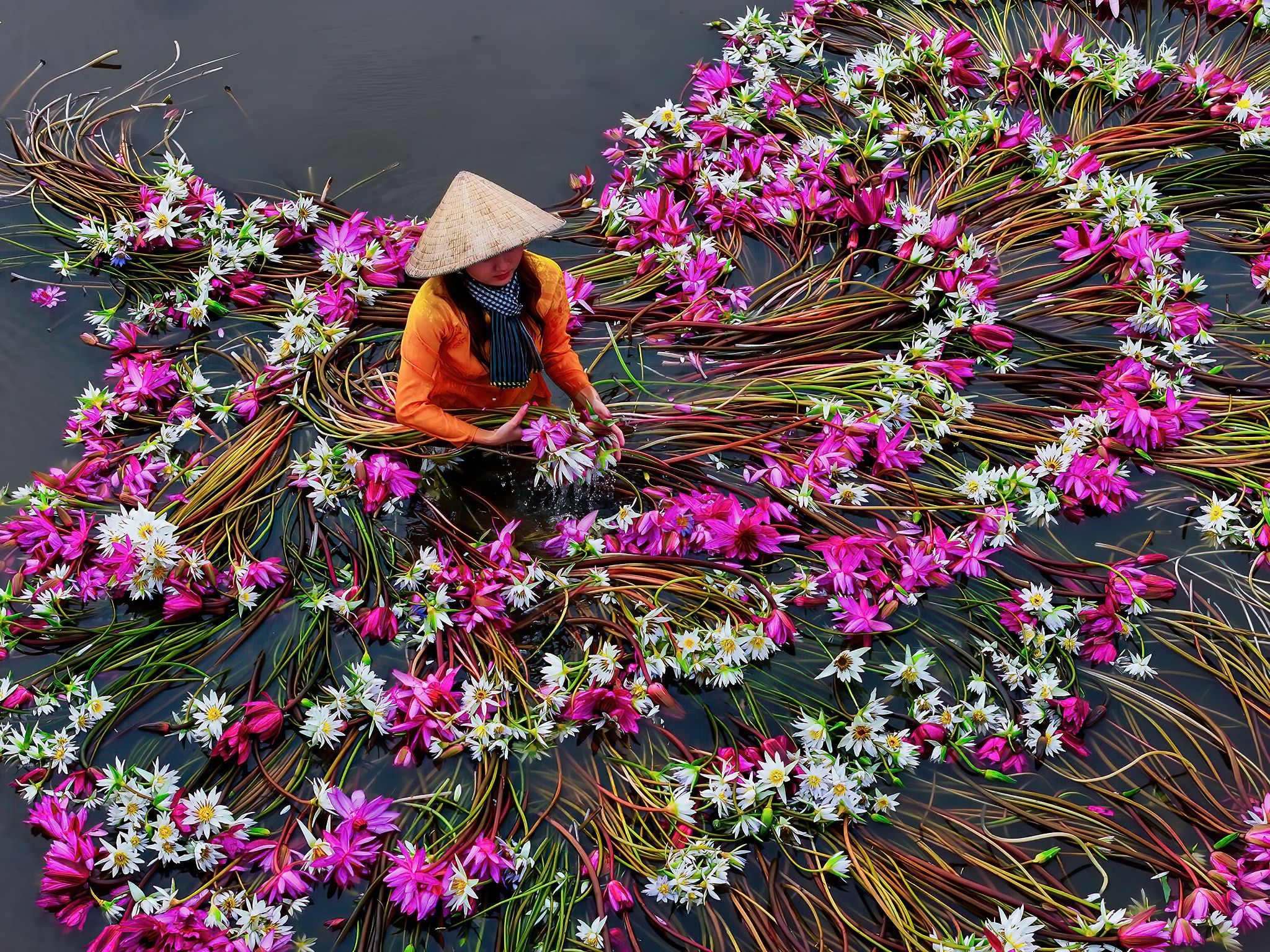
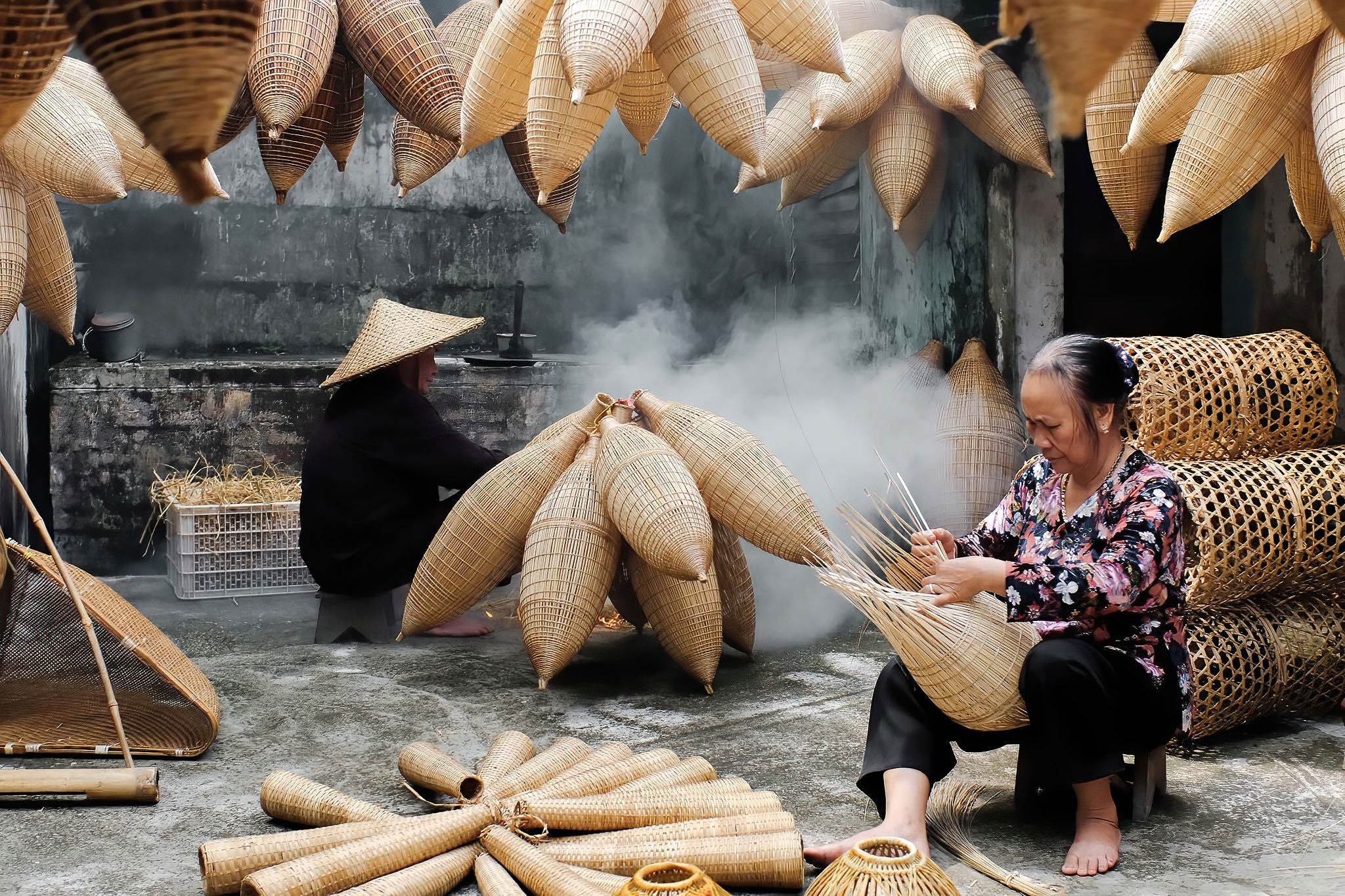
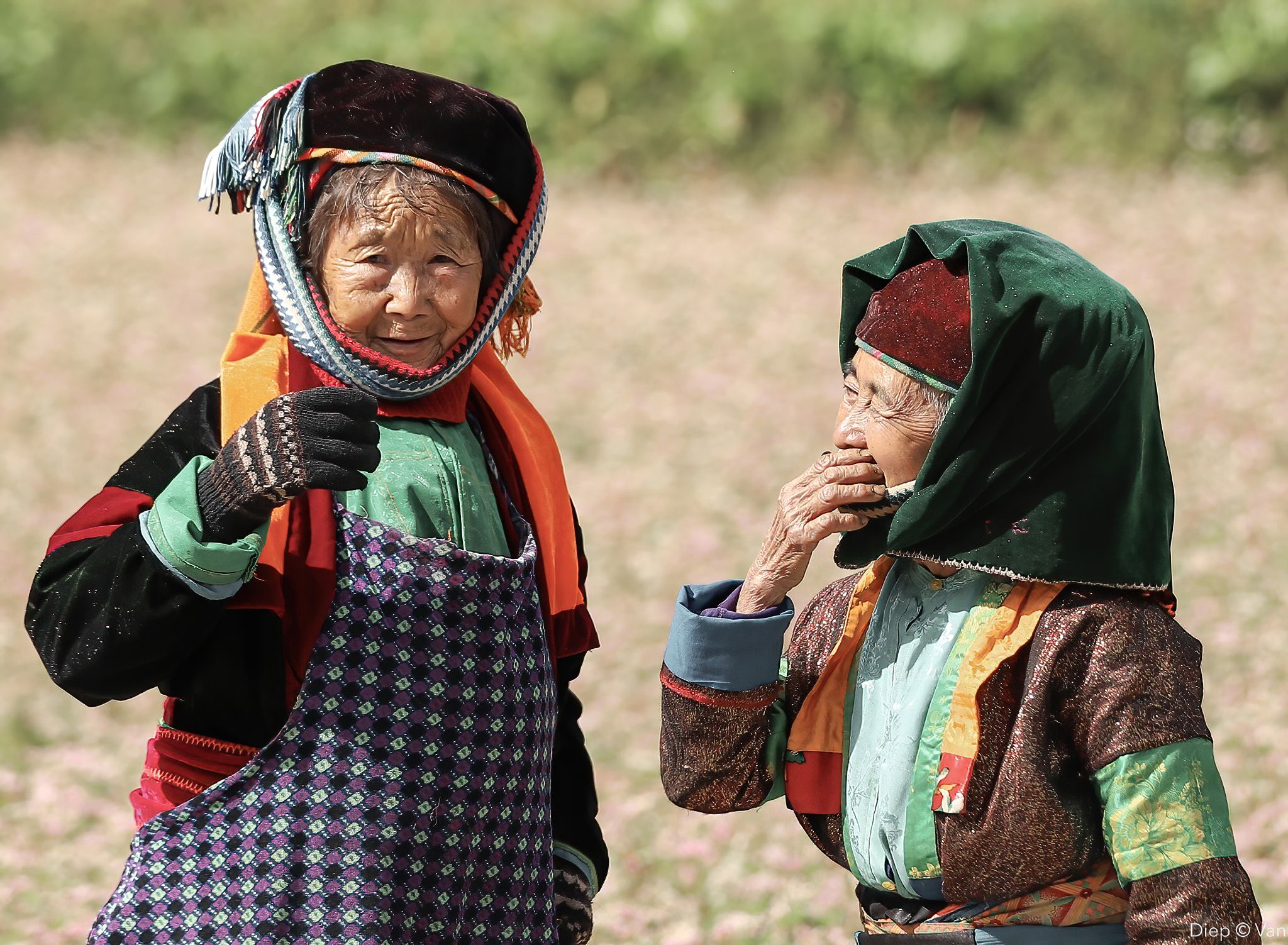
Vibrant traditions: Experience colorful markets, lively festivals, and the warm hospitality that defines Vietnam.
Visa to Vietnam
Vietnam Visa Guide (Updated August 2023)
Visa Exemption
As of August 2023, holders of regular passports from 25 countries are eligible for visa-free entry to Vietnam:
90 days visa exemption:
- Chile
- Panama
45 days visa exemption:
- Belarus, Korea, Japan, Germany, Denmark, Norway, Russia, France, Finland, Spain, Sweden, Italy, United Kingdom (Note: This does not include British Overseas Citizens.)
30 days visa exemption:
- Cambodia, Indonesia, Kyrgyzstan, Laos, Malaysia, Singapore, Thailand
21 days visa exemption:
- Philippines
14 days visa exemption:
- Brunei, Myanmar
Visa on Arrival (VOA)
The Visa on Arrival is available for certain nationalities and may change without notice. Always check with the Vietnamese Embassy or Consulate in your country before traveling.
Steps to apply for a Visa on Arrival:
- Submit your passport details – Send your passport copy or traveler information via email or Excel file.
- We process your application. Your information will be submitted to the Vietnam Immigration Department.
- Receive your Approval Letter – Once approved, we will send you the official Visa on Arrival Approval Letter.
- At the airport in Vietnam:
- Present your Approval Letter, passport, photos, and visa application form.
- Pay the stamping fee in cash (USD only) at the Visa on Arrival counter.
Important Notes:
- Your passport must be valid for at least 6 months beyond your entry date.
- You may arrive later than your approved date, but not earlier.
- Credit cards are not accepted for the stamping fee.
- Visa services are non-refundable and must be paid in full in advance.
Vietnam E-Visa
From August 15, 2023, Vietnam grants e-visas to citizens of all countries worldwide.
E-Visa Requirements:
- Passport valid for at least 6 months with 2 blank pages.
- Recent passport photo (color, white background, no glasses).
- E-visa fee:
- USD 25 – single entry
- USD 50 – multiple entry (Fees are non-refundable.)
Important Notes:
E-visas are valid for up to 90 days, depending on your request.
Each application is for one individual only (no group applications).
If you change your port of entry, notify the issuing authority in advance.
Apply online via the official government website: https://evisa.xuatnhapcanh.gov.vn/web/guest/khai-thi-thuc-dien-tu/cap-thi-thuc-dien-tu
Best travel time
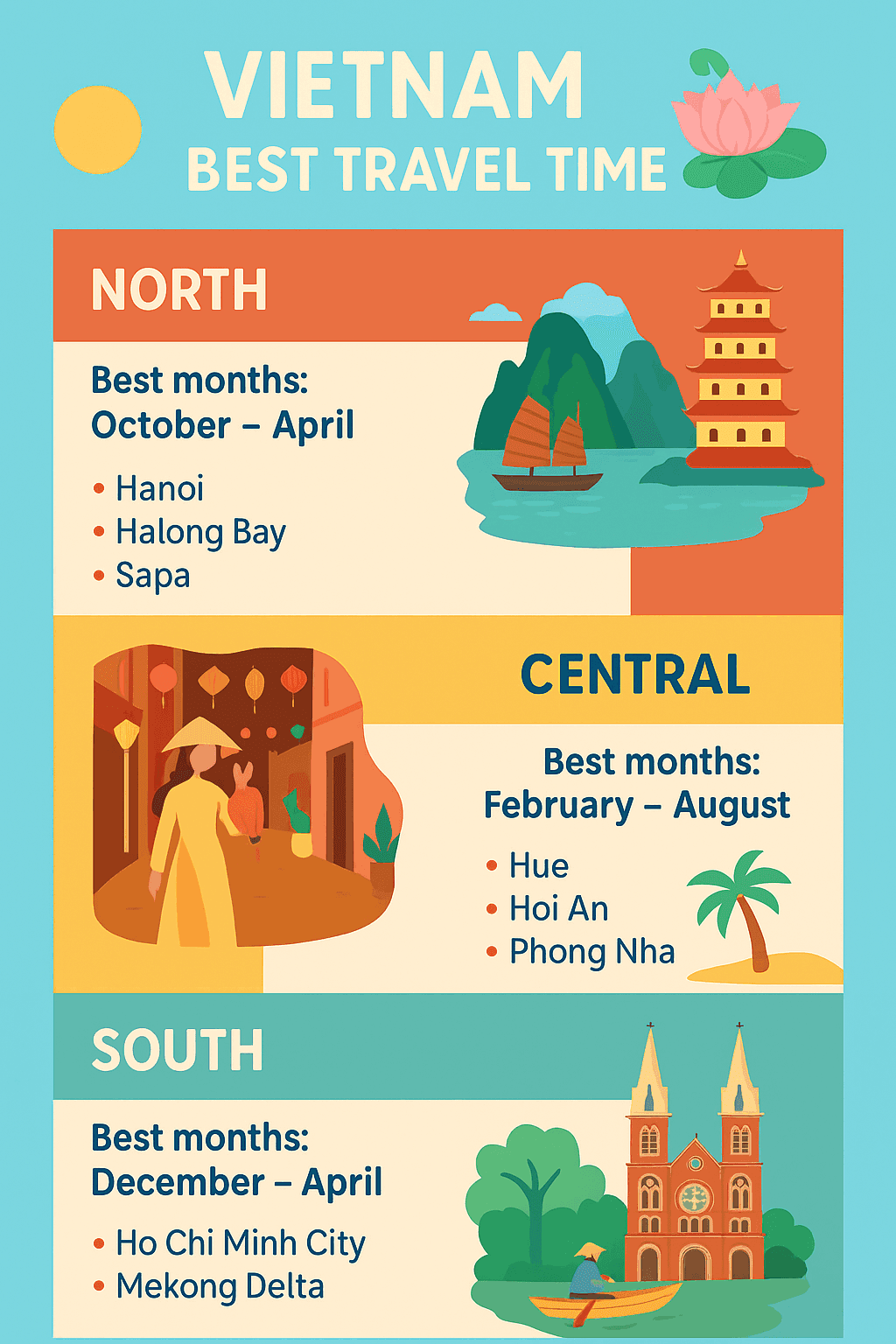
Best Time to Visit Vietnam
Vietnam’s diverse climate means there’s always a perfect destination to explore, no matter the month. Knowing when and where to go helps you make the most of your journey.
North Vietnam (Hanoi, Halong Bay, Sapa, Ninh Binh)
Best time: October – April Weather: Cool, dry, and clear skies; temperatures range from 15°C to 25°C. Highlights: Trekking through Sapa’s terraced rice fields, cruising among Halong Bay’s limestone karsts, and cycling in the peaceful countryside of Ninh Binh. Travel tip: Visit in March–April to see peach blossoms and mustard flowers in full bloom.
Central Vietnam (Hue, Hoi An, Da Nang, Phong Nha)
Best time: February – August Weather: Warm and sunny — ideal for beaches and outdoor adventures, with occasional light rains in July–August. Highlights: Exploring Hue’s Imperial City, joining Hoi An’s lantern festival, relaxing on My Khe Beach, and discovering the caves of Phong Nha. Travel tip: Avoid October–November when typhoons can bring heavy rainfall.
South Vietnam (Ho Chi Minh City, Mekong Delta, Phu Quoc)
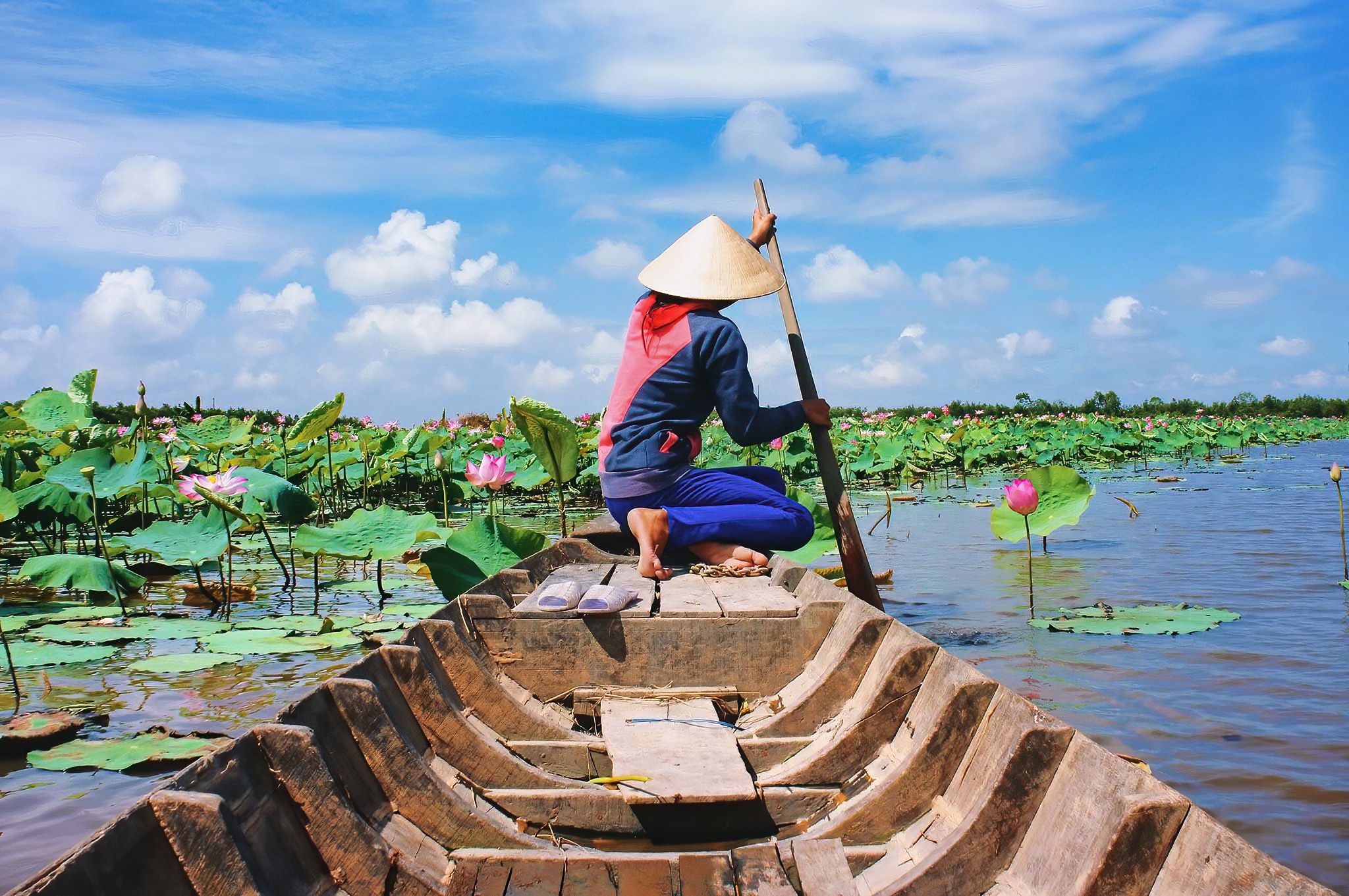
Best time: December – April Weather: Dry and sunny, with temperatures between 25°C and 33°C. Highlights: Visiting the floating markets of the Mekong Delta, exploring the Cu Chi Tunnels, and snorkeling in the clear waters of Phu Quoc. Travel tip: For lush green landscapes, travel between May and June — the start of the rainy season.
Travel tips
Health Precautions
Vietnam does not officially require any vaccinations for entry. However, it is wise to consult your physician or a travel health clinic before your trip to discuss recommended immunizations such as typhoid, tetanus, hepatitis A & B, and malaria. Comprehensive travel insurance is strongly advised to cover medical emergencies, personal belongings, and unforeseen incidents.
Electricity
The standard electrical supply is 220V / 50Hz. Two-pin ungrounded plugs are more common than three-pin types. Travelers with devices requiring special plugs should bring an adapter, ideally a universal adapter to avoid compatibility issues.
Currency & Payments
The local currency is the Vietnamese Dong (VND). US dollars can be exchanged at authorized banks, hotels, or licensed currency exchange counters. While checks are rarely accepted, Visa, MasterCard, and JCB are widely usable, and some places also accept American Express. Expect bank transaction fees (around 3% for most cards, 4% for AMEX). ATMs are widely available in major tourist destinations.
Packing Suggestions
Travel light for convenience. Consult the local weather forecast before departure and pack essentials such as sunscreen, lightweight clothing, hats, and insect repellent.
Safety Tips
Avoid displaying valuables or large sums of money in public. Keep your belongings secure at all times, especially in crowded areas, on public transport, and at markets. Petty theft can happen in busy spots—stay alert.
Cultural Etiquette
- Dress modestly in rural areas, temples, museums, and heritage sites.
- Avoid pointing directly at people or objects with your finger.
- Do not touch someone’s head—it is considered disrespectful.
- Show courtesy to the elderly by speaking softly, offering help, and giving them priority.
- Always ask before taking photos of locals.
Time Zone & Business Hours
Vietnam operates on GMT+7. Government offices typically open 8:00–8:30 AM to 4:30–5:00 PM, Monday–Friday, with a lunch break from 11:30 AM to 1:30 PM. Banks close by 4:00 PM. Many private businesses may open on Saturday mornings. Shops often operate daily until 8:00 or 9:00 PM.
Museums & Attractions
- Ho Chi Minh Mausoleum: Open mornings only, closed Mondays & Fridays, and closed for maintenance in October–November.
- Most museums close on Mondays, except the War Remnants Museum in Ho Chi Minh City (open Mondays) and the Ho Chi Minh Trails Museum (closed Mondays & Fridays).
- Fine Arts Museum: Daily, 8:30 AM–5:30 PM.
Language
Vietnamese is the official language. English is widely spoken in business and tourist areas. Other languages encountered include French, German, Spanish, Italian, Chinese, Japanese, Thai, and Russian.
Internet Access
High-speed internet and Wi-Fi are common in hotels, cafés, and many public areas. Free Wi-Fi is available at some international airports.
Postal Services
Vietnam offers both standard international post and EMS (Express Mail Service) to over 50 countries, with delivery times from 2–10 days.
Telecommunications
International calls can be costly—confirm hotel surcharges before dialing. Using VOIP services or local prepaid SIM cards is a cheaper option (around USD 5 for calls, messages, and data). GSM networks include Vinaphone, Mobifone, and Viettel. Basic mobile phones can be bought locally for around USD 15.
Domestic Flights
Flight schedules may change without notice. Check in at least one hour before departure. Economy class allows 20kg of checked baggage and 7kg of carry-on. Always reconfirm your flights at least 24 hours before departure. Airport departure taxes are already included in ticket prices.
Food & Drinks
Vietnamese cuisine is known for its fresh ingredients and light flavors, influenced by Chinese and French cooking. Popular dishes include pho (noodle soup), cha cuon (fried spring rolls), and goi cuon (fresh spring rolls). Exotic fruits like mangosteen, rambutan, and dragon fruit are available year-round. Tap water is not recommended for drinking—bottled water is inexpensive and widely available.
Shopping & Bargaining
From high-end malls to bustling street markets, shopping in Vietnam offers something for everyone. The country is well-known for handicrafts, art, antiques, and gemstones. Bargaining is expected in markets—do it with a smile. Research average prices beforehand to avoid overpaying. If you are approached by street vendors and are not interested, politely decline and walk away without hesitation.