

Best Time to Visit Southern Vietnam: Weather, Seasons and Travel Tips
- Understanding Southern Vietnam's Climate and Seasons
- Dry Season – December to April
- Rainy Season – May to November
- Best Time to Visit Southern Vietnam by Month
- Best Months for First-Time Visitors
- Best Months for Budget Travelers
- Best Time to Visit Southern Vietnam's Top Destinations
- 1. Ho Chi Minh City – A Year-Round Destination
- 2. Mekong Delta – Explore River Life Throughout the Year
- 3. Mui Ne – Enjoy Beaches, Sand Dunes and Outdoor Activities
- 4. Phu Quoc – The Best Time for a Tropical Beach Holiday
- Best Time to Visit Southern Vietnam Based on Your Travel Style
- For Beach Lovers
- For Culture and History Enthusiasts
- For Nature and Local Experiences
- For Budget-Conscious Travelers
- How Many Days Do You Need to Explore Southern Vietnam?
- Suggested 5–6 Day Itinerary
- Should You Visit All Four Destinations?
- Can You Combine Southern Vietnam with Northern Vietnam or Cambodia?
- Combine Southern Vietnam with a Vietnam North-to-South Journey
- Combine Cambodia with Southern Vietnam
- Travel Tips for Visiting Southern Vietnam in Different Seasons
- What to Pack During the Dry Season
- What to Pack During the Rainy Season
- Plan Outdoor Activities Around the Weather
- Plan Your Southern Vietnam Trip with Ftrip Asia
- Frequently Asked Questions About the Best Time to Visit Southern Vietnam
- What is the best month to visit Southern Vietnam?
- Is Southern Vietnam worth visiting during the rainy season?
- What is the hottest month in Southern Vietnam?
- When is the best time to visit Phu Quoc?
- When is the best time to visit the Mekong Delta?
- Can I visit Southern Vietnam all year round?
Southern Vietnam is a popular destination for international travelers, offering a mix of vibrant cities, peaceful river landscapes, tropical islands and beautiful beaches. From exploring the lively streets of Ho Chi Minh City to cruising along the Mekong Delta and relaxing on Phu Quoc Island, the region has something to offer throughout the year.
Unlike Northern Vietnam, which experiences more noticeable seasonal temperature changes, Southern Vietnam has a tropical climate with two main seasons: dry and rainy. Each season brings different travel conditions, influencing the activities and destinations you may want to include in your itinerary.
So, when is the best time to visit Southern Vietnam? This guide covers the region's climate, monthly weather patterns and the best time to explore its top destinations. You will also find practical travel tips to help you plan a comfortable and enjoyable trip.
Understanding Southern Vietnam's Climate and Seasons
Southern Vietnam has a tropical climate characterized by warm temperatures throughout the year. Average temperatures generally range from 25°C to 35°C, with relatively little variation between seasons. Instead of four distinct seasons, the region experiences two main periods: the dry season and the rainy season.
Dry Season – December to April
The dry season is generally considered the best time to visit Southern Vietnam. From December to April, the region experiences plenty of sunshine, lower humidity and limited rainfall. Temperatures are usually comfortable in December and January, although March and April can become particularly hot.
These conditions are ideal for exploring Ho Chi Minh City's historical landmarks, taking boat trips through the Mekong Delta and enjoying outdoor activities. It is also the most favorable period for beach holidays in destinations such as Phu Quoc and Mui Ne.
However, December to February is also a popular travel period, especially around Christmas, New Year and Lunar New Year. Travelers should consider booking accommodation and domestic transportation in advance.
Rainy Season – May to November
The rainy season typically lasts from May to November, bringing higher humidity, occasional heavy showers and thunderstorms. Rainfall is often concentrated in the afternoon or evening, meaning mornings can still offer good opportunities for sightseeing and outdoor activities.
Although some travelers prefer to avoid this period, the rainy season has its own advantages. The countryside becomes greener, the Mekong Delta's waterways are particularly lively, and popular tourist attractions may be less crowded.
Rain does not usually last throughout the day, so it is still possible to enjoy a rewarding trip with a flexible itinerary. However, travelers planning island hopping, snorkeling or boat excursions should check local weather conditions before departure.
Best Time to Visit Southern Vietnam by Month
Southern Vietnam offers different travel experiences throughout the year. Understanding the monthly weather patterns can help you choose the right time for sightseeing, beach holidays and outdoor adventures.
| Months | Weather | Travel recommendations |
|---|---|---|
| January – February | Dry, sunny and relatively comfortable | City sightseeing, Mekong Delta, beaches and outdoor activities |
| March – April | Hot and dry, with rising temperatures | Beach holidays, early-morning sightseeing and river excursions |
| May – June | Hot, humid and occasional heavy showers | Cultural tours, local experiences and flexible itineraries |
| July – August | Rainy and humid | Mekong Delta exploration, nature experiences and city tours |
| September – October | Frequent rain, gradually transitioning | River experiences and flexible travel plans |
| November | Transition to the dry season | City exploration, Mekong Delta excursions and early beach holidays |
| December | Sunny, dry and pleasant | Sightseeing, beach relaxation and multi-destination tours |
Best Months for First-Time Visitors
For first-time visitors, December to February is generally the most convenient period to explore Southern Vietnam. The weather is relatively dry, humidity is lower than during the rainy season, and outdoor activities are easier to arrange.
This period works particularly well for a multi-destination itinerary combining Ho Chi Minh City, the Mekong Delta and Phu Quoc. Travelers can enjoy city sightseeing, river excursions and beach relaxation without having to plan extensively around rainfall.
March and April are also good options, especially for those interested in beach holidays. However, temperatures can become quite high, so it is best to schedule outdoor sightseeing in the early morning or late afternoon.
Best Months for Budget Travelers
May to October can be worth considering if you want to explore Southern Vietnam with a more flexible budget. As this period falls within the rainy season, some destinations experience fewer international visitors, and travelers may find more competitive accommodation rates and travel packages.
However, prices vary depending on the destination, demand and holiday calendar. Phu Quoc, for example, can experience less favorable beach conditions during the rainy season.
To make the most of your trip, consider visiting cultural attractions, exploring local markets and enjoying indoor experiences when afternoon showers occur. Avoiding major holidays and peak domestic travel periods can also help you manage your overall travel expenses.
Best Time to Visit Southern Vietnam's Top Destinations
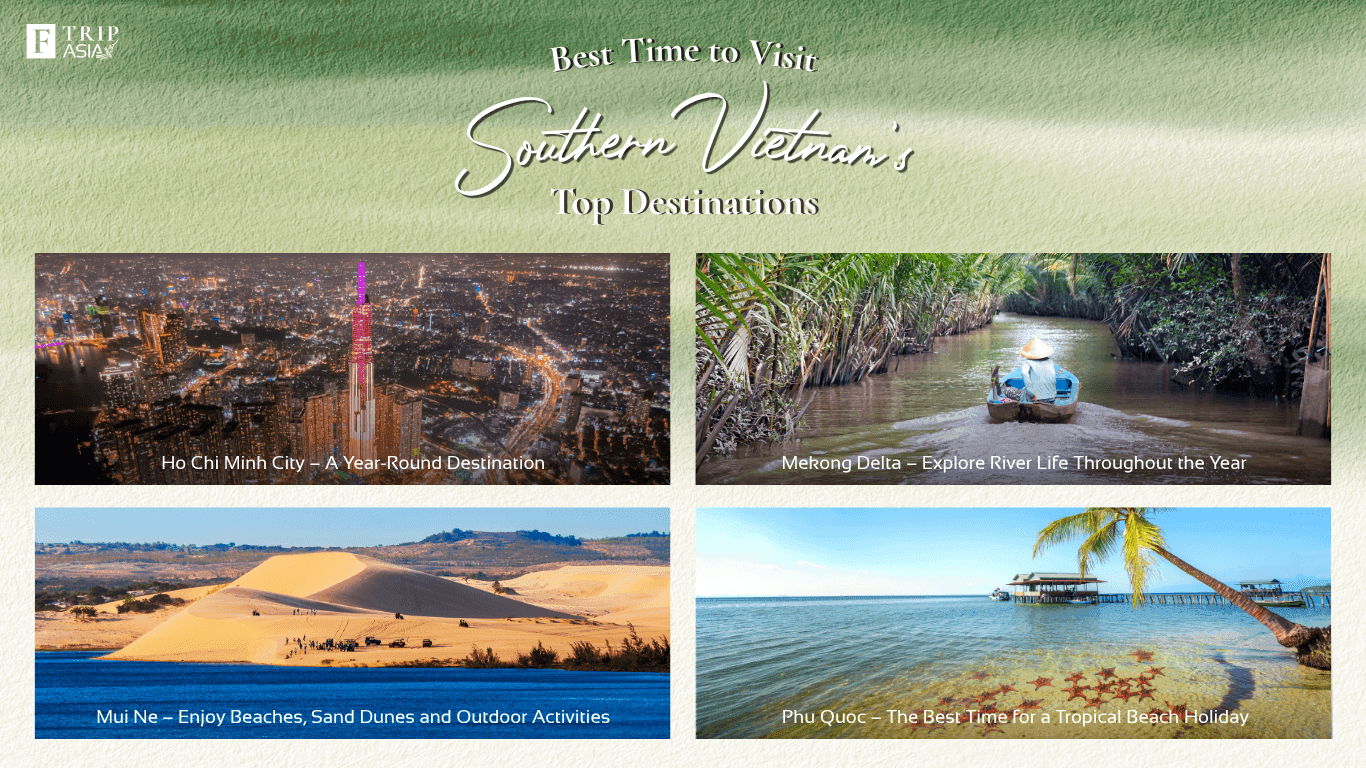
Southern Vietnam has several destinations with different weather patterns and travel experiences. While the dry season is generally favorable across the region, the ideal time to visit depends on what you want to see and do.
1. Ho Chi Minh City – A Year-Round Destination
Ho Chi Minh City can be visited throughout the year thanks to its consistently warm tropical climate. Whether you travel during the dry or rainy season, the city offers plenty of indoor and outdoor attractions, from historical landmarks and museums to bustling markets and local food experiences.
December to April is generally the most comfortable period for exploring the city on foot. You can visit the Notre-Dame Cathedral Basilica of Saigon, the Central Post Office, the Independence Palace and the War Remnants Museum. Walking along Nguyen Hue Walking Street and discovering the city's street food scene are also enjoyable during this period.
May to November is still suitable for city exploration. Although afternoon showers are more common, many attractions are indoors or can be visited between rain showers. This is also a good time to enjoy Vietnamese coffee shops, traditional restaurants and cultural experiences.
Best time to visit: December to April for comfortable outdoor sightseeing. Ho Chi Minh City remains a good year-round destination.

2. Mekong Delta – Explore River Life Throughout the Year
The Mekong Delta is one of Southern Vietnam's most distinctive regions, known for its extensive waterways, floating markets, fruit orchards and traditional riverside communities. Unlike beach destinations, it can be explored throughout the year, with each season offering a different perspective on local life.
December to April is a convenient period for boat excursions, cycling through rural villages and visiting local markets. The relatively dry weather makes it easier to explore outdoor attractions and travel between destinations.
From May to November, the region becomes greener as rainfall increases. The fruit season, which generally falls between May and August, offers opportunities to visit tropical fruit orchards and sample seasonal produce. The high-water period later in the rainy season can also bring unique river experiences, particularly in parts of the delta.
Popular stops include Ben Tre, Can Tho, Cai Be and Chau Doc. If you want to experience the region's river culture, consider an overnight stay in Can Tho to visit Cai Rang Floating Market early the following morning.
Best time to visit: December to April for drier weather, or May to August for lush landscapes and seasonal fruit experiences.

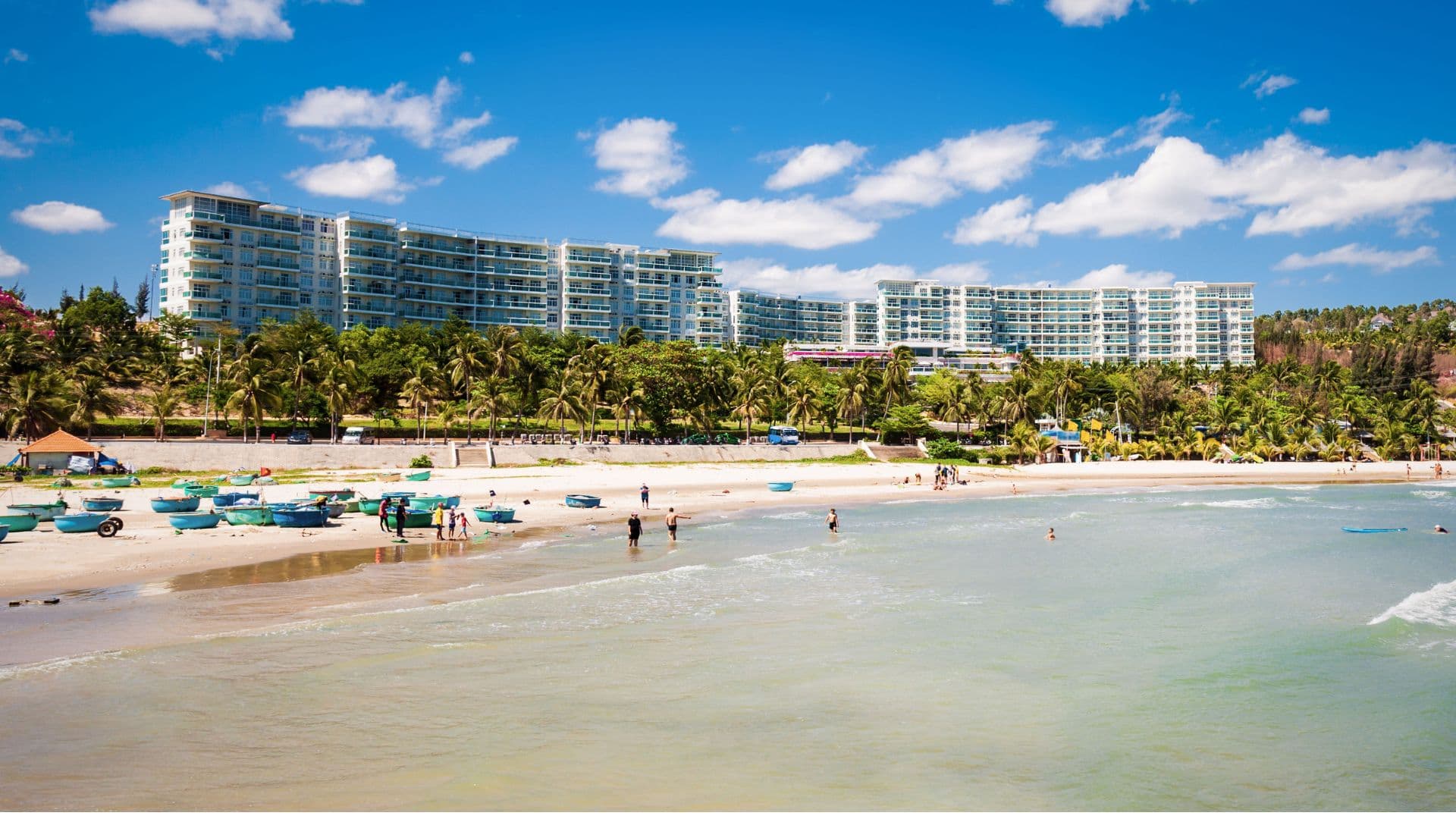
3. Mui Ne – Enjoy Beaches, Sand Dunes and Outdoor Activities
Mui Ne is a coastal destination in Binh Thuan Province, famous for its long sandy beaches, red and white sand dunes, fishing villages and favorable conditions for water sports.
November to April is generally the best time to visit Mui Ne. During these months, the weather is mostly dry and sunny, making it suitable for swimming, beach relaxation, exploring the sand dunes, and taking outdoor photography tours.
Mui Ne is also known for its relatively windy conditions, particularly from November to March. This makes it a popular destination for kitesurfing and windsurfing enthusiasts.
May to October brings more humidity and occasional rainfall. However, Mui Ne can still be worth visiting, as rainfall is not necessarily constant throughout the day. Travelers should check local weather conditions before planning water sports or other outdoor activities.
The early morning is an excellent time to explore the White Sand Dunes and Red Sand Dunes, when temperatures are cooler, and the light is ideal for photography.
Best time to visit: November to April for beach activities, sand dune exploration, and water sports.
4. Phu Quoc – The Best Time for a Tropical Beach Holiday
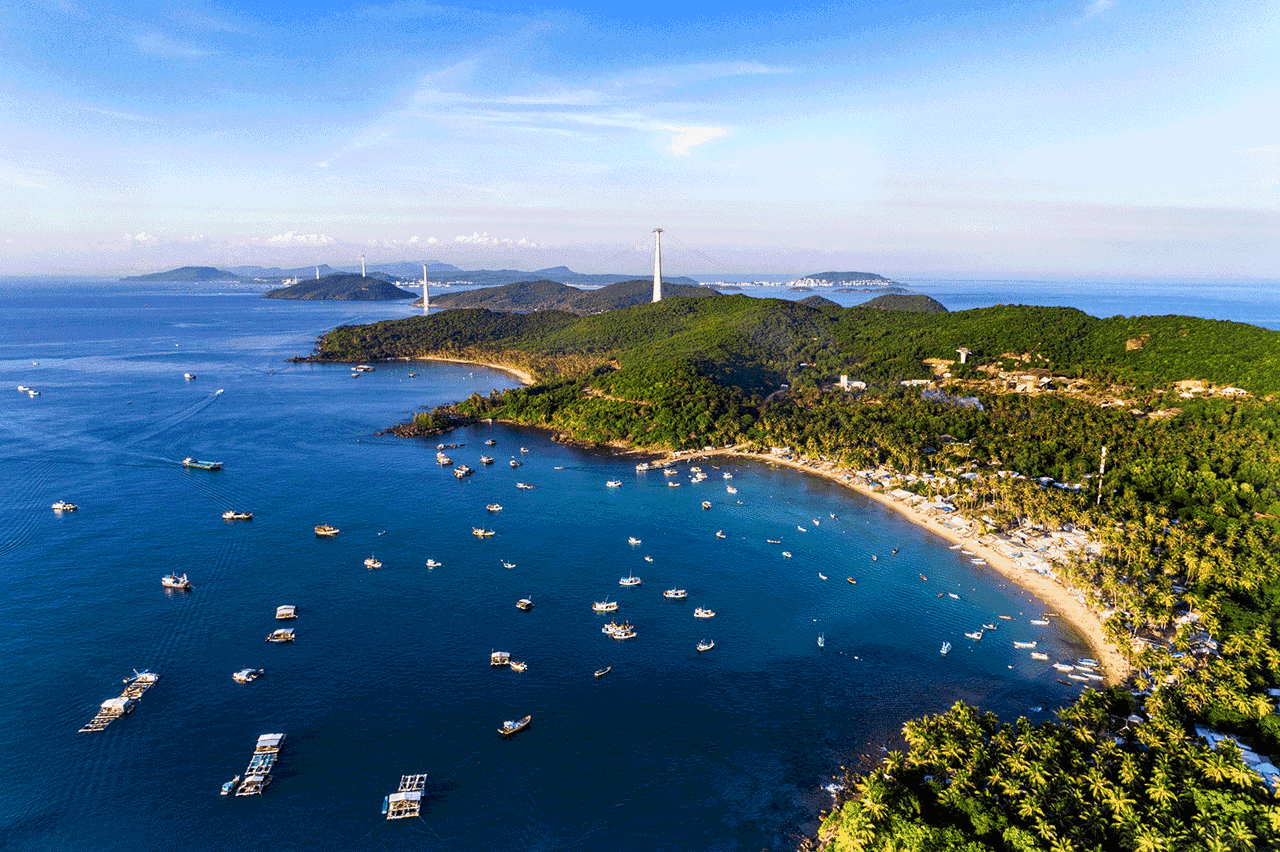
Phu Quoc is one of Vietnam's most popular tropical island destinations, offering white-sand beaches, clear waters, island excursions, and beautiful coastal landscapes. Located in the Gulf of Thailand, the island has distinct wet and dry periods that can significantly influence beach conditions.
November to April is generally the best time to visit Phu Quoc. The weather is mostly sunny, rainfall is limited and the sea is often calmer, particularly during the main dry-season months from December to March.
These conditions are ideal for snorkeling, island hopping, swimming and exploring nearby islands in the An Thoi archipelago. Visitors can also spend time at popular beaches such as Sao Beach and Long Beach or enjoy sunset views along the western coast.
May to October is the rainy season, bringing heavier rainfall and rougher sea conditions. Boat trips and snorkeling excursions may be affected, especially during periods of unsettled weather. However, the island remains accessible, and travelers can still enjoy its resorts, restaurants and indoor activities.
Best time to visit: December to March for the most favorable beach and island-hopping conditions.
Best Time to Visit Southern Vietnam Based on Your Travel Style
The ideal travel period also depends on your interests and the experiences you want to include in your itinerary.
For Beach Lovers
December to March is an excellent period for a tropical beach holiday in Phu Quoc, while November to April is generally suitable for Mui Ne. If you plan to enjoy island hopping and snorkeling, prioritize the dry season when sea conditions are usually more favorable.
For Culture and History Enthusiasts
December to April offers comfortable conditions for exploring Ho Chi Minh City's historical landmarks and taking excursions through the Mekong Delta. However, the rainy season is still suitable for cultural sightseeing if you are flexible with your daily schedule.
For Nature and Local Experiences
The Mekong Delta can be visited throughout the year. During the rainy season, the landscape becomes greener, and seasonal fruit experiences offer another way to discover local agriculture and rural life.
For Budget-Conscious Travelers
Consider traveling during the rainy season, when you may find more competitive accommodation rates and travel services. Avoid major holidays and peak domestic travel periods if you want to reduce costs and enjoy a quieter experience.
How Many Days Do You Need to Explore Southern Vietnam?
For a first-time visit, around 5–6 days is a good starting point for exploring Southern Vietnam. This gives you enough time to discover Ho Chi Minh City, experience the Mekong Delta and enjoy a short beach holiday.
Suggested 5–6 Day Itinerary
| Day | Suggested itinerary |
|---|---|
| Day 1 | Arrive in Ho Chi Minh City – City exploration |
| Day 2 | Ho Chi Minh City – Cu Chi Tunnels – Local food tour |
| Day 3 | Travel from Ho Chi Minh City to the Mekong Delta – Explore local life and stay overnight in Can Tho |
| Day 4 | Visit Cai Rang Floating Market – Return to Ho Chi Minh City |
| Day 5 | Fly to Phu Quoc – Beach relaxation |
| Day 6 | Phu Quoc – Island hopping or leisure time |
This itinerary combines urban exploration, cultural experiences, river life and tropical beaches. You can also adjust the schedule depending on your arrival and departure flights.
Should You Visit All Four Destinations?
If you only have 5–6 days, it is not recommended to visit all four destinations: Ho Chi Minh City, the Mekong Delta, Mui Ne and Phu Quoc. Trying to include them all would leave limited time for actual exploration and involve considerable travel between locations.
Instead, choose one beach destination based on your interests. Mui Ne is a good option if you prefer a coastal road trip from Ho Chi Minh City, while Phu Quoc is more suitable for a tropical island holiday.
If you want to combine both Mui Ne and Phu Quoc, consider spending at least 8–10 days in Southern Vietnam, depending on your transportation arrangements and transit time.
Can You Combine Southern Vietnam with Northern Vietnam or Cambodia?
Southern Vietnam can easily become part of a longer Southeast Asian journey. Depending on your available time, you can combine it with Northern and Central Vietnam or extend your trip to Cambodia.
Combine Southern Vietnam with a Vietnam North-to-South Journey
For travelers visiting Vietnam for the first time, a north-to-south journey is an excellent way to experience the country's diverse landscapes and cultures.
A suggested route includes:
- Hanoi: Discover the Old Quarter, local cuisine and historical landmarks.
- Ninh Binh and Ha Long Bay: Explore limestone mountains, rivers and scenic natural landscapes.
- Hue, Hoi An and Da Nang: Experience Central Vietnam's heritage sites, coastal scenery and traditional architecture.
- Ho Chi Minh City and the Mekong Delta: Discover Southern Vietnam's vibrant city life and traditional river communities.
- Phu Quoc or Mui Ne: End your journey with a relaxing beach holiday.
A journey of approximately 12–18 days allows you to explore the three regions at a comfortable pace.
This combination offers a wide variety of experiences, from mountain landscapes and cultural heritage to bustling cities and tropical beaches. It is particularly suitable for international travelers visiting Vietnam for the first time.
Combine Cambodia with Southern Vietnam
Cambodia and Southern Vietnam can be combined into one multi-country itinerary, offering a mix of Khmer heritage, river culture and urban experiences.
One practical route is to begin in Cambodia and travel into Southern Vietnam:
- Phnom Penh: Explore the Cambodian capital, including its historical landmarks and riverside attractions.
- Siem Reap: Discover the ancient temples of Angkor, including the famous Angkor Wat.
- Chau Doc: Travel from Phnom Penh to Chau Doc by speedboat across the Mekong River, subject to the available service and border requirements.
- Mekong Delta: Explore the region's floating markets, fruit orchards and traditional communities.
- Ho Chi Minh City: Finish your journey with city sightseeing, cultural attractions and local food experiences.
This route provides a convenient way to connect Cambodia with Southern Vietnam without returning to your original starting point. Remember to check the latest entry requirements and speedboat schedules when planning your cross-border journey.
Explore more: 14-Day Tour: Classic Cambodia & Southern Vietnam

Travel Tips for Visiting Southern Vietnam in Different Seasons
Preparing for the weather can make your Southern Vietnam trip more comfortable, especially if you plan to visit multiple destinations.
What to Pack During the Dry Season
- Lightweight and breathable clothing to stay comfortable in warm weather.
- Sunscreen, sunglasses and a hat for outdoor sightseeing.
- Comfortable walking shoes for city tours and excursions.
- Swimwear for beach destinations such as Mui Ne and Phu Quoc.
What to Pack During the Rainy Season
- A lightweight raincoat or compact umbrella.
- A waterproof bag to protect electronics and personal belongings.
- Quick-dry clothing and comfortable sandals.
- Insect repellent, especially for countryside and river excursions.
Plan Outdoor Activities Around the Weather
During the rainy season, schedule boat trips and outdoor sightseeing in the morning whenever possible. Reserve indoor activities, such as museum visits, cooking classes and café experiences, for afternoons when showers are more likely.
Before visiting the islands, check the weather forecast and sea conditions. Keep alternative activities in your itinerary in case ferry services or boat tours are delayed or cancelled.
Plan Your Southern Vietnam Trip with Ftrip Asia
The best time to visit Southern Vietnam depends on your travel dates, preferred destinations and interests. With Ftrip Asia, you can enjoy a private tour designed around your needs, including accommodation, transportation, local guides and destination activities. Whether you want to explore Southern Vietnam alone or combine it with Northern and Central Vietnam or Cambodia, our local team can customize your itinerary and provide on-trip assistance throughout your journey.
Planning a trip to Southern Vietnam? Contact Ftrip Asia to create a customized itinerary based on your preferred travel dates, destinations and experiences.
Frequently Asked Questions About the Best Time to Visit Southern Vietnam
What is the best month to visit Southern Vietnam?
January and February are among the best months to visit Southern Vietnam. The weather is generally dry, sunny and relatively comfortable, making them ideal for exploring Ho Chi Minh City, the Mekong Delta and nearby beach destinations.
Is Southern Vietnam worth visiting during the rainy season?
Yes. Southern Vietnam is still worth visiting from May to November. Although afternoon showers are common, you can enjoy cultural attractions, local food experiences and the Mekong Delta with a flexible itinerary.
What is the hottest month in Southern Vietnam?
March and April are typically among the hottest months in Southern Vietnam. Temperatures can rise above 35°C in some areas, so plan outdoor activities for early mornings or late afternoons.
When is the best time to visit Phu Quoc?
December to March is generally the best time to visit Phu Quoc. These months offer sunny weather, lower rainfall and more favorable sea conditions for swimming, snorkeling and island hopping.
When is the best time to visit the Mekong Delta?
The Mekong Delta can be visited year-round. December to April is suitable for outdoor excursions, while May to August is a good period for visiting fruit orchards and enjoying seasonal produce.
Can I visit Southern Vietnam all year round?
Yes. Southern Vietnam is a year-round destination thanks to its warm tropical climate. The dry season is better for beach holidays and outdoor activities, while the rainy season offers greener landscapes and opportunities to explore local culture with fewer weather-related expectations.



 8D7N: 8 Days in the NorthFromView Tour$1,135/pax
 Mekong Princess Cruise
 14-Day Tour: A Journey from North to South VietnamFromView Tour$2,136/pax
 When to Visit Vietnam for the Perfect Weather and Festivals
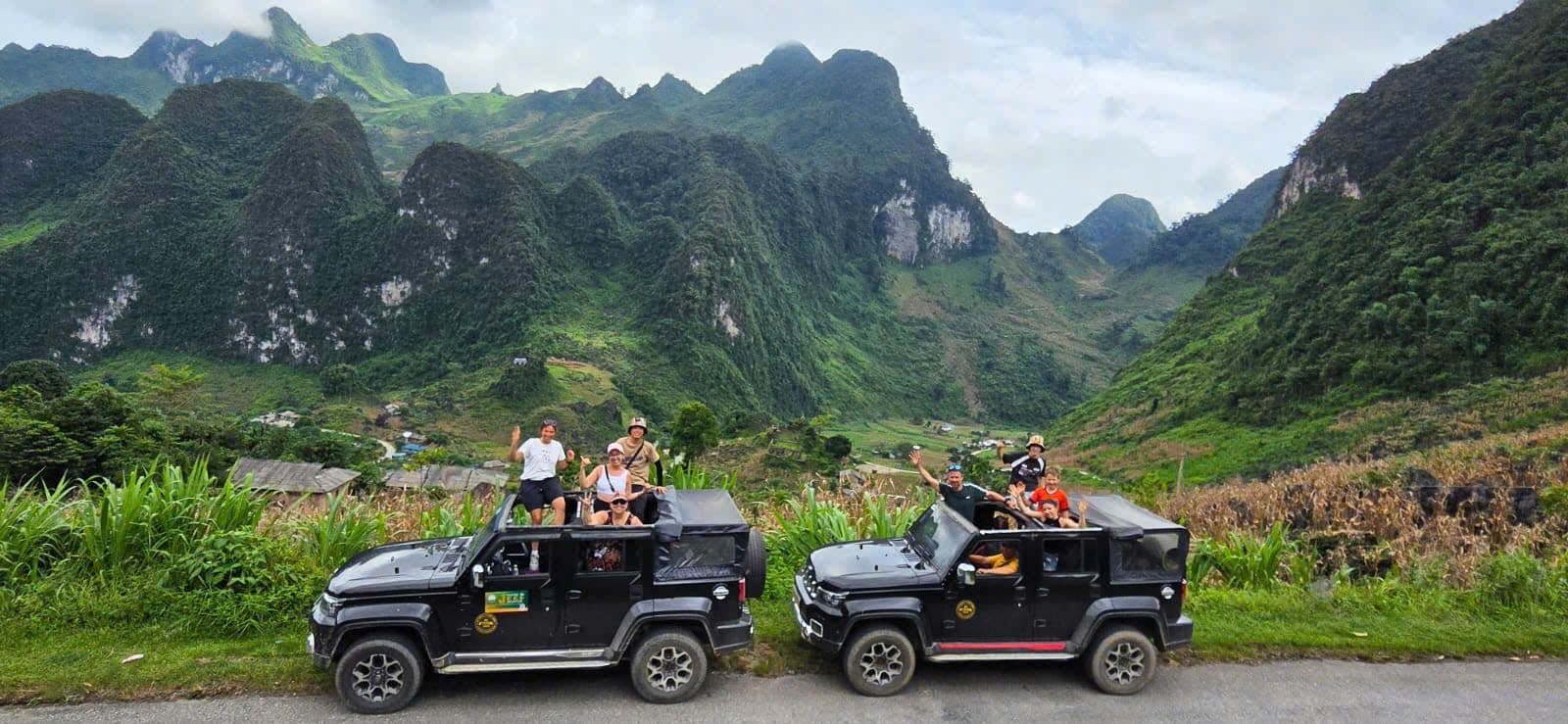 Ha Giang Loop Vietnam: Experience the Legendary Mountain Route in Luxury
 Halong Bay Tour That Will Change How You See Vietnam’s Natural Beauty