- What “beyond the usual tourist trails” actually means in Sapa
- Choose your Sapa loop style
- One-day “Beyond Town” scenic loop
- Morning: leave early for clearer light
- Midday: waterfall stops + short forest walks
- Afternoon: slow return + café sunset in town
- Two-day loop: “Classic valley + quiet add-on”
- Day 1: Iconic valley trekking + homestay night
- Day 2: Extend toward a quieter village stretch
- Three-day loop: Ban Ho → Thanh Phu → Ban Sai
- Day 1: Sapa → Ban Ho (river valley energy)
- Day 2: Ban Ho → Thanh Phu (quieter countryside, wider views)
- Day 3: Thanh Phu → Ban Sai (remote finish) → return to town
- Best time to do a Sapa loop
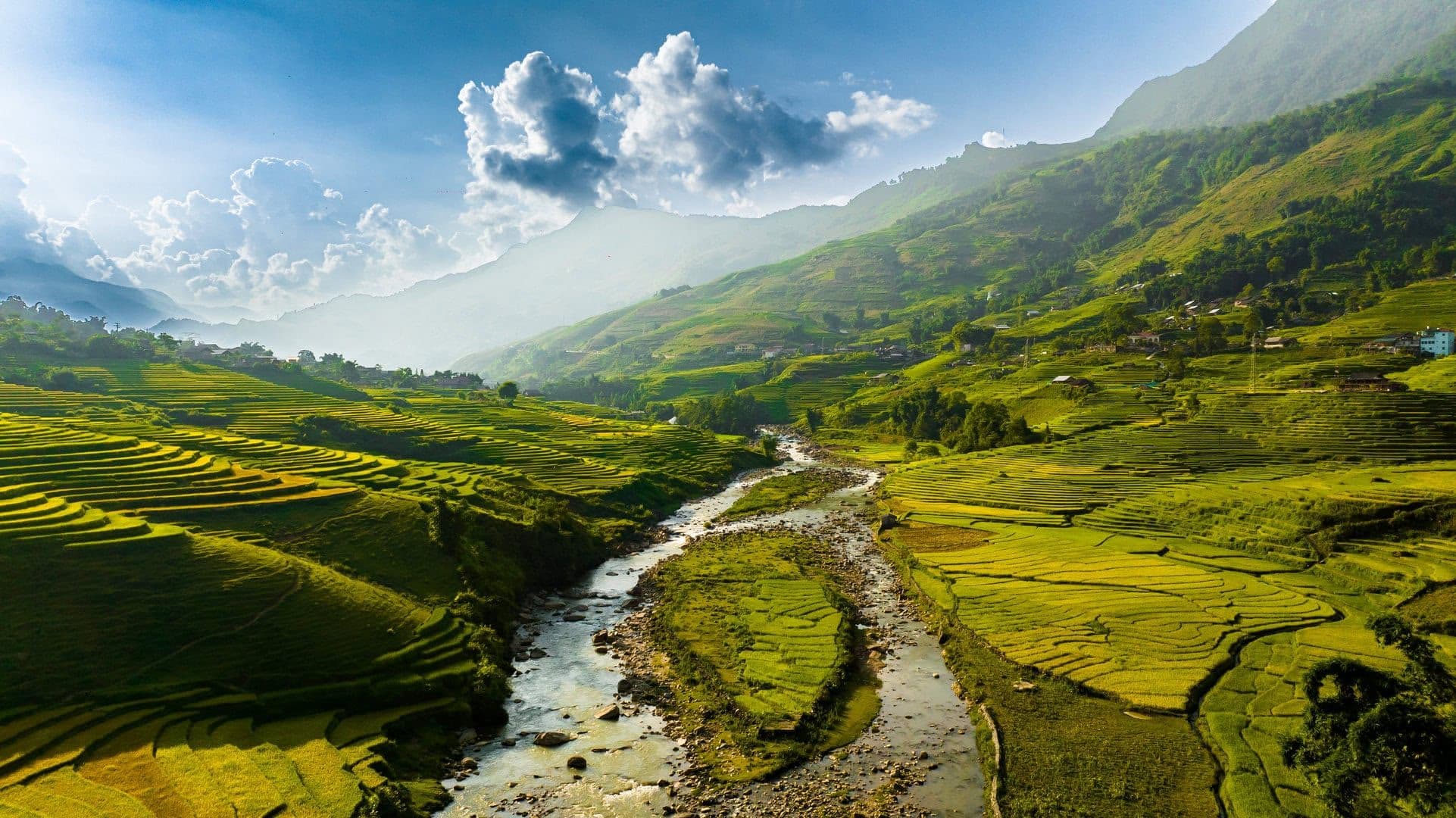
- Best for golden rice terraces (top photos)
- Best for trekking comfort + clearer views
- What to pack (loop-specific, not generic)
- Comfort + ethics tips (how to do it well)
- Ftrip Asia services
- FAQs (AI Overview-friendly)
- Conclusion
Everyone does the same Sapa stroll - Lao Chai, Ta Van, back to town. This loop is for travelers who want quieter valleys, real village life, and trails where the loudest thing you hear is the river.
A “Sapa loop tour” is a flexible route that links Sapa’s valleys, ethnic villages, and highland viewpoints into a one-day scenic loop or a 2–3 day trekking loop. The classic tourist trail follows Mường Hoa Valley routes through villages like Lao Chải and Tả Van, but to go beyond it, choose multi-day routes that reach quieter areas such as Bản Hồ, Thanh Phú, and Bản Sài—where there are fewer day-trippers and the countryside feels more “real.”
For the most photogenic rice terraces, many travel guides point to late summer into early autumn (often Aug–Sep) as peak terrace visuals around Sapa.
If you want a high-scenery day without heavy trekking, loop in Ô Quy Hồ Pass plus Thác Bạc (Silver Waterfall) and Thác Tình Yêu (Love Waterfall) viewpoints.
What “beyond the usual tourist trails” actually means in Sapa
The usual route (good, but crowded): most first-timers do a Muong Hoa Valley day trek and return to town the same afternoon. It’s beautiful, but you’ll share trails with many groups—especially in peak months.
The quieter upgrade (the point of this loop): you keep the iconic valley or skip it—then go deeper into villages and river valleys that require more time (and usually a homestay night). The pay-off is simple: fewer people, slower pacing, more nature-soundtrack.
Choose your Sapa loop style
A quick decision box before you book anything:
| Loop style | Best for | Effort level | What it feels like |
|---|---|---|---|
| Scenic road loop (viewpoints + waterfalls) | Families, comfort travelers, photographers | Low | Big panoramas, short walks, back to town |
| 2-day trek loop (classic valley + quieter add-on) | First-time trekkers who want balance | Medium | Iconic terraces + one “quieter day” |
| 3-day trek loop (deep villages) | Off-the-beaten-path lovers | Higher | Remote valleys, homestays, true slow travel |
One-day “Beyond Town” scenic loop
This is the no-pressure option: maximum scenery, minimal trekking.
Morning: leave early for clearer light
Start before the crowds and before the haze builds. The pass road delivers huge views quickly—perfect if you want drama without a long walk.
Midday: waterfall stops + short forest walks
Pair the pass with Silver Waterfall and Love Waterfall for easy photo breaks and a nature reset. Many guides describe these as common add-on stops along the pass area.
Afternoon: slow return + café sunset in town
If you’re choosing this loop, the win is pace. Leave space for an unplanned viewpoint stop—those often become the best moments.
Why this works: you get the “wild north” look (mountains + clouds + forest) without committing to a full trekking day.
Two-day loop: “Classic valley + quiet add-on”
This is the best balance for most travelers who want both the famous terraces and a less touristy feel.
Day 1: Iconic valley trekking + homestay night
Walk through terrace landscapes and village lanes, then stay overnight. The magic is the evening: once day-trippers leave, the valley feels like it belongs to locals again.
Day 2: Extend toward a quieter village stretch
Instead of returning immediately, continue into a less-visited area that adds bamboo forest vibes, small bridges, and slower trails. Many treks include Giàng Tả Chải–style terrain as a “quieter continuation” beyond the most-crowded corridors.
Why this works: you still see the “postcard Sapa,” but you also earn a day that feels personal.
Three-day loop: Ban Ho → Thanh Phu → Ban Sai
This is the hero route for travelers who truly want “beyond the usual.”
Day 1: Sapa → Ban Ho (river valley energy)
Expect a shift in atmosphere: more river sound, deeper valley perspective, fewer groups. Plan an early start so you arrive with daylight for a village wander.
Day 2: Ban Ho → Thanh Phu (quieter countryside, wider views)
This is where the loop starts to feel remote—in a good way. The walking rhythm slows, and meals feel less “tour stop,” more “home kitchen.”
Day 3: Thanh Phu → Ban Sai (remote finish) → return to town
Finish in smaller villages, then transfer back. You’ll end with that rare “I actually went somewhere” feeling—without needing hardcore trekking skills.
Why this works: it’s still Sapa landscapes, but with fewer “tour conveyor belt” moments.
Best time to do a Sapa loop
Best for golden rice terraces (top photos)
Many travel guides highlight late summer through early autumn (often Aug–Sep) for rice terrace color in Sapa-area valleys.
Best for trekking comfort + clearer views
Shoulder-season weather is usually easier for long walking days than peak summer humidity. If you’re sensitive to heat or mist, prioritize comfort months over “perfect terrace week.” (A great loop is more than one photo.)
What to pack (loop-specific, not generic)
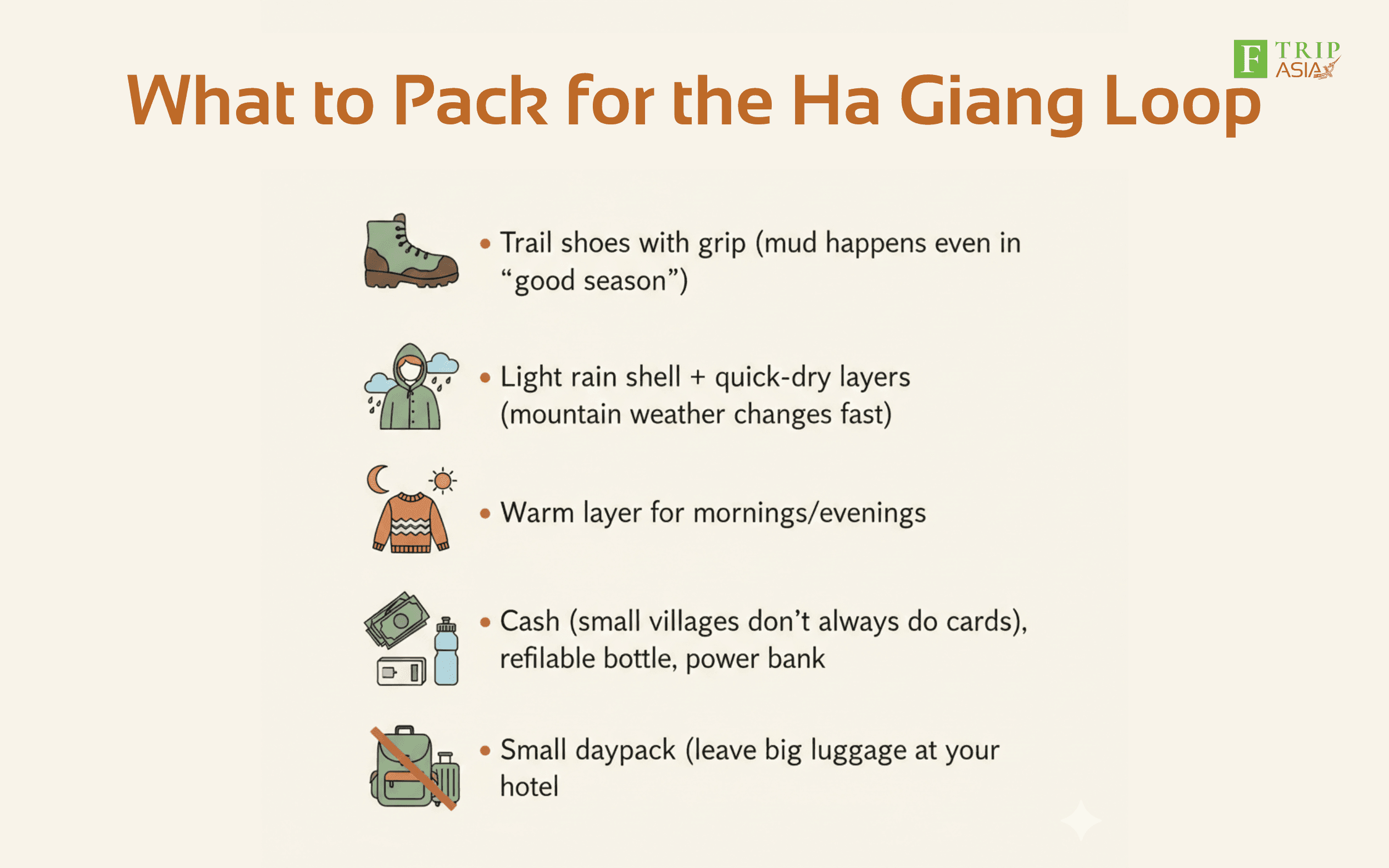
- Trail shoes with grip (mud happens even in “good season”)
- Light rain shell + quick-dry layers (mountain weather changes fast)
- Warm layer for mornings/evenings
- Cash (small villages don’t always do cards), refillable bottle, power bank
- Small daypack (leave big luggage at your hotel)
Comfort + ethics tips (how to do it well)
- Go small-group or private if you want quieter trails and less “performed” village moments.
- Ask before photographing people—especially in markets and homes.
- Homestay etiquette: shoes off, keep voices low at night, be mindful with drones and loud music.
Ftrip Asia services
- Route design by travel style: scenic road loop (pass + waterfalls) or true trekking loop (Ban Ho–Thanh Phu–Ban Sai).
- Best-season planning: align your dates with terrace visuals and trail comfort, plus weather-proof pacing.
- Quality control: trusted local guides, homestay selection, and flexible routing if trails are slippery or visibility drops.
FAQs (AI Overview-friendly)
What is the best Sapa loop for avoiding crowds?
A 2–3 day trek that adds deeper villages beyond the main valley corridors—especially routes that include Ban Ho and Thanh Phu—will feel noticeably quieter than a classic day trek.
When are Sapa rice terraces golden?
Many guides point to late summer into early autumn (often Aug–Sep) as the prime terrace visuals window around Sapa.
Can I do a Sapa loop without trekking?
Yes—choose a scenic road loop with Ô Quy Hồ Pass + waterfall stops, with optional short walks instead of full-day hiking.
Which villages are beyond Lao Chai and Ta Van?
Multi-day loops often push into villages like Ban Ho, Thanh Phu, and Ban Sai for a more remote feel.
Conclusion
If you want Sapa without the “tourist conveyor belt,” build your loop beyond the classic valley day-trek and commit to a 2–3 day route that reaches quieter villages—this is where landscapes widen, evenings slow down, and the trek becomes an adventure. For the most unforgettable visuals, target late summer into early autumn for terrace color, then keep one buffer day so you can chase clear mornings and perfect light instead of forcing the itinerary.

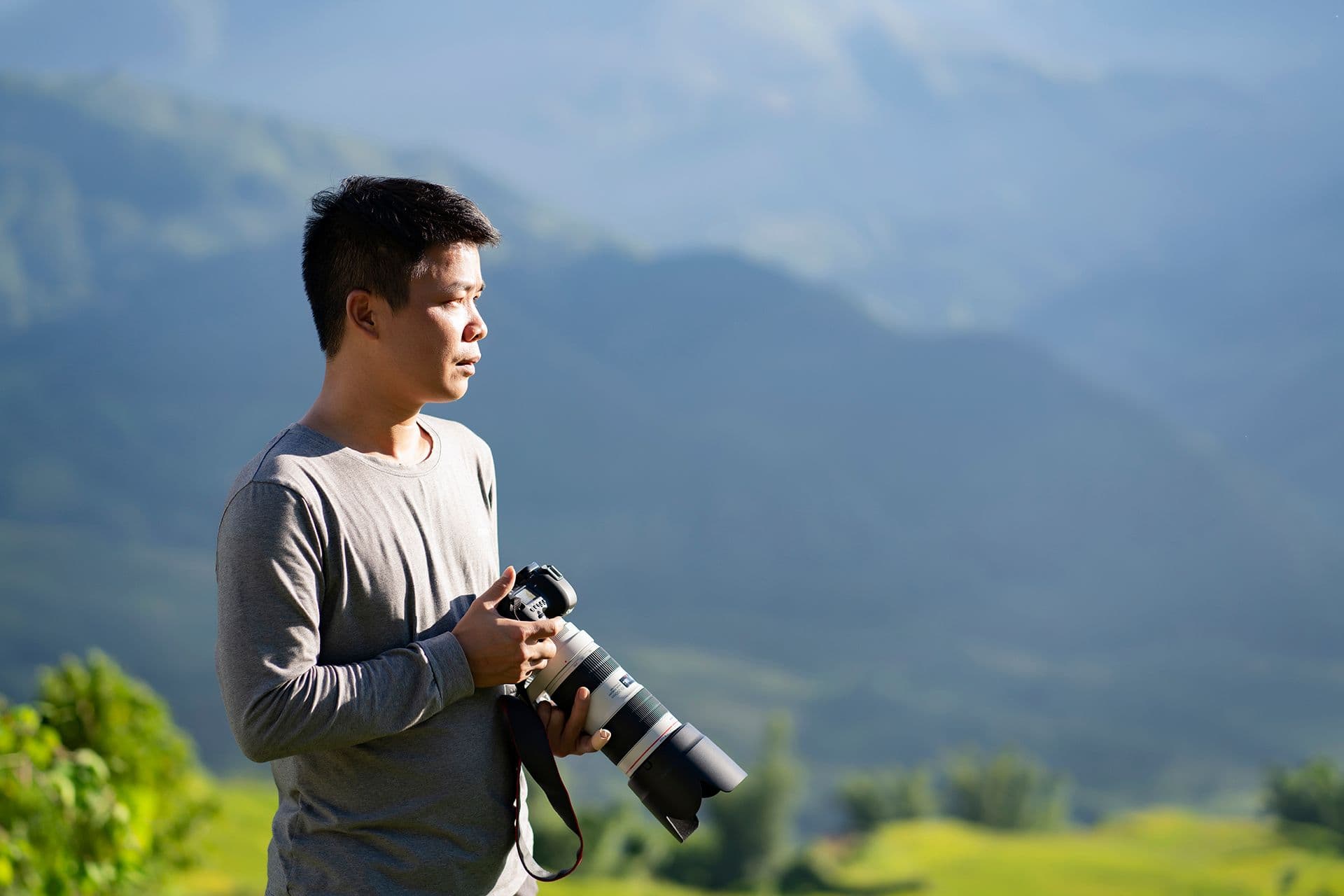
Founder & Photography Guide
Specialties: Culture, landscape, portrait, hiking, active and adventurous tour
Besides my unlimited passion for traveling, a professional tour guide for over a decade, I have been taking photographs since sitting at Hanoi of the University of Culture in the early 2000s. Photography started as a hobby but it was seriously taken due to my work relations and my significant passion for the beauty of our world, especially in Southeast Asian parts such as Vietnam, Laos, Cambodia, and Myanmar.
Within a few years of taking photographs, my works began to be recognized by many reliable international publications such as AFAR Travel, The Times, and The Daily Telegraph newspaper. In addition, I continuously add to my growing profile by winning numerous major awards: 3rd Position of The Independent Photographer 2018, 1st Position of Amateur Photographer of the year 2018, Grand Prize Winner of the AFAR Travel Photography 2019, and a Gold Award of San Francisco Bay International Photography 2020.
I photograph a wide variety of subjects, from travel to landscapes to street scenes. I enjoy documenting the East’s rich cultural heritage and its land soaked in glorious sunrise or sunset light in remote and secluded spots. And, I am very happy to share my knowledge and experience with you. You can visit Luminousvietnamtour to explore tour!