- Why Da Nang, Hoi An, and Hue Work So Well Together
- What Makes This Central Vietnam Route Special
- What to Expect in Da Nang
- What to Expect in Hoi An
- What to Expect in Hue
- Who This Da Nang Hoi An Hue Route Is Best For
- Best Travel Styles for a Da Nang Hoi An Hue Tour
- Best Things to Include in a Da Nang, Hoi An, Hue Tour
- How Many Days Do You Need for Da Nang, Hoi An, and Hue?
- Suggested Tour Structures
- Why This Route Matches Current Travel Trends
- Common Mistakes Travelers Make When Planning Da Nang, Hoi An, and Hue
- Why FtripAsia Is a Strong Choice for a Da Nang, Hoi An, and Hue Tour
- Frequently Asked Questions
- Conclusion
For first-time visitors, especially, this route works well because it avoids trying to cover too many far-apart places in one short holiday. Instead, it offers a practical Central Vietnam circuit with good transport links, contrasting experiences, and enough variety for both shorter and slower trips.
Why Da Nang, Hoi An, and Hue Work So Well Together
Three different sides of Central Vietnam
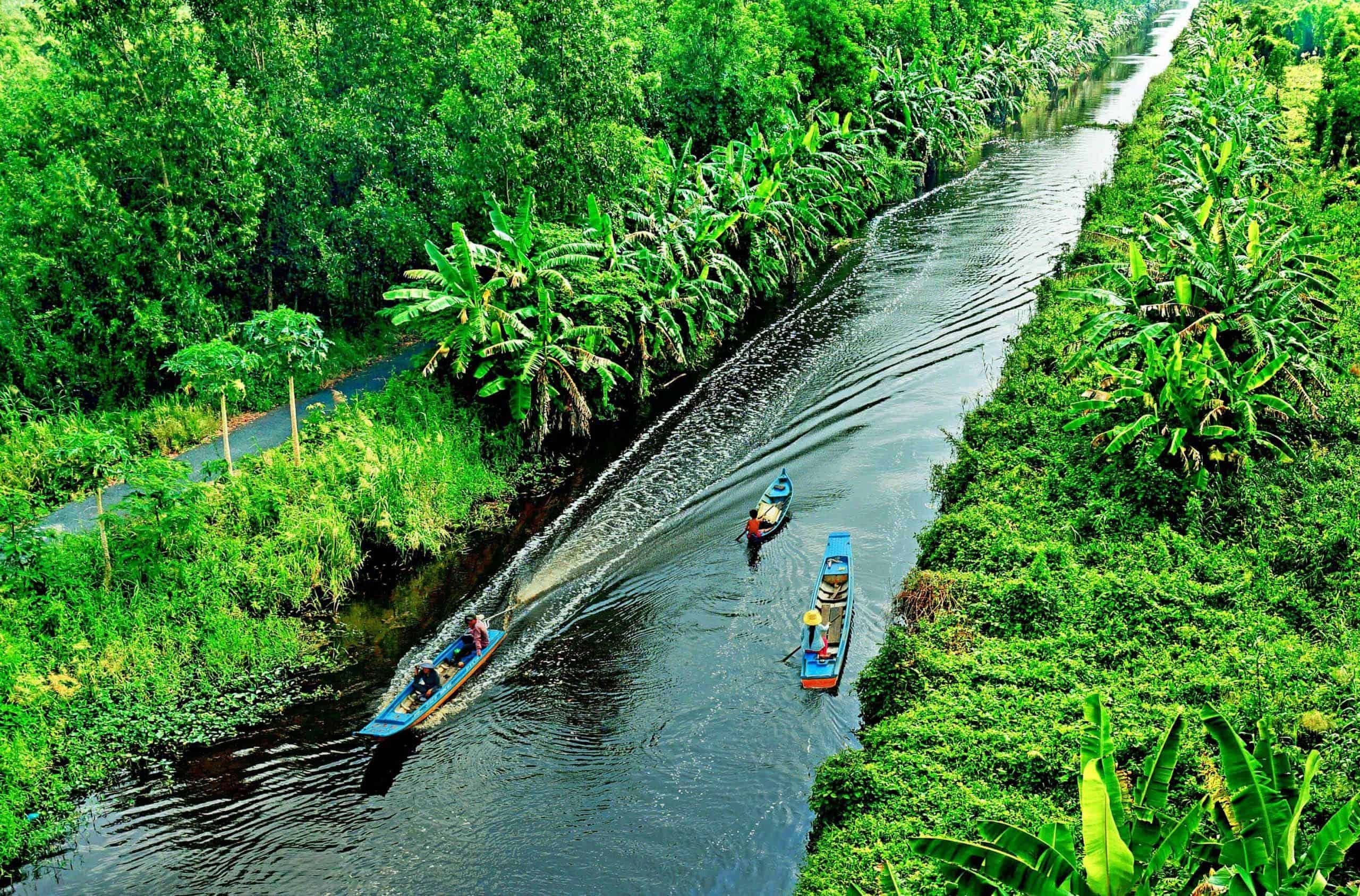
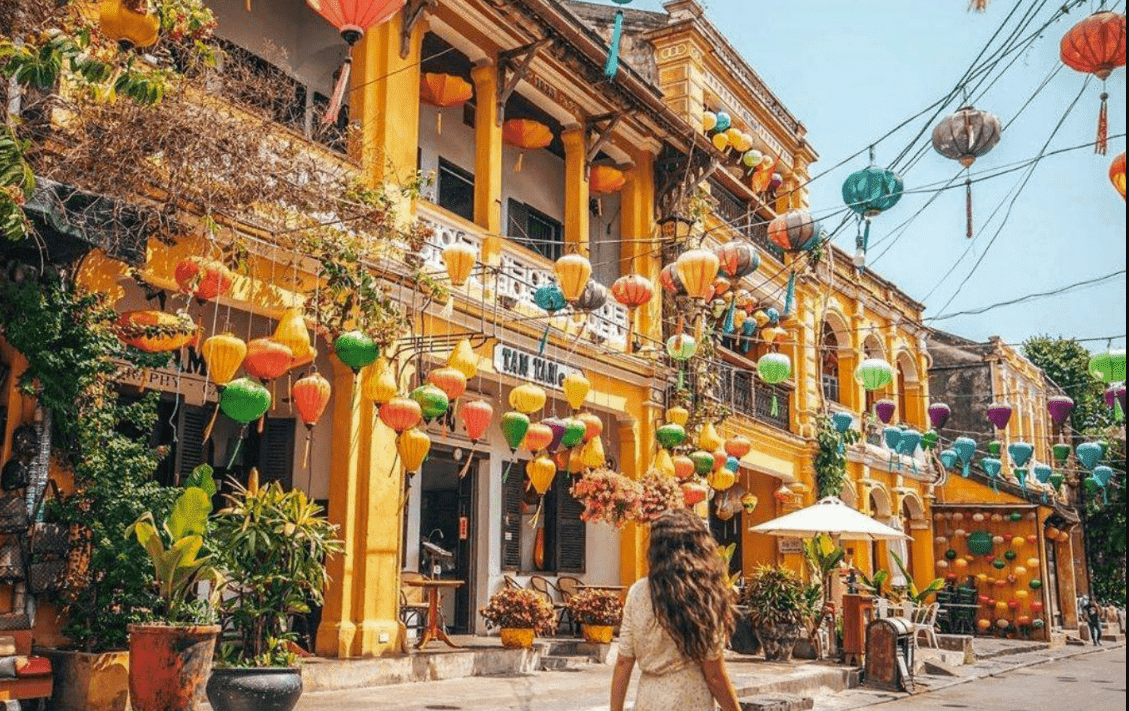
Each stop plays a different role in the trip. Da Nang brings beaches, city convenience, and nearby scenic attractions. Hoi An adds heritage, lantern-lit streets, food, and countryside experiences. Hue contributes imperial history, tombs, and deeper cultural travel. Taken together, they create a route with distinct moods rather than three versions of the same destination.
A route with a strong variety but simple logistics
This route is easier than trying to cover all of Vietnam in one go because the destinations are already part of one connected Central Vietnam travel zone. Hoi An is reachable from Da Nang airport in about 50 minutes, and Hue is about two hours from Da Nang by private car, train, or open bus, according to Vietnam Tourism.
Why this itinerary appeals to first-time visitors
For first-time visitors, this route gives beach time, food, culture, and scenic overland travel in one region. That means the trip feels broad and rewarding without becoming exhausting. This is an inference from the mix of destination types officially highlighted for Da Nang, Hoi An, and Hue.
What Makes This Central Vietnam Route Special
Da Nang is the easy entry point.
Da Nang works especially well as the starting point because it is a coastal city with strong tourism infrastructure, beach access, food options, and easy onward connections. Vietnam Tourism presents it as a beach city with nearby attractions and a modern, travel-friendly atmosphere.
Hoi An is the character-rich heart of the trip.
Hoi An is where the route slows down and becomes more atmospheric. UNESCO describes it as an exceptionally well-preserved Southeast Asian trading port, while Vietnam Tourism highlights walking, cycling, local food, and river experiences as ideal ways to explore it.
Hue as the cultural finale or heritage highlight
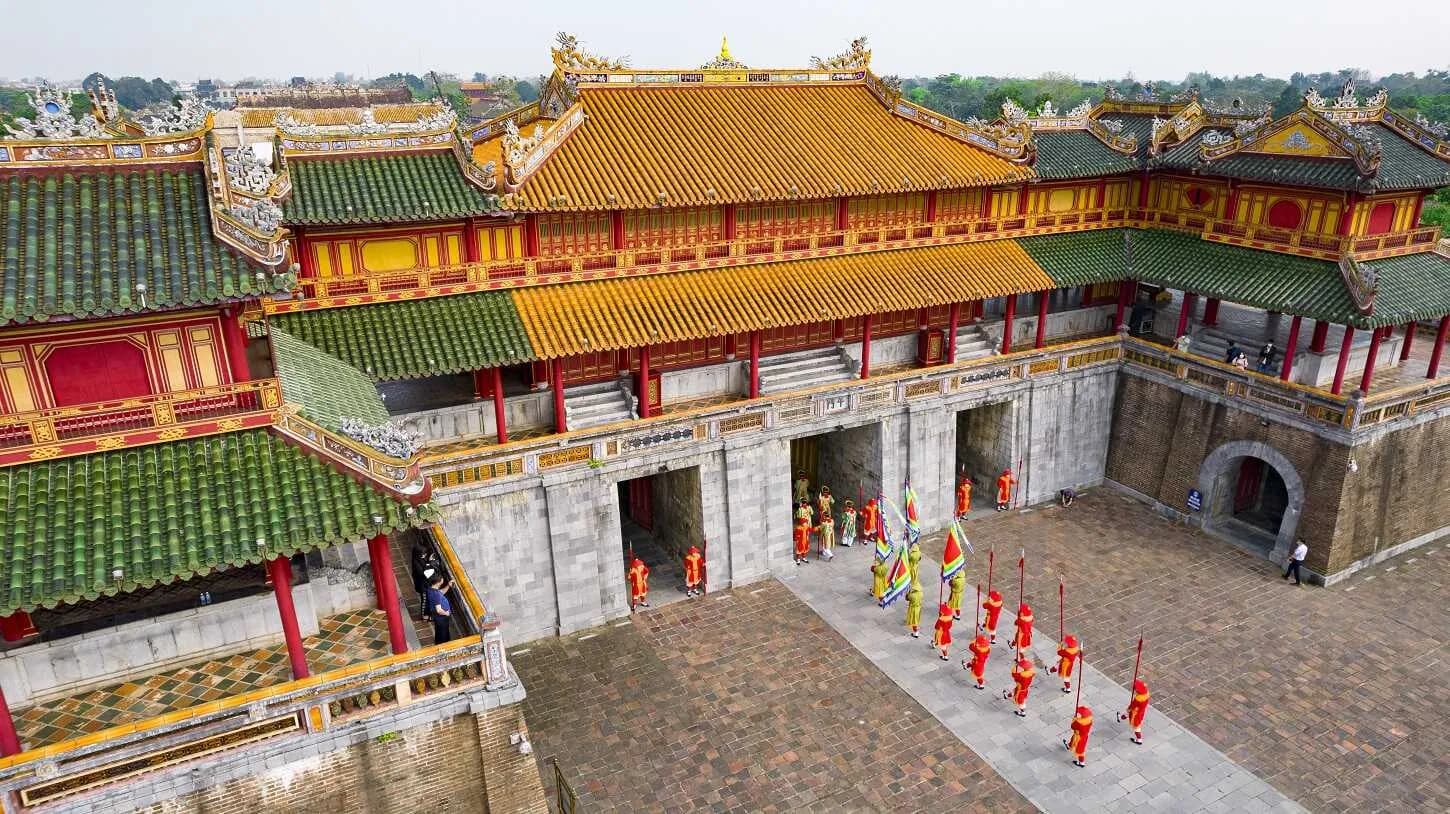
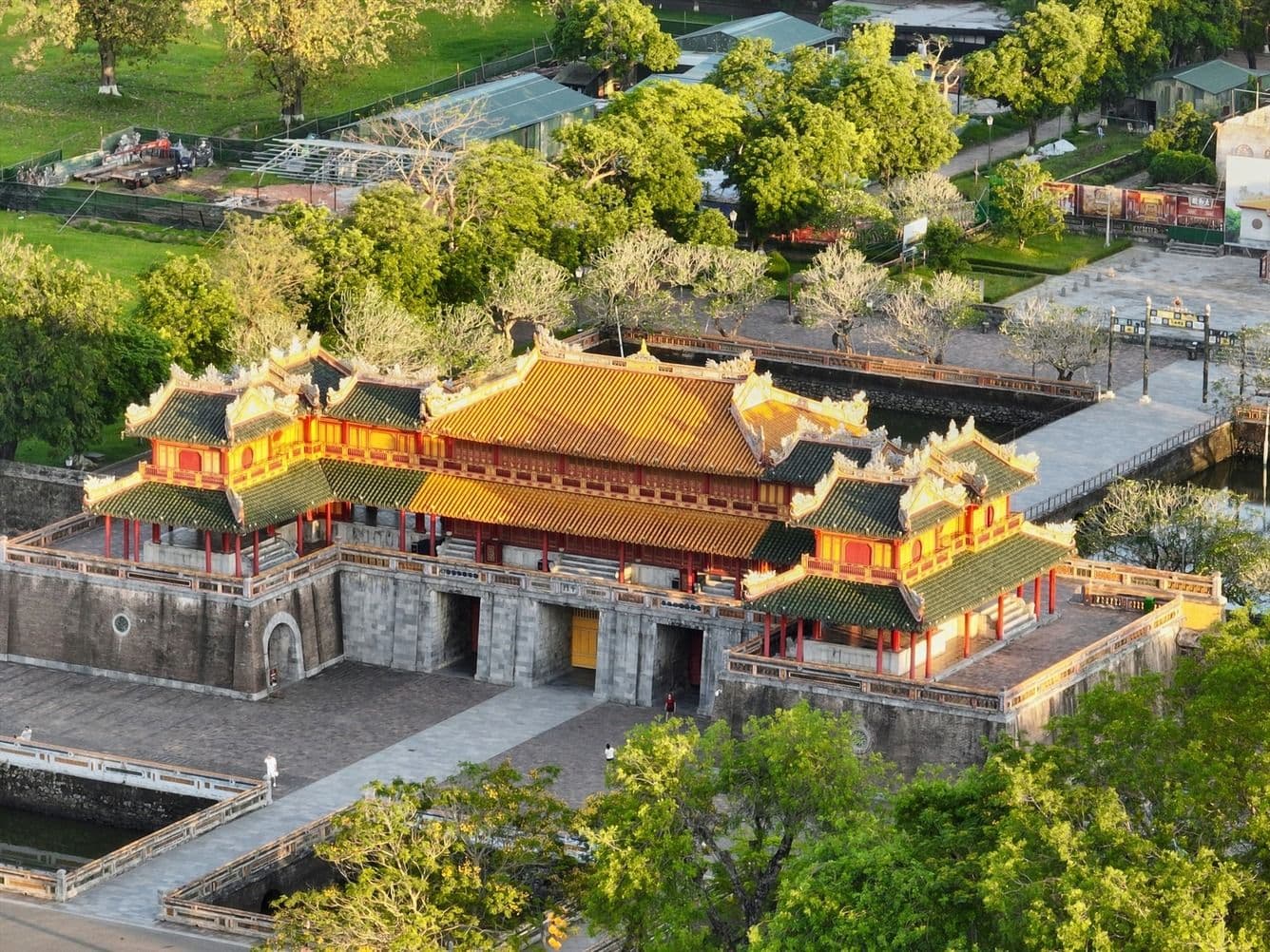
Hue gives the route historical depth. UNESCO notes that Hue became the capital of unified Vietnam in 1802 and was the political, cultural, and religious center under the Nguyen Dynasty until 1945. That makes it the stop that turns this itinerary from a charming beach-and-town holiday into a more complete cultural journey.
What to Expect in Da Nang
Beaches and modern city energy
Da Nang is known for its long beach frontage and more modern urban feel. Vietnam Tourism highlights its wide coastal strip stretching from Son Tra toward Hoi An, with My Khe as the most popular beach and quieter white-sand stretches elsewhere along the coast.
Scenic and lifestyle attractions
Da Nang is more than a place to sleep between Hoi An and Hue. Official travel guidance highlights attractions such as the Marble Mountains, Son Tra Peninsula, and the city’s food scene, while insider guides also emphasize architecture, riverfront areas, and city lifestyle experiences.
Why Da Nang works for different travel styles
Da Nang fits many travel styles because it can be a beach base, a family-friendly city, a short-break destination, or a more premium coastal stay. That flexibility is an inference based on the destination mix officially presented for Da Nang.
What to Expect in Hoi An
UNESCO-listed Ancient Town appeals
Hoi An is one of Vietnam’s best-known heritage destinations, and its biggest draw remains the Ancient Town. UNESCO emphasizes that its buildings and street plan reflect both indigenous and foreign influences, preserving the feel of a historic commercial port in a way few places in the region still do.
Food, river life, and local experiences
Hoi An’s appeal goes well beyond architecture. Vietnam Tourism highlights local dishes such as cao lầu, river-based experiences, and countryside cycling as core parts of the destination. This makes Hoi An especially strong for travelers who want both atmosphere and hands-on local experiences.
Countryside and beach balance
Hoi An is not only an ancient town. Official travel guidance also points to cycling in the countryside and easy access to nearby beaches, which is why the destination feels more varied than many first-time visitors expect.
What to Expect in Hue
Imperial heritage and cultural depth
Hue is best known for the Imperial City, royal tombs, and its former capital identity. UNESCO’s inscription focuses on the Complex of Hue Monuments, underscoring its role as the political and cultural center of Vietnam’s last royal dynasty.
A calmer, more reflective travel experience
Compared with Da Nang and Hoi An, Hue usually feels quieter and more reflective. Vietnam Tourism frames it around citadel visits, riverside strolling, and tomb exploration rather than nightlife or beach life.
Why Hue matters in this itinerary
Without Hue, the route leans more toward beaches and charm. With Hue, it gains historical gravity and a stronger sense of Vietnam’s cultural depth. That is an inference, but a well-supported one given Hue’s UNESCO status and distinct imperial identity.
Who This Da Nang Hoi An Hue Route Is Best For
This itinerary suits first-time visitors to Central Vietnam, couples seeking a scenic and cultural route, families wanting variety, luxury travelers who want beach stays plus heritage, and food or photography travelers looking for a range without constant long-distance transfers. That traveler fit is an inference from the official destination strengths of each stop.
Best Travel Styles for a Da Nang Hoi An Hue Tour
Classic first-time highlights tour
The classic version focuses on Da Nang’s beaches and city energy, Hoi An’s Ancient Town, and Hue’s imperial landmarks. This is the most balanced first introduction to the region.
Culture and heritage-focused route
A more heritage-led route leans into Hoi An’s preserved core, Hue’s citadel and tombs, and possibly adds My Son as a cultural extension from Hoi An. UNESCO recognition for Hoi An, Hue, and My Son gives this version real depth.
Beach and lifestyle route
A softer version of the trip can prioritize a Da Nang beachfront stay, Hoi An town and coast, and only a lighter cultural day in Hue. This works especially well for travelers who want relaxation with some heritage rather than a fully history-heavy route.
Luxury and slow-travel route
A slower premium version suits travelers who want boutique stays, private transfers, curated pacing, and more immersive local experiences. This is an inference based on the destination mix and the way these places support both comfort and depth.
Best Things to Include in a Da Nang, Hoi An, Hue Tour
In Da Nang
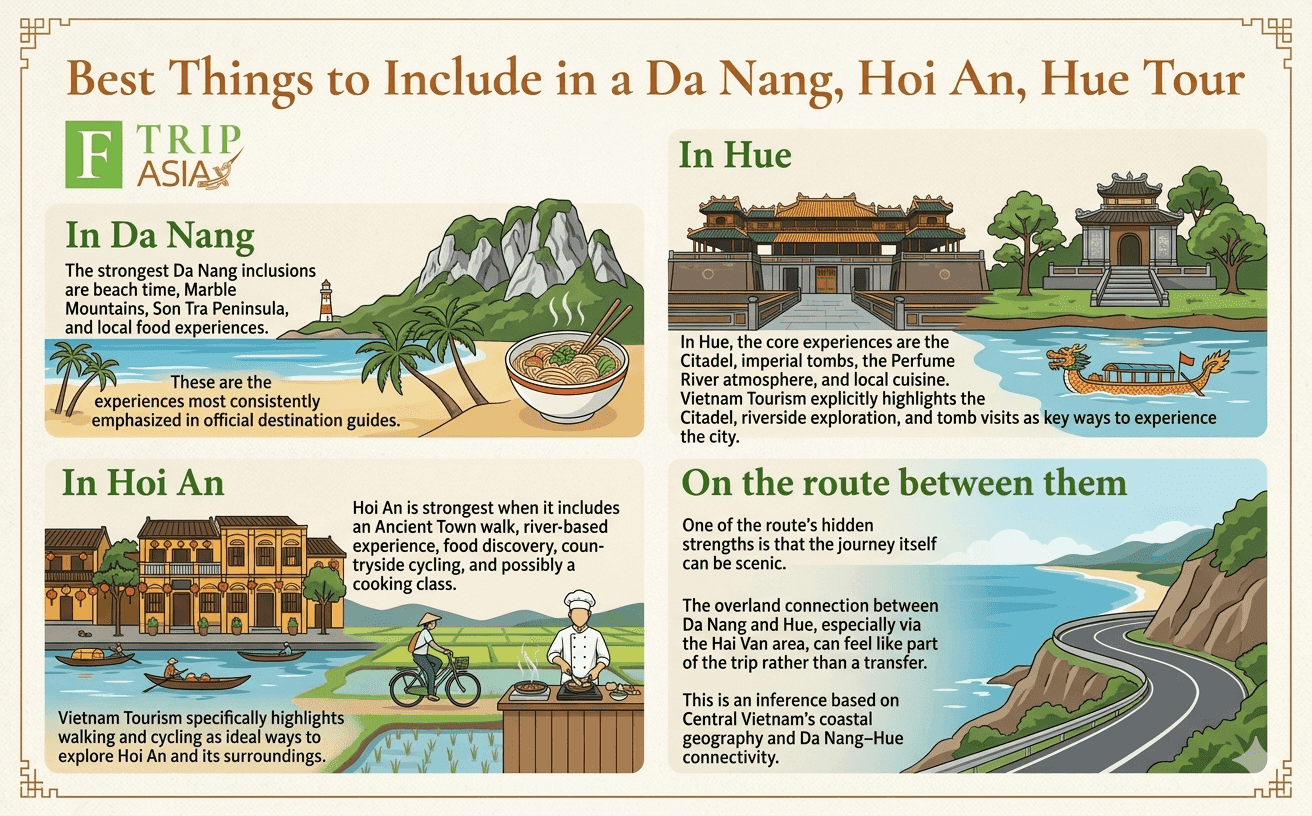
The strongest Da Nang inclusions are beach time, Marble Mountains, Son Tra Peninsula, and local food experiences. These are the experiences most consistently emphasized in official destination guides.
In Hoi An
Hoi An is strongest when it includes an Ancient Town walk, river-based experience, food discovery, countryside cycling, and possibly a cooking class. Vietnam Tourism specifically highlights walking and cycling as ideal ways to explore Hoi An and its surroundings.
In Hue
In Hue, the core experiences are the Citadel, imperial tombs, the Perfume River atmosphere, and local cuisine. Vietnam Tourism explicitly highlights the Citadel, riverside exploration, and tomb visits as key ways to experience the city.
On the route between them
One of the route’s hidden strengths is that the journey itself can be scenic. The overland connection between Da Nang and Hue, especially via the Hai Van area, can feel like part of the trip rather than a transfer. This is an inference based on Central Vietnam’s coastal geography and Da Nang–Hue connectivity.
How Many Days Do You Need for Da Nang, Hoi An, and Hue?
3 to 4 days
A 3- to 4-day version works for a faster highlights trip. It is enough for an overview, but not enough for much depth or slow travel. This is an itinerary inference based on the destination mix.
5 to 6 days
For most first-time visitors, 5 to 6 days is the best range. It gives enough time for Da Nang, Hoi An, and Hue at a more comfortable pace without rushing every day. This is the most practical overall recommendation.
7 days or more
Seven days or more is strongest for slower travel, premium stays, hands-on experiences, and more balanced pacing between beach and heritage days. This is an inference, but it fits the number and variety of experiences officially highlighted across the route.
Suggested Tour Structures
4-day Da Nang Hoi An Hue highlights tour
A 4-day structure can cover Da Nang, Hoi An, and Hue efficiently, and works best for travelers who want a first overview rather than depth.
5-day balanced Central Vietnam tour
A balanced version can give roughly two days to Da Nang, two to Hoi An, and one to Hue. That split gives the best overall balance of variety and comfort for many first-time travelers. This is an itinerary inference.
6 to 7-day premium itinerary
A premium 6- to 7-day version works best with slower pacing, boutique stays, beach time, food experiences, cultural add-ons, and private transfers between stops.
Why This Route Matches Current Travel Trends
Travelers want multi-layered trips.
Many travelers now want more than beaches alone or heritage alone. They want trips that combine different textures: food, scenery, culture, and local atmosphere. Da Nang, Hoi An, and Hue fit that demand well because each destination adds a different layer. This is an inference from the destination mix and how they are officially marketed.
Slower and more meaningful travel is growing.
Hoi An’s walking, cycling, and river experiences align strongly with slower travel. Hue adds depth and reflection, while Da Nang provides convenience and comfort. Together, that creates a route that feels more meaningful than a fast checklist trip.
Customization matters more than a fixed package.
This route is especially suitable for customization because travelers can lean more toward beach time, heritage, food, or scenic overland movement depending on their interests. That is an inference, but it is supported by the broad range of destination types in one compact region.
Common Mistakes Travelers Make When Planning Da Nang, Hoi An, and Hue
Treating Hoi An as only a photo stop
Hoi An deserves more than a quick photo walk. Vietnam Tourism highlights food, cycling, river experiences, and nearby beaches as part of the destination, not just its architecture.
Rushing Hue into only a half-day
Hue’s value comes from context and depth, not just one major landmark. Rushing it too hard weakens the cultural side of the whole route. This is an inference based on Hue’s UNESCO status and the spread of its monuments.
Using Da Nang only for sleep
Da Nang is not just a transit base. Official guidance highlights beaches, food, and nearby attractions that justify real time in the itinerary.
Not balancing beach time with heritage time.
This route works best when the trip feels varied rather than overloaded toward one theme. Too much beach time can flatten the cultural side; too much heritage can lose the route’s relaxed coastal appeal. This is an itinerary inference based on the strengths of each stop.
Why FtripAsia Is a Strong Choice for a Da Nang, Hoi An, and Hue Tour
Completely customizable based on each client’s requests
FtripAsia can tailor hotels, destinations, luxury style, sightseeing pace, beach priorities, and cultural focus across the route.
100% local people with 7+ years of experience
Local expertise is especially valuable on a multi-stop route like this, where good pacing matters as much as the destinations themselves.
Experience with niche markets like Muslims and Judaism
This is helpful for guests with specific dining, cultural, and comfort needs.
Unique tours that clients cannot find anywhere else.
Photography tours, more curated Central Vietnam routes, and less-generic experiences can make the journey feel more personal than a standard checklist circuit.
Cooperation with lots of workshops and daily experience,s like cooking classes
This is particularly valuable in Hoi An and across Central Vietnam, where hands-on cultural experiences can add real depth.
High praises from tourists for enthusiastic, knowledgeable, and friendly attitude
That kind of local support is a strong trust signal for travelers who want smoother planning and a more personal trip.
Frequently Asked Questions
Is Da Nang, Hoi An, and Hue a good first-time Vietnam itinerary?
Yes. It is one of the strongest first-time Central Vietnam routes because it combines beaches, culture, food, and scenic overland travel without overly complex logistics.
How many days do you need for Da Nang, Hoi An, and Hue?
For most first-time visitors, 5 to 6 days is the best balance. Shorter trips work for highlights, while longer trips work better for slower travel. This is an itinerary inference based on the destination mix.
Is it better to stay in Da Nang or Hoi An?
Da Nang is better for beach-city convenience and a wider hotel range, while Hoi An is better for heritage atmosphere and slower travel. Many travelers do best by combining both.
Is Hue worth adding to a Central Vietnam trip?
Yes. Hue adds the historical and imperial layer that makes the route feel much fuller and more culturally meaningful.
What is the best order for visiting Da Nang, Hoi An, and Hue?
A common and practical order is Da Nang → Hoi An → Hue or the reverse, depending on arrival airport and pace. Da Nang often works best as the entry point because of its transport convenience. This is an inference based on official access guidance.
Can this route be done as a luxury trip?
Yes. It works very well as a luxury trip because it can combine premium beach stays, boutique heritage hotels, private transfers, and curated food or cultural experiences. This is an inference based on destination strengths.
What kind of traveler will enjoy this itinerary most?
This route is strongest for first-time visitors, couples, families, luxury travelers, food lovers, and photography travelers who want variety without too much logistical stress. That is an inference from the official profile of each destination.
Conclusion
A Da Nang, Hoi An, and Hue tour is one of the strongest Central Vietnam routes because it combines city ease, heritage charm, and imperial history in one connected trip. It works especially well for travelers who want beaches, culture, food, and scenic overland travel without overcomplicating logistics.
Travelers who want a smoother and more personalized Da Nang, Hoi An, and Hue journey can benefit from working with FtripAsia, whose local experts can tailor the itinerary around comfort, hotel style, beach time, cultural depth, and unique local experiences.


Founder & Photography Guide
Specialties: Culture, landscape, portrait, hiking, active and adventurous tour
Besides my unlimited passion for traveling, a professional tour guide for over a decade, I have been taking photographs since sitting at Hanoi of the University of Culture in the early 2000s. Photography started as a hobby but it was seriously taken due to my work relations and my significant passion for the beauty of our world, especially in Southeast Asian parts such as Vietnam, Laos, Cambodia, and Myanmar.
Within a few years of taking photographs, my works began to be recognized by many reliable international publications such as AFAR Travel, The Times, and The Daily Telegraph newspaper. In addition, I continuously add to my growing profile by winning numerous major awards: 3rd Position of The Independent Photographer 2018, 1st Position of Amateur Photographer of the year 2018, Grand Prize Winner of the AFAR Travel Photography 2019, and a Gold Award of San Francisco Bay International Photography 2020.
I photograph a wide variety of subjects, from travel to landscapes to street scenes. I enjoy documenting the East’s rich cultural heritage and its land soaked in glorious sunrise or sunset light in remote and secluded spots. And, I am very happy to share my knowledge and experience with you. You can visit Luminousvietnamtour to explore tour!