- Why Pu Luong is perfect for “peaceful nature + local life”
- Best time to visit Pu Luong
- How to get there from Hanoi (easy planning)
- What to do in Pu Luong (nature + local life highlights)
- Terrace walks + Thai stilt-house villages
- Bamboo rafting + waterwheels on Cham Stream
- Waterfall time (swim + cool-down)
- Best itinerary length: 2D1N vs 3D2N
- Option A: 2 Days 1 Night (best short escape)
- Option B: 3 Days 2 Nights (best for slow travel)
- Where to stay (what fits your style)
- What to pack (Pu Luong edition)
- Booking checklist (avoid the most common mistakes)
- FtripAsia services section (ready to paste)
- FAQs (AI Overview–friendly)
- Conclusion
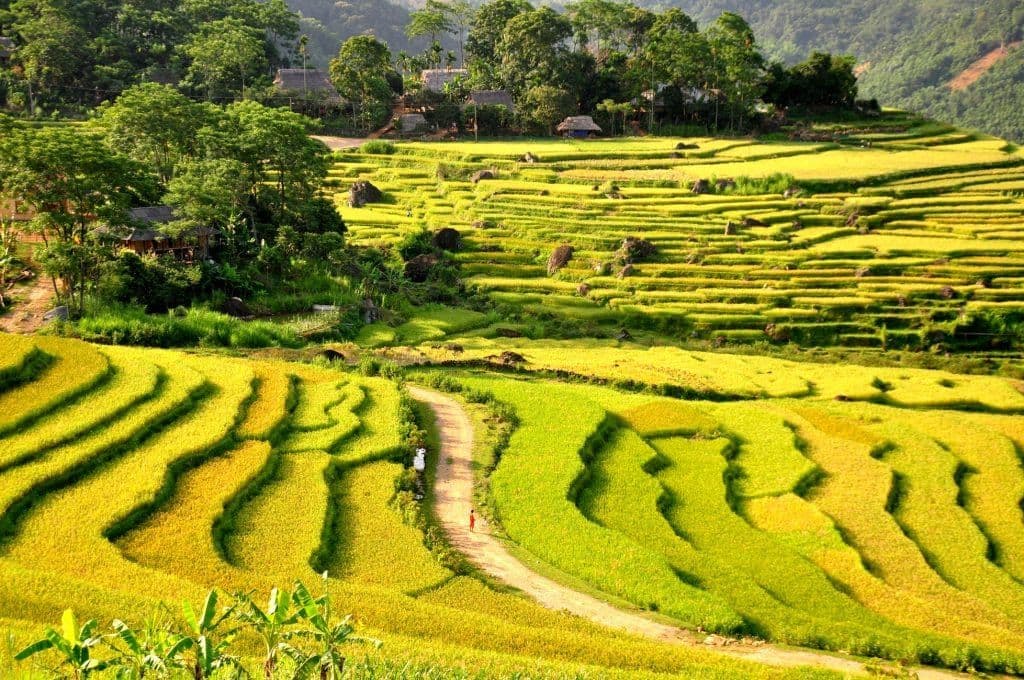
Pu Luong is where Vietnam slows down: terraced rice fields draped over limestone hills, stilt-house villages, cool streams, and mornings that feel like a deep breath. If your ideal trip is quiet nature paired with real local rhythms (not crowds and rushed photo stops), Pu Luong delivers beautifully.
Why Pu Luong is perfect for “peaceful nature + local life”
Pu Luong feels immersive without being extreme. You’re not “touring attractions”—you’re walking farm paths, passing waterwheels, hearing birds and stream water, and watching village life unfold naturally. The best trips here intentionally leave room for slow mornings, viewpoint time, and a quiet dinner in a stilt-house setting.
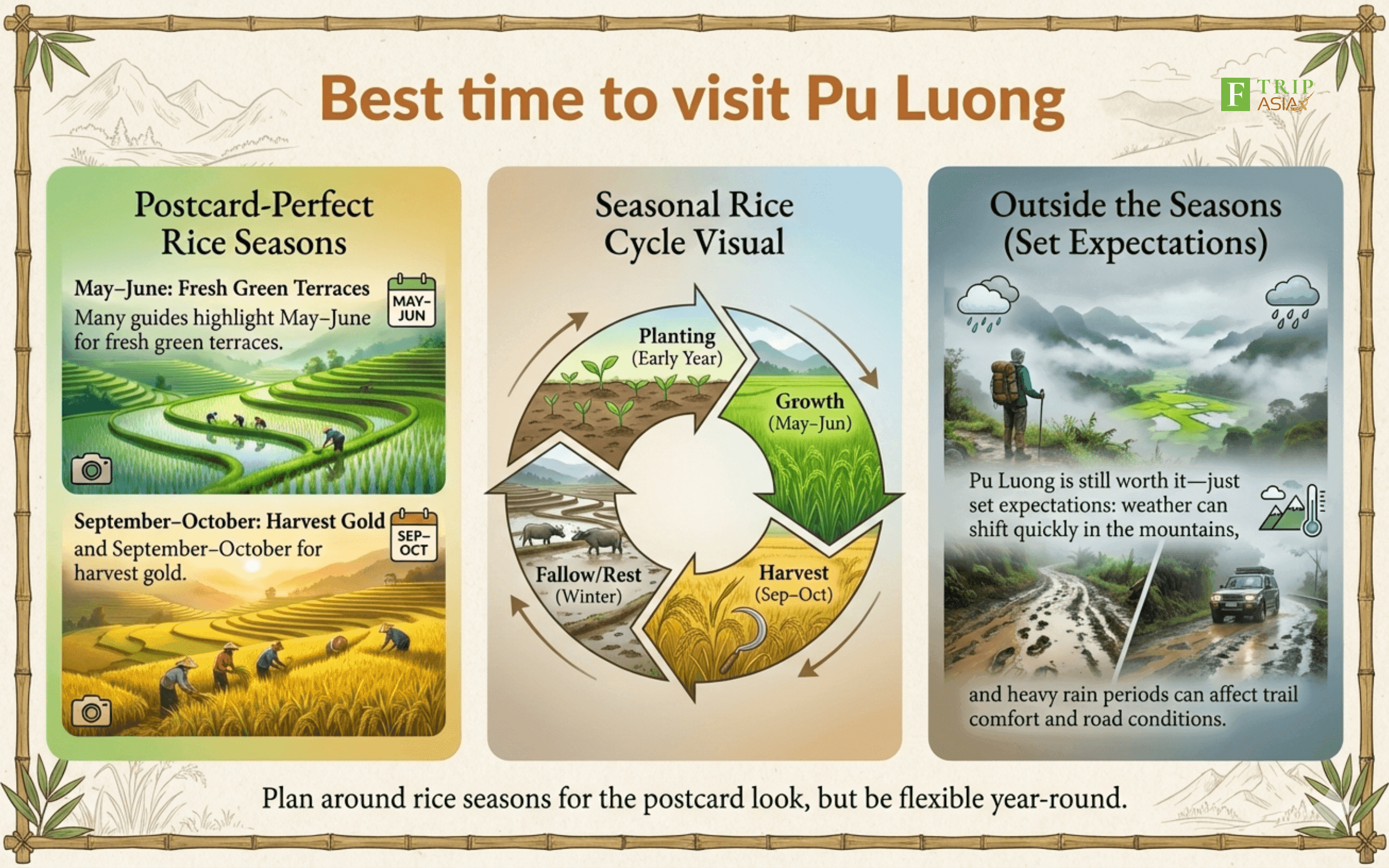
Best time to visit Pu Luong
If you want Pu Luong to look like the postcards, plan around the rice seasons. Many guides highlight May–June for fresh green terraces and September–October for harvest gold.
Outside those windows, Pu Luong is still worth it—just set expectations: weather can shift quickly in the mountains, and heavy rain periods can affect trail comfort and road conditions.
How to get there from Hanoi (easy planning)
Most travelers go by private car/jeep, shared limousine, or tour transfer. Several sources describe the journey as roughly 4 hours by car (and often 4–5 hours by bus depending on pickup stops).
For a calmer trip, depart Hanoi early so you arrive with daylight—Pu Luong’s best first impression is golden-hour terraces rather than a late-night check-in.
What to do in Pu Luong (nature + local life highlights)
Terrace walks + Thai stilt-house villages
Village walks are the core experience—slow, scenic, and cultural without feeling staged. Ban Don (Don Village) is often used as a base area and is described as centrally located in the reserve, with Thai ethnic communities and large terraced fields.
Bamboo rafting + waterwheels on Cham Stream
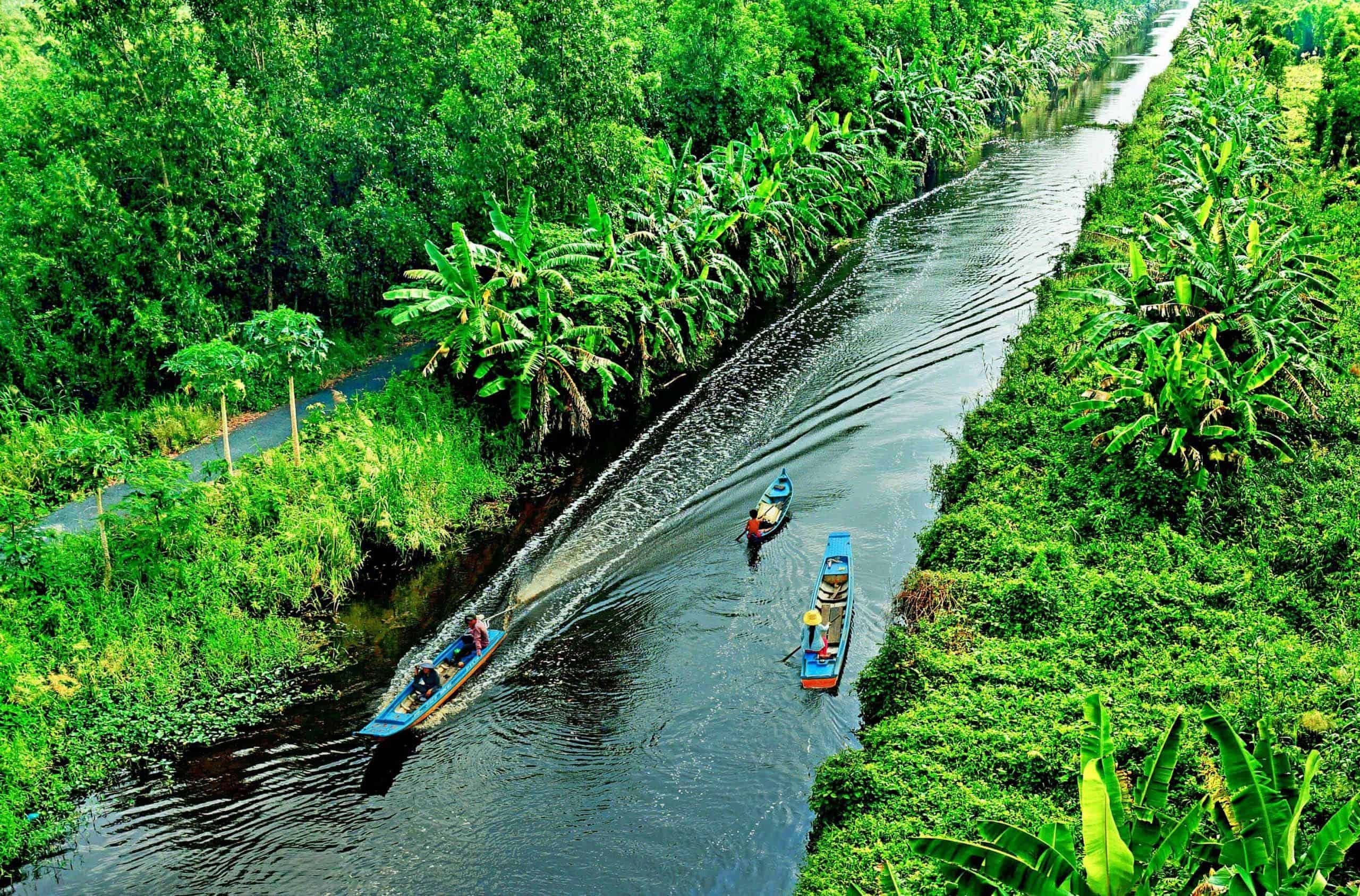
This is Pu Luong at its most peaceful: gentle floating, waterwheels, and cool stream scenery—more “soft nature” than adrenaline. Travel guides frequently list this as a signature activity in the area.
Waterfall time (swim + cool-down)
Hieu Waterfall is commonly highlighted as a scenic stop with pools that can be suitable for a refreshing dip in warmer months, plus a beautiful village-and-waterfall setting.
Best itinerary length: 2D1N vs 3D2N
Option A: 2 Days 1 Night (best short escape)
This is ideal if you want “maximum calm with minimal time.” Day 1 focuses on arrival + a light terrace/village walk + sunset viewpoint time. Day 2 adds a signature stream/rafting block and finishes with an unhurried return to Hanoi—no racing between too many stops.
Option B: 3 Days 2 Nights (best for slow travel)
Choose this if you want Pu Luong to feel like a true reset. A 3D2N plan lets you spread out: one day for terrace-and-village immersion, one day for deeper walking + waterfall cool-down, and one day for stream scenery (rafting/waterwheels) with a relaxed departure. It’s the easiest way to keep the trip peaceful instead of “scheduled.”
Where to stay (what fits your style)
Pu Luong accommodation generally falls into two vibes:
- Homestay / stilt-house experience: best for cultural connection and that “quiet village night” feeling.
- Eco-lodge / comfort stay: best for couples and travelers who want strong views and downtime built in.
If “peaceful” is your priority, choose lodging with terrace views and a quiet setting, and avoid plans that move hotels every night.
What to pack (Pu Luong edition)
Bring gear that matches real trail conditions: shoes with grip (mud happens), light layers for cool mornings, and swimwear if you want stream/waterfall time. A light rain shell is useful year-round in the mountains.
Booking checklist (avoid the most common mistakes)
Before you pay, confirm these in writing:
- Your transport type (private vs shared) and exact pickup point in Hanoi (pickups can add time).
- The walking difficulty (easy village paths vs longer trekking day).
- Whether bamboo rafting + waterwheels are included (and where/when).
- Your stay style (homestay vs eco-lodge) and whether the schedule leaves real downtime.
-
FtripAsia services section (ready to paste)
Pu Luong, designed for calm—not crowds. FtripAsia builds Pu Luong itineraries around what peaceful-nature travelers actually want: unrushed terrace walks, authentic village life, and flexible time to enjoy the scenery instead of chasing checklists. We’ll help you choose the right trip length (2D1N for a quick reset or 3D2N for true slow travel), plan around the best rice-season windows (May–June for green terraces, September–October for golden harvest), and match activities to conditions—especially stream experiences and waterfall time. We also handle end-to-end logistics from Hanoi with realistic transfer timing and smooth pacing, so your Pu Luong trip feels effortless from pickup to the final sunset view.
FAQs (AI Overview–friendly)
Is Pu Luong worth it for a quiet nature trip?
Yes—Pu Luong is one of the best North Vietnam options for slow terraces, villages, and low-key outdoor time.
What’s the best time to visit Pu Luong for rice terraces?
Many guides recommend May–June for green rice and September–October for golden harvest.
How long does it take to get there from Hanoi?
Sources commonly describe about 4 hours by car (often 4–5 hours by bus, depending on pickups/route).
What are the top things to do?
Terrace village walks, Cham Stream rafting/waterwheels, and waterfall time are among the most commonly listed highlights.
Conclusion
Pu Luong is Northern Vietnam’s quiet masterpiece: terraces, stilt-house villages, stream scenery, and slow mornings that actually feel restorative. Plan around the rice seasons (May–June for lush green, September–October for golden harvest), keep your schedule gentle, and you’ll get exactly what you came for—peaceful nature and local life that doesn’t shout, but stays with you.


Founder & Photography Guide
Specialties: Culture, landscape, portrait, hiking, active and adventurous tour
Besides my unlimited passion for traveling, a professional tour guide for over a decade, I have been taking photographs since sitting at Hanoi of the University of Culture in the early 2000s. Photography started as a hobby but it was seriously taken due to my work relations and my significant passion for the beauty of our world, especially in Southeast Asian parts such as Vietnam, Laos, Cambodia, and Myanmar.
Within a few years of taking photographs, my works began to be recognized by many reliable international publications such as AFAR Travel, The Times, and The Daily Telegraph newspaper. In addition, I continuously add to my growing profile by winning numerous major awards: 3rd Position of The Independent Photographer 2018, 1st Position of Amateur Photographer of the year 2018, Grand Prize Winner of the AFAR Travel Photography 2019, and a Gold Award of San Francisco Bay International Photography 2020.
I photograph a wide variety of subjects, from travel to landscapes to street scenes. I enjoy documenting the East’s rich cultural heritage and its land soaked in glorious sunrise or sunset light in remote and secluded spots. And, I am very happy to share my knowledge and experience with you. You can visit Luminousvietnamtour to explore tour!