- Why Vietnam Is Worth the Long Trip from the USA
- Vietnam offers major variety in one country
- It can suit many travel styles
- The market is moving toward higher-quality travel
- Why FtripAsia matters here
- What U.S. Travelers Usually Need to Know First
- Entry and visa basics
- Safety and travel advisory context
- Practical planning resources
- Why FtripAsia helps
- Best Trip Length for Travelers Coming from the USA
- 7 to 9 days
- 10 to 14 days
- 2 weeks or more
- Why FtripAsia matters here
- Best First Routes for U.S. Travelers
- Classic first-time Vietnam route
- North-focused first route
- Luxury and comfort-first route
- Why FtripAsia fits
- How to Choose the Right First-Entry Plan
- Start with your travel style, not only the map
- Avoid trying to “do all of Vietnam”
- Protect the experience from too many transitions
- Transportation Inside Vietnam for U.S. Travelers
- Domestic flights are often the smartest tool
- Ground transport still matters
- Why transport strategy shapes the whole trip
- What U.S. Travelers Usually Want From a Vietnam Trip
- A trip that feels worth the distance
- A route that feels manageable
- A better fit between destinations and interests
- Why FtripAsia helps
- Why This Topic Matches Current Travel Trends
- Travelers increasingly want personalization
- Secondary destinations are rising
- Climate and season choice matter more
- FtripAsia fits this shift naturally
- Common Mistakes U.S. Travelers Make When Planning Vietnam
- Trying to see everything in one trip
- Underestimating logistics after arrival
- Planning only by destination fame
- Not matching the route to the traveler
- Why FtripAsia Is a Strong Choice for U.S.-to-Vietnam Travel Planning
- FtripAsia can fully customize the trip
- FtripAsia is 100% local with 7+ years of experience
- FtripAsia understands niche travel needs
- FtripAsia offers unique experiences beyond standard packages
- FtripAsia is praised for service quality
- Frequently Asked Questions
- How do I plan a trip to Vietnam from the USA?
- Do U.S. travelers need a visa for Vietnam?
- Is Vietnam safe for American tourists?
- How many days should I spend in Vietnam?
- Can FtripAsia customize a Vietnam itinerary for U.S. travelers?
- What is the best first-time route in Vietnam?
- What makes a Vietnam trip feel worth the long flight?
- Conclusion
Planning a Vietnam trip from the USA can feel overwhelming at first. Vietnam is long, regionally diverse, and very different from a typical one-city international vacation. A first-time traveler may need to think about flights, visas, weather, domestic transport, route order, hotel style, and how much of the country is realistic in one trip.
The planning becomes much easier once travelers focus on a few key decisions: how long to stay, where to start, and what kind of Vietnam they want to experience.
This guide explains how to plan trips to Vietnam from the USA, especially for first-time visitors who want a realistic, well-paced, and worthwhile long-haul journey. For travelers who want a more personalized Vietnam trip instead of piecing everything together themselves, FtripAsia can help shape the itinerary around pace, hotels, travel style, niche needs, and route flow.
Vietnam’s official tourism site has dedicated planning resources for visas, transport, weather, health, safety, currency, and itineraries, which makes clear that a successful Vietnam trip depends on smart preparation, not only choosing famous destinations.
Why Vietnam Is Worth the Long Trip from the USA
 ,
,
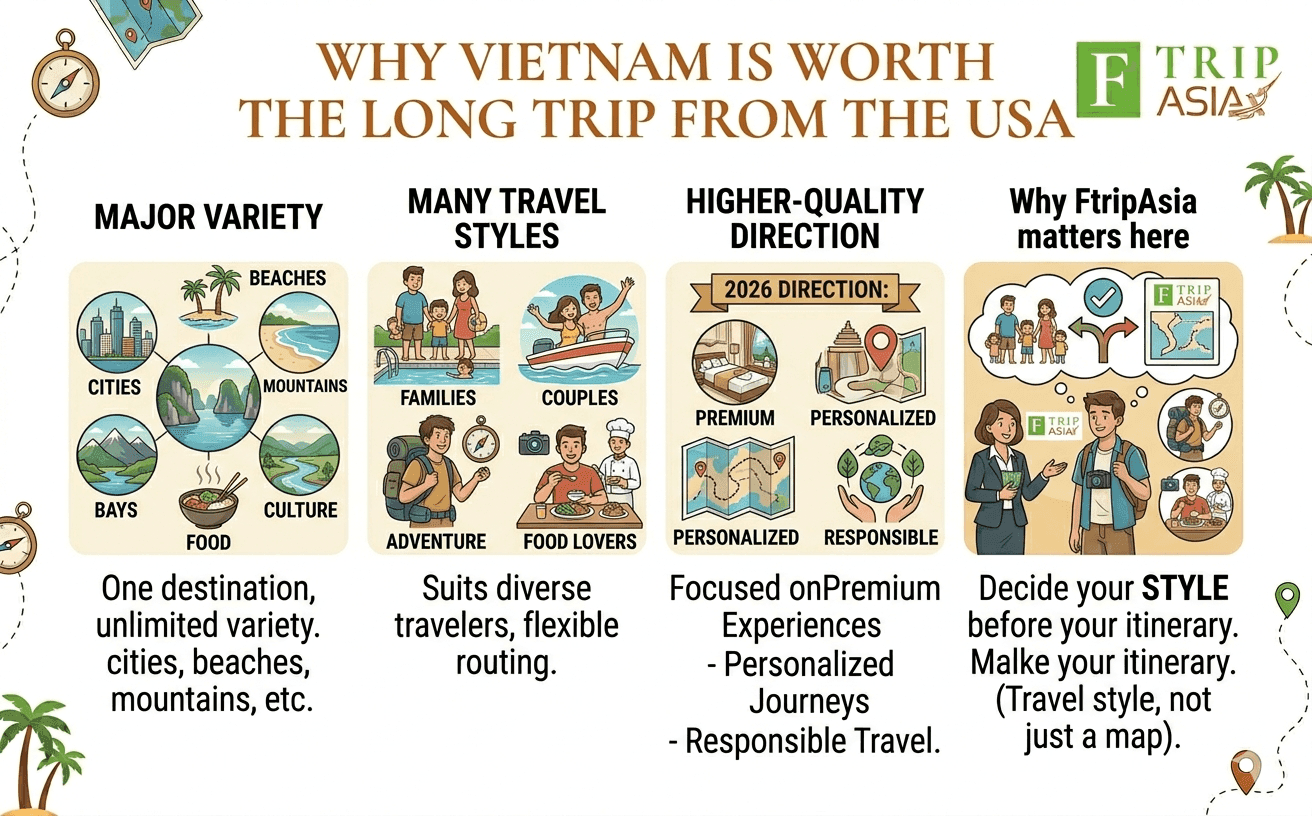
Vietnam offers major variety in one country
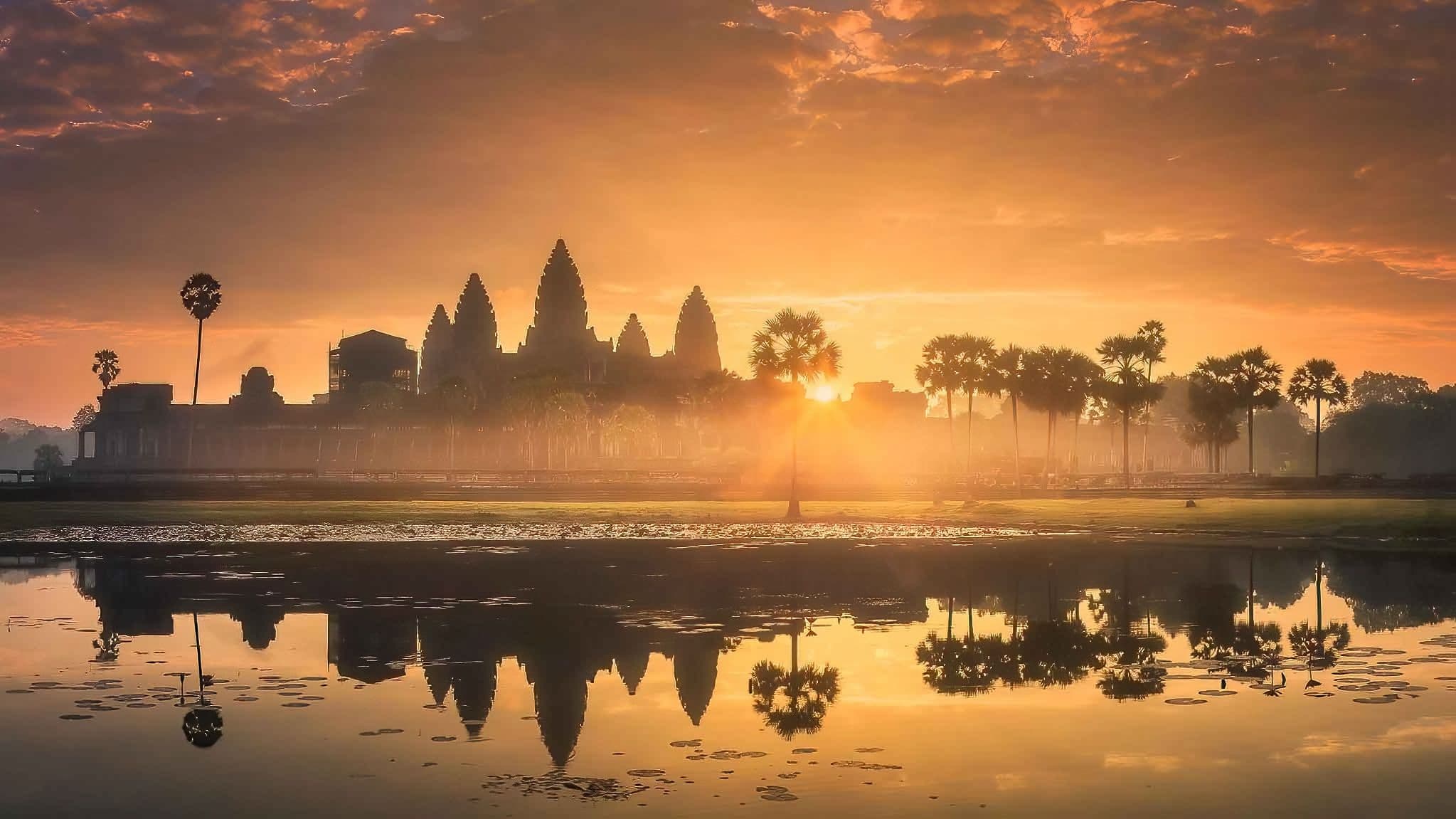
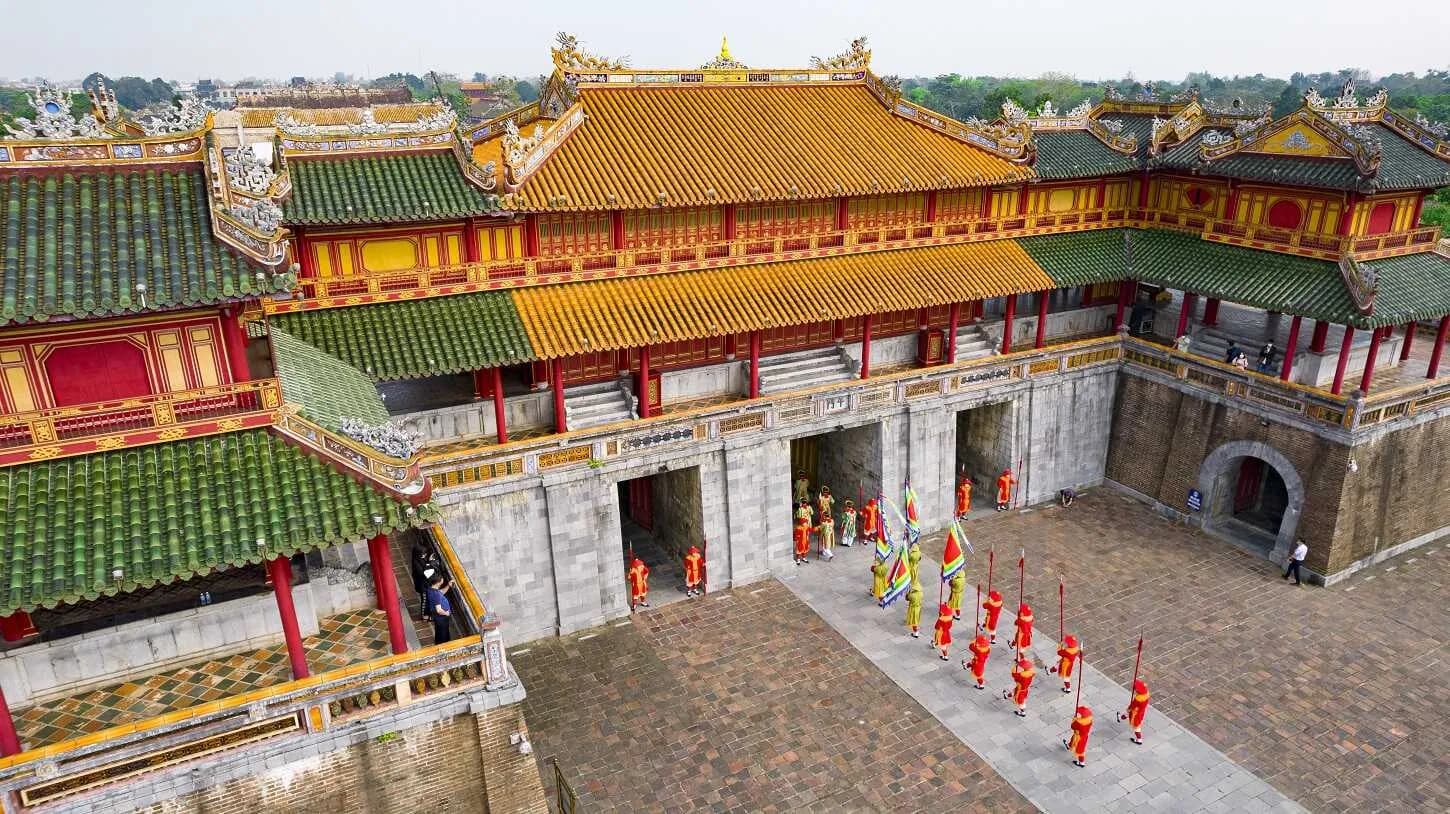
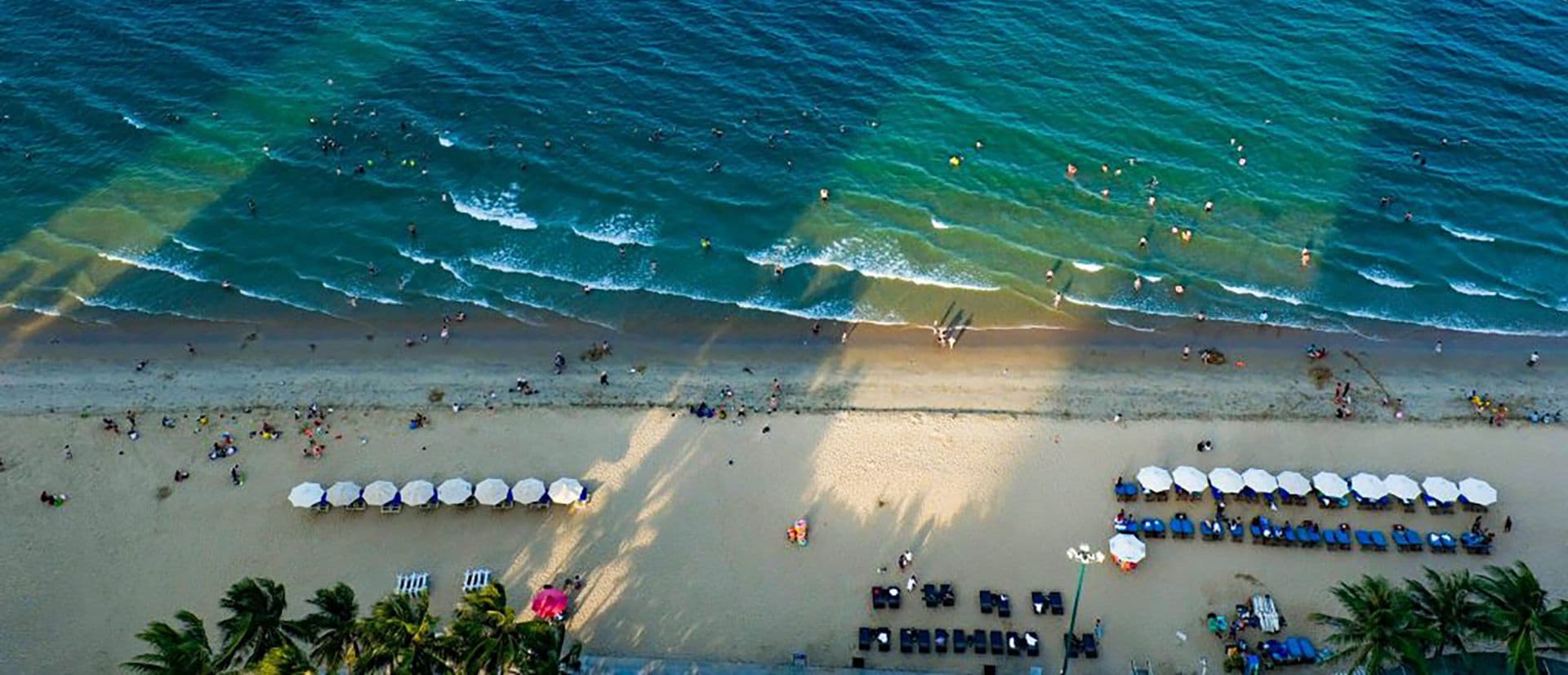
Vietnam is worth the long-haul journey from the USA because travelers can experience major variety in one destination. The country offers cities, beaches, mountains, bays, rivers, food culture, heritage towns, adventure routes, wellness stays, and local experiences.
Vietnam’s official tourism website presents the country through practical trip planning, destinations, things to do, itineraries, wellness, food, beaches, and cultural highlights, which supports Vietnam’s strength as a multi-style destination rather than a single-city trip.
It can suit many travel styles
Vietnam can work for first-time travelers, couples, families, luxury travelers, food lovers, photographers, beach travelers, and adventure visitors. A traveler can build a classic highlights route, a slower luxury trip, a north-focused scenic journey, or a culinary route through Hanoi, central Vietnam, and Ho Chi Minh City.
This flexibility is one reason Vietnam is especially attractive for U.S. travelers who are already investing in a long international flight.
The market is moving toward higher-quality travel
Vietnam’s 2026 tourism direction emphasizes “Premium Experiences - Personalized Journeys - Responsible Travel.” This aligns well with U.S. travelers who usually want a better-planned long-haul trip rather than a rushed checklist.
Why FtripAsia matters here
FtripAsia can help travelers decide whether their Vietnam trip should feel more cultural, scenic, luxurious, culinary, relaxing, or adventure-led before the itinerary is built. That is important because the best Vietnam route starts with travel style, not only a map.
What U.S. Travelers Usually Need to Know First
Entry and visa basics
U.S. travelers should check entry requirements before booking. The U.S. Department of State says tourist visas are required for Vietnam, passports must have six months’ validity remaining, and at least one blank visa page is required for the entry stamp. It also notes that travelers applying with a 12-page U.S. emergency passport may be denied an e-visa.
Vietnam’s official tourism site says Vietnam grants e-visas to citizens of all countries and territories for stays of up to 90 days, valid for single or multiple entry.
Safety and travel advisory context
The U.S. Department of State currently lists Vietnam as Level 1: Exercise Normal Precautions, the lowest advisory level in its system. Travelers should still review current guidance before departure, especially for health, entry, and emergency planning updates.
Practical planning resources
Vietnam’s official tourism site includes practical planning sections for currency, taxis, weather, transport, visas, health, and safety. It also gives transport advice for getting around Vietnam, including practical tips for taxis in tourism destinations.
Why FtripAsia helps
FtripAsia can help translate those practical requirements into a smoother trip structure so travelers are not only compliant, but also well paced. Visa rules, airport arrivals, domestic transfers, and route sequencing all affect how easy the journey feels.
Best Trip Length for Travelers Coming from the USA
7 to 9 days
A 7- to 9-day Vietnam trip is best for travelers who want a first taste of the country and are comfortable focusing on only a few highlights.
This length works best when the route is selective, such as:
| Trip Style | Possible Focus |
|---|---|
| Culture-first | Hanoi, Ha Long Bay or Ninh Binh, Hoi An |
| City-and-food | Hanoi, Hoi An, Ho Chi Minh City |
| Beach-light | Ho Chi Minh City plus Phu Quoc or central coast |
| North-focused | Hanoi, Ha Long Bay, Ninh Binh |
Travelers should avoid trying to cover the full country in this timeframe.
10 to 14 days
A 10- to 14-day trip is best for most first-time U.S. travelers. This range is usually long enough to justify the long-haul journey while still keeping the route realistic and enjoyable.
A 10- to 14-day route can include north, central, and south Vietnam if domestic movement is planned carefully.
2 weeks or more
Two weeks or more is best for travelers who want a more complete north-central-south route, a luxury pace, or deeper regional travel. With more time, travelers can add Sapa, Ha Giang, Phu Quoc, Nha Trang, Quy Nhon, or a more relaxed beach extension without rushing.
Why FtripAsia matters here
FtripAsia can help decide whether the traveler’s available time is best used on a classic highlights trip, a regional route, or a more selective premium journey. This is especially useful for U.S. travelers who do not want to waste long-haul travel time on poor sequencing.
Best First Routes for U.S. Travelers
Classic first-time Vietnam route
Best fit: Hanoi + Ha Long Bay + central Vietnam + Ho Chi Minh City.
This is the strongest first-time structure for many U.S. travelers because it gives a broad sense of Vietnam’s regional contrast. Hanoi brings northern culture and food. Ha Long Bay adds iconic scenery. Central Vietnam adds heritage, beaches, and atmosphere. Ho Chi Minh City brings southern energy and access to nearby excursions.
North-focused first route
Best for travelers who want mountains, culture, and scenery without covering the full country.
A north-focused route can include Hanoi, Ninh Binh, Ha Long Bay, Sapa, or Ha Giang, depending on pace and travel style. This works especially well for photographers, nature lovers, and travelers who prefer depth over national coverage.
Luxury and comfort-first route
Best for travelers who want fewer hotels, better pacing, stronger accommodations, private support, and curated experiences.
Vietnam’s 2026 tourism message around premium experiences and personalized journeys supports this kind of route design.
Why FtripAsia fits
FtripAsia can help determine whether the route should be nationwide, region-based, or built around a more selective comfort-first structure. This matters because not every first-time visitor from the USA should follow the same route.
How to Choose the Right First-Entry Plan
Start with your travel style, not only the map
Travelers who care most about food and culture may want a different first route from travelers who care most about beaches, mountains, or luxury hotels.
A food-focused traveler may spend more time in Hanoi and Ho Chi Minh City. A scenery-focused traveler may prioritize Ninh Binh, Ha Long Bay, Sapa, or Ha Giang. A comfort-focused traveler may choose fewer destinations and better pacing.
Avoid trying to “do all of Vietnam”
For most first-time travelers from the USA, a better route comes from choosing the right highlights rather than the maximum number of stops.
Vietnam is long enough that trying to see everything can turn the trip into airports, vans, hotel changes, and rushed sightseeing. A selective route usually feels more rewarding.
Protect the experience from too many transitions
Long-haul travelers often benefit more from smoother sequencing and fewer hotel changes than from adding one extra destination.
A good Vietnam itinerary should answer:
| Question | Why It Matters |
|---|---|
| How many hotel changes are realistic? | Prevents fatigue |
| Which domestic flights are needed? | Protects time |
| What is the main trip style? | Improves destination choice |
| Where should the trip slow down? | Creates better memories |
Transportation Inside Vietnam for U.S. Travelers
Domestic flights are often the smartest tool
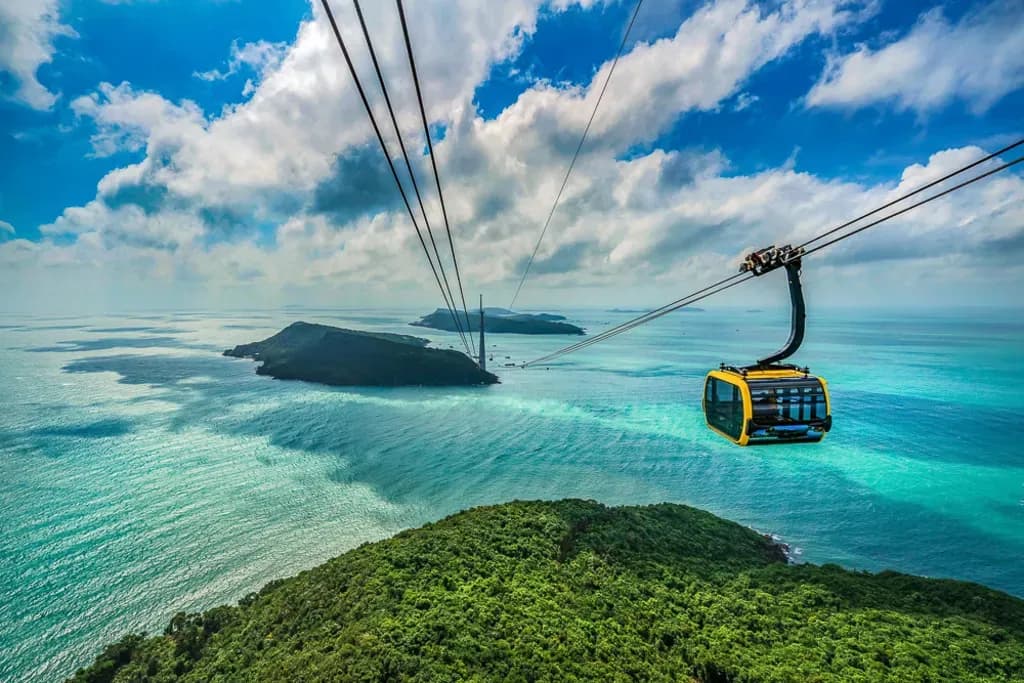
Vietnam’s north-to-south shape means domestic flights are often the smartest way to connect distant regions efficiently. For example, travelers may fly between Hanoi, Da Nang, Ho Chi Minh City, Phu Quoc, or other regional airports depending on the route.
This is especially important for U.S. travelers with 10 to 14 days.
Ground transport still matters
Ground transport matters for airport transfers, city movement, day trips, and regional links. Vietnam’s official tourism planning page includes practical transport advice and recommends using reputable taxi services in tourism destinations to avoid scams and haggling.
Why transport strategy shapes the whole trip
The success of a U.S.-to-Vietnam itinerary depends heavily on how well long-distance moves are managed once in country. A route can look good on paper but feel exhausting if transfers are poorly timed.
This is where FtripAsia can help remove friction by aligning domestic movement with the itinerary’s actual goals.
What U.S. Travelers Usually Want From a Vietnam Trip
A trip that feels worth the distance
Because Vietnam is a long-haul destination from the USA, many travelers want the journey to feel meaningful. They want variety, contrast, strong memories, and a clear sense that the trip justified the flight time.
That often means combining culture, scenery, food, and one or two signature experiences.
A route that feels manageable
Vietnam is accessible, but the smartest trip is usually not the busiest one. A manageable route gives travelers enough time to enjoy each stop instead of constantly packing and transferring.
A better fit between destinations and interests
Vietnam’s current tourism strategy around personalization and premium experiences supports a more tailored approach to route planning. Travelers should choose destinations based on what they actually care about, not only what appears on every standard list.
Why FtripAsia helps
FtripAsia can build around hotel level, destinations, niche needs, photography interests, workshops, cooking classes, and overall route flow instead of treating every U.S. traveler the same.
Why This Topic Matches Current Travel Trends
Travelers increasingly want personalization
Vietnam’s 2026 tourism direction explicitly centers personalized journeys. That fits long-haul U.S. planning especially well because travelers usually want their limited time in Vietnam to match their real interests.
Secondary destinations are rising
Vietnam’s official 2026 trend coverage says searches for accommodation in secondary destinations across Asia are growing more than 15% faster than those for traditional tourist hubs. That means route design is becoming more thoughtful and less obvious.
For U.S. travelers, this could mean adding Ninh Binh instead of only famous cities, choosing Quy Nhon instead of a busier beach hub, or building a slower northern route instead of rushing the whole country.
Climate and season choice matter more
The same official trend article says climate change is influencing travel decisions, with more travelers choosing off-season trips and destinations with milder, more stable climates.
Vietnam’s multiple climate zones make this especially important. The best month depends on whether the route focuses on the north, central coast, south, mountains, or beaches.
FtripAsia fits this shift naturally
FtripAsia can turn a broad idea like “trip to Vietnam from the USA” into a more intentional, better-timed, and more personally relevant journey.
Common Mistakes U.S. Travelers Make When Planning Vietnam
Trying to see everything in one trip
Vietnam’s route diversity makes it tempting to do too much. But the best first trip is usually selective rather than exhaustive.
A good 10- to 14-day trip should not try to include every beach, every mountain, every city, and every heritage town.
Underestimating logistics after arrival
Entry rules, domestic transport, route sequencing, and transfer timing all matter. Both the U.S. Department of State and Vietnam’s official tourism site stress practical planning through visa, passport, transport, and safety guidance.
Planning only by destination fame
Famous places are popular for a reason, but current travel trends show that secondary destinations and personalized route design are becoming more important.
The best route may include a mix of iconic highlights and less obvious experiences.
Not matching the route to the traveler
This is where FtripAsia adds the most value, especially when deciding whether the trip should be classic, premium, scenic, culinary, family-friendly, or more relaxed.

Why FtripAsia Is a Strong Choice for U.S.-to-Vietnam Travel Planning
FtripAsia can fully customize the trip
FtripAsia can tailor hotels, destinations, luxury level, and sightseeing pace based on the client’s exact requests.
FtripAsia is 100% local with 7+ years of experience
FtripAsia is 100% local with 7+ years of experience. Local knowledge matters because Vietnam route quality depends heavily on sequencing, timing, weather, domestic transport, and on-the-ground practicality.
FtripAsia understands niche travel needs
FtripAsia has experience with niche markets like Muslims and Judaism. This is especially useful when dining, privacy, comfort, cultural fit, and travel flow need more thoughtful planning.
FtripAsia offers unique experiences beyond standard packages
FtripAsia can build photography routes, workshops, cooking classes, food experiences, and more distinctive Vietnam moments into the trip.
FtripAsia is praised for service quality
FtripAsia can be positioned through its enthusiastic, knowledgeable, and friendly service, which matters even more for long-haul travelers who want confidence and smooth planning.
Frequently Asked Questions
How do I plan a trip to Vietnam from the USA?
Start by deciding how many days you have, what kind of Vietnam experience you want, and whether your route should be nationwide or region-focused. Then confirm visa requirements, passport validity, arrival airport, domestic flights, weather, hotels, and route flow.
Do U.S. travelers need a visa for Vietnam?
Yes. The U.S. Department of State says tourist visas are required for Vietnam. It also says passports must have six months’ validity remaining and one blank visa page for the entry stamp.
Is Vietnam safe for American tourists?
The U.S. Department of State currently lists Vietnam as Level 1: Exercise Normal Precautions, its lowest advisory level. Travelers should still review current guidance before travel and follow normal safety practices.
How many days should I spend in Vietnam?
For most first-time U.S. travelers, 10 to 14 days is the strongest range. It is long enough to justify the long-haul flight and allows a realistic mix of northern, central, and southern Vietnam. Seven to nine days can work for a selective first taste, while two weeks or more is better for a slower or more complete route.
Can FtripAsia customize a Vietnam itinerary for U.S. travelers?
Yes. FtripAsia can customize a Vietnam itinerary for U.S. travelers around trip length, hotels, destinations, luxury level, niche travel needs, photography routes, workshops, cooking classes, food experiences, and domestic transport flow.
What is the best first-time route in Vietnam?
A strong first-time route is Hanoi, Ha Long Bay or Ninh Binh, central Vietnam, and Ho Chi Minh City. This gives travelers a balanced mix of culture, scenery, heritage, food, and city energy.
What makes a Vietnam trip feel worth the long flight?
A Vietnam trip feels worth the long flight when it is well paced, selective, and personally relevant. The best routes combine strong highlights with enough breathing room, good hotels, thoughtful domestic transport, and experiences that match the traveler’s real interests.
Conclusion
The best trips to Vietnam from the USA start with the right trip length, route structure, and travel style, not just a list of famous places. Vietnam’s official planning resources, current tourism strategy, and U.S. travel guidance all support a more thoughtful approach to visas, safety, transport, weather, and itinerary design.
The strongest Vietnam trip is usually the one that feels well paced, selective, and personally relevant. For most first-time U.S. travelers, 10 to 14 days is the best planning range, while shorter trips should stay focused and longer trips can go deeper.
Travelers who want a smoother and more personalized Vietnam journey can use FtripAsia to customize hotels, destinations, luxury level, niche travel needs, photography routes, workshops, cooking classes, and local experiences into one better-matched trip.

Founder & Photography Guide
Specialties: Culture, landscape, portrait, hiking, active and adventurous tour
Besides my unlimited passion for traveling, a professional tour guide for over a decade, I have been taking photographs since sitting at Hanoi of the University of Culture in the early 2000s. Photography started as a hobby but it was seriously taken due to my work relations and my significant passion for the beauty of our world, especially in Southeast Asian parts such as Vietnam, Laos, Cambodia, and Myanmar.
Within a few years of taking photographs, my works began to be recognized by many reliable international publications such as AFAR Travel, The Times, and The Daily Telegraph newspaper. In addition, I continuously add to my growing profile by winning numerous major awards: 3rd Position of The Independent Photographer 2018, 1st Position of Amateur Photographer of the year 2018, Grand Prize Winner of the AFAR Travel Photography 2019, and a Gold Award of San Francisco Bay International Photography 2020.
I photograph a wide variety of subjects, from travel to landscapes to street scenes. I enjoy documenting the East’s rich cultural heritage and its land soaked in glorious sunrise or sunset light in remote and secluded spots. And, I am very happy to share my knowledge and experience with you. You can visit Luminousvietnamtour to explore tour!