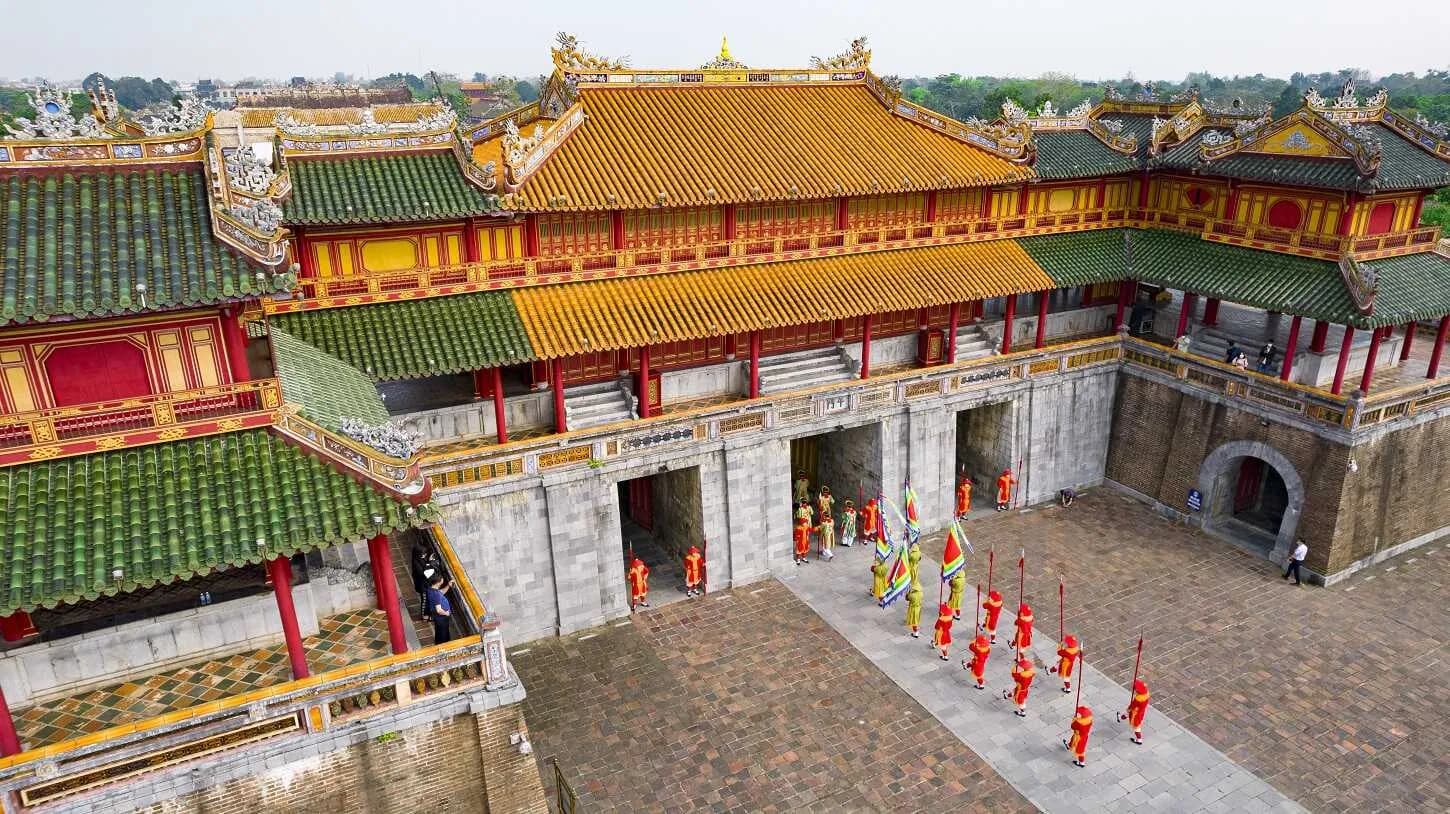

- Why This Hanoi Ha Long Bay Hoi An Route Feels Like One Complete Trip
- What Travelers Love About Hanoi on This Route
- Why Ha Long Bay Makes the Trip Feel More Special
- Why Hoi An Completes the Journey So Well
- Why Travelers Choose This Route Instead of a More Complicated Vietnam Itinerary
- Who This Hanoi Ha Long Bay Hoi An Tour Is Best For
- What Makes This Route Match Current Travel Trends
- Best Experiences to Include in a Hanoi, Ha Long Bay, and Hoi An Tour
- How Many Days Travelers Usually Need for This Route
- Suggested Itinerary Structures
- Common Reasons Travelers Prefer Booking This as a Tour
- Common Mistakes Travelers Make When Planning This Route Themselves
- Why FtripAsia Is a Strong Choice for a Hanoi, Ha Long Bay, and Hoi An Tour
- Frequently Asked Questions
- Conclusion
This is also why many first-time visitors see the route as “complete.” Instead of choosing only cities, only beaches, or only nature, travelers get a broader impression of Vietnam through one capital city, one world-famous bay, and one heritage town.
Why This Hanoi Ha Long Bay Hoi An Route Feels Like One Complete Trip
It covers three major travel desires in one itinerary
This route works because it combines three things many travelers want in the same holiday: a capital-city experience, a signature natural highlight, and a charming historic town stay. Hanoi is one of Vietnam’s key cultural destinations, Ha Long Bay is one of its best-known natural icons, and Hoi An is one of its most celebrated heritage towns.
Each stop feels different from the last.
The emotional contrast between the stops is one of the biggest strengths of the route. Hanoi feels lively and layered. Ha Long Bay feels scenic and slower. Hoi An feels intimate, atmospheric, and highly photogenic. That variation is what keeps the itinerary satisfying rather than one-note. This is an inference based on how the official tourism sources describe each destination.
It gives a broader impression of Vietnam.
Travelers get city life, natural scenery, and historic town character in one route. That makes the trip feel fuller than booking only beaches or only cities, especially for first-time visitors who want a wide but manageable introduction to Vietnam.
What Travelers Love About Hanoi on This Route
Hanoi is the cultural gateway.
Hanoi works as the cultural opening of the trip. Official Vietnam tourism materials position it as one of the country’s key cultural destinations, known for heritage, local food, museums, cafés, and the character of the Old Quarter.
Why Hanoi works well as the starting point
As a starting point, Hanoi makes practical sense because it is a major arrival hub and also gives travelers a strong first impression of Vietnam through food, history, and everyday street life. This is an inference from Hanoi’s role in official tourism guidance as a flagship destination and common entry city.
Why travelers do not see Hanoi as just a transit
A lot of first-time itineraries become richer when Hanoi is treated as an experience instead of only a gateway. Its culture and street rhythm give context to the rest of the journey, so Ha Long Bay and Hoi An feel connected to something larger rather than isolated stops. This is an inference, but it follows naturally from Hanoi’s cultural positioning.
Why Ha Long Bay Makes the Trip Feel More Special
A signature natural highlight of Vietnam
Ha Long Bay is one of Vietnam’s most recognizable destinations. Vietnam Tourism presents it as a place for the complete bay-viewing experience and highlights its cruise scenery, water-based exploration, and iconic limestone formations. UNESCO describes the Ha Long Bay–Cat Ba Archipelago as a spectacular seascape shaped by nature, with over a thousand islands and islets.
Cruise travel adds a different pace.
After the energy of Hanoi, Ha Long Bay changes the rhythm of the trip. A cruise introduces a slower middle section, where travelers spend more time looking outward at scenery rather than moving constantly through city streets. That shift in pace is one reason the route feels well-balanced. This is an inference based on the nature of bay cruising and the official way Ha Long Bay is promoted.
Why many travelers see the bay as the “wow” moment
The dramatic limestone islands, sunrise and sunset views, and the fact that the experience happens on the water create a strong visual contrast with both Hanoi and Hoi An. For many travelers, Ha Long Bay becomes the “wow” moment of the itinerary.

Why Hoi An Completes the Journey So Well
A softer, more romantic ending
Hoi An is widely known for lantern streets, preserved architecture, and a slower pace. UNESCO describes it as an exceptionally well-preserved Southeast Asian trading port from the 15th to the 19th centuries, and Vietnam Tourism presents it as one of the country’s most appealing cultural destinations.
It adds heritage without feeling heavy.
Hoi An gives the itinerary heritage, but in a lighter and more relaxed form. Walking streets, riverside atmosphere, food, and nearby beaches make it feel more gentle than ending the trip in another large city.
Why Hoi An appeals to so many travel styles
Hoi An works for couples, food lovers, photographers, families, luxury travelers, and first-time visitors because it combines architecture, food, atmosphere, and slower movement in one compact destination. This is an inference based on Hoi An’s official positioning around walking, cycling, nearby beaches, and cultural discovery.
Why Travelers Choose This Route Instead of a More Complicated Vietnam Itinerary
It feels balanced without trying to do too much.
One reason travelers choose this route is that it gives major highlights without forcing them to cross the whole country too quickly. Instead of trying to cover too many disconnected destinations, they get a capital, a bay cruise, and a heritage town in one manageable plan.
It combines famous places with a strong emotional variety
Hanoi feels cultural, Ha Long Bay feels scenic, and Hoi An feels intimate. This emotional contrast is part of what keeps the route attractive year after year. That is an inference, but it is grounded in how each place is officially described.
It works well for first-time visitors.
Vietnam’s own tourism materials consistently position Hanoi and Hoi An as major cultural destinations, while Ha Long Bay remains one of the country’s best-known visual and natural icons. That makes the route especially suitable for first-time travelers who want “the essentials” without building a route that is too fragmented.
Who This Hanoi Ha Long Bay Hoi An Tour Is Best For
This route is a strong fit for first-time visitors to Vietnam, couples seeking a scenic, romantic flow, families seeking variety, luxury travelers interested in boutique stays and premium cruises, and photographers or experience-driven travelers who want city scenes, bay landscapes, and lantern-lit architecture in one trip. The fit for these traveler types is inferred from each destination's official strengths and recent tourism coverage, which show stronger demand for flexible, experience-led, and shorter trips.

What Makes This Route Match Current Travel Trends
Travelers want flexible, experiential trips.
Recent Vietnam tourism coverage says travelers are increasingly choosing shorter, more flexible, and experience-led journeys. That matches this route well, because it combines well-known highlights with enough variety to feel personal rather than rigid.
Cultural depth matters more.
Hanoi and Hoi An both perform strongly as culture-led destinations in official Vietnam travel materials. That matters because many travelers now want more than only scenery or resort time.
Scenic travel still drives decisions.
Ha Long Bay remains one of the country’s most recognized and sought-after visual experiences, which keeps it central to many first-time Vietnam itineraries.
Multi-stop routes with variety are more satisfying
This is an inference, but it is a practical one: city life in Hanoi, cruise time in Ha Long Bay, and heritage-town atmosphere in Hoi An complement each other naturally, which is why the route feels satisfying without feeling repetitive.
Best Experiences to Include in a Hanoi, Ha Long Bay, and Hoi An Tour
In Hanoi
The strongest Hanoi experiences usually include an Old Quarter walk, local food, coffee culture, and selected heritage sightseeing. Official Vietnam tourism guidance frames Hanoi as a culture-and-lifestyle destination rather than only a transit city.
In Ha Long Bay
In Ha Long Bay, the core experiences are an overnight or day cruise, scenic deck time, bay views, and cruise-based activities such as kayaking, where relevant. Vietnam Tourism highlights the complete bay-viewing experience and water-based exploration as central to visiting Ha Long Bay.
In Hoi An
In Hoi An, the strongest inclusions are an Ancient Town walk, evening lantern atmosphere, food or cooking experiences, and a countryside or nearby beach add-on. Official tourism guidance highlights walking and cycling as ideal ways to explore Hoi An and its surroundings.
Why the route feel complete with these elements
Together, these experiences cover food, scenery, culture, and relaxation. That is exactly why the route answers such a wide range of traveler needs in one plan.
How Many Days Travelers Usually Need for This Route
5 days
Five days work as a fast overview trip for travelers with limited time. It can cover the main highlights, but it will feel quicker and less immersive. This is an itinerary inference based on the number of stops and transfer flow.
6 to 7 days
For most first-time visitors, 6 to 7 days is the best range. It gives enough time for Hanoi, a Ha Long Bay cruise, and Hoi An at a more comfortable pace. This is the strongest overall planning recommendation.
8 days or more
Eight days or more works better for slower travel, boutique stays, food experiences, and smoother transitions between the city, the bay, and the heritage town. This is an itinerary inference rather than an official fixed rule.
Suggested Itinerary Structures
5-day highlights version
A shorter version usually covers Hanoi, a Ha Long Bay cruise, and Hoi An as a fast but efficient highlights route.
6 to 7-day balanced version
A more balanced version usually means about 2 days in Hanoi, 2 days around Ha Long Bay with an overnight cruise, and 2 to 3 days in Hoi An. This is the clearest recommendation for most first-time visitors.
Premium version
A premium version adds more time for luxury hotels, slower pacing, deeper food experiences, and more curated scenic or photography moments. This is an inference based on current demand for higher-end, more personal Vietnam travel.
Common Reasons Travelers Prefer Booking This as a Tour
It simplifies multi-stop logistics.
Because the route spans northern and central Vietnam, many travelers prefer one coordinated plan rather than arranging each leg separately. Cruise timing, hotel sequencing, and onward transfers matter more on a multi-stop trip. This is an inference based on the structure of the route.
It reduces planning stress.s
Hotels, cruise timing, transfers, day experiences, and internal coordination all matter more when the trip includes both a bay cruise and a separate heritage-town stay. A coordinated itinerary can reduce that friction. This is an inference from the route structure.
It helps travelers use their time better.
A well-built route prevents unnecessary gaps and rushed transitions. That is one reason many first-time visitors prefer booking it as one connected plan. This is an inference, but a very practical one.
It creates a more polished first-time experience.
Because the route combines city, cruise, and heritage-town segments, it benefits from thoughtful sequencing more than a single-destination trip would.
Common Mistakes Travelers Make When Planning This Route Themselves
Treating Hanoi as only an arrival city
This weakens the cultural side of the trip, since Hanoi adds much of the route’s context and identity.
Rushing to Ha Long Bay too much
Ha Long Bay works best when it feels like a real scenic pause rather than a box to tick. Vietnam Tourism positions the bay around the experience of viewing and exploring it, not merely touching it briefly.
Giving Hoi An too little time
Hoi An is more rewarding when travelers have time to experience both the day and evening atmosphere. UNESCO and Vietnam Tourism both highlight the town’s preserved character, which is something best appreciated at a slower pace.
Underestimating transfer flow
The route is manageable, but timing matters for comfort and overall enjoyment, especially when a cruise and flights or long transfers are involved. This is an inference from the structure of the itinerary.
Why FtripAsia Is a Strong Choice for a Hanoi, Ha Long Bay, and Hoi An Tour
Completely customizable based on each client’s requests
FtripAsia can tailor the route around hotels, destinations, luxury travel style, sightseeing pace, and whether the traveler prioritizes heritage, food, or a more relaxed time.
100% local people with 7+ years of experience
That local expertise matters on a multi-stop trip because it helps turn a famous route into a smoother and more meaningful journey.
Experience with niche markets like Muslims and Judaism
This can be especially useful for travelers with specific dining, cultural, or comfort requirements.
Unique tours that clients cannot find anywhere else
Photography tours, curated local experiences, and more personal route design can make the trip feel less generic than a standard fixed package.
Cooperation with lots of workshops and daily experiences, like cooking classes
This is particularly valuable in Hanoi and Hoi An, where immersive local experiences can add real depth to the trip.
High praises from tourists for enthusiastic, knowledgeable, and friendly attitude
For first-time visitors booking a multi-stop Vietnam trip, that kind of support can be a major trust factor.
Frequently Asked Questions
Why do travelers book Hanoi, Ha Long Bay, and Hoi An together?
Because the route gives them culture, scenery, and heritage-town charm in one connected trip without needing to overcomplicate the itinerary.
Is this a good first-time Vietnam itinerary?
Yes. It is one of the strongest first-time Vietnam routes because it combines three very different but complementary experiences.
How many days do you need for Hanoi, Ha Long Bay, and Hoi An?
For most travelers, 6 to 7 days is the best overall range. Shorter works for highlights, longer works for slower travel. This is an itinerary inference.
Is Hoi An a good ending for this trip?
Yes. Hoi An works especially well as the final section because it feels softer and more atmospheric than ending in another large city.
Is Ha Long Bay worth including in a complete Vietnam tour?
Yes. Ha Long Bay remains one of the country’s most recognizable natural highlights and adds the strongest scenic contrast to the route.
Can this route be planned as a luxury trip?
Yes. It works very well as a luxury trip because it can combine boutique Hanoi stays, premium cruises, and curated Hoi An hotels and experiences. This is an inference based on destination strengths and current demand for higher-end experiential travel.
What kind of traveler will enjoy this itinerary most?
It is especially strong for first-time visitors, couples, families, luxury travelers, and photographers who want one trip with a strong variety but manageable logistics.
Conclusion
Many travelers choose to book a Hanoi, Ha Long Bay, and Hoi An tour because it delivers culture, scenery, and heritage-town charm in one complete route. The reason it feels so satisfying is simple: each destination adds something different without making the trip overly complicated.
Travelers who want a smoother and more personalized Hanoi, Ha Long Bay, and Hoi An journey can benefit from working with FtripAsia, whose local experts can tailor the itinerary around comfort, cruise style, hotel preferences, food experiences, and unique local moments.


Founder & Photography Guide
Specialties: Culture, landscape, portrait, hiking, active and adventurous tour
Besides my unlimited passion for traveling, a professional tour guide for over a decade, I have been taking photographs since sitting at Hanoi of the University of Culture in the early 2000s. Photography started as a hobby but it was seriously taken due to my work relations and my significant passion for the beauty of our world, especially in Southeast Asian parts such as Vietnam, Laos, Cambodia, and Myanmar.
Within a few years of taking photographs, my works began to be recognized by many reliable international publications such as AFAR Travel, The Times, and The Daily Telegraph newspaper. In addition, I continuously add to my growing profile by winning numerous major awards: 3rd Position of The Independent Photographer 2018, 1st Position of Amateur Photographer of the year 2018, Grand Prize Winner of the AFAR Travel Photography 2019, and a Gold Award of San Francisco Bay International Photography 2020.
I photograph a wide variety of subjects, from travel to landscapes to street scenes. I enjoy documenting the East’s rich cultural heritage and its land soaked in glorious sunrise or sunset light in remote and secluded spots. And, I am very happy to share my knowledge and experience with you. You can visit Luminousvietnamtour to explore tour!