- 1. Why American Travelers Are Discovering Vietnam Right Now
- A country with more than one travel experience
- Good value without feeling basic
- Longer trips are worth considering
- 2. Visa Requirements for American Citizens
- Should you choose single entry or multiple entry?
- Check your passport before applying
- 3. Getting There: Flight Routes, Duration, and Cost
- Is there a direct flight from the US to Vietnam?
- Should you fly into Hanoi or Ho Chi Minh City?
- How much do flights to Vietnam cost?
- 4. Best Time to Visit, Based on Where You're Coming From
- Northern Vietnam
- Central Vietnam
- Southern Vietnam
- So when should Americans visit Vietnam?
- 5. What Surprises First-Time Visitors from America
- The traffic has its own logic
- Food is everywhere
- Vietnam is bigger and more varied than it looks
- Bargaining is part of the culture, but not everywhere
- Humidity can be more intense than heat
- 6. How Much Time You Actually Need
- 7 days: possible, but selective
- 10 days: a good introduction
- 12 to 14 days: the sweet spot
- 18 to 21 days: for a deeper trip
- 7. A Realistic First Itinerary Idea
- Days 1–3: Hanoi
- Days 4–5: Ninh Binh
- Days 6–8: Hoi An and Central Vietnam
- Days 9–12: Ho Chi Minh City
- Day 13: Mekong Delta
- Day 14: Departure
- Planning America to Vietnam Does Not Have to Be Complicated
Planning a trip from America to Vietnam can look more complicated than it really is.
The distance is long, the country is bigger than it appears on a map, and Vietnam has different weather patterns from north to south. Then there are practical questions: Do American citizens need a visa? How long does it take to fly from the US to Vietnam? Should you land in Hanoi or Ho Chi Minh City? How many days are enough? And is it realistic to see both northern and southern Vietnam on one trip?
The good news is that Vietnam is easier to plan once you understand a few basics.
For American travelers, Vietnam offers a combination that is increasingly hard to ignore: rich cultural experiences, varied landscapes, excellent food, relatively good value, and a travel style that can be adapted to everything from a relaxed two-week holiday to a more active three-week journey.
This guide covers the practical side of traveling from America to Vietnam, from flights and visas to weather, trip length, and a realistic first-time itinerary.
1. Why American Travelers Are Discovering Vietnam Right Now
Vietnam is not exactly a new destination for American travelers, but interest has grown considerably in recent years.
In 2026, the United States remains one of Vietnam's most important long-haul tourism markets. Vietnam welcomed nearly 690,000 visitors from the US in the first eight months of 2026, up more than 20% compared with the same period in 2025.
That growth makes sense when you look at what American travelers are increasingly looking for.
Vietnam offers a trip that feels genuinely different from a typical beach holiday or city break. You can spend a morning walking through a centuries-old neighborhood, have lunch at a small local restaurant, travel through rice-growing countryside in the afternoon, and finish the day in a modern city.
The variety is one of Vietnam's biggest advantages.
A country with more than one travel experience
For a first-time visitor, Vietnam can offer several different types of travel within the same trip.
In the north, Hanoi provides history, street food, traditional neighborhoods, museums, and a distinctly local urban atmosphere. Outside the capital, the landscape changes quickly, from the limestone scenery of Ninh Binh to the mountains and ethnic communities of northern Vietnam.
Central Vietnam brings a different combination of experiences. Hoi An is known for its historic architecture and slower pace, while Hue offers imperial history and a deeper connection to Vietnam's royal past. Da Nang adds beaches and a modern coastal city atmosphere.
In the south, Ho Chi Minh City feels faster and more cosmopolitan. The Mekong Delta then provides a completely different perspective, with waterways, agricultural landscapes, local markets, and rural communities.
You do not need to choose between culture, food, nature, history, and relaxation. Vietnam makes it possible to combine them.
Good value without feeling basic
Vietnam is also attractive to travelers who want their budget to go further without necessarily sacrificing comfort.
A private car, a knowledgeable local guide, a well-located hotel, a good restaurant, or a domestic flight can often cost considerably less than comparable services in many parts of the United States.
This does not mean Vietnam has to be a budget destination.
American travelers can choose between simple local experiences and high-end hotels, private tours, boutique properties, premium cruises, and carefully designed multi-city itineraries.
The important point is that Vietnam gives you flexibility.
Longer trips are worth considering
One of the biggest mistakes first-time visitors make is treating Vietnam like a small country that can be covered in five or six days.
It cannot.
Vietnam stretches for more than 1,600 kilometers from north to south, and the travel experience changes substantially as you move between regions.
For American travelers making a long journey across the Pacific, staying for at least 10 to 14 days usually makes more sense. It gives you enough time to experience several regions without spending every other day at an airport.
Vietnam's tourism authorities reported that American visitors stayed an average of around 12 days in Vietnam in 2025. That is a useful benchmark for planning a first trip.
2. Visa Requirements for American Citizens
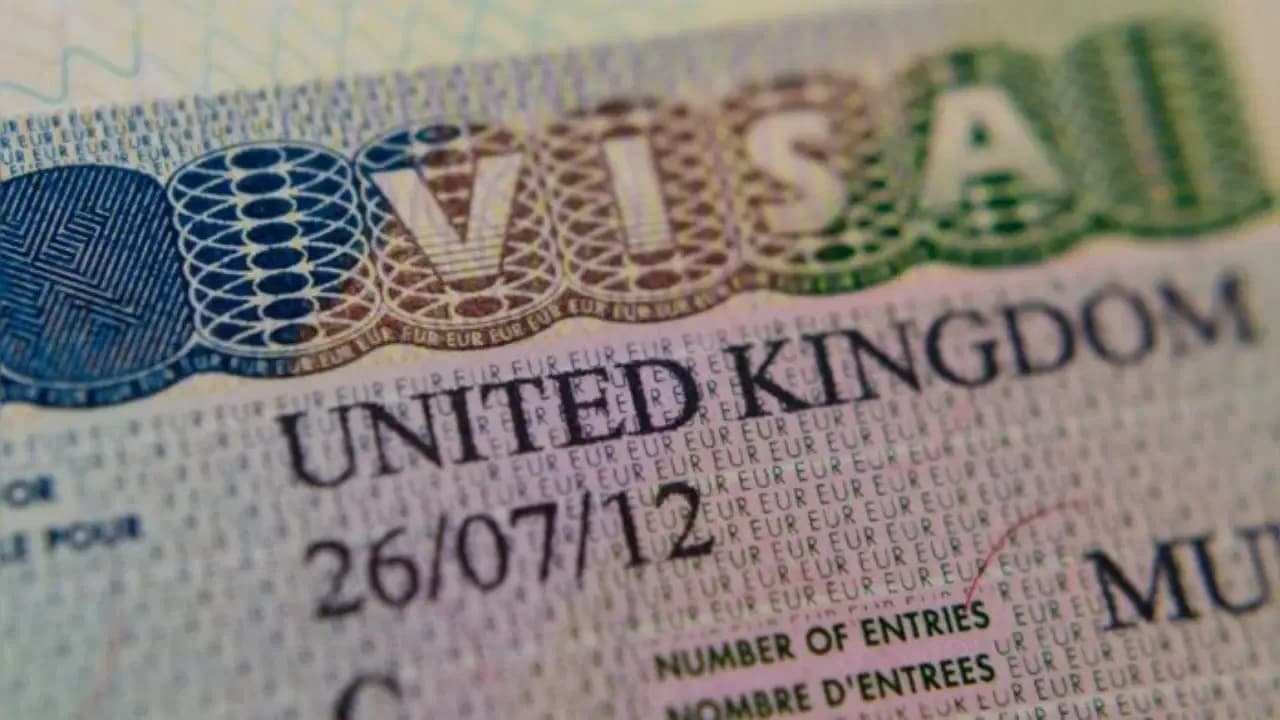
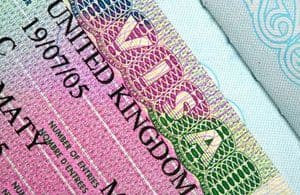
For US passport holders, Vietnam requires a visa for tourism.
The simplest option for most independent travelers is Vietnam's electronic visa, or e-visa.
Vietnam's official immigration portal currently states that e-visas can be issued for up to 90 days and can be either single-entry or multiple-entry.
The current official fees are:
- US$25 for a single-entry e-visa
- US$50 for a multiple-entry e-visa
Applications should be made through Vietnam's official e-visa system rather than relying on unofficial websites that charge additional service fees.
Should you choose single entry or multiple entry?
For a straightforward Vietnam holiday where you enter Vietnam once and leave Vietnam once, a single-entry visa is usually enough.
A multiple-entry visa becomes useful if Vietnam is part of a wider Southeast Asia itinerary.
For example, you might travel:
United States → Vietnam → Cambodia → Vietnam → United States
In that situation, you would need permission to re-enter Vietnam, so a multiple-entry visa can be more convenient.
If your itinerary is simply:
United States → Hanoi → Vietnam → United States
there is usually no reason to pay for multiple entry.
Check your passport before applying
Your passport should generally have at least six months of validity remaining when you enter Vietnam.
Make sure your personal information on the visa application exactly matches your passport. Small errors in names, passport numbers, dates of birth, or other details can create unnecessary problems during your journey.
It is also important to check your approved visa carefully before departure.
Your visa is not something to leave until the last minute.
Vietnam's Immigration Department also recommends that travelers complete the pre-arrival form through its official system before entering Vietnam. Requirements can change, so American travelers should always check the official Vietnamese immigration portal close to their departure date.
3. Getting There: Flight Routes, Duration, and Cost
This is probably the part of the trip that looks most intimidating from the United States.
Vietnam is far away.
For most American travelers, getting there means a long-haul flight followed by either a direct arrival or a connection somewhere in Asia.
Is there a direct flight from the US to Vietnam?
There is currently a direct commercial route between San Francisco and Ho Chi Minh City operated by Vietnam Airlines.
The nonstop flight takes roughly 16 hours, depending on the direction and operating conditions.
For travelers from other American cities, you will normally need at least one connection.
Common transit hubs include cities such as Tokyo, Taipei, Seoul, and other major Asian aviation hubs.
From cities such as Los Angeles, Seattle, New York, Chicago, Dallas, or Boston, your total journey can vary significantly depending on the connection.
A realistic overall travel time is often around 19 to 30 hours, although longer itineraries are possible when the connection is extended.
Should you fly into Hanoi or Ho Chi Minh City?
There is no universally correct answer.
The best arrival airport depends on your itinerary.
If your trip focuses on northern and central Vietnam, flying into Hanoi makes sense.
You can then travel through:
Hanoi → Ninh Binh → Ha Long Bay → Hoi An → Ho Chi Minh City
If you want to begin with southern Vietnam and move north, you can reverse the direction:
Ho Chi Minh City → Mekong Delta → Hoi An → Hanoi
For a first trip of two weeks or more, an open-jaw ticket can be particularly useful.
Instead of:
US → Hanoi → US
and then having to return to Hanoi at the end, consider:
US → Hanoi → Vietnam → Ho Chi Minh City → US
This allows you to travel in one direction through the country instead of backtracking.
How much do flights to Vietnam cost?
Flight prices change constantly, so there is no single reliable "average price" for a US-to-Vietnam ticket.
As a broad planning rule, economy return fares can vary from roughly US$800 to well above US$1,500 depending on your departure city, travel dates, airline, connection, and how far ahead you book.
Peak periods can be significantly more expensive.
Instead of focusing only on the cheapest fare, look at the total journey time.
A flight that saves US$100 but adds eight hours to your journey may not be a great deal after a 20-hour transpacific trip.
For long-haul travel, a sensible connection and reasonable arrival time can make a noticeable difference to the first two days of your holiday.
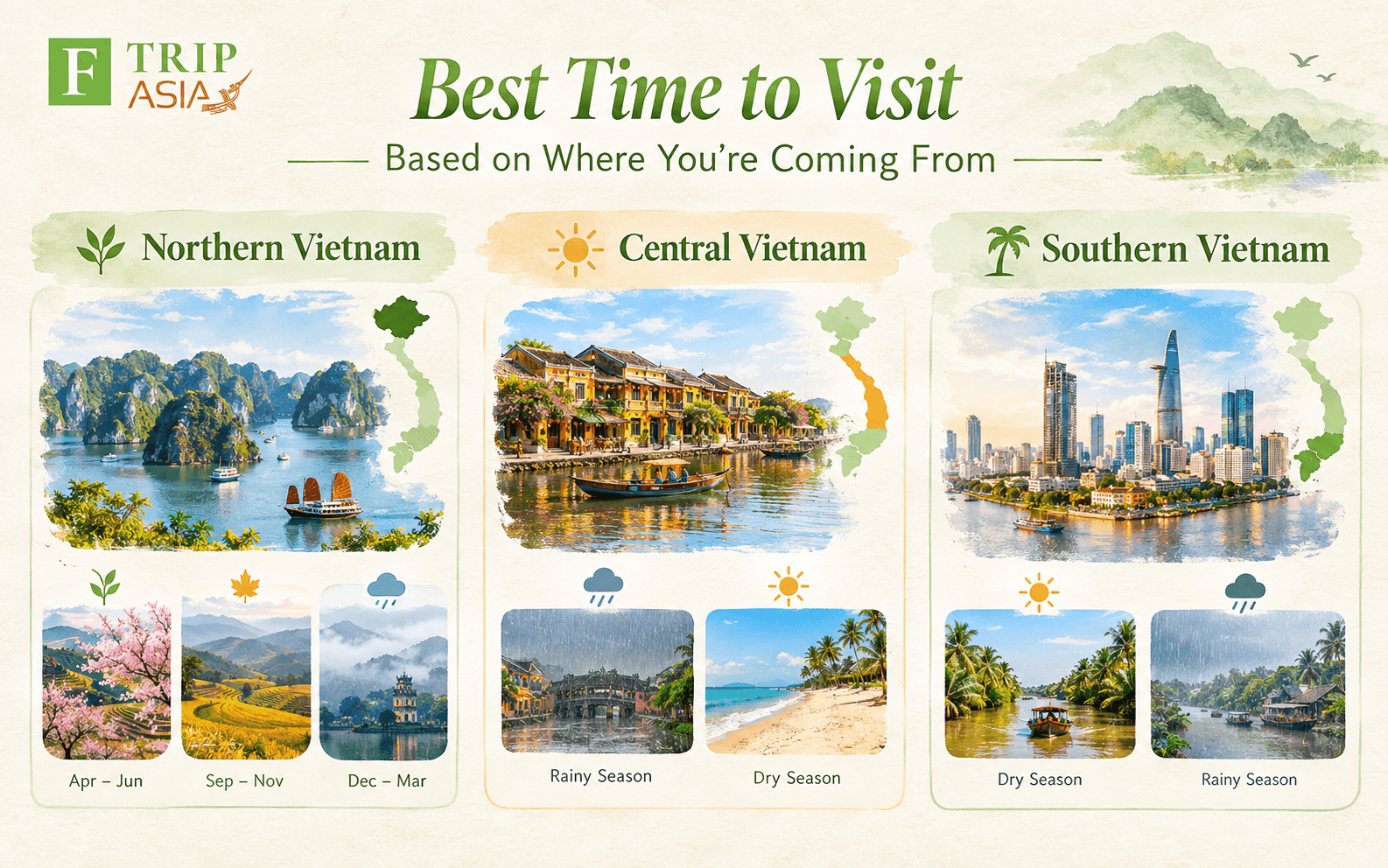
4. Best Time to Visit, Based on Where You're Coming From
There is no single perfect month for the whole of Vietnam.
This is one of the most important things American travelers should understand before booking flights.
Vietnam has three broad geographical regions, and their weather patterns are different.
Northern Vietnam
Northern Vietnam includes Hanoi, Ninh Binh, Ha Long Bay, Ha Giang, and other mountain destinations.
Generally, spring and autumn are particularly comfortable periods for northern travel.
From around April to June, temperatures become warmer and skies can be relatively clear.
September to November can also be excellent, with cooler temperatures arriving toward late autumn.
Winter is different.
December through March can be cool, cloudy, and misty, particularly in Hanoi and the mountains. If you come from a cold part of the US, the temperatures may not sound extreme, but the combination of damp air and limited sunshine can feel colder than expected.
Central Vietnam
Central Vietnam includes Hue, Da Nang, Hoi An, and nearby areas.
The region has its own weather pattern, and the rainy season can be more significant than many first-time visitors expect.
If your trip revolves around Hoi An, beaches, and outdoor activities, it is worth checking central Vietnam's seasonal conditions carefully before booking.
Southern Vietnam
Ho Chi Minh City and the Mekong Delta are tropical.
You can expect warm temperatures throughout much of the year, with a more pronounced rainy season.
Rain does not necessarily mean constant bad weather. Tropical rainfall can be heavy but relatively short, with sunshine returning later in the day.
So when should Americans visit Vietnam?
If you want to combine Hanoi, central Vietnam, and Ho Chi Minh City in one trip, March to May is one of the easiest periods to consider for relatively favorable conditions across the country.
That said, Vietnam can be visited throughout the year.
A better approach is to choose your destinations first and then check their specific weather patterns.
If your priority is northern Vietnam, your ideal travel window may be different from someone whose priority is beaches in central Vietnam.
5. What Surprises First-Time Visitors from America
Vietnam tends to challenge some assumptions American travelers arrive with.
Not necessarily in a bad way.
It is simply different.
The traffic has its own logic
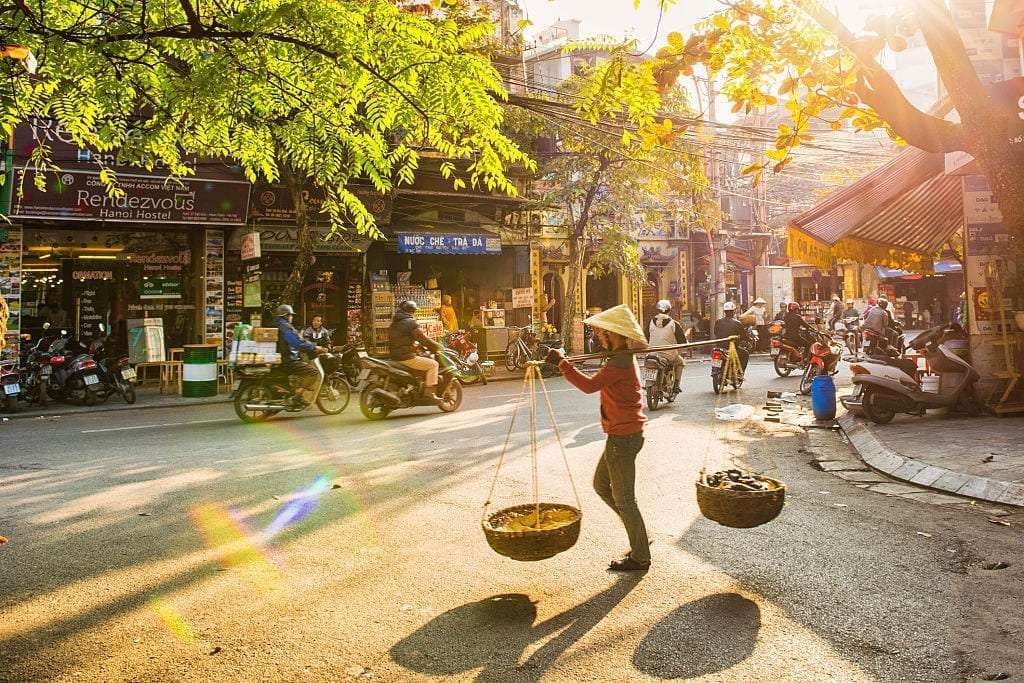
The first time you cross a busy street in Hanoi or Ho Chi Minh City, you may wonder how anyone gets anywhere.
There are motorcycles everywhere, cars moving through intersections, pedestrians crossing between vehicles, and very few moments when the road appears completely still.
The trick is not to panic.
When crossing a busy street, walk at a steady and predictable pace rather than suddenly stopping or changing direction. Local drivers are used to anticipating pedestrian movement.
It looks chaotic.
But there is a logic to it.
Food is everywhere
In the US, eating out is usually something you plan.
In Vietnam, food is simply part of the streetscape.
Breakfast can be a bowl of pho. Lunch might be a plate of rice and grilled meat. A coffee shop can appear in the middle of a residential alley. A small street-side restaurant can be busy from morning until night.
Vietnamese food also varies considerably by region.
Pho in Hanoi does not taste exactly like pho elsewhere. Central Vietnamese food tends to use different flavors and preparations, while southern cuisine can be sweeter and more influenced by the tropical environment.
Trying local food is not just about finding one famous dish.
It is about noticing how food changes as you travel.

Vietnam is bigger and more varied than it looks
On a map, Vietnam can look relatively narrow.
That can create the impression that traveling from one end to the other should be easy.
In reality, distances add up.
A trip from Hanoi to Ho Chi Minh City involves either a long journey by land or a domestic flight. Northern mountain destinations can take several hours to reach from Hanoi, while Hoi An requires another journey from the major transport hubs of central Vietnam.
This is why a good itinerary matters.
Trying to include every famous destination usually creates a trip that feels rushed rather than rewarding.
Bargaining is part of the culture, but not everywhere
American travelers sometimes assume they should negotiate every price.
That is not how Vietnam works.
Bargaining is more common in certain traditional markets and informal shopping environments. It is generally not expected in supermarkets, established restaurants, shopping malls, hotels, or businesses with clearly displayed fixed prices.
Knowing where bargaining is appropriate makes the experience more comfortable for everyone.
Humidity can be more intense than heat
An American traveler might check the forecast and see 32°C, then assume the temperature will be manageable.
The number does not tell the whole story.
Vietnam's humidity can make warm temperatures feel considerably heavier, particularly during the summer and rainy season.
If you are traveling during a hot period, schedule outdoor sightseeing for the morning or late afternoon when possible.
And do not underestimate the importance of hydration.
6. How Much Time You Actually Need
The right length depends on how much of Vietnam you want to see.
But for a first trip from the United States, the longer journey means it is usually better to stay longer rather than squeeze Vietnam into a short break.
7 days: possible, but selective
Seven days can work if you focus on one region.
For example:
Hanoi + Ninh Binh + Ha Long Bay
or
Ho Chi Minh City + Mekong Delta + Phu Quoc
Trying to cover the whole country in one week is not recommended.
10 days: a good introduction
Ten days gives you enough time to combine two regions without moving constantly.
A possible trip could include:
Hanoi → Ninh Binh → Hoi An → Ho Chi Minh City
This gives you history, countryside, culture, food, and urban experiences.
12 to 14 days: the sweet spot
For many American travelers, two weeks is the most practical length for a first Vietnam holiday.
You have enough time to experience the north, central Vietnam, and the south while allowing some breathing room.
You can also add a two- or three-night experience such as a Ha Long Bay cruise or a more relaxed stay in Hoi An without sacrificing the entire itinerary.
18 to 21 days: for a deeper trip
Three weeks allows Vietnam to feel less like a checklist.
You can spend more time in northern mountains, explore additional cultural sites, slow down in Hoi An, spend longer in the Mekong Delta, or add beach time.
For travelers who have made the long journey from the United States, three weeks can be particularly worthwhile.
The goal is not to see as many places as possible.
It is to spend enough time in each place to understand why you came.
7. A Realistic First Itinerary Idea
For a first trip from America, one of the most balanced approaches is to travel from north to south.
It minimizes backtracking and gives you a natural progression through Vietnam.
Days 1–3: Hanoi
Start in Hanoi.
Give yourself time to adjust after the long flight before filling the schedule with activities.
Explore the Old Quarter, visit Hoan Kiem Lake, try local food, and experience the city's historic and cultural landmarks.
Do not plan every hour.
Part of Hanoi's appeal is simply walking through its streets, stopping for coffee, watching daily life, and trying food you did not plan to eat.
Days 4–5: Ninh Binh
Travel south from Hanoi to Ninh Binh.
The area is known for limestone mountains, rivers, rice fields, temples, and rural landscapes.
A boat trip through the karst scenery is one of the easiest ways to experience the region without turning the day into a physically demanding activity.
Two days gives you enough time to see the major sights without treating Ninh Binh as nothing more than a day-trip stop.
Days 6–8: Hoi An and Central Vietnam
Fly from Hanoi to Da Nang and continue to Hoi An.
Hoi An is one of the places where slowing down pays off.
Explore the historic town, sample central Vietnamese food, cycle through the countryside, or spend time at the coast.
You can also add Hue if history is a major priority.
If you only have a short amount of time, however, it is better to enjoy Hoi An properly than squeeze several central destinations into two days.
Days 9–12: Ho Chi Minh City
Fly south to Ho Chi Minh City.
The experience will feel noticeably different from Hanoi.
The city is larger, faster, and more contemporary in many areas, while still retaining layers of French colonial architecture, Vietnamese history, traditional markets, and neighborhood food culture.
Spend time exploring the city's major landmarks, but leave room for its food scene.
Day 13: Mekong Delta
Take a day trip or overnight trip into the Mekong Delta.
This gives you another side of Vietnam: waterways, fruit orchards, agricultural communities, and rural life.
A well-designed Mekong experience should go beyond simply visiting a tourist stop and taking a boat ride. The best experiences give you some context about how people actually live and work in the delta.
Day 14: Departure
If your international flight leaves from Ho Chi Minh City, keep the final day simple.
Do not schedule a complicated excursion before an international departure.
Have breakfast, enjoy a final Vietnamese coffee, do some last-minute shopping, and head to the airport with enough time.
Planning America to Vietnam Does Not Have to Be Complicated
The biggest challenge of planning a Vietnam trip from America is not the visa or the flight.
It is understanding how much there is to see.
Once you know the basics, the planning becomes much easier.
American passport holders can apply for Vietnam's official e-visa, with options for single or multiple entry. Most travelers will need at least one connection when flying from the United States, although a direct San Francisco to Ho Chi Minh City service is currently available. Vietnam's weather varies significantly by region, so the best travel period depends partly on where you want to go.
Most importantly, give yourself enough time.
A 10-day trip can provide a good introduction. Two weeks is more comfortable for a first visit. Three weeks allows you to slow down and explore beyond the standard highlights.
Vietnam rewards travelers who do not try to rush through it.
Instead of asking, "How many places can I fit into my trip?", ask, "What kind of Vietnam do I want to experience?"
That one question will make everything else, from choosing your flights to building your itinerary, much easier.


Founder & Photography Guide
Specialties: Culture, landscape, portrait, hiking, active and adventurous tour
Besides my unlimited passion for traveling, a professional tour guide for over a decade, I have been taking photographs since sitting at Hanoi of the University of Culture in the early 2000s. Photography started as a hobby but it was seriously taken due to my work relations and my significant passion for the beauty of our world, especially in Southeast Asian parts such as Vietnam, Laos, Cambodia, and Myanmar.
Within a few years of taking photographs, my works began to be recognized by many reliable international publications such as AFAR Travel, The Times, and The Daily Telegraph newspaper. In addition, I continuously add to my growing profile by winning numerous major awards: 3rd Position of The Independent Photographer 2018, 1st Position of Amateur Photographer of the year 2018, Grand Prize Winner of the AFAR Travel Photography 2019, and a Gold Award of San Francisco Bay International Photography 2020.
I photograph a wide variety of subjects, from travel to landscapes to street scenes. I enjoy documenting the East’s rich cultural heritage and its land soaked in glorious sunrise or sunset light in remote and secluded spots. And, I am very happy to share my knowledge and experience with you. You can visit Luminousvietnamtour to explore tour!