
- 1. Why Canadian Travelers Are Discovering Vietnam Right Now
- 2. Visa Requirements for Canadian Citizens
- 3. Getting There: Flight Routes, Duration, and Cost
- 4. Best Time to Visit, Based on Where You're Coming From
- Northern Vietnam
- Central Vietnam
- Southern Vietnam
- 5. What Surprises First-Time Visitors from Canada
- The traffic
- The food culture
- The scale of the country
- The climate
- 6. How Much Time You Actually Need
- 7. A Realistic First Itinerary Idea
Vietnam is becoming an increasingly attractive long-haul destination for Canadian travelers looking for a trip that combines food, culture, nature, history, and a very different everyday rhythm. From the lively streets of Hanoi and Ho Chi Minh City to the rice terraces of the northern mountains and the beaches of Central Vietnam, the country offers a wide range of experiences within one destination.
But traveling to Vietnam from Canada takes more planning than a short-haul trip. You need to think about flights, visa requirements, the best season for different regions, and how many days you actually need to make the long journey worthwhile.
If Vietnam is on your travel list, here is where to start.
1. Why Canadian Travelers Are Discovering Vietnam Right Now
Vietnam offers something that is particularly appealing for travelers coming from Canada: a major change of scenery, culture, climate, and pace of life in one trip.
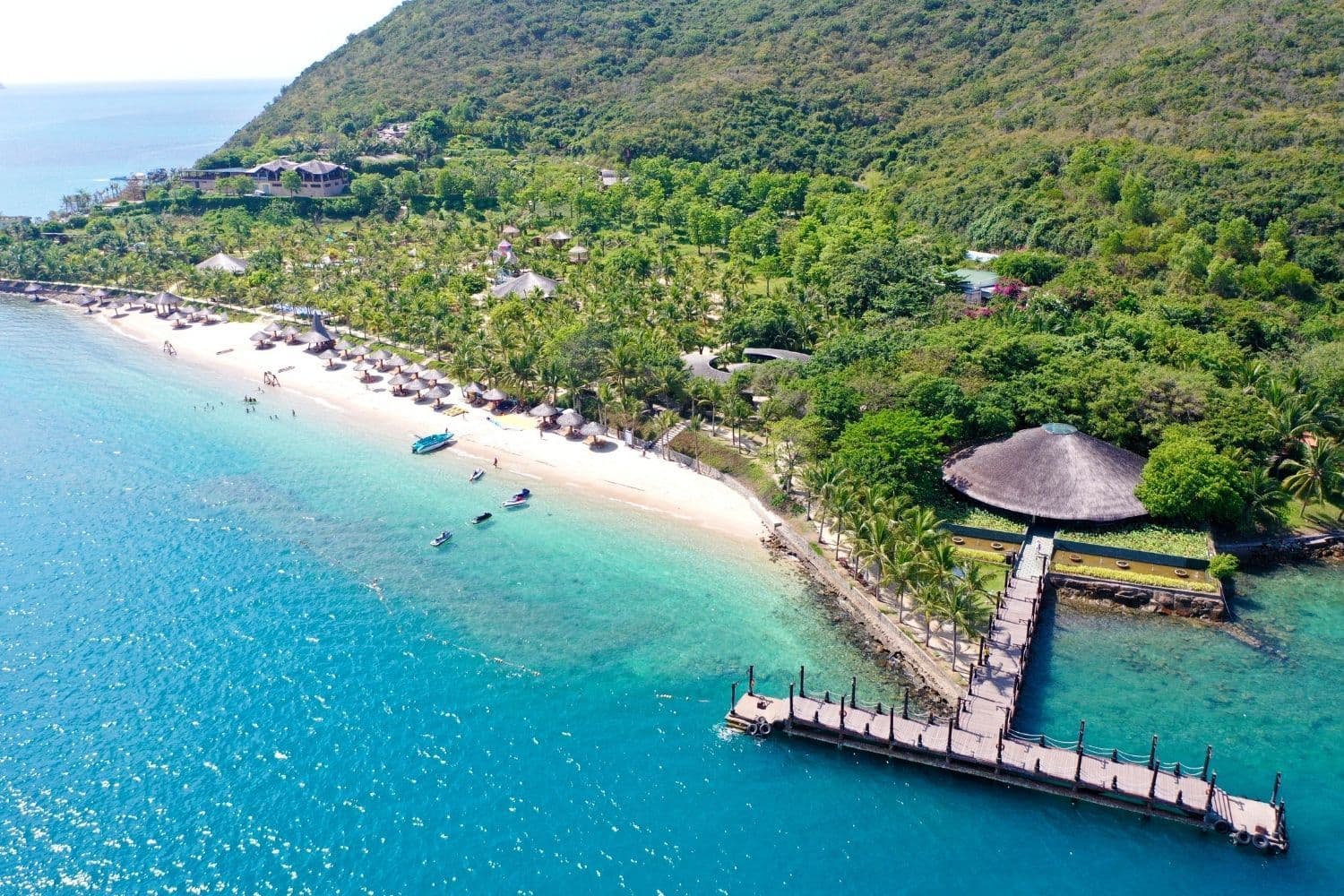
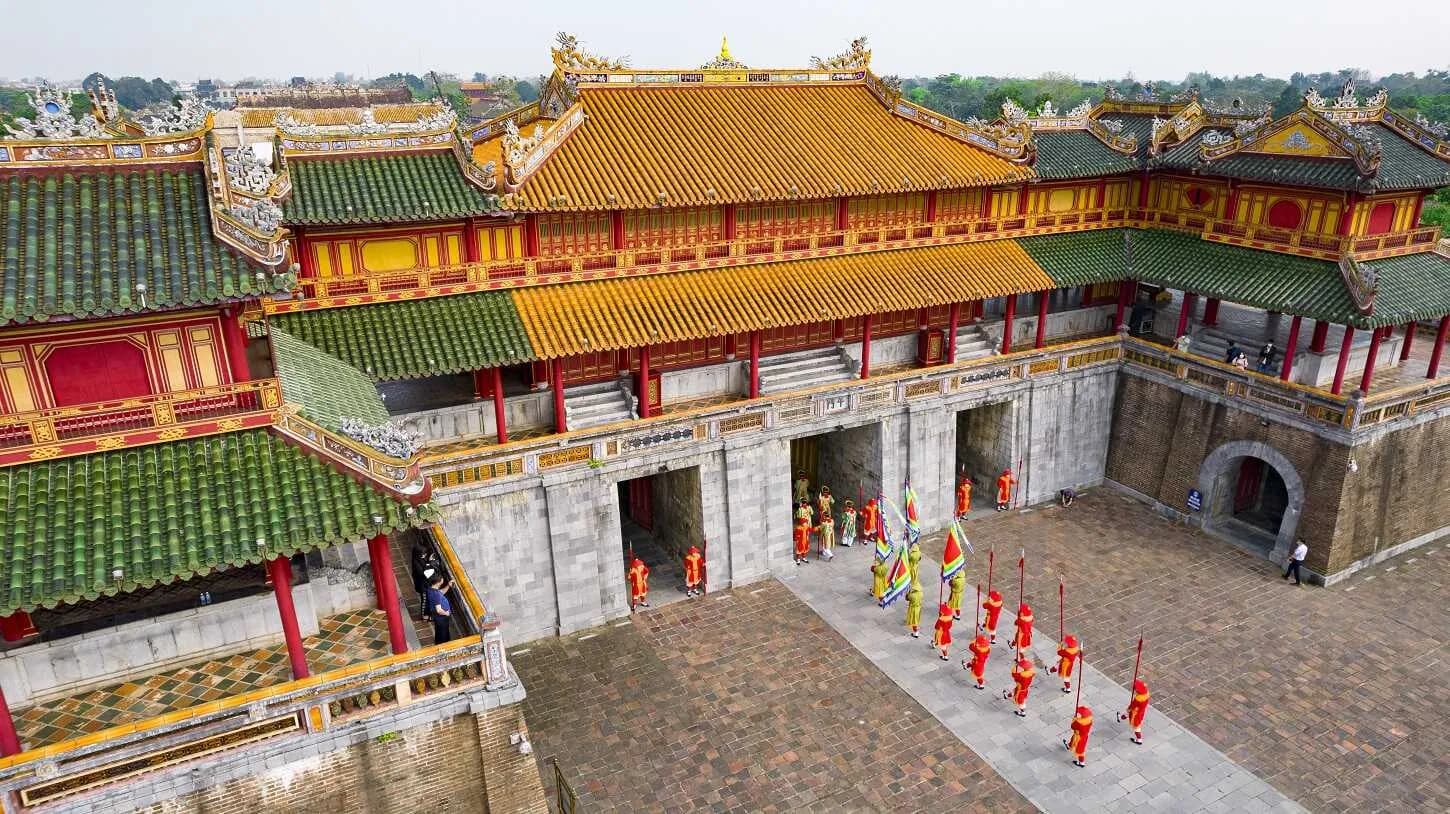
The country combines historic cities, dramatic landscapes, tropical coastlines, local food, and diverse cultures. You can spend a morning exploring Hanoi's Old Quarter, cruise among the limestone islands of Halong Bay, walk through the ancient streets of Hoi An, and finish your trip with the energy of Ho Chi Minh City.
Vietnam is also a destination where travelers can build different types of trips around the same route. Food lovers can explore street food and regional cuisine. Nature lovers can trek through northern mountains or explore caves and national parks. History and culture travelers can visit imperial sites, ancient towns, temples, and museums.
For Canadian travelers, the distance is significant, but the trip can also be part of a longer Asian journey. Vietnam works well as a standalone destination or as part of a wider Southeast Asia itinerary.
Vietnam's international tourism market has also continued to grow. In the first half of 2025, Vietnam welcomed nearly 10.7 million international arrivals, up 20.7% year on year.
2. Visa Requirements for Canadian Citizens
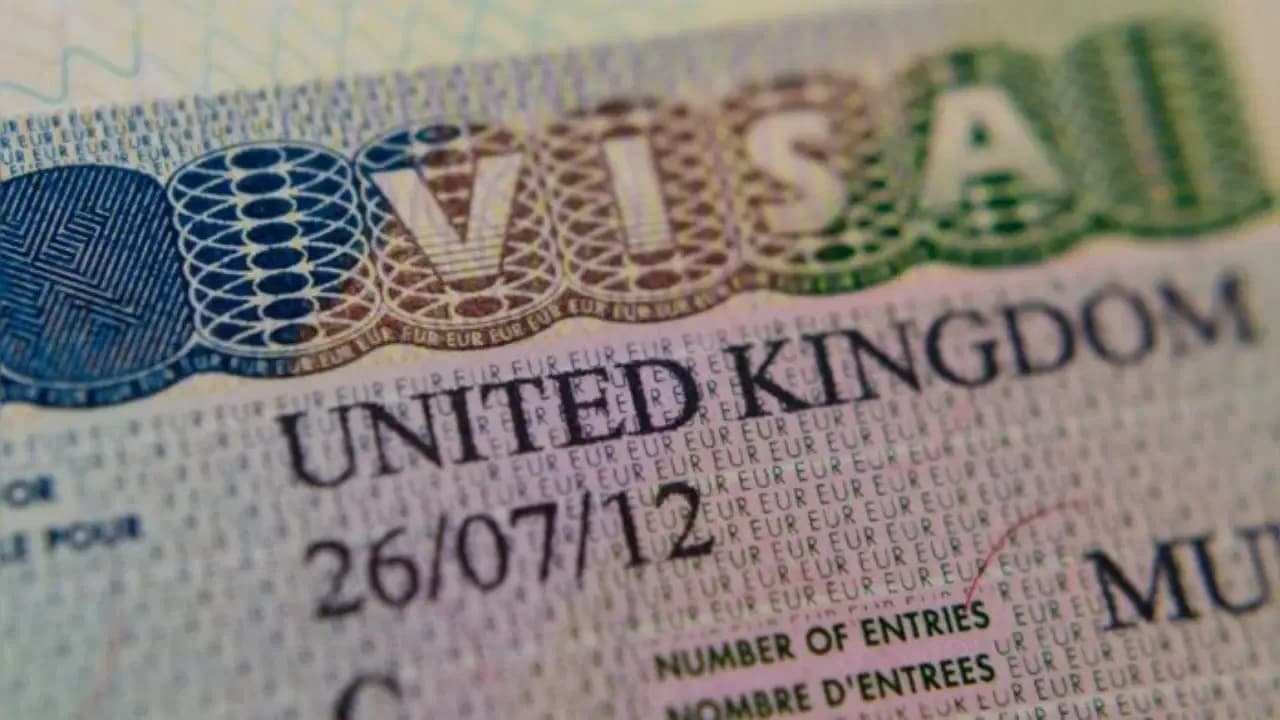
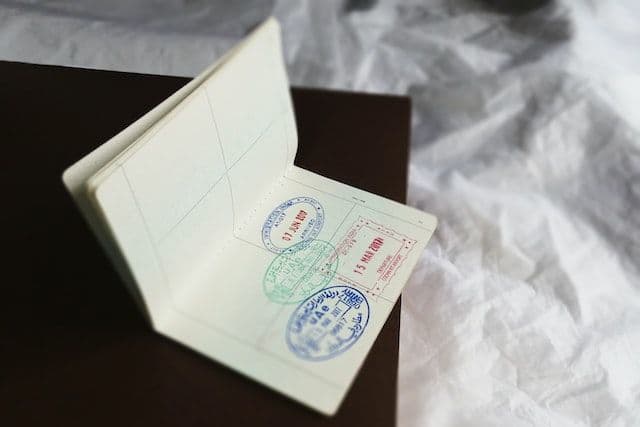
Canadian passport holders need a visa to travel to Vietnam for tourism. The most convenient option for many travelers is the Vietnam e-visa.
Vietnam's Immigration Department states that the e-visa can be issued for up to 90 days and can be either single-entry or multiple-entry. Applications can be submitted online, and the standard processing time stated by the Immigration Department is three working days.
The Government of Canada also confirms that Canadian passport holders may be eligible for a Vietnam e-visa for stays of up to 90 days. Travelers should make sure that all information on the application matches their passport exactly, including their name and date of birth.
The official Vietnam e-visa fee is currently US25forasingle-entryvisaandUS50 for a multiple-entry visa. The fee is non-refundable if the application is refused.
Before submitting your application, check the latest requirements on the official Vietnam Immigration Department portal, as entry procedures can change.
3. Getting There: Flight Routes, Duration, and Cost
There are no nonstop flights from Canada to Vietnam on most common routes, so travelers should expect at least one connection.
The main Canadian departure points include Toronto, Vancouver, Montreal, and Calgary. The most practical Vietnamese arrival airports are usually Hanoi (HAN) in the north and Ho Chi Minh City (SGN) in the south.
Vancouver is particularly convenient for reaching Vietnam because of its location on the Pacific side of Canada. Toronto and Montreal travelers can also find a range of one-stop options through major Asian hubs.
The total journey can easily take 20 hours or more, depending on your departure city, connection, and layover. Rather than choosing a flight based only on ticket price, look at the total travel time and connection length.
Flight prices vary considerably by season and departure city. For example, Air Canada was listing round-trip economy fares from Vancouver to Ho Chi Minh City from around CAD 1,321 for selected January 2027 dates, while selected Toronto to Ho Chi Minh City fares started around CAD 1,665. These are live examples rather than fixed fares, and prices can change quickly.
A useful strategy is to arrive in one city and leave from another. For example, you could fly into Hanoi, travel south through Vietnam, and fly home from Ho Chi Minh City. This avoids having to backtrack to your original arrival city.
4. Best Time to Visit, Based on Where You're Coming From
Vietnam does not have one single "best" travel season because the country stretches across several climate zones.
For Canadian travelers escaping a cold winter, October to April can be an especially attractive period for a Vietnam trip. Northern Vietnam generally has cooler and drier weather during this period, while southern Vietnam enters its drier season. The official Vietnam Tourism website recommends October to April for the Red River Delta and December to April for southeastern Vietnam.
Northern Vietnam
Hanoi, Halong Bay, Ninh Binh, Sapa, Ha Giang, and other northern destinations experience noticeable seasonal changes.
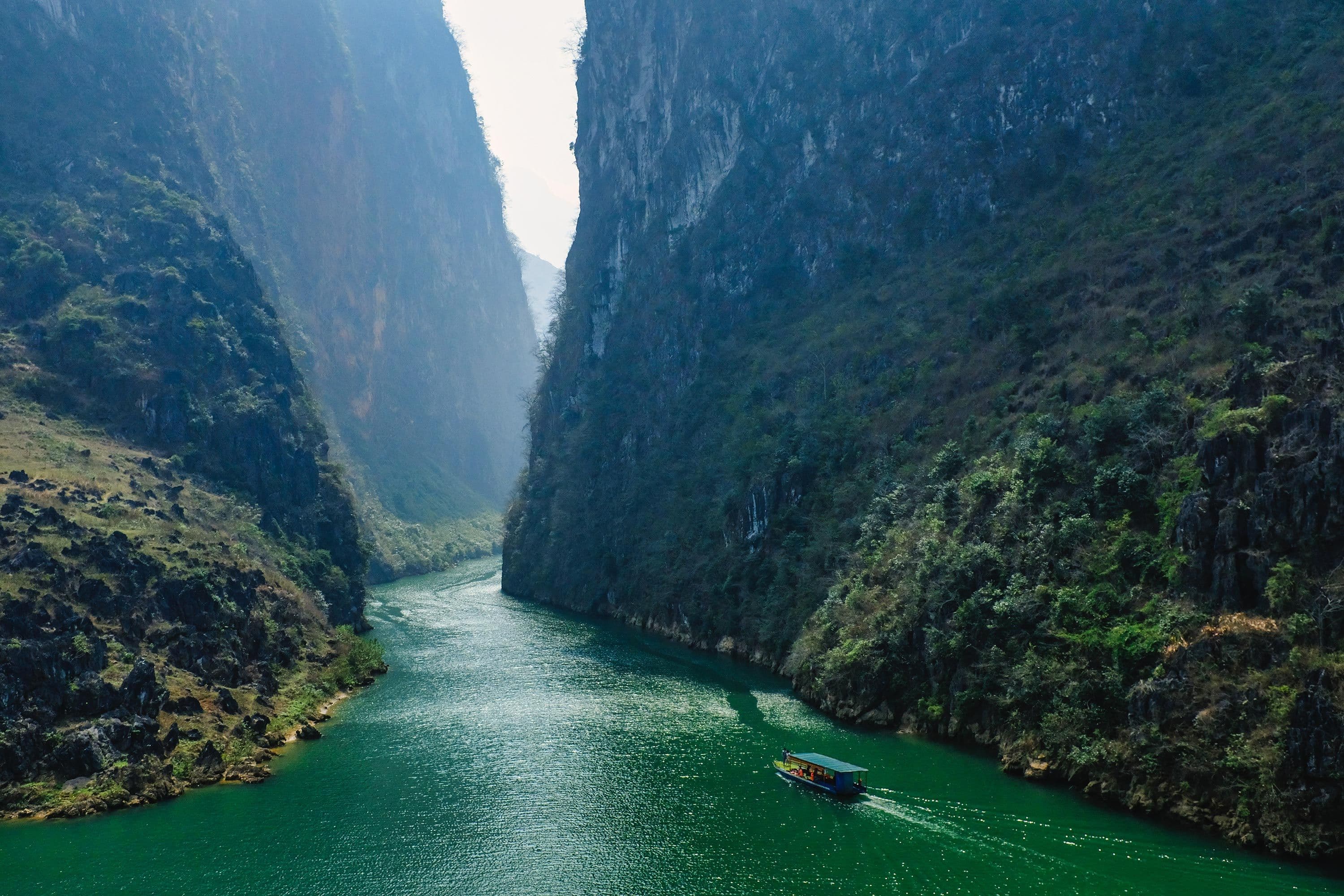
October and November can bring pleasant conditions and clear skies, while December to March is cooler, particularly in the mountains. The northern highlands can become surprisingly cold at night, so travelers heading to places such as Sapa or Ha Giang should pack accordingly.
Central Vietnam
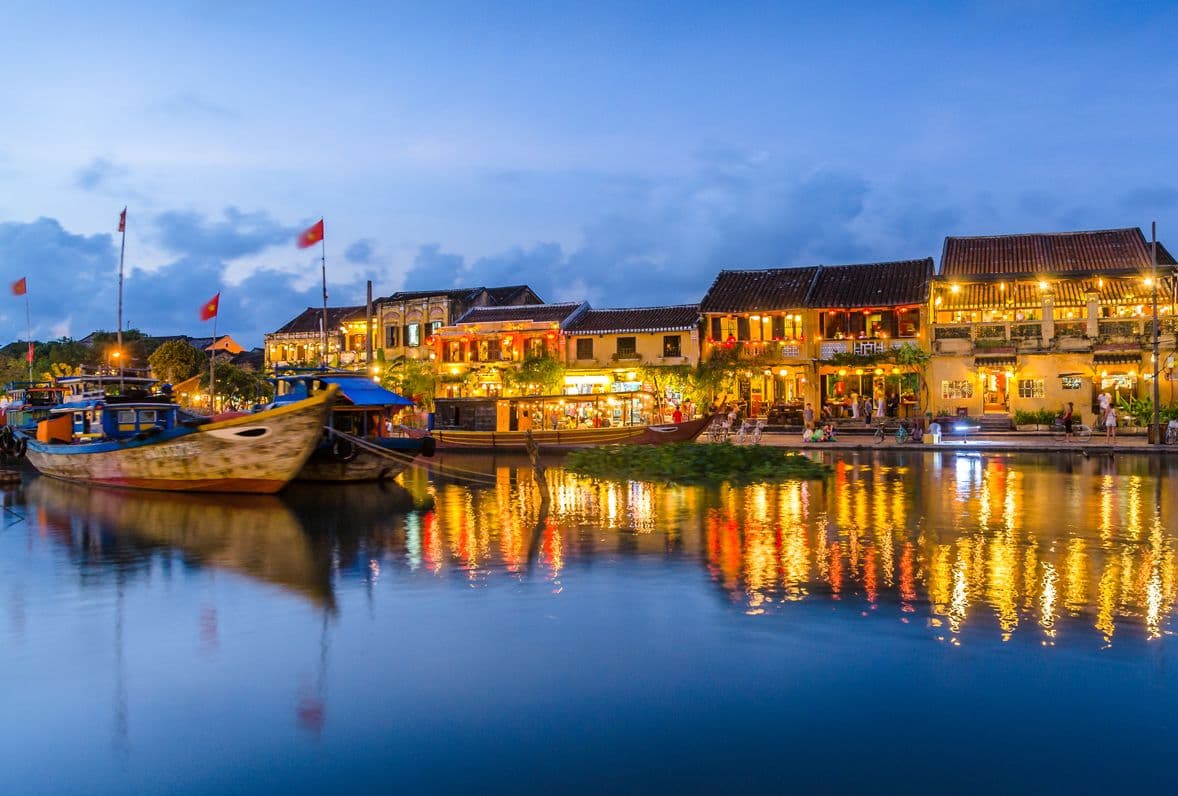
Hoi An, Hue, Da Nang, and Phong Nha have their own weather patterns. February to August is generally a useful window for exploring North Central Vietnam, while March to May is particularly suitable for the South Central Coast and Central Highlands.
Southern Vietnam
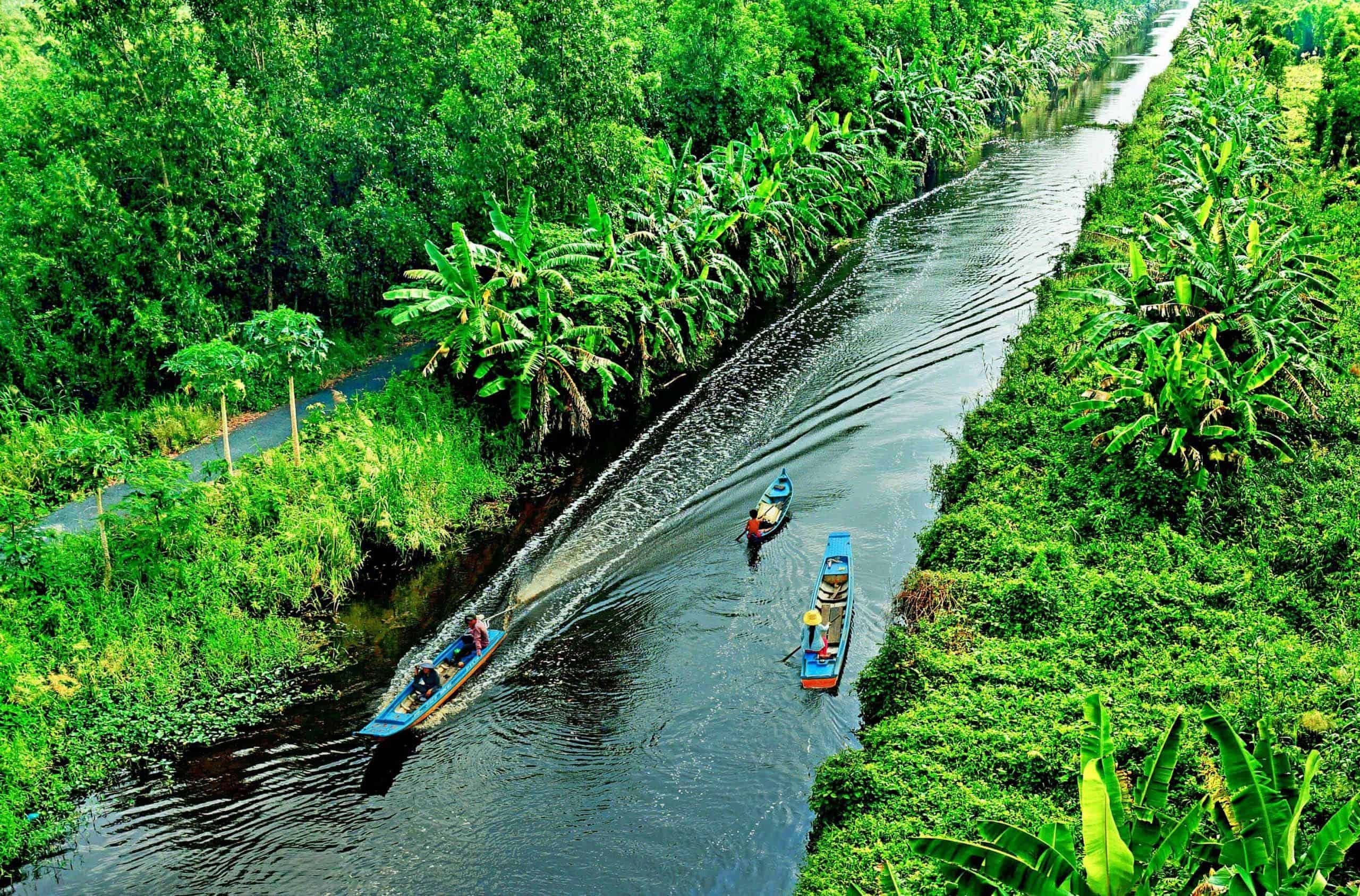
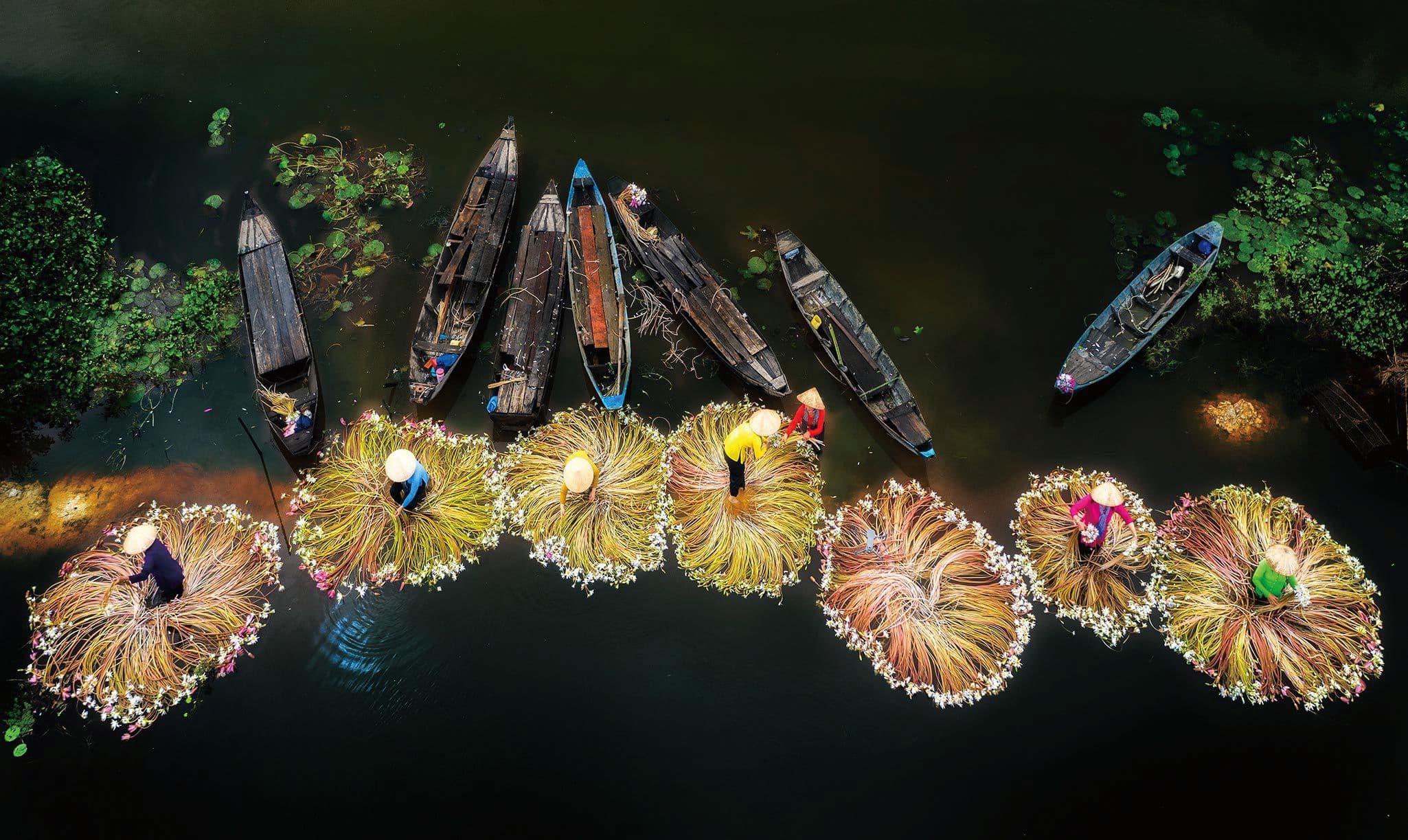
Ho Chi Minh City, the Mekong Delta, and southern coastal destinations stay warm throughout much of the year. December to April is generally the drier period in southeastern Vietnam, while November to April is recommended for the Mekong Delta.
For Canadian travelers, the important point is simple: choose your Vietnam route based on the weather you want, not just the dates you have available.
5. What Surprises First-Time Visitors from Canada
Vietnam can feel very different from Canada, especially during the first few days.
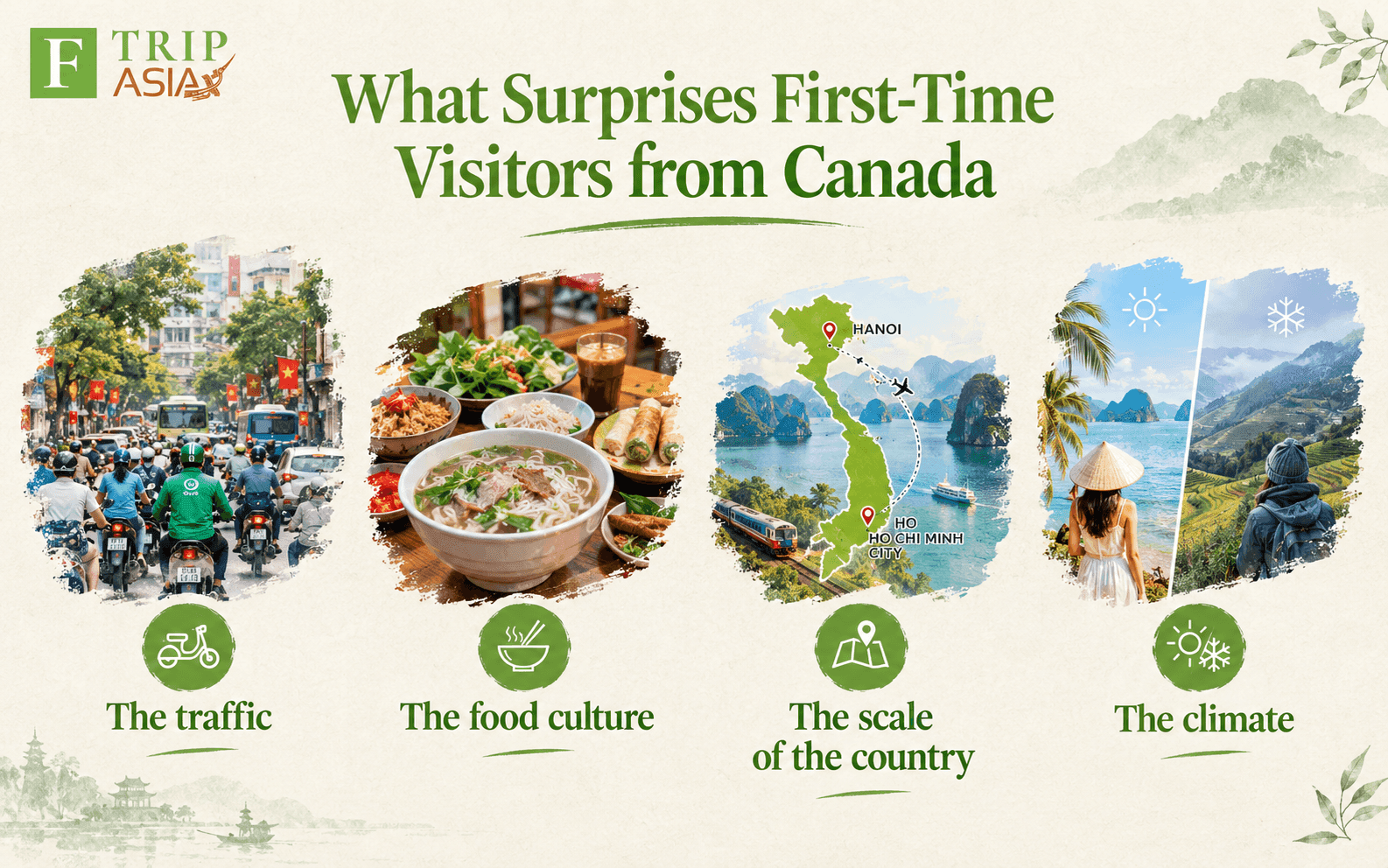
The traffic
Vietnam's major cities are busy, especially Hanoi and Ho Chi Minh City. Motorbikes are everywhere, and crossing a busy street can initially feel intimidating. Once you understand the rhythm of the traffic, getting around becomes much easier.
The food culture
Food is not simply something you stop for between activities. It is a major part of daily life. Breakfast can be a bowl of pho, lunch may be a local rice dish, and dinner can turn into a long evening of sharing several dishes.
Vietnamese cuisine also varies significantly between regions. Northern, Central, and Southern Vietnam each have their own flavors, ingredients, and specialties.
The scale of the country
Vietnam may look relatively compact on a map, but traveling from Hanoi to Ho Chi Minh City covers more than 1,600 km. Trying to see everything in one short trip can mean spending too much time in transit.
The climate
For Canadians arriving during winter, Vietnam's heat and humidity can be a major adjustment, particularly in the south. At the same time, northern Vietnam can be cool in winter, especially in the mountains. Packing for Vietnam therefore depends heavily on the regions and season of your trip.
6. How Much Time You Actually Need
For a long-haul trip from Canada, 10 to 14 days is a useful range for a first visit.
With around 10 days, you can focus on two or three regions without rushing too much. For example, you could combine Hanoi and Northern Vietnam with Central Vietnam, or explore Southern Vietnam in more depth.
With two weeks, you have more room to travel from north to south and include a combination of cities, nature, culture, and coastal experiences.
If you have only seven days, it is better to choose one region or a compact route rather than trying to cover the whole country.
If you have three weeks or more, you can slow down and add destinations such as Ha Giang, Sapa, Phong Nha, the Mekong Delta, or beach destinations depending on the season.
The key is to remember that your first and last days involve a long international journey. A 10-day holiday does not mean 10 full days of sightseeing.
7. A Realistic First Itinerary Idea
For a first trip from Canada, a 12-day North-to-South Vietnam itinerary can offer a good introduction without trying to include every destination.
Day 1: Hanoi Arrival Arrive in Hanoi and keep the first day light. Explore the Old Quarter at an easy pace and adjust to the time difference.
Days 2-3: Hanoi Discover Hanoi's historic streets, local food, cultural landmarks, and everyday city life.
Days 4-5: Ninh Binh and Halong Bay Travel to Ninh Binh for its limestone landscapes and countryside before continuing to Halong Bay for an overnight cruise.
Days 6-7: Hoi An Fly south to Central Vietnam and explore Hoi An's ancient streets, local cuisine, and surrounding countryside.
Days 8-9: Ho Chi Minh City Continue south to Ho Chi Minh City for a very different side of Vietnam, from historic landmarks to busy markets and modern city life.
Day 10: Mekong Delta Take a day trip into the Mekong Delta to experience river life, local villages, waterways, and agricultural landscapes.
Day 11: Ho Chi Minh City Use your final full day for shopping, food experiences, museums, or simply exploring the city at your own pace.
Day 12: Departure Transfer to the airport for your flight home.
This route gives first-time visitors a broad introduction to Vietnam while keeping the number of long transfers manageable. For travelers with more time, northern mountain destinations such as Ha Giang or Sapa can be added, while those looking for more beach time can extend their stay in Central or Southern Vietnam.
Planning a Vietnam trip from Canada does not have to mean managing every detail yourself. With the right route, accommodation, transportation, local guides, and experiences arranged in advance, you can spend more time enjoying Vietnam and less time working out how to get from one place to the next.
Ready to start planning your Vietnam trip? Explore Ftrip Asia's Vietnam tours or contact our team to build an itinerary around your travel dates, interests, and the regions you want to discover.


Founder & Photography Guide
Specialties: Culture, landscape, portrait, hiking, active and adventurous tour
Besides my unlimited passion for traveling, a professional tour guide for over a decade, I have been taking photographs since sitting at Hanoi of the University of Culture in the early 2000s. Photography started as a hobby but it was seriously taken due to my work relations and my significant passion for the beauty of our world, especially in Southeast Asian parts such as Vietnam, Laos, Cambodia, and Myanmar.
Within a few years of taking photographs, my works began to be recognized by many reliable international publications such as AFAR Travel, The Times, and The Daily Telegraph newspaper. In addition, I continuously add to my growing profile by winning numerous major awards: 3rd Position of The Independent Photographer 2018, 1st Position of Amateur Photographer of the year 2018, Grand Prize Winner of the AFAR Travel Photography 2019, and a Gold Award of San Francisco Bay International Photography 2020.
I photograph a wide variety of subjects, from travel to landscapes to street scenes. I enjoy documenting the East’s rich cultural heritage and its land soaked in glorious sunrise or sunset light in remote and secluded spots. And, I am very happy to share my knowledge and experience with you. You can visit Luminousvietnamtour to explore tour!