
Best Time to Do the Ha Giang Loop: A Month-by-Month Guide
- 1. When Is the Best Time to Do the Ha Giang Loop?
- 2. Understanding Ha Giang's Weather Throughout the Year
- Spring (March–May)
- Summer (June–August)
- Autumn (September–November)
- Winter (December–February)
- 3. Best Time to Do the Ha Giang Loop Month by Month
- January – Cold Mountain Landscapes
- February – Peach and Plum Blossoms
- March – Comfortable Weather and Spring Flowers
- April – Ideal Conditions for Exploring
- May – Water-Filled Rice Terraces
- June – Lush Green Mountains
- July – Heavy Rainfall and Waterfalls
- August – Unpredictable Summer Weather
- September – Golden Rice Terraces
- October – Buckwheat Flowers and Autumn Scenery
- November – Peak Buckwheat Flower Season
- December – Quiet Roads and Cold Weather
- Best Months for Each Travel Experience
- 4. Best Time to Visit Ha Giang Based on What You Want to Experience
- For the Best Mountain Scenery
- For the Best Weather and Road Conditions
- For Flowers and Local Festivals
- For Fewer Tourists
- 5. Is It Safe to Do the Ha Giang Loop During the Rainy Season?
- 6. How Long Should You Spend on the Ha Giang Loop?
- 3 Days – 2 Nights
- 4 Days – 3 Nights
- 7. What to Pack for the Ha Giang Loop in Different Seasons
- Spring and Autumn
- Summer
- Winter
- 8. How to Plan Your Ha Giang Loop Tour with Ftrip Asia
- 9. Frequently Asked Questions About the Best Time to Do the Ha Giang Loop
- What is the best month to do the Ha Giang Loop?
- Is October a good time to visit Ha Giang?
- Can you do the Ha Giang Loop in March?
- When is the buckwheat flower season in Ha Giang?
- Is the Ha Giang Loop worth visiting during the rainy season?
- Can you do the Ha Giang Loop in winter?
- What is the best time to do the Ha Giang Loop for first-time visitors?
- 10. Conclusion
The Ha Giang Loop is one of the most spectacular road trips in northern Vietnam, taking travelers through dramatic limestone mountains, winding mountain passes, remote ethnic minority villages, and breathtaking valleys. However, the experience can vary significantly depending on when you visit. From golden rice terraces in autumn to colorful buckwheat flowers and fresh spring landscapes, each season offers something different.
So, when is the best time to do the Ha Giang Loop? This month-by-month guide covers weather conditions, seasonal highlights, road safety, and practical travel tips to help you choose the right time for your journey.
1. When Is the Best Time to Do the Ha Giang Loop?
The best time to do the Ha Giang Loop is generally from March to May and September to November, when temperatures are more comfortable and the mountain scenery is particularly beautiful.
If you prefer comfortable temperatures and relatively favorable riding conditions, March and April are excellent choices. Spring brings blooming flowers, green mountains, and pleasant weather for exploring the region.
For travelers who want to experience Ha Giang's most iconic landscapes, September to November is the best overall period. September offers golden rice terraces in suitable areas, particularly Hoang Su Phi, while October and November are known for buckwheat flowers across the Dong Van Karst Plateau.
June to August is the rainy season, bringing lush scenery but also slippery roads and a higher risk of landslides. Meanwhile, December to February is colder, with occasional fog and low visibility on mountain passes.
Ultimately, the best month depends on your priorities, whether that means comfortable weather, seasonal flowers, photography, or a quieter journey.
2. Understanding Ha Giang's Weather Throughout the Year
Ha Giang has a mountainous climate, with noticeable differences in temperature and weather between valleys and higher mountain areas. The region experiences four distinct seasons, each offering a different travel experience.
Spring (March–May)
Spring is one of the most pleasant times to explore Ha Giang. Temperatures gradually rise, and the mountains become greener after winter. Peach, plum, and other spring flowers bring color to local villages, particularly in February and March.
March and April generally offer comfortable conditions for outdoor activities and mountain travel. Rainfall begins to increase toward May, when the first summer showers arrive.
Summer (June–August)
Summer is the rainy season in Ha Giang. Temperatures are warmer, humidity increases, and heavy rainfall becomes more frequent, particularly in July and August.
The mountains are covered in lush greenery, and waterfalls become more impressive. However, wet roads, reduced visibility, and potential landslides can make mountain journeys more challenging.
Autumn (September–November)
Autumn is widely considered the best season for the Ha Giang Loop. Rainfall gradually decreases, temperatures become cooler, and the mountain scenery takes on beautiful seasonal colors.
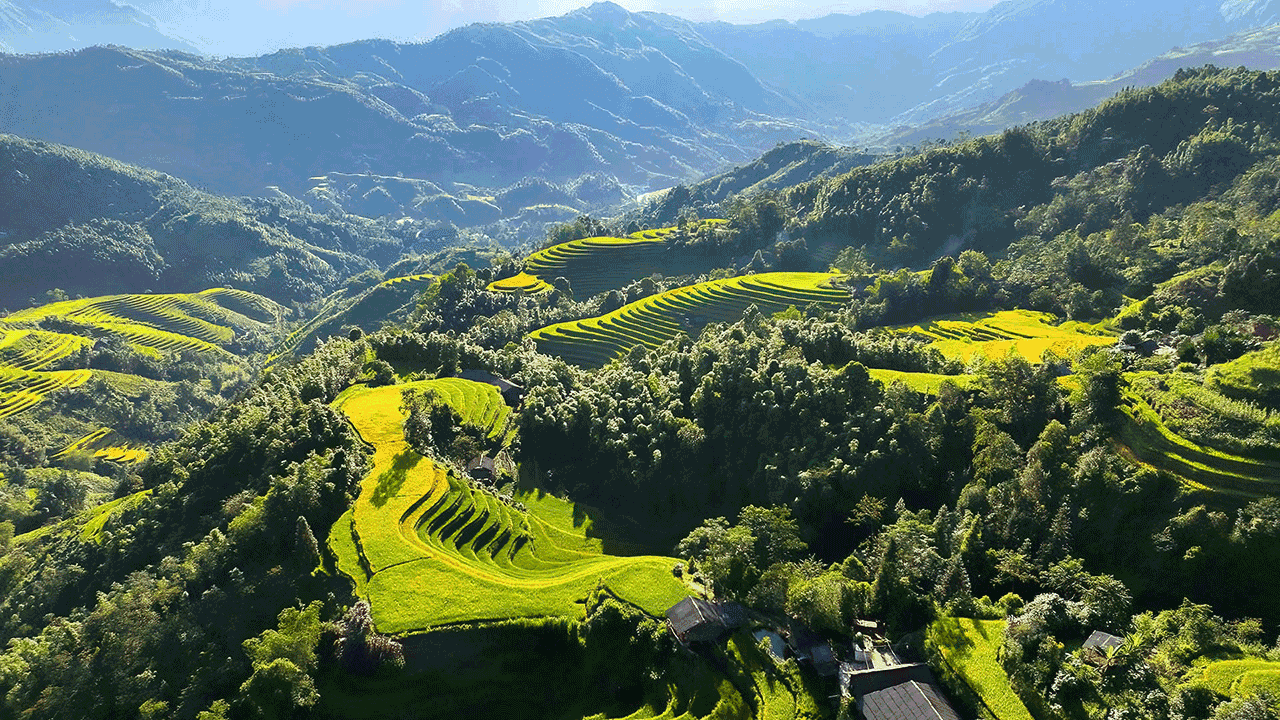
September is particularly attractive for golden rice terraces in areas such as Hoang Su Phi. In October and November, buckwheat flowers bloom across the Dong Van region, creating one of Ha Giang's most recognizable landscapes.
Winter (December–February)
Winter brings colder temperatures, especially on the Dong Van Karst Plateau and higher mountain passes. Morning fog and occasional frost can affect visibility and riding conditions.
Although the landscape is less colorful than in spring or autumn, winter offers a quieter atmosphere and a different perspective on Ha Giang's rugged mountains and traditional villages.

3. Best Time to Do the Ha Giang Loop Month by Month
Every month offers a different combination of weather, road conditions, and natural scenery. Here is what to expect throughout the year.
January – Cold Mountain Landscapes
January is one of the coldest months in Ha Giang. Temperatures can drop significantly at higher elevations, while morning fog may reduce visibility on mountain roads.
The scenery is generally quiet, with winter landscapes and occasional frost during particularly cold periods. This month is suitable for travelers who prefer fewer visitors and do not mind colder conditions.
February – Peach and Plum Blossoms
February marks the gradual transition from winter to spring. Temperatures begin to rise, although mornings and evenings can remain cold.
Peach and plum blossoms bring color to mountain villages, creating beautiful opportunities for photography. It is also a time when traditional festivals take place around the Lunar New Year, although travel services may operate differently during the holiday.
March – Comfortable Weather and Spring Flowers
March is one of the best months for the Ha Giang Loop. Temperatures are generally mild, making long journeys through mountain passes more comfortable.
Spring flowers bloom across the region, while green vegetation gradually returns to the mountains. The combination of pleasant weather and colorful landscapes makes March an excellent choice for first-time visitors.
April – Ideal Conditions for Exploring
April offers warm temperatures and generally favorable conditions for exploring Ha Giang. The mountain scenery remains green, and spring flowers can still be found in some areas.
With relatively comfortable weather, this is a good month for visiting local villages, enjoying scenic viewpoints, and taking photographs along the Loop. Traditional festivals may also take place, depending on the local calendar.
May – Water-Filled Rice Terraces
May marks the beginning of the rainy season. Temperatures become warmer, and rainfall gradually increases.
One of the most attractive seasonal sights is the water-filled rice terraces in areas such as Hoang Su Phi. The flooded fields reflect the sky and surrounding mountains, creating beautiful mirror-like landscapes.
However, occasional showers can make some mountain roads wet, so travelers should monitor weather conditions.
June – Lush Green Mountains
June brings warmer temperatures and more frequent rainfall. The mountains become increasingly green, while rivers and waterfalls carry more water.
Although the scenery is beautiful, heavy showers can affect visibility and road conditions. Travelers should be prepared for sudden weather changes and avoid riding during heavy rain.
July – Heavy Rainfall and Waterfalls
July is typically one of the wettest months in Ha Giang. The landscape is vibrant and full of vegetation, with waterfalls and streams becoming particularly impressive.
However, heavy rainfall can cause slippery roads, poor visibility, and landslides in mountainous areas. This month requires additional flexibility and careful consideration of road safety.
August – Unpredictable Summer Weather
August remains part of the rainy season, with frequent showers and unpredictable weather.
The mountains retain their lush green appearance, making the region attractive for nature photography. However, travelers may experience sudden downpours or changes to their planned routes.
If visiting in August, consider traveling with an experienced local guide and allowing extra time for your journey.
September – Golden Rice Terraces
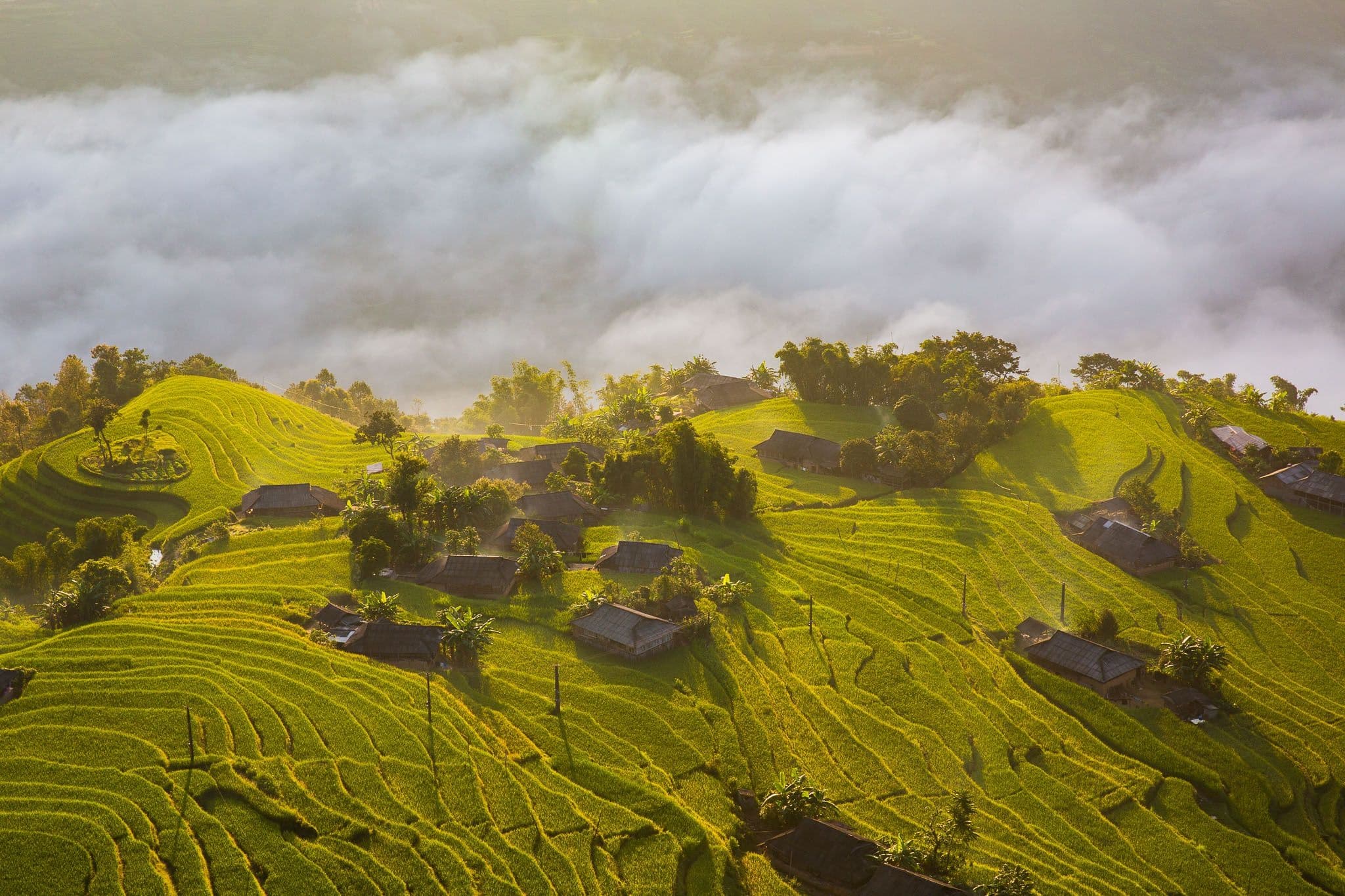
September is one of the most beautiful months for seasonal landscapes in northern Vietnam. In suitable rice-growing areas, particularly Hoang Su Phi, terraced fields begin turning golden as the harvest approaches.
Rainfall gradually decreases, although showers can still occur, especially earlier in the month. The combination of golden fields, green mountains, and cooler weather makes September a rewarding time for photography.
Keep in mind that Hoang Su Phi is outside the classic Ha Giang Loop route and requires an additional journey if you want to include it.
October – Buckwheat Flowers and Autumn Scenery
October is one of the most popular months to visit Ha Giang. The weather becomes cooler, rainfall generally decreases, and the mountain landscapes are particularly attractive.
Buckwheat flowers begin blooming across parts of the Dong Van Karst Plateau, adding shades of pink, white, and purple to the rocky landscape.
This is an excellent month for photography, scenic drives, and exploring traditional villages. However, popular viewpoints and accommodation can become busier during peak travel periods.
November – Peak Buckwheat Flower Season
November is another excellent month for the Ha Giang Loop. Buckwheat flowers are often at their most attractive, particularly around Dong Van, Lung Cu, and Sung La.
The weather is generally cool and relatively dry, creating favorable conditions for exploring the region. Local flower festivals and cultural activities may also take place during this period.
For travelers who want to experience Ha Giang's iconic autumn scenery, November is one of the best choices.
December – Quiet Roads and Cold Weather
December brings colder temperatures and a quieter atmosphere to Ha Giang. The landscape becomes less colorful, while fog may appear along mountain passes, particularly in the early morning.
Some buckwheat flowers may still be visible in early December, depending on local growing conditions. Travelers should prepare warm clothing and allow extra time when visibility is limited.
Best Months for Each Travel Experience
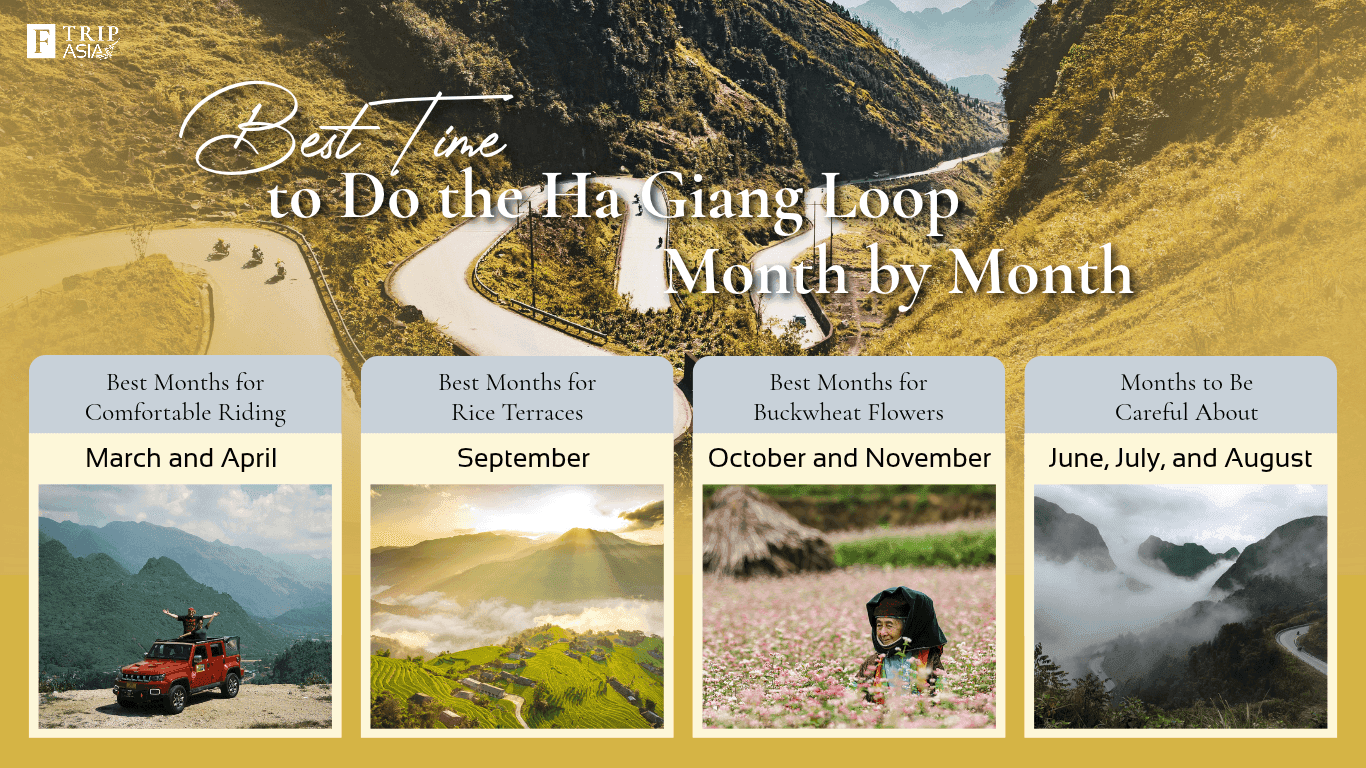
Best Months for Comfortable Riding: March and April
March and April offer mild temperatures and generally favorable riding conditions. They are particularly suitable for travelers who want to explore the Loop without dealing with the intense summer heat or heavy rainy-season conditions.
Best Months for Rice Terraces: September
September is the ideal time to see golden rice terraces in suitable areas, especially Hoang Su Phi. The exact harvest period varies between villages and weather conditions.
Best Months for Buckwheat Flowers: October and November
October and November are the main months for enjoying Ha Giang's buckwheat flower season. These flowers create colorful landscapes across the Dong Van region and attract photographers and nature lovers.
Months to Be Careful About: June, July, and August
These months experience heavier rainfall and more unpredictable weather. Wet roads, poor visibility, and landslide risks can make mountain travel more challenging. Travelers should check local conditions carefully before departure.
4. Best Time to Visit Ha Giang Based on What You Want to Experience
There is no single perfect month for every traveler. The best time to visit Ha Giang depends on the scenery, weather, and experiences you want to prioritize.
For the Best Mountain Scenery
September to November is the best period for travelers who want to experience Ha Giang's most iconic landscapes.
During these months, you can enjoy golden rice terraces in suitable areas, colorful buckwheat flowers, and dramatic limestone mountains. The cooler weather also makes it more comfortable to explore scenic viewpoints and remote villages.
For the Best Weather and Road Conditions
March to April is an excellent choice for comfortable mountain travel.
Temperatures are generally mild, and rainfall is usually more manageable than during the summer months. These conditions make it easier to enjoy long scenic journeys, photography stops, and outdoor activities.
For Flowers and Local Festivals
Ha Giang offers different floral and cultural experiences throughout the year.
- February to April: Enjoy peach and plum blossoms, spring landscapes, and traditional local festivals.
- October to November: Discover the buckwheat flower season and seasonal cultural celebrations across the Dong Van region.
Some local festivals follow the lunar calendar, so their dates may change each year. Check the local schedule before planning your trip around a specific event.
For Fewer Tourists
March, April, and late November can be good choices for travelers who prefer a quieter experience.
March and April offer attractive spring scenery, while late November allows visitors to enjoy the autumn atmosphere after some of the busiest travel periods.
The trade-off is that seasonal highlights may vary. For example, late November may offer fewer flower displays in certain areas, while spring does not have the same golden rice landscapes as autumn.
5. Is It Safe to Do the Ha Giang Loop During the Rainy Season?
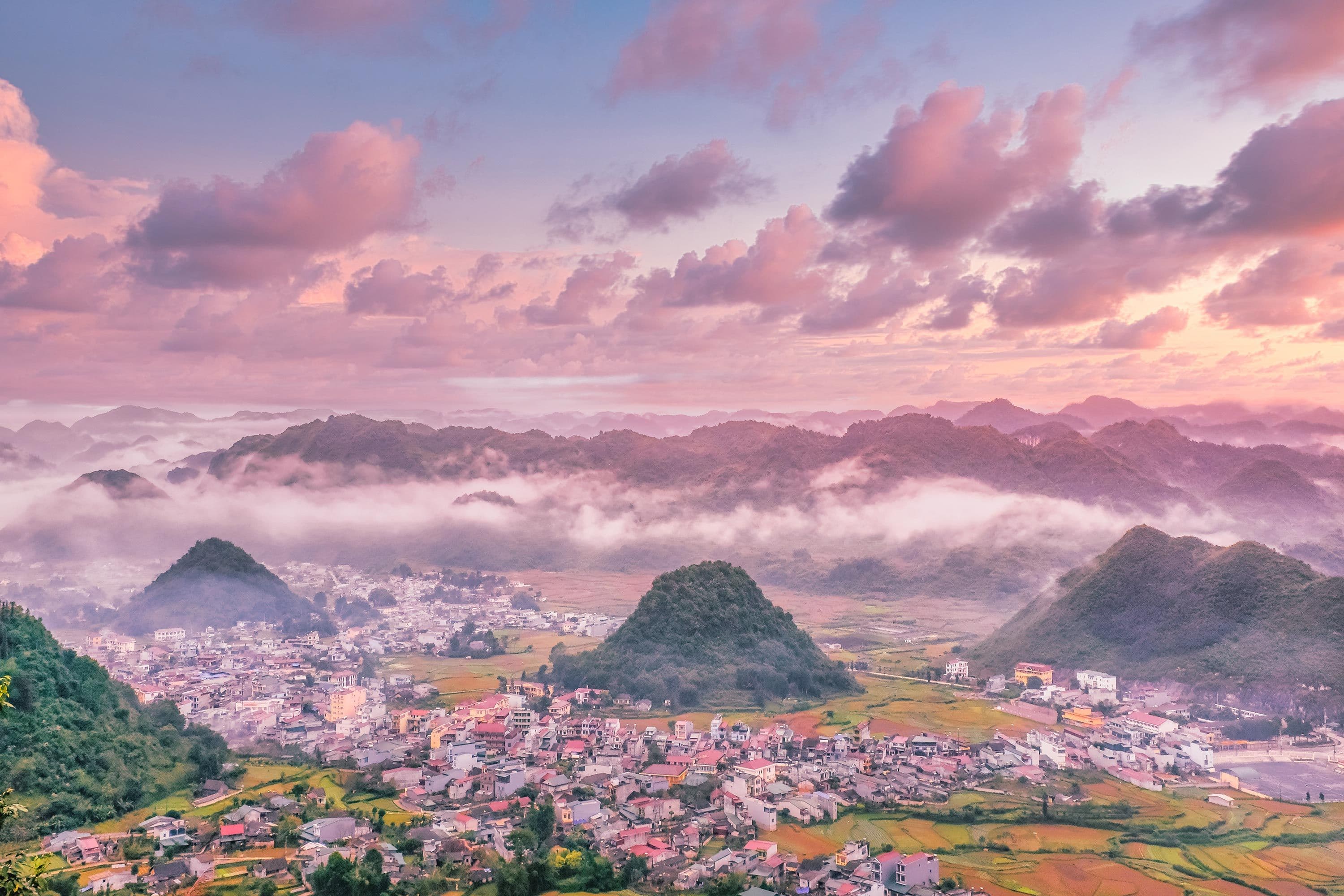
You can still visit Ha Giang during the rainy season, but June to August requires more careful planning, particularly if you intend to travel by motorbike.
Heavy rainfall can make mountain roads slippery and reduce visibility around sharp bends and high passes. Some areas may also experience flooding, falling rocks, or landslides, potentially affecting access to popular attractions.
If your travel dates fall during this period, check local weather forecasts and road conditions before departure. Avoid traveling during heavy rain, and never attempt to cross flooded roads or sections affected by landslide warnings.
For international travelers who are unfamiliar with Vietnamese mountain roads, choosing an experienced local guide or an Easy Rider is a safer alternative to self-driving when conditions are challenging.
A flexible itinerary is also important. Depending on the weather, your tour operator may need to adjust the route, change departure times, or postpone certain activities.
Safety should always take priority over following a fixed schedule.
6. How Long Should You Spend on the Ha Giang Loop?
The time you need for the Ha Giang Loop depends on how much you want to explore and your preferred travel pace. Most travelers choose between a three-day or four-day journey.
3 Days – 2 Nights
A 3-day, 2-night itinerary is suitable for travelers with limited time who still want to experience the main highlights of the Loop.
You can explore major destinations such as Quan Ba Heaven Gate, Dong Van Ancient Town, Ma Pi Leng Pass, and the surrounding mountain landscapes. However, the schedule is relatively fast-paced, leaving less time for photography stops and cultural experiences.
4 Days – 3 Nights
A 4-day, 3-night itinerary is recommended for a more relaxed and immersive experience.
You have more time to explore scenic viewpoints, visit local villages, interact with ethnic minority communities, and enjoy photography along the route. The additional day also provides greater flexibility if weather conditions change.
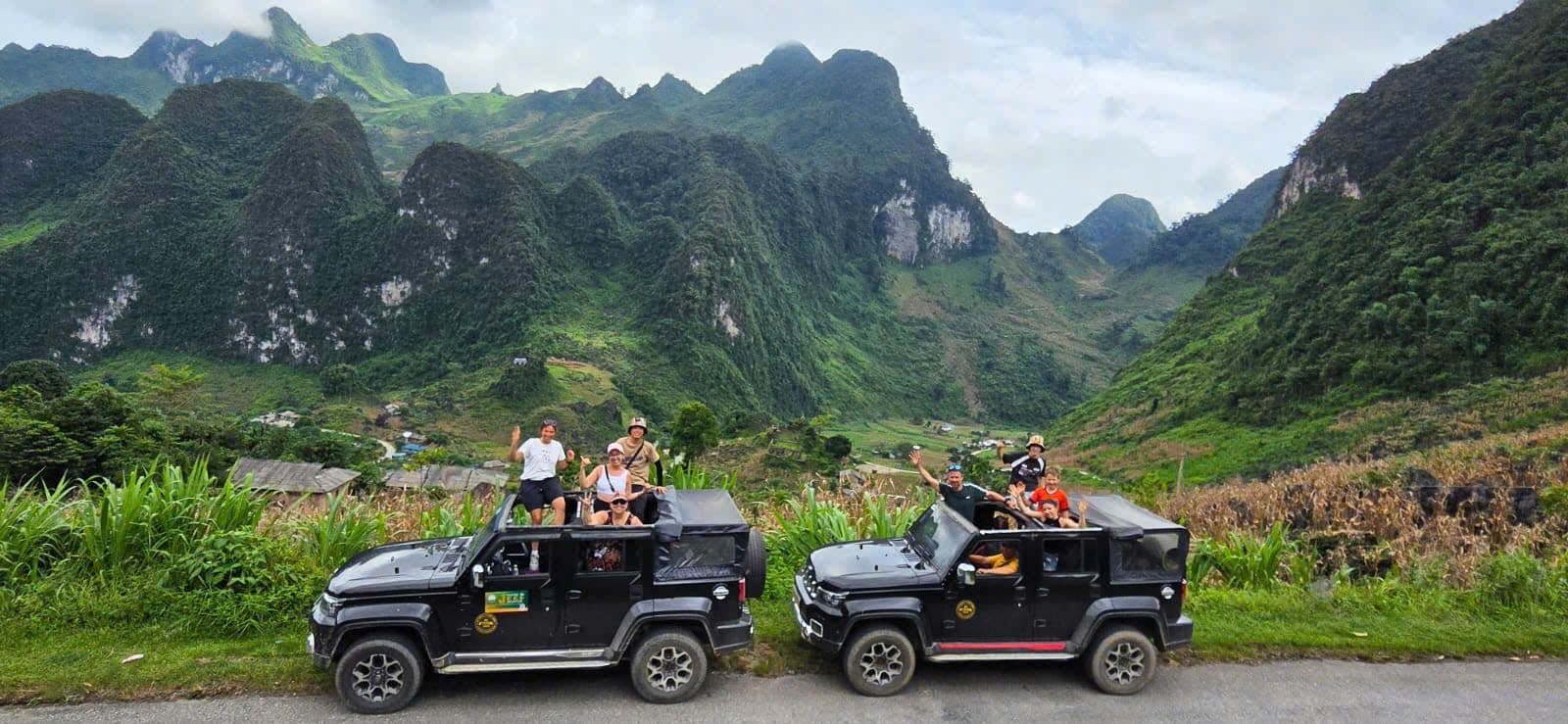
For travelers who prefer comfort and flexibility, Ftrip Asia offers a private Ha Giang Loop 4-day tour with private transportation, Jeep options, and experienced local guides. The itinerary can be adjusted to your interests, allowing you to explore the region at a more comfortable pace without rushing between destinations.
7. What to Pack for the Ha Giang Loop in Different Seasons
Packing the right clothing is essential for a comfortable journey through Ha Giang. Temperatures can vary significantly between valleys and mountain passes, so bringing several layers is recommended regardless of the season.
Spring and Autumn
- Lightweight jackets for cooler mornings and evenings.
- Comfortable clothing for sightseeing.
- A waterproof jacket for occasional showers.
- Sunglasses and sunscreen for outdoor activities.
Summer
- Breathable clothing suitable for warm and humid weather.
- Waterproof jackets or raincoats.
- Waterproof bags to protect phones, cameras, and other electronics.
- Comfortable footwear with good grip.
Winter
- Thermal clothing for cold temperatures.
- Warm jackets and insulating layers.
- Gloves and scarves for windy mountain passes.
- Windproof outer layers to protect against cold air.
Even during warmer months, temperatures can drop considerably at higher elevations. Dressing in layers will help you stay comfortable throughout the journey.
8. How to Plan Your Ha Giang Loop Tour with Ftrip Asia
Planning a journey through Ha Giang involves more than choosing the right travel dates. Mountain roads, changing weather conditions, transportation, and accommodation all need to be considered.
Traveling with a local tour operator can make the experience easier, particularly if this is your first visit to northern Vietnam.
Ftrip Asia offers private Ha Giang Loop tours with different transportation options to suit your preferences:
- Private tours: Enjoy a flexible itinerary tailored to your interests and travel pace.
- Jeep tours: Explore the mountain scenery comfortably without having to ride a motorbike.
- Easy Rider tours: Experience the Ha Giang Loop by motorbike with an experienced local rider.
Whether you are interested in photography, local culture, scenic mountain roads, or a more relaxed adventure, the itinerary can be customized around your travel dates and expectations.
Explore Ftrip Asia's Ha Giang Loop tours or contact our team to plan a private journey through the mountains of northern Vietnam.
9. Frequently Asked Questions About the Best Time to Do the Ha Giang Loop
What is the best month to do the Ha Giang Loop?
October and November are generally the best months for the Ha Giang Loop, thanks to cooler temperatures, relatively favorable weather, and beautiful buckwheat flower landscapes. March and April are also excellent for comfortable riding conditions and spring scenery.
Is October a good time to visit Ha Giang?
Yes. October is one of the most attractive months to visit Ha Giang. The weather is generally cooler, rainfall decreases, and buckwheat flowers begin blooming across parts of the Dong Van region.
Can you do the Ha Giang Loop in March?
Absolutely. March is an excellent time to explore the Loop, with mild temperatures, spring flowers, and generally favorable road conditions. It is particularly suitable for first-time visitors.
When is the buckwheat flower season in Ha Giang?
Buckwheat flowers typically bloom from October to November, although some flowers may remain into December. The exact flowering period varies depending on local weather and growing conditions.
Is the Ha Giang Loop worth visiting during the rainy season?
Yes, the Loop can still be rewarding during the rainy season, when the mountains are lush and waterfalls are more impressive. However, June to August brings heavier rainfall, slippery roads, and potential landslides. Travelers should prioritize safety and consider guided tours.
Can you do the Ha Giang Loop in winter?
Yes. The Loop can be visited from December to February, but temperatures can be very cold at higher elevations, and fog may reduce visibility. Bring warm clothing and consider a private car or Jeep tour for additional comfort.
What is the best time to do the Ha Giang Loop for first-time visitors?
March, April, October, and November are excellent choices for first-time visitors. These months generally offer more favorable conditions for exploring the mountain roads while enjoying Ha Giang's seasonal scenery.
10. Conclusion
The best time to do the Ha Giang Loop depends on the experience you are looking for. March and April are ideal for comfortable weather, while September to November offers spectacular seasonal landscapes and buckwheat flowers. Whenever you choose to visit, planning around local weather conditions and selecting the right transportation will help you enjoy a more comfortable and memorable journey through Ha Giang.


 8D7N: 8 Days in the NorthFromView Tour$1,135/pax
 Mekong Princess Cruise
 14-Day Tour: A Journey from North to South VietnamFromView Tour$2,136/pax
 When to Visit Vietnam for the Perfect Weather and Festivals
 Ha Giang Loop Vietnam: Experience the Legendary Mountain Route in Luxury
 Halong Bay Tour That Will Change How You See Vietnam’s Natural Beauty