- What Is a Vietnam Wellness Retreat Package?
- How Does a Wellness Retreat Focus on Body and Mind?
- Why Is It More Than a Spa Vacation?
- Why Does Vietnam Work Well for Wellness Travel?
- Best Vietnam Wellness Retreat Packages for 2026
- 1. Da Nang and Hoi An Beach Wellness Retreat Package
- 2. Hoi An Spa, Yoga, and Ancient Town Retreat Package
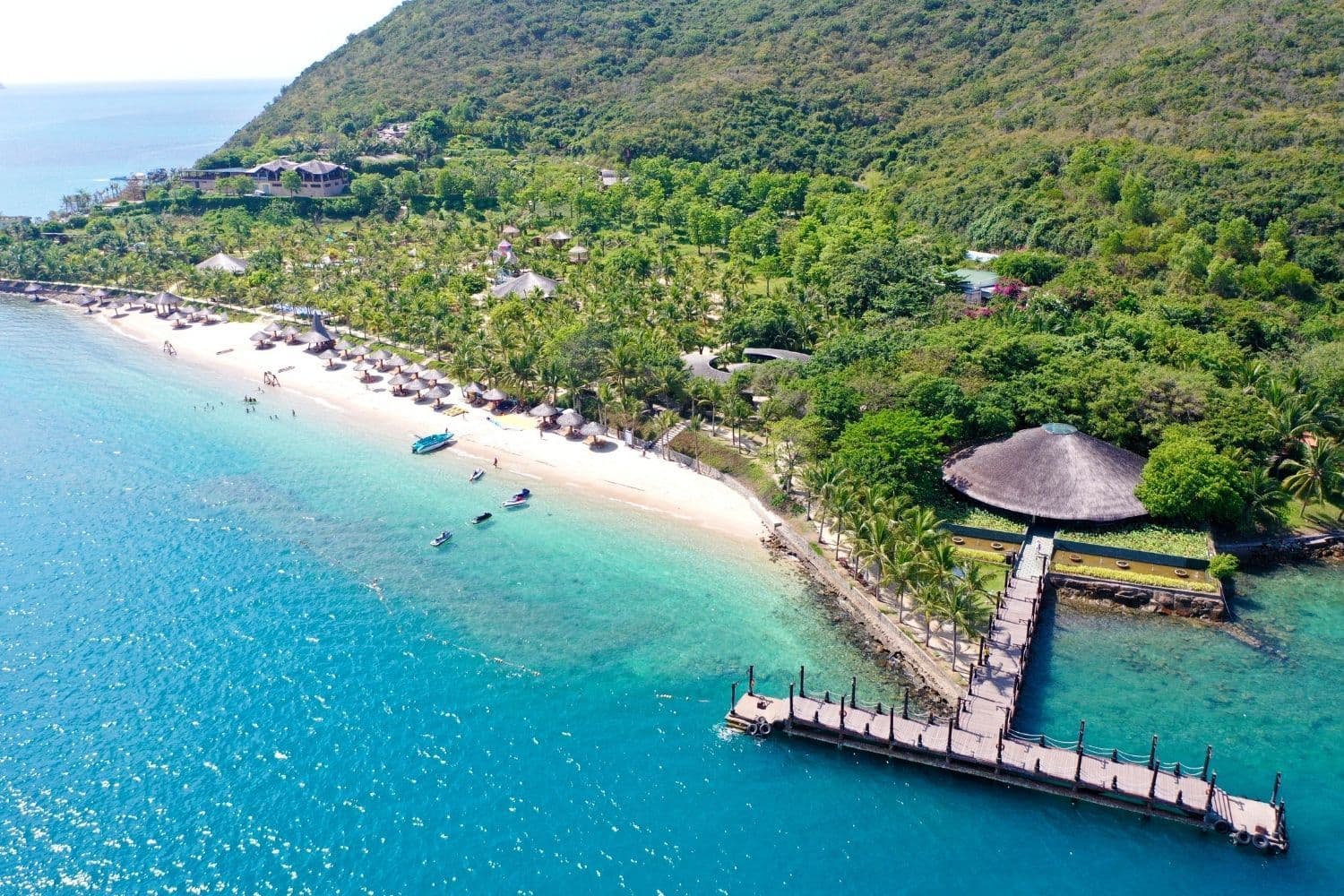
- 3. Nha Trang Hot Spring and Coastal Spa Retreat Package
- 4. Phu Quoc Island Wellness and Beach Escape Package
- 5. Con Dao Quiet Island Wellness Retreat Package
- 6. Da Lat Cool-Climate Wellness and Nature Retreat Package
- 7. Northern Mountain Herbal Wellness Retreat Package
- 8. Ninh Binh Nature, Boat Ride, and Mindful Countryside Retreat Package
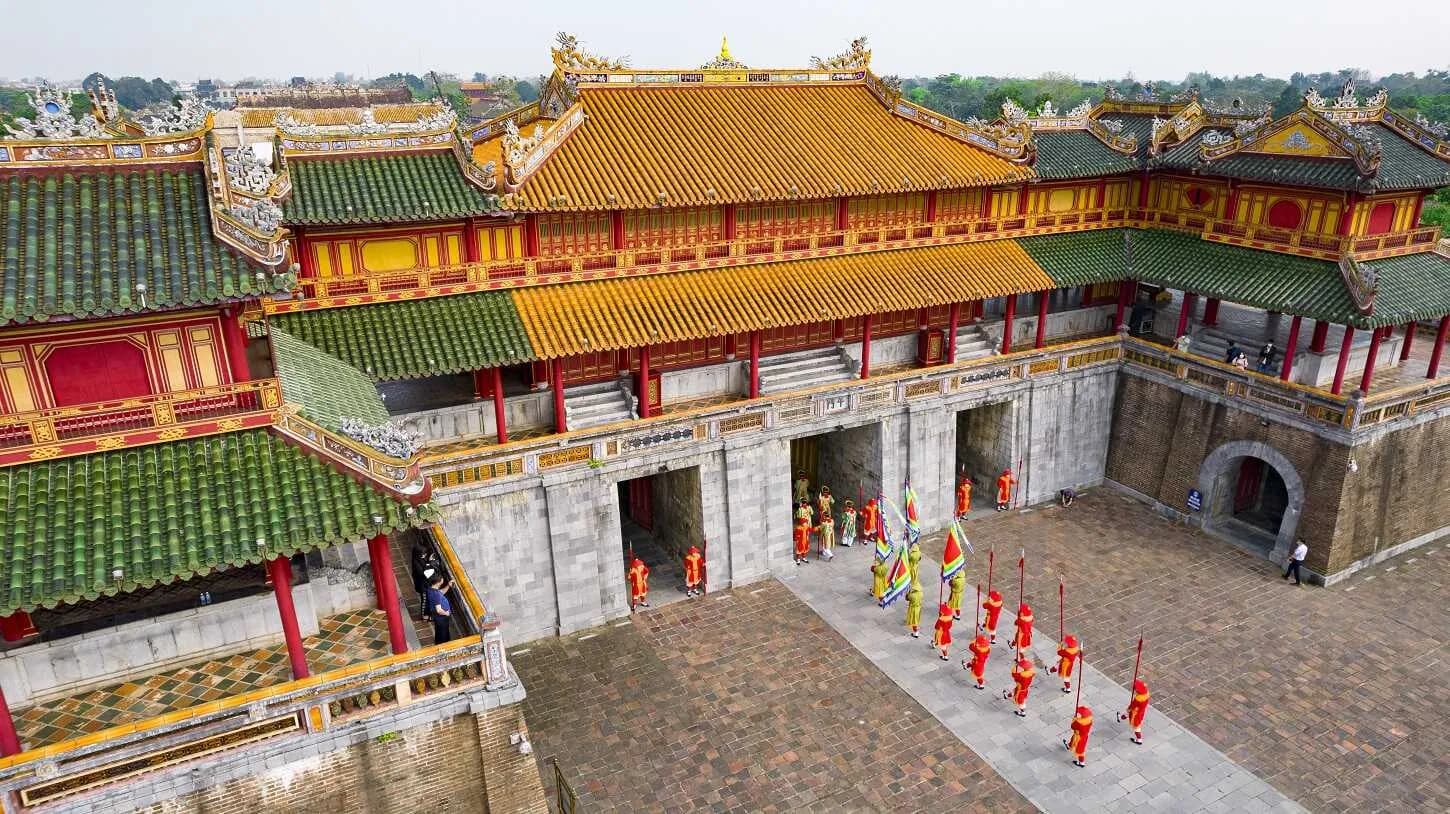
- 9. Hue Herbal Wellness and Heritage Retreat Package
- 10. Vietnam Luxury Wellness Retreat Package
- Best Destinations for Vietnam Wellness Retreats
- Da Nang
- Hoi An
- Nha Trang
- Phu Quoc
- Con Dao
- Da Lat
- Ninh Binh
- Sapa, Mai Chau, and Pu Luong
- Hue
- Suggested Vietnam Wellness Retreat by Travel Stage
- Stage 1: Gentle Arrival, Light City Comfort, and Wellness Preparation
- Stage 2: Nature, Culture, and Soft Wellness in Northern or Central Vietnam
- Stage 3: Beach, Spa, Yoga, and Deep Relaxation
- Stage 4: Mindful Departure, Final Reset, and Smooth Travel Support
- Best Wellness Experiences to Include in Vietnam
- Which Wellness Experiences Are Worth Adding?
- Why Are Spa and Massage Therapies Important?
- Why Add Yoga and Meditation?
- Why Explore Herbal Baths and Traditional Wellness?
- Why Include Healthy Food and Cooking Experiences?
- How to Choose the Right Vietnam Wellness Retreat Package
- What Should You Check Before Booking?
- Why Define Your Wellness Goal First?
- Why Check Resort and Spa Quality?
- Why Review the Pace of the Itinerary?
- Why Ask About Dietary and Health Needs?
- Best Vietnam Wellness Retreat Packages by Traveler Type
- What Works for Couples and Honeymooners?
- What Works for Solo Travelers?
- What Works for Senior Travelers?
- What Works for Families?
- What Works for Luxury Travelers?
- What Works for Busy Professionals?
- How to Combine Wellness Retreats with Other Vietnam Experiences?
- Why Combine Wellness with Heritage?
- Why Combine Wellness with Food?
- Why Combine Wellness with Beach?
- Why Combine Wellness with Nature?
- Why Combine Wellness with Local Workshops?
- Cost Factors for Vietnam Wellness Retreat Packages
- How Do Destination and Resort Level Affect Cost?
- How Do Included Wellness Services Affect Cost?
- How Do Trip Length and Number of Destinations Affect Cost?
- How Do Private Transfers and Custom Support Affect Cost?
- Common Mistakes to Avoid When Booking a Vietnam Wellness Retreat
- Travel Requirements US Travelers Should Prepare
- What Passport and Vietnam Visa Details Matter?
- Why Are Travel Insurance and Health Preparation Important?
- What Money, Connectivity, and Documents Should Travelers Prepare?
- Why Plan Vietnam Wellness Retreat Packages with FtripAsia?
- FAQs
- What are the best Vietnam wellness retreat packages?
- Where is the best place for a wellness retreat in Vietnam?
- Are Vietnam wellness retreats suitable for couples?
- Can Vietnam wellness retreat packages be customized?
- Conclusion
Vietnam wellness retreat packages help travelers slow down, restore energy, reduce stress, improve sleep, reconnect with nature, and enjoy a more balanced travel experience. Instead of rushing through multiple cities and attractions, a wellness-focused itinerary gives travelers time to breathe, rest, move gently, eat well, and enjoy the journey at a calmer pace.
Wellness travel in Vietnam can include spa treatments, yoga, meditation, beach stays, herbal therapies, hot springs, healthy food, light cultural experiences, countryside stays, and private guided travel. These experiences can be arranged as a short retreat, a beach extension, or a full Vietnam wellness journey.
Wellness retreats are suitable for couples, honeymooners, solo travelers, seniors, families, luxury travelers, remote workers, and travelers who want a slower trip after busy city touring.
FtripAsia helps travelers design customized Vietnam wellness retreat packages with suitable resorts, private transfers, spa experiences, healthy meals, gentle activities, special dietary support, and flexible pacing.
What Is a Vietnam Wellness Retreat Package?
How Does a Wellness Retreat Focus on Body and Mind?
A Vietnam wellness retreat package is designed around rest, comfort, nature, health, and emotional balance. It may include spa treatments, yoga sessions, meditation, beach time, herbal therapies, light fitness, healthy meals, hot springs, nature walks, and slow cultural experiences.
Unlike a packed sightseeing tour, a wellness retreat gives travelers more space to rest and reset. The itinerary should feel calm, flexible, and restorative rather than crowded with activities.
The goal is not only to visit Vietnam, but to leave feeling lighter, healthier, and refreshed.
Why Is It More Than a Spa Vacation?
Spa treatments are important, but a strong wellness package should include more than massage. Travelers may enjoy sunrise yoga, herbal baths, nutrition-focused meals, gentle cycling, beach walks, breathing exercises, mindfulness, nature time, and cultural rituals.
Some retreats combine Vietnamese traditional healing, local herbs, wellness cuisine, and resort-based therapies. Others focus on island relaxation, countryside calm, mountain air, or heritage towns with slow cultural discovery.
The package can be adjusted based on travel style and comfort level. Wellness travel should support both relaxation and meaningful discovery.
Why Does Vietnam Work Well for Wellness Travel?
Vietnam offers a diverse mix of beaches, mountains, rivers, countryside, islands, hot springs, heritage towns, and peaceful resort areas. Coastal destinations such as Da Nang, Hoi An, Nha Trang, Phu Quoc, and Con Dao are suitable for beach wellness.
Mountain and countryside destinations such as Sapa, Pu Luong, Mai Chau, Da Lat, and Ninh Binh offer nature, cool air, and slower travel. Hue and Hoi An can combine heritage, herbal traditions, healthy food, and gentle cultural experiences.
Vietnam’s food culture, fresh ingredients, herbs, and warm hospitality also support a restorative travel style.
Best Vietnam Wellness Retreat Packages for 2026
1. Da Nang and Hoi An Beach Wellness Retreat Package
A Da Nang and Hoi An beach wellness retreat combines beach relaxation, spa treatments, yoga, healthy dining, cultural walks, and slow evenings. Travelers can stay near Da Nang beach, Hoi An countryside, or a wellness-focused resort.
The itinerary can include Hoi An Ancient Town, lantern walks, cooking classes, herbal village visits, and café time at a gentle pace. This package is especially suitable for travelers who want both relaxation and light cultural discovery.
It works well for couples, honeymooners, families, seniors, and first-time wellness travelers. A 4-7 day stay can work as a standalone retreat or as part of a longer Vietnam itinerary.
FtripAsia can customize this package with private transfers, suitable resorts, spa bookings, special meals, and optional cultural experiences.
2. Hoi An Spa, Yoga, and Ancient Town Retreat Package
A Hoi An spa, yoga, and ancient town retreat focuses on a slower stay with spa therapies, yoga, local food, riverside walks, lantern streets, and creative workshops.
Travelers can add cooking classes, herbal foot baths, countryside cycling, basket boat experiences, or beach time if suitable. Hoi An is ideal for travelers who want wellness with charm, culture, and easy logistics.
This package works well for couples, solo travelers, senior travelers, and slow travelers. The schedule should stay light, with free mornings or relaxed afternoons.
It blends relaxation, local culture, and gentle daily movement.
3. Nha Trang Hot Spring and Coastal Spa Retreat Package
A Nha Trang hot spring and coastal spa retreat focuses on beach relaxation, mud baths, mineral hot springs, spa therapies, seafood, and coastal resort time.
Nha Trang is known for coastal spa resorts and mineral-rich wellness experiences. Travelers can add island views, beach walks, wellness dining, and private transfers.
This package is best for travelers who want classic spa relaxation with ocean scenery. It works well for couples, families, and travelers who prefer a warm coastal escape.
Activities should stay light to protect the relaxing purpose of the trip.
4. Phu Quoc Island Wellness and Beach Escape Package
A Phu Quoc island wellness and beach escape offers island beaches, resort spas, sunset walks, seafood, pool time, yoga, and quiet relaxation.
Phu Quoc works well for travelers who want to end a Vietnam trip with rest and tropical scenery. Optional snorkeling, light cycling, spa treatments, or private beach dinners can be added.
This package is suitable for couples, honeymooners, families, and luxury travelers. It works well as a 3-5 day extension after Hanoi, Hoi An, or Ho Chi Minh City.
A slower pace helps travelers fully enjoy the island retreat.
5. Con Dao Quiet Island Wellness Retreat Package
A Con Dao quiet island wellness retreat focuses on calm beaches, nature, privacy, spa, gentle walks, ocean views, and slow restoration.
Con Dao is suitable for travelers who want a more peaceful island escape with fewer crowds. The experience can include mindfulness walks, resort wellness, nature time, and light cultural exploration.
This package is best for couples, solo travelers, honeymooners, and luxury wellness travelers. Flight access and season should be planned carefully.
It is ideal for travelers who want calm, privacy, and natural beauty.
6. Da Lat Cool-Climate Wellness and Nature Retreat Package
A Da Lat cool-climate wellness retreat offers mountain air, pine forests, lakes, gardens, gentle hikes, cafés, wellness dining, and spa experiences.
Da Lat is suitable for travelers who prefer mild weather and nature-based relaxation. Travelers can add meditation, yoga, countryside visits, waterfall viewpoints, coffee farms, and slow café mornings.
This package works well for couples, solo travelers, remote workers, and nature lovers. It is also a softer wellness alternative to beach retreats.
The route should be paced gently because travel time can affect comfort.
7. Northern Mountain Herbal Wellness Retreat Package
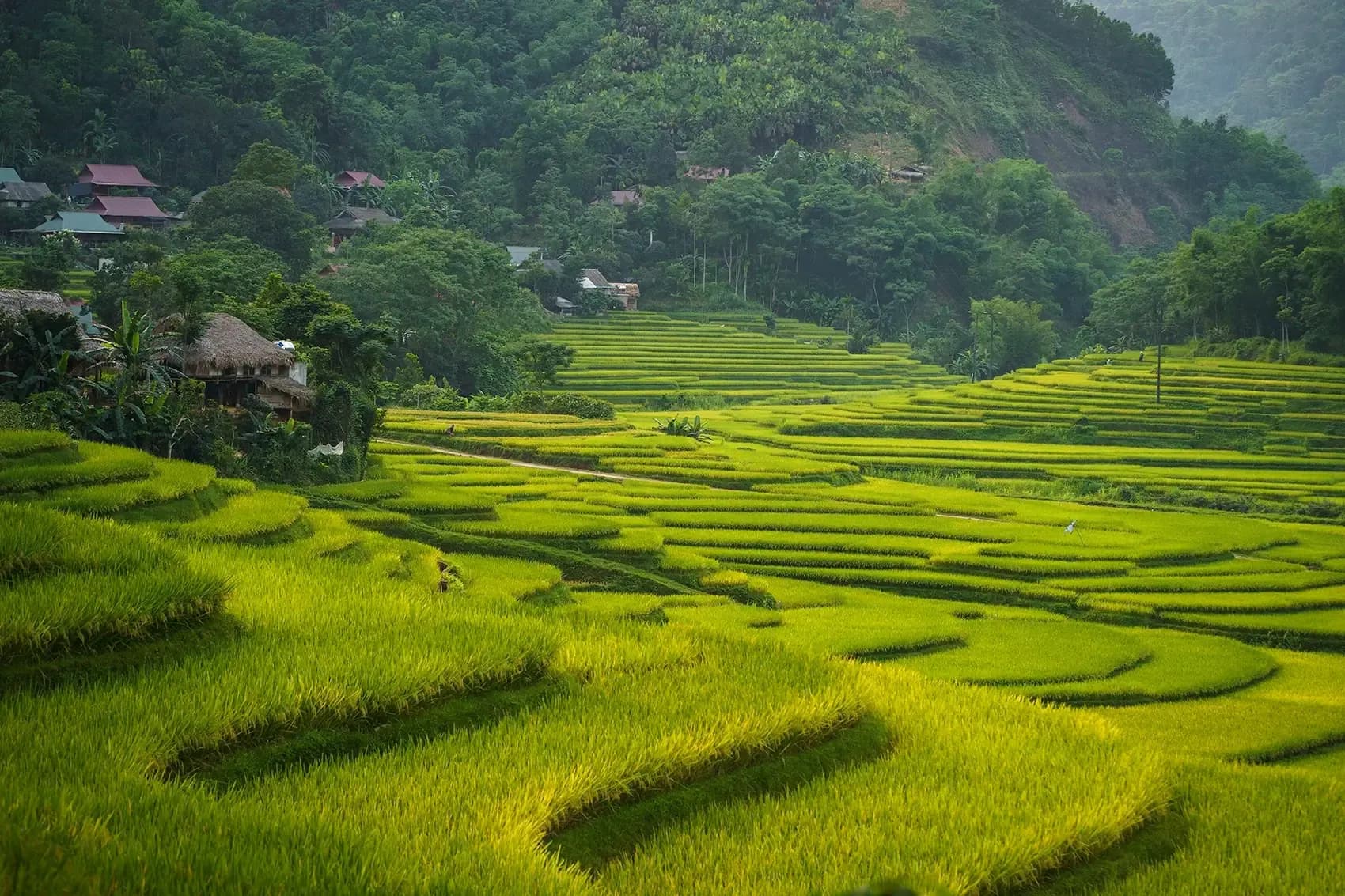
A northern mountain herbal wellness retreat can include Sapa, Pu Luong, Mai Chau, or selected northern mountain areas. The focus is nature, rice fields, local herbs, ethnic culture, and slower village stays.
Travelers can add herbal baths, gentle walks, local meals, weaving visits, rice field views, and quiet mornings. Sapa is known for herbal bath traditions associated with Red Dao communities.
This package is suitable for nature lovers, photographers, slow travelers, and wellness travelers who enjoy countryside settings. Private transfers and suitable lodging are important for comfort.
It should be planned carefully around weather, road time, and walking ability.
8. Ninh Binh Nature, Boat Ride, and Mindful Countryside Retreat Package
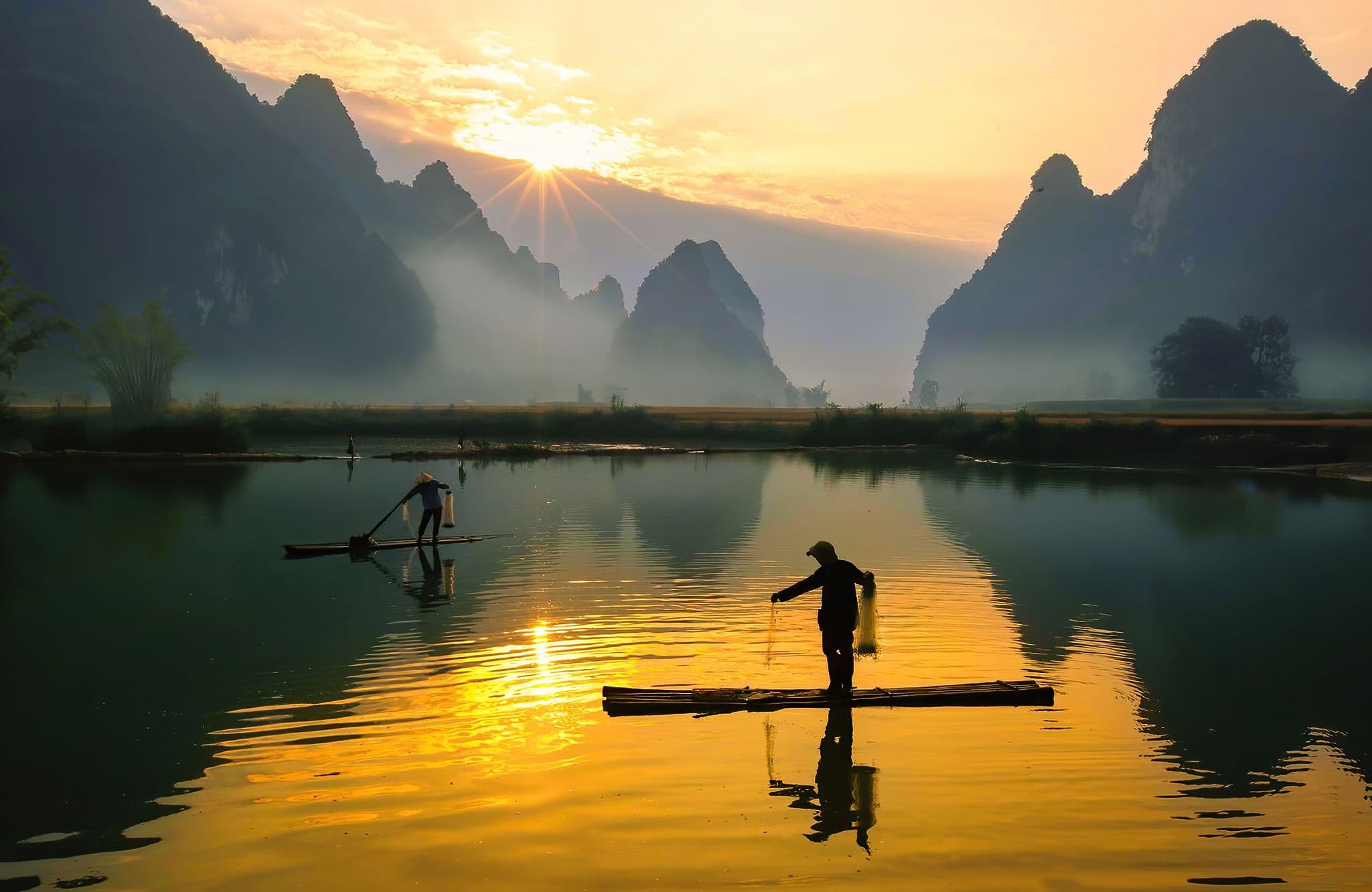
A Ninh Binh nature and mindful countryside retreat combines limestone scenery, gentle boat rides, temples, countryside cycling, local meals, and quiet boutique stays.
Ninh Binh is ideal for travelers who want soft nature without very remote logistics. Yoga, meditation, photography, herbal tea, spa, or slow mornings can be added if the hotel supports it.
This package is suitable for couples, seniors, photographers, and travelers who want a peaceful extension from Hanoi. It works well as a 2-3 day retreat.
The pace should be gentle, with time to enjoy scenery rather than rush through attractions.
9. Hue Herbal Wellness and Heritage Retreat Package
A Hue herbal wellness and heritage retreat combines quiet heritage, garden houses, royal cuisine, pagodas, herbal traditions, spa, and slower sightseeing.
Travelers can add Perfume River walks, meditation-like temple visits, healthy local meals, garden house dining, and cultural storytelling. Hue works well for travelers who want wellness with history and calm atmosphere.
This package is suitable for seniors, couples, food lovers, culture-focused travelers, and slow travelers. The itinerary should include rest time between heritage visits.
It blends emotional calm, cultural depth, and gentle discovery.
10. Vietnam Luxury Wellness Retreat Package
A Vietnam luxury wellness retreat focuses on premium resorts, private transfers, spa programs, wellness dining, yoga, beach time, scenic stays, and personalized pacing.
Strong destinations include Da Nang, Hoi An, Phu Quoc, Con Dao, Nha Trang, Ninh Binh, and Da Lat. Travelers can add private dinners, spa suites, wellness consultations, photography, light culture, and special celebrations if suitable.
This package is best for luxury travelers, honeymooners, couples, and travelers celebrating special occasions. The itinerary should focus on fewer destinations and more quality time.
It can be fully customized by FtripAsia based on comfort level, hotel preference, and wellness goals.
Best Destinations for Vietnam Wellness Retreats
Da Nang
Da Nang is best for beach resorts, spa, seafood, modern comfort, airport access, and easy connection to Hoi An and Hue. It is suitable for first-time wellness travelers, families, couples, and seniors.
Travelers can enjoy beach walks, resort spa time, yoga, and relaxed dining. Da Nang is also a good base for travelers who want wellness without giving up cultural access.
Private transfers make the stay smoother.
Hoi An
Hoi An is best for spa, yoga, ancient town walks, riverside calm, lantern evenings, cooking classes, craft workshops, and nearby beaches. It is compact, charming, and easy to enjoy at a slower pace.
Wellness can be combined with gentle culture and local food. Hoi An is suitable for couples, families, seniors, honeymooners, and slow travelers.
Free time should be included because Hoi An rewards slow discovery.
Nha Trang
Nha Trang is best for beach resorts, hot springs, mud baths, mineral wellness, seafood, and coastal relaxation. It is suitable for couples, families, and spa-focused travelers.
This destination works well as a retreat after busy city travel. Travelers who want warm beach atmosphere and mineral-based relaxation may enjoy Nha Trang.
Hotel location should be chosen carefully for comfort and convenience.
Phu Quoc
Phu Quoc is best for island resorts, beach sunsets, spa, seafood, pool time, snorkeling, and tropical escape. It is suitable for honeymooners, families, luxury travelers, and travelers ending a Vietnam trip.
A 3-5 day stay works well as a relaxation extension. The island experience is best when scheduled with enough free time.
Travelers should avoid overloading the stay with too many activities.
Con Dao
Con Dao is best for quiet beaches, nature, privacy, ocean views, wellness resorts, and peaceful escapes. It is suitable for couples, honeymooners, solo travelers, and luxury wellness travelers.
This destination is ideal for travelers who prefer calm over crowds. Flight access and season should be checked carefully.
Con Dao works best when the goal is deep relaxation.
Da Lat
Da Lat is best for cool weather, pine forests, gardens, lakes, cafés, gentle nature, and mountain wellness. It is suitable for couples, solo travelers, remote workers, and travelers who prefer cool-climate retreats.
Travelers can add spa, yoga, meditation, light walking, and coffee farm visits. Da Lat is a good alternative for travelers who do not want a beach retreat.
Route planning should consider travel time.
Ninh Binh
Ninh Binh is best for limestone scenery, temples, boat rides, countryside calm, boutique stays, and mindful nature. It is suitable for couples, seniors, photographers, and travelers who want a peaceful extension from Hanoi.
A 2-3 day stay can include gentle cycling, boat rides, local meals, and slow mornings. It is a good choice for wellness travelers who enjoy scenery and quiet.
Sapa, Mai Chau, and Pu Luong
Sapa, Mai Chau, and Pu Luong are best for mountain air, rice fields, local herbs, village life, gentle walking, and scenic stays. Sapa can include herbal bath experiences, while Mai Chau and Pu Luong offer softer countryside relaxation.
These areas are suitable for nature lovers, photographers, and slow travelers. Private planning is important for comfort, weather, and road time.
Hue
Hue is best for heritage calm, garden houses, herbal wellness, royal cuisine, pagodas, river views, and slower cultural travel. It is suitable for seniors, couples, food lovers, and culture-focused travelers.
Hue works well with Hoi An and Da Nang. The itinerary should focus on gentle sightseeing rather than packed touring.
It is a strong wellness destination for travelers who value calm and culture.
Suggested Vietnam Wellness Retreat by Travel Stage
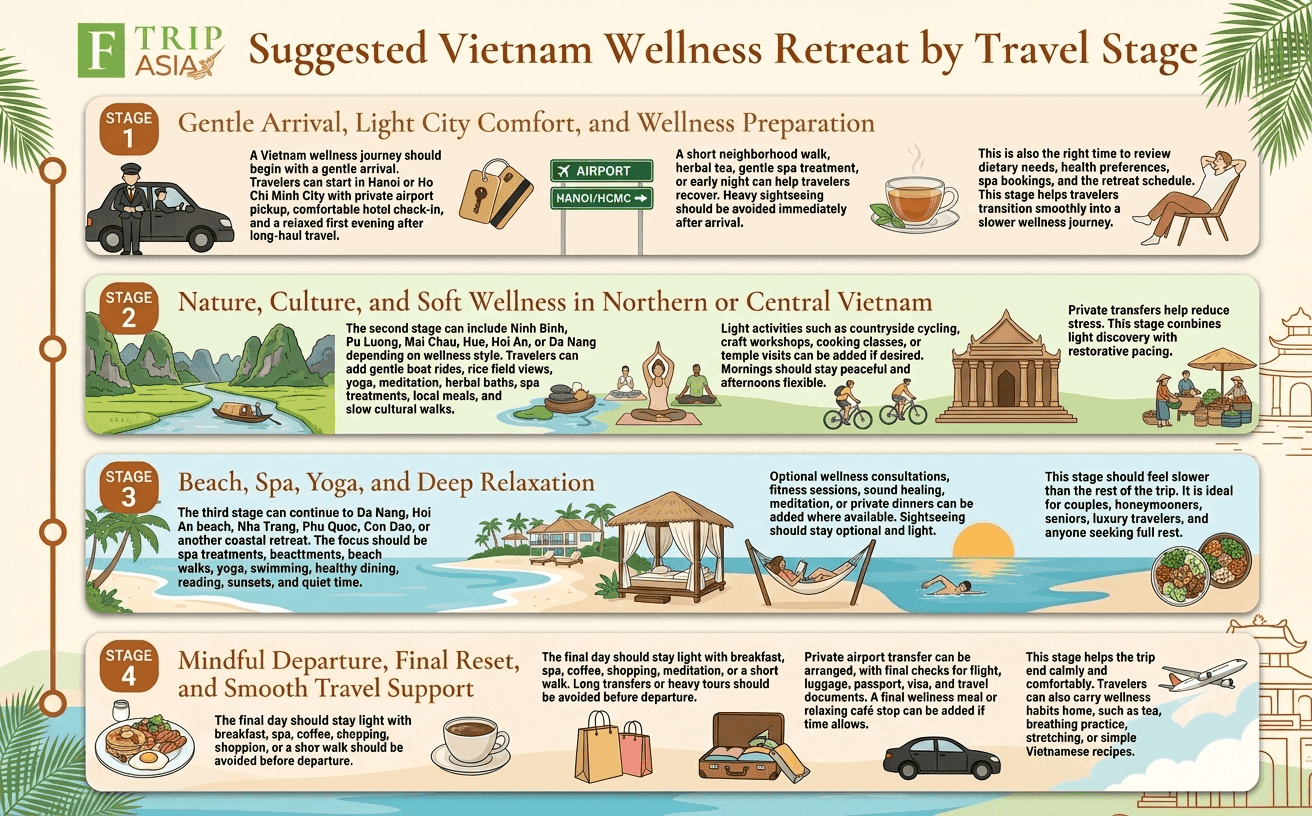
Stage 1: Gentle Arrival, Light City Comfort, and Wellness Preparation
A Vietnam wellness journey should begin with a gentle arrival. Travelers can start in Hanoi or Ho Chi Minh City with private airport pickup, comfortable hotel check-in, and a relaxed first evening after long-haul travel.
A short neighborhood walk, herbal tea, gentle spa treatment, or early night can help travelers recover. Heavy sightseeing should be avoided immediately after arrival.
This is also the right time to review dietary needs, health preferences, spa bookings, and the retreat schedule. This stage helps travelers transition smoothly into a slower wellness journey.
Stage 2: Nature, Culture, and Soft Wellness in Northern or Central Vietnam
The second stage can include Ninh Binh, Pu Luong, Mai Chau, Hue, Hoi An, or Da Nang depending on wellness style. Travelers can add gentle boat rides, rice field views, yoga, meditation, herbal baths, spa treatments, local meals, and slow cultural walks.
Light activities such as countryside cycling, craft workshops, cooking classes, or temple visits can be added if desired. Mornings should stay peaceful and afternoons flexible.
Private transfers help reduce stress. This stage combines light discovery with restorative pacing.
Stage 3: Beach, Spa, Yoga, and Deep Relaxation
The third stage can continue to Da Nang, Hoi An beach, Nha Trang, Phu Quoc, Con Dao, or another coastal retreat. The focus should be spa treatments, beach walks, yoga, swimming, healthy dining, reading, sunsets, and quiet time.
Optional wellness consultations, fitness sessions, sound healing, meditation, or private dinners can be added where available. Sightseeing should stay optional and light.
This stage should feel slower than the rest of the trip. It is ideal for couples, honeymooners, seniors, luxury travelers, and anyone seeking full rest.
Stage 4: Mindful Departure, Final Reset, and Smooth Travel Support
The final day should stay light with breakfast, spa, coffee, shopping, meditation, or a short walk. Long transfers or heavy tours should be avoided before departure.
Private airport transfer can be arranged, with final checks for flight, luggage, passport, visa, and travel documents. A final wellness meal or relaxing café stop can be added if time allows.
This stage helps the trip end calmly and comfortably. Travelers can also carry wellness habits home, such as tea, breathing practice, stretching, or simple Vietnamese recipes.
Best Wellness Experiences to Include in Vietnam
Which Wellness Experiences Are Worth Adding?
A strong Vietnam wellness retreat should combine rest, nature, gentle movement, healthy food, and meaningful local experiences. The right mix depends on traveler goals, destination, season, and comfort level.
Useful wellness experiences may include:
- Vietnamese massage, aromatherapy, herbal compress, foot massage, deep tissue therapy, hot stone therapy, or resort spa rituals
- Sunrise yoga, beach yoga, resort yoga, meditation, breathing sessions, or gentle stretching
- Herbal baths, herbal foot baths, herbal teas, or traditional wellness experiences inspired by local plants
- Hot springs, mud baths, mineral pools, or thermal spa experiences where available
- Healthy Vietnamese meals, fresh herbs, vegetable-forward dishes, fruit, seafood, soups, and cooking classes
- Beach walks, forest paths, rice field walks, garden visits, light cycling, boat rides, or lake walks
- Free mornings, quiet afternoons, reading time, spa time, and low-screen activities
The goal is not to fill every hour, but to create a rhythm that feels restorative.
Why Are Spa and Massage Therapies Important?
Spa treatments are useful after long flights, domestic transfers, hiking, or city touring. Vietnamese massage, aromatherapy, herbal compress, foot massage, deep tissue therapy, hot stone therapy, and resort rituals can all support relaxation.
Travelers should choose reputable spas and clearly communicate pressure preference. Couples can add private spa sessions, while seniors may prefer gentle treatments.
Spa time should be planned with enough space before and after the treatment.
Why Add Yoga and Meditation?
Yoga and meditation help balance active travel with calm. Travelers can add sunrise yoga, beach yoga, resort yoga, meditation, breathing sessions, or gentle stretching.
Strong destinations include Da Nang, Hoi An, Phu Quoc, Con Dao, Da Lat, and mountain retreats. Beginners should choose gentle classes.
Private yoga sessions can be arranged for couples, families, or seniors.
Why Explore Herbal Baths and Traditional Wellness?
Herbal bath traditions are especially meaningful in northern mountain areas such as Sapa, where Red Dao communities are associated with herbal bathing practices. Travelers can also add herbal foot baths, herbal teas, Vietnamese traditional remedies, or spa rituals inspired by local plants.
These experiences should be arranged respectfully with local communities. They are suitable for travelers who enjoy cultural wellness.
Travelers with allergies or sensitive skin should ask about ingredients in advance.
Why Include Healthy Food and Cooking Experiences?
Vietnamese food can support wellness through fresh herbs, vegetables, soups, fruit, seafood, and light cooking styles. Healthy meals can be arranged at resorts, local restaurants, cooking classes, or countryside retreats.
Hoi An, Hue, Hanoi, the Mekong Delta, and resort destinations offer strong food-wellness connections. Cooking classes can teach travelers simple dishes to bring home.
Dietary needs should be shared early so meals can be planned comfortably.
How to Choose the Right Vietnam Wellness Retreat Package
What Should You Check Before Booking?
The right wellness retreat package should match your wellness goal, travel dates, season, resort expectations, health needs, and preferred pace. It should not feel like a busy sightseeing tour with a spa treatment added at the end.
Before booking, travelers should check:
- Whether the goal is relaxation, stress relief, sleep improvement, spa, yoga, nature, romance, recovery, healthy food, or digital detox
- Whether the destination matches the season and weather
- Whether the resort has suitable spa facilities, room comfort, yoga spaces, and wellness services
- Whether spa treatments, yoga, meditation, fitness, healthy meals, or consultations are included
- Whether the itinerary has enough free time and fewer hotel changes
- Whether long transfers or domestic flights may reduce the retreat value
- Whether dietary needs, allergies, or health concerns can be supported
- Whether the retreat is private, small-group, family-friendly, or adults-focused
A strong wellness retreat should feel calm, realistic, and restorative.
Why Define Your Wellness Goal First?
Different wellness goals require different destinations and pacing. Beach retreats work well for rest and spa. Mountain retreats work well for nature and quiet. Heritage towns work well for wellness with culture.
Travelers should decide whether the goal is relaxation, stress relief, sleep improvement, spa, yoga, nature, romance, recovery, healthy food, or digital detox.
A clear goal makes it easier to choose the right destination and avoid an itinerary that feels too busy.
Why Check Resort and Spa Quality?
A wellness retreat depends heavily on hotel and resort quality. Travelers should review the resort location, spa menu, treatment style, therapist quality, wellness facilities, and room comfort.
They should also check whether yoga, meditation, fitness, healthy meals, or wellness consultations are included. Some treatments may need advance booking.
Comfort should be a core part of the package.
Why Review the Pace of the Itinerary?
A wellness package should not feel rushed. Travelers should look for free time, light mornings, flexible afternoons, and fewer hotel changes.
Too many domestic flights or long transfers can reduce the value of a retreat. Fewer destinations with more time in each place often work better.
Rest time is not empty time; it is part of the wellness experience.
Why Ask About Dietary and Health Needs?
Wellness travelers should share vegetarian, vegan, low-salt, gluten-free, allergy-aware, Muslim-friendly, Judaism, medical dietary, or wellness meal requests before booking.
They should also ask whether the resort can support healthy meals or special diets. Travelers with medical conditions should check treatment suitability before using spa therapies, hot springs, yoga, or herbal treatments.
Private planning makes dietary and health support easier.
Best Vietnam Wellness Retreat Packages by Traveler Type
What Works for Couples and Honeymooners?
Couples and honeymooners should choose beach resorts, spa suites, private dinners, yoga, sunset walks, and slower travel. Strong destinations include Da Nang, Hoi An, Phu Quoc, Con Dao, Nha Trang, and Ninh Binh.
Couples massage, photography, wellness dining, or romantic boat experiences can be added. The itinerary should stay private and relaxed.
Too many city days should be avoided if the goal is romance and restoration.
What Works for Solo Travelers?
Solo travelers should choose safe, comfortable retreats with yoga, spa, nature, local food, and optional guided activities. Hoi An, Da Nang, Da Lat, Ninh Binh, and Phu Quoc can work well.
Private transfers and flexible support can add comfort. Solo wellness travel should balance independence with reliable local assistance.
Free time should be included without making the trip feel isolated.
What Works for Senior Travelers?
Senior travelers should choose slower routes, comfortable hotels, private transfers, gentle spa treatments, short walks, and easy sightseeing. Da Nang, Hoi An, Hue, Ninh Binh, Nha Trang, and Phu Quoc are strong options.
Difficult hikes, long remote transfers, and too many hotel changes should be avoided. Hotel elevators, clinic access, spa suitability, and walking distance should be checked in advance.
Wellness retreats can be very rewarding when planned around comfort.
What Works for Families?
Families should choose family-friendly resorts with pools, healthy meals, beach time, light activities, and gentle wellness options. Cooking classes, beach walks, easy cycling, spa for parents, and flexible free time can be added.
Retreats that are too quiet or adults-focused should be avoided unless appropriate. Children’s ages, food needs, and schedule preferences should be shared early.
Multi-generational wellness travel works best with private transfers and relaxed pacing.
What Works for Luxury Travelers?
Luxury travelers should choose premium resorts, private villas, wellness consultations, spa programs, healthy dining, yoga, private transfers, and curated experiences.
Strong destinations include Da Nang, Hoi An, Phu Quoc, Con Dao, Nha Trang, and Ninh Binh. The itinerary should include fewer destinations and more quality time.
Private guides, special meals, romantic details, or photography can be added if desired. Luxury wellness should feel seamless, quiet, and deeply personalized.
What Works for Busy Professionals?
Busy professionals should choose digital detox, sleep-focused retreats, spa, yoga, nature, and minimal transfers. Da Nang, Hoi An, Phu Quoc, Con Dao, Da Lat, and Ninh Binh work well.
The itinerary can include email-free mornings, spa afternoons, and slow evenings. Highly scheduled sightseeing should be avoided.
The purpose is recovery, not another packed calendar.
How to Combine Wellness Retreats with Other Vietnam Experiences?
Why Combine Wellness with Heritage?
Wellness can be combined with Hue, Hoi An, or Hanoi heritage walks when the pace stays gentle. Travelers can add pagodas, garden houses, old towns, museums, and local stories without rushing.
This works well for travelers who want culture and calm together. The sightseeing should stay light and meaningful.
It creates a balanced mind-and-culture itinerary.
Why Combine Wellness with Food?
Healthy Vietnamese meals, cooking classes, market walks, herbal teas, fresh fruit, and local dining can support a wellness retreat. Hoi An, Hue, the Mekong Delta, Hanoi, and resort destinations work well for food-wellness combinations.
Food can support wellness when planned thoughtfully. Cooking classes also help travelers bring healthy travel memories home.
Dietary needs should be shared early.
Why Combine Wellness with Beach?
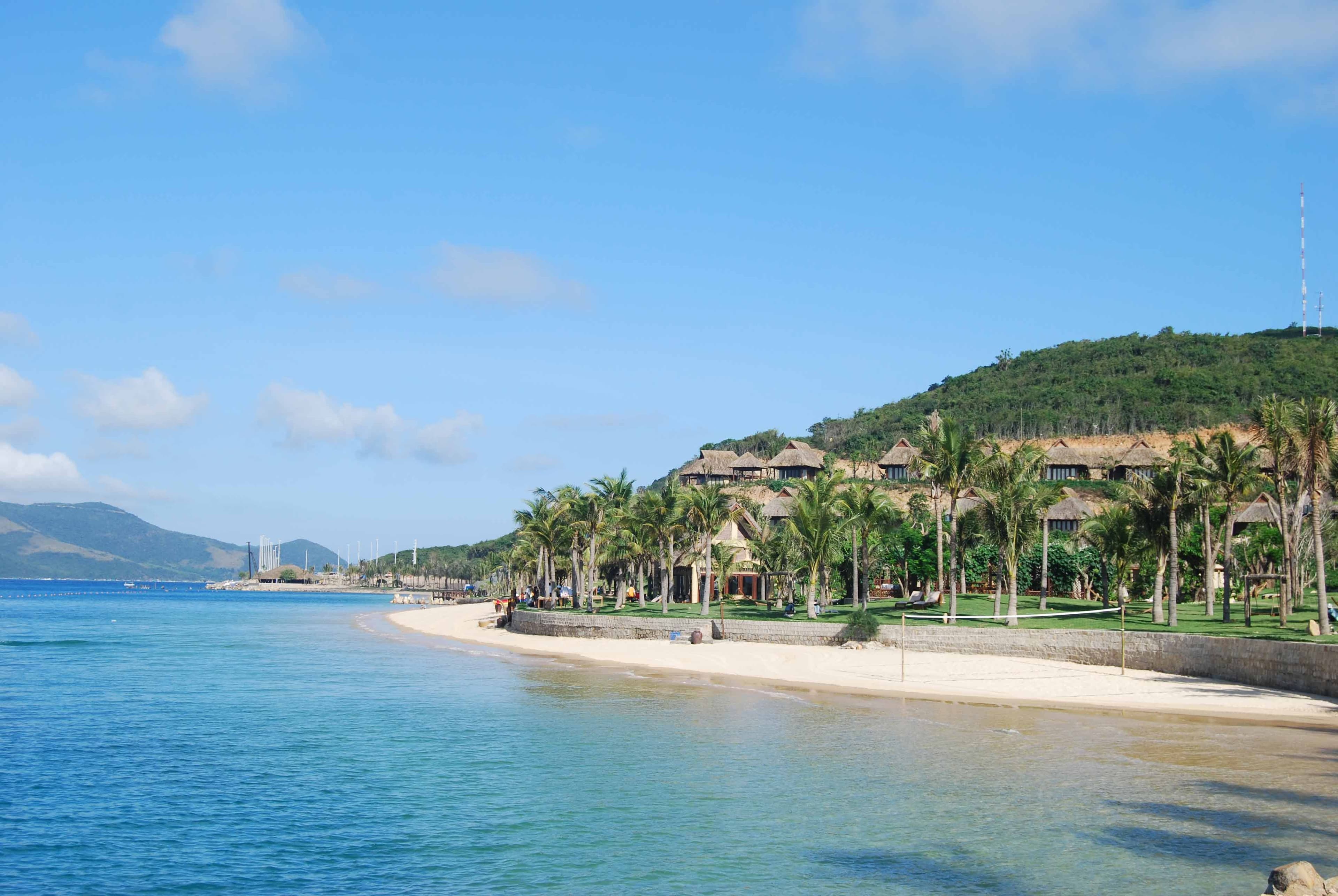
Da Nang, Hoi An beach, Nha Trang, Phu Quoc, and Con Dao are strong options for spa and seaside relaxation. Beach retreats are ideal after busy cultural touring.
Travelers can add sunset walks, swimming, yoga, spa, and seafood. The schedule should stay open and gentle.
This is one of the easiest wellness combinations in Vietnam.
Why Combine Wellness with Nature?
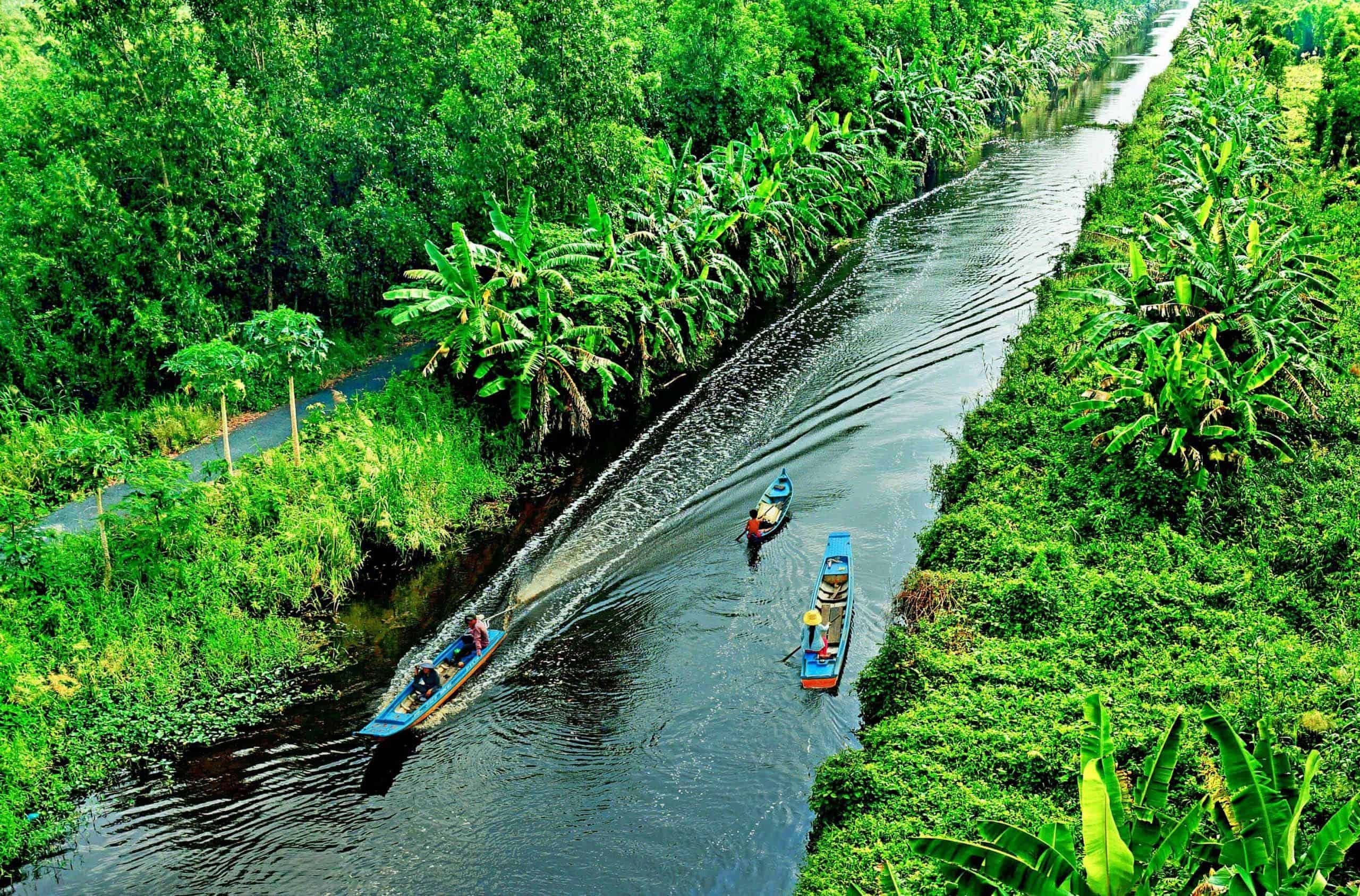
Ninh Binh, Pu Luong, Mai Chau, Da Lat, Sapa, and the Mekong Delta offer scenery and calm. Travelers can add light cycling, walking, boat rides, garden visits, and slow local meals.
Nature-based wellness is good for stress relief and mental reset. Activities should not be too difficult.
Private transfers help keep the experience comfortable.
Why Combine Wellness with Local Workshops?
Wellness retreats can include lantern making, pottery, incense, weaving, cooking, herbal experiences, or craft villages. Hands-on activities can feel calming and meaningful.
Hoi An, Hanoi, Hue, and countryside areas are strong options. These workshops work well for families, couples, and creative travelers.
Activities should stay gentle and not too long.
Cost Factors for Vietnam Wellness Retreat Packages
How Do Destination and Resort Level Affect Cost?
Luxury beach resorts cost more than simple boutique stays. Remote islands and premium wellness resorts may add flight or transfer costs.
Mountain and countryside retreats can vary widely by comfort level. Resort quality strongly affects the wellness experience.
Travelers should compare atmosphere, services, and inclusions, not only room rate.
How Do Included Wellness Services Affect Cost?
Spa treatments, yoga, meditation, hot springs, healthy meals, wellness consultations, fitness sessions, and private classes can affect the price.
Some resorts include daily treatments, while others charge separately. Premium wellness programs may cost more but offer stronger value.
Travelers should ask what is included before booking to avoid surprise expenses.
How Do Trip Length and Number of Destinations Affect Cost?
Short retreats cost less but may not allow deep rest. Longer retreats allow better recovery and slower pacing.
Too many destinations can reduce wellness value. A 4-7 day retreat works well as part of a larger Vietnam trip, while a 10-14 day wellness-focused journey can combine beach, nature, and culture.
The right length depends on recovery goals and available time.
How Do Private Transfers and Custom Support Affect Cost?
Private transfers increase comfort and reduce stress. Custom planning helps with dietary needs, spa bookings, mobility concerns, and pacing.
Families, seniors, couples, and luxury travelers often benefit from private support. Remote destinations may require more logistics.
Smooth support is part of the wellness experience.
Common Mistakes to Avoid When Booking a Vietnam Wellness Retreat
A wellness retreat should feel calm and restorative. Travelers should avoid booking too many destinations or treating free time as wasted time.
Common mistakes include:
- Booking too many destinations in one wellness trip
- Choosing a resort only by photos
- Not checking spa menu, yoga schedule, or wellness inclusions
- Assuming every beach destination has the same weather
- Ignoring transfer time and domestic flight logistics
- Overloading the itinerary with sightseeing
- Forgetting to share dietary needs or health concerns
- Booking intense activities when the goal is relaxation
- Not checking whether the retreat is family-friendly or adults-focused
- Scheduling spa treatments too close to flights
- Forgetting travel insurance
- Treating free time as wasted time instead of part of the retreat
A good retreat should protect rest, not compete with it.
Travel Requirements US Travelers Should Prepare
What Passport and Vietnam Visa Details Matter?
US travelers need a valid passport and Vietnam visa or e-visa. The U.S. Department of State states that travelers need a visa for Vietnam, and passports should have six months’ validity beyond arrival with one blank page per stamp.
Vietnam’s official e-visa system lists the fee as US$25 for single entry and US$50 for multiple entry. Travelers can apply online, pay the fee, and receive the e-visa result online.
Visa details should match passport information exactly. Travelers should apply early and print approved visa documents before departure.
Why Are Travel Insurance and Health Preparation Important?
Travel insurance is strongly recommended for Vietnam wellness retreat packages. Coverage should include medical care, cancellation, delays, lost luggage, domestic flights, beach stays, boat trips, countryside routes, and planned wellness activities.
Travelers should prepare prescription medication and basic first aid. Travelers with medical conditions should ask whether spa treatments, hot springs, yoga, or herbal therapies are suitable.
CDC recommends hepatitis A vaccination for unvaccinated travelers one year old or older going to Vietnam. Families, seniors, and wellness-focused travelers should share health and comfort needs early.
What Money, Connectivity, and Documents Should Travelers Prepare?
Travelers should bring credit cards and some Vietnamese Dong for small purchases. A SIM, eSIM, or roaming plan is useful for maps, messaging, and local support.
Hotel addresses, spa schedules, guide contacts, itinerary details, and emergency numbers should be saved offline. Travelers should keep printed and digital copies of passport, visa, insurance, and flights.
Medication and key documents should stay in hand luggage.
Why Plan Vietnam Wellness Retreat Packages with FtripAsia?
FtripAsia helps travelers design Vietnam wellness retreat packages based on travel dates, destination route, hotel style, wellness goals, comfort level, dietary needs, interests, and preferred pace.
The team is 100% local, with 7+ years of experience creating Vietnam trips for international travelers. This local background helps travelers choose suitable destinations, resorts, transfers, meals, and wellness experiences based on travel season and personal goals.
FtripAsia can customize wellness retreats for couples, honeymooners, solo travelers, families, seniors, small groups, luxury travelers, food lovers, creative travelers, and busy professionals.
The team has experience serving niche markets, including Muslim and Judaism travelers, making it easier to arrange suitable meals, cultural sensitivity, private support, and smoother logistics.
Travelers can request experiences that are difficult to find in standard packages, such as private wellness stays, spa journeys, yoga sessions, healthy cooking classes, herbal bath experiences, local workshops, craft villages, private food routes, countryside stays, scenic cruises, wellness days, and daily cultural activities.
Many tourists praise FtripAsia for enthusiastic, knowledgeable, and friendly support. This is especially valuable for travelers who want a wellness escape arranged with care, comfort, flexibility, and local insight.
With FtripAsia, travelers can design a Vietnam wellness retreat that feels calm, restorative, personal, and deeply relaxing.
FAQs
What are the best Vietnam wellness retreat packages?
Some of the best Vietnam wellness retreat packages include Da Nang and Hoi An beach retreats, Hoi An spa and yoga retreats, Nha Trang hot spring retreats, Phu Quoc island wellness escapes, Con Dao quiet island retreats, Da Lat nature retreats, northern mountain herbal wellness trips, Ninh Binh countryside retreats, Hue herbal heritage retreats, and luxury wellness packages. The best choice depends on travel style, wellness goal, season, budget, and preferred comfort level.
Where is the best place for a wellness retreat in Vietnam?
Da Nang and Hoi An are strong choices for beach, spa, yoga, food, and cultural access. Nha Trang is suitable for hot springs, mud baths, and coastal spa experiences. Phu Quoc and Con Dao are good for island relaxation. Da Lat, Ninh Binh, Pu Luong, Mai Chau, and Sapa are good for nature-based wellness. Hue works well for calm heritage, herbal traditions, and slower cultural travel.
Are Vietnam wellness retreats suitable for couples?
Yes, Vietnam wellness retreats are very suitable for couples and honeymooners. Couples can enjoy spa treatments, private dinners, beach resorts, yoga, sunset walks, photography, slow travel, and boutique stays. Da Nang, Hoi An, Phu Quoc, Con Dao, Nha Trang, Ninh Binh, and Da Lat are strong options. Private planning helps create a more romantic and relaxing experience.
Can Vietnam wellness retreat packages be customized?
Yes, Vietnam wellness retreat packages can be customized by destination, resort level, spa style, yoga schedule, meal preference, travel pace, dietary needs, and comfort level. Travelers can combine wellness with beach stays, heritage walks, cooking classes, nature retreats, craft workshops, photography, or local food experiences. With FtripAsia, travelers can design a Vietnam wellness retreat that matches their personal wellness goals and preferred travel style.
Conclusion
Vietnam wellness retreat packages are ideal for travelers who want relaxation, nature, spa, yoga, healthy food, emotional reset, and a slower travel rhythm. A well-designed retreat gives travelers space to rest, reconnect with nature, and enjoy Vietnam in a calmer way.
Top retreat ideas include Da Nang and Hoi An beach wellness, Hoi An spa and yoga, Nha Trang hot springs, Phu Quoc island escapes, Con Dao quiet retreats, Da Lat nature wellness, northern mountain herbal wellness, Ninh Binh countryside calm, Hue herbal heritage, and luxury wellness journeys.
The right wellness package should match wellness goals, season, resort quality, spa inclusions, travel pace, dietary needs, privacy level, and comfort. Wellness travel should not feel rushed; free time, rest, and gentle movement are essential parts of the experience.
FtripAsia can help travelers design Vietnam wellness retreat packages with suitable resorts, private transfers, spa experiences, healthy meals, gentle cultural activities, and flexible local support.
Travelers can request a customized Vietnam wellness itinerary that feels calm, restorative, personal, and deeply relaxing.

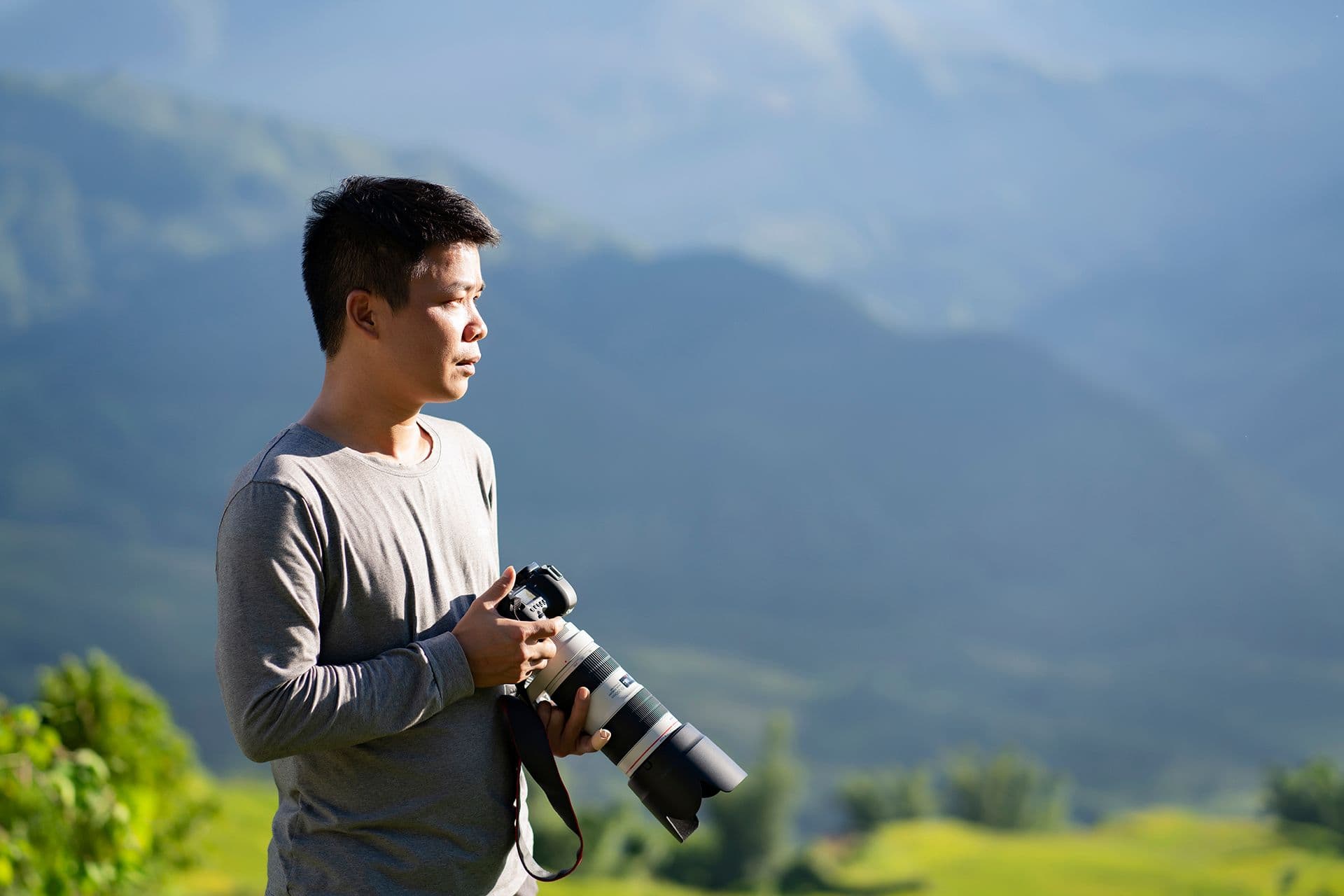
Founder & Photography Guide
Specialties: Culture, landscape, portrait, hiking, active and adventurous tour
Besides my unlimited passion for traveling, a professional tour guide for over a decade, I have been taking photographs since sitting at Hanoi of the University of Culture in the early 2000s. Photography started as a hobby but it was seriously taken due to my work relations and my significant passion for the beauty of our world, especially in Southeast Asian parts such as Vietnam, Laos, Cambodia, and Myanmar.
Within a few years of taking photographs, my works began to be recognized by many reliable international publications such as AFAR Travel, The Times, and The Daily Telegraph newspaper. In addition, I continuously add to my growing profile by winning numerous major awards: 3rd Position of The Independent Photographer 2018, 1st Position of Amateur Photographer of the year 2018, Grand Prize Winner of the AFAR Travel Photography 2019, and a Gold Award of San Francisco Bay International Photography 2020.
I photograph a wide variety of subjects, from travel to landscapes to street scenes. I enjoy documenting the East’s rich cultural heritage and its land soaked in glorious sunrise or sunset light in remote and secluded spots. And, I am very happy to share my knowledge and experience with you. You can visit Luminousvietnamtour to explore tour!