

Ha Giang Loop from Hanoi: How to Get There, Best Routes & Travel Tips
- 1. Introduction: Planning a Ha Giang Loop Trip from Hanoi
- 2. Where Is Ha Giang and How Far Is It from Hanoi?
- 2.1. Where Is Ha Giang Located?
- 2.2. Distance from Hanoi to Ha Giang
- 3. How to Get from Hanoi to Ha Giang
- 3.1. Sleeper Bus from Hanoi to Ha Giang
- 3.2. Private Car from Hanoi to Ha Giang
- 3.3. Motorbike from Hanoi to Ha Giang
- 3.4. Which Transportation Option Should You Choose?
- 4. Best Time to Travel from Hanoi to Ha Giang Loop
- 4.1. Spring (March–May)
- 4.2. Summer (June–August)
- 4.3. Autumn (September–November)
- 4.4. Winter (December–February)
- 5. How Many Days Do You Need for Ha Giang Loop from Hanoi?
- 6. Recommended Ha Giang Loop Itinerary from Hanoi
- 6.1. Day 1: Hanoi to Ha Giang City
- 6.2. Day 2: Ha Giang City – Quan Ba – Yen Minh – Dong Van
- 6.3. Day 3: Dong Van – Ma Pi Leng Pass – Meo Vac – Quan Ba
- 6.4. Day 4: Quan Ba – Ha Giang City – Hanoi
- 7. Self-Drive, Easy Rider or Private Car: What's the Best Way to Explore Ha Giang Loop?
- 7.1. Self-Drive Motorbike
- 7.2. Easy Rider Tour
- 7.3. Private Car or Jeep Tour
- 8. Essential Travel Tips for Ha Giang Loop from Hanoi
- 8.1. What to Pack
- 8.2. Book Transportation in Advance
- 8.3. Prepare Your Documents
- 8.4. Respect Local Culture
- 9. Explore Ha Giang with Ftrip Asia: A More Comfortable Way to Experience the Loop
- 10. FAQs About Ha Giang Loop from Hanoi
- How far is Ha Giang from Hanoi?
- How do I get from Hanoi to Ha Giang Loop?
- Can I do Ha Giang Loop in 3 days from Hanoi?
- Is Ha Giang Loop safe for foreign tourists?
- Should I book a Ha Giang Loop tour from Hanoi in advance?
- Can I do Ha Giang Loop without riding a motorbike?
1. Introduction: Planning a Ha Giang Loop Trip from Hanoi
The Ha Giang Loop is one of the most spectacular mountain journeys in Vietnam. Located in the country's northern highlands, this scenic route takes travellers through dramatic limestone mountains, winding mountain passes, deep valleys, and remote ethnic villages. It offers a unique opportunity to experience Vietnam's natural beauty and local cultures beyond its major cities.
For most international visitors, Hanoi is the starting point for a Ha Giang adventure. However, reaching Ha Giang requires some planning, especially when choosing transportation and deciding how much time to spend on the journey.
Before setting off, it is worth understanding how to get from Hanoi to Ha Giang, which transport option suits your travel style, and whether a self-drive, Easy Rider, or private tour is the best choice. This guide covers everything you need to plan a smooth and memorable Ha Giang Loop trip from Hanoi.
2. Where Is Ha Giang and How Far Is It from Hanoi?
2.1. Where Is Ha Giang Located?
Ha Giang is a mountainous destination in northeastern Vietnam, near the border with China. Known for its dramatic limestone formations, winding mountain roads, and diverse ethnic communities, the region offers some of the country's most impressive landscapes.
The Ha Giang Loop is a popular road journey through the Dong Van Karst Plateau and surrounding mountain areas. The traditional route starts in Ha Giang City and passes through several well-known destinations, including Quan Ba, Yen Minh, Dong Van, and Meo Vac.
Along the way, travellers can discover iconic landmarks such as Quan Ba Heaven Gate, Dong Van Ancient Town, Ma Pi Leng Pass, and the Nho Que River. Each destination offers a different perspective on the region, from panoramic mountain views to traditional villages and local markets.
2.2. Distance from Hanoi to Ha Giang
The distance from Hanoi to Ha Giang City is approximately 300 km by road. Depending on the transportation option, traffic, and road conditions, the journey usually takes around 5–7 hours.
It is important to distinguish between two parts of the journey:
- Hanoi to Ha Giang City: The transfer from Vietnam's capital to the starting point of the Ha Giang Loop.
- Ha Giang Loop: The actual mountain journey through the region's main attractions, usually covering several hundred kilometres over three or four days.
Travellers should plan enough time for both stages rather than treating the journey from Hanoi as part of the sightseeing route.
3. How to Get from Hanoi to Ha Giang

Getting from Hanoi to Ha Giang involves a road journey through northern Vietnam. There are several transportation options, including sleeper buses, private cars, and motorbikes. Each offers a different balance of cost, comfort, and flexibility.
3.1. Sleeper Bus from Hanoi to Ha Giang
A sleeper bus is one of the most popular and affordable ways to travel from Hanoi to Ha Giang. Several operators run services between the two destinations, with journey times typically ranging from 6–7 hours.
Travellers can choose between different bus types:
- Standard sleeper bus: Features reclining sleeping berths and is generally the most economical option.
- VIP sleeper bus: Offers fewer passengers and more spacious sleeping arrangements.
- Cabin bus: Provides individual enclosed sleeping cabins for greater privacy and comfort.
Many buses operate overnight, allowing travellers to leave Hanoi in the evening and arrive in Ha Giang early the following morning. This can help save daytime hours and reduce accommodation costs.
However, sleeper buses have some limitations. Departure times are fixed, and the journey may not be particularly comfortable for people who have difficulty sleeping on moving vehicles. Travellers should also consider whether they will feel rested enough to begin a mountain journey immediately after arrival.
Best for: Backpackers, solo travellers, and budget-conscious visitors who want an affordable way to reach Ha Giang.
3.2. Private Car from Hanoi to Ha Giang
For travellers who value comfort and flexibility, a private car with a professional driver is an excellent alternative.
Unlike scheduled buses, private transfers allow you to choose your departure time and arrange convenient pickup from your hotel or another location in Hanoi. You can also request rest stops along the way, making the journey more comfortable.
Some key advantages include:
- Comfort and privacy: Enjoy a private vehicle without sharing the journey with other passengers.
- Flexible departure: Choose a convenient time based on your travel schedule.
- Convenient stops: Take breaks along the way when needed.
- Personalized arrangements: Organize suitable vehicles for couples, families, or small groups.
A private transfer usually takes around 5–7 hours, depending on traffic and road conditions. Although it costs more than a bus ticket, the additional comfort and convenience can make a significant difference, especially for longer journeys.
Best for: Families, couples, small groups, and travellers who prioritize comfort, convenience, and privacy.
3.3. Motorbike from Hanoi to Ha Giang
Another possibility is riding a motorbike directly from Hanoi to Ha Giang. While this option offers independence and a sense of adventure, it requires careful consideration.
The journey involves several hours of riding, including busy roads and changing traffic conditions. Travellers need sufficient long-distance riding experience, appropriate protective equipment, and a valid driving licence recognized under Vietnamese regulations.
It is also important to distinguish between riding from Hanoi to Ha Giang and exploring the Ha Giang Loop itself. The first journey is primarily a long-distance transfer, while the Loop involves navigating winding mountain roads, steep passes, and remote areas.
For most international visitors, taking a bus or private transfer to Ha Giang City and starting the Loop with a suitable local arrangement is a more practical choice.
Best for: Experienced motorcyclists who are confident riding long distances and understand local traffic conditions.
3.4. Which Transportation Option Should You Choose?
The best way to travel from Hanoi to Ha Giang depends on your budget, schedule, and comfort preferences.
| Transportation | Travel Time | Best For |
|---|---|---|
| Sleeper bus | 6–7 hours | Budget travellers |
| Private car | 5–7 hours | Families, couples, and groups |
| Motorbike | Varies | Experienced riders |
For budget-conscious travellers, a sleeper bus offers an affordable and convenient connection. A private car is more suitable for those who prefer a flexible and comfortable journey. Riding a motorbike can be rewarding, but it requires additional preparation and experience.
4. Best Time to Travel from Hanoi to Ha Giang Loop
Ha Giang is a year-round destination, but each season offers a different landscape and travel experience.
4.1. Spring (March–May)
Spring brings mild temperatures, fresh greenery, and relatively comfortable weather. Mountain valleys become greener, while local villages offer opportunities to experience everyday life in the highlands. It is a pleasant time for sightseeing and outdoor activities.
4.2. Summer (June–August)
Summer transforms the mountains into a landscape of lush green hills and terraced rice fields. Cloud formations also create beautiful scenery. However, this is part of the rainy season, so heavy rainfall, slippery roads, and landslides may affect travel plans. Extra flexibility is recommended.
4.3. Autumn (September–November)
Autumn is one of the most popular periods to explore Ha Giang. The weather is generally cooler and more comfortable for road trips. Some areas feature golden rice fields, while October and November bring buckwheat flower season to parts of the region.
This period is particularly attractive for photography and scenic exploration, although accommodation and tours may need to be booked in advance.
4.4. Winter (December–February)
Winter brings colder temperatures, especially in higher mountain areas. Mist and fog can create atmospheric landscapes, but they may also reduce visibility on mountain roads. Warm clothing and careful travel planning are essential.

5. How Many Days Do You Need for Ha Giang Loop from Hanoi?
To explore the Ha Giang Loop comfortably, travellers should generally allow 4–5 days for the entire trip from Hanoi and back.
The ideal duration depends on how much time you have and how deeply you want to explore the region.
- 3 days: Suitable for travellers with limited time, but the Loop itinerary will be more compressed. Allow additional time if travelling from Hanoi.
- 4 days: A balanced option that provides enough time to visit major attractions and enjoy the mountain scenery.
- 5 days: Ideal for a slower journey, with more opportunities to explore local villages, scenic viewpoints, and cultural experiences.
For most international visitors, a four-day itinerary with one day allocated to each transfer journey is a practical choice. It allows you to experience the main highlights without making every day feel rushed.
Remember to include the journey from Hanoi to Ha Giang City and the return transfer when planning your overall travel schedule.
6. Recommended Ha Giang Loop Itinerary from Hanoi
A four-day Ha Giang Loop itinerary is a good choice for travellers who want to explore the region's major attractions while maintaining a comfortable travel pace.
The following route combines scenic mountain roads, cultural experiences, and opportunities to discover local communities.
6.1. Day 1: Hanoi to Ha Giang City
Begin your journey with a transfer from Hanoi to Ha Giang City. Depending on your preferences, you can travel by private car or take a sleeper bus.
A private transfer is particularly convenient if you want to depart at your preferred time and enjoy a more relaxed journey. After arriving in Ha Giang City, check into your accommodation and take some time to rest.
Before starting the Loop, make sure your transportation arrangements are ready. If you are joining a motorbike or Jeep tour, confirm the vehicle, safety equipment, and meeting arrangements with your operator.
Use the remaining time to prepare your belongings and enjoy a relaxed evening in the city.
Overnight: Ha Giang City.
6.2. Day 2: Ha Giang City – Quan Ba – Yen Minh – Dong Van
The first day of the Loop takes you into the spectacular mountain landscapes of northern Vietnam.
Depart Ha Giang City and travel along winding roads towards Bac Sum Pass, one of the first scenic mountain sections along the route.
Continue to Quan Ba Heaven Gate, where you can enjoy panoramic views of the surrounding mountains and the famous Twin Mountains. This is an excellent place to stop for photographs and appreciate the scale of the region's limestone landscape.
The journey then continues through Quan Ba towards Yen Minh. Along the way, you will pass forested hills, peaceful valleys, and small villages inhabited by local ethnic communities.
From Yen Minh, continue towards Dong Van. The landscape gradually changes as you enter the Dong Van Karst Plateau, with dramatic limestone formations becoming increasingly prominent.
Arrive in Dong Van in the afternoon or evening. If time permits, take a walk through Dong Van Ancient Town, known for its traditional architecture, historic houses, and relaxed atmosphere.
Overnight: Dong Van.
6.3. Day 3: Dong Van – Ma Pi Leng Pass – Meo Vac – Quan Ba
Day three is one of the highlights of the Ha Giang Loop, featuring some of the most impressive mountain scenery in Vietnam.
Start the morning with a visit to Ma Pi Leng Pass, one of the country's most iconic mountain roads. Carved into steep limestone cliffs, the pass offers spectacular views of the mountains and the deep valley below.
From the viewpoints along the route, you can admire the Nho Que River winding through the dramatic landscape. Its striking turquoise water creates a beautiful contrast with the surrounding limestone mountains.
Travellers can also arrange a boat trip along the Nho Que River, offering a different perspective of the towering cliffs and the famous Tu San Canyon.
Continue towards Meo Vac, a mountain town surrounded by rugged landscapes and traditional villages. Depending on your schedule, you can explore the local area before beginning the return journey towards Quan Ba.
This is a relatively long travel day, so allow sufficient time for sightseeing, photo stops, and rest breaks. An experienced local driver or guide can help adjust the route according to road conditions and your preferences.
Overnight: Quan Ba.
6.4. Day 4: Quan Ba – Ha Giang City – Hanoi
On the final day, enjoy the last mountain views as you travel from Quan Ba back to Ha Giang City.
After arriving in the city, continue your journey to Hanoi by private car or pre-booked bus.
A private transfer offers greater flexibility, particularly if you are travelling with luggage or have a connecting flight or other travel arrangements in Hanoi.
Depending on your departure time, you may arrive in the capital in the afternoon or evening.
This marks the end of your Ha Giang adventure, leaving you with memories of winding mountain passes, limestone valleys, and the welcoming communities of northern Vietnam.
Overnight: Hanoi or onward destination.
Travel note: This itinerary is a suggested route rather than a fixed schedule. The actual route and overnight stops may vary depending on road conditions, weather, sightseeing preferences, and the type of tour selected.
7. Self-Drive, Easy Rider or Private Car: What's the Best Way to Explore Ha Giang Loop?
Choosing the right transportation for the Ha Giang Loop is just as important as deciding how to get there from Hanoi. The best option depends on your riding experience, comfort preferences, and travel style.
7.1. Self-Drive Motorbike
Self-driving gives you complete control over your itinerary and allows you to stop whenever you discover an interesting viewpoint or village.
However, the Loop features narrow roads, steep mountain passes, sharp turns, and changing weather conditions. Riders should have substantial motorbike experience and appropriate protective equipment.
Foreign visitors must also ensure that their driving documents meet current Vietnamese legal requirements. Having a motorbike rental agreement alone does not authorize you to ride.
This option is best for experienced riders who are confident navigating challenging mountain roads.
7.2. Easy Rider Tour
An Easy Rider tour allows travellers to experience the Ha Giang Loop as passengers on motorbikes driven by experienced local riders.
You can enjoy the mountain scenery without worrying about navigating difficult roads or operating a motorbike. Local riders may also share insights into the region's culture, traditions, and everyday life.
This is a popular choice among international travellers who want a motorbike adventure without having to drive themselves.
7.3. Private Car or Jeep Tour
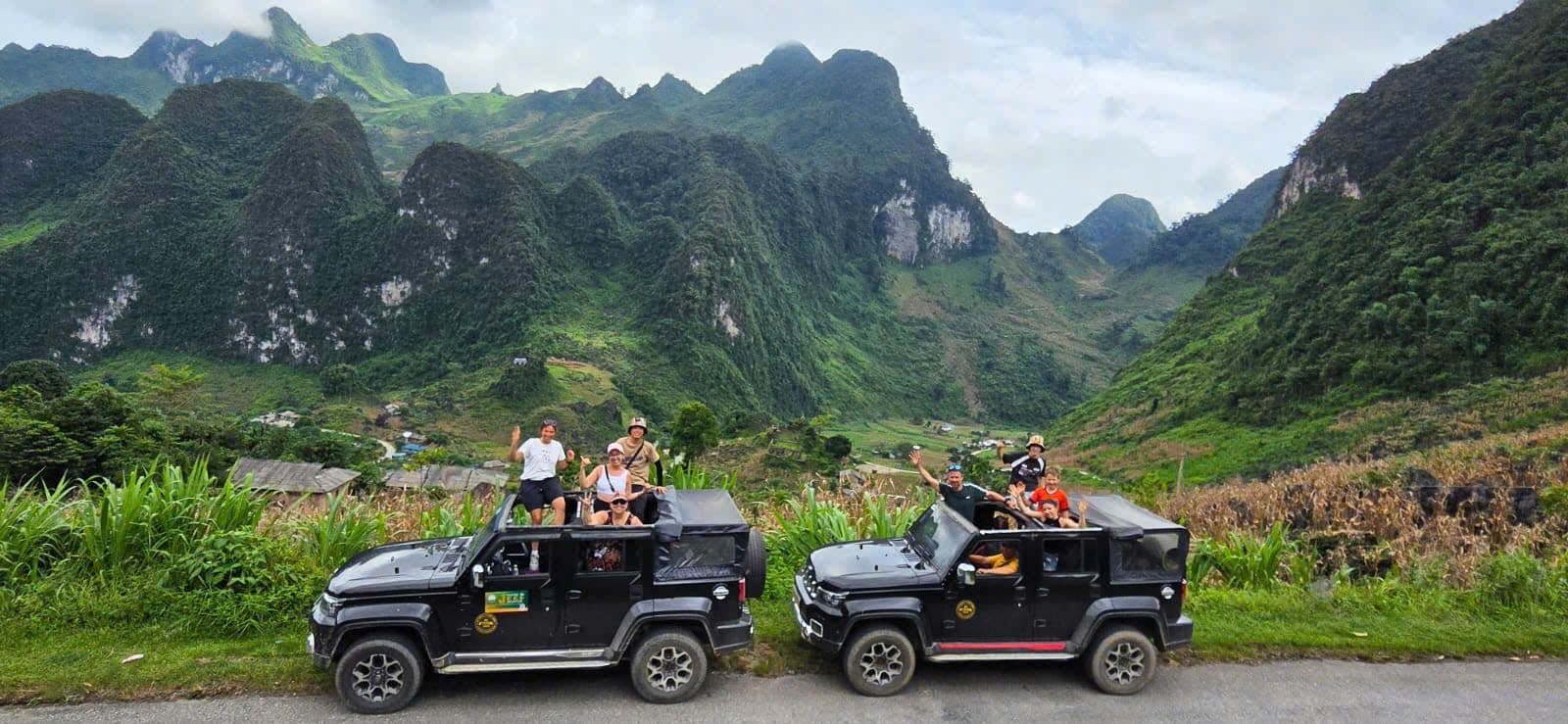
For those who prefer a more comfortable and private experience, a private car or Jeep tour is an excellent alternative.
Travellers can enjoy the mountain scenery from their own vehicle, with a professional driver handling the challenging roads. A private English-speaking guide can also provide insights into local history, culture, and destinations.
This option offers greater flexibility when planning sightseeing stops, accommodation, and daily activities.
It is particularly suitable for families, couples, small groups, and travellers seeking a more premium experience.
8. Essential Travel Tips for Ha Giang Loop from Hanoi
A little preparation can make your journey from Hanoi to Ha Giang much smoother. Keep these practical tips in mind before departure.
8.1. What to Pack
Weather conditions can change quickly in the mountains, so pack according to the season.
Essential items include:
- A warm jacket, especially during winter and early mornings.
- Comfortable walking shoes for exploring viewpoints and villages.
- Sunscreen, sunglasses, and a hat for outdoor activities.
- Personal medication and basic first-aid supplies.
- A small day bag for daily essentials.
8.2. Book Transportation in Advance
Sleeper buses and private transfers can become busy during popular travel periods. Book your transportation ahead of time, especially during September–November and major Vietnamese holidays.
If you plan to join a guided tour, early reservations also give you more options for vehicles, accommodation, and itineraries.
8.3. Prepare Your Documents
Bring your passport and any other documents required for your journey.
If you intend to drive a motorbike, check that your driving licence and International Driving Permit are recognized in Vietnam and cover the appropriate vehicle category. Confirm current requirements before travelling, as an ordinary car licence does not automatically authorize motorbike riding.
8.4. Respect Local Culture
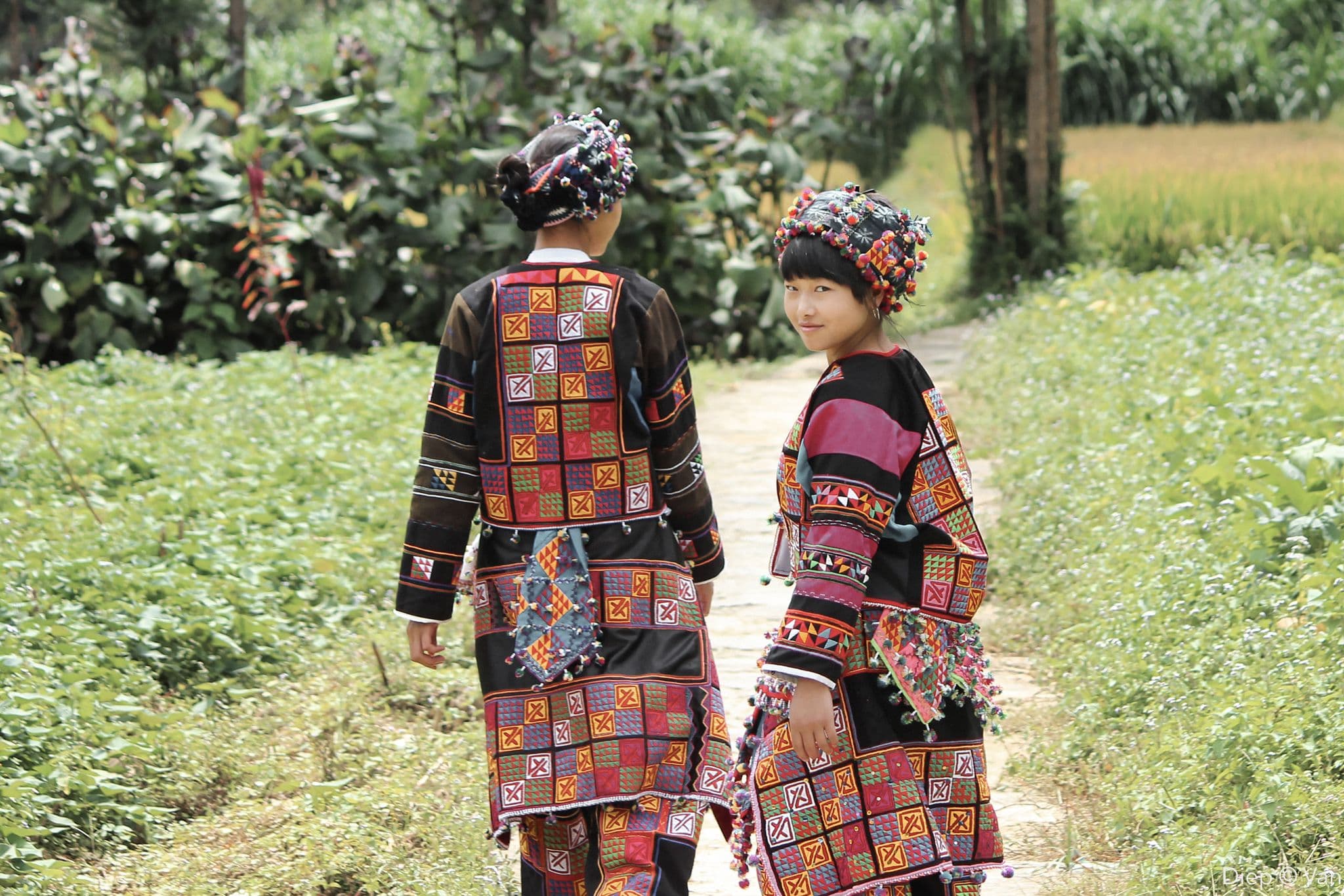
Ha Giang is home to diverse ethnic communities with their own traditions and ways of life.
When visiting local villages, dress respectfully, ask permission before photographing residents, and follow local guidance when entering private or religious spaces.
Remember to take your rubbish with you and avoid disturbing the natural environment.
9. Explore Ha Giang with Ftrip Asia: A More Comfortable Way to Experience the Loop
Discover the beauty of northern Vietnam with Ftrip Asia's Ha Giang Luxury Tour, designed for travellers who want to experience the iconic mountain route with greater comfort, privacy, and flexibility.
The journey combines carefully arranged travel services with memorable local experiences, including:
- Private transfer from Hanoi to Ha Giang.
- Private Jeep experience along the scenic mountain roads.
- Local English-speaking guide.
- Carefully selected accommodations.
- Personalized itinerary based on your interests and travel preferences.
From the moment you leave Hanoi to your exploration of the Dong Van Karst Plateau, every detail can be arranged to make your journey more seamless.
Contact Ftrip Asia to plan your private Ha Giang Loop journey from Hanoi and discover northern Vietnam at your own pace.
10. FAQs About Ha Giang Loop from Hanoi
How far is Ha Giang from Hanoi?
Ha Giang City is approximately 300 km from Hanoi. The road journey usually takes around 5–7 hours, depending on transportation, traffic, and road conditions.
How do I get from Hanoi to Ha Giang Loop?
The most common options are sleeper buses, private cars, and motorbikes. Sleeper buses are affordable, while private cars offer greater comfort and flexibility. Travellers can also ride a motorbike, provided they meet the relevant legal and safety requirements.
Can I do Ha Giang Loop in 3 days from Hanoi?
Yes, but the schedule will be tight. Three days may be enough for a compressed Loop itinerary, but including the return journey from Hanoi requires additional time. Four to five days is generally more comfortable.
Is Ha Giang Loop safe for foreign tourists?
Ha Giang can be explored safely with proper preparation, but its mountain roads require caution. Weather, visibility, and road conditions can change quickly. Travellers without suitable riding experience should consider an Easy Rider or private car tour.
Should I book a Ha Giang Loop tour from Hanoi in advance?
Yes. Booking in advance helps secure your preferred vehicle, accommodation, and travel dates. This is particularly important during the popular September–November and March–May travel periods.
Can I do Ha Giang Loop without riding a motorbike?
Absolutely. You can explore the Loop by private car or Jeep with a professional driver, or join an Easy Rider tour as a passenger. Both options allow you to enjoy the scenery without having to operate a motorbike.


 8D7N: 8 Days in the NorthFromView Tour$1,135/pax
 14-Day Tour: A Journey from North to South VietnamFromView Tour$2,136/pax
 Mekong Princess Cruise
 When to Visit Vietnam for the Perfect Weather and Festivals
 Ha Giang Loop Vietnam: Experience the Legendary Mountain Route in Luxury
 Halong Bay Tour That Will Change How You See Vietnam’s Natural Beauty