
- 1. Introduction: Why Travel from Hanoi to Mu Cang Chai?
- 2. Where Is Mu Cang Chai?
- 3. Why Mu Cang Chai Is Worth Visiting
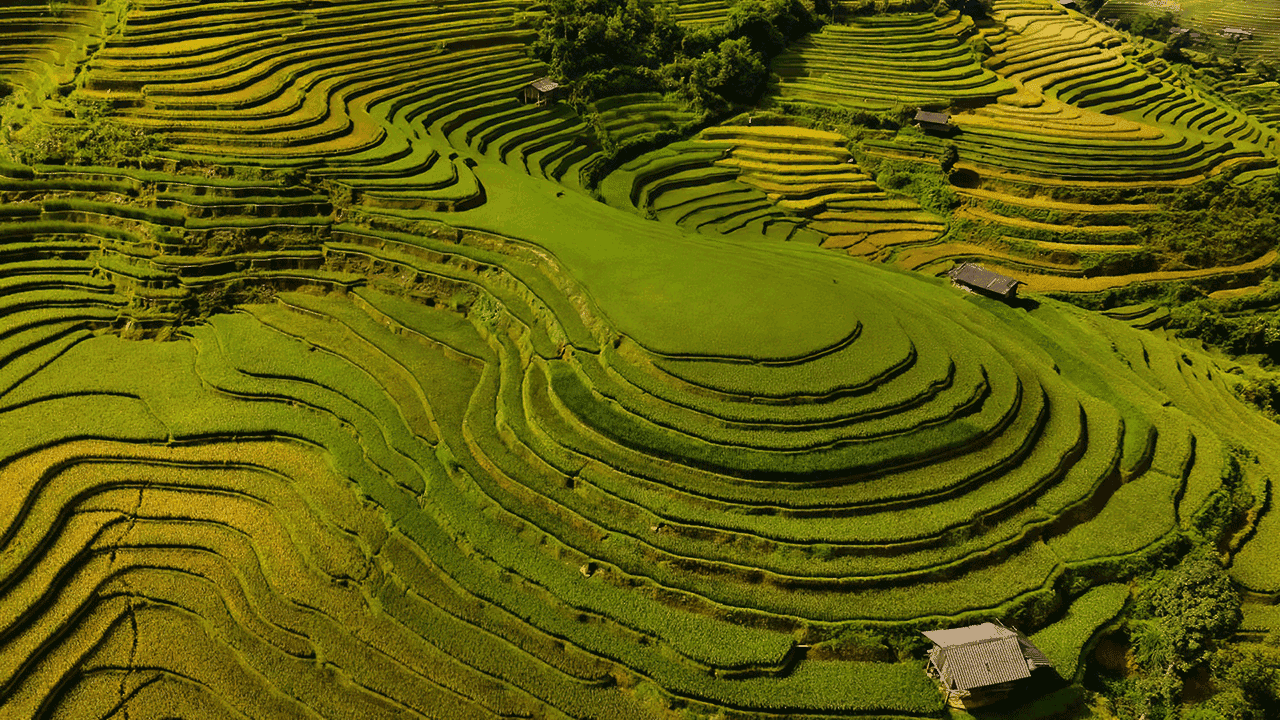
- 3.1. Spectacular Rice Terraces
- 3.2. Authentic Rural Vietnam
- 3.3. Ethnic Culture
- 3.4. A Different Northern Vietnam Experience
- 4. Hanoi to Mu Cang Chai: How Far Is It and How Long Does It Take?
- 5. The Best Way to Experience Hanoi to Mu Cang Chai
- 6. Stop 1: Duong Lam Ancient Village
- 7. Stop 2: Long Coc Tea Hills
- Enjoy the Sunrise over the Tea Hills
- Discover Local Tea Culture
- Best Time to Visit Long Coc
- 8. Stop 3: Mu Cang Chai – The Highlight of the Journey
- Explore the Famous Rice Terraces
- Drive across Khau Pha Pass
- Experience Local Life and Culture
- 9. Best Time for Hanoi to Mu Cang Chai
- Watering Season: Late April to June
- Green Season: June to August
- Harvest Season: September to October
- Winter / Off-Peak: November to March
- 10. How to Travel from Hanoi to Mu Cang Chai
- Option 1: Private Car
- Option 2: Motorbike
- Option 3: Bus / Public Transport
- 11. Suggested 3-Day Hanoi to Mu Cang Chai Itinerary
- Day 1: Hanoi → Duong Lam Ancient Village → Long Coc Tea Hills
- Day 2: Long Coc → Mu Cang Chai
- Day 3: Explore Mu Cang Chai → Hanoi
- 12. What to Pack for the Trip
- 13. Is Hanoi to Mu Cang Chai Right for You?
- 14. Experience More Than Just Mu Cang Chai
1. Introduction: Why Travel from Hanoi to Mu Cang Chai?
A journey from Hanoi to Mu Cang Chai is more than a trip to see Vietnam's famous rice terraces. It is an opportunity to explore the changing landscapes, traditional villages, and rural cultures of Northern Vietnam along the way.
Located in Yen Bai Province (now part of Lao Cai Province following Vietnam's 2025 administrative reorganization), Mu Cang Chai is best known for its spectacular rice terraces carved into the mountainsides. The destination offers a quieter side of Vietnam, where winding mountain roads lead through remote valleys, ethnic minority villages, and some of the country's most impressive agricultural landscapes.
Rather than travelling directly from Hanoi to Mu Cang Chai, you can turn the journey into a multi-stop road trip. A suggested route takes you from the capital to Duong Lam Ancient Village, continues through the green tea hills of Long Coc, and finishes among the magnificent rice terraces of Mu Cang Chai.
Suggested route: Hanoi → Duong Lam Ancient Village → Long Coc Tea Hills → Mu Cang Chai
This route combines cultural discovery, countryside scenery, and mountain landscapes, making it an appealing way to experience Northern Vietnam beyond its most familiar destinations.
2. Where Is Mu Cang Chai?
Mu Cang Chai is a mountainous district in the western part of Lao Cai Province, in Northern Vietnam. It lies approximately 300 kilometres northwest of Hanoi, close to the Hoang Lien Son mountain range and the border of Lai Chau Province.
The area is known for its steep mountains, deep valleys, winding roads, and terraced rice fields. Unlike the more accessible destinations around Hanoi, Mu Cang Chai remains relatively remote. Its location and mountainous terrain have helped preserve the traditional agricultural practices and cultural identity of local communities.
Mu Cang Chai is home to several ethnic groups, particularly the Hmong people, who have shaped the landscape through generations of rice cultivation. Their terraced fields follow the natural contours of the mountains, creating distinctive patterns that change throughout the agricultural year.
The journey to Mu Cang Chai is also part of the experience. Travellers pass through rural settlements, tea-growing areas, and mountain scenery before reaching the highland destination.
3. Why Mu Cang Chai Is Worth Visiting
3.1. Spectacular Rice Terraces
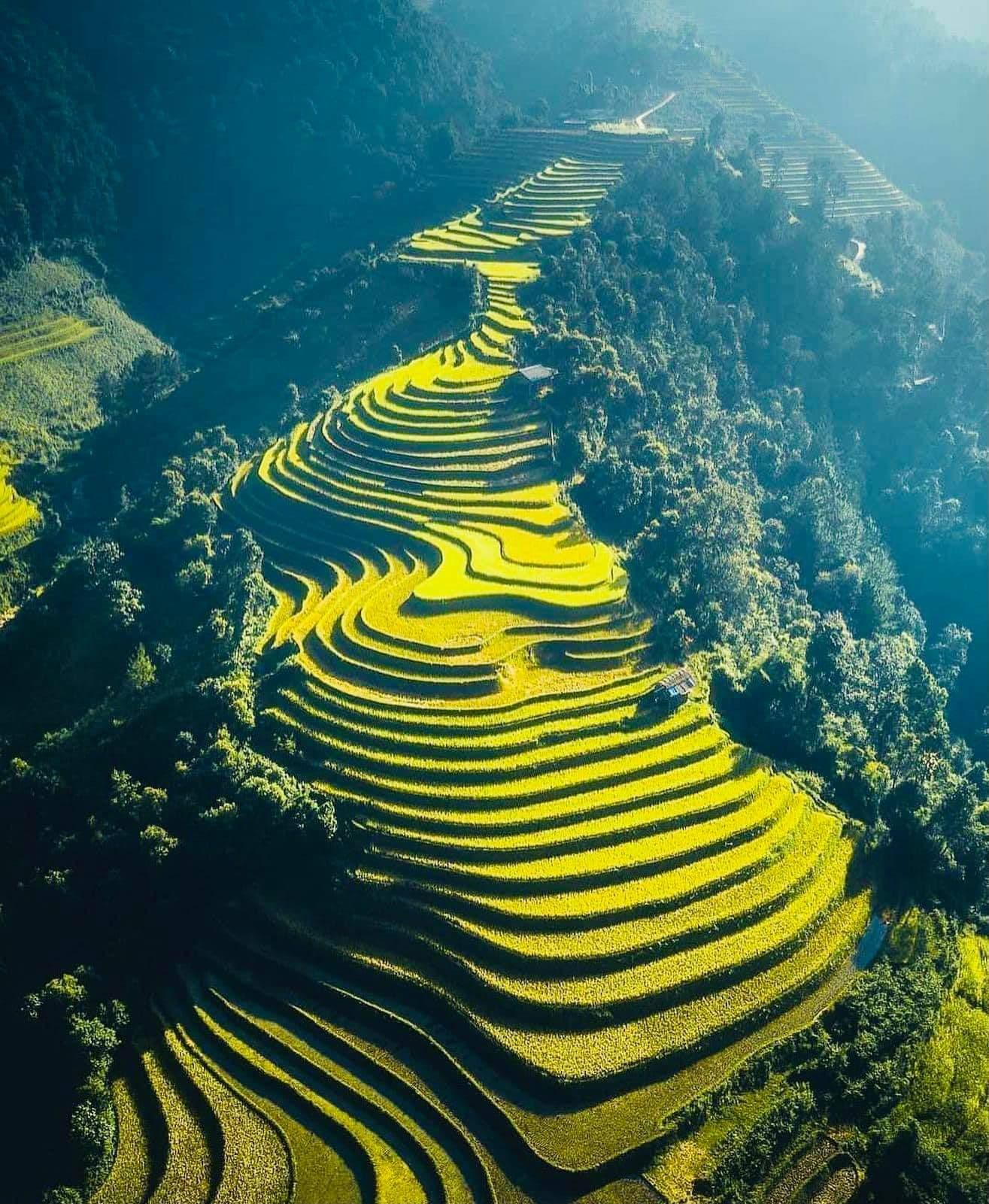
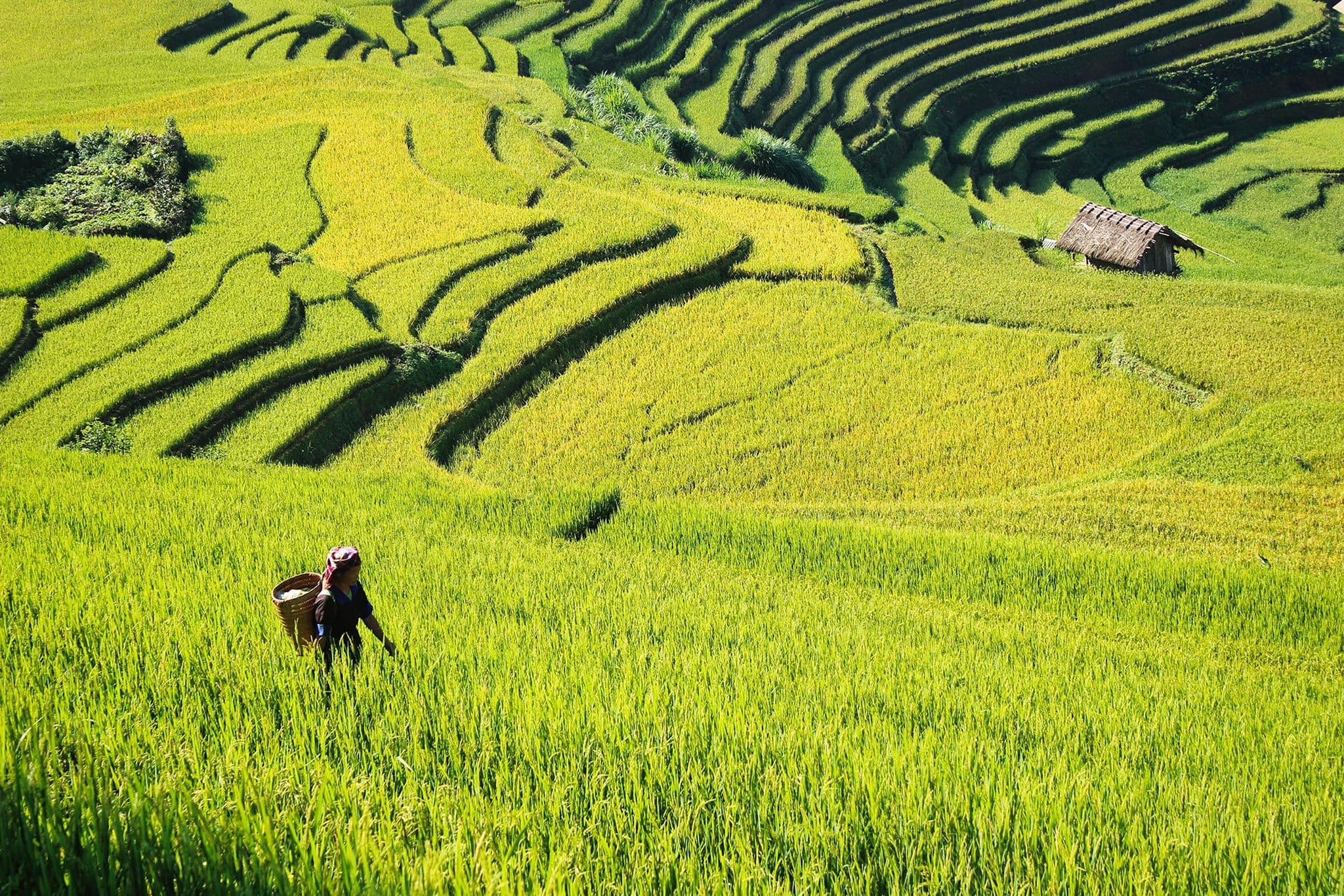
The rice terraces are the main reason many travellers make the journey to Mu Cang Chai. Built along steep mountain slopes over generations, these fields form layers of curved lines that follow the natural shape of the landscape.
Some of the most impressive views can be found in La Pan Tan, Che Cu Nha, and De Xu Phinh. Each area offers a different perspective, from rounded terraces resembling giant bowls to sweeping fields that stretch across entire mountain valleys.
The scenery changes throughout the year. Flooded fields reflect the sky during the planting season, while growing rice creates vibrant green slopes in summer. By autumn, the terraces turn golden as the rice ripens, creating one of Northern Vietnam's most recognisable landscapes.
Vietnam Tourism+1
3.2. Authentic Rural Vietnam
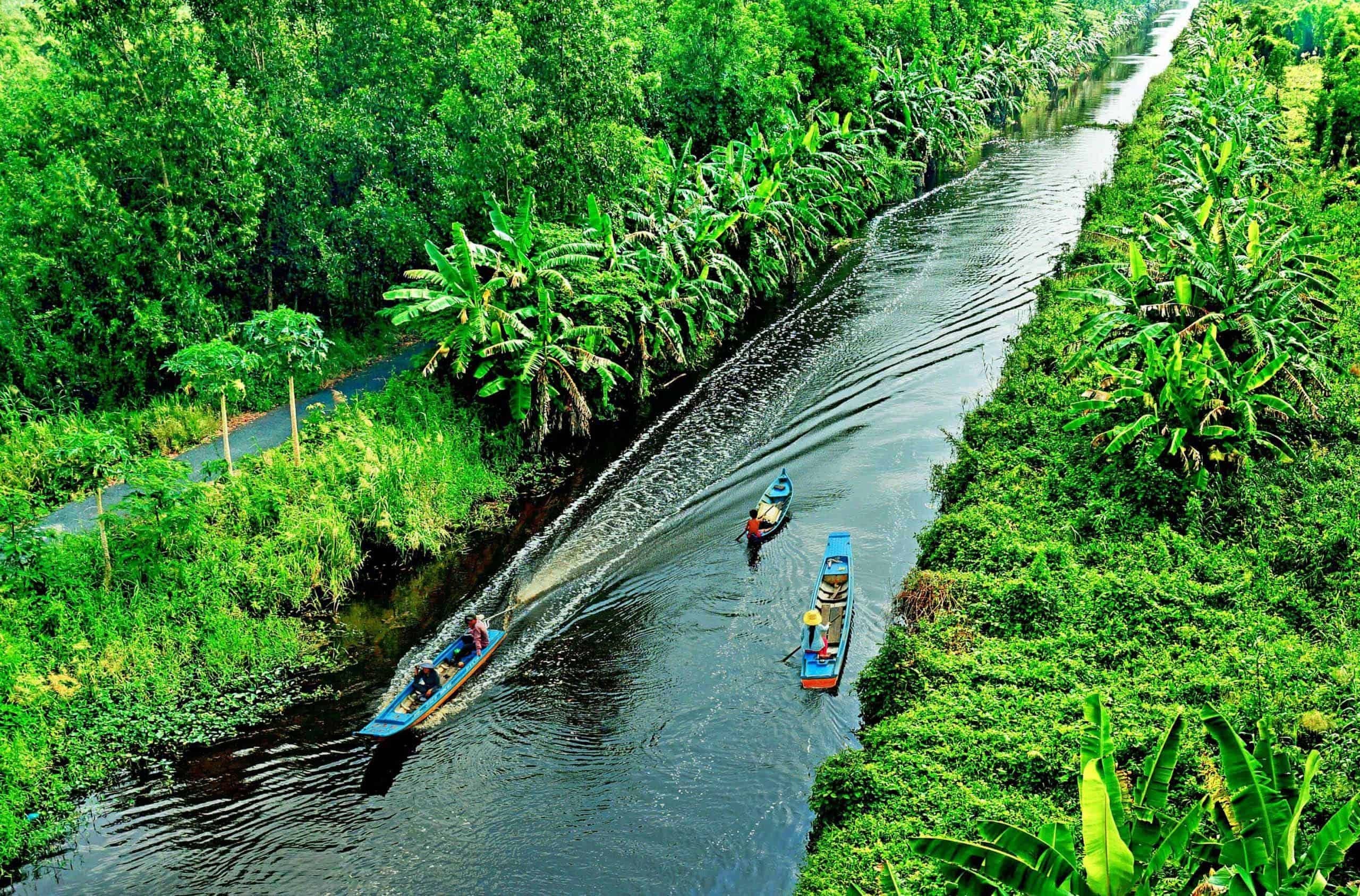
Mu Cang Chai offers a chance to experience a side of Vietnam that feels far removed from the busy streets of Hanoi. Daily life here revolves around agriculture, local markets, family traditions, and the changing seasons.
As you travel through the valleys, you will see farmers working on terraced fields, traditional houses scattered across the hillsides, and small villages connected by winding mountain roads.
Visitors can also explore local communities, enjoy home-cooked meals, and learn about traditional farming practices. Staying at a local homestay is another way to experience the region at a slower pace while supporting community-based tourism.
3.3. Ethnic Culture
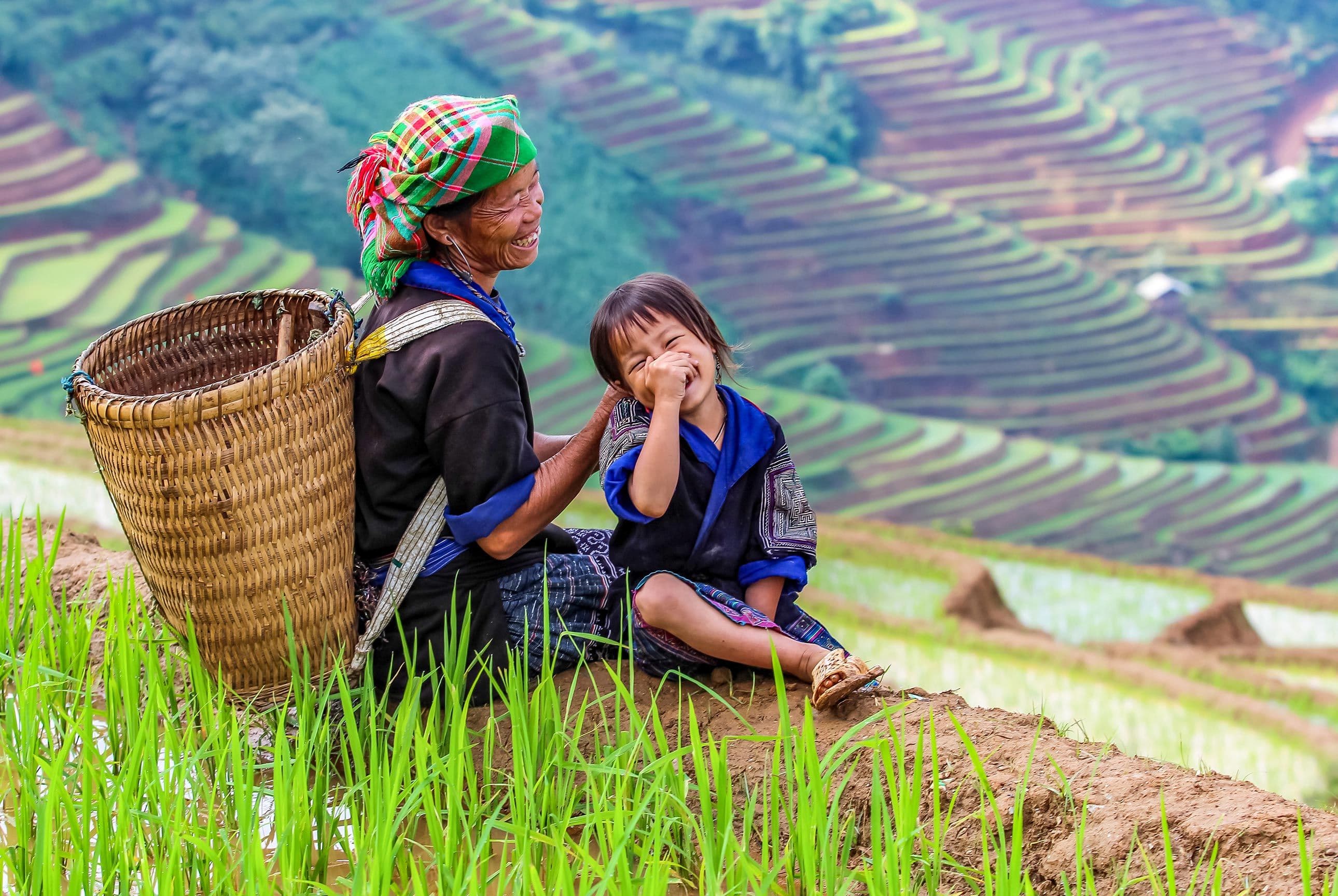
Mu Cang Chai is particularly known for its Hmong communities, alongside Thai and Dao ethnic groups. Their traditions, clothing, architecture, and agricultural practices contribute to the distinctive identity of the region.
The Hmong people have played an important role in shaping the landscape, developing terraced farming techniques that allow rice to grow on steep mountain slopes. Their traditional textile crafts, indigo dyeing, embroidery, and local festivals also offer insights into the area's cultural heritage.
For travellers interested in cultural experiences, visiting local villages and learning about everyday life can be just as rewarding as admiring the scenery.
Vietnam Tourism+2
3.4. A Different Northern Vietnam Experience
Many first-time visitors to Northern Vietnam focus on Hanoi, Ha Long Bay, Ninh Binh, and Sapa. While these destinations offer memorable experiences, Mu Cang Chai provides a different perspective on the region.
Instead of limestone islands or busy tourist towns, you will find remote mountain valleys, expansive rice terraces, and quiet rural communities.
The destination is particularly appealing to travellers who prefer scenic road trips, photography, outdoor activities, and meaningful cultural encounters. It also offers an opportunity to explore the countryside at a more relaxed pace, away from the usual tourist routes.
4. Hanoi to Mu Cang Chai: How Far Is It and How Long Does It Take?
Mu Cang Chai is approximately 300 kilometres from Hanoi by road. Depending on the route, traffic, weather, and road conditions, the direct journey generally takes around 6–7 hours by car without extended sightseeing stops.
The journey involves travelling through the northwestern countryside before entering increasingly mountainous terrain. The final sections include winding roads, steep slopes, and mountain passes, so travelling at a comfortable pace is important.
For travellers who take the scenic route via Duong Lam and Long Coc, the journey becomes a multi-day experience rather than a simple transfer. Each stop introduces a different landscape and cultural setting, making the additional travel time worthwhile.
| Route | Approximate travel time |
|---|---|
| Hanoi → Mu Cang Chai | 6–7 hours |
| Hanoi → Duong Lam | 1–1.5 hours |
| Hanoi → Long Coc | 2.5–3 hours |
| Long Coc → Mu Cang Chai | Allow several hours; depends on the chosen route and stops |
These are planning estimates, not fixed journey times. Allow additional time for sightseeing, meals, traffic, and changing mountain road conditions.
Private Vietnam+2
5. The Best Way to Experience Hanoi to Mu Cang Chai
Suggested route: Hanoi → Duong Lam Ancient Village → Long Coc Tea Hills → Mu Cang Chai
For travellers who want to explore more than one destination, this route offers a well-rounded introduction to Northern Vietnam.
The journey begins in Hanoi, where modern city life meets centuries of history. From there, you head west to Duong Lam, an ancient village known for its traditional architecture and peaceful countryside atmosphere.
The next stop is Long Coc in Phu Tho Province, where rolling tea-covered hills create a completely different landscape. After enjoying the fresh air and green scenery, continue northwest towards Mu Cang Chai.
The final destination brings together everything that makes this journey special: dramatic mountain roads, traditional villages, ethnic culture, and spectacular rice terraces.
Rather than rushing between destinations, consider spending at least one night along the way. This allows you to enjoy the scenery, explore local attractions, and make the most of each stop.
6. Stop 1: Duong Lam Ancient Village
Located approximately 44 kilometres west of central Hanoi, Duong Lam Ancient Village is an ideal first stop on your journey. Known for its traditional laterite houses, narrow lanes, and historic communal spaces, the village offers a glimpse into the architectural and cultural heritage of the Northern Vietnamese countryside.
dulichnongnghiep.hanoi.gov.vn
Unlike Hanoi's busy streets, Duong Lam has a slower rhythm of life. Old brick pathways wind between traditional houses, small courtyards, family temples, and village gates. Many buildings have been preserved for generations, reflecting the traditional layout of a rural Vietnamese settlement.
One of the highlights is Mong Phu Village, the best-known area within the ancient village complex. Visitors can explore its communal house, traditional homes, and historic streets while learning about local customs and family traditions.
You can also visit some of the old houses to see their wooden interiors, traditional courtyards, and distinctive laterite walls. These homes offer an interesting look at how families lived in the Red River Delta region in the past.
What to experience in Duong Lam:
- Walk through the traditional lanes of Mong Phu Village.
- Visit historic houses and the village communal house.
- Learn about traditional Vietnamese architecture and rural life.
- Try local specialties such as che lam (a traditional sticky rice and ginger cake) and tuong (fermented soybean sauce).
A visit to Duong Lam usually takes around 2–3 hours, making it a convenient cultural stop before continuing towards Phu Tho.
7. Stop 2: Long Coc Tea Hills
After exploring Duong Lam, continue towards Long Coc Tea Hills in Phu Tho Province. Approximately 120–125 kilometres from Hanoi, Long Coc is one of the most distinctive countryside landscapes in Northern Vietnam.
Du lịch Phú Thọ+1
The area is famous for its hundreds of rounded tea-covered hills, rising and falling across the landscape like a series of green islands. This unusual formation has earned Long Coc the nickname "Ha Long Bay of the Midlands".
Unlike the steep rice terraces of Mu Cang Chai, Long Coc offers softer, rolling scenery. The hills are covered in tea plantations, with small paths winding between the rows of tea bushes. The result is a peaceful landscape that feels particularly refreshing after spending time in the city.
Enjoy the Sunrise over the Tea Hills
Early morning is one of the best times to visit Long Coc. As the sun rises, mist often settles between the hills, creating beautiful layers of green and soft clouds.
The changing light makes the landscape especially attractive for photography. If you stay overnight nearby, consider waking up early to enjoy the views before the area becomes busier.
Discover Local Tea Culture
Long Coc is not only a scenic destination but also an important tea-growing area. Visitors can learn more about local tea cultivation, observe how tea leaves are harvested, and discover traditional tea-processing methods.
Depending on the available local experiences, you may also have the opportunity to enjoy freshly prepared tea while learning about its role in everyday life.
Best Time to Visit Long Coc
Long Coc can be visited throughout the year, although the appearance of the tea hills changes with the seasons. From approximately March to December, the plantations are generally covered in fresh green tea leaves. During the cooler months, misty mornings create a different atmosphere, while recently pruned tea bushes reveal more distinctive patterns across the hills.
Du lịch Phú Thọ+1
Spending a night in the area is recommended if you want to experience the landscape at sunrise before continuing to Mu Cang Chai.
8. Stop 3: Mu Cang Chai – The Highlight of the Journey
After leaving Long Coc, continue northwest towards Mu Cang Chai. As the road climbs into the mountains, the landscape gradually changes from rolling hills and rural settlements to dramatic valleys, steep mountain slopes, and expansive terraced fields.
This is where the journey reaches its highlight.
Explore the Famous Rice Terraces
Mu Cang Chai's rice terraces are spread across several mountain communities, with La Pan Tan, Che Cu Nha, and De Xu Phinh among the most well-known areas.
Each location offers its own scenery and photography opportunities.
- La Pan Tan: Famous for Mam Xoi Hill, a distinctive rounded formation of rice terraces that has become one of Mu Cang Chai's most recognisable viewpoints.
- Che Cu Nha: Known for its expansive terraces stretching across the mountain slopes, with beautiful views of traditional villages and surrounding valleys.
- De Xu Phinh: Offers sweeping mountain scenery and layered rice fields that create impressive patterns across the landscape.
Take your time exploring these areas rather than visiting only one viewpoint. The changing elevation and direction of the light can create very different views throughout the day.
Drive across Khau Pha Pass
Khau Pha Pass is one of the most impressive mountain roads in Northern Vietnam. Its winding route passes through high mountain scenery, overlooking valleys, forests, and terraced fields.
The pass is particularly beautiful during the rice-growing and harvest seasons, when the surrounding landscape changes colour.
For adventurous travellers, Khau Pha is also known for paragliding activities during selected seasonal events. Flying above the valley provides a unique perspective of the rice terraces and surrounding mountains.
Vietnam Tourism+1
Experience Local Life and Culture
Beyond the scenery, Mu Cang Chai offers opportunities to connect with local communities.
Visit a traditional Hmong village, learn about the area's agricultural traditions, or enjoy a meal prepared with regional ingredients. You may also encounter local handicrafts, traditional clothing, and cultural activities during your stay.
For a more immersive experience, consider staying at a local homestay. It is a chance to enjoy the mountain atmosphere, experience local hospitality, and learn more about everyday life in this remote part of Vietnam.
9. Best Time for Hanoi to Mu Cang Chai
Mu Cang Chai is a year-round destination, but the appearance of its rice terraces changes significantly throughout the agricultural calendar. The best time to visit depends on whether you prefer reflective flooded fields, lush green landscapes, or golden rice terraces.
Watering Season: Late April to June
The watering season is one of the most visually striking periods in Mu Cang Chai. During this time, farmers prepare the terraces for planting by directing water from mountain streams into the fields.
The flooded terraces reflect the sky, clouds, and surrounding mountains, creating the appearance of natural mirrors across the hillsides.
This season is particularly attractive to photographers who want to capture a different side of the landscape. Late May to early June is a useful general planning window, although the exact timing varies depending on rainfall and local farming schedules.
Vietnam Tourism+1
Green Season: June to August
As the rice seedlings grow, the terraces gradually turn into layers of vibrant green. The contrast between the fields, forested mountains, and traditional villages creates a beautiful countryside setting.
This is a good time for travellers who enjoy nature, hiking, and photography. The landscape feels fresh and full of life, although summer also brings higher temperatures and more frequent rainfall.
Be prepared for occasional showers, particularly when travelling along mountain roads.
Harvest Season: September to October
Harvest season is generally considered the most popular time to visit Mu Cang Chai.
The rice fields gradually turn golden as the crops ripen, covering the mountainsides in warm shades of yellow and gold. Farmers can be seen harvesting rice by hand, offering visitors an opportunity to observe traditional agricultural practices.
For the most recognisable golden landscapes, plan your visit between mid-September and early October. However, the timing can vary between valleys and elevations, with some lower areas ripening earlier than higher mountain terraces.
Lao Cai+1
As this is peak travel season, booking accommodation and private transportation in advance is recommended.
Winter / Off-Peak: November to March
Winter brings cooler temperatures and a quieter atmosphere to Mu Cang Chai. After the harvest, many rice terraces are left bare or prepared for the next planting cycle, creating a different landscape from the colourful scenes of autumn.
Although this is not the best season for golden rice photography, it can appeal to travellers who prefer fewer visitors and a more peaceful countryside experience.
Morning mist, mountain scenery, and the slower pace of local villages offer their own charm. However, temperatures can drop significantly, particularly at higher elevations, so warm clothing is essential.
10. How to Travel from Hanoi to Mu Cang Chai
There are several ways to travel from Hanoi to Mu Cang Chai. Your choice will depend on your travel style, budget, driving experience, and how much flexibility you want along the way.
Option 1: Private Car
A private car is one of the most convenient ways to travel from Hanoi to Mu Cang Chai, especially if you plan to follow the scenic route through Duong Lam and Long Coc.
With a private vehicle and driver, you can travel at your own pace, stop at viewpoints, explore small villages, and adjust your schedule according to your interests.
This option is particularly suitable for couples, families, and small groups who want a comfortable journey without having to navigate unfamiliar mountain roads.
Advantages:
- Flexible departure times and sightseeing stops.
- Comfortable transportation for longer journeys.
- Convenient for carrying luggage and photography equipment.
- Easier access to rural attractions and remote viewpoints.
- Suitable for customised multi-day itineraries.
For international travellers who are unfamiliar with Vietnamese traffic and mountain driving conditions, a private car with an experienced local driver is a practical choice.
Option 2: Motorbike
Travelling by motorbike is a popular option for adventurous visitors who want to experience Northern Vietnam's mountain roads more independently.
The route offers beautiful scenery, with opportunities to stop at small villages, explore quieter roads, and enjoy the changing landscapes along the way.
However, the journey requires careful planning and suitable riding experience. Mountain roads can be steep, narrow, and winding, while rain and fog may reduce visibility.
If you are considering a motorbike trip, make sure you have the appropriate motorcycle licence and comply with Vietnamese road regulations and insurance requirements. An experienced rider should also assess weather and road conditions before departure.
Advantages:
- Greater freedom to explore.
- An immersive way to experience mountain scenery.
- Suitable for experienced motorbike travellers.
- Easy to make spontaneous stops along the route.
Option 3: Bus / Public Transport
Travelling by bus is another option for visitors who want to reach Mu Cang Chai without arranging a private vehicle.
Some buses operate between Hanoi and Mu Cang Chai, generally travelling through Nghia Lo and Tu Le. Depending on the service, the journey may involve a sleeper bus or other long-distance coach.
Public transportation is usually more budget-friendly, but it offers less flexibility than travelling by private car. You may also need to arrange additional local transportation to visit the rice terraces and surrounding villages.
Advantages:
- More economical than a private car.
- Suitable for independent travellers.
- No need to drive yourself.
Things to consider:
- Limited flexibility for sightseeing stops.
- Departure and arrival times depend on the bus operator.
- Local transportation may be needed to reach remote attractions.
- Comfort and travel times vary between services.
If you plan to visit Duong Lam and Long Coc before reaching Mu Cang Chai, public transport may be less convenient because these stops are not necessarily covered by the same bus route.
Vietnam Tourism+2
11. Suggested 3-Day Hanoi to Mu Cang Chai Itinerary
A three-day itinerary is a good option for travellers who want to combine cultural attractions, countryside scenery, and mountain landscapes in one trip. The route includes two stops along the way before reaching Mu Cang Chai.
Keep in mind that this is a relatively fast-paced itinerary. Travelling with a private car makes it easier to manage the sightseeing schedule and adjust stops when necessary.
Day 1: Hanoi → Duong Lam Ancient Village → Long Coc Tea Hills
Depart from Hanoi in the morning and travel west towards Duong Lam Ancient Village. Spend a few hours exploring the traditional houses, historic village lanes, and local architecture. You can also enjoy regional specialities before continuing your journey.
In the afternoon, head towards Long Coc Tea Hills in Phu Tho. Explore the rolling tea plantations, enjoy the peaceful countryside atmosphere, and learn about local tea cultivation.
Stay overnight near Long Coc to enjoy a more relaxed evening and prepare for an early start the following morning.
Highlights: Traditional Vietnamese architecture, rural culture, tea plantations, and countryside scenery.
Day 2: Long Coc → Mu Cang Chai
Start your morning with a visit to the tea hills. If the weather is favourable, sunrise offers beautiful opportunities to photograph the mist-covered landscape.
After breakfast, continue northwest towards Mu Cang Chai. The journey takes you through rural settlements and increasingly mountainous scenery as you approach the northwestern highlands.
Depending on your route and arrival time, you can make selected stops along the way to enjoy the scenery and local villages.
Arrive in Mu Cang Chai in the afternoon or early evening. Check in to your accommodation, relax, and enjoy a local dinner.
Highlights: Mountain road scenery, rural villages, changing landscapes, and local cuisine.
Day 3: Explore Mu Cang Chai → Hanoi
Spend the morning exploring the famous rice terraces of Mu Cang Chai. Visit La Pan Tan, Mam Xoi Hill, or Che Cu Nha to admire the mountain landscapes and take photographs.
You can also visit a local village to learn about Hmong culture and traditional farming practices, depending on your available time.
After lunch, begin the return journey to Hanoi. The drive takes several hours, so an early departure is recommended if you want to arrive in the capital at a reasonable time.
Highlights: Rice terraces, ethnic culture, mountain viewpoints, and scenic countryside.
Travel tip: If you prefer a more relaxed experience, consider extending the itinerary to four days. An additional night in Mu Cang Chai allows more time to explore the surrounding villages, mountain passes, and rice terraces without rushing.
12. What to Pack for the Trip
Travelling from Hanoi to Mu Cang Chai involves different landscapes and weather conditions. You may experience warm temperatures in the lowlands and cooler weather in the mountains, particularly during the early morning and evening.
Packing appropriately will help make the journey more comfortable.
Here are some essentials to bring:
- Comfortable walking shoes: Useful for exploring village lanes, tea plantations, and rice terrace viewpoints. Choose shoes with good grip if you plan to walk on uneven terrain.
- Light layers: Temperatures can change throughout the day, especially when travelling between lowland and mountainous areas.
- Rain jacket: Northern Vietnam can experience sudden showers, particularly during the summer months.
- Sun protection: Bring sunscreen, sunglasses, and a hat for outdoor activities and photography.
- Camera: The route offers plenty of opportunities to capture traditional villages, tea hills, and mountain landscapes.
- Small daypack: Convenient for carrying water, snacks, personal items, and other essentials during sightseeing.
- Cash for rural areas: Smaller villages and local establishments may not accept international bank cards or digital payments.
- Basic medication and personal essentials: Bring any medication you may need, along with insect repellent and basic first-aid supplies.
If you are travelling during the cooler months, pack an additional warm jacket, as temperatures in the mountains can be considerably lower than in Hanoi.
13. Is Hanoi to Mu Cang Chai Right for You?
A journey from Hanoi to Mu Cang Chai is particularly appealing to travellers who want to explore Northern Vietnam beyond its major tourist destinations.
However, the long driving distances and mountainous terrain mean that this route may not suit every travel style.
Here is who may enjoy this journey the most:
Nature lovers
If you enjoy mountain landscapes, green valleys, rice terraces, and peaceful countryside, Mu Cang Chai offers plenty of opportunities to connect with nature.
Photographers
The changing landscapes along the route provide excellent photography opportunities. From the traditional architecture of Duong Lam to the rolling tea hills of Long Coc and the golden terraces of Mu Cang Chai, each destination offers a different setting.
Couples
The journey is a great choice for couples looking for a scenic escape from the city. Staying in countryside accommodation, enjoying mountain views, and exploring local villages together can make the trip particularly memorable.
Private travellers
Travellers who prefer flexible schedules and personalised experiences can benefit from a private road trip. It allows you to choose your stops, spend more time at places you enjoy, and travel at a comfortable pace.
Cultural travellers
If you are interested in local traditions, architecture, and rural lifestyles, the route offers opportunities to discover different aspects of Northern Vietnamese culture, from the Red River Delta countryside to the ethnic communities of the northwestern mountains.
Travellers who enjoy scenic road trips
This journey is ideal for people who enjoy exploring destinations along the way rather than travelling directly from one place to another. The changing landscapes make the drive an important part of the overall experience.
14. Experience More Than Just Mu Cang Chai
The journey from Hanoi to Mu Cang Chai is an opportunity to discover several different sides of Northern Vietnam in one trip.
From the historic lanes of Duong Lam Ancient Village to the rolling green tea hills of Long Coc and the spectacular mountain terraces of Mu Cang Chai, each destination offers something different.
While travelling independently is possible, planning transportation, accommodation, and sightseeing across multiple destinations can take time, particularly when navigating unfamiliar mountain roads.
A private itinerary offers a more comfortable way to explore the region, with flexible travel arrangements and local support throughout your journey.
Looking for a more comfortable way to travel from Hanoi to Mu Cang Chai? Explore a private Northern Vietnam itinerary with Ftrip Asia and let our local travel experts help you plan a journey around your interests, schedule, and travel preferences.


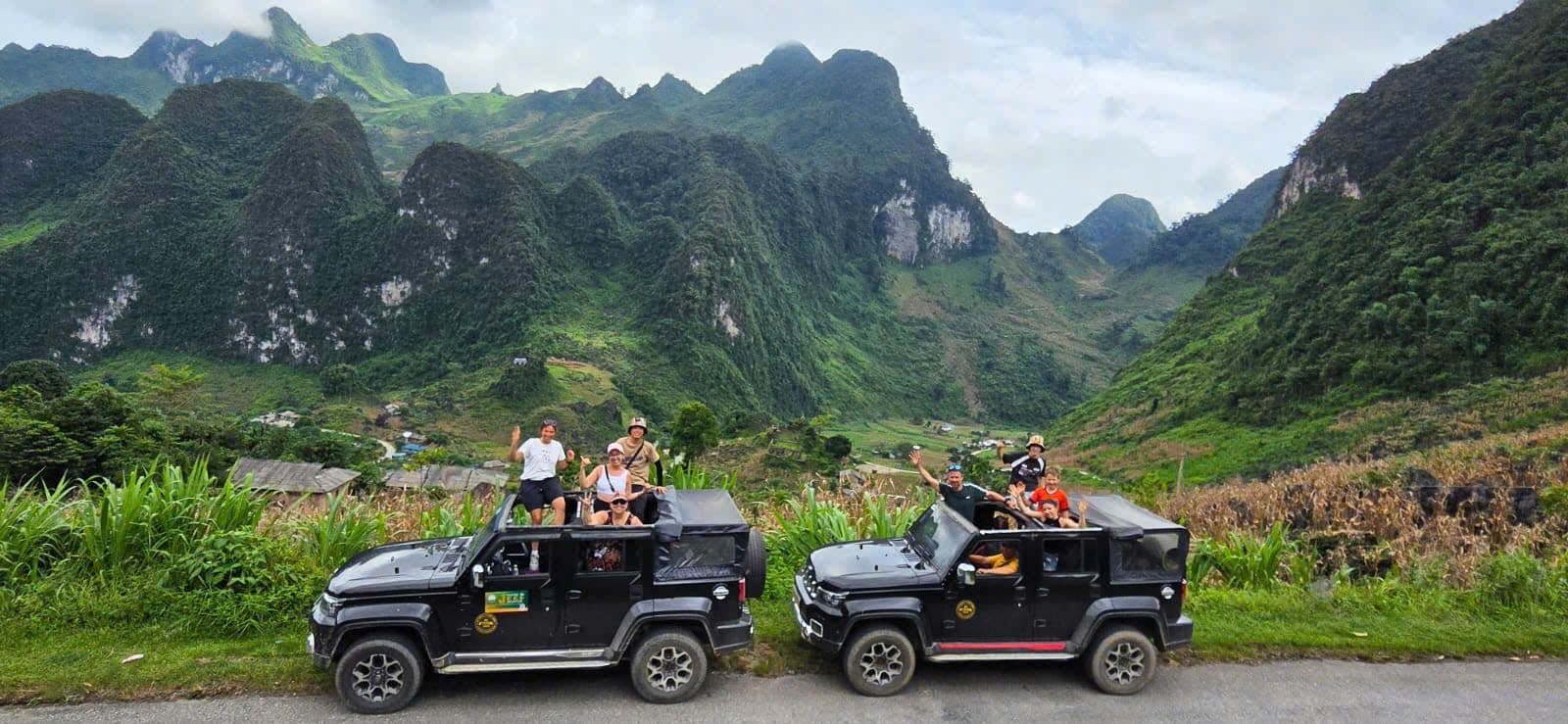
 David and wife (Australia)
 Curious534121
 726hannes
 Planning a Trip to Vietnam from Canada? Start Here.
 Mu Cang Chai Rice Terraces Vietnam: A Complete Travel Guide
 14 Day Tour Ha Giang & Ha Long Bay for a Complete Northern Vietnam Discovery