
- What Is an Exclusive Vietnam Photography Tour Package?
- How Does It Create a Curated Visual Journey Through Vietnam?
- Why Is It More Flexible Than a Standard Tour?
- Why Is Storytelling More Important Than Scenery Alone?
- What Makes Our Vietnam Photography Tour Package Exclusive?
- How Is the Route Personalized?
- Why Does Golden-Hour and Seasonal Planning Matter?
- Why Are Local Guides Important for Culture and Access?
- What Kind of Hidden Locations Can Be Included?
- How Can the Package Support Different Photography Styles?
- Best Photography Destinations Included in the Package
- Hanoi: Street Photography, Coffee Culture, and Old Quarter Life
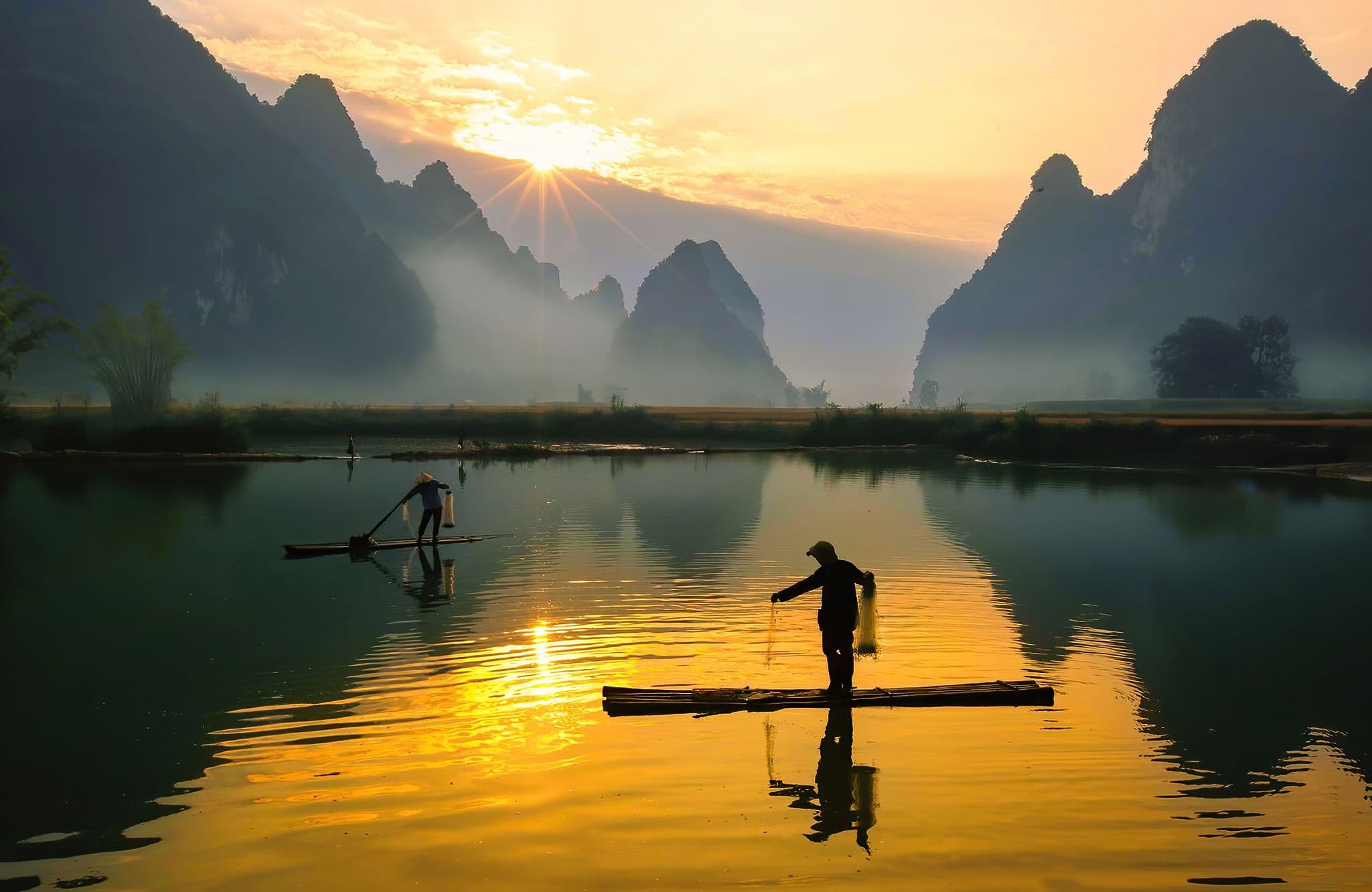
- Ninh Binh: Limestone Landscapes, Boat Routes, and Countryside Life
- Pu Luong, Mai Chau, Sapa, or Ha Giang: Rice Fields and Mountain Culture
- Ha Long Bay or Lan Ha Bay: Limestone Seascapes and Cruise Photography
- Hue: Imperial Architecture, Pagodas, and Quiet Heritage Details
- Hoi An: Lantern Streets, Ancient Town, Markets, and Riverside Scenes
- Da Nang and Central Coast: Beaches, Bridges, Seafood, and Coastal Life
- Ho Chi Minh City: Urban Energy, Street Food, Markets, and Night Scenes
- Mekong Delta: River Life, Boats, Workshops, and Home-Style Scenes
- Signature Photography Experiences Inside the Package
- What Signature Shoots Can Be Planned?
- Why Are Sunrise Landscape Sessions Special?
- Why Are Sunset and Blue-Hour Sessions Important?
- Why Include Local Market Photography?
- Why Add Craft Village and Artisan Photography?
- Why Capture Street Food, Coffee Culture, and Village Life?
- Suggested Vietnam Photography Tour by Travel Stage
- Stage 1: Hanoi Street Life, Coffee Culture, Craft Villages, and Ninh Binh Landscapes
- Stage 2: Mountain Villages, Rice Terraces, and Northern Local Portraits
- Stage 3: Central Vietnam Heritage, Lanterns, Markets, Workshops, and Coastal Life
- Stage 4: Ho Chi Minh City Street Scenes, Mekong Delta River Life, and Departure Storytelling
- How to Customize the Photography Tour by Traveler Type?
- What Works for Beginner Photographers?
- What Works for Experienced Photographers?
- What Works for Couples and Honeymooners?
- What Works for Families?
- What Works for Senior Travelers?
- What Works for Content Creators?
- Photography Ethics and Responsible Travel
- How Should Travelers Photograph People and Communities Respectfully?
- Why Avoid Staged or Intrusive Scenes?
- How Can Photography Support Local Communities?
- What to Pack for a Vietnam Photography Tour
- What Gear and Travel Items Should Photographers Bring?
- How to Choose the Right Vietnam Photography Tour Package
- What Should You Check Before Booking?
- Why Does Local Guide Quality Matter?
- Why Does Flexibility Matter So Much?
- Why Match the Package to Skill Level?
- Cost Factors for Vietnam Photography Tour Packages
- How Do Trip Length and Destination Count Affect Cost?
- How Does Private vs Small Group Format Affect Cost?
- How Do Specialist Guides and Local Access Affect Cost?
- How Do Hotels, Transfers, and Timing Affect Cost?
- Common Mistakes to Avoid When Booking a Vietnam Photography Tour
- Travel Requirements US Travelers Should Prepare
- What Passport and Vietnam Visa Details Matter?
- Why Are Travel Insurance and Gear Protection Important?
- What Money, Connectivity, and Documents Should Travelers Prepare?
- Why Plan a Vietnam Photography Tour Package with FtripAsia?
- FAQs
- What is included in a Vietnam photography tour package?
- Where are the best places for photography in Vietnam?
- Are Vietnam photography tours suitable for beginners?
- Can Vietnam photography tours be customized?
- Conclusion
An exclusive Vietnam photography tour package helps travelers capture not only landscapes, but also local stories, cultural details, daily life, and emotional travel moments. A good image is not only about a beautiful view. It can also show movement, texture, light, connection, craftsmanship, family life, food culture, and the quiet moments that make travel meaningful.
Photography tours are ideal for photographers, content creators, couples, creative travelers, culture lovers, small groups, and travelers who want a slower, more intentional itinerary. Instead of rushing from one landmark to another, a photography-focused journey gives travelers time to observe, wait, frame, and connect with each place.
The right photography package should include golden-hour planning, flexible timing, local guides, ethical photography guidance, private transfers, suitable hotels, and location access based on season and light. These details help travelers capture Vietnam with more depth and respect.
FtripAsia helps travelers design exclusive Vietnam photography tour packages with trusted local guides, private transfers, scenic routes, cultural access, special meals, hidden locations, and flexible pacing.
What Is an Exclusive Vietnam Photography Tour Package?
How Does It Create a Curated Visual Journey Through Vietnam?
An exclusive Vietnam photography tour package is designed around light, timing, scenery, culture, people, and storytelling. Instead of following a standard sightseeing route, travelers visit places when the atmosphere is best for photography.
The itinerary may include sunrise landscapes, sunset viewpoints, early morning markets, craft villages, street scenes, rice fields, fishing communities, old towns, coffee culture, and local portraits. Each stop is selected not only for beauty, but also for visual meaning.
The package can be customized for DSLR users, mirrorless photographers, smartphone photographers, drone users, content creators, couples, or creative travelers. The goal is to help travelers capture Vietnam with depth, patience, and cultural respect.
Why Is It More Flexible Than a Standard Tour?
Standard tours often visit attractions at fixed times. Photography tours need more flexibility for light, weather, crowds, local activity, and creative opportunities.
Early starts, slower walking, longer stops, and location scouting can be part of the experience. A private format allows travelers to wait for the right scene instead of rushing to the next attraction.
This flexibility is what makes a photography package feel exclusive. It gives travelers the freedom to follow the light, adjust to real conditions, and create stronger visual stories.
Why Is Storytelling More Important Than Scenery Alone?
Strong travel photography is about people, culture, movement, details, and emotion, not only famous views. Vietnam offers visual stories through markets, food stalls, temples, workshops, rivers, rice fields, old houses, boats, cafés, and village life.
Local guides can explain the stories behind each scene. This helps photographers understand what they are capturing and approach people or places with more sensitivity.
Photographers can capture both wide landscapes and intimate cultural details. A good package helps travelers return home with a meaningful visual story of Vietnam.
What Makes Our Vietnam Photography Tour Package Exclusive?
How Is the Route Personalized?
The route is customized around travel dates, photography style, preferred pace, comfort level, hotel style, and must-capture locations. Travelers can focus on landscapes, portraits, street photography, food photography, heritage architecture, village life, craft traditions, or romantic travel content.
The package can be designed for beginners, hobby photographers, experienced photographers, couples, content creators, or small creative groups. Private planning makes it easier to adjust the route based on weather, light, and energy level.
This helps the journey feel personal rather than generic.
Why Does Golden-Hour and Seasonal Planning Matter?
Photography itineraries should consider sunrise, sunset, morning market activity, evening lantern light, rice season, harvest periods, misty mountain conditions, and river-life timing.
The schedule can include early morning shoots, relaxed midday breaks, and late afternoon photo sessions. Seasonal planning helps travelers choose the right destinations for rice fields, beaches, mountains, lanterns, festivals, or river scenes.
Weather alternatives should be prepared in advance. Golden-hour planning improves both image quality and travel experience.
Why Are Local Guides Important for Culture and Access?
Local guides help travelers understand etiquette, local customs, market behavior, religious sites, village interaction, and photo permission. They can introduce travelers to artisans, hosts, boat operators, food vendors, and community contacts when appropriate.
Guides help make the experience more respectful and comfortable. They also help photographers avoid scenes that feel intrusive or staged.
Cultural guidance is essential for meaningful travel photography.
What Kind of Hidden Locations Can Be Included?
Exclusive photography packages can include lesser-known alleys, craft villages, quiet viewpoints, countryside roads, local markets, fishing communities, riverside neighborhoods, and village paths. These places can offer stronger storytelling than crowded tourist sites.
Hidden locations should be chosen responsibly and with local sensitivity. Some locations may require private transfers or local arrangements.
The goal is to create original images without forcing artificial scenes.
How Can the Package Support Different Photography Styles?
A strong photography package should match the traveler’s creative goals, not only list famous destinations.
Different styles may focus on:
- Landscape photography with mountains, rice fields, bays, waterfalls, beaches, and rural roads
- Street photography in Hanoi, Ho Chi Minh City, markets, food alleys, cafés, and local neighborhoods
- Portrait photography in craft villages, ethnic communities, local homes, and daily-life settings with permission
- Couples and lifestyle content in Hoi An, Ninh Binh, Lan Ha Bay, Da Nang, Phu Quoc, and hidden cafés
- Food and café photography through street food scenes, coffee culture, markets, and local kitchens
- Heritage photography through temples, pagodas, old houses, royal tombs, and colonial buildings
The package should support the creative direction while keeping the itinerary realistic and respectful.
Best Photography Destinations Included in the Package
Hanoi: Street Photography, Coffee Culture, and Old Quarter Life
Hanoi is ideal for street photography, coffee culture, food photography, and cultural storytelling. Travelers can capture Old Quarter alleys, street vendors, food stalls, motorbike movement, hidden cafés, markets, temples, colonial architecture, and Hoan Kiem Lake.
Early morning photography can bring softer light and daily-life scenes, while evening routes can capture street food and café culture. Coffee culture moments may include egg coffee, phin coffee, hidden cafés, and old balcony views.
A local guide helps photographers move through busy areas respectfully and safely.
Ninh Binh: Limestone Landscapes, Boat Routes, and Countryside Life
Ninh Binh offers limestone karsts, river routes, rice fields, temples, pagodas, village roads, and scenic viewpoints. Trang An or Tam Coc boat rides can create strong water-level compositions.
Early morning or late afternoon timing gives softer light and fewer crowds. The region works well for landscapes, couples, drone-style inspiration where permitted, and countryside storytelling.
Ninh Binh can be planned as a day trip or overnight extension from Hanoi.
Pu Luong, Mai Chau, Sapa, or Ha Giang: Rice Fields and Mountain Culture
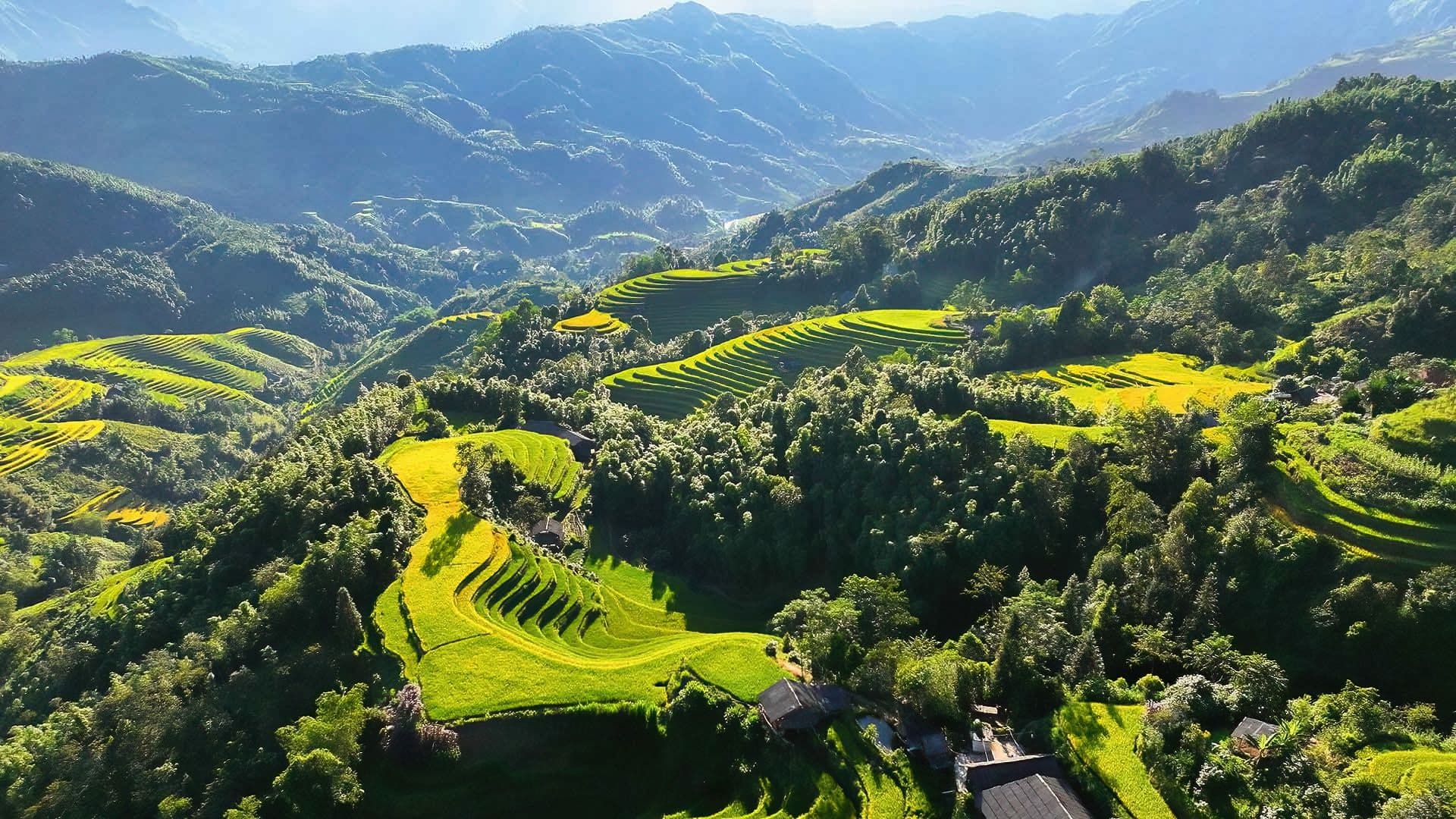
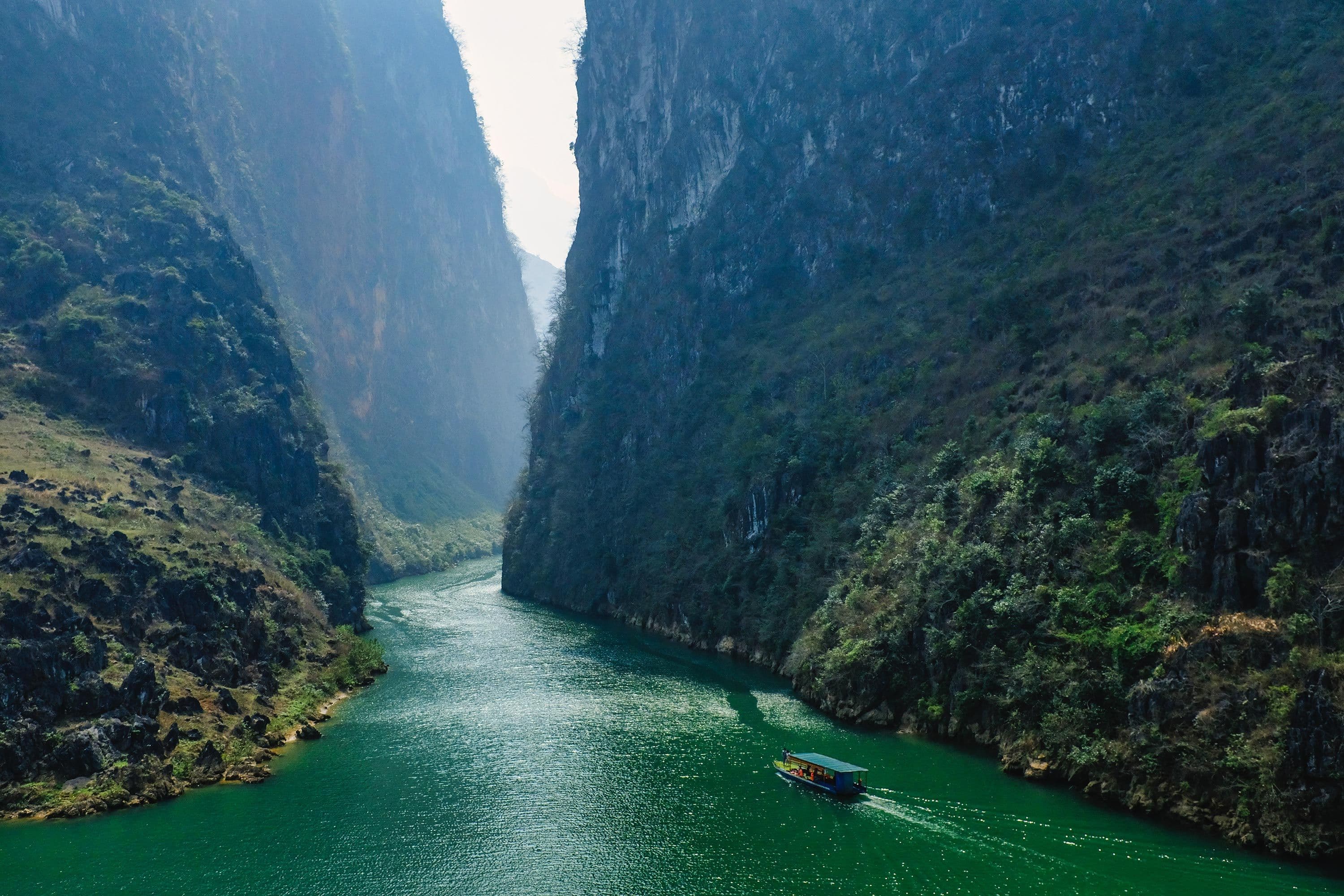
Northern mountain and countryside regions are strong for rice fields, terraces, stilt houses, mountain roads, village paths, textiles, markets, mist, and local life.
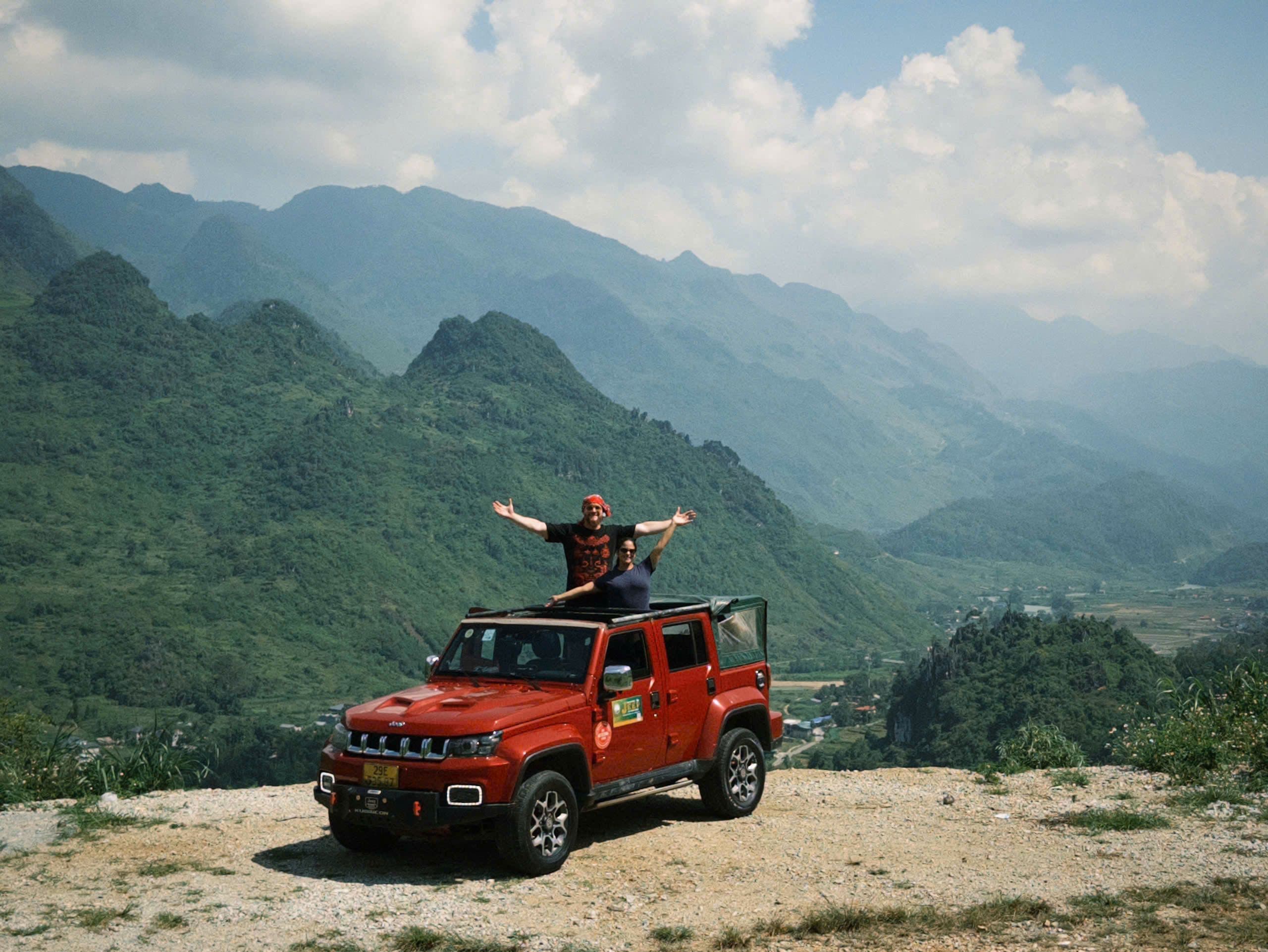
Pu Luong and Mai Chau work well for softer countryside photography, while Sapa and Ha Giang offer stronger mountain drama but require more careful planning. The right choice depends on travel time, comfort level, road conditions, and season.
Local guidance is important for respectful interaction with ethnic communities.
Ha Long Bay or Lan Ha Bay: Limestone Seascapes and Cruise Photography
Ha Long Bay and Lan Ha Bay are strong for limestone islands, calm water, boats, sunrise, sunset, caves, floating scenes, and cruise life. Cruise routes should be chosen based on scenery, comfort, cabin style, and crowd level.
Lan Ha Bay may suit travelers who want a quieter atmosphere. A 2D1N or 3D2N cruise allows better sunrise and sunset opportunities than a day cruise.
Weather flexibility is important for bay photography.
Hue: Imperial Architecture, Pagodas, and Quiet Heritage Details
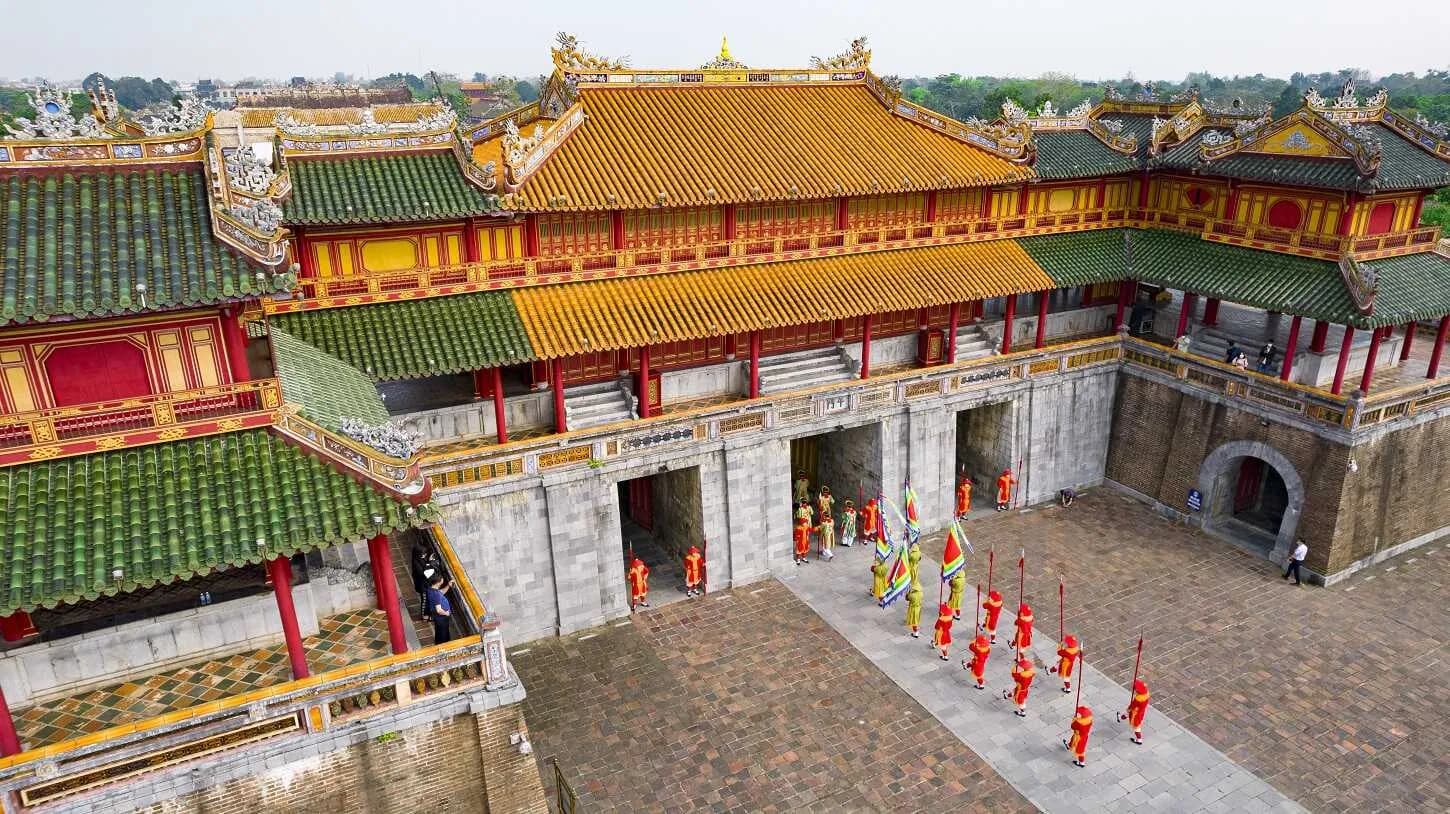
Hue is strong for imperial gates, royal tombs, garden houses, pagodas, traditional boats, local markets, and heritage streets. It offers symmetry, details, textures, muted colors, and historical storytelling.
Local cuisine and market photography can be added for a richer visual narrative. Hue is especially suitable for architecture, culture, food, and slow photography.
A guide helps explain symbolism and respectful behavior in heritage spaces.
Hoi An: Lantern Streets, Ancient Town, Markets, and Riverside Scenes
Hoi An is one of Vietnam’s most photogenic destinations, with lantern-lit streets, old houses, yellow walls, riverside boats, cafés, markets, tailoring shops, and craft workshops.
Early morning offers quieter streets, while evening offers lantern atmosphere. Hoi An is ideal for couples, portrait-style travel photos, food photography, and cultural details.
Lantern making, cooking classes, countryside cycling, or basket boat photography can be added. Free time is important because Hoi An rewards slower observation.
Da Nang and Central Coast: Beaches, Bridges, Seafood, and Coastal Life
Da Nang and the Central Coast offer beaches, coastal roads, fishing communities, seafood markets, modern city scenes, and nearby heritage access. Da Nang also works well as a comfortable base between Hue and Hoi An.
Early morning fishing village scenes can be added when arranged respectfully. The region is suitable for beach, lifestyle, food, and coastal photography.
Weather and tide timing should be considered.
Ho Chi Minh City: Urban Energy, Street Food, Markets, and Night Scenes
Ho Chi Minh City is strong for markets, motorbike movement, street food, cafés, old apartment blocks, colonial buildings, local neighborhoods, and neon-lit streets.
Evening photography works well for food stalls, street lights, and city motion. Local neighborhood routes beyond the most obvious tourist areas can add more originality.
This destination is suitable for street photography, food photography, night scenes, and modern Vietnam storytelling.
Mekong Delta: River Life, Boats, Workshops, and Home-Style Scenes
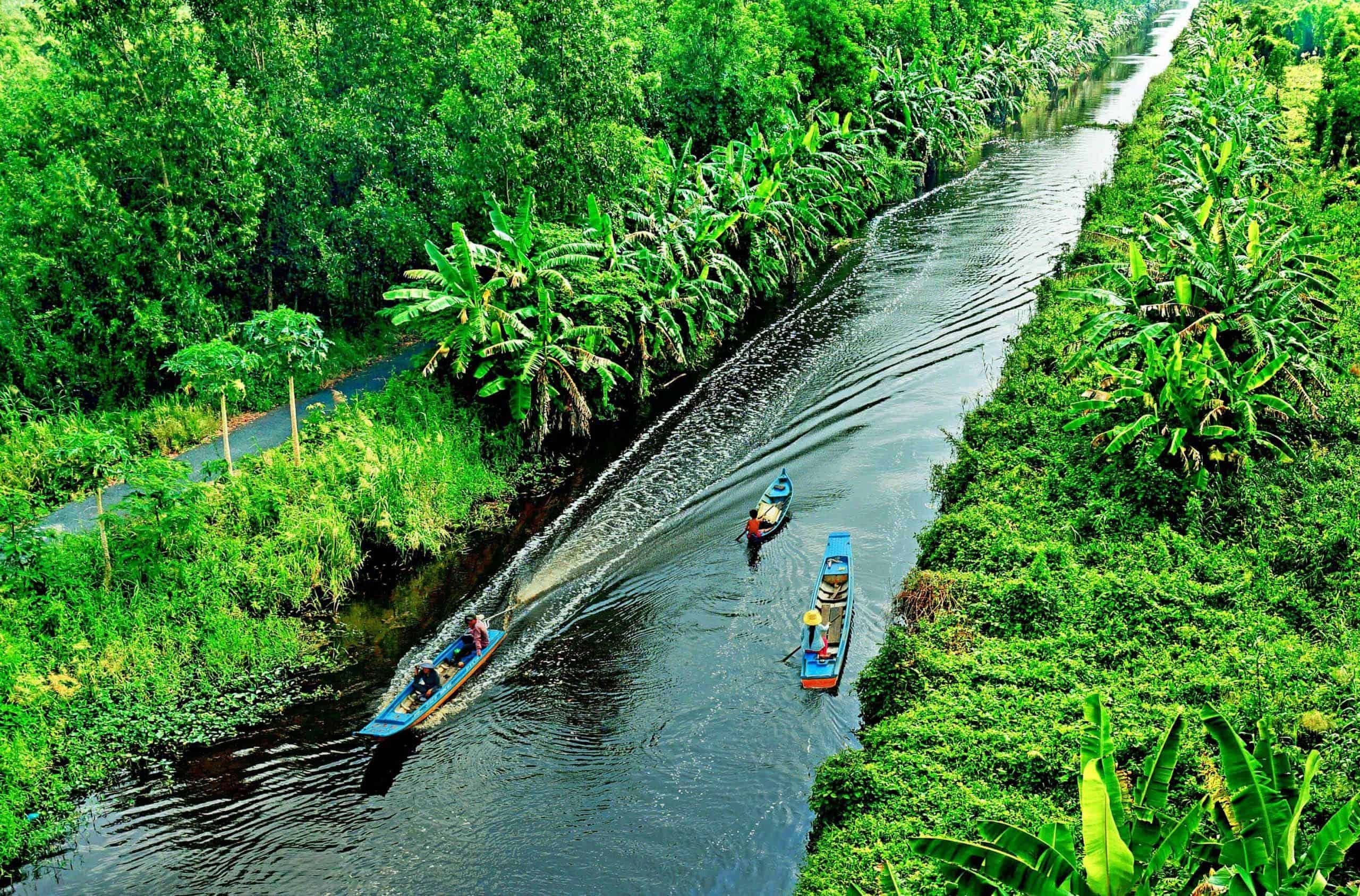
The Mekong Delta offers canals, boats, fruit gardens, riverside homes, local workshops, tropical markets, family meals, and river communities. Travelers can add coconut candy making, rice paper making, rowing boats, floating-style scenes, and garden visits.
Early morning and late afternoon light can add warmth and atmosphere. Private routes help avoid overly commercial stops.
The Mekong Delta is ideal for documentary-style travel photography and local-life storytelling.
Signature Photography Experiences Inside the Package
What Signature Shoots Can Be Planned?
An exclusive Vietnam photography package can include several visual themes across the trip, depending on the traveler’s goals, season, and comfort level.
Signature photography experiences may include:
- Sunrise landscape sessions in Ninh Binh, Lan Ha Bay, Pu Luong, Mai Chau, Sapa, Ha Giang, or the Mekong Delta
- Sunset and blue-hour sessions in Hoi An, Lan Ha Bay, Da Nang, Ninh Binh, West Lake, Ho Chi Minh City, or river areas
- Local market photography in Hanoi, Hue, Hoi An, Ho Chi Minh City, the Mekong Delta, or mountain regions
- Craft village and artisan photography with pottery, silk, incense, weaving, lantern making, lacquerware, tailoring, or traditional painting
- Street food and coffee culture photography in Hanoi, Ho Chi Minh City, Hue, and Hoi An
- Village life and local portraits with respectful permission and guide support
- Heritage architecture and detail photography at temples, pagodas, ancient houses, royal tombs, colonial buildings, and old streets
These sessions help travelers capture Vietnam through both scenery and story.
Why Are Sunrise Landscape Sessions Special?
Sunrise sessions work well in Ninh Binh, Ha Long Bay, Lan Ha Bay, Pu Luong, Mai Chau, Sapa, Ha Giang, and the Mekong Delta. Early timing can bring mist, soft light, water reflections, rice fields, mountains, boats, and quiet village movement.
Early morning often creates stronger atmosphere and fewer crowds. Travelers should prepare comfortable clothing, quick breakfast options, and flexible patience.
Sunrise sessions are especially strong for landscape and storytelling photography.
Why Are Sunset and Blue-Hour Sessions Important?
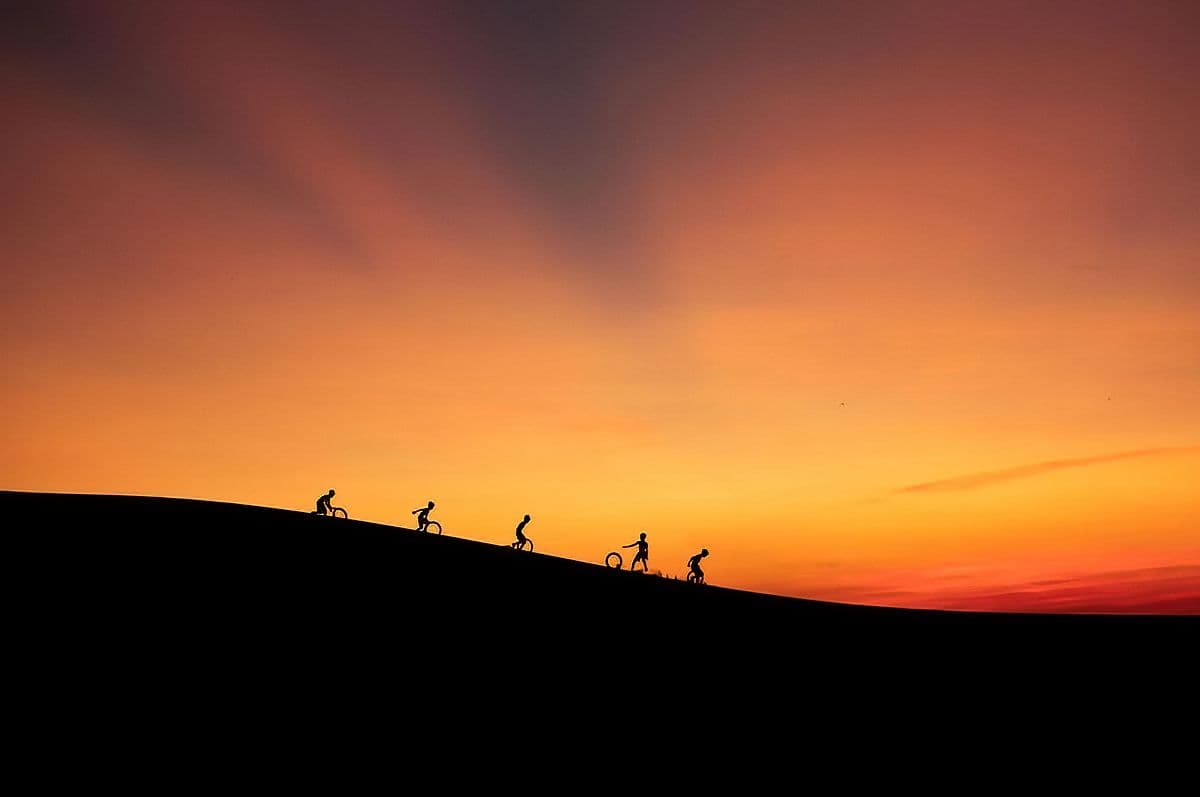
Sunset sessions can be planned in Hoi An, Lan Ha Bay, Da Nang, Ninh Binh, West Lake, Ho Chi Minh City, or river areas. Travelers can capture warm light, lanterns, silhouettes, reflections, city motion, and evening food scenes.
Blue hour can be ideal for lantern streets and urban photography. Private tours allow travelers to stay longer when conditions are good.
This creates a stronger visual ending to each travel day.
Why Include Local Market Photography?
Markets are excellent places to capture produce, seafood, herbs, vendors, baskets, textiles, food preparation, and daily buying habits. Morning markets often offer more activity and better storytelling.
Local guides help explain market etiquette and when to ask permission. This makes the experience more respectful and comfortable.
Market photography adds color, human stories, and real daily life to the visual journey.
Why Add Craft Village and Artisan Photography?
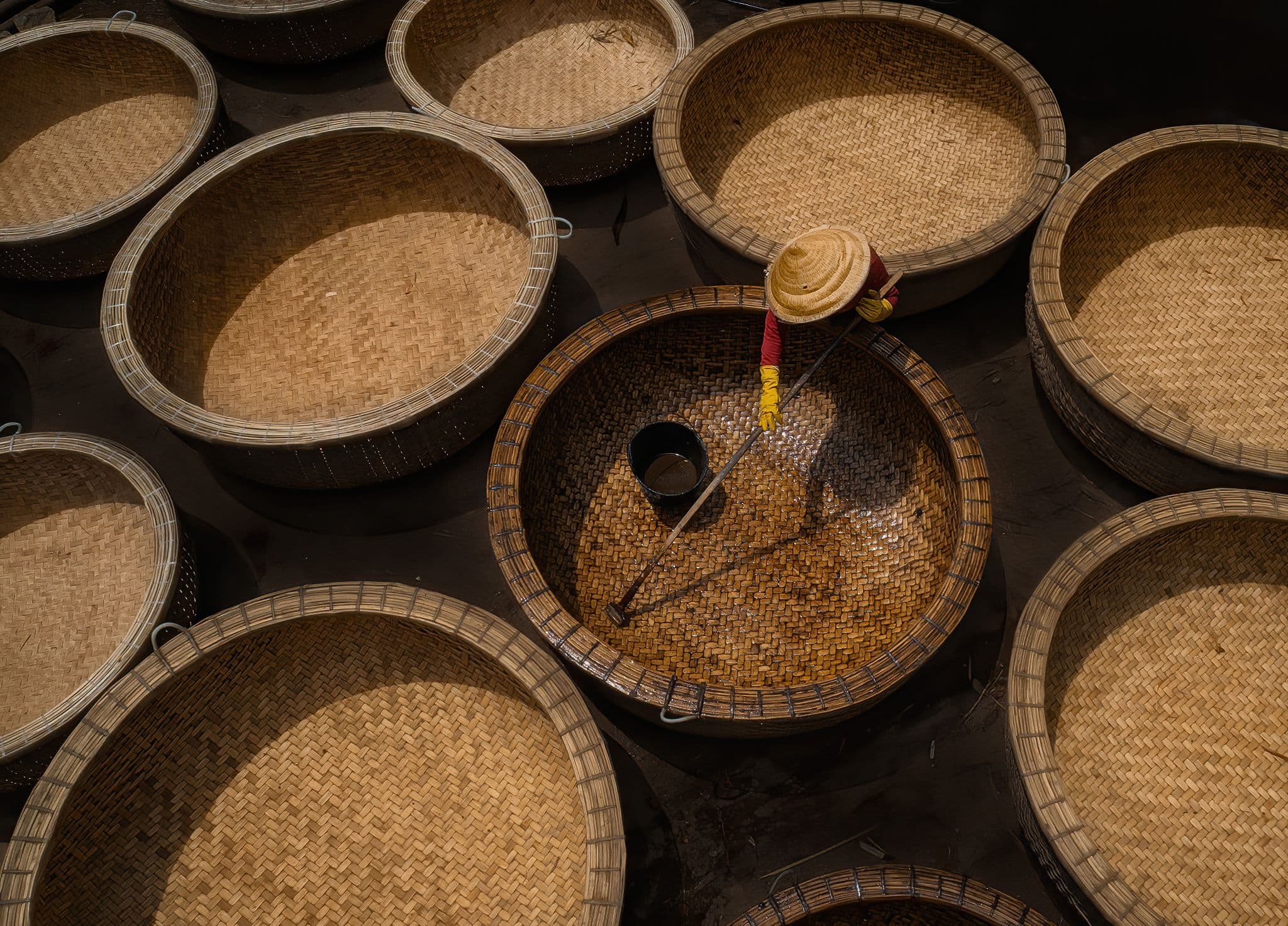
Craft photography can include pottery, silk, incense, weaving, lantern making, lacquerware, tailoring, bamboo work, or traditional painting. Travelers can capture hands, tools, textures, materials, and family-workshop environments.
Artisans should be photographed respectfully and with permission. Workshops can also be paired with hands-on activities.
Craft photography connects creativity with cultural heritage.
Why Capture Street Food, Coffee Culture, and Village Life?
Street food and coffee culture photography can include bowls of pho, bun cha grills, street-side stools, banh mi carts, desserts, Vietnamese coffee, hidden cafés, and night food stalls. Hanoi and Ho Chi Minh City are especially strong for street-food scenes, while Hue and Hoi An add regional food and heritage backdrops.
Village life and local portraits can include village lanes, local homes, rice fields, river communities, gardens, fishing scenes, and everyday work. Portraits should always be approached with respect and permission.
Natural, unforced moments are better than staged portraits.
Suggested Vietnam Photography Tour by Travel Stage
Stage 1: Hanoi Street Life, Coffee Culture, Craft Villages, and Ninh Binh Landscapes
A Vietnam photography tour can begin in Hanoi with Old Quarter street scenes, local markets, hidden cafés, street food, temple corners, and early morning lake activity. Coffee culture photography can include egg coffee, phin coffee, balcony cafés, and local café interiors.
A nearby craft village can add pottery, incense, silk, lacquerware, or traditional painting photography. This gives travelers hands, textures, materials, and artisan stories close to the city.
The route can continue to Ninh Binh for boat routes, limestone landscapes, rice fields, temples, pagodas, and countryside scenes. Sunrise or late afternoon sessions should be planned when possible.
This stage introduces northern Vietnam through street life, culture, craft, and natural scenery.
Stage 2: Mountain Villages, Rice Terraces, and Northern Local Portraits
The second stage can add Pu Luong, Mai Chau, Sapa, Ha Giang, or another northern mountain region based on season, comfort, and travel time.
Travelers can photograph rice terraces, valley roads, village paths, ethnic textiles, markets, local homes, misty views, and farming life. Respectful local portrait opportunities can be arranged with guide support and permission.
Early morning and late afternoon sessions often create stronger atmosphere. Mountain routes may involve longer drives and uneven paths, so the itinerary should balance active shooting with rest.
This stage is ideal for landscape photographers, cultural storytellers, and creative travelers.
Stage 3: Central Vietnam Heritage, Lanterns, Markets, Workshops, and Coastal Life
Central Vietnam can include Hue, Da Nang, and Hoi An for imperial architecture, ancient town streets, lanterns, food markets, craft workshops, and beach scenes.
Travelers can photograph Hue Imperial City, royal tombs, pagodas, garden houses, and quiet heritage details. Hoi An adds yellow walls, old houses, lantern-lit evenings, riverside boats, cooking classes, lantern making, and market scenes.
Da Nang or nearby fishing village photography can bring coastal life and seafood culture into the route. Sunset, blue-hour, and early morning photo sessions are especially useful in this region.
This stage combines heritage, color, craft, cuisine, and coastal atmosphere.
Stage 4: Ho Chi Minh City Street Scenes, Mekong Delta River Life, and Departure Storytelling
The final stage can begin in Ho Chi Minh City with markets, street food, cafés, old apartment blocks, local neighborhoods, historic buildings, and night photography. Evening food photography or motion-focused street scenes can be added if suitable.
The journey can continue to the Mekong Delta for canals, boats, fruit gardens, local workshops, home-style meals, and river communities. Travelers can choose a day trip or overnight stay depending on photography goals and comfort level.
The final day should stay light with a café route, local market, short street walk, or relaxed transfer before departure. This stage completes the visual story with southern energy, river culture, and warm local-life imagery.
How to Customize the Photography Tour by Traveler Type?
What Works for Beginner Photographers?
Beginner photographers should choose easy-access locations with strong visual rewards, such as Hanoi, Ninh Binh, Hoi An, Lan Ha Bay, and Ho Chi Minh City.
Basic composition tips, light guidance, and gentle pacing can make the trip more enjoyable. Overly demanding mountain routes should be avoided unless the traveler specifically wants them.
Smartphone photographers can also enjoy this route because storytelling, timing, and local access matter as much as equipment.
What Works for Experienced Photographers?
Experienced photographers may prefer specialized locations, early starts, longer waits, low-light sessions, markets, remote villages, and documentary-style opportunities.
Pu Luong, Ha Giang, the Mekong Delta, fishing villages, craft villages, and night street photography can add more depth. The itinerary should allow flexible timing and fewer fixed sightseeing stops.
Private guiding is useful for full creative control.
What Works for Couples and Honeymooners?
Couples and honeymooners can include Hoi An lantern streets, Ninh Binh landscapes, Lan Ha Bay, Da Nang beaches, hidden cafés, boutique hotels, and romantic sunset sessions.
Light portrait-style photography in scenic locations can be added. The tour should stay relaxed and not overly technical.
Private dinners, spa, beach time, or cooking classes can make the journey more personal.
What Works for Families?
Families should choose accessible photo locations with interactive activities. Markets, cooking classes, lantern making, basket boat rides, craft workshops, and countryside walks can create natural family moments.
Early starts should be limited unless the family enjoys them. Rest breaks, private transfers, and child-friendly guides make the itinerary smoother.
Family photography should feel natural and fun.
What Works for Senior Travelers?
Senior travelers should choose gentle routes with short walking distances, comfortable vehicles, proper seating, and fewer stairs. Hanoi, Ninh Binh, Hue, Hoi An, Da Nang, and the Mekong Delta can work well at a slower pace.
Difficult trekking, long remote drives, and late-night sessions should be avoided if not suitable. Heritage details, food, markets, cafés, boat rides, and soft landscapes can create a rewarding visual journey.
Private planning helps balance photography with comfort.
What Works for Content Creators?
Content creators may want visually strong locations for reels, short videos, lifestyle photography, drone-style inspiration where permitted, café content, food content, and scenic backdrops.
Hoi An, Ninh Binh, Lan Ha Bay, Hanoi cafés, Da Nang beaches, and Ho Chi Minh City street scenes are strong options. Outfit changes, slower timing, and flexible stops should be built into the route.
Respectful filming in local communities should always be part of the plan.
Photography Ethics and Responsible Travel
How Should Travelers Photograph People and Communities Respectfully?
Ethical photography is essential in villages, markets, workshops, religious spaces, and local neighborhoods. Travelers should avoid treating communities as photo props.
Responsible photography habits include:
- Ask permission before close-up portraits
- Respect anyone who declines a photo
- Avoid photographing children without permission from parents or guardians
- Dress modestly at temples, pagodas, shrines, and spiritual sites
- Follow rules about photography inside sacred spaces
- Avoid flash where it is not appropriate
- Do not interrupt ceremonies, worship, or private family moments
- Avoid blocking vendors or disrupting work
- Buy crafts directly from artisans when appropriate
Ethical photography creates better relationships, better stories, and a more meaningful travel experience.
Why Avoid Staged or Intrusive Scenes?
Strong travel photography does not require forcing people to pose. Natural moments often feel more meaningful than staged scenes.
Photographers should avoid blocking vendors, disrupting work, or entering private spaces without invitation. Responsible routes should support local hosts, artisans, drivers, guides, and community contacts.
Authentic images should come from trust and patience.
How Can Photography Support Local Communities?
Photography tours can support local communities when they work with local guides, hosts, artisans, boat operators, drivers, and family-run businesses.
Paying fairly for workshops, meals, and local experiences helps make tourism more positive. Buying crafts directly from artisans can also support traditional skills.
Responsible tourism makes the photography experience more valuable for everyone.
What to Pack for a Vietnam Photography Tour
What Gear and Travel Items Should Photographers Bring?
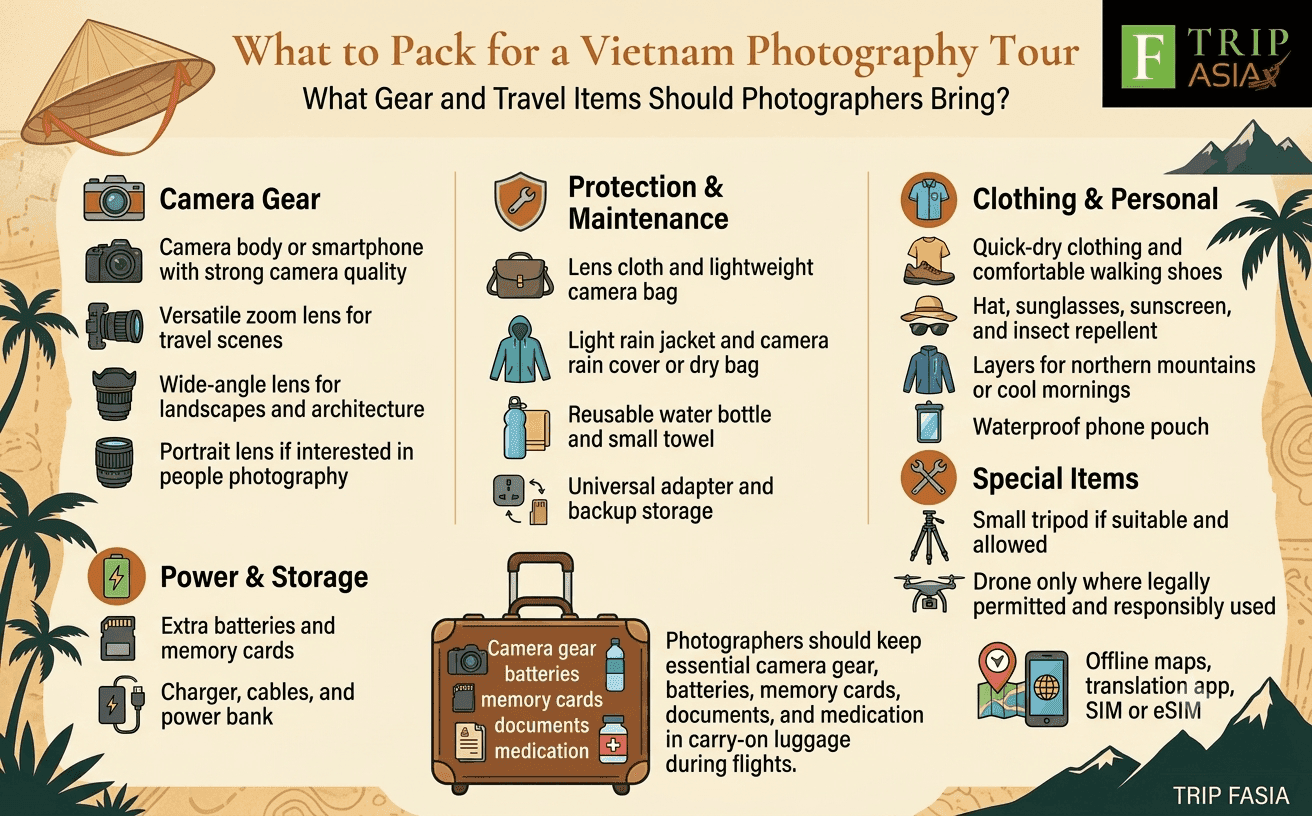
A photography-focused trip requires useful gear, weather protection, backup storage, and comfort items. Travelers should avoid overpacking, but they should prepare for changing light, weather, and travel conditions.
Useful items may include:
- Camera body or smartphone with strong camera quality
- Versatile zoom lens for travel scenes
- Wide-angle lens for landscapes and architecture
- Portrait lens if interested in people photography
- Extra batteries and memory cards
- Charger, cables, and power bank
- Lens cloth and lightweight camera bag
- Light rain jacket and camera rain cover or dry bag
- Quick-dry clothing and comfortable walking shoes
- Hat, sunglasses, sunscreen, and insect repellent
- Reusable water bottle and small towel
- Layers for northern mountains or cool mornings
- Universal adapter and backup storage
- Offline maps, translation app, SIM or eSIM
- Waterproof phone pouch
- Small tripod if suitable and allowed
- Drone only where legally permitted and responsibly used
Photographers should keep essential camera gear, batteries, memory cards, documents, and medication in carry-on luggage during flights.
How to Choose the Right Vietnam Photography Tour Package
What Should You Check Before Booking?
The right photography tour should match the traveler’s skill level, creative goals, physical comfort, preferred pace, and season. It should also include enough flexibility for light, weather, crowds, and local activity.
Before booking, travelers should check:
- Whether the route includes both famous locations and local-life scenes
- Whether sunrise, sunset, markets, workshops, and flexible photo time are planned
- Whether the itinerary avoids too many destinations in too few days
- Whether guides understand local culture, photo etiquette, and route timing
- Whether specialist photography support is available if needed
- Whether private timing adjustments are possible
- What happens if weather affects a sunrise, cruise, market, or village visit
- Whether the package matches beginner, experienced, smartphone, drone, or content-creator needs
- Whether walking distance, early starts, and outdoor conditions match comfort level
Good photography needs space and patience, not only a list of destinations.
Why Does Local Guide Quality Matter?
Local guide quality can strongly affect the depth of the images. Guides who understand culture, photo etiquette, timing, and route flow help travelers move more respectfully and confidently.
Specialist photography guidance may be useful for technical support, but cultural guides are just as valuable for storytelling and local access.
The best packages combine visual planning with local knowledge.
Why Does Flexibility Matter So Much?
Weather, light, crowds, and local activity can change. A strong photography tour should allow some adjustments.
Private tours offer the most flexibility. Travelers should ask what happens if a planned sunrise, cruise, market, or village visit is affected by weather.
Flexible planning protects the quality of the experience and reduces stress.
Why Match the Package to Skill Level?
Beginners may need easier pacing and basic photography support. Experienced photographers may want more specialized locations and longer shooting windows.
Smartphone photographers may focus on storytelling, composition, and short-form content. Drone users need route and regulation awareness.
The package should match creative goals, not just destination names.
Cost Factors for Vietnam Photography Tour Packages
How Do Trip Length and Destination Count Affect Cost?
Short photography tours cost less than multi-day or multi-region packages. Remote mountain areas, hidden villages, and bay cruises can increase cost.
Longer trips allow better light planning and deeper storytelling. A 10-14 day photography tour offers more variety than a short city route.
Travelers should compare creative value, not only price.
How Does Private vs Small Group Format Affect Cost?
Private photography tours cost more but offer better timing, flexibility, and creative control. Small group tours can be more affordable and social.
Large groups may limit location access and slow down shooting. Serious photographers, couples, and content creators often benefit from private planning.
The right format depends on style, budget, and comfort.
How Do Specialist Guides and Local Access Affect Cost?
Specialist photography leaders or local fixers may increase cost. Local guides, drivers, artisans, hosts, boat operators, and community contacts add value.
Some locations require advance coordination. Ethical access should be arranged carefully.
Paying for quality support can improve both images and experience.
How Do Hotels, Transfers, and Timing Affect Cost?
Central hotels can save time for sunrise or street photography. Private transfers are useful for early starts and remote routes.
Cruise cabin quality affects bay photography comfort. Domestic flights can save time on multi-region routes.
Good logistics help photographers reach locations at the right time.
Common Mistakes to Avoid When Booking a Vietnam Photography Tour
A Vietnam photography tour should be designed around light, timing, storytelling, ethics, comfort, and flexibility. Travelers should avoid choosing a package that only follows standard sightseeing hours.
Common mistakes include:
- Not checking sunrise and sunset planning
- Booking too many destinations in too few days
- Ignoring weather and season
- Not asking about local guide support
- Photographing people without permission
- Choosing large groups when flexibility matters
- Bringing too much heavy gear
- Forgetting rain protection and backup batteries
- Not checking drone rules before travel
- Skipping rest time between early starts
- Treating villages and markets as photo props instead of living communities
A good photography tour should help travelers create strong images while respecting the places and people they photograph.
Travel Requirements US Travelers Should Prepare
What Passport and Vietnam Visa Details Matter?
US travelers need a valid passport and Vietnam visa or e-visa. The U.S. Department of State states that travelers need a visa for Vietnam, and passports should have six months’ validity beyond arrival with one blank page per stamp.
Vietnam e-visas can be valid for up to 90 days, with single-entry and multiple-entry options. Vietnam’s official e-visa system lists the fee as US$25 for single entry and US$50 for multiple entry.
Visa details should match passport information exactly. Travelers should apply early and print approved visa documents before departure.
Why Are Travel Insurance and Gear Protection Important?
Travel insurance is strongly recommended for Vietnam photography tours. Coverage should include medical care, cancellation, delays, lost luggage, domestic flights, cruises, countryside routes, mountain roads, and planned activities.
Photographers should consider coverage for camera equipment if available. Cameras, lenses, memory cards, and key gear should stay in carry-on luggage.
Travelers should also prepare backup storage for images during the trip.
What Money, Connectivity, and Documents Should Travelers Prepare?
Travelers should bring credit cards and some Vietnamese Dong for small purchases. A SIM, eSIM, or roaming plan is useful for maps, messaging, and local support.
Hotel addresses, guide contacts, itinerary details, and emergency numbers should be saved offline. Travelers should keep printed and digital copies of passport, visa, insurance, and flights.
Medication, documents, batteries, and essential gear should stay in hand luggage.
Why Plan a Vietnam Photography Tour Package with FtripAsia?
FtripAsia helps travelers design exclusive Vietnam photography tour packages based on travel dates, destination route, photography style, hotel preference, comfort level, dietary needs, and preferred pace.
The team is 100% local, with 7+ years of experience creating Vietnam trips for international travelers. This local background helps travelers choose scenic routes, cultural access, hidden locations, suitable timing, and respectful local interactions.
FtripAsia can customize photography tours for beginners, experienced photographers, couples, families, seniors, small groups, luxury travelers, food lovers, photographers, content creators, and creative travelers.
The team has experience serving niche markets, including Muslim and Judaism travelers, making it easier to arrange suitable meals, cultural sensitivity, private support, and smoother logistics.
Travelers can request experiences that are difficult to find in standard packages, such as sunrise landscape sessions, hidden café routes, craft village photography, local portrait opportunities, cooking classes, market walks, private food routes, countryside stays, scenic cruises, fishing village visits, and daily cultural activities.
Many tourists praise FtripAsia for enthusiastic, knowledgeable, and friendly support. This is especially valuable for travelers who want photography experiences arranged with care, respect, flexibility, and local insight.
With FtripAsia, travelers can design a Vietnam photography itinerary that turns every image into a meaningful travel story.
FAQs
What is included in a Vietnam photography tour package?
A Vietnam photography tour package may include customized routing, hotels, private transfers, local guides, sunrise and sunset sessions, market visits, craft villages, heritage walks, countryside photography, bay cruises, food photography, local portrait opportunities, and flexible photo timing. Inclusions depend on trip length, budget, comfort level, and photography style. Some packages can also include workshops, cooking classes, coffee tours, or local cultural experiences.
Where are the best places for photography in Vietnam?
Strong photography destinations include Hanoi, Ninh Binh, Pu Luong, Mai Chau, Sapa, Ha Giang, Ha Long Bay, Lan Ha Bay, Hue, Hoi An, Da Nang, Ho Chi Minh City, and the Mekong Delta. Each destination offers different subjects, such as street life, rice fields, mountain landscapes, heritage architecture, lantern streets, river life, markets, and local portraits. The best route depends on season, travel time, comfort level, and photography style.
Are Vietnam photography tours suitable for beginners?
Yes, Vietnam photography tours can be suitable for beginners. Beginner-friendly routes can include Hanoi, Ninh Binh, Hoi An, Lan Ha Bay, and Ho Chi Minh City. Travelers can focus on composition, storytelling, light, and cultural observation without needing advanced gear. Smartphone photographers can also enjoy a photography-focused itinerary. Private tours make it easier to adjust pace and learning level.
Can Vietnam photography tours be customized?
Yes, Vietnam photography tours can be customized by destination, photography style, route length, hotel level, guide style, physical comfort, season, and preferred pace. Travelers can focus on landscapes, street photography, portraits, food, coffee culture, craft villages, heritage architecture, couples’ photos, or content creation. With FtripAsia, travelers can design a Vietnam photography tour that matches their creative goals and travel style.
Conclusion
An exclusive Vietnam photography tour package helps travelers capture the country through landscapes, people, food, markets, heritage, villages, rivers, cities, and daily life. It gives photographers and creative travelers the time, flexibility, and local support needed to create images with stronger meaning.
Key photography destinations include Hanoi, Ninh Binh, northern mountain regions, Ha Long Bay or Lan Ha Bay, Hue, Hoi An, Da Nang, Ho Chi Minh City, and the Mekong Delta. Signature experiences can include sunrise landscapes, sunset sessions, local markets, craft villages, street food photography, coffee culture, heritage architecture, village portraits, and river-life storytelling.
The right photography tour should consider timing, season, light, guide quality, ethical photography, comfort level, group size, and creative goals. With thoughtful planning, travelers can return home with images that feel both beautiful and emotionally connected to Vietnam.
FtripAsia can help travelers design exclusive Vietnam photography tour packages with trusted local guides, private transfers, scenic routes, hidden locations, cultural access, and flexible pacing.
Travelers can request a customized Vietnam photography itinerary that turns every image into a meaningful travel story.
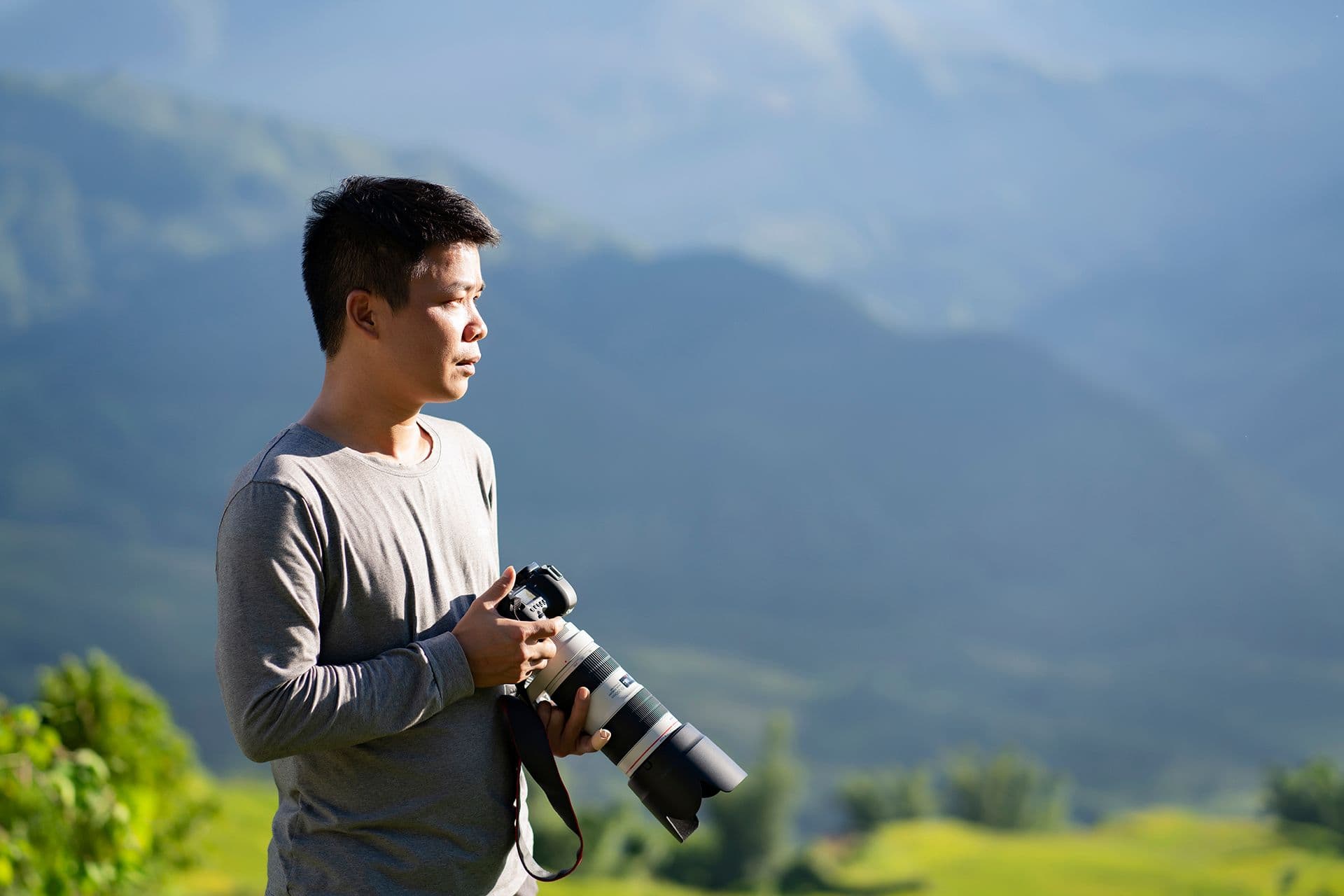
Founder & Photography Guide
Specialties: Culture, landscape, portrait, hiking, active and adventurous tour
Besides my unlimited passion for traveling, a professional tour guide for over a decade, I have been taking photographs since sitting at Hanoi of the University of Culture in the early 2000s. Photography started as a hobby but it was seriously taken due to my work relations and my significant passion for the beauty of our world, especially in Southeast Asian parts such as Vietnam, Laos, Cambodia, and Myanmar.
Within a few years of taking photographs, my works began to be recognized by many reliable international publications such as AFAR Travel, The Times, and The Daily Telegraph newspaper. In addition, I continuously add to my growing profile by winning numerous major awards: 3rd Position of The Independent Photographer 2018, 1st Position of Amateur Photographer of the year 2018, Grand Prize Winner of the AFAR Travel Photography 2019, and a Gold Award of San Francisco Bay International Photography 2020.
I photograph a wide variety of subjects, from travel to landscapes to street scenes. I enjoy documenting the East’s rich cultural heritage and its land soaked in glorious sunrise or sunset light in remote and secluded spots. And, I am very happy to share my knowledge and experience with you. You can visit Luminousvietnamtour to explore tour!
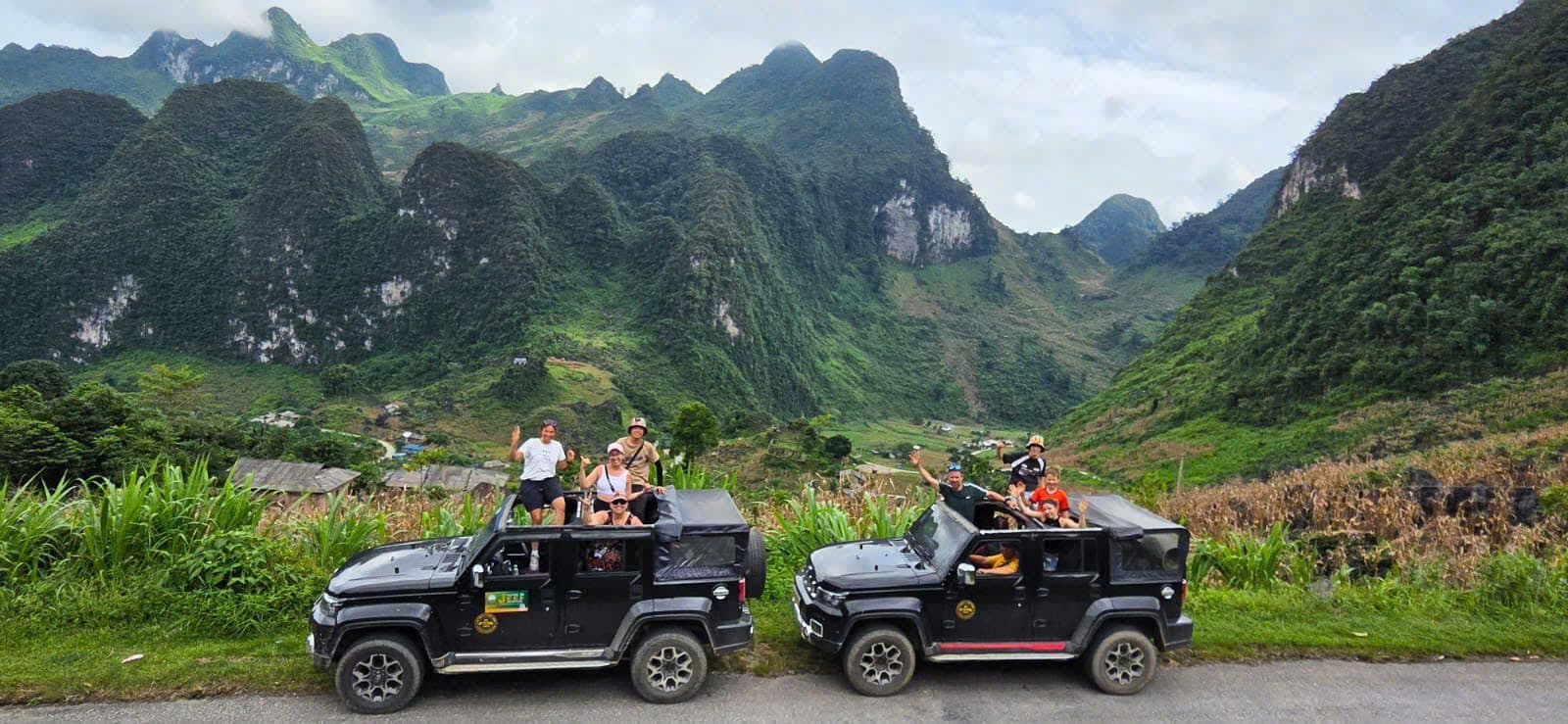
 David and wife (Australia)
 Curious534121
 726hannes
 Planning a Trip to Vietnam from Canada? Start Here.
 Ha Giang Loop Route for Families: A 4-Day Journey from Hanoi
 14 Day Tour Ha Giang & Ha Long Bay for a Complete Northern Vietnam Discovery