
- Why Australian Travelers Are Discovering Vietnam Right Now
- Vietnam is surprisingly accessible from Australia
- The value is hard to beat
- Visa Requirements for Australian Citizens
- How to apply for a Vietnam eVisa from Australia
- Should you choose single or multiple entry?
- Getting There: Flight Routes, Duration, and Cost
- Sydney to Vietnam
- Melbourne to Vietnam
- Perth to Vietnam
- Should you fly into Hanoi or Ho Chi Minh City?
- Best Time to Visit, Based on Where You're Coming From
- Northern Vietnam
- Central Vietnam
- Southern Vietnam
- What Surprises First-Time Visitors from Australia
- The Traffic Has Its Own Logic
- Food Is Everywhere
- Bargaining Is Part of the Culture But Only in Certain Settings
- Humidity Can Feel More Intense Than Australian Heat
- How Much Time You Actually Need
- 5–7 days: Choose one region
- 8–10 days: A good introduction
- 12–14 days: The sweet spot
- 3 weeks or more
- A Realistic First Itinerary Idea
- Days 1–3: Hanoi
- Days 4–5: Ninh Binh
- Days 6–7: Ha Long Bay
- Days 8–10: Hoi An and Central Vietnam
- Days 11–13: Ho Chi Minh City
- Day 14: Mekong Delta or departure
- Final Thoughts: Is Vietnam Worth Visiting from Australia?
Planning a trip to Vietnam from Australia is easier than ever. With direct flights from major Australian cities, a straightforward eVisa process, affordable travel costs, and an enormous variety of landscapes and experiences, Vietnam has become one of Southeast Asia’s most appealing destinations for Australian travellers.
This guide covers everything you need to know before travelling to Vietnam from Australia, from visa requirements and flight times to the best season for different regions, realistic trip lengths, common surprises and a practical first-time itinerary.
Why Australian Travelers Are Discovering Vietnam Right Now
Vietnam is surprisingly accessible from Australia
For travellers from Sydney and Melbourne, direct flights make Vietnam much easier to reach than many people realise.
Vietnam Airlines currently operates non-stop services between Sydney and Ho Chi Minh City, with the flight taking approximately 8 hours 45 minutes, while Sydney–Hanoi takes around 13 hours. From Melbourne, direct flights to Ho Chi Minh City take approximately 8 hours 40 minutes, while Melbourne–Hanoi is around 12 hours.
For Australians travelling from Perth, the journey is even more geographically convenient, with Perth serving as another Australian gateway to Vietnam.
The value is hard to beat
Compared with Australia, Vietnam can offer considerably more for the same travel budget. Accommodation ranges from inexpensive guesthouses to internationally recognised luxury hotels, while dining can mean anything from a few dollars for street food to sophisticated restaurants and contemporary dining experiences.
For a mid-range traveller, a realistic daily budget is often around US$50–100 per person, excluding international flights. This can cover a comfortable hotel, meals, local transportation and selected activities, although major experiences such as luxury cruises or private tours will increase the budget.
Then there is the sheer variety.
In one country, Australian visitors can experience:
- Hanoi's historic Old Quarter and café culture
- The limestone landscapes of Ninh Binh
- An overnight cruise through Ha Long Bay
- The ancient architecture of Hoi An
- The beaches of Da Nang
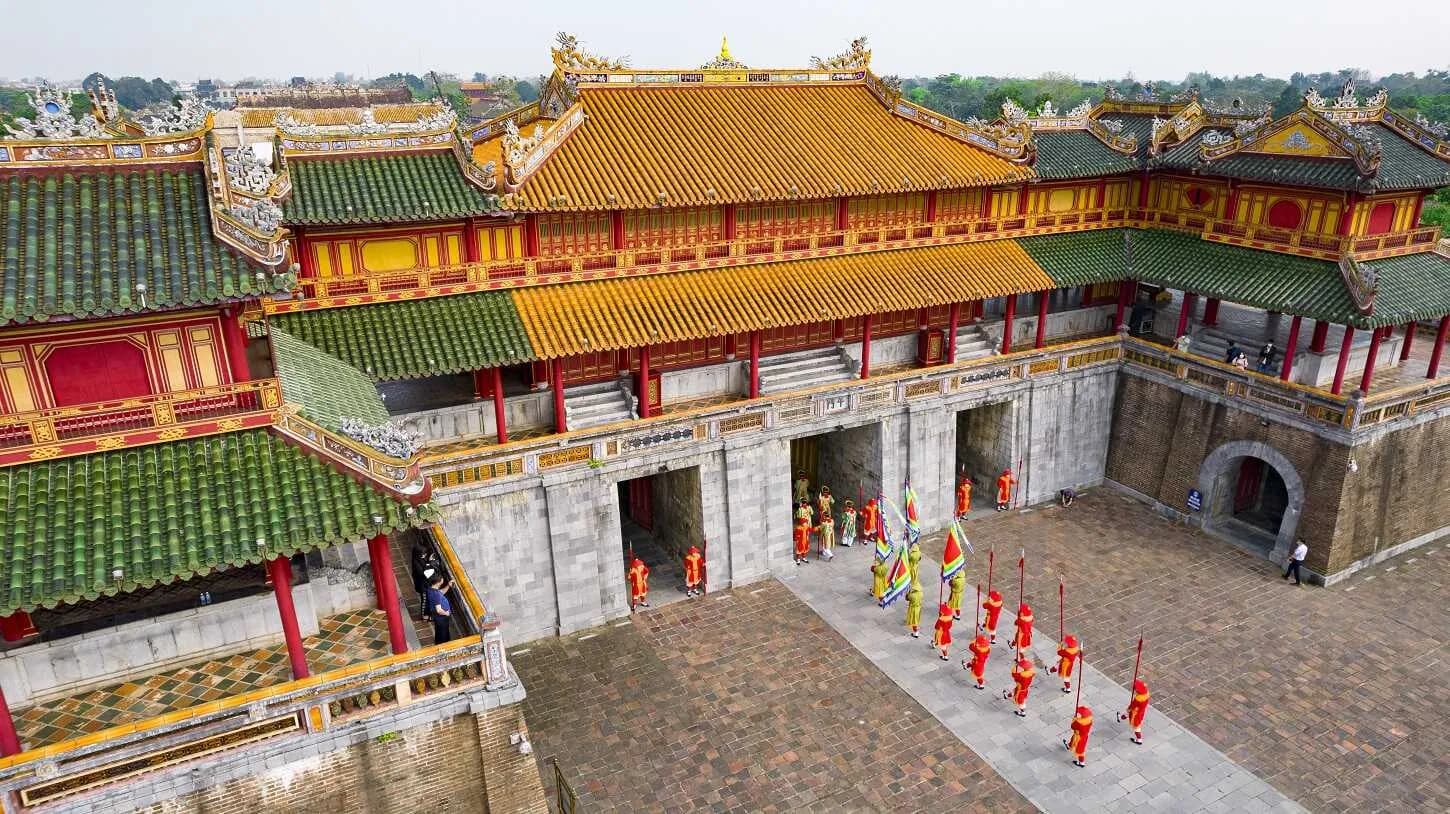
- Hue's imperial heritage
- Ho Chi Minh City's energetic urban atmosphere
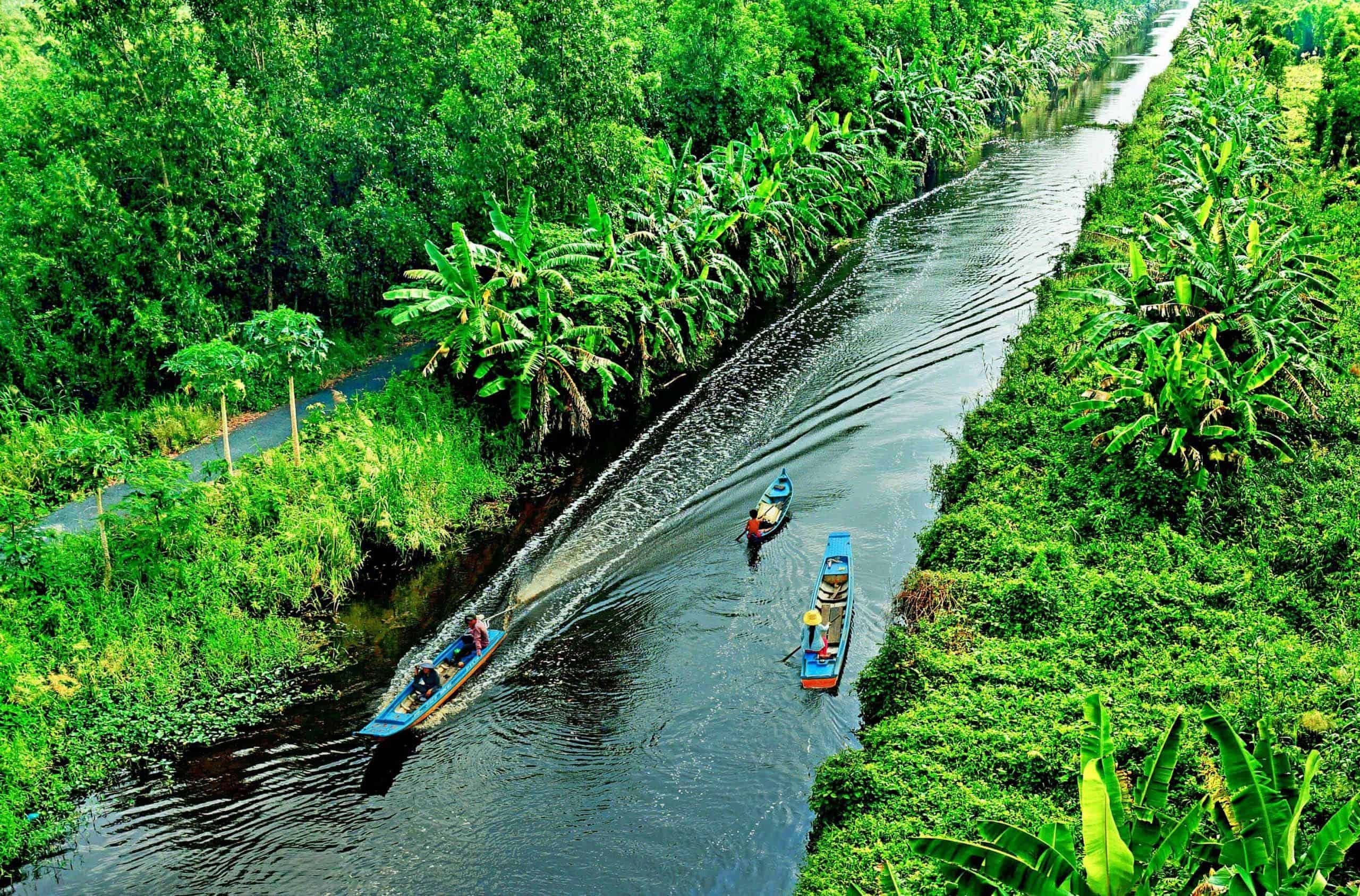
- The waterways and villages of the Mekong Delta
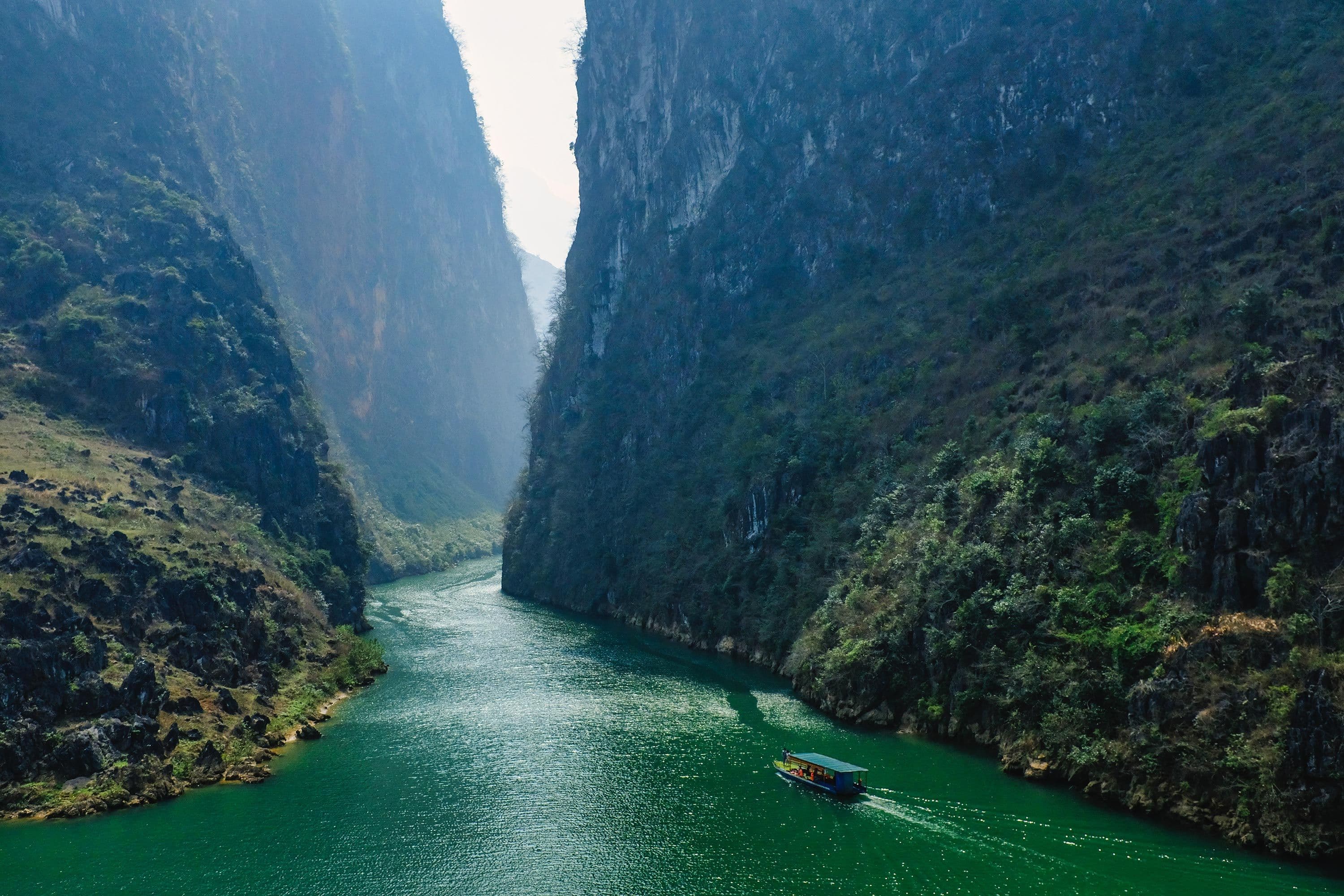
- Mountain landscapes and ethnic minority communities in northern Vietnam
Visa Requirements for Australian Citizens
One of the most important things to arrange before travelling to Vietnam is your visa.
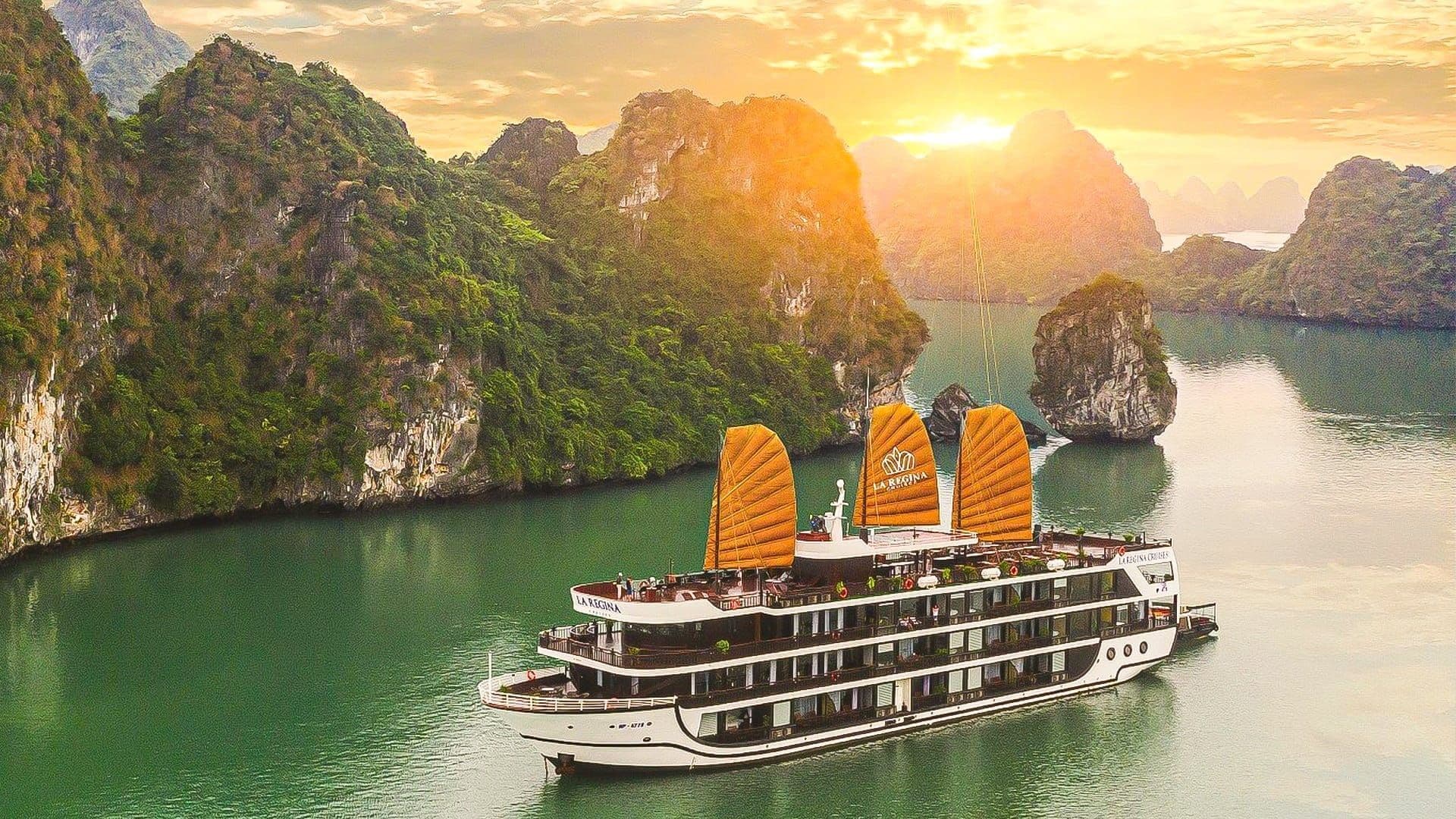
Australian passport holders need a visa to enter Vietnam. Australian citizens cannot obtain a visa on arrival, so you should arrange the appropriate visa before boarding your flight.
For most tourists, the Vietnam eVisa is the simplest option.
The Vietnamese Immigration Department currently issues eVisas valid for up to 90 days, with either single-entry or multiple-entry options.
How to apply for a Vietnam eVisa from Australia
The process is completed online. You will generally need:
- A valid Australian passport
- A digital passport photo
- A portrait photo meeting the application requirements
- Your intended entry and exit information
- Payment for the visa application
The official Immigration Department currently lists the fee as US$25 for a single-entry eVisa and US$50 for a multiple-entry eVisa. Processing is stated as approximately three working days, although travellers should allow additional time in case of errors or delays.
The most important point is accuracy.
Your eVisa information should match your passport exactly, including your full name, date of birth, and passport number. Australia's Smartraveller specifically warns that errors can result in problems at check-in or even refusal of entry.
Use the official Vietnamese eVisa portal rather than an unofficial website or an agency charging unnecessary processing fees.
Should you choose single or multiple entry?
For a straightforward holiday that starts and finishes in Vietnam, single entry is usually enough.
A multiple-entry visa makes more sense if you are combining Vietnam with another country and plan to return to Vietnam during the same trip, for example, Vietnam → Cambodia → Vietnam.
Before travelling, always check the latest entry requirements because immigration rules and border procedures can change.
Getting There: Flight Routes, Duration, and Cost
For Australians, choosing the right international gateway can make a significant difference to both travel time and itinerary design.
Vietnam has three main international entry points that are particularly useful for Australian visitors:
- Hanoi - best for northern Vietnam
- Ho Chi Minh City - best for southern Vietnam
- Da Nang - convenient for Central Vietnam, although direct Australia–Da Nang options are more limited
Sydney to Vietnam
Sydney is one of the best-connected Australian gateways.
A direct Sydney–Ho Chi Minh City flight takes roughly 8 hours 45 minutes to 8 hours 50 minutes, while Sydney–Hanoi takes around 12 hours.
As an indication of current fares, Vietnam Airlines has displayed economy fares on Sydney–Ho Chi Minh City from around AUD680 one way on selected services, although actual prices vary substantially according to travel dates, season and availability.
Melbourne to Vietnam
Melbourne also has direct connections to both Hanoi and Ho Chi Minh City.
Current Vietnam Airlines schedules show Melbourne–Ho Chi Minh City at around 8 hours 40 minutes, while Melbourne–Hanoi takes approximately 12 hours.
Perth to Vietnam
For Western Australian travellers, Perth is geographically closer to Southeast Asia than Australia's eastern capitals.
Depending on the airline and routing, Perth travellers can reach Vietnam through direct or connecting services, with Ho Chi Minh City often being a particularly practical gateway.
Should you fly into Hanoi or Ho Chi Minh City?
For a first trip, the answer depends on your itinerary.
Choose Hanoi if you want to focus on:
- Northern Vietnam
- Ninh Binh
- Ha Long Bay
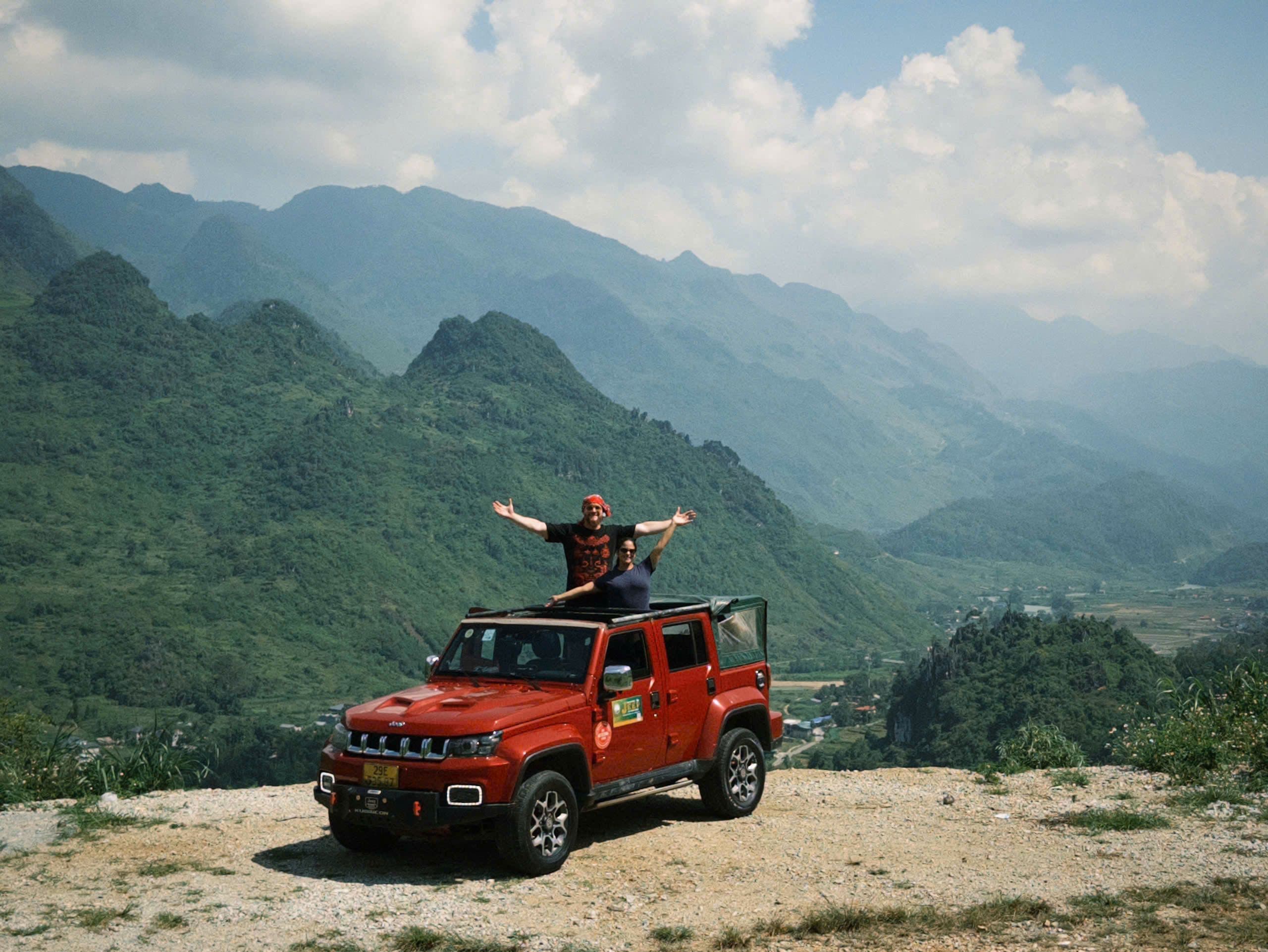
- Ha Giang
- Sapa
Choose Ho Chi Minh City if you want to focus on:
- Southern Vietnam
- Mekong Delta
- Ho Chi Minh City
- Cu Chi Tunnels
- Southern beaches
If you have enough time, consider an open-jaw itinerary: fly into Hanoi and depart from Ho Chi Minh City, or vice versa.
This avoids wasting a day travelling back to your original arrival city.
Best Time to Visit, Based on Where You're Coming From
There is no single "best month" to travel to Vietnam.
Vietnam stretches for more than 1,600 kilometres from north to south, and the climate changes significantly between regions. Vietnam Tourism notes that while March to May generally offers some of the best weather across the country, there is no universally bad time to visit because different regions experience their best conditions at different times.
Northern Vietnam
Best general period: September–November and April–June
Northern Vietnam includes Hanoi, Ninh Binh, Ha Long Bay, Sapa and Ha Giang.
September to November is particularly attractive for travellers looking for comfortable temperatures, clearer skies and autumn scenery.
April to June can also be excellent, although temperatures begin to rise.
From December to March, Hanoi and northern Vietnam can become surprisingly cool, especially in mountainous areas. Ha Long Bay can also experience misty or cloudy conditions.
Central Vietnam
Best general period: February–August
Central Vietnam includes Hue, Da Nang, Hoi An and Quy Nhon.
March and April are especially comfortable before summer temperatures become more intense.
The central coast is generally sunnier during much of the year, but weather becomes wetter towards the end of the year. Hoi An, Hue and Da Nang can experience significant rainfall during the autumn and winter months.
If your priority is beaches and outdoor activities, check the forecast carefully before booking a Central Vietnam-heavy itinerary.
Southern Vietnam
Best general period: December–April
Southern Vietnam, including Ho Chi Minh City and the Mekong Delta, stays warm throughout the year.
The dry season is generally more comfortable for sightseeing, while the wet season can bring short but heavy tropical showers.
The important distinction is that "rainy season" does not necessarily mean rain all day. A typical tropical pattern can involve sunshine for much of the day followed by a heavy afternoon downpour.
For Australians escaping the winter, this makes Vietnam particularly attractive: June to August can still work well, provided you choose your regions carefully.
What Surprises First-Time Visitors from Australia
Vietnam is relatively easy to travel around, but some everyday experiences can feel very different from what Australian travellers are used to. These are a few things that often surprise first-time visitors, and knowing them in advance can make the trip much smoother.
The Traffic Has Its Own Logic
Vietnamese traffic can look chaotic at first, particularly in Hanoi and Ho Chi Minh City. Hundreds of motorbikes, cars, buses and pedestrians seem to move through the same space with very little structure.
But there is a logic to it.
Traffic tends to flow continuously rather than stopping and starting in the way Australian road users may be accustomed to. When crossing the street, walking at a steady and predictable pace is often safer than suddenly stopping or changing direction. Motorbike riders generally anticipate your movement and navigate around you.
It may take a day or two to get used to, but once you understand the rhythm, crossing a busy Vietnamese street becomes much less intimidating.
Food Is Everywhere
One of the first things Australian visitors notice is just how present food is in everyday life.
Restaurants, street-food stalls, cafés and small family-run kitchens can appear on almost every street. Eating is not limited to specific mealtimes or dedicated dining areas. You may see people having breakfast on the pavement, grabbing a bowl of noodles in the middle of the day or sitting over coffee late into the evening.
For first-time visitors, this creates a very different relationship with food. Instead of planning every meal around a restaurant reservation, some of the best experiences can come from simply following where the locals are eating.
And Vietnam's food culture varies significantly by region. What you eat in Hanoi can be very different from what you find in Hue, Hoi An or Ho Chi Minh City, making food one of the easiest ways to experience the country's regional diversity.
Bargaining Is Part of the Culture But Only in Certain Settings
Australian travellers may encounter bargaining in markets, local shops and some tourist-oriented businesses. It can be part of the experience, but it is not something you need to do everywhere.
In traditional markets, souvenir stalls and some independent shops, negotiating the price is generally expected. Start with a reasonable offer, keep the interaction friendly, and be prepared to walk away if the price is not right.
However, bargaining is not appropriate in every situation. Restaurants, supermarkets, convenience stores, established cafés and most professional businesses typically have fixed prices.
The easiest rule is simple: if a clear price is displayed, assume it is fixed unless told otherwise.
Humidity Can Feel More Intense Than Australian Heat
Australian travellers are familiar with hot weather, but Vietnam's humidity can make the heat feel very different.
A temperature that looks manageable on the forecast can feel significantly hotter once you are walking through a busy city, especially during Vietnam's warmer and wetter months. High humidity reduces how effectively your body cools itself through sweating, so you may feel tired or overheated faster than you expect.
The practical solution is to slow down.
Carry water, wear lightweight clothing, take breaks in the shade or an air-conditioned café, and avoid packing too many outdoor activities into the middle of the day. In particularly hot destinations, starting sightseeing early in the morning can make a noticeable difference.
How Much Time You Actually Need
The biggest mistake Australian travellers make when planning Vietnam is trying to see too much.
Vietnam is not a destination where you should attempt to "tick off" Hanoi, Ha Long Bay, Hoi An, Hue, Ho Chi Minh City and the Mekong Delta in five days.
You can technically do it.
You probably should not.
5–7 days: Choose one region
If you have only a week, stay focused.
Northern option:
Hanoi → Ninh Binh → Ha Long Bay
Central option:
Da Nang → Hoi An → Hue
Southern option:
Ho Chi Minh City → Mekong Delta
This gives you enough time to experience each destination rather than spending your holiday moving between airports.
8–10 days: A good introduction
Ten days is a much better minimum for a first Vietnam trip from Australia.
You can combine two major regions, for example:
Hanoi → Ninh Binh → Ha Long Bay → Hoi An → Da Nang
or:
Ho Chi Minh City → Mekong Delta → Hoi An → Hanoi
The key is to use domestic flights strategically.
12–14 days: The sweet spot
For many Australian travellers, two weeks is ideal.
It gives you enough time to experience northern, central and southern Vietnam without making every day a transfer day.
A 14-day itinerary could include:
- Hanoi
- Ninh Binh
- Ha Long Bay
- Hoi An
- Ho Chi Minh City
- Mekong Delta
You will still leave with reasons to return — which is exactly what you want from a first trip.
3 weeks or more
With three weeks, you can slow down.
Add destinations such as:
- Ha Giang
- Sapa
- Phong Nha
- Hue
- Quy Nhon
- Phu Quoc
- Da Lat
At this point, the question becomes less about "what can I fit in?" and more about "where do I want to spend more time?"
A Realistic First Itinerary Idea
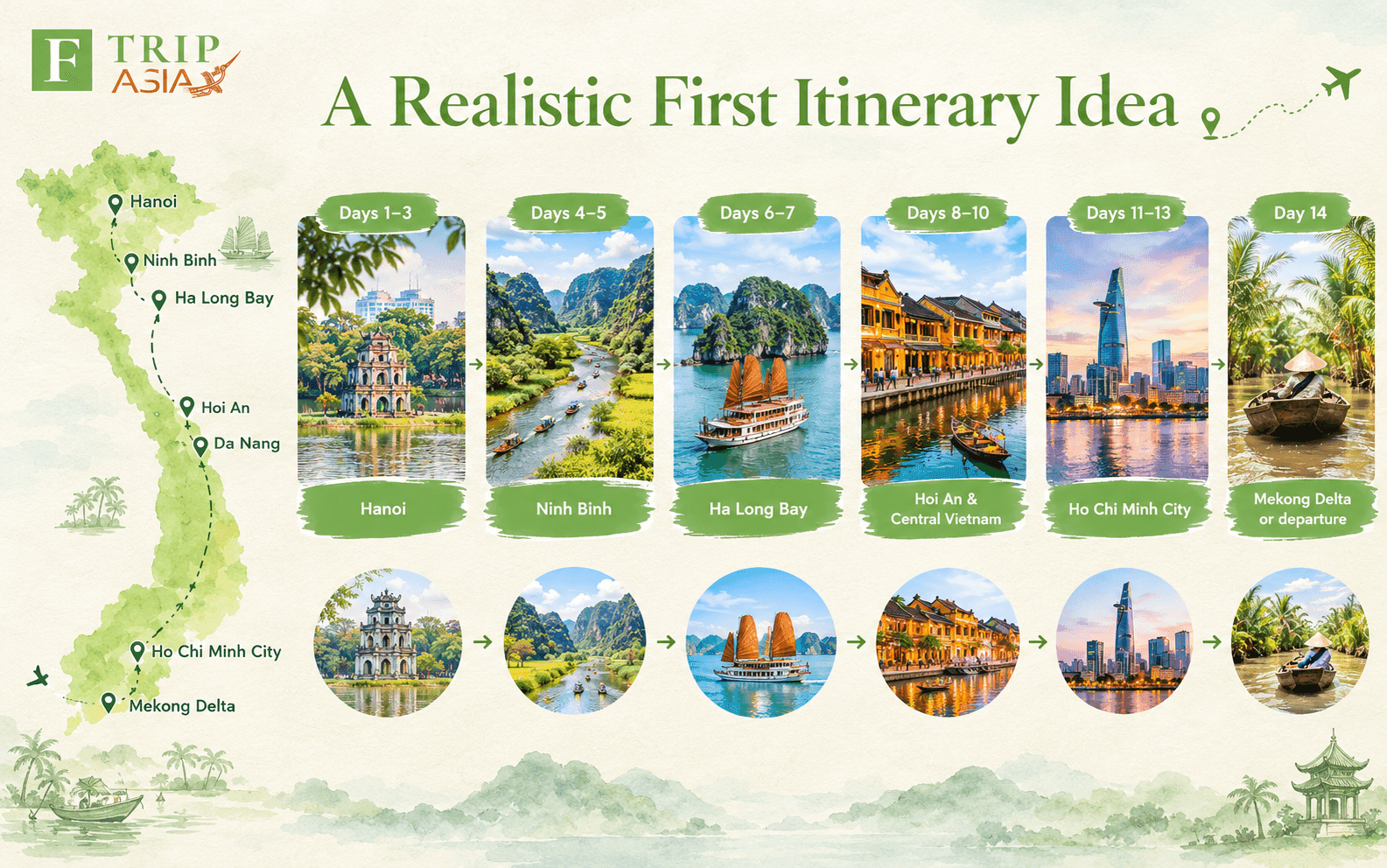
If you are travelling to Vietnam from Australia for the first time and have approximately two weeks, a north-to-south route is one of the most balanced options.
Days 1–3: Hanoi
Start in Hanoi.
Give yourself time to adjust after the flight rather than immediately scheduling a full-day excursion.
Explore the Old Quarter, Hoan Kiem Lake, the French Quarter and local markets.
Spend an evening trying Vietnamese food and experiencing Hanoi's café culture.
Days 4–5: Ninh Binh
Travel from Hanoi to Ninh Binh.
Spend a day exploring the limestone landscapes around Trang An or Tam Coc, then visit cultural and historical sites such as Hoa Lu.
Ninh Binh is one of the easiest additions to a Hanoi itinerary and offers a dramatic contrast to the capital.
Days 6–7: Ha Long Bay
Continue to Ha Long Bay for an overnight cruise.
This is one experience where staying overnight makes a significant difference.
Instead of arriving for a few hours, you have time to enjoy the scenery, take part in onboard activities, and experience the bay after the day-trip crowds have left.
Weather matters here, particularly during periods when tropical storms can affect cruise operations. Vietnam Tourism notes that storms can occasionally result in cruise cancellations.
Days 8–10: Hoi An and Central Vietnam
Fly from Hanoi to Da Nang and transfer to Hoi An.
Spend your time exploring the Old Town, cycling through the countryside, trying local food and enjoying the slower pace.
You can also add a day trip to Hue or spend time on the beaches around Da Nang.
Days 11–13: Ho Chi Minh City
Fly south to Ho Chi Minh City.
The experience is completely different from Hanoi.
Explore the city's historic architecture, markets, cafés and food scene.
Depending on your interests, visit the Cu Chi Tunnels or dedicate a day to exploring the city's neighbourhoods and culinary culture.
Day 14: Mekong Delta or departure
If your international flight leaves late, consider a Mekong Delta day trip.
Alternatively, keep your final day relaxed and allow enough time for airport transfer and check-in.
For an even more comfortable version, add one or two extra nights rather than trying to squeeze another destination into the itinerary.
Final Thoughts: Is Vietnam Worth Visiting from Australia?
Absolutely, but the best Vietnam trip is not necessarily the one that visits the most places.
For Australian travellers, Vietnam combines relatively short flight times, excellent value, diverse landscapes and a depth of food and cultural experiences that can easily fill two weeks or more.
The key is to plan around regions rather than a checklist of attractions.
If this is your first trip, 10–14 days is a strong starting point. It is long enough to experience Vietnam's diversity without turning the holiday into a race.
And once you have travelled from Hanoi to Ho Chi Minh City, you may find that the hardest part is not deciding whether to return, but deciding which part of Vietnam to explore next.

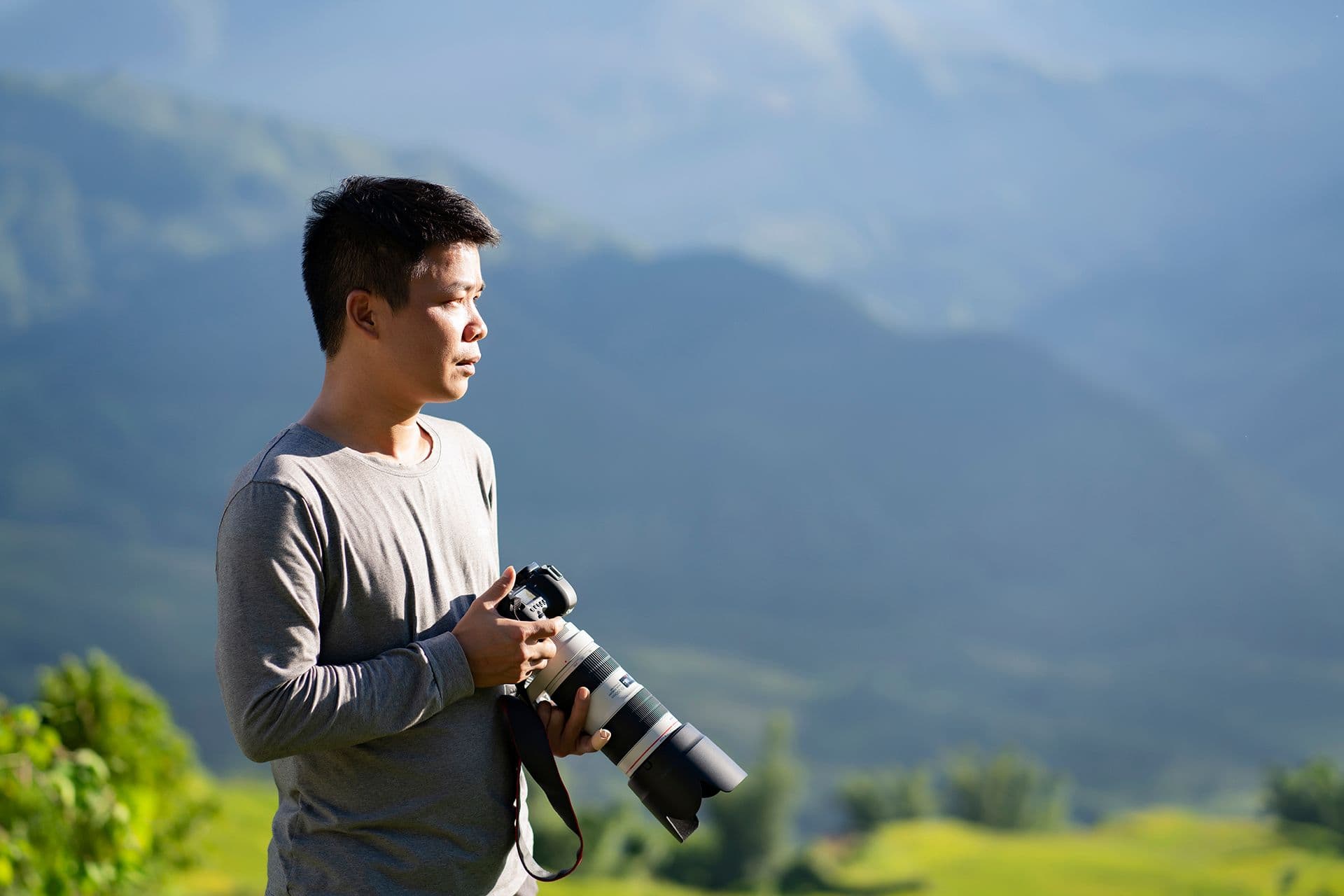
Founder & Photography Guide
Specialties: Culture, landscape, portrait, hiking, active and adventurous tour
Besides my unlimited passion for traveling, a professional tour guide for over a decade, I have been taking photographs since sitting at Hanoi of the University of Culture in the early 2000s. Photography started as a hobby but it was seriously taken due to my work relations and my significant passion for the beauty of our world, especially in Southeast Asian parts such as Vietnam, Laos, Cambodia, and Myanmar.
Within a few years of taking photographs, my works began to be recognized by many reliable international publications such as AFAR Travel, The Times, and The Daily Telegraph newspaper. In addition, I continuously add to my growing profile by winning numerous major awards: 3rd Position of The Independent Photographer 2018, 1st Position of Amateur Photographer of the year 2018, Grand Prize Winner of the AFAR Travel Photography 2019, and a Gold Award of San Francisco Bay International Photography 2020.
I photograph a wide variety of subjects, from travel to landscapes to street scenes. I enjoy documenting the East’s rich cultural heritage and its land soaked in glorious sunrise or sunset light in remote and secluded spots. And, I am very happy to share my knowledge and experience with you. You can visit Luminousvietnamtour to explore tour!
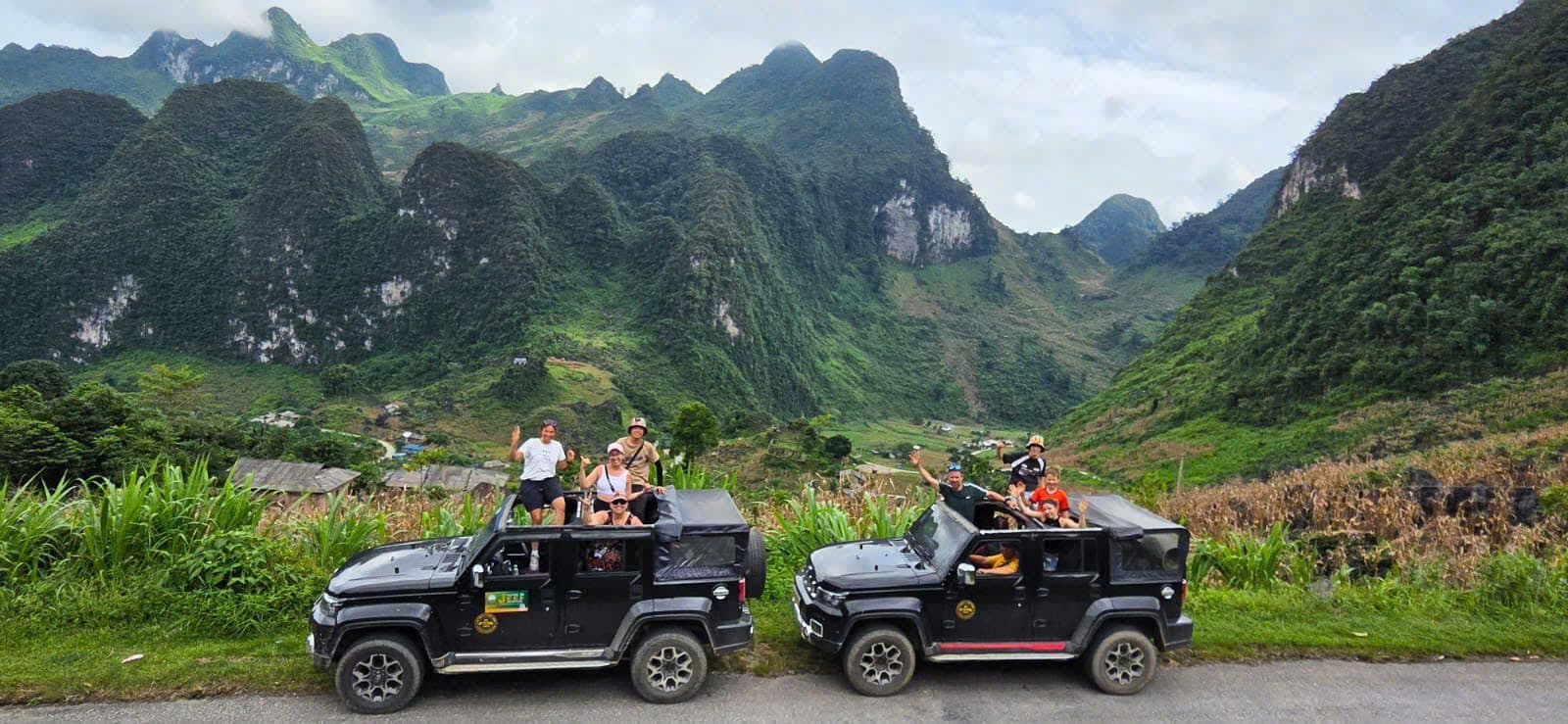
 David and wife (Australia)
- Curious534121
 726hannes
 Planning a Trip to Vietnam from Canada? Start Here.
 Ha Giang Loop Route for Families: A 4-Day Journey from Hanoi
 14 Day Tour Ha Giang & Ha Long Bay for a Complete Northern Vietnam Discovery