
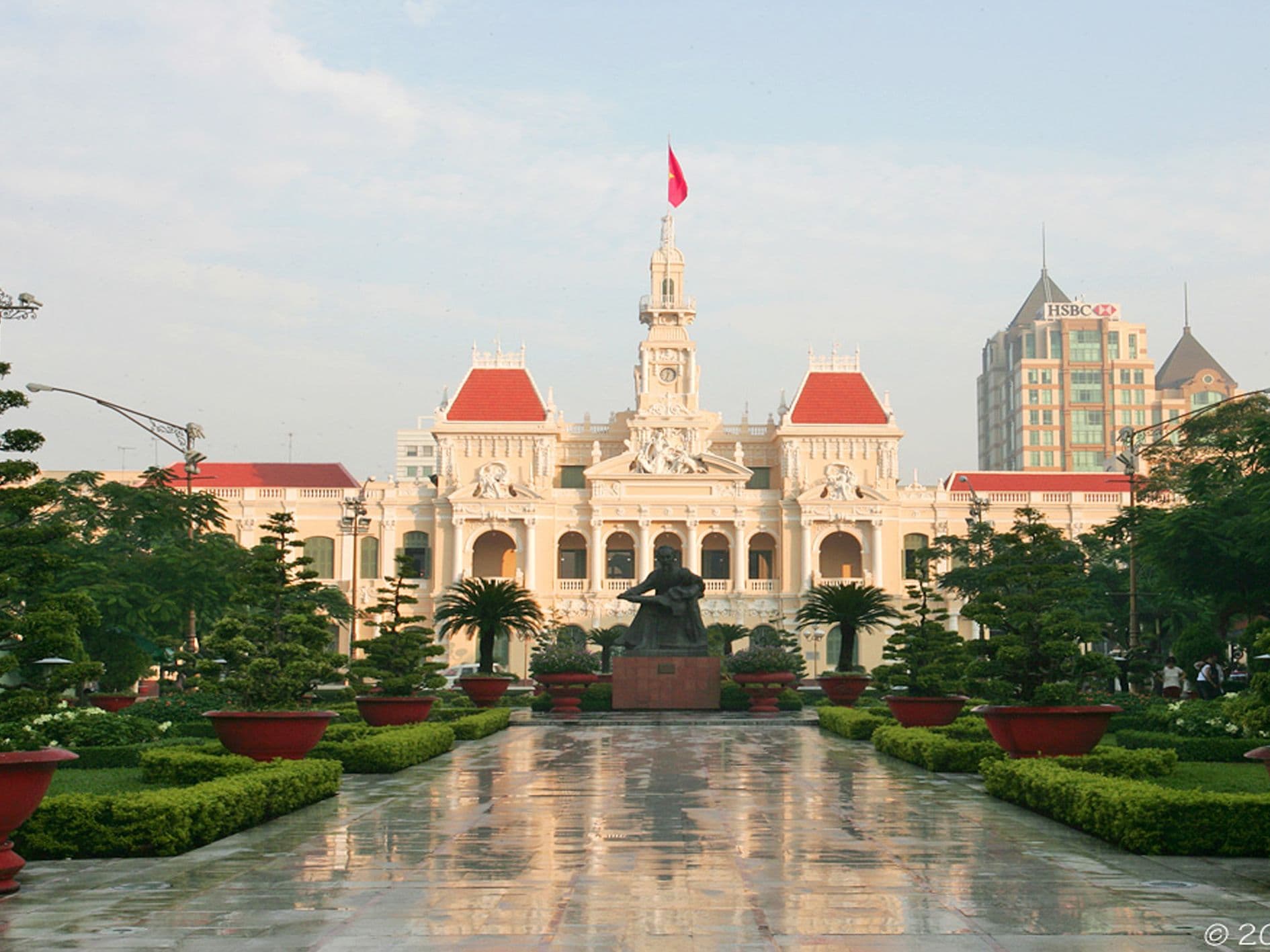
- 1. Why Travelers Are Discovering Vietnam Right Now
- 2. Getting There: Flight Routes, Duration, and Cost
- Bangkok to Ho Chi Minh City
- Bangkok to Hanoi
- Bangkok to Da Nang
- Which city should you fly into?
- 4. Best Time to Visit Vietnam from Thailand
- Northern Vietnam
- Central Vietnam
- Southern Vietnam
- The key takeaway
- 5. What Might Surprise First-Time Visitors from Thailand?
- Vietnamese food focuses on freshness
- The geography is much larger than it looks
- The traffic feels different
- Vietnamese coffee deserves attention
- The country changes dramatically from north to south
- 6. How Much Time Do You Actually Need?
- 3–4 days: One destination
- 5–7 days: One region
- 8–10 days: Two regions
- 12–14 days: A more complete first trip
- 7. A Realistic First Itinerary Idea
- Day 1–3: Hanoi
- Day 4: Ninh Binh
- Day 5–6: Ha Long Bay
- Day 7: Fly south
- Day 8–9: Ho Chi Minh City
- Day 10: Mekong Delta or departure
- Final Tips for Traveling to Vietnam from Thailand
Planning to travel to Vietnam from Thailand? With short direct flights and a wide range of destinations to explore, Vietnam is an easy addition to a Southeast Asia itinerary.
From the historic streets of Hanoi and the beaches of Central Vietnam to the food scene of Ho Chi Minh City and the landscapes of the Mekong Delta, Vietnam offers a very different travel experience while remaining close to Thailand.
Here is everything you need to know before planning your trip from Thailand to Vietnam, including flights, visa requirements, the best time to visit, trip length, and a practical first-time itinerary.
1. Why Travelers Are Discovering Vietnam Right Now
Thailand and Vietnam are both major destinations in Southeast Asia, but they offer quite different experiences.
Thailand is known for tropical islands, temples, street food, and resort destinations. Vietnam combines these elements with a stronger emphasis on historic cities, distinctive regional cuisines, dramatic mountain landscapes, and a long coastline.
For travelers already in Thailand, Vietnam is also relatively easy to reach. Direct flights connect Bangkok with major Vietnamese cities including Hanoi, Ho Chi Minh City, and Da Nang. Vietnam Airlines currently lists direct services from Bangkok to all three destinations, as well as routes to other Vietnamese cities.
For travelers, Vietnam is suitable for several types of trips:
- A short city break in Hanoi or Ho Chi Minh City
- A beach holiday in Da Nang, Hoi An, or Phu Quoc
- A longer Vietnam itinerary covering several regions
- A food-focused trip
- A cultural and heritage trip
- A combined Southeast Asia trip including Thailand, Vietnam, and Cambodia
Another advantage is that you do not necessarily need a long holiday. A long weekend can work for one city, while a week or more gives you enough time to experience several parts of the country.

2. Getting There: Flight Routes, Duration, and Cost
For most travelers, flying is the simplest way to travel to Vietnam from Thailand.
Bangkok to Ho Chi Minh City
Bangkok to Ho Chi Minh City is one of the most convenient routes for travelers interested in southern Vietnam.
Direct flights take around 1 hour 25 minutes to 2 hours, depending on the airline and flight schedule. Direct services are available every day, with airlines including Vietnam Airlines, Thai AirAsia, Vietjet, THAI, and others operating on the route.
Bangkok to Hanoi
If you want to explore northern Vietnam, flying directly from Bangkok to Hanoi is another practical option.
The fastest nonstop flights take around 1 hour 40 minutes, with direct services operating every day. Airlines serving the route include Vietnam Airlines, Thai AirAsia, THAI, Vietjet, and Vietravel Airlines.
Bangkok to Da Nang
Da Nang is particularly useful for travelers interested in Central Vietnam.
From Da Nang, you can easily combine:
- Da Nang
- Hoi An
- My Son Sanctuary
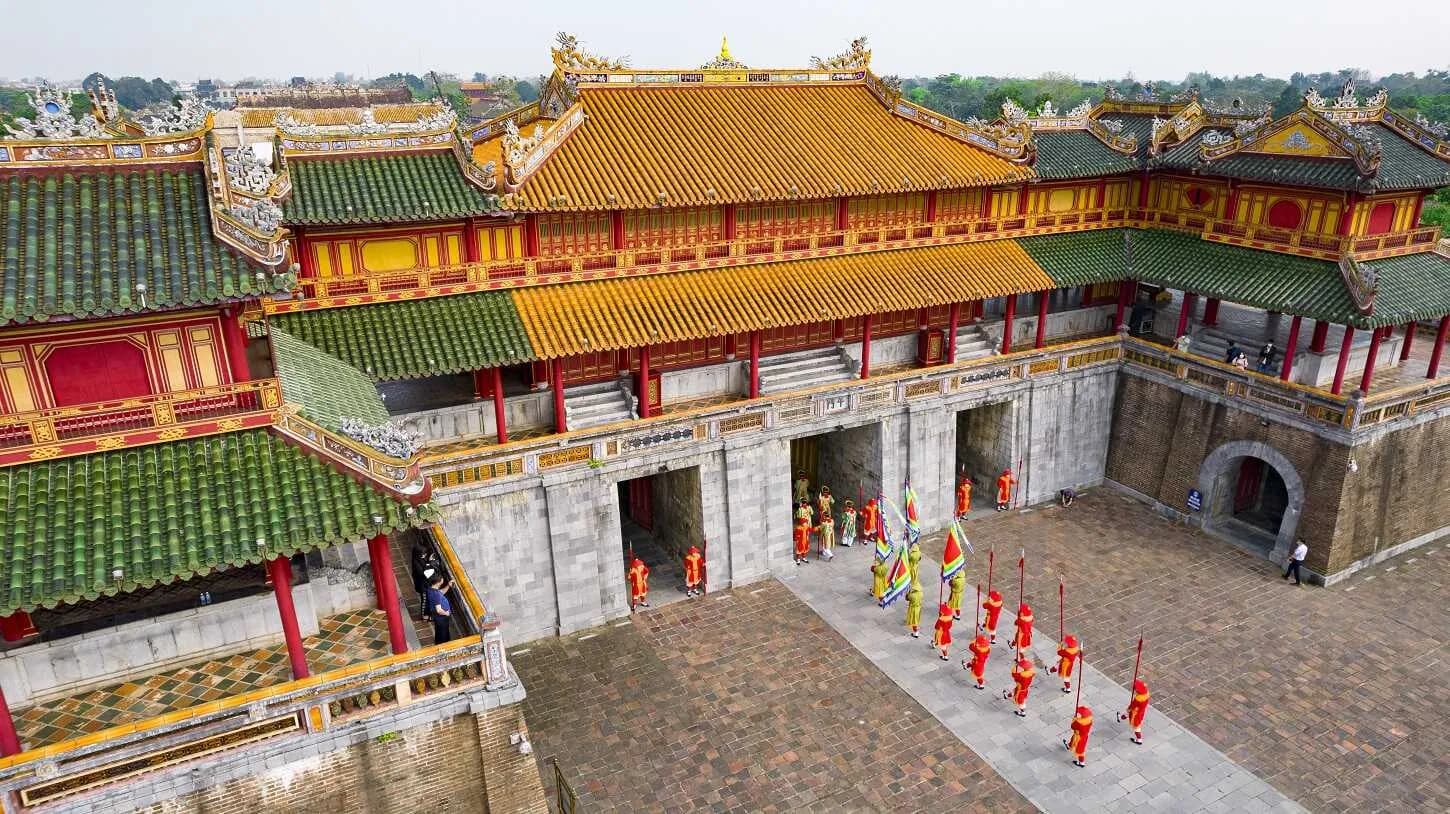
- Hue
- Central Vietnam's beaches and countryside
Vietnam Airlines currently lists Bangkok to Da Nang flights, alongside routes from Bangkok to Hanoi and Ho Chi Minh City.
Which city should you fly into?
Your arrival airport should depend on what you want to see.
| If you want to... | Consider flying to... |
|---|---|
| Explore northern Vietnam | Hanoi |
| Visit Ha Long Bay and Ninh Binh | Hanoi |
| Explore Hanoi and northern culture | Hanoi |
| Visit Hoi An and Central Vietnam | Da Nang |
| Combine beaches and culture | Da Nang |
| Explore southern Vietnam | Ho Chi Minh City |
| Visit the Mekong Delta | Ho Chi Minh City |
| Continue to Cambodia | Ho Chi Minh City |
For a longer trip, you can fly Bangkok → Hanoi, travel south through Vietnam, then fly Ho Chi Minh City → your country instead of returning to Hanoi.
4. Best Time to Visit Vietnam from Thailand
Vietnam has a much longer north-to-south geography than Thailand, so weather conditions can vary significantly between regions.
The best time to visit therefore depends more on where you are going in Vietnam than simply where you are coming from.
Northern Vietnam
Northern Vietnam includes Hanoi, Ninh Binh, Ha Long Bay, Sapa, Ha Giang, and other mountainous areas.
Generally, October to April is a popular period for exploring the north, with cooler and often drier conditions than the summer months.
Hanoi can feel pleasantly cool during winter, while mountainous destinations such as Sapa and Ha Giang can become significantly colder.
If you are traveling from Thailand, be prepared for a noticeable temperature difference if you visit northern Vietnam between December and February.
Central Vietnam
Central Vietnam includes Da Nang, Hoi An, Hue, and surrounding areas.
The weather here follows a different pattern from northern Vietnam. The central coast can experience substantial rainfall during parts of the later year, while the drier months are generally more suitable for sightseeing and beach activities.
For travelers combining Hoi An and Da Nang, checking the local forecast around your travel dates is particularly useful.
Southern Vietnam
Southern Vietnam includes Ho Chi Minh City, the Mekong Delta, and destinations such as Phu Quoc.
The region is tropical and warm throughout the year. Ho Chi Minh City generally experiences a dry season and a rainy season, but rain does not necessarily mean that an entire day will be unsuitable for travel.
For a first trip covering several regions, March and April can be useful months to consider because they can offer a reasonable balance for visiting different parts of Vietnam, although conditions still vary by destination.
The key takeaway
Do not choose your travel dates based only on Vietnam's overall climate.
Instead, decide:
- Which regions you want to visit
- Which activities matter most
- Whether you prefer cooler weather, dry conditions, or beach time
- How much flexibility you have with your dates
Then check the weather for each destination before booking.

5. What Might Surprise First-Time Visitors from Thailand?
Vietnam and Thailand are both Southeast Asian countries, so Thai travelers may find some things familiar. But the differences become obvious once you arrive.
Vietnamese food focuses on freshness
Vietnamese cuisine also relies heavily on fresh herbs, vegetables, rice, noodles, seafood, and regional ingredients, but the flavor profile is different.
Instead of the strong balance of sweet, sour, salty, spicy, and aromatic flavors commonly associated with Thai cuisine, Vietnamese dishes often emphasize freshness, herbs, broths, fermented ingredients, and lighter seasoning.
Some dishes worth trying include:
- Pho
- Bun cha
- Banh mi
- Bun bo Hue
- Cao lau
- Vietnamese spring rolls
- Vietnamese coffee
Food is also strongly regional. A bowl of pho in Hanoi is not necessarily the same experience as one found in Ho Chi Minh City.

The geography is much larger than it looks
Vietnam is long and narrow, stretching from the northern mountains to the Mekong Delta in the south.
This matters when planning a trip.
Hanoi and Ho Chi Minh City are not destinations that you can comfortably combine in a couple of days. Traveling between regions often requires domestic flights or several hours by road or train.
A common first-time mistake is trying to include too many destinations.
The traffic feels different
Vietnam's major cities are known for their dense motorbike traffic.
Crossing a busy road in Hanoi or Ho Chi Minh City can initially feel chaotic, especially for visitors used to Bangkok's traffic patterns.
Take your time, follow local pedestrian flows, and avoid suddenly changing direction while crossing.
Vietnamese coffee deserves attention
Thai iced tea and Thai coffee are familiar favorites across Southeast Asia, but Vietnamese coffee has its own identity.
Try traditional Vietnamese coffee prepared with a phin filter, either black or with condensed milk. Egg coffee is another Hanoi specialty that many first-time visitors find unexpected.

The country changes dramatically from north to south
One of the most interesting differences for Thai travelers is the diversity within Vietnam itself.
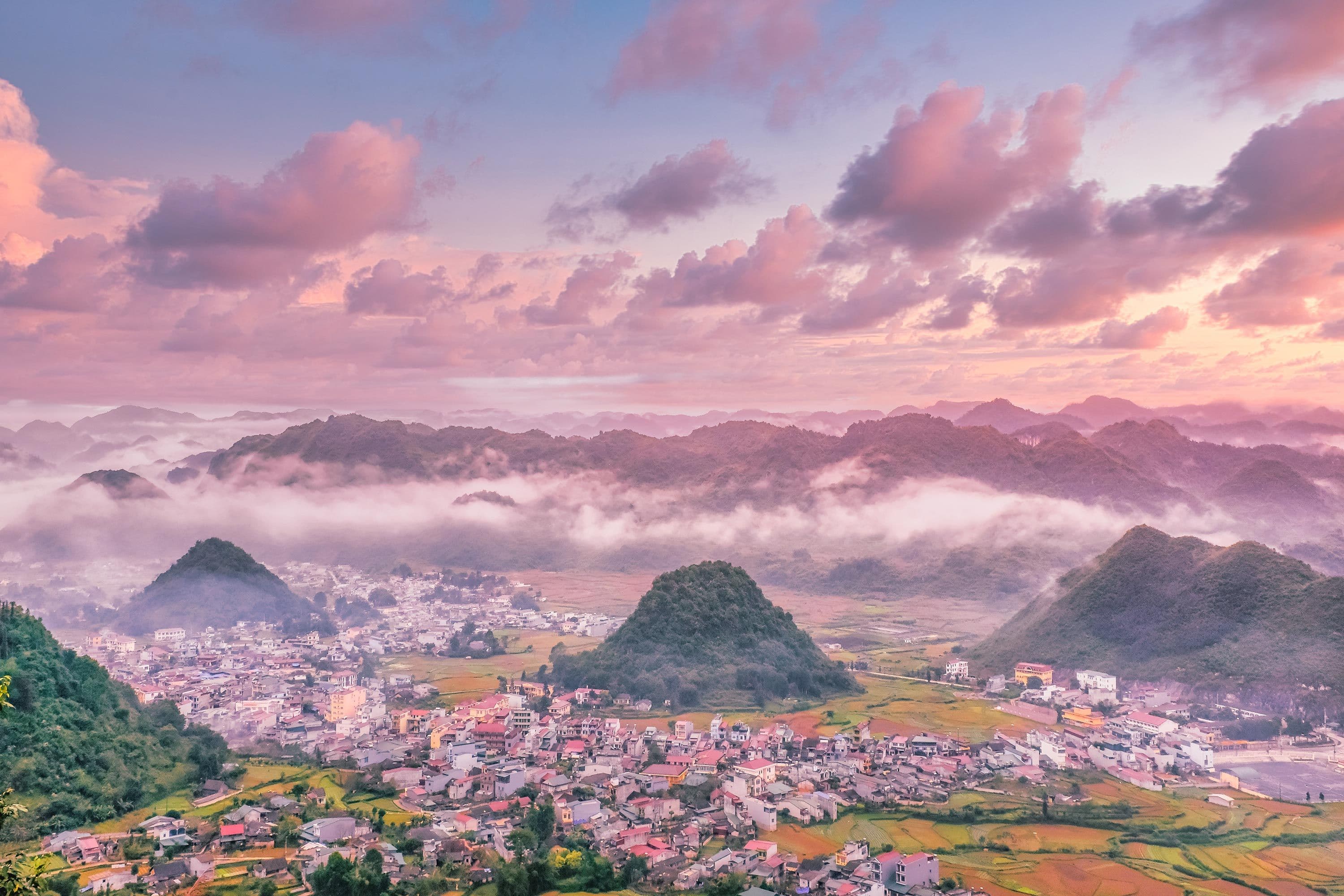
Northern Vietnam offers mountains, ethnic minority cultures, historic cities, and cooler weather.
Central Vietnam combines beaches, imperial heritage, and preserved old towns.
Southern Vietnam is more tropical, energetic, and closely connected to the Mekong Delta.
This regional diversity is one reason a longer trip can feel very different from a short city break.
6. How Much Time Do You Actually Need?
There is no single ideal length for traveling to Vietnam from Thailand.
Because flights are short, a three- or four-day trip is realistic. But the amount of time you need depends on how much of the country you want to experience.
3–4 days: One destination
For a short break, choose one main base.
Good options include:
Hanoi: Best for food, history, architecture, and day trips to destinations such as Ninh Binh.
Ho Chi Minh City: Best for urban experiences, food, history, and access to the Mekong Delta.
Da Nang: Best for combining beaches, Hoi An, and Central Vietnam.
Avoid trying to visit Hanoi, Da Nang, and Ho Chi Minh City in four days. The time spent moving between destinations will take away from the actual trip.
5–7 days: One region
A week allows you to build a more balanced itinerary.
For example:
Northern Vietnam: Hanoi + Ninh Binh + Ha Long Bay
or
Central Vietnam: Da Nang + Hoi An + Hue
or
Southern Vietnam: Ho Chi Minh City + Mekong Delta + nearby destinations
8–10 days: Two regions
With around 8–10 days, you can combine two regions without making the itinerary excessively rushed.
For example:
Hanoi → Ninh Binh → Ha Long Bay → Ho Chi Minh City
This gives you a contrast between northern Vietnam and the south.
12–14 days: A more complete first trip
Two weeks is a much better timeframe if you want to experience several sides of Vietnam.
A north-to-south route can include Hanoi, Ninh Binh, Ha Long Bay, Central Vietnam, Ho Chi Minh City, and the Mekong Delta.
You will still need to prioritize, but the pace becomes much more manageable.
7. A Realistic First Itinerary Idea
If you are traveling to Vietnam from Thailand for the first time and have around 10 days, a north-to-south itinerary can give you a good introduction without attempting to see everything.
Day 1–3: Hanoi
Start in Hanoi and spend your first days exploring the Old Quarter, Hoan Kiem Lake, local markets, historic architecture, and Vietnamese food.
Give yourself time to simply walk around the city rather than filling every hour with sightseeing.
Day 4: Ninh Binh
Travel from Hanoi to Ninh Binh for a day of limestone landscapes, rivers, temples, and countryside.
Trang An and Tam Coc are among the best-known areas for boat trips, while Hoa Lu offers a connection to Vietnam's early imperial history.
Staying overnight in Ninh Binh can make the experience more relaxed than returning to Hanoi the same day.
Day 5–6: Ha Long Bay
Continue north toward Ha Long Bay for an overnight cruise or a two-day experience.
The karst islands and calm waters provide a very different landscape from Hanoi and Ninh Binh.
An overnight stay also gives you more time to experience the bay without treating it as a rushed day trip.
Day 7: Fly south
Return to Hanoi and take a domestic flight to Ho Chi Minh City.
The north-to-south flight saves considerable time compared with traveling entirely by road or rail.
Day 8–9: Ho Chi Minh City
Spend two days exploring Ho Chi Minh City's historic landmarks, markets, museums, cafés, and food scene.
The city has a very different atmosphere from Hanoi, making the contrast between the two worthwhile even on a relatively short trip.
Day 10: Mekong Delta or departure
If your departure flight is late enough, consider a short Mekong Delta excursion.
Alternatively, keep the final day free for shopping, cafés, or a relaxed final morning before flying back to Thailand.
Final Tips for Traveling to Vietnam from Thailand
Traveling to Vietnam from Thailand is relatively straightforward, but a little planning can make the trip much easier.
Choose your arrival city based on your itinerary. Hanoi, Da Nang, and Ho Chi Minh City give you access to very different parts of Vietnam.
Do not underestimate travel time within Vietnam. The country is much longer than it appears on a map.
Book domestic flights strategically. Flying between regions can save hours when you have limited time.
Check the weather by region. Vietnam does not have one uniform travel season.
Keep some flexibility. Weather, traffic, and domestic transportation can affect your schedule.
Try regional food. Do not limit yourself to familiar Vietnamese dishes. Each region has its own specialties.
Check visa and entry rules before departure. Thai ordinary passport holders currently benefit from a 30-day visa exemption, but entry regulations can change.
For most Thai travelers, the biggest decision is not whether Vietnam is easy to reach. It is deciding which part of Vietnam to experience first.
With direct flights from Bangkok to major Vietnamese cities and a visa-free stay of up to 30 days for Thai citizens, Vietnam can work equally well as a short break, a one-week regional trip, or the first stop on a longer Southeast Asia journey.


Founder & Photography Guide
Specialties: Culture, landscape, portrait, hiking, active and adventurous tour
Besides my unlimited passion for traveling, a professional tour guide for over a decade, I have been taking photographs since sitting at Hanoi of the University of Culture in the early 2000s. Photography started as a hobby but it was seriously taken due to my work relations and my significant passion for the beauty of our world, especially in Southeast Asian parts such as Vietnam, Laos, Cambodia, and Myanmar.
Within a few years of taking photographs, my works began to be recognized by many reliable international publications such as AFAR Travel, The Times, and The Daily Telegraph newspaper. In addition, I continuously add to my growing profile by winning numerous major awards: 3rd Position of The Independent Photographer 2018, 1st Position of Amateur Photographer of the year 2018, Grand Prize Winner of the AFAR Travel Photography 2019, and a Gold Award of San Francisco Bay International Photography 2020.
I photograph a wide variety of subjects, from travel to landscapes to street scenes. I enjoy documenting the East’s rich cultural heritage and its land soaked in glorious sunrise or sunset light in remote and secluded spots. And, I am very happy to share my knowledge and experience with you. You can visit Luminousvietnamtour to explore tour!
 David and wife (Australia)
 Curious534121
 726hannes
 Planning a Trip to Vietnam from Canada? Start Here.
 4 Days Tour: Ha Giang Luxury TourFrom$780/pax
 14 Day Tour Ha Giang & Ha Long Bay for a Complete Northern Vietnam Discovery