
- What Are Vietnam Cultural Experience Tours?
- How Are Cultural Tours More Than Visiting Famous Attractions?
- Why Do Hands-On Activities and Local Interaction Matter?
- Why Do Local Guides Make Cultural Tours Better?
- 10 Best Vietnam Cultural Experience Tours
- 1. Hanoi Old Quarter Food and Coffee Culture Tour
- 2. Hoi An Lantern Making and Ancient Town Heritage Tour
- 3. Hue Imperial Heritage and Royal Cuisine Tour
- 4. Hoi An Cooking Class and Local Market Tour
- 5. Ninh Binh Countryside, Temples, and Local Village Life Tour
- 6. Mekong Delta River Culture and Local Workshop Tour
- 7. Traditional Craft Village Tour near Hanoi
- 8. Northern Mountain Ethnic Culture and Rice Field Tour
- 9. Ho Chi Minh City Local Neighborhood, Market, and Street Food Tour
- 10. Vietnamese Farming, Fishing, and Countryside Life Tour
- Best Destinations for Vietnam Cultural Experience Tours
- Hanoi
- Ninh Binh
- Hue
- Hoi An
- Ho Chi Minh City
- Mekong Delta
- Northern Mountain Regions
- How to Choose the Right Vietnam Cultural Experience Tour
- How Should the Tour Match Your Travel Style?
- Why Check the Level of Local Interaction?
- Why Review Physical Difficulty?
- Why Consider Season and Weather?
- Why Ask About Dietary and Cultural Needs?
- Suggested Vietnam Cultural Tour by Travel Stage
- Stage 1: Hanoi Cultural Introduction, Food, Coffee, and Craft Traditions
- Stage 2: Northern Countryside, Local Villages, and Scenic Heritage
- Stage 3: Central Vietnam Heritage, Cooking, Lanterns, and Workshops
- Stage 4: Southern Vietnam City Culture, Mekong River Life, and Local Traditions
- How to Customize Vietnam Cultural Tours by Traveler Type
- What Works for First-Time Visitors?
- What Works for Couples and Honeymooners?
- What Works for Families?
- What Works for Senior Travelers?
- What Works for Food Lovers?
- What Works for Photographers and Creative Travelers?
- Travel Requirements US Travelers Should Prepare
- What Passport and Vietnam Visa Details Matter?
- Why Are Travel Insurance and Health Preparation Important?
- What Money, Connectivity, and Documents Should Travelers Prepare?
- Cost Factors for Vietnam Cultural Experience Tours
- How Do Tour Length and Destination Count Affect Cost?
- How Does Private vs Small Group Format Affect Cost?
- How Do Included Experiences and Workshops Affect Cost?
- How Do Hotel, Transport, and Guide Quality Affect Cost?
- Common Mistakes to Avoid When Booking Vietnam Cultural Tours
- Why Plan Vietnam Cultural Experience Tours with FtripAsia?
- FAQs
- What are the best cultural experiences in Vietnam?
- Are Vietnam cultural experience tours suitable for families?
- Can Vietnam cultural tours be customized?
- How many days do you need for a Vietnam cultural tour?
- Conclusion
Vietnam cultural experience tours help travelers go beyond sightseeing by joining hands-on activities, meeting local people, tasting regional food, learning traditional crafts, and understanding daily life. Instead of only visiting famous attractions, travelers can discover how people cook, farm, create, worship, trade, celebrate, and preserve local customs.
Vietnam’s culture changes from north to central to south, so travelers can discover different traditions in Hanoi, Ninh Binh, Hue, Hoi An, Da Nang, Ho Chi Minh City, the Mekong Delta, and mountain regions. A food tour in Hanoi feels different from a cooking class in Hoi An, a royal cuisine experience in Hue, or a river-life visit in the Mekong Delta.
Cultural tours are suitable for first-time visitors, couples, families, seniors, small groups, food lovers, photographers, and travelers who want a deeper connection with Vietnam. These experiences can make the trip feel more personal, respectful, and memorable.
FtripAsia helps travelers design customized Vietnam cultural tours with trusted guides, private transfers, suitable hotels, special meals, workshops, and authentic local experiences.
What Are Vietnam Cultural Experience Tours?
How Are Cultural Tours More Than Visiting Famous Attractions?
Cultural experience tours focus on local life, not only landmarks. Travelers can join food tours, cooking classes, craft workshops, market walks, village visits, temple experiences, traditional performances, and countryside activities.
These tours help travelers understand how Vietnamese people live, eat, work, celebrate, and preserve traditions. A cultural tour can turn a simple market visit into a lesson about ingredients and family cooking. A craft workshop can show the patience behind handmade products. A temple visit can become more meaningful when travelers understand local beliefs and etiquette.
A good cultural tour should feel respectful, meaningful, and locally guided. The goal is to create personal memories rather than only collect photos.
Why Do Hands-On Activities and Local Interaction Matter?
Cultural tours often include practical activities such as cooking, lantern making, pottery, farming, cycling, incense making, weaving, coffee tasting, or market shopping. These activities help travelers experience culture through participation rather than observation alone.
Travelers can learn directly from local hosts, artisans, chefs, farmers, or guides. This is especially valuable for families and first-time visitors because hands-on learning is easier to understand and remember.
Hands-on activities help travelers see the effort, skill, and meaning behind each tradition. Local interaction should be arranged thoughtfully so it feels natural and respectful for both travelers and hosts.
Why Do Local Guides Make Cultural Tours Better?
Local guides explain the history, etiquette, beliefs, ingredients, customs, and regional identity behind each activity. They help travelers communicate with artisans, vendors, hosts, and local families.
Guides can also adjust the tour based on weather, comfort level, age, dietary needs, and traveler interests. This matters because cultural experiences often involve local homes, small workshops, markets, temples, and rural communities.
A guide helps make cultural experiences more meaningful and easier to understand. This is one reason many travelers choose customized Vietnam cultural tours with FtripAsia.
10 Best Vietnam Cultural Experience Tours
1. Hanoi Old Quarter Food and Coffee Culture Tour
A Hanoi Old Quarter food and coffee culture tour is one of the most enjoyable ways to understand northern Vietnam. Travelers can explore street food, local cafés, markets, hidden alleys, and family-run eateries in one compact neighborhood.
The experience can feature dishes such as pho, bun cha, banh cuon, xoi, nem ran, che, and egg coffee. A guide can explain how herbs, dipping sauces, rice noodles, and coffee culture shape daily life in Hanoi.
This tour also introduces local stories about Old Quarter streets, family recipes, and neighborhood food traditions. It is suitable for first-time visitors, food lovers, couples, and small groups.
The route can be customized with private guiding, low-spice options, vegetarian meals, Muslim-friendly meals, Judaism travel support, or allergy-aware planning.
2. Hoi An Lantern Making and Ancient Town Heritage Tour
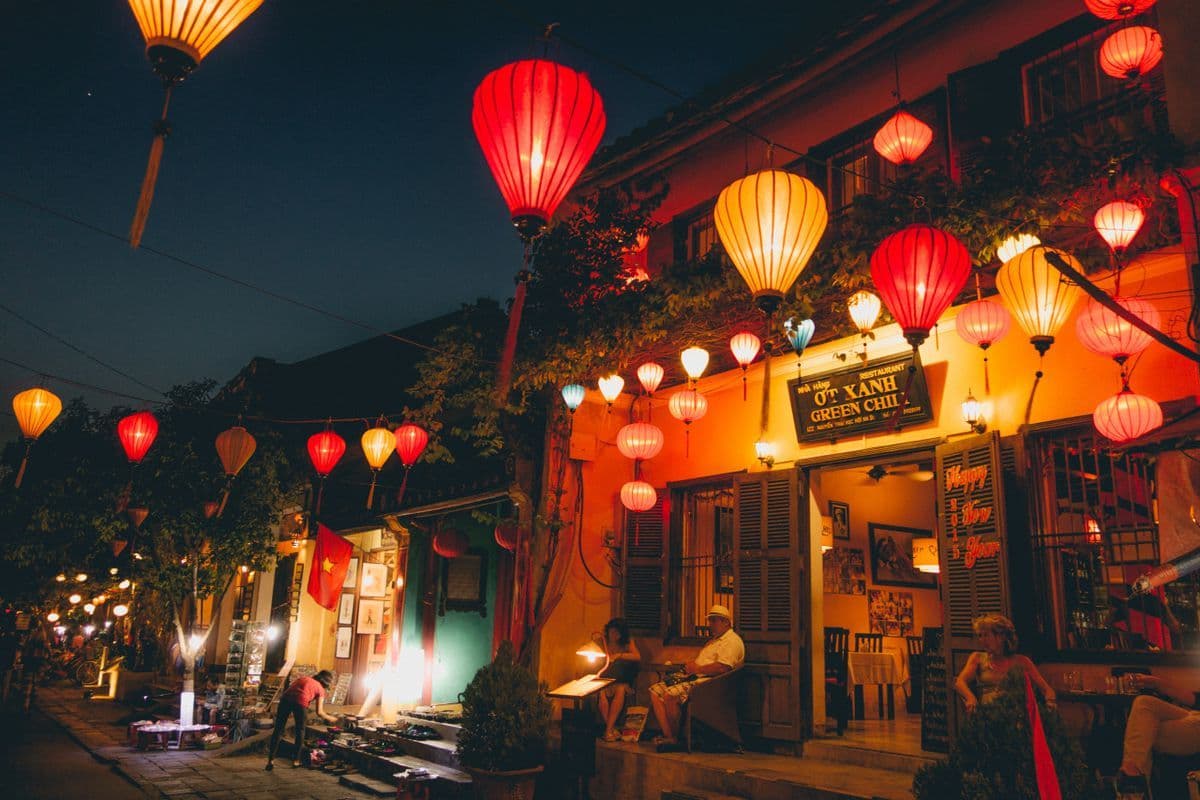
Hoi An is one of Vietnam’s most charming cultural destinations, known for old trading culture, lantern-lit streets, assembly halls, riverside life, and traditional houses. A lantern-making workshop helps travelers connect with the town’s identity in a hands-on way.
Travelers can learn why lanterns are connected to Hoi An’s festivals, family traditions, old-town atmosphere, and local creativity. The workshop can be combined with a walking tour through Hoi An Ancient Town, where a guide explains architecture, trading history, and local customs.
This experience is especially suitable for couples, families, photographers, honeymooners, and culture-focused travelers. It can also be paired with a cooking class, countryside cycling, tailoring experience, or romantic evening walk.
3. Hue Imperial Heritage and Royal Cuisine Tour
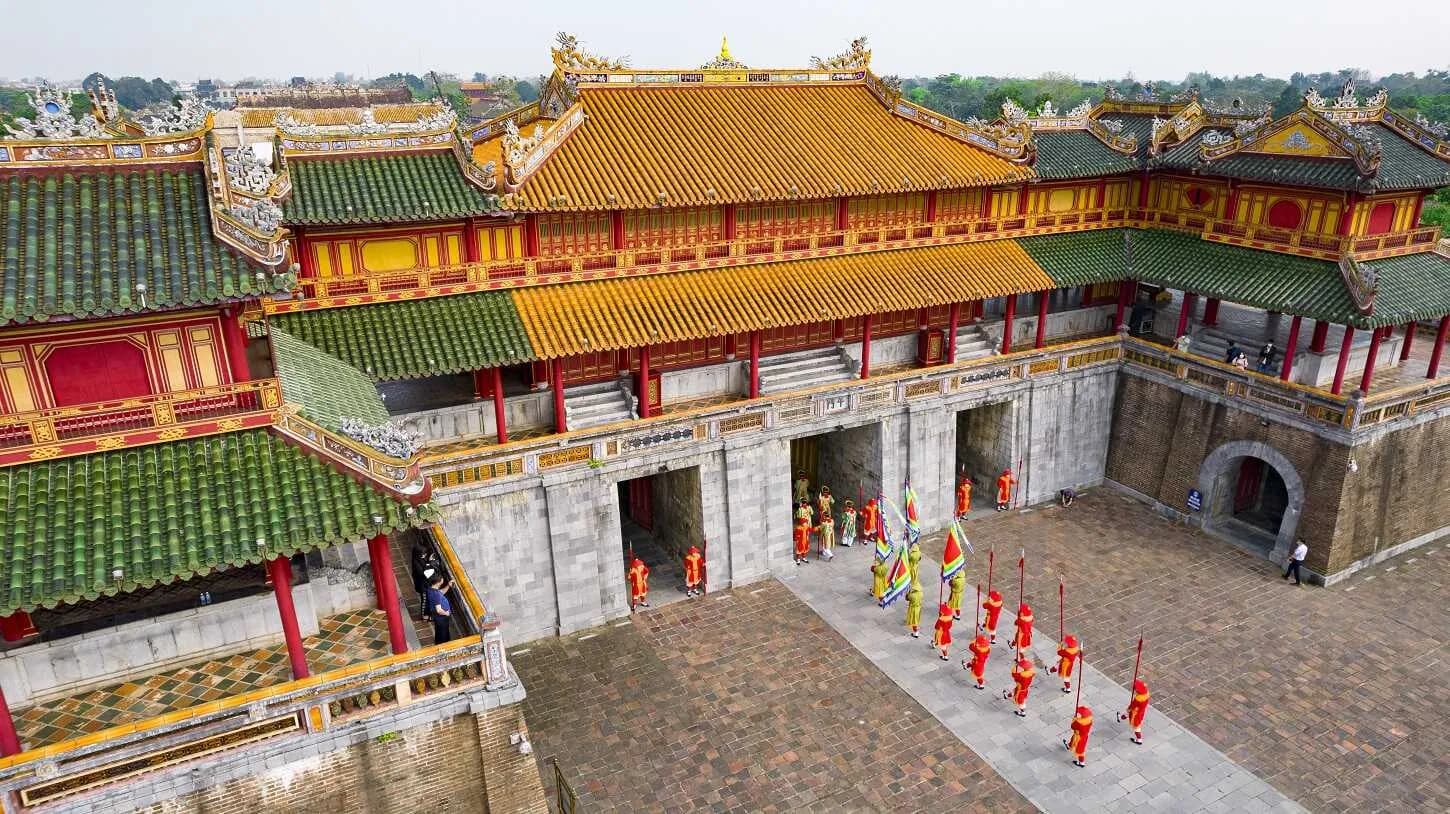
Hue is one of the strongest destinations for travelers who want history, heritage, and cultural depth. A Hue cultural tour can include the Imperial City, royal tombs, pagodas, garden houses, and quiet heritage streets.
A local guide can explain Vietnam’s imperial history, royal rituals, architecture, and spiritual traditions. This context is important because Hue’s meaning often comes from stories, symbolism, and historical layers.
Travelers can add a Hue food experience with regional dishes and royal-inspired cuisine. Hue cuisine is known for delicate presentation, layered flavors, and historical influence.
This tour is suitable for history lovers, senior travelers, food lovers, and culture-focused visitors.
4. Hoi An Cooking Class and Local Market Tour
A Hoi An cooking class and local market tour is a strong cultural experience for travelers who want to understand Vietnam through food. The tour often begins at a local market, where travelers learn about herbs, vegetables, noodles, rice paper, fish sauce, spices, and daily shopping habits.
In the cooking class, travelers prepare Vietnamese dishes with local guidance. They learn how Vietnamese meals balance fresh herbs, textures, sauces, and seasonal ingredients.
The experience can be extended with a basket boat ride, herb village visit, or countryside activity if suitable. It works well for families, couples, food lovers, and first-time travelers.
The menu can be customized for vegetarian, vegan, Muslim-friendly, Judaism, low-spice, or allergy-aware meals.
5. Ninh Binh Countryside, Temples, and Local Village Life Tour
Ninh Binh offers a peaceful mix of limestone landscapes, rice fields, temples, pagodas, village roads, and scenic waterways. A cultural experience here can combine nature with history and local village life.
Travelers can take a boat ride in Trang An or Tam Coc to experience northern Vietnam’s countryside rhythm. Temple visits or ancient capital sites can add historical and spiritual context.
The tour can also include light cycling, local lunch, village walks, or photography stops. It is suitable for couples, families, photographers, seniors, and travelers who want soft nature with cultural depth.
Ninh Binh works well as a day trip or overnight extension from Hanoi.
6. Mekong Delta River Culture and Local Workshop Tour
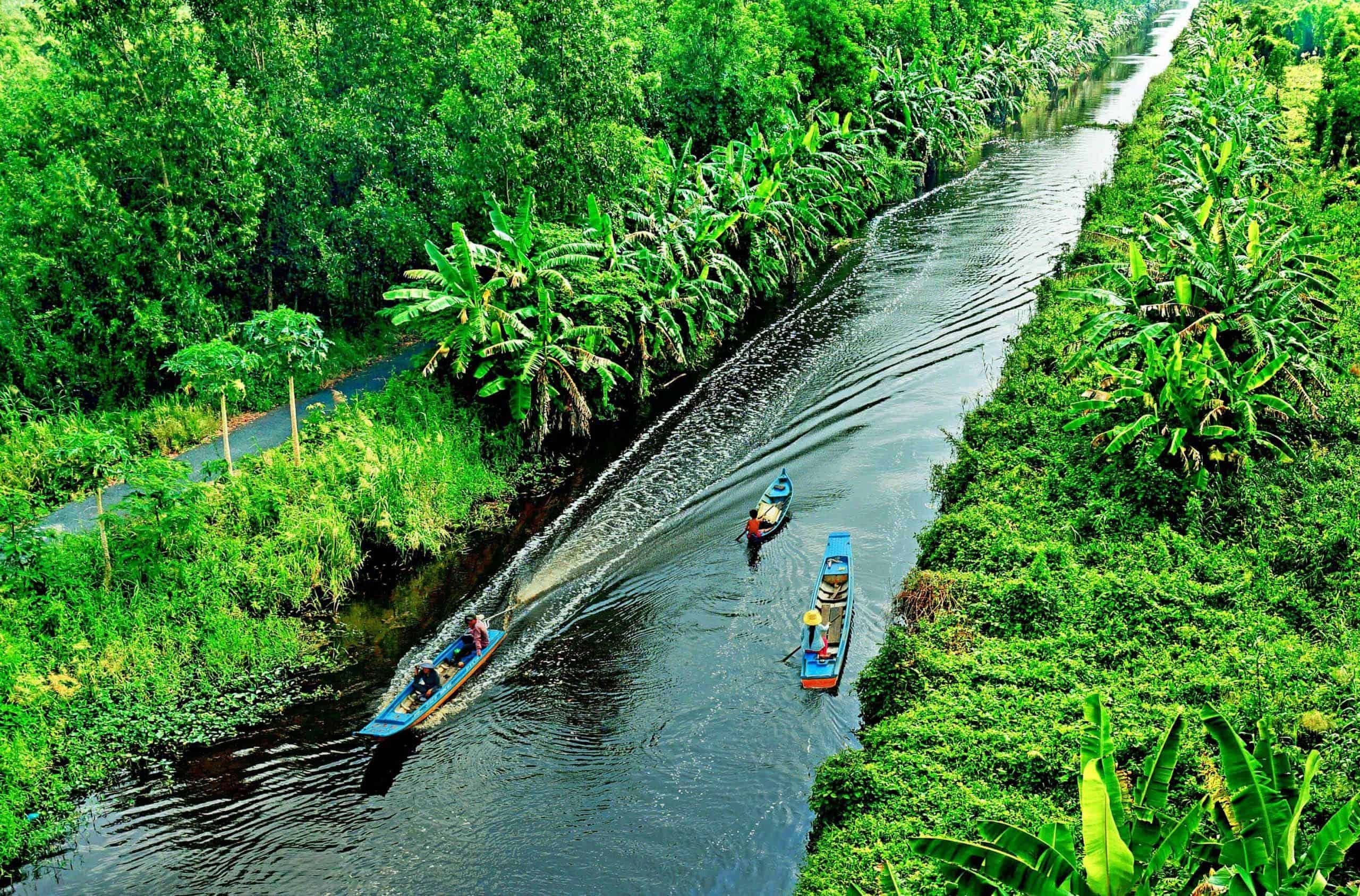
The Mekong Delta introduces travelers to southern Vietnam’s river culture. A tour can include canals, fruit gardens, local homes, riverside markets, small workshops, and river communities.
Travelers can learn how water shapes daily life, farming, trade, food, and family routines. Local activities may include coconut candy making, rice paper making, fruit tasting, boat rides, or home-style meals.
Small community visits should be arranged respectfully so they feel natural rather than staged. This experience is suitable for families, food lovers, slow travelers, and travelers interested in local life.
A private guide helps choose less commercial routes and create a more personal experience.
7. Traditional Craft Village Tour near Hanoi
A traditional craft village tour near Hanoi helps travelers understand how skills are passed through generations. Depending on the route, travelers can visit villages known for pottery, silk, lacquerware, incense, paper, weaving, or traditional painting.
Meeting artisans adds context to the experience. Travelers can learn how craft traditions connect with family businesses, festivals, temples, and daily life.
Hands-on workshops may be available depending on the village and season. This tour is suitable for families, creative travelers, photographers, and culture lovers.
It can be customized as a half-day or full-day cultural extension from Hanoi.
8. Northern Mountain Ethnic Culture and Rice Field Tour
Northern mountain regions such as Mai Chau, Pu Luong, Sapa, or Ha Giang offer cultural experiences connected to ethnic minority traditions, textiles, village life, local food, farming, and rice terrace landscapes.
Travelers can add light trekking, village walks, weaving demonstrations, local meals, or homestay-style experiences depending on comfort level. These routes are especially meaningful for photographers, adventure travelers, slow travelers, and travelers seeking deeper local traditions.
Respectful interaction is important. Travelers should avoid treating villages only as photo stops. Private planning is helpful because routes, road conditions, walking difficulty, and comfort levels vary.
9. Ho Chi Minh City Local Neighborhood, Market, and Street Food Tour
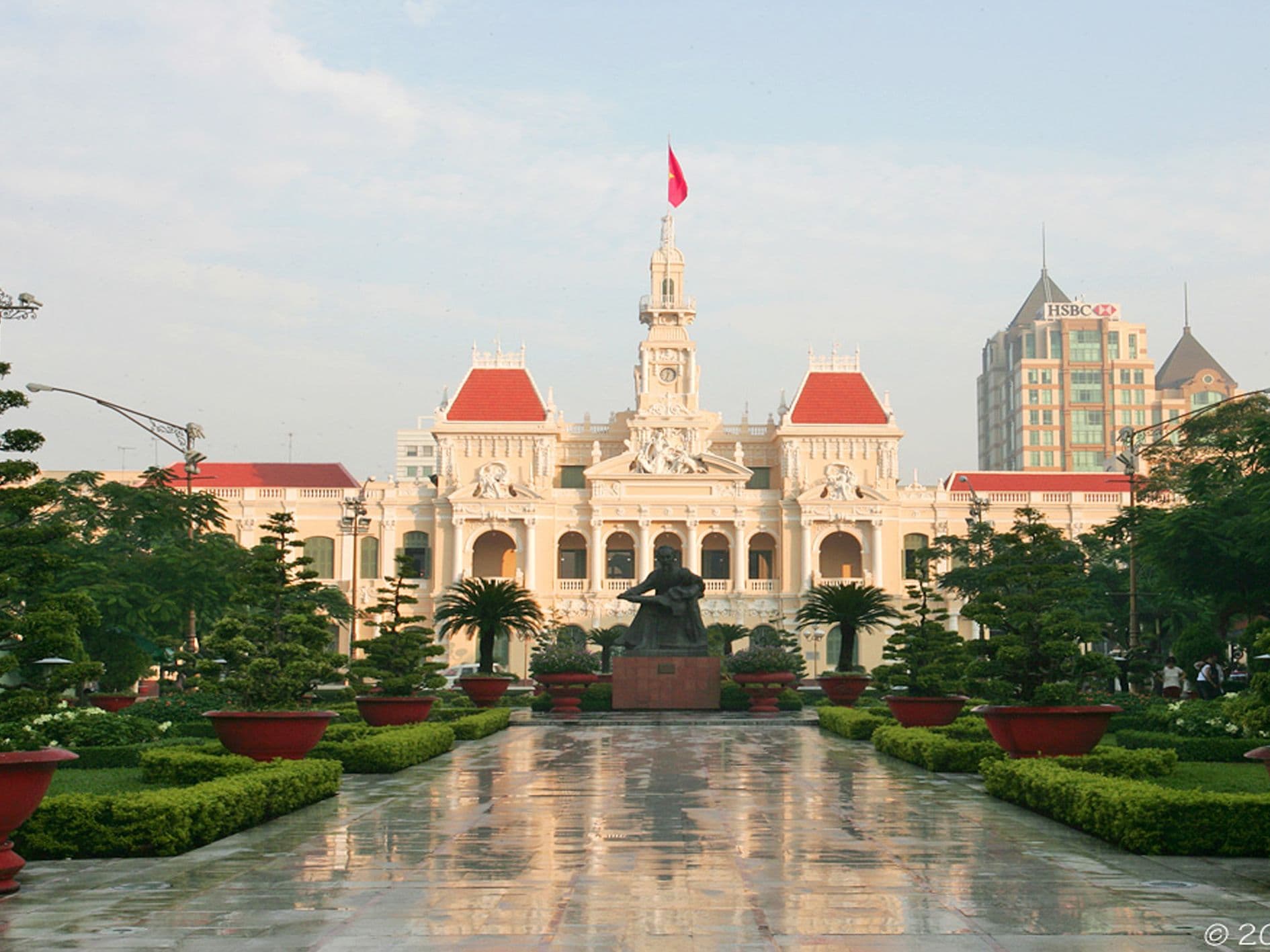
Ho Chi Minh City offers a different cultural rhythm from northern and central Vietnam. A local neighborhood, market, and street food tour can introduce southern food, cafés, historic neighborhoods, modern city life, and everyday routines.
Travelers can try southern dishes, snacks, coffee, desserts, or evening street food. A guide can explain the city’s energy, migration stories, food culture, wartime history, and local business life.
The tour can include local markets, hidden cafés, small eateries, or night food routes. It is suitable for food lovers, first-time visitors, couples, and travelers who enjoy city culture.
It can be arranged as a private day tour or evening food experience.
10. Vietnamese Farming, Fishing, and Countryside Life Tour
A Vietnamese farming, fishing, and countryside life tour helps travelers experience rural traditions through hands-on activities. These may include vegetable farming, rice field walks, basket boat rides, fishing demonstrations, buffalo experiences, or local garden visits.
Strong locations include Hoi An countryside, the Mekong Delta, Ninh Binh, Mai Chau, and Pu Luong. The experience is good for families because activities are interactive and easy to understand.
It is also strong for photographers because countryside settings offer local-life scenes. The experience should be arranged in a respectful way that supports local hosts and avoids feeling staged.
Best Destinations for Vietnam Cultural Experience Tours
Hanoi
Hanoi is best for food culture, Old Quarter history, coffee, craft streets, markets, museums, and nearby villages. It is suitable for first-time visitors who want a strong cultural introduction.
Travelers can add food tours, coffee tasting, craft village visits, and local-guided walks. Hanoi works well at the beginning of a Vietnam itinerary because it helps travelers understand northern culture and daily life.
FtripAsia can customize Hanoi cultural experiences based on food interest, walking comfort, dietary needs, and preferred pace.
Ninh Binh
Ninh Binh is best for countryside culture, temples, boat rides, limestone scenery, village roads, and local meals. It is suitable for couples, families, seniors, and photographers.
Travelers can visit Ninh Binh as a day trip or overnight stay. The destination combines nature and cultural history in a relaxed way, making it a good choice for travelers who want a softer experience outside Hanoi.
Hue
Hue is best for imperial history, royal cuisine, pagodas, garden houses, traditional music, and heritage storytelling. It is suitable for history lovers, seniors, food travelers, and culture-focused guests.
A guide adds strong value because Hue’s cultural meaning is tied to stories and symbolism. Hue works well with Hoi An and Da Nang in a Central Vietnam route.
This destination is ideal for travelers who want depth rather than only sightseeing.
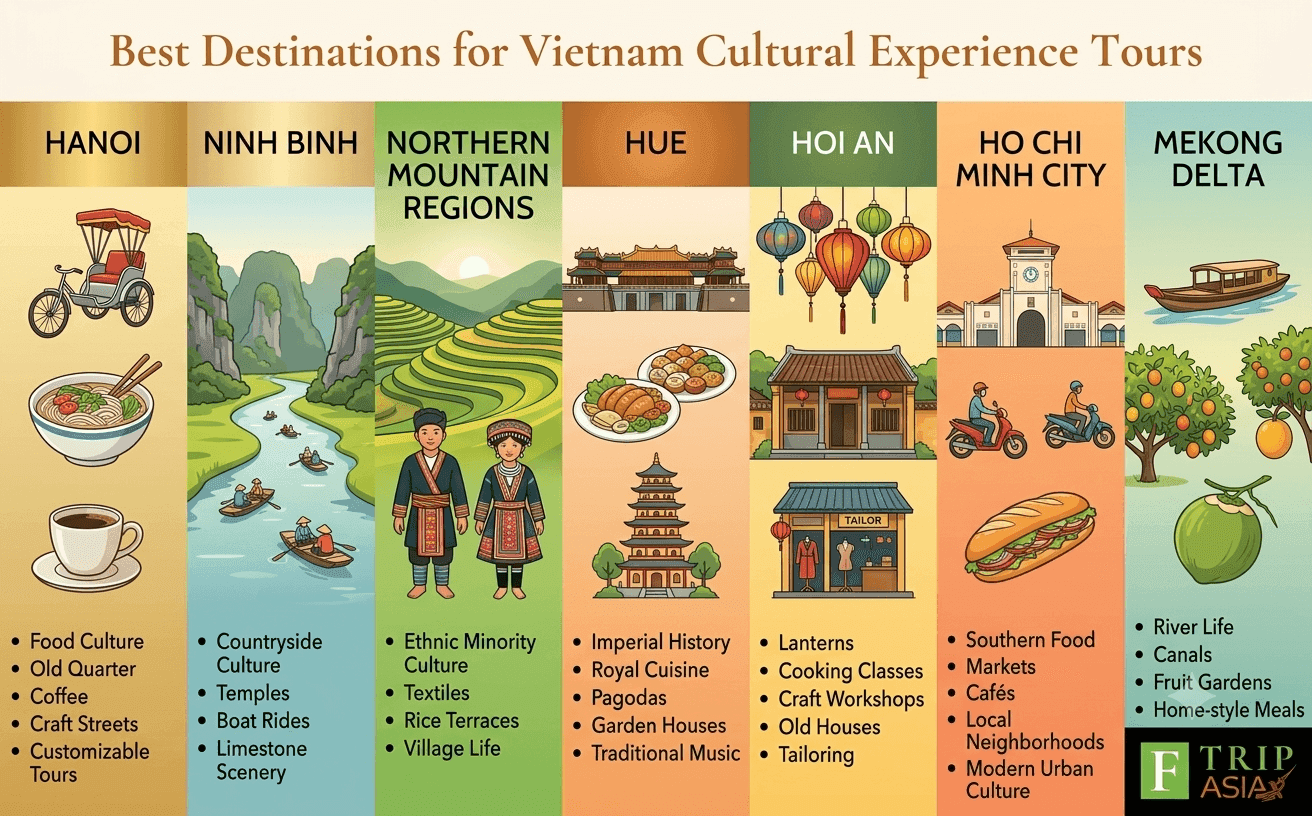
Hoi An
Hoi An is best for lanterns, cooking classes, craft workshops, old houses, markets, cafés, tailoring, countryside cycling, and riverside traditions. It is suitable for families, couples, honeymooners, photographers, and creative travelers.
Hoi An offers many hands-on cultural activities in a compact area. Free time should be included because the town is best enjoyed slowly.
It works well as both a cultural and relaxation hub.
Ho Chi Minh City
Ho Chi Minh City is best for southern food, markets, cafés, local neighborhoods, history, and modern urban culture. It is suitable for food lovers, first-time visitors, and travelers who enjoy city energy.
Guided food tours, market walks, local coffee stops, and history-focused routes can help travelers understand Vietnam’s modern southern identity. The city also works well before or after the Mekong Delta.
Mekong Delta
The Mekong Delta is best for river life, canals, fruit gardens, home-style meals, local workshops, and riverside communities. It is suitable for families, food lovers, slow travelers, and culture-focused visitors.
A guide helps travelers avoid overly commercial routes and adds local context. Day trips and overnight stays can both work depending on schedule and comfort level.
The experience is strongest when designed around real local interaction and comfortable pacing.
Northern Mountain Regions
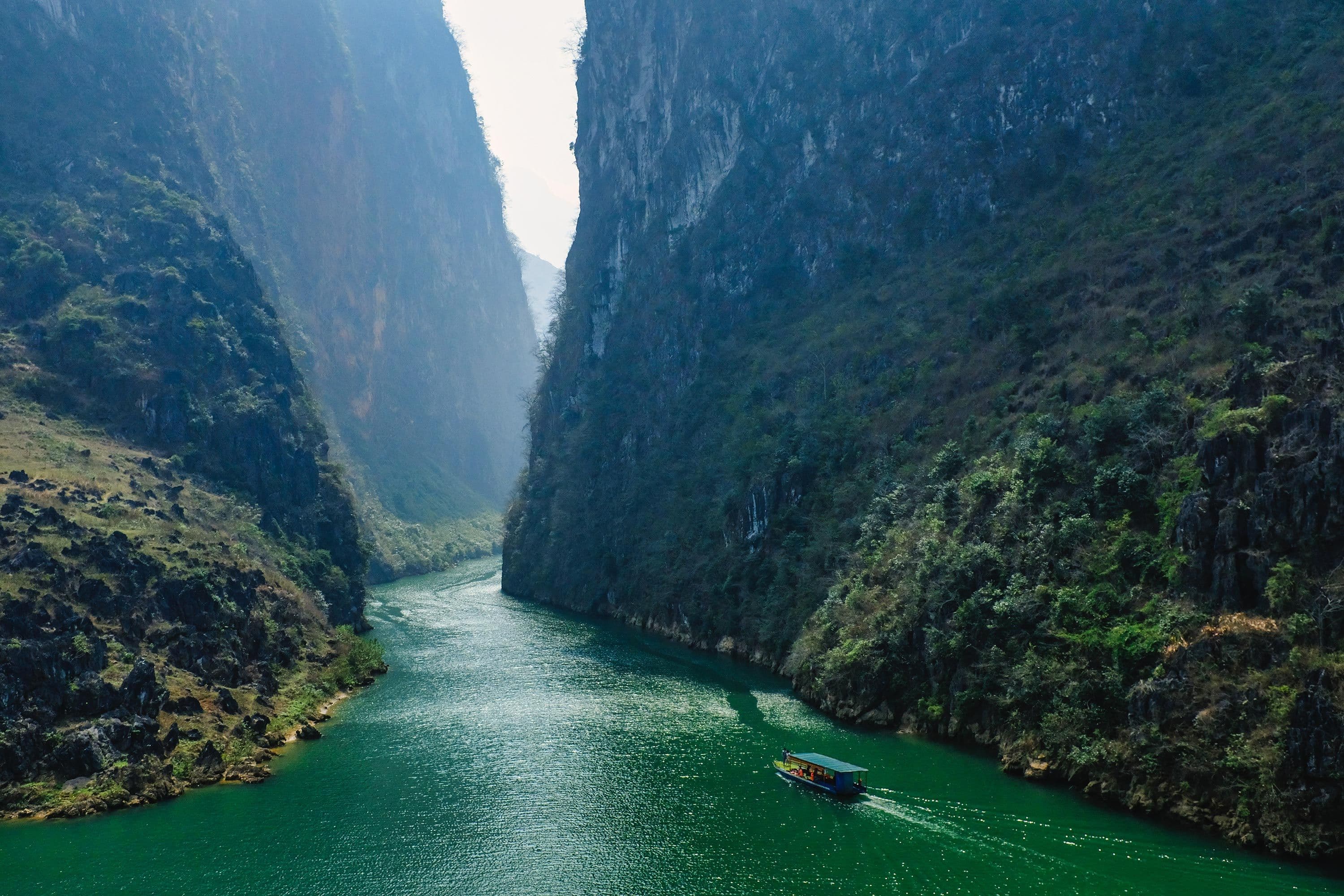
Northern mountain regions are best for ethnic minority culture, textiles, rice terraces, village life, local meals, and photography. Destinations may include Mai Chau, Pu Luong, Sapa, or Ha Giang.
These areas are suitable for active travelers, photographers, and slow travelers. Comfort level and transfer time should be planned carefully because some routes involve long drives or uneven terrain.
Local guidance is important for respectful cultural interaction.
How to Choose the Right Vietnam Cultural Experience Tour
How Should the Tour Match Your Travel Style?
The right cultural tour should match the traveler’s interests, pace, and comfort level. Food lovers may prefer Hanoi, Hue, Hoi An, Ho Chi Minh City, and Mekong Delta food experiences. Families may prefer cooking classes, lantern workshops, boat rides, and countryside activities.
Couples may enjoy private food tours, romantic Hoi An walks, cruises, and photography routes. Seniors may prefer slower cultural routes with comfortable transport and fewer stairs. Photographers may prefer markets, craft villages, mountain regions, Hoi An, Ninh Binh, and river life.
A cultural tour feels better when it is chosen for the traveler, not just added because it is popular.
Why Check the Level of Local Interaction?
Travelers should ask whether the tour involves real local hosts, artisans, guides, or family-run venues. A meaningful cultural tour should not only include quick photo stops without explanation.
Workshops, meals, market walks, storytelling, and respectful community visits often create stronger memories. Smaller tours usually allow better interaction.
Local interaction should feel meaningful and comfortable for both travelers and hosts.
Why Review Physical Difficulty?
Some cultural tours involve walking, cycling, stairs, boat rides, markets, or countryside paths. Families and seniors should ask about walking distance and activity level before booking.
Mountain and rural experiences may require more physical comfort than city tours. Private tours can adjust pace and rest stops.
The goal is to enjoy cultural depth without making the itinerary too tiring.
Why Consider Season and Weather?
Vietnam’s weather differs by region. Hanoi, Ninh Binh, and northern mountains can feel cooler in winter. Central Vietnam can experience heavier rain during certain months. Southern Vietnam is usually warm but can have tropical showers.
Rain can affect markets, countryside tours, boat rides, and photography. A local agency can adjust cultural experiences based on season and weather.
Season-aware planning helps the tour feel more practical.
Why Ask About Dietary and Cultural Needs?
Food and cooking tours should be planned around allergies, spice level, vegetarian meals, Muslim-friendly meals, Judaism travel support, or medical diets. Clear communication before booking makes the experience smoother.
Some traditional dishes may include pork, seafood, fish sauce, or nuts. Guides can suggest alternatives when informed early.
This is especially important for families, seniors, and niche-market travelers.
Suggested Vietnam Cultural Tour by Travel Stage
Stage 1: Hanoi Cultural Introduction, Food, Coffee, and Craft Traditions
A cultural journey can begin in Hanoi with Old Quarter walks, food tours, coffee tasting, markets, temples, museums, and traditional craft streets. This stage gives travelers a strong first connection with Vietnam’s cultural rhythm.
Travelers can also add a nearby craft village such as pottery, silk, incense, lacquerware, or traditional painting depending on interests. Local guides can explain northern food culture, family traditions, history, etiquette, and street life.
If travelers are arriving from the USA or another long-haul destination, the first day should stay light. This helps the trip begin smoothly.
Stage 2: Northern Countryside, Local Villages, and Scenic Heritage
The second stage can continue to Ninh Binh for boat rides, temples, pagodas, rice fields, local meals, and village scenery. Ninh Binh connects cultural traditions with rural landscapes in a gentle way.
Travelers who want more depth can add Mai Chau, Pu Luong, Sapa, or Ha Giang for ethnic culture, textiles, mountain landscapes, and rice terraces. Experiences may include light walking, cycling, village visits, local hosts, weaving demonstrations, or photography stops depending on comfort level.
Routes should be chosen carefully to avoid rushed transfers or overly difficult activities.
Stage 3: Central Vietnam Heritage, Cooking, Lanterns, and Workshops
Central Vietnam can include Hue, Da Nang, and Hoi An for imperial history, regional cuisine, ancient town culture, and hands-on activities. Hue offers the Imperial City, royal tombs, pagodas, garden houses, and royal-style cuisine with local storytelling.
Hoi An adds lantern making, cooking classes, market walks, basket boat experiences, pottery, tailoring, and countryside cycling. Da Nang can add beach, cafés, spa, or wellness time for balance.
This stage is ideal for travelers who want culture, creativity, food, photography, and relaxation in one region.
Stage 4: Southern Vietnam City Culture, Mekong River Life, and Local Traditions
The final cultural stage can begin in Ho Chi Minh City with southern food, markets, cafés, local neighborhoods, historic sites, and modern city culture. A street food tour, coffee experience, local market walk, or guided neighborhood route can add more depth.
The route can continue to the Mekong Delta for canals, fruit gardens, local workshops, boat rides, home-style meals, and riverside traditions. Travelers can choose a day trip or overnight stay depending on itinerary length and comfort level.
This stage completes the cultural journey with southern energy, river communities, and warm local hospitality.
How to Customize Vietnam Cultural Tours by Traveler Type
What Works for First-Time Visitors?
First-time visitors can choose a classic cultural route with Hanoi, Ninh Binh, Hue, Hoi An, Ho Chi Minh City, and the Mekong Delta. Food tours, cooking classes, craft workshops, and local guides can help make the trip easier to understand.
The itinerary should stay balanced with free time. Too many remote places should be avoided on the first trip.
The focus should be on culture that feels easy to understand and enjoyable.
What Works for Couples and Honeymooners?
Couples and honeymooners can add private food tours, romantic dinners, photography routes, Hoi An lantern walks, cooking classes, and boutique hotels. Ninh Binh, Lan Ha Bay, Hue, Hoi An, and beach extensions can work well if the pace is relaxed.
Smaller workshops and private local experiences often feel more personal. Ending with beach, spa, or wellness time can make the trip feel complete.
What Works for Families?
Families can choose hands-on experiences such as cooking classes, lantern making, pottery, basket boat rides, farming, and market visits. These activities are interactive and easy for children to understand.
Activities should not be too long, and the itinerary should include pool time, beach time, and rest breaks. Private transfers and child-friendly guides can make the experience smoother.
Children’s ages and dietary needs should be shared early.
What Works for Senior Travelers?
Senior travelers should choose comfortable cultural tours with private transfers, slower walking routes, elevators where possible, and shorter activity blocks. Scenic boat rides, heritage sites, local meals, markets, museums, and gentle workshops can all work well.
The itinerary should avoid difficult trekking, too many stairs, and late-night schedules. Rest time between cultural activities is important.
Mobility and health needs should be shared before booking.
What Works for Food Lovers?
Food lovers can build the route around Hanoi, Hue, Hoi An, Ho Chi Minh City, and the Mekong Delta. Street food tours, market walks, cooking classes, coffee tasting, and home-style meals can become the main cultural thread of the journey.
Guides can explain ingredients, sauces, herbs, and regional food traditions. Menus can also be adjusted for dietary needs when planned early.
What Works for Photographers and Creative Travelers?
Photographers and creative travelers can add early morning markets, Old Quarter alleys, Hoi An lantern streets, craft villages, rice fields, river life, and mountain landscapes.
Local guides can help with timing, lighting, stories, and respectful interaction. Workshops with artisans and local hosts can also create meaningful photography opportunities.
Private tours work especially well for creative travelers because the schedule can stay flexible.
Travel Requirements US Travelers Should Prepare
What Passport and Vietnam Visa Details Matter?
US travelers need a valid passport and Vietnam visa or e-visa. The U.S. Department of State states that travelers need a visa for Vietnam, and passports should have six months’ validity beyond arrival with one blank page per stamp. (Travel.state.gov)
Vietnam e-visas can be valid for up to 90 days, with single-entry and multiple-entry options. Vietnam’s official e-visa system lists the fee as US$25 for single entry and US$50 for multiple entry.
Visa details should match passport information exactly. Travelers should apply early and print approved visa documents before departure.
Why Are Travel Insurance and Health Preparation Important?
Travel insurance is strongly recommended for Vietnam cultural tours. Coverage should include medical care, cancellation, delays, lost luggage, domestic flights, cruises, countryside routes, and planned activities.
Travelers should prepare prescription medication and basic first aid. Health preparation should match route, season, age, and activity level.
CDC recommends hepatitis A vaccination for unvaccinated travelers one year old or older going to Vietnam. Families, seniors, and travelers joining countryside or mountain routes may need more detailed planning before departure.
What Money, Connectivity, and Documents Should Travelers Prepare?
Travelers should bring credit cards and some Vietnamese Dong for small purchases. A SIM, eSIM, or roaming plan is useful for maps, messaging, and local support.
Hotel addresses, guide contacts, itinerary details, and emergency numbers should be saved offline. Travelers should keep printed and digital copies of passport, visa, insurance, and flights.
Medication and key documents should stay in hand luggage.
Cost Factors for Vietnam Cultural Experience Tours
How Do Tour Length and Destination Count Affect Cost?
Half-day tours cost less than full-day or multi-day cultural itineraries. Multi-region cultural tours cost more because they may involve hotels, guides, domestic flights, transfers, meals, and activities.
Adding remote villages or mountain routes can increase transport cost. Longer trips allow deeper cultural experiences and better pacing, but travelers should still avoid choosing only by low price.
A meaningful cultural tour should balance cost, comfort, and local value.
How Does Private vs Small Group Format Affect Cost?
Private tours offer more flexibility, comfort, and personalization. Small group tours can provide better value and social connection.
Families, seniors, couples, and photographers often benefit from private guiding because the pace can be adjusted. Solo travelers may enjoy small groups.
The right choice depends on travel style and budget.
How Do Included Experiences and Workshops Affect Cost?
Cooking classes, craft workshops, food tours, photography routes, local meals, and village visits can affect price. Some experiences require special coordination with local hosts or artisans.
Higher-quality experiences often feel more meaningful. Travelers should check what is arranged before comparing packages.
Transparent planning helps avoid surprise costs.
How Do Hotel, Transport, and Guide Quality Affect Cost?
Cultural tours can be day experiences or part of a full Vietnam package. Hotel level, private transfers, domestic flights, and guide expertise can change the total cost.
Specialist guides may cost more but add strong value. Comfort level should match traveler type.
A well-designed cultural trip should balance cost, comfort, and authenticity.
Common Mistakes to Avoid When Booking Vietnam Cultural Tours
Travelers should avoid choosing cultural tours only by price. A low-cost option may not provide strong guide quality, meaningful local interaction, or respectful coordination with local hosts.
Other common mistakes include booking generic sightseeing instead of real local experiences, not checking whether the tour includes hands-on activities, ignoring physical difficulty, not sharing dietary needs before food tours, visiting villages without respectful local guidance, booking too many activities in one day, and forgetting weather or seasonal conditions.
Travelers should also avoid skipping free time in cultural destinations such as Hoi An and Hue. If personal interaction matters, large group tours may not be the right fit.
A strong cultural experience should feel thoughtful, respectful, and locally connected.
Why Plan Vietnam Cultural Experience Tours with FtripAsia?
FtripAsia helps travelers design Vietnam cultural experience tours based on travel dates, trip length, hotel style, comfort level, dietary needs, interests, and preferred pace.
The team is 100% local, with 7+ years of experience creating Vietnam trips for international travelers. This local background helps travelers choose cultural experiences that feel meaningful, practical, and respectful.
FtripAsia can customize cultural tours for first-time visitors, couples, families, seniors, small groups, luxury travelers, food lovers, photographers, and creative travelers.
The team has experience serving niche markets, including Muslim and Judaism travelers, making it easier to arrange suitable meals, cultural sensitivity, private support, and smoother logistics.
Travelers can request experiences that are difficult to find in standard packages, such as photography tours, cooking classes, local workshops, craft villages, private food tours, romantic dinners, countryside stays, scenic cruises, wellness days, hidden gems, and daily cultural activities.
Many tourists praise FtripAsia for enthusiastic, knowledgeable, and friendly support. This is especially valuable for travelers who want meaningful cultural experiences arranged with local care and flexibility.
With FtripAsia, travelers can design Vietnam cultural experience tours that feel personal, respectful, insightful, and deeply connected to local traditions.
FAQs
What are the best cultural experiences in Vietnam?
Some of the best cultural experiences in Vietnam include Hanoi food tours, Hoi An lantern making, Hue imperial heritage tours, cooking classes, Mekong Delta river life, craft village visits, mountain ethnic culture, local markets, countryside farming, and traditional workshops. The best choice depends on travel style, trip length, comfort level, and interests. First-time visitors often enjoy combining food, heritage, workshops, and local-guided walks.
Are Vietnam cultural experience tours suitable for families?
Yes, Vietnam cultural experience tours can be very suitable for families. Good family-friendly options include cooking classes, lantern making, pottery, basket boat rides, market walks, countryside cycling, and river activities. Families should choose shorter, interactive activities with private transfers and flexible timing. Children’s ages, food preferences, and allergies should be shared before booking.
Can Vietnam cultural tours be customized?
Yes, Vietnam cultural tours can be customized by destination, activity type, hotel level, guide style, travel pace, dietary needs, and comfort level. Travelers can add food tours, cooking classes, craft workshops, photography routes, countryside stays, river experiences, and beach extensions. With FtripAsia, travelers can design cultural tours that match their interests and preferred travel style.
How many days do you need for a Vietnam cultural tour?
A half-day or full-day tour works well for one city experience, such as Hanoi food or Hoi An lantern making. Around 7-9 days can cover one or two cultural regions. Around 10-14 days allows travelers to combine Hanoi, Ninh Binh, Hue, Hoi An, Ho Chi Minh City, and the Mekong Delta. Longer trips can include mountain cultures, craft villages, countryside stays, and deeper local experiences.
Conclusion
Vietnam cultural experience tours help travelers discover local traditions through food, crafts, history, villages, markets, rivers, family life, and hands-on activities. These tours make Vietnam feel more personal because travelers can learn directly from local guides, artisans, cooks, farmers, and community hosts.
The 10 cultural experience tours above include Hanoi food and coffee culture, Hoi An lantern making, Hue imperial heritage, cooking classes, Ninh Binh countryside, Mekong Delta river life, craft villages, northern mountain culture, Ho Chi Minh City local life, and farming or fishing experiences.
The right cultural tour should match travel style, physical comfort, dietary needs, season, guide quality, and desired level of local interaction. Customized cultural tours are especially useful for first-time visitors, couples, families, seniors, food lovers, photographers, and travelers who want more than standard sightseeing.
FtripAsia can help travelers design Vietnam cultural experience tours with trusted local guides, private transfers, suitable hotels, special meals, authentic workshops, and flexible pacing.
Travelers can request a customized Vietnam cultural itinerary that feels personal, respectful, insightful, and deeply connected to local traditions.
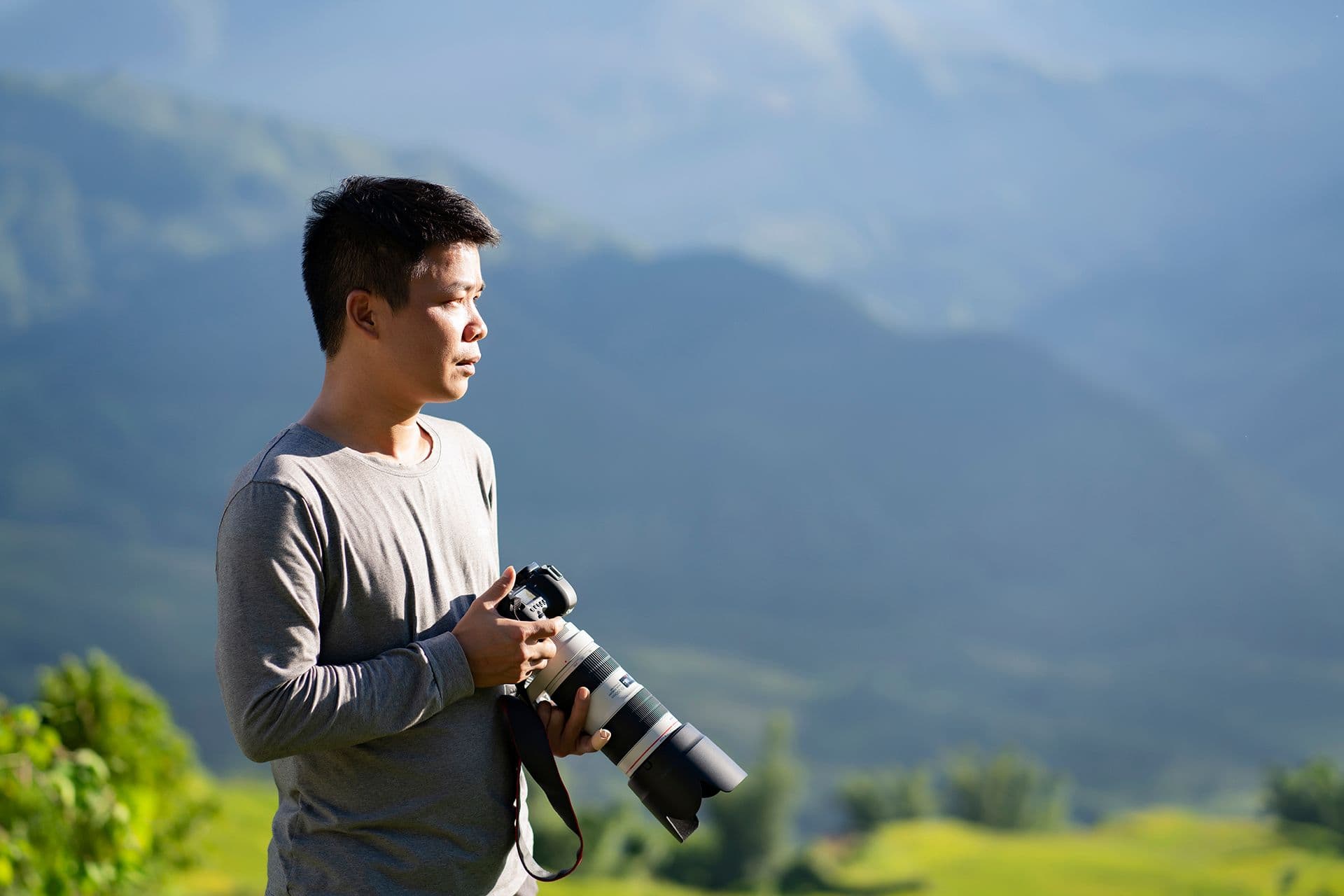
Founder & Photography Guide
Specialties: Culture, landscape, portrait, hiking, active and adventurous tour
Besides my unlimited passion for traveling, a professional tour guide for over a decade, I have been taking photographs since sitting at Hanoi of the University of Culture in the early 2000s. Photography started as a hobby but it was seriously taken due to my work relations and my significant passion for the beauty of our world, especially in Southeast Asian parts such as Vietnam, Laos, Cambodia, and Myanmar.
Within a few years of taking photographs, my works began to be recognized by many reliable international publications such as AFAR Travel, The Times, and The Daily Telegraph newspaper. In addition, I continuously add to my growing profile by winning numerous major awards: 3rd Position of The Independent Photographer 2018, 1st Position of Amateur Photographer of the year 2018, Grand Prize Winner of the AFAR Travel Photography 2019, and a Gold Award of San Francisco Bay International Photography 2020.
I photograph a wide variety of subjects, from travel to landscapes to street scenes. I enjoy documenting the East’s rich cultural heritage and its land soaked in glorious sunrise or sunset light in remote and secluded spots. And, I am very happy to share my knowledge and experience with you. You can visit Luminousvietnamtour to explore tour!