- 1. Best Time to Visit Vietnam and Cambodia: What You Need to Know
- 2. When Is the Best Time to Visit Vietnam and Cambodia?
- November to February: Best Time for Travelling
- March to May: Hotter but Suitable for Beach Holidays
- June to October: Green Landscapes and More Rain
- 3. Vietnam Weather by Region
- 3.1 Northern Vietnam
- 3.2 Central Vietnam
- 3.3 Southern Vietnam
- 4. Cambodia Weather: What to Expect Throughout the Year
- 4.1 Dry Season: November to April
- 4.2 Wet Season: May to October
- 4.3 Cambodia by Destination
- 5. Choosing the Best Time Based on Your Travel Style
- 6. Tips for Planning a Vietnam and Cambodia Trip
- 7. What to Pack for Vietnam and Cambodia
- Essentials
- If Traveling During the Rainy Season
- If Visiting Northern Vietnam in Winter
- 8. Planning Vietnam and Cambodia Tours with Flights from Australia
- 9. A 14-Day Vietnam and Cambodia Itinerary: Southern Vietnam & Cambodia
Vietnam and Cambodia are year-round destinations, but weather conditions vary significantly by region and season. Understanding these differences can help you choose travel dates that match your route, activities, and preferred pace.
1. Best Time to Visit Vietnam and Cambodia: What You Need to Know
While Vietnam has different weather patterns across each region, Cambodia has distinct dry and wet seasons.
For Vietnam-Cambodia travel, the most important thing is to consider your route first, then choose the travel period that best suits it.
As a general guide:
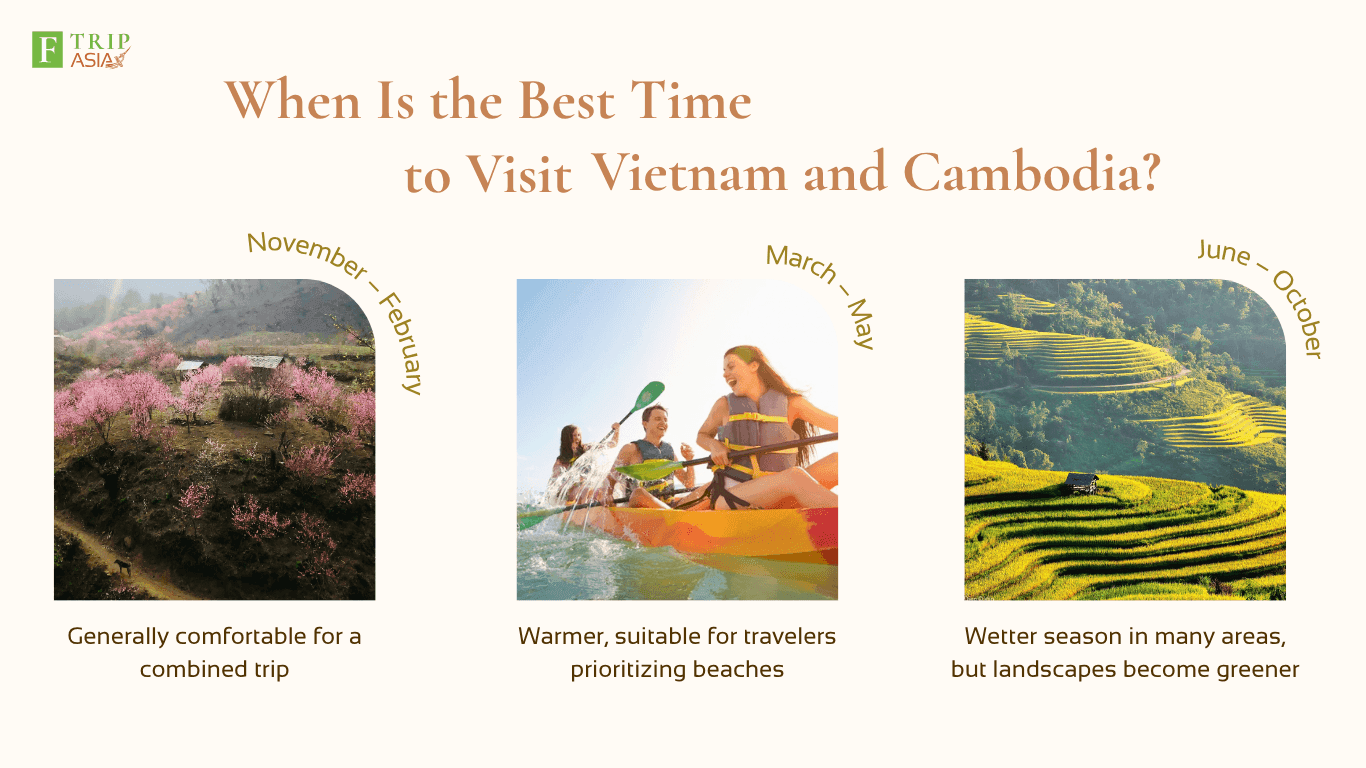
- November to February: Cooler and more comfortable in many parts of Vietnam and Cambodia, making this one of the most popular periods for sightseeing and cultural trips.
- March to May: Hotter across both countries, but suitable for beach holidays and travelers who do not mind high temperatures.
- June to October: Wetter in many areas, with more frequent rain. However, the landscapes are often greener, and some destinations can be rewarding with fewer visitors.
The best month to visit Vietnam and Cambodia ultimately depends on where you are going and how you want to spend your time.
2. When Is the Best Time to Visit Vietnam and Cambodia?
November to February: Best Time for Travelling
The period between November and February is ideal for a combined holiday. The dry season starts in Cambodia, and northern Vietnam is getting cooler.
This period is best for:
- Temple visits in Siem Reap
- Cultural sightseeing
- City tours
- Outdoor activities
- Multi-destination itineraries
At the same time, different parts of Vietnam experience different weather conditions. For instance, northern Vietnam is colder while it is warmer in the south.
March to May: Hotter but Suitable for Beach Holidays
The temperature rises from March onward; therefore, April and May are usually hot.
This time is good for travelling if you're a beach person. Central and southern Vietnam offer coastal destinations, while Cambodia's dry season continues into April.
The main issue is hot weather, which creates problems for outdoor activities because the heat can drain your energy. Hence, starting early and having a flexible schedule will be useful.
June to October: Green Landscapes and More Rain
Rain falls frequently during these wet months in both countries.
Rain usually doesn’t stay for long periods of time, and the countryside looks good. The rainy period is good for those who love nature and landscape photography. The main thing is to be guided by the regional weather.
3. Vietnam Weather by Region
3.1 Northern Vietnam
Northern Vietnam is the only region that has four different seasons.
From October to April, temperatures are lower, with December to February being the coldest period. Hanoi can feel chilly and humid during winter, while mountainous destinations such as Sapa and Ha Giang can be much colder.
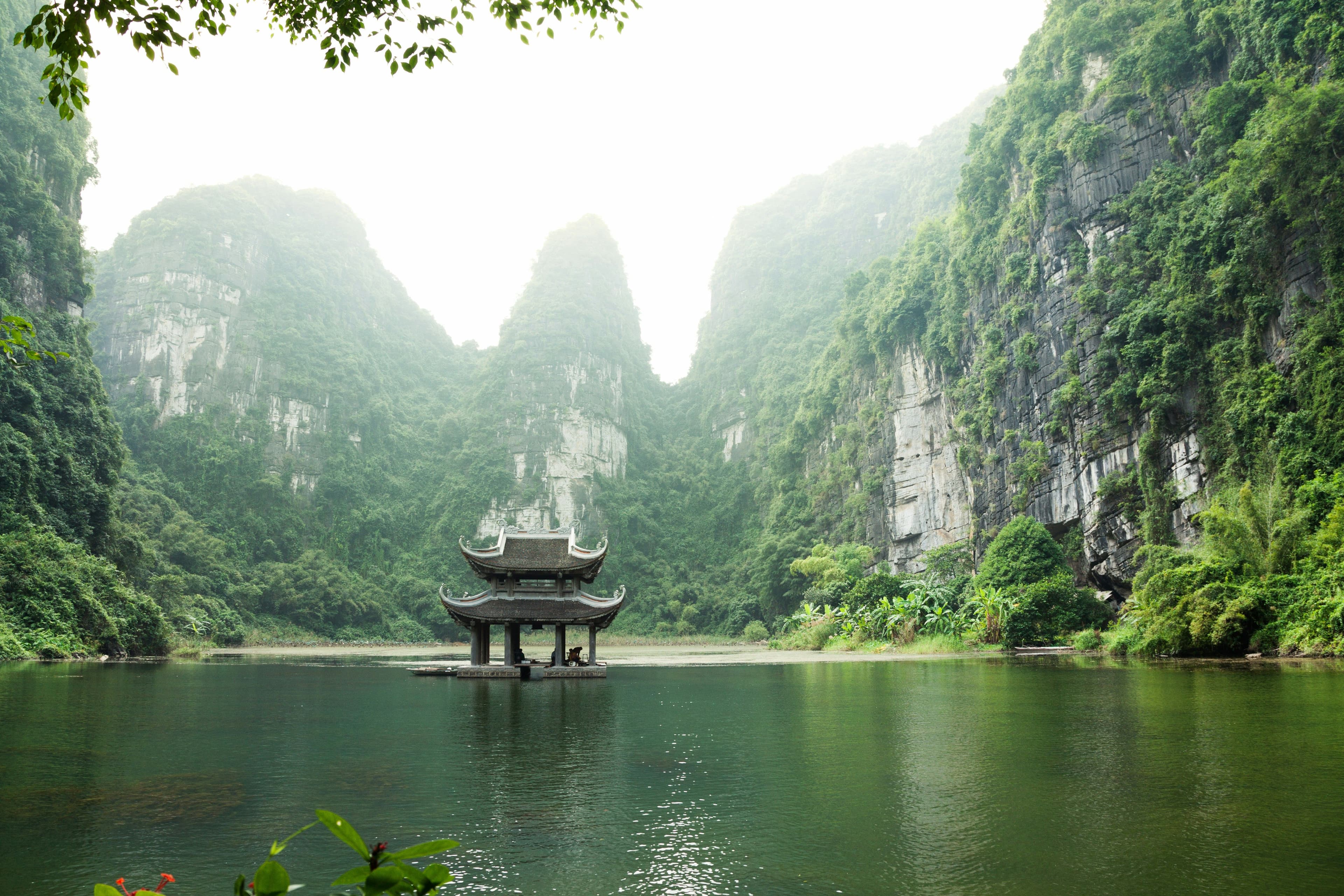
From May to September, temperatures rise, and rainfall becomes more frequent. The countryside becomes green, making this period appealing for travelers interested in rice terraces and rural landscapes.
For sightseeing, October to April is generally a good period. For green landscapes and photography, the wetter months can also offer excellent opportunities.
3.2 Central Vietnam
Central Vietnam has a different weather pattern from the north.
Destinations such as Hue, Da Nang, Hoi An, and the surrounding coastline are generally warmer. The wetter period is more pronounced from around September through December, particularly in parts of central Vietnam.
For beach trips and sightseeing, February to August can be a good general window, although conditions vary by destination.
Travelers planning a combined itinerary should pay particular attention to central Vietnam's rainfall if they want to include several coastal or outdoor activities.
3.3 Southern Vietnam
Southern Vietnam has a tropical climate with two main seasons: dry and wet.
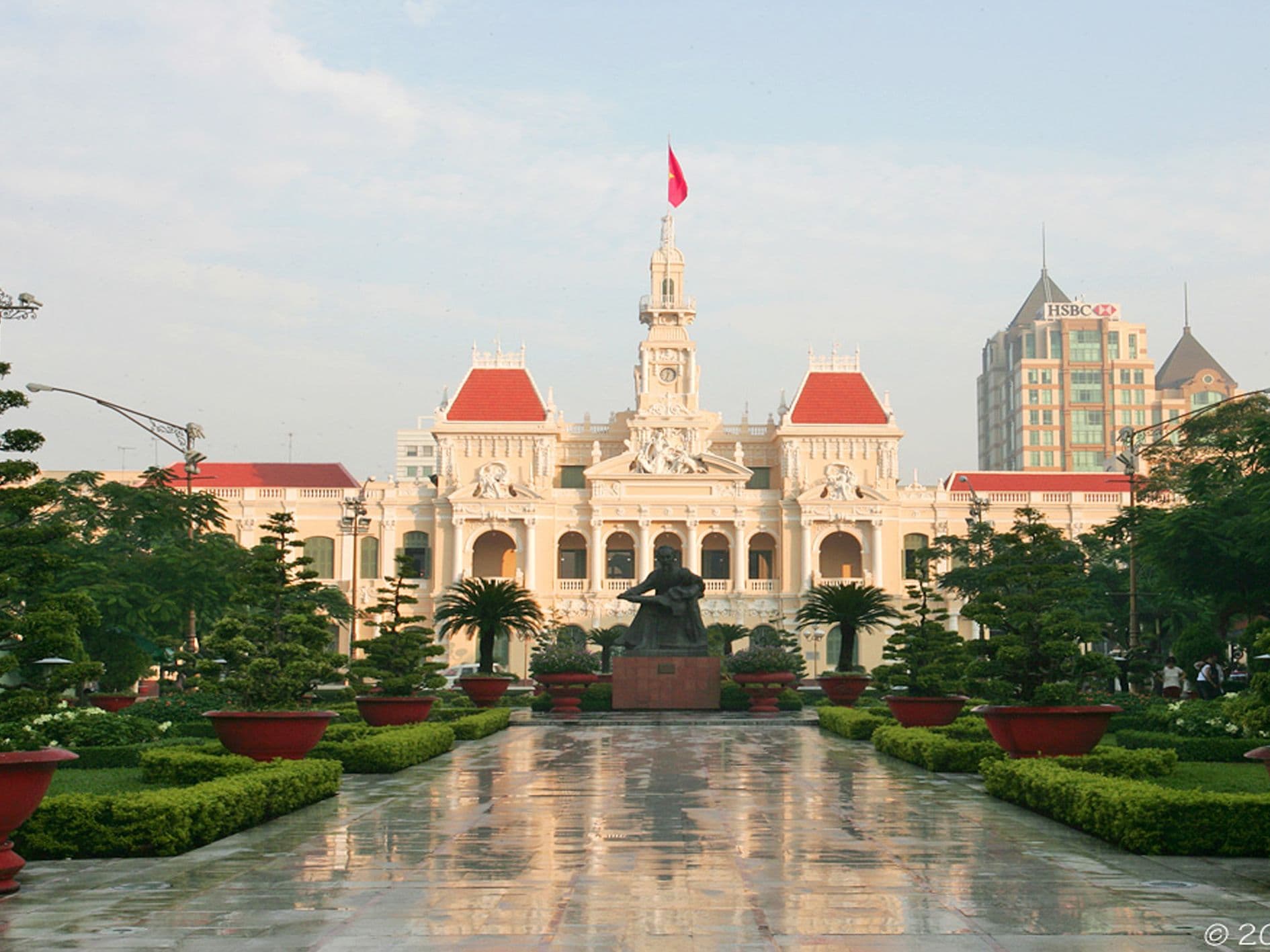
The dry season generally runs from November to April, bringing warmer temperatures and lower rainfall. This is a popular period for visiting Ho Chi Minh City, the Mekong Delta, and southern coastal destinations.
The wet season generally runs from May to October. Rain showers are more frequent, but they do not necessarily prevent travel. The countryside can be especially green, and travel may feel less crowded.
For a combined Vietnam and Cambodia itinerary focused on southern Vietnam, November to April is generally the easiest period for outdoor sightseeing.
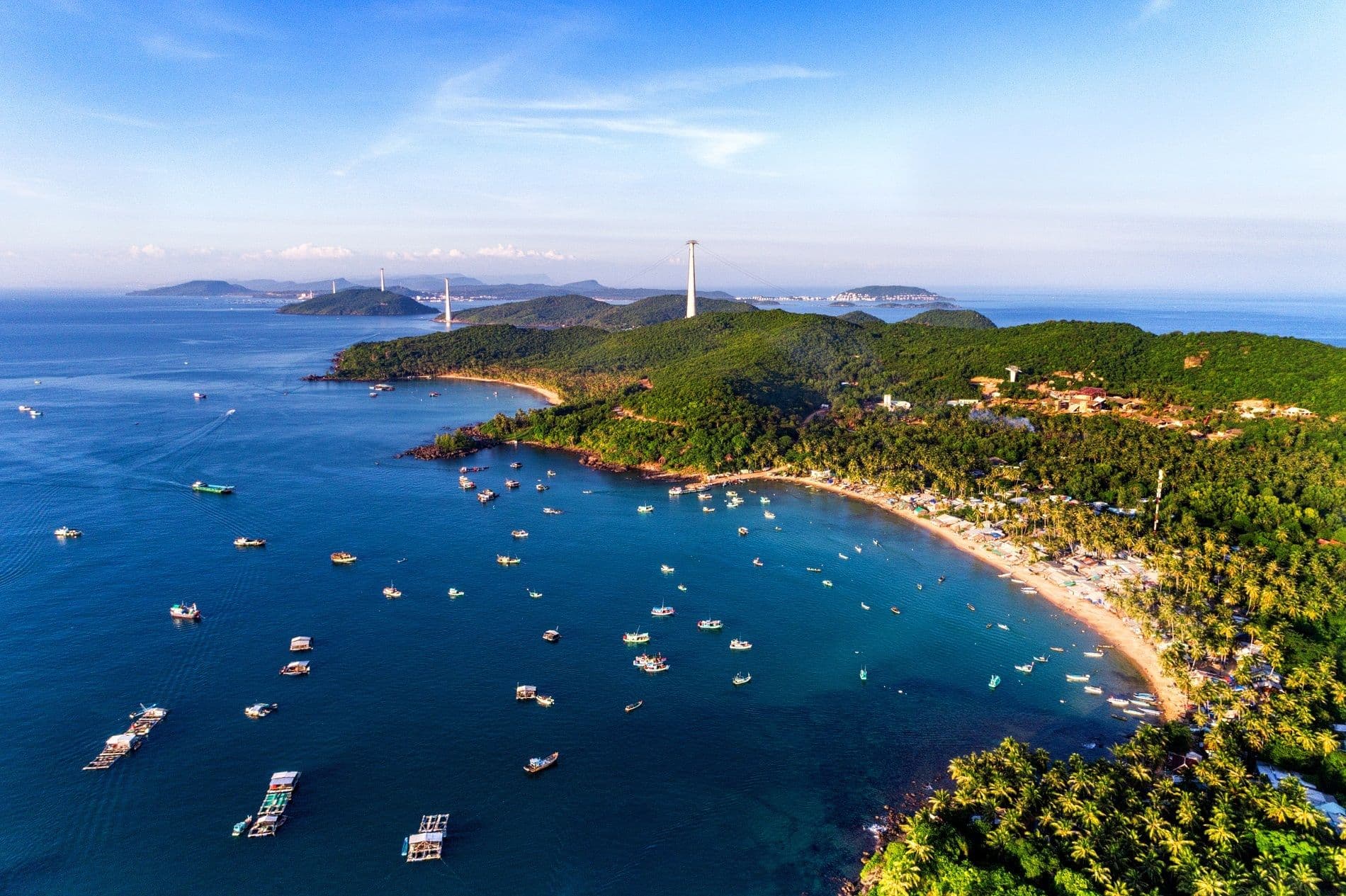
4. Cambodia Weather: What to Expect Throughout the Year
Cambodia has a tropical climate with a clearer division between dry and wet seasons than Vietnam.
Understanding Cambodia's weather by month can help you decide when to visit destinations such as Siem Reap, Phnom Penh, and the southern coast.
4.1 Dry Season: November to April
The dry season is generally considered the best time to visit Cambodia, particularly for sightseeing.
From November to February, temperatures are relatively comfortable, making it easier to spend several hours exploring temples and archaeological sites.
Temperatures rise significantly from March through April. April can be particularly hot, so early-morning sightseeing is recommended.
The dry season is ideal for:
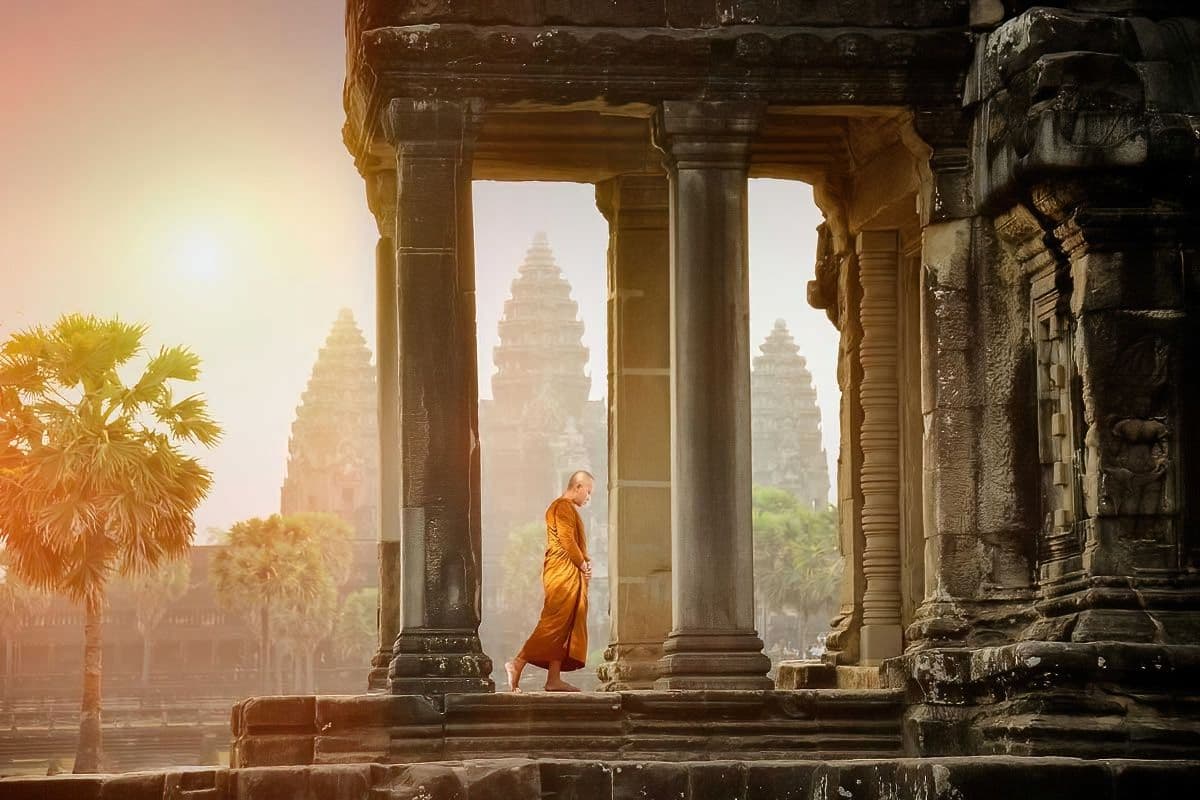
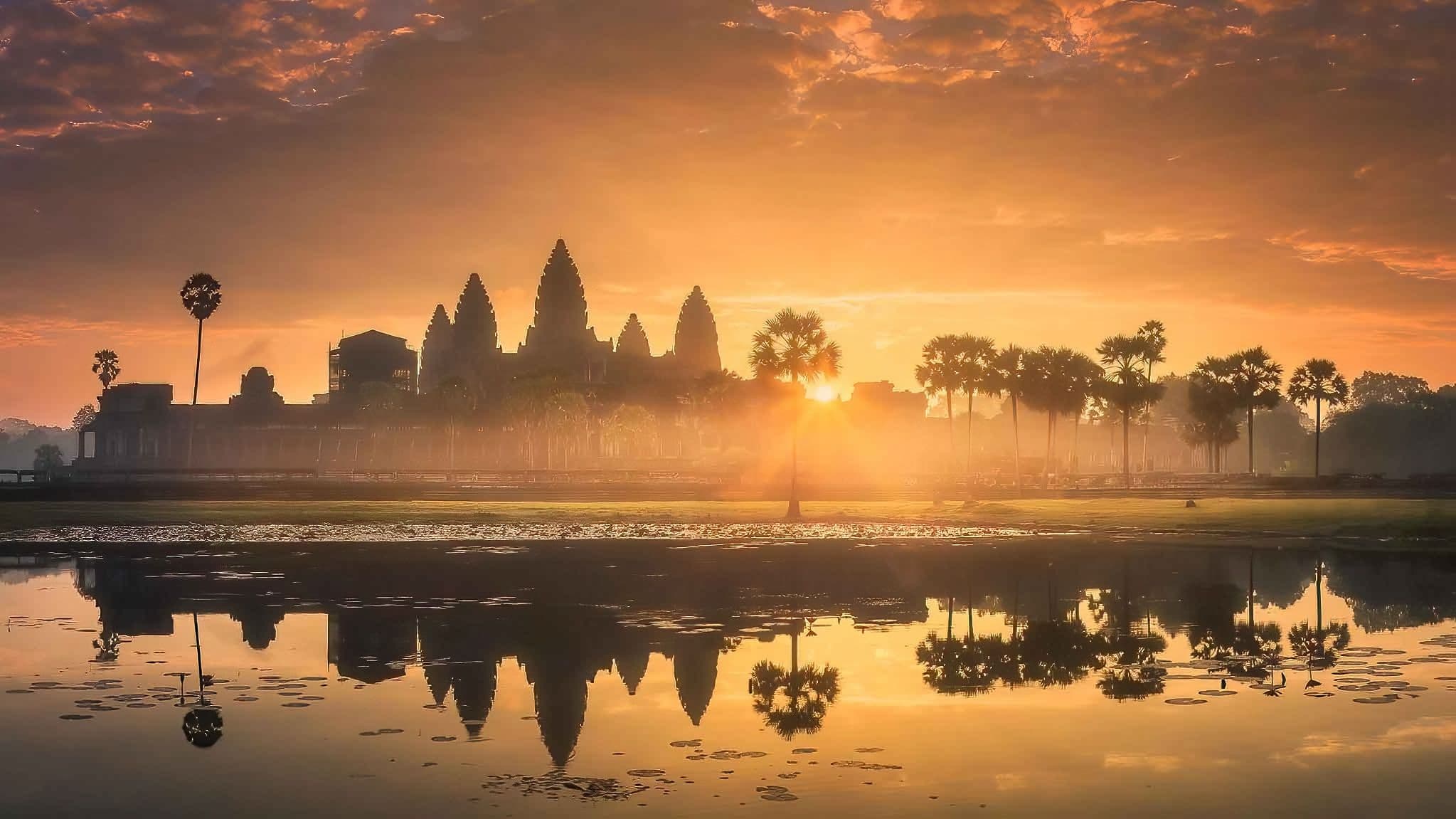
- Angkor Wat and the temples of Siem Reap
- Phnom Penh sightseeing
- Cultural experiences
- Outdoor activities
- Beach trips
4.2 Wet Season: May to October
Cambodia's wet season brings higher humidity and more frequent rainfall. Rain often arrives as afternoon or evening showers, although heavier periods can occur.
The advantage is the landscape. Rice fields, countryside, and vegetation become lush and vibrant, creating a very different atmosphere from the dry season.
Travelers visiting during this period should allow some flexibility for outdoor activities and carry suitable rain protection.
4.3 Cambodia by Destination
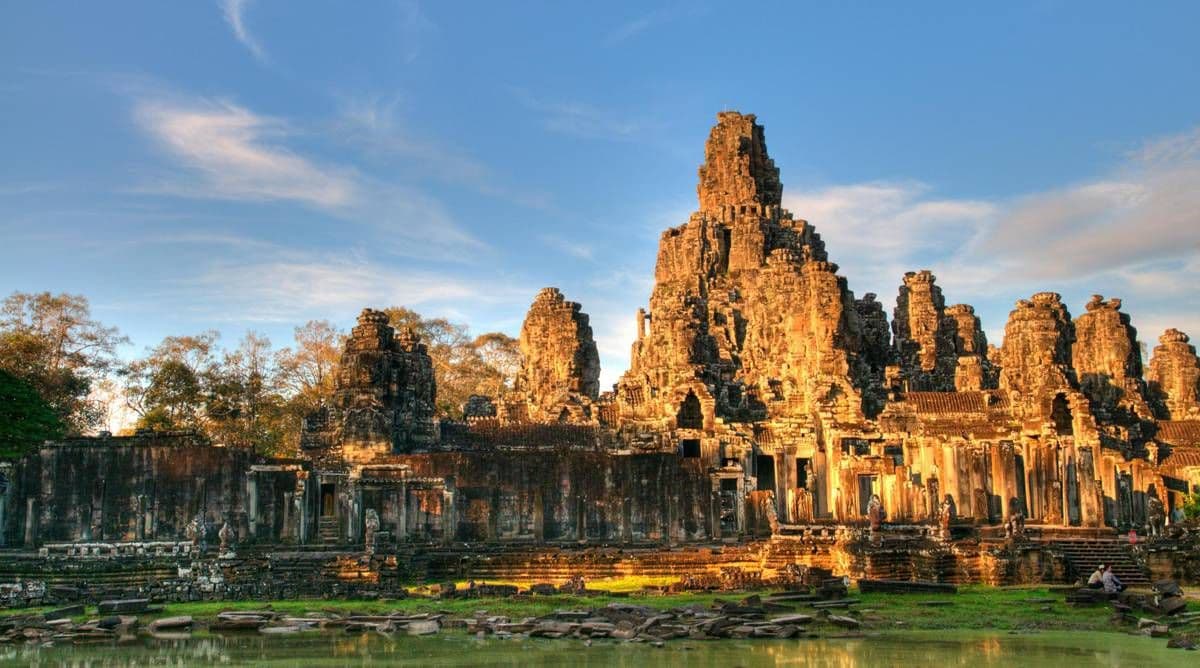
Siem Reap: November to February is particularly comfortable for temple visits. March and April are much hotter, while the wet season brings greener surroundings and fewer visitors.
Phnom Penh: The capital can be visited throughout the year. November to February is generally more comfortable for walking and sightseeing.
Cambodia's southern coast: The dry season is generally more suitable for beach activities, although coastal weather can vary.
For travelers specifically searching for the best time to visit Siem Reap, November to February is usually the most comfortable period, while the green season can appeal to photographers and travelers looking for a quieter experience.
5. Choosing the Best Time Based on Your Travel Style
The right travel period depends not only on weather but also on what you want to do.
| Travel style | Recommended period | Why |
|---|---|---|
| Sightseeing and cultural experiences | November–February | Comfortable temperatures in many key destinations |
| Beaches | February–April or destination-dependent | Warmer weather and good conditions for coastal activities |
| Trekking and nature | October–April for drier conditions; green season for landscapes | Choose based on trail conditions and scenery |
| A more relaxed trip | Shoulder or wetter months | Potentially fewer visitors and more flexibility |
| Photography | Depends on the subject | Green landscapes are attractive in the wet season, while clearer skies can be better for architecture and city photography |
There is no universally perfect travel window. A traveler focused on Angkor Wat may choose different dates from someone prioritizing Ha Giang's mountain scenery or Vietnam's beaches.
6. Tips for Planning a Vietnam and Cambodia Trip
When planning a combined trip, consider the weather at the destination level rather than relying on a country-wide forecast.
- Check weather by region, not just by country. Hanoi can be cool while Ho Chi Minh City is hot, even on the same day.
- Build some flexibility into outdoor activities. This is especially useful during the wetter months.
- Avoid packing for only one climate. A multi-country itinerary can include cool northern Vietnam, tropical southern Vietnam, and hot Cambodia.
- Book accommodation and major transport ahead during peak periods. November to February is a popular travel period.
- Start temple and outdoor sightseeing early during hotter months. Morning temperatures are more comfortable and popular sites can be quieter.
- Check local festivals and public holidays. Events such as Tet in Vietnam or Khmer New Year in Cambodia can affect transport, accommodation, and opening hours.
- Leave enough travel time between Vietnam and Cambodia. Avoid filling the itinerary with too many destinations simply because both countries are relatively close.
- Consider your route before choosing your travel dates. The ideal timing for northern Vietnam may not be the same as the ideal timing for southern Vietnam and Cambodia.
7. What to Pack for Vietnam and Cambodia
Packing for both countries requires some flexibility, especially if your itinerary covers northern and southern Vietnam.
Essentials
- Lightweight, breathable clothes
- Comfortable walking shoes
- Light rain jacket or compact umbrella
- Sun protection
- Insect repellent
- Reusable water bottle
- A light layer for cooler northern Vietnam
- Modest clothing for temples and religious sites
If Traveling During the Rainy Season
Consider bringing:
- Quick-dry clothes
- Waterproof bag or phone protection
- Shoes suitable for wet conditions
A compact rain jacket can be more practical than relying entirely on an umbrella, particularly for travelers doing outdoor activities.
If Visiting Northern Vietnam in Winter
Pack a light jacket or warmer layers, especially if visiting mountainous areas. Temperatures in places such as Sapa and Ha Giang can be considerably lower than in southern Vietnam or Cambodia.
8. Planning Vietnam and Cambodia Tours with Flights from Australia
For travelers from Australia, combining Vietnam and Cambodia can make sense as part of a longer Southeast Asia holiday.
Depending on the itinerary, you can fly into one country and continue to the other by regional flight or, on selected routes, overland travel.
When comparing Vietnam and Cambodia tours with flights from Australia, look beyond the international airfare alone. Consider:
- International flight routes
- Internal and regional flights
- Total travel time
- Open-jaw or multi-city flight options
- Connections between destinations
- The time needed for each country
An open-jaw itinerary, for example, can allow you to arrive in Vietnam and return home from Cambodia without backtracking to your original arrival city.
A longer combined itinerary can also make better use of the international journey from Australia, particularly for travelers who want to experience both countries rather than treating them as two separate holidays.
9. A 14-Day Vietnam and Cambodia Itinerary: Southern Vietnam & Cambodia
A 14-day journey through Southern Vietnam and Cambodia can be a practical way to combine two destinations in one trip.
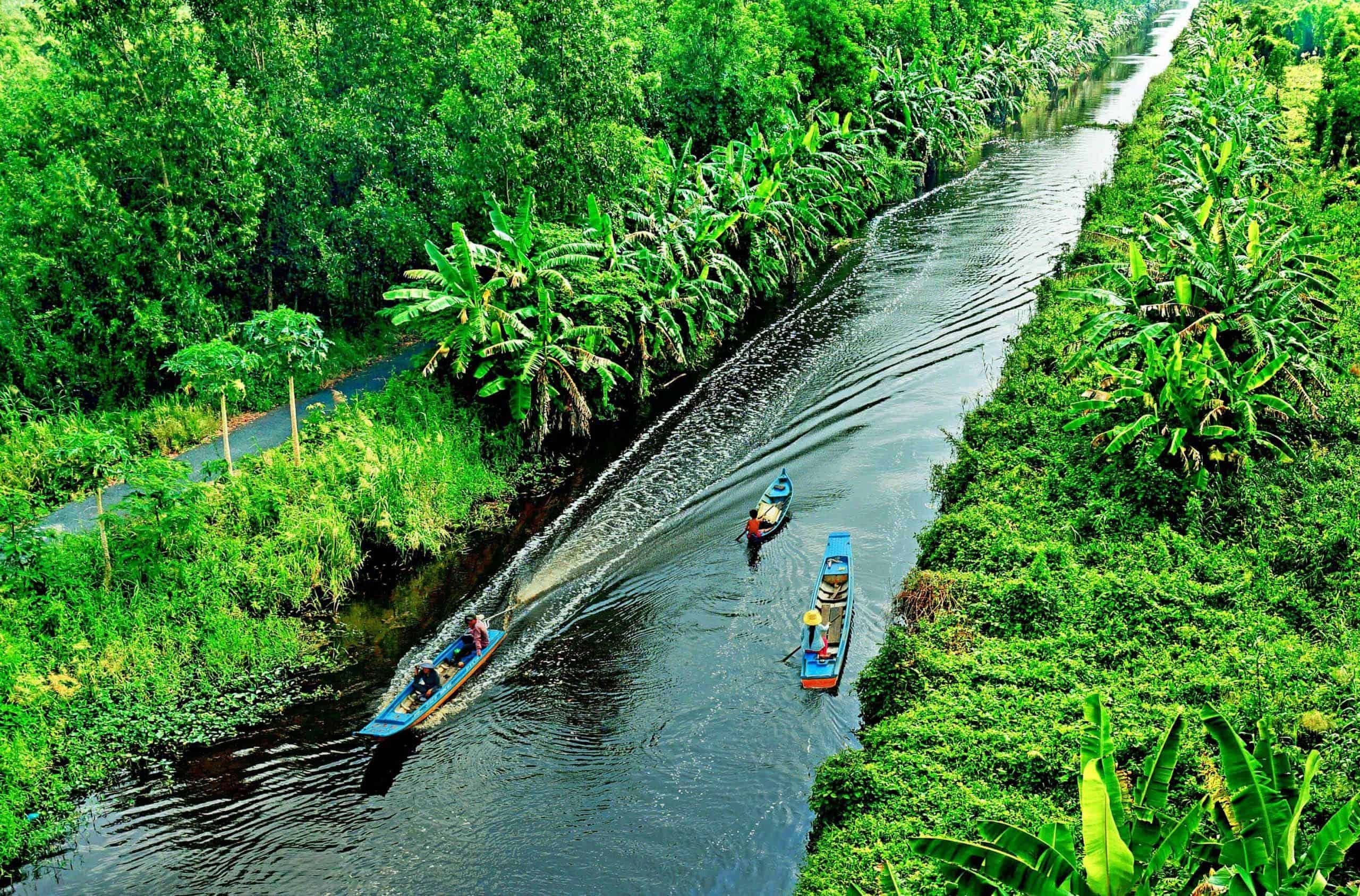
Starting in Vietnam, the itinerary can introduce travelers to the energy of Ho Chi Minh City, the waterways and rural life of the Mekong Delta, and the cultural highlights of Southern Vietnam before continuing towards Cambodia.
From there, travelers can explore Cambodia's major cultural attractions, including the temples of Siem Reap and the wider Angkor complex.
This route also works well for travelers who want a balance of city experiences, local culture, landscapes, and historic sites without trying to cover every region of both countries in a single trip.
If your travel dates are flexible, choosing the route first and then checking the weather in each destination is one of the simplest ways to find the best time for your Vietnam and Cambodia trip.
Explore Ftrip Asia's 14-Day Southern Vietnam & Cambodia Tour to start planning your journey.

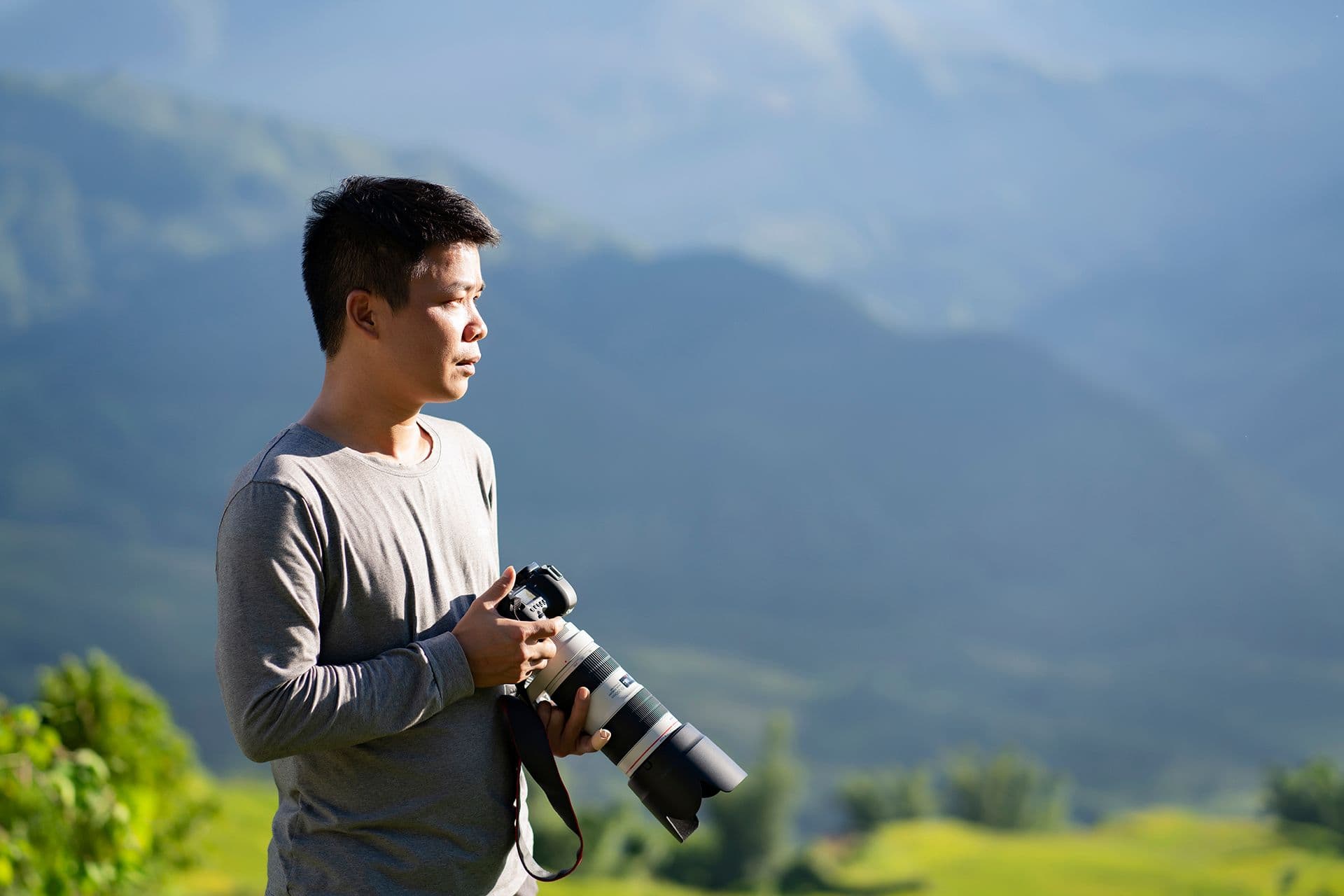
Founder & Photography Guide
Specialties: Culture, landscape, portrait, hiking, active and adventurous tour
Besides my unlimited passion for traveling, a professional tour guide for over a decade, I have been taking photographs since sitting at Hanoi of the University of Culture in the early 2000s. Photography started as a hobby but it was seriously taken due to my work relations and my significant passion for the beauty of our world, especially in Southeast Asian parts such as Vietnam, Laos, Cambodia, and Myanmar.
Within a few years of taking photographs, my works began to be recognized by many reliable international publications such as AFAR Travel, The Times, and The Daily Telegraph newspaper. In addition, I continuously add to my growing profile by winning numerous major awards: 3rd Position of The Independent Photographer 2018, 1st Position of Amateur Photographer of the year 2018, Grand Prize Winner of the AFAR Travel Photography 2019, and a Gold Award of San Francisco Bay International Photography 2020.
I photograph a wide variety of subjects, from travel to landscapes to street scenes. I enjoy documenting the East’s rich cultural heritage and its land soaked in glorious sunrise or sunset light in remote and secluded spots. And, I am very happy to share my knowledge and experience with you. You can visit Luminousvietnamtour to explore tour!