

- What “Ideal Weather” Means on the Ha Giang Loop?
- Better road grip
- Better visibility
- More comfortable temperatures
- The Best Months to Ride the Ha Giang Loop
- March to May: Spring Comfort Window
- September to November: Autumn Best Overall
- Months to Be Cautious About
- June to August: Peak Heat and Higher Rain Risk
- The Broader Rainy-Season Reality: May to September
- Winter: December to February
- Month-by-Month Cheat Sheet
- January to February
- March to April
- May
- June to August
- September to October
- November
- December
- How to Choose Your Best Window?
- Want maximum safety and comfort?
- Want the best views and classic Ha Giang season?
- Want fewer crowds with still-acceptable conditions?
- Only time available is June–August?
- Safer-Road Planning Tips for Any Season
- Start earlier than you think
- Keep your hero day protected
- Do not overload the itinerary
- Have a weather fallback
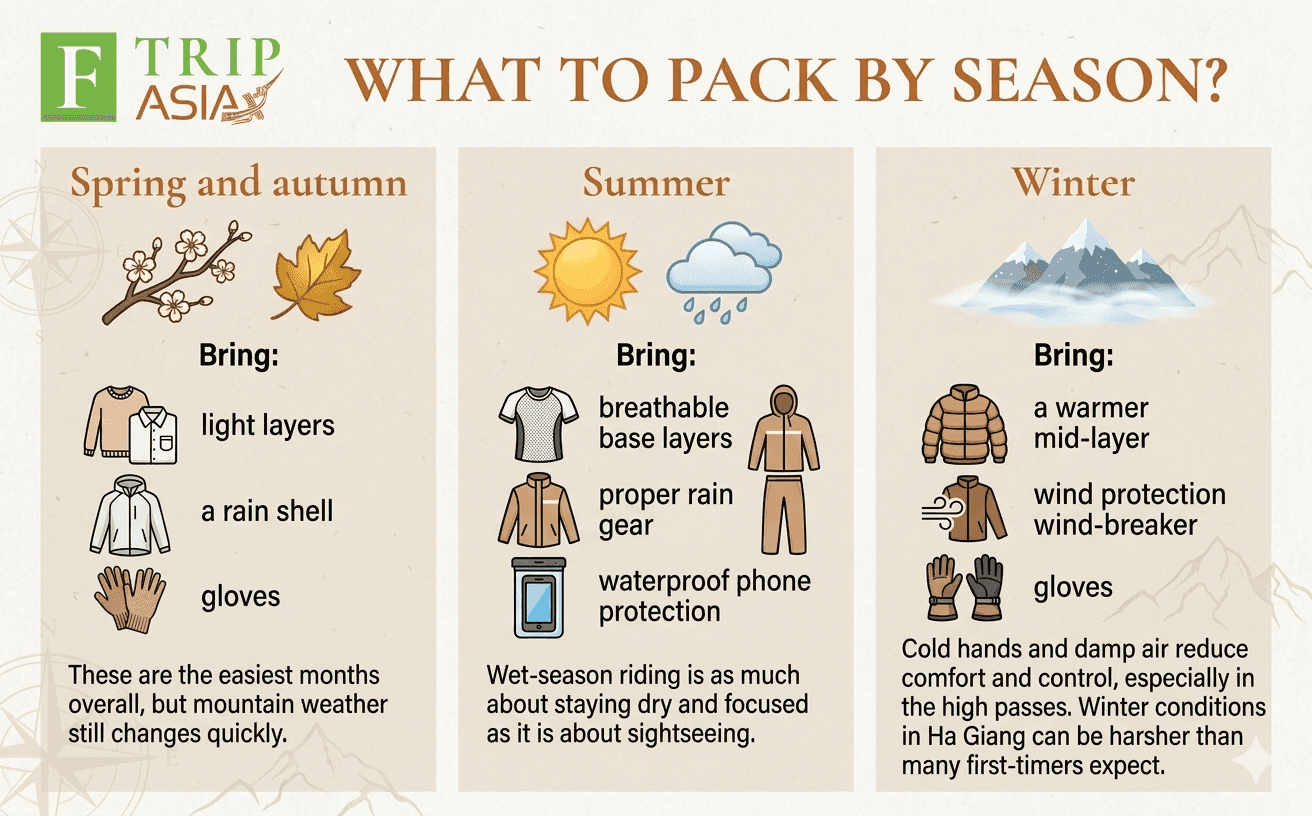
- What to Pack by Season?
- Spring and autumn
- Summer
- Winter
- FAQs
- What months have the best weather for the Ha Giang Loop?
- When is the rainy season in Ha Giang and how does it affect roads?
- Is September or October better for the Ha Giang Loop?
- Can I ride the Loop in June–August safely?
- Is winter worth it for the Loop?
- Conclusion
The Ha Giang Loop can be unforgettable in the best way or stressful in the wrong conditions. Because this is real mountain terrain, the best time is not only about blue skies. It is also about road grip, visibility, fatigue, fog, and how confident you feel on the narrowest, most scenic sections. Vietnam’s official tourism guide highlights September and October for golden rice scenery on the Loop, while broader Vietnam travel guidance points to spring (March–May) and autumn (September–November) as some of the strongest windows for northern mountain travel and photography.
For most travelers, the safest overall answer is this: March–May and September–November are the most consistently recommended windows for the Ha Giang Loop because they usually offer a better balance of comfort, visibility, and road conditions. The months that need the most caution are June–August, when northern Vietnam’s rainy season brings heavier rain, more humidity, and a higher risk of slippery roads, fog, and even landslides in mountain areas like Ha Giang.
What “Ideal Weather” Means on the Ha Giang Loop?
When people say they want the best time for Ha Giang, they are usually really asking for three things:
Better road grip
Dryer roads mean fewer slick corners and less stress on technical sections. This matters a lot because the Loop is a mountain route, not a flat highway trip. Vietnam Tourism describes it as a road through high passes and deep abysses, which is exactly why weather matters so much more here.
Better visibility
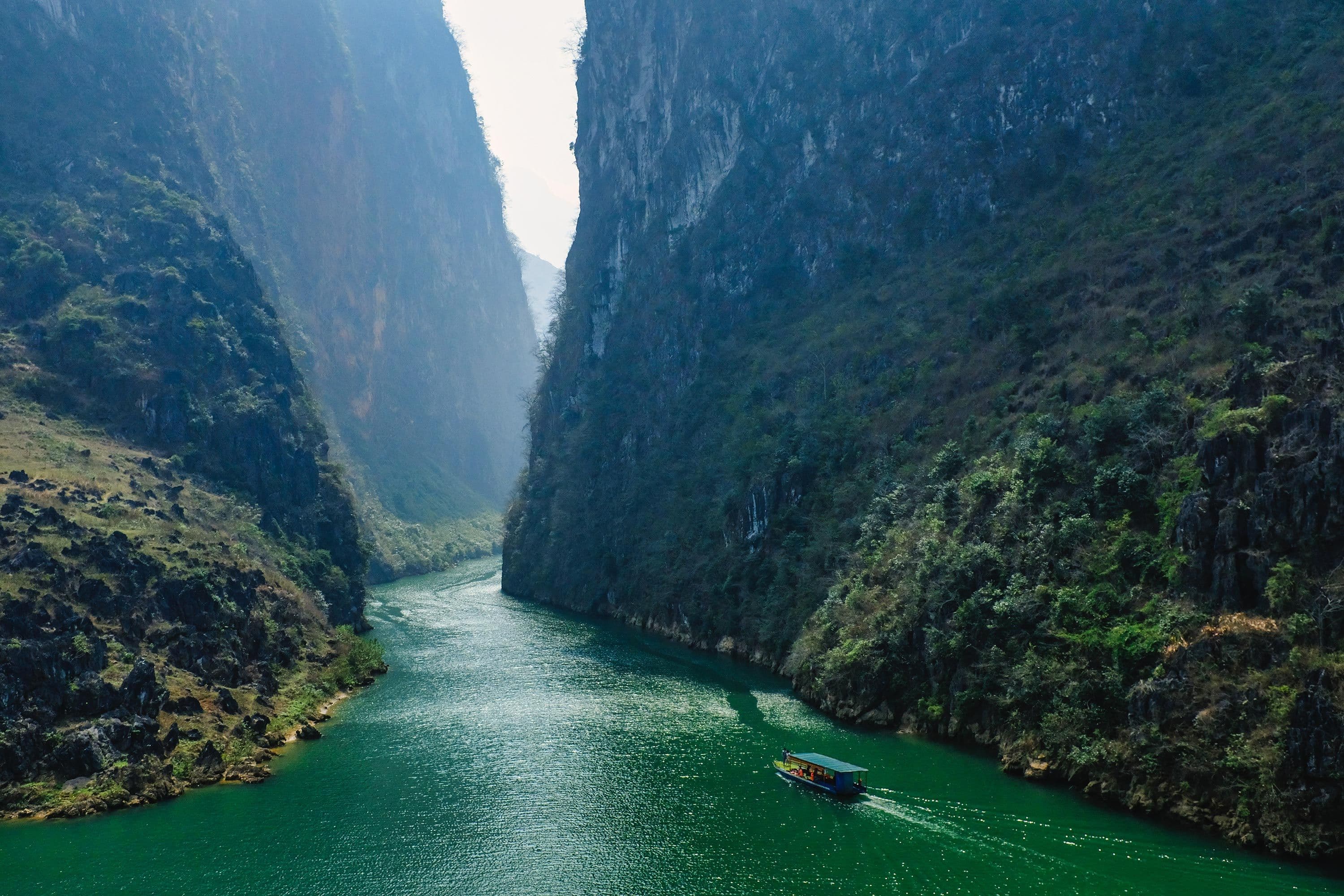
Less fog and low clouds mean you actually get the famous views at places like Ma Pi Leng and the Dong Van Karst Plateau. In Ha Giang, visibility is not a small bonus. It changes the whole experience.
More comfortable temperatures
When the air is less humid and the temperature is easier to handle, you make better decisions, stop less from fatigue, and enjoy the ride more. That is a safety factor, not just a comfort issue. Vietnam Airlines’ rainy-season guide notes that northern Vietnam can become hot and very humid from May to September, which is one reason those months feel harder on the road.
The Best Months to Ride the Ha Giang Loop
March to May: Spring Comfort Window
This is one of the strongest choices for first-timers. Travel guidance for Ha Giang and northern Vietnam repeatedly describes spring as pleasant, with more comfortable temperatures and stronger sightseeing conditions. Vietnam Airlines’ Lung Cu guide specifically highlights spring (February–April) as a great time for the far north, and broader Vietnam guidance points to spring as one of the best times for trekking and photography in places like Ha Giang.
Why this window works so well:
- milder temperatures
- generally less intense rain than summer
- more comfortable full-day riding
- better odds of useful visibility
This is the safest-feeling window for many travelers who care more about comfort and confidence than peak harvest color.
September to November: Autumn Best Overall
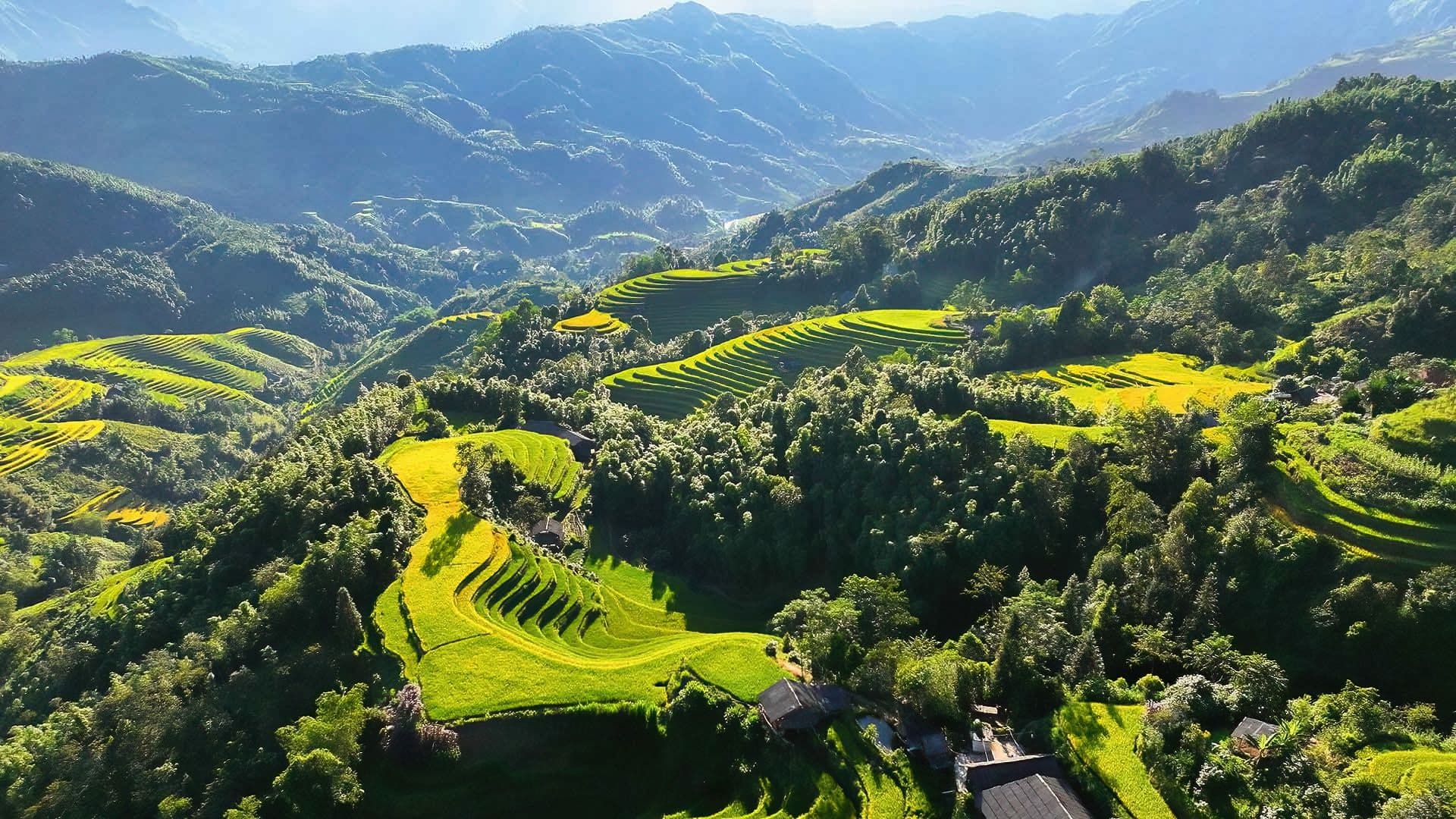
If you want the answer most travelers are looking for, this is usually it. Vietnam Airlines’ broader Vietnam guide says September–November is one of the best periods for trekking and photography in Ha Giang, while its November guide calls conditions in Ha Giang ideal for the Loop, with cool, dry weather and strong panoramic views. Vietnam’s official tourism content also specifically highlights September and October for golden rice fields on the Loop.
Why autumn stands out:
- cooler and drier feel than summer
- stronger scenery, especially in September and October
- high confidence for viewpoints and photo stops
- usually better road comfort than the rainy months
If your goal is “I want the Loop to look like the photos,” autumn is the strongest answer.
Months to Be Cautious About
June to August: Peak Heat and Higher Rain Risk
This is the part of the year to approach most carefully if safer roads are your priority. Vietnam Airlines’ rainy-season guide says northern Vietnam’s rainy season usually runs from May to September, with peak rainfall in July and August. It also notes that in mountainous places like Ha Giang, this raises the risk of fog, road erosion, and landslides. Its Lung Cu guide goes even further, explicitly advising travelers to avoid the rainy season from June to August if possible because mountain roads can become slippery and dangerous.
That does not mean summer is impossible. It means summer is less forgiving.
If these are your only travel months:
- choose an easy rider or car/jeep setup if possible
- shorten your daily route expectations
- protect mornings for major viewpoints
- accept that weather may force changes
The Broader Rainy-Season Reality: May to September
Different sources frame the wet season slightly differently, but they point in the same direction: May to September is the riskier stretch for road comfort in northern mountains. Some mornings can still be good, but afternoon weather shifts, wet surfaces, and lower visibility are more common.
Winter: December to February
Winter is a different challenge. It can be drier than summer, but not necessarily easier. Vietnam Airlines notes that harsh winter conditions can even bring occasional snow in Meo Vac from late December to February, while November and late autumn are generally stronger for cool, dry Loop conditions. Cold air, fog, and damp mornings can make the ride feel harder even when rain is not the main problem.
Winter can still be worth it for:
- fewer crowds
- moodier atmosphere
- cooler riding temperatures
But it is not the easiest “safe and simple” season for most first-timers.
Month-by-Month Cheat Sheet
January to February
Cooler, sometimes very cold in the highlands. Fog and winter conditions can affect comfort and visibility, and rare snow is possible in high parts of Ha Giang like Meo Vac.
March to April
One of the safest-feeling windows for most riders. Pleasant temperatures, better comfort, and good odds for scenic riding.
May
Still workable, especially early in the month, but the risk curve starts rising as the broader rainy season begins in northern Vietnam.
June to August
The hardest period for safer-road goals. Hot, humid, wetter, and more likely to bring slippery conditions and reduced visibility.
September to October
Top-tier months for the Loop. Excellent scenery, stronger visibility, and some of the most iconic seasonal views.
November
Still very strong. Comfortable, cooler, and usually easier than summer. Vietnam Airlines specifically highlights November as a great time for the Ha Giang Loop.
December
Cooler and drier-feeling than summer, but visibility can still vary and the cold becomes more noticeable in the mountains.
How to Choose Your Best Window?
Want maximum safety and comfort?
Choose March–May.
Want the best views and classic Ha Giang season?
Choose September–November.
Want fewer crowds with still-acceptable conditions?
Try March or late November, but pack layers and expect cooler mornings.
Only time available is June–August?
Go guided, choose easy rider if you are unsure, shorten your days, and accept that weather pivots are part of the plan. That advice follows directly from the higher wet-season risk in mountain areas.
Safer-Road Planning Tips for Any Season
Start earlier than you think
Morning often gives you your best visibility window. In the rainy season especially, northern Vietnam commonly gets afternoon showers or storms, while mornings may stay clearer.
Keep your hero day protected
The Dong Van–Meo Vac / Ma Pi Leng section is slow in reality, even if the map distance looks manageable. It is the section where weather, curves, and constant stops can stretch the day the most. This is one reason the Loop’s classic 4-day structure works better than trying to compress too much.
Do not overload the itinerary
Fewer “must-stops” means less time pressure, which means better decisions. This is especially important when the weather shifts fast.
Have a weather fallback
If fog or rain closes down your big-view plan, swap in:
- market time
- town walking
- longer meal or homestay time
- a shorter scenic day
The Loop goes better when you adapt than when you force.
What to Pack by Season?
Spring and autumn
Bring:
- light layers
- a rain shell
- gloves
These are the easiest months overall, but mountain weather still changes quickly.
Summer
Bring:
- breathable base layers
- proper rain gear
- waterproof phone protection
Wet-season riding is as much about staying dry and focused as it is about sightseeing.
Winter
Bring:
- a warmer mid-layer
- wind protection
- gloves
Cold hands and damp air reduce comfort and control, especially in the high passes. Winter conditions in Ha Giang can be harsher than many first-timers expect.
FAQs
What months have the best weather for the Ha Giang Loop?
The most consistently recommended windows are March–May and September–November.
When is the rainy season in Ha Giang and how does it affect roads?
Northern Vietnam’s rainy season is commonly described as May to September, with July and August often the wettest. In Ha Giang, that can mean slippery roads, fog, erosion, and landslide risk.
Is September or October better for the Ha Giang Loop?
Both are excellent. September often gives a stronger rice-season color, while October can still offer beautiful scenery with cooler conditions.
Can I ride the Loop in June–August safely?
You can, but it is less forgiving. The safer choice is to go with a guide or easy rider, shorten your daily goals, and be flexible about weather.
Is winter worth it for the Loop?
Yes, but mostly for travelers who are comfortable with colder, foggier conditions and want a moodier atmosphere rather than the easiest road experience.
Conclusion
If your priority is ideal weather and safer roads, aim for March–May or September–November. Those are the most reliable windows for comfortable riding, clearer views, and fewer stress-heavy road days. Autumn is usually the best overall choice for scenery plus riding confidence, while spring is often the best comfort-first window for first-timers.
If you can avoid June–August, do. If you cannot, the smartest move is to go guided, ride shorter days, and treat flexibility as part of the plan rather than a failure. That is how the Loop stays unforgettable for the right reasons.


Founder & Photography Guide
Specialties: Culture, landscape, portrait, hiking, active and adventurous tour
Besides my unlimited passion for traveling, a professional tour guide for over a decade, I have been taking photographs since sitting at Hanoi of the University of Culture in the early 2000s. Photography started as a hobby but it was seriously taken due to my work relations and my significant passion for the beauty of our world, especially in Southeast Asian parts such as Vietnam, Laos, Cambodia, and Myanmar.
Within a few years of taking photographs, my works began to be recognized by many reliable international publications such as AFAR Travel, The Times, and The Daily Telegraph newspaper. In addition, I continuously add to my growing profile by winning numerous major awards: 3rd Position of The Independent Photographer 2018, 1st Position of Amateur Photographer of the year 2018, Grand Prize Winner of the AFAR Travel Photography 2019, and a Gold Award of San Francisco Bay International Photography 2020.
I photograph a wide variety of subjects, from travel to landscapes to street scenes. I enjoy documenting the East’s rich cultural heritage and its land soaked in glorious sunrise or sunset light in remote and secluded spots. And, I am very happy to share my knowledge and experience with you. You can visit Luminousvietnamtour to explore tour!

 David and wife (Australia)
 Curious534121
 726hannes
 Planning a Trip to Vietnam from Canada? Start Here.
 14-Day Tour: Classic Cambodia & Southern VietnamFrom$1565/pax
 14 Day Tour Ha Giang & Ha Long Bay for a Complete Northern Vietnam Discovery