- What Is a Vietnam Village Tour?
- How Does a Village Tour Introduce Local Daily Life?
- Why Is a Village Tour More Than Countryside Scenery?
- Why Do Local Guides Matter on Village Tours?
- Best Vietnam Village Tour Experiences to Try
- 1. Northern Rice Field Village Tour
- 2. Hanoi Traditional Craft Village Tour
- 3. Ninh Binh Village, Temple, and Boat Experience
- 4. Hoi An Countryside Village Tour
- 5. Mekong Delta River Village Tour
- 6. Central Vietnam Fishing Village Tour
- 7. Northern Mountain Ethnic Village Tour
- 8. Vietnamese Farming and Garden Village Tour
- 9. Village Cooking and Home-Style Meal Experience
- 10. Village Photography and Storytelling Tour
- Best Destinations for Vietnam Village Tours
- Ninh Binh
- Mai Chau and Pu Luong
- Sapa and Ha Giang
- Hanoi Craft Villages
- Hoi An Countryside
- Mekong Delta Villages
- Central Vietnam Coastal Villages
- Suggested Vietnam Village Tour by Travel Stage
- Stage 1: Northern Village Life, Craft Traditions, and Countryside Scenery
- Stage 2: Mountain Villages, Ethnic Culture, and Rice Terrace Landscapes
- Stage 3: Central Vietnam Village Life, Gardens, Crafts, and Fishing Communities
- Stage 4: Southern River Villages, Local Workshops, and Home-Style Meals
- How to Choose the Right Vietnam Village Tour?
- What Should You Check Before Booking?
- How Should the Village Tour Match Travel Style?
- Why Review Physical Difficulty and Comfort?
- Why Consider Season and Weather?
- Why Ask About Responsible Tourism?
- Best Vietnam Village Tours by Traveler Type
- What Works for First-Time Visitors?
- What Works for Couples and Honeymooners?
- What Works for Families?
- What Works for Senior Travelers?
- What Works for Food Lovers?
- What Works for Photographers and Creative Travelers?
- How to Combine Village Tours with Other Vietnam Experiences?
- Why Combine a Village Tour with a Cooking Class?
- Why Combine a Village Tour with a Craft Workshop?
- Why Combine a Village Tour with a Food Tour?
- Why Combine a Village Tour with a Heritage Tour?
- Why Combine a Village Tour with a Beach or Wellness Extension?
- Cost Factors for Vietnam Village Tours
- How Do Destination and Travel Distance Affect Cost?
- How Does Private vs Small Group Format Affect Cost?
- How Do Included Activities and Workshops Affect Cost?
- How Do Hotel, Transport, and Guide Quality Affect Cost?
- Common Mistakes to Avoid When Booking a Vietnam Village Tour
- Travel Requirements US Travelers Should Prepare
- What Passport and Vietnam Visa Details Matter?
- Why Are Travel Insurance and Health Preparation Important?
- What Money, Connectivity, and Documents Should Travelers Prepare?
- Why Plan a Vietnam Village Tour with FtripAsia?
- FAQs
- What is a Vietnam village tour?
- What are the best village tours in Vietnam?
- Are Vietnam village tours suitable for families?
- Can Vietnam village tours be customized?
- Conclusion
A Vietnam village tour helps travelers slow down and see how people live beyond standard sightseeing routes. Instead of only moving between attractions, travelers can walk through quiet lanes, join simple hands-on activities, taste home-style meals, meet local hosts, and understand the rhythm of daily life.
Village experiences can include local meals, craft workshops, countryside cycling, boat rides, rice field walks, garden visits, homestay-style encounters, cooking activities, and community-based tourism. These experiences are meaningful because they connect travelers with people, not only places.
Vietnam village tours are suitable for first-time visitors, couples, families, seniors, photographers, food lovers, small groups, slow travelers, and culture-focused travelers. The right village tour can feel gentle, insightful, respectful, and deeply memorable.
FtripAsia helps travelers design customized Vietnam village tours with trusted local guides, private transfers, suitable hotels, special meals, respectful local interaction, and flexible pacing.
What Is a Vietnam Village Tour?
How Does a Village Tour Introduce Local Daily Life?
A Vietnam village tour takes travelers beyond standard sightseeing into places where local people farm, cook, make crafts, fish, trade, raise families, and preserve traditions. It offers a closer look at the country’s daily rhythms, especially in rural, riverside, mountain, and craft communities.
Travelers can walk through village lanes, visit local homes, join workshops, taste home-style meals, explore gardens, or learn about rice farming and river life. The experience is usually slower, more personal, and more interactive than a city tour.
A good village tour should feel respectful and locally guided. The goal is to understand Vietnam through community life, not only through attractions.
Why Is a Village Tour More Than Countryside Scenery?
Village tours are not only about pretty landscapes. They also reveal family traditions, local skills, food habits, craft heritage, farming rhythms, religious customs, and community values.
Travelers can learn why certain crafts, crops, dishes, festivals, and rituals matter to local people. A rice field becomes more meaningful when travelers understand planting and harvest seasons. A craft village becomes more memorable when travelers meet artisans and see how skills are passed down.
Scenic places become more meaningful when travelers understand the lives behind them. This is what makes a village tour feel authentic.
Why Do Local Guides Matter on Village Tours?
Local guides help travelers communicate with hosts, artisans, farmers, and families. They explain etiquette, local stories, traditions, ingredients, farming methods, and craft techniques.
Guides also help travelers avoid awkward or disrespectful behavior. This is especially important in homes, workshops, markets, religious sites, and ethnic communities.
They can adjust the route based on weather, comfort level, walking distance, age, and dietary needs. A strong guide can turn a simple village visit into a meaningful cultural experience.
Best Vietnam Village Tour Experiences to Try
1. Northern Rice Field Village Tour
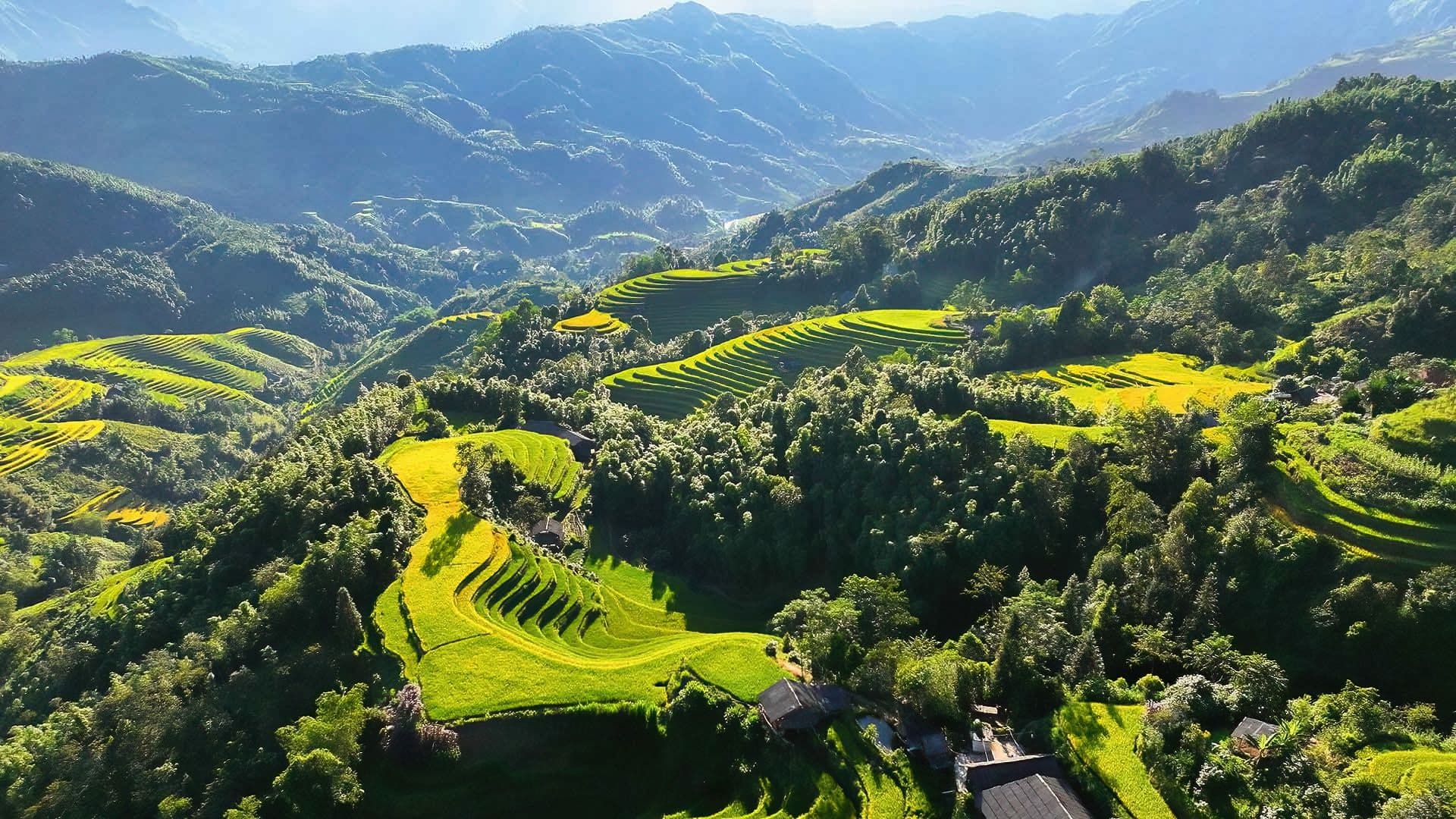
A northern rice field village tour can take travelers to Ninh Binh, Mai Chau, Pu Luong, Sapa, or Ha Giang depending on travel style and comfort level. These areas offer rice fields, village roads, gardens, scenic valleys, and mountain or countryside landscapes.
Travelers can learn about farming routines, harvest seasons, local homes, and rural meals. Light cycling, photography stops, weaving demonstrations, or family-style lunches can be added if suitable.
This experience is best for photographers, couples, slow travelers, and nature lovers. Private planning is useful because road time, weather, and walking difficulty can vary.
2. Hanoi Traditional Craft Village Tour
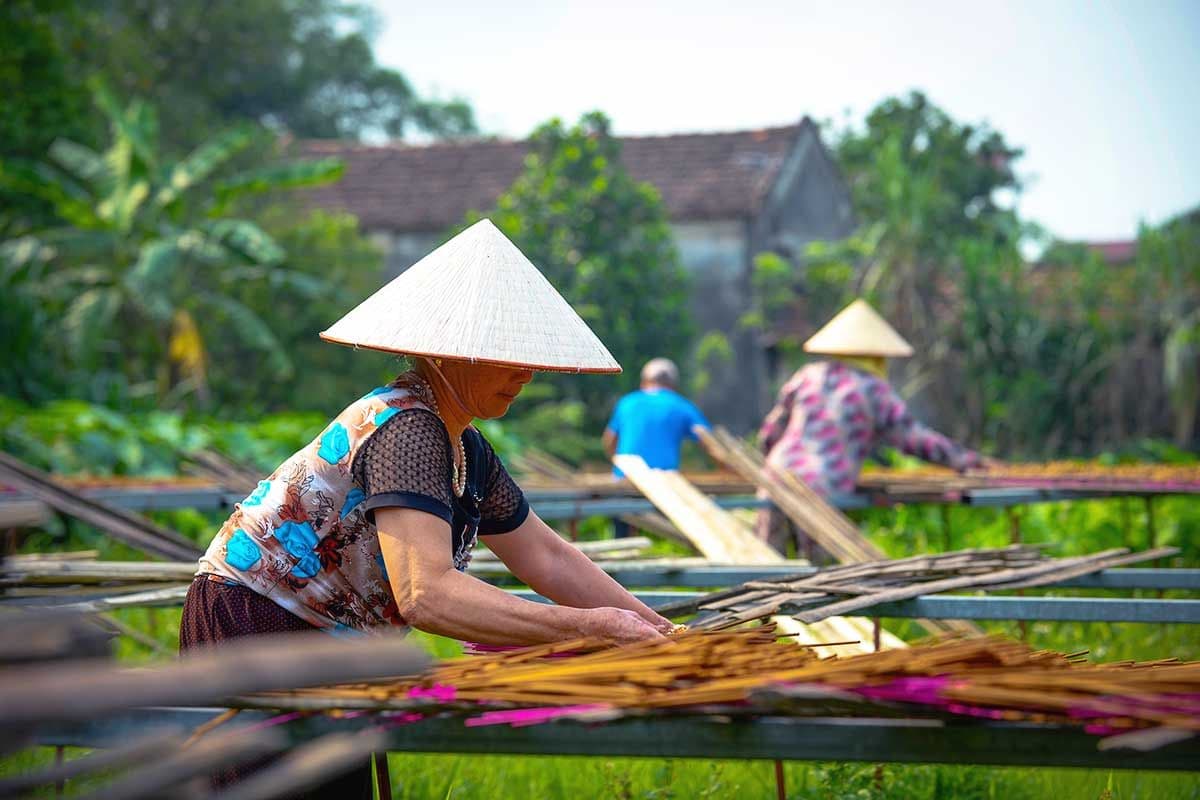
A Hanoi traditional craft village tour helps travelers understand how local skills are preserved through generations. Villages around Hanoi may specialize in pottery, silk, incense, lacquerware, paper, bamboo, weaving, or traditional painting.
Travelers can meet artisans, observe workshops, and join hands-on activities depending on the village and season. The experience explains how craft villages connect with family businesses, festivals, temples, and local identity.
This tour is suitable for families, creative travelers, photographers, and culture lovers. It can be arranged as a half-day or full-day extension from Hanoi.
3. Ninh Binh Village, Temple, and Boat Experience
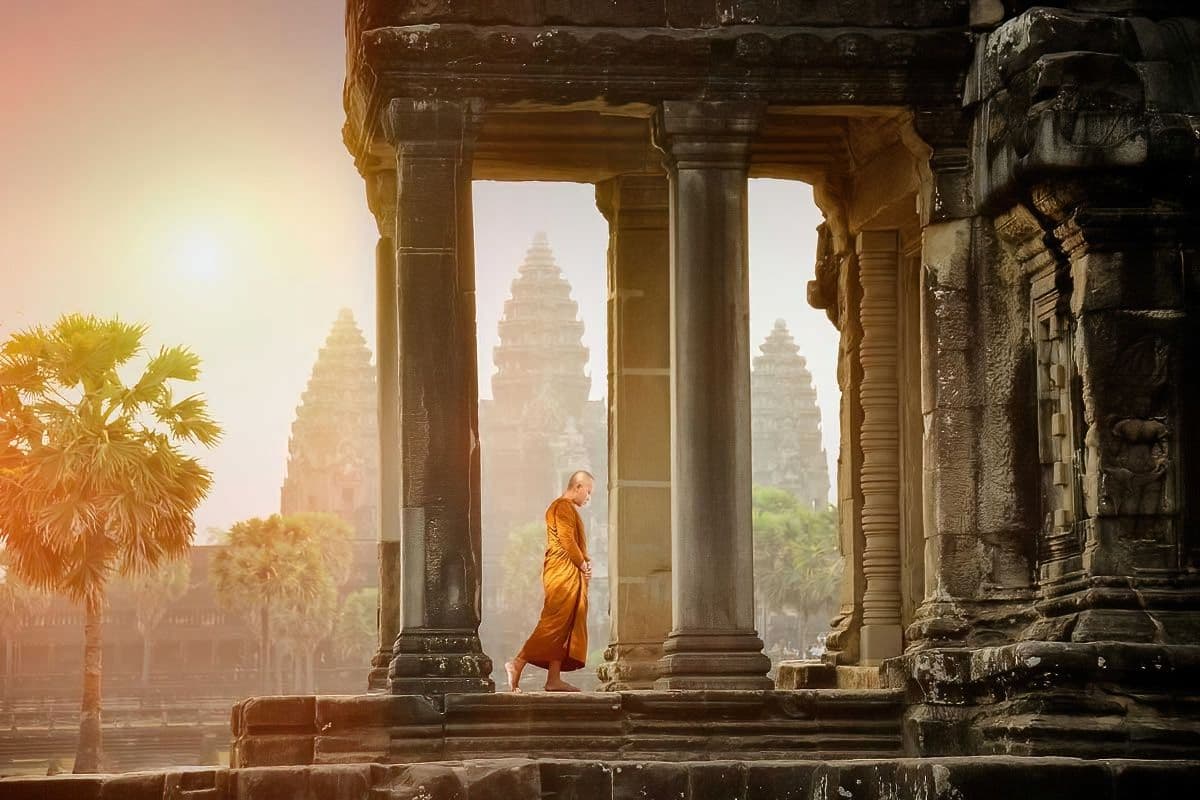
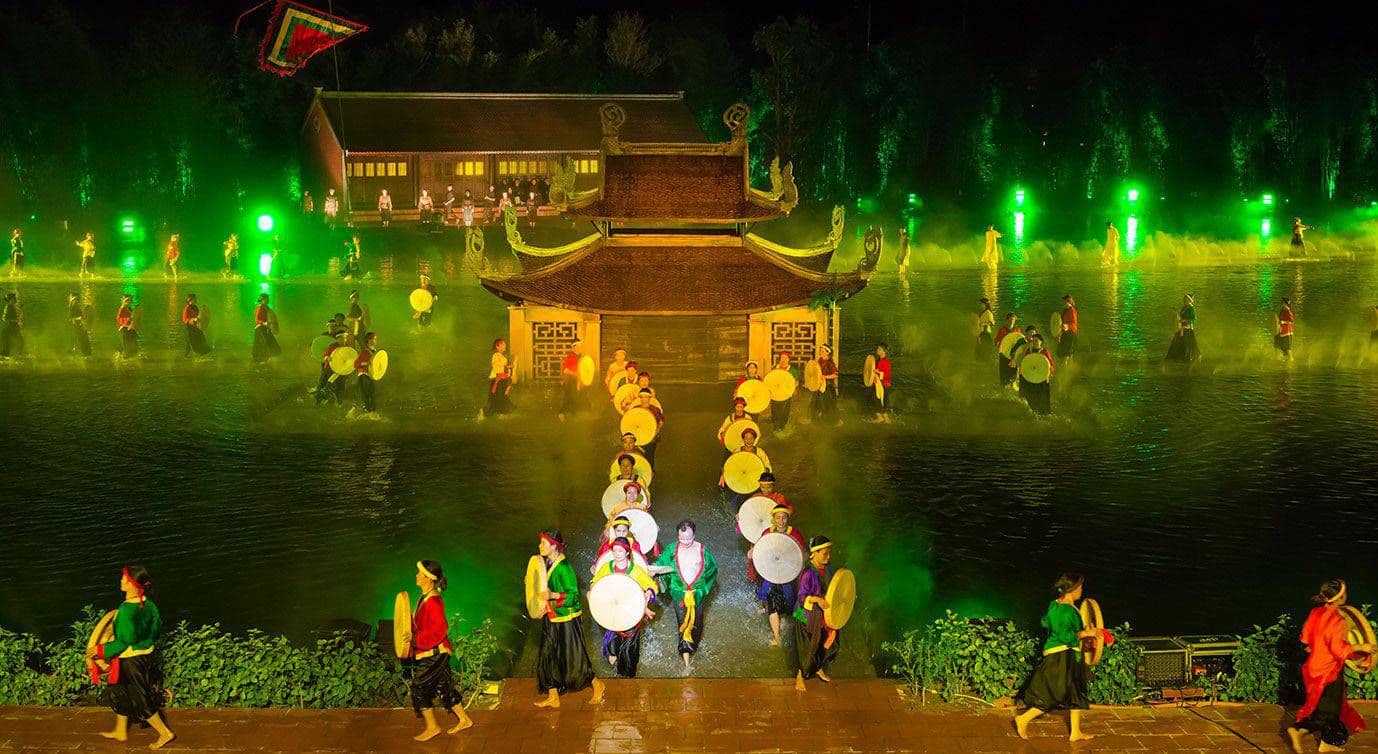
A Ninh Binh village, temple, and boat experience combines village roads, limestone landscapes, temples, pagodas, rice fields, and scenic waterways. Travelers can take a boat ride in Trang An or Tam Coc and add local meals, countryside cycling, ancient capital sites, or photography stops.
The experience helps travelers understand how rural life, spirituality, and nature connect in northern Vietnam. It feels scenic but still culturally meaningful.
This tour is suitable for couples, families, seniors, and first-time visitors. It works well as a day trip or overnight village-style extension from Hanoi.
4. Hoi An Countryside Village Tour
A Hoi An countryside village tour introduces travelers to vegetable gardens, waterways, fishing communities, craft areas, and local homes around the old town. Activities may include farming, basket boat rides, lantern making, cooking classes, pottery, or countryside cycling.
Travelers can learn about central Vietnamese home life, food culture, and old-town connections. The experience can be combined with Hoi An Ancient Town, market walks, or beach relaxation.
This tour is best for families, couples, honeymooners, photographers, and slow travelers. It is flexible and easy to adapt by age and comfort level.
5. Mekong Delta River Village Tour
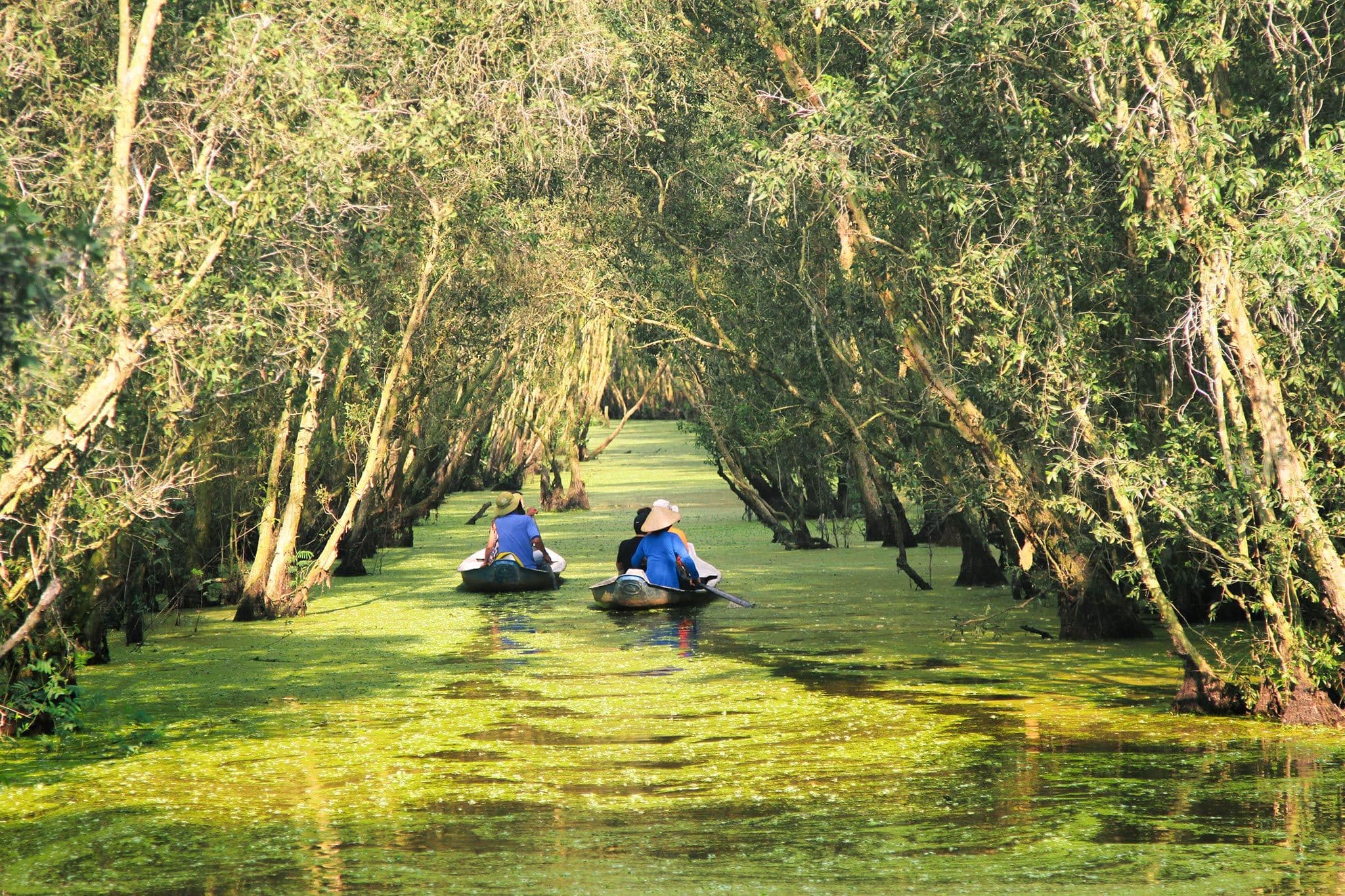
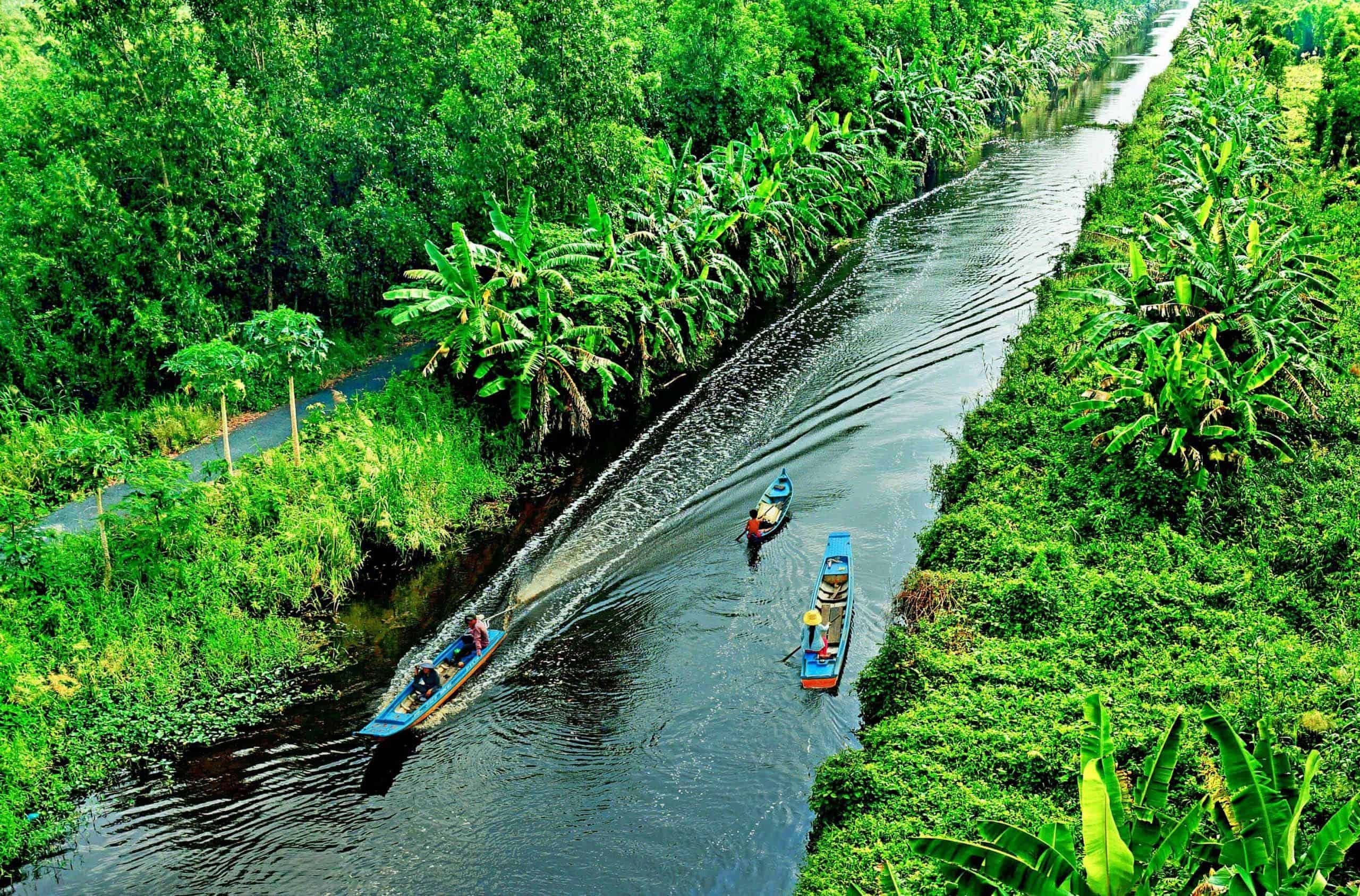
A Mekong Delta river village tour reveals how water shapes farming, food, transport, trade, and family life in southern Vietnam. Travelers can visit riverside communities, fruit gardens, canals, local workshops, and home-style dining spots.
Activities may include coconut candy making, rice paper making, rowing boat rides, tropical fruit tasting, or garden visits. Day trips and overnight stays can both work depending on comfort and schedule.
This experience is suitable for families, food lovers, slow travelers, and culture-focused visitors. Private routes help travelers avoid overly commercial stops.
6. Central Vietnam Fishing Village Tour
A Central Vietnam fishing village tour can take travelers to coastal communities near Hoi An, Da Nang, Hue, or nearby beach areas depending on the route. Travelers can learn about nets, boats, seafood markets, coastal routines, and family livelihoods.
Basket boat experiences, seafood meals, photography stops, or early market visits can be added. The route should be planned around weather and tide conditions.
This experience is suitable for photographers, families, couples, and food lovers. Local guiding helps make the experience respectful and educational.
7. Northern Mountain Ethnic Village Tour
A northern mountain ethnic village tour can include Mai Chau, Pu Luong, Sapa, Ha Giang, or other mountain regions depending on time and comfort. These destinations introduce ethnic communities, textiles, local food, rice terraces, village architecture, festivals, and daily routines.
Travelers can add light trekking, weaving, local meals, market visits, or homestay-style experiences. Respectful interaction and responsible tourism should be central to the experience.
This tour is suitable for photographers, active travelers, slow travelers, and culture seekers. It requires careful planning because distances and activity levels can be more demanding.
8. Vietnamese Farming and Garden Village Tour
A Vietnamese farming and garden village tour gives travelers a gentle hands-on experience with planting vegetables, watering herbs, walking rice fields, visiting gardens, or learning about local crops.
Strong locations include Hoi An countryside, the Mekong Delta, Ninh Binh, Mai Chau, and Pu Luong. Travelers can learn how food moves from garden to table in Vietnamese daily life.
This experience is good for families because activities are simple, visual, and interactive. It is also strong for food lovers because farming connects directly with cooking and local meals.
The activity should be arranged respectfully rather than staged.
9. Village Cooking and Home-Style Meal Experience
A village cooking and home-style meal experience allows travelers to visit a local home, garden, or village kitchen for a meal or cooking activity. They can learn how families prepare dishes using local herbs, vegetables, rice, fish, meat, tofu, noodles, or seasonal ingredients.
Market visits, garden walks, or cooking demonstrations can be added if suitable. The experience is best for food lovers, families, couples, and travelers who enjoy meaningful conversation.
Dietary needs should be shared before booking. A local guide helps translate stories and explain food traditions.
10. Village Photography and Storytelling Tour
A village photography and storytelling tour helps travelers explore daily life through markets, rice fields, craft workshops, fishing communities, old houses, gardens, and local portraits.
A private guide is useful for flexible timing, early morning light, and respectful interaction. Strong destinations include Ninh Binh, Pu Luong, Mai Chau, Hoi An countryside, the Mekong Delta, and northern mountain regions.
This experience is suitable for photographers, content creators, couples, and creative travelers. The focus should be on stories behind the images, not only photo opportunities. Travelers should always ask permission before photographing people closely.
Best Destinations for Vietnam Village Tours
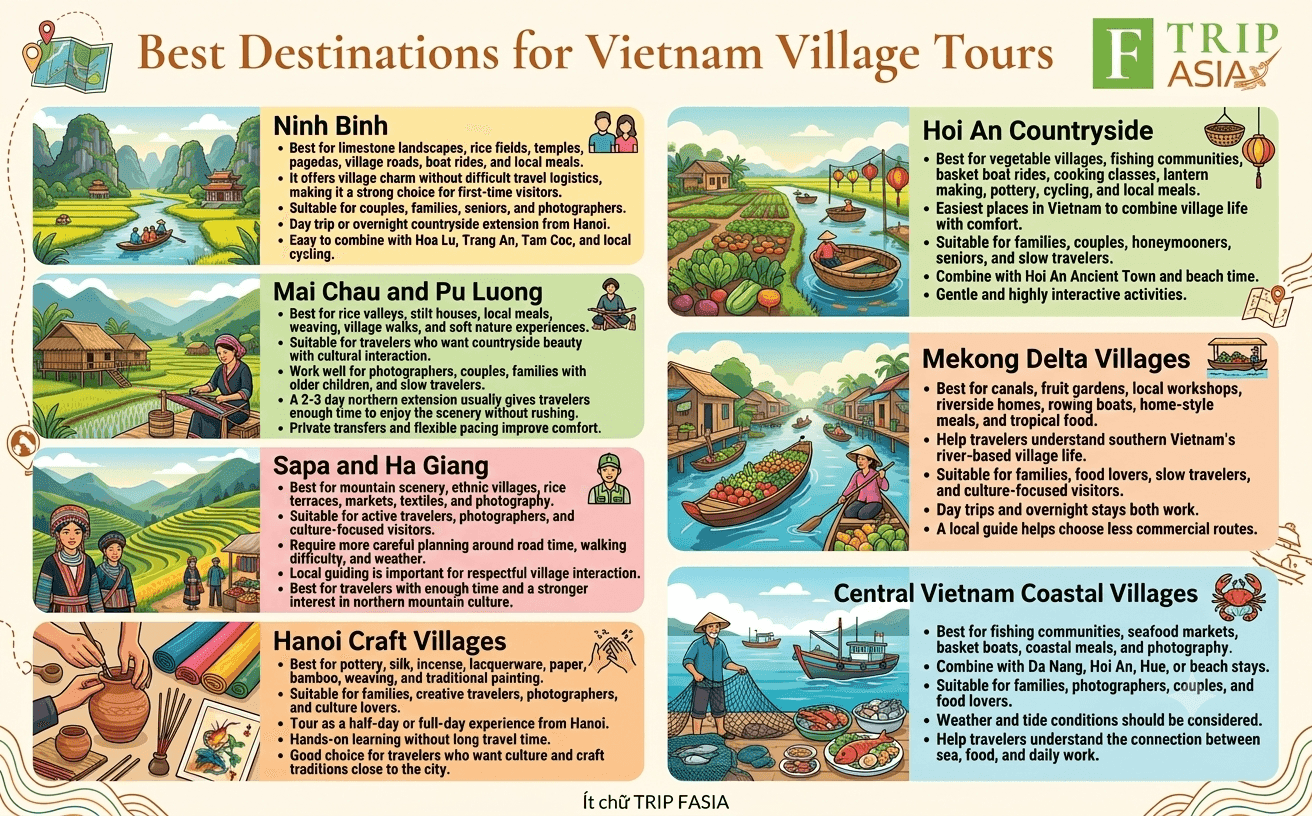
Ninh Binh
Ninh Binh is best for limestone landscapes, rice fields, temples, pagodas, village roads, boat rides, and local meals. It offers village charm without difficult travel logistics, making it a strong choice for first-time visitors.
The destination is suitable for couples, families, seniors, and photographers. It works well as a day trip or overnight countryside extension from Hanoi.
Ninh Binh is easy to combine with Hoa Lu, Trang An, Tam Coc, and local cycling.
Mai Chau and Pu Luong
Mai Chau and Pu Luong are best for rice valleys, stilt houses, local meals, weaving, village walks, and soft nature experiences. They are suitable for travelers who want countryside beauty with cultural interaction.
These areas work well for photographers, couples, families with older children, and slow travelers. A 2-3 day northern extension usually gives travelers enough time to enjoy the scenery without rushing.
Private transfers and flexible pacing improve comfort.
Sapa and Ha Giang
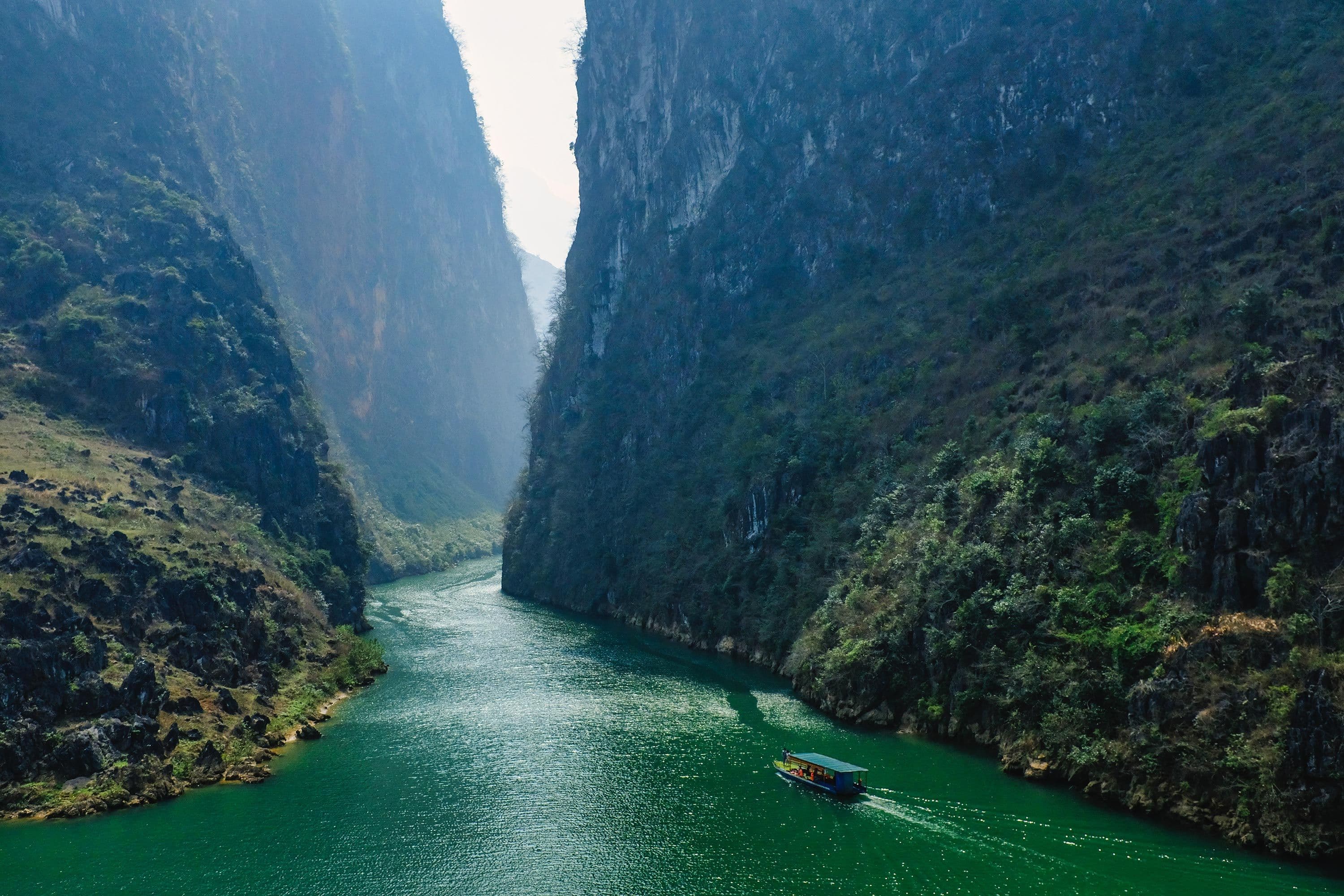
Sapa and Ha Giang are best for mountain scenery, ethnic villages, rice terraces, markets, textiles, and photography. These destinations are suitable for active travelers, photographers, and culture-focused visitors.
They require more careful planning around road time, walking difficulty, and weather. Local guiding is important for respectful village interaction.
These routes are best for travelers with enough time and a stronger interest in northern mountain culture.
Hanoi Craft Villages
Hanoi craft villages are best for pottery, silk, incense, lacquerware, paper, bamboo, weaving, and traditional painting. They are suitable for families, creative travelers, photographers, and culture lovers.
These tours can be arranged as a half-day or full-day experience from Hanoi. They offer hands-on learning without long travel time.
They are a good choice for travelers who want culture and craft traditions close to the city.
Hoi An Countryside
Hoi An countryside is best for vegetable villages, fishing communities, basket boat rides, cooking classes, lantern making, pottery, cycling, and local meals. It is one of the easiest places in Vietnam to combine village life with comfort.
This area is suitable for families, couples, honeymooners, seniors, and slow travelers. It can be combined with Hoi An Ancient Town and beach time.
Activities can be gentle and highly interactive.
Mekong Delta Villages
Mekong Delta villages are best for canals, fruit gardens, local workshops, riverside homes, rowing boats, home-style meals, and tropical food. They help travelers understand southern Vietnam’s river-based village life.
The region is suitable for families, food lovers, slow travelers, and culture-focused visitors. Day trips and overnight stays can both work.
A local guide helps choose less commercial routes.
Central Vietnam Coastal Villages
Central Vietnam coastal villages are best for fishing communities, seafood markets, basket boats, coastal meals, and photography. They can be combined with Da Nang, Hoi An, Hue, or beach stays.
These tours are suitable for families, photographers, couples, and food lovers. Weather and tide conditions should be considered.
They help travelers understand the connection between sea, food, and daily work.
Suggested Vietnam Village Tour by Travel Stage
Stage 1: Northern Village Life, Craft Traditions, and Countryside Scenery
A Vietnam village itinerary can begin in Hanoi with a nearby craft village such as pottery, silk, incense, lacquerware, paper, bamboo, or traditional painting. This gives travelers an easy cultural introduction without long travel time.
The route can continue to Ninh Binh for village roads, temples, boat rides, countryside meals, and rice field scenery. Travelers with more time can add Mai Chau or Pu Luong for stilt houses, rice valleys, weaving, local meals, and gentle village walks.
If travelers arrive from the USA or another long-haul destination, the first travel day should stay light. Local guides can explain northern rural traditions, family life, crafts, and farming rhythms.
This stage introduces village charm through easy access, scenic landscapes, and meaningful local encounters.
Stage 2: Mountain Villages, Ethnic Culture, and Rice Terrace Landscapes
The second stage can add Sapa, Ha Giang, or another northern mountain region for travelers who want stronger ethnic culture and dramatic scenery.
Experiences may include village walks, local markets, textile traditions, rice terraces, family meals, and photography stops. Routes should be chosen carefully based on comfort level, weather, road conditions, and walking ability.
Respectful interaction and responsible community visits should be the focus. This stage is best for travelers with enough time and interest in deeper rural culture.
Private planning helps balance authenticity, comfort, and logistics.
Stage 3: Central Vietnam Village Life, Gardens, Crafts, and Fishing Communities
Central Vietnam offers gentle and varied village experiences around Hue, Da Nang, and Hoi An. Travelers can explore Hoi An countryside with vegetable gardens, cooking classes, basket boat rides, lantern making, pottery, cycling, and local meals.
Coastal fishing villages, seafood markets, or river communities near Hoi An or Da Nang can also be added. Hue can bring garden houses, countryside routes, local markets, or craft traditions.
This stage should balance hands-on village activities with old-town walks, beach time, cafés, and wellness. It is ideal for families, couples, seniors, food lovers, and travelers who want gentle interaction.
Stage 4: Southern River Villages, Local Workshops, and Home-Style Meals
The final stage can continue to Ho Chi Minh City and the Mekong Delta for southern village and river culture. Travelers can visit canals, fruit gardens, riverside homes, local markets, and family-run workshops.
Activities may include coconut candy making, rice paper making, rowing boat rides, tropical fruit tasting, garden walks, or home-style meals. A day trip or overnight stay can be chosen depending on itinerary length and comfort level.
The final day should stay relaxed with coffee, shopping, spa, or a short local walk before departure. This stage completes the village journey with southern hospitality, river life, and hands-on local traditions.
How to Choose the Right Vietnam Village Tour?
What Should You Check Before Booking?
The right village tour should match travel style, physical comfort, season, guide quality, and desired level of local interaction. A good itinerary should explain what travelers will do, who they will meet, and how the experience supports respectful cultural exchange.
Before booking, travelers should check:
- Whether the tour includes local hosts, artisans, farmers, family meals, workshops, or community-based activities
- Whether the experience is private, small-group, or large-group
- Whether there is meaningful storytelling, not only photo stops
- Whether walking distance, cycling, stairs, boats, or road time are suitable
- Whether the route changes by season or weather
- Whether hosts and artisans benefit fairly from the experience
- Whether dietary needs, allergies, or mobility limits can be supported
Clear details help travelers choose a village tour that feels authentic and comfortable.
How Should the Village Tour Match Travel Style?
First-time visitors may prefer Ninh Binh, Hoi An countryside, and the Mekong Delta. Families may enjoy hands-on farming, cooking, lantern making, pottery, and basket boat activities.
Couples may prefer scenic villages, boutique stays, photography routes, and slower pacing. Seniors may prefer gentle walking, private transfers, comfortable meals, and easy access.
Photographers may prefer markets, rice fields, craft workshops, fishing villages, and mountain routes. The best village tour is the one that fits the traveler’s real comfort level and interests.
Why Review Physical Difficulty and Comfort?
Some village tours involve walking, cycling, stairs, boats, uneven paths, or long drives. Families and seniors should ask about walking distance, seating, rest stops, and restroom access.
Mountain villages may require more physical comfort than lowland countryside tours. Private tours can adjust pace and route.
Comfort should support the experience, not limit it.
Why Consider Season and Weather?
Rice field scenery changes by season. Northern mountain weather can be cool, misty, or rainy depending on the month. Central Vietnam can experience heavier rain during certain periods, while southern river villages are usually warm but may have tropical showers.
Weather can affect cycling, walking, photography, boats, and road travel. Local planning helps match the right village tour to the right season.
Why Ask About Responsible Tourism?
Village tours should respect local privacy, customs, and daily routines. Travelers should ask permission before photographing people closely.
Local hosts and artisans should benefit fairly from tourism. Experiences should support, not disturb, community life.
A responsible tour feels welcoming, respectful, and culturally sensitive.
Best Vietnam Village Tours by Traveler Type
What Works for First-Time Visitors?
First-time visitors should choose accessible village experiences in Ninh Binh, Hoi An countryside, the Mekong Delta, or Hanoi craft villages. These routes offer local charm without overly difficult logistics.
Local meals, short walks, markets, and simple workshops can be added. Remote mountain routes should be avoided if travel time is limited.
The focus should be comfort and cultural introduction.
What Works for Couples and Honeymooners?
Couples and honeymooners can choose scenic countryside routes, private guides, boutique stays, photography stops, and relaxed meals.
Good options include Ninh Binh, Pu Luong, Hoi An countryside, Lan Ha Bay extensions, and the Mekong Delta. Cooking classes, craft workshops, spa, or beach time can be added for balance.
Village tours can add warmth and intimacy to a romantic itinerary.
What Works for Families?
Families should choose interactive village activities such as farming, cooking, lantern making, pottery, basket boats, garden visits, and fruit tasting.
Activity times should be manageable for children. Private transfers, flexible meals, and rest breaks are helpful.
Children’s ages, food preferences, and allergies should be shared before booking. Village tours work well when activities are visual, simple, and hands-on.
What Works for Senior Travelers?
Senior travelers should choose gentle village tours with private transfers, short walking routes, comfortable seating, and slower schedules.
Good options include Ninh Binh, Hoi An countryside, the Mekong Delta, and selected craft villages. Difficult trekking and long remote transfers should be avoided if not suitable.
Travelers should ask about stairs, boat access, restroom stops, and road conditions. A village tour can be very rewarding when paced comfortably.
What Works for Food Lovers?
Food lovers can choose village tours with garden visits, cooking classes, market walks, home-style meals, local workshops, and river food.
Strong destinations include Hoi An countryside, the Mekong Delta, Ninh Binh, Hue countryside, and Hanoi craft villages with meal add-ons. These experiences show how ingredients are grown, prepared, and shared.
Cooking classes or market visits can add more depth. Dietary needs should be shared early.
What Works for Photographers and Creative Travelers?
Photographers and creative travelers should choose rice fields, craft workshops, markets, fishing villages, riverside communities, old houses, gardens, and mountain villages.
Private guides help with timing and respectful interaction. Early morning and late afternoon often work well for village photography.
Travelers should always ask before taking close-up photos of people. The focus should be storytelling, not only scenery.
How to Combine Village Tours with Other Vietnam Experiences?
Why Combine a Village Tour with a Cooking Class?
A village tour pairs naturally with cooking because travelers can connect food with gardens, markets, and local homes. Good destinations include Hoi An, the Mekong Delta, Ninh Binh, Hue, and Hanoi countryside.
Travelers can see how ingredients move from field to table. This combination is suitable for families, couples, food lovers, and culture travelers.
It makes the village experience more hands-on.
Why Combine a Village Tour with a Craft Workshop?
Village tours can include pottery, lantern making, weaving, incense making, lacquerware, silk, tailoring, or traditional painting. Strong locations include Hanoi craft villages, Hoi An, Hue, and selected countryside areas.
This combination helps travelers understand skill and tradition. Workshops should be guided by local artisans when possible.
It is suitable for creative travelers, families, and photographers.
Why Combine a Village Tour with a Food Tour?
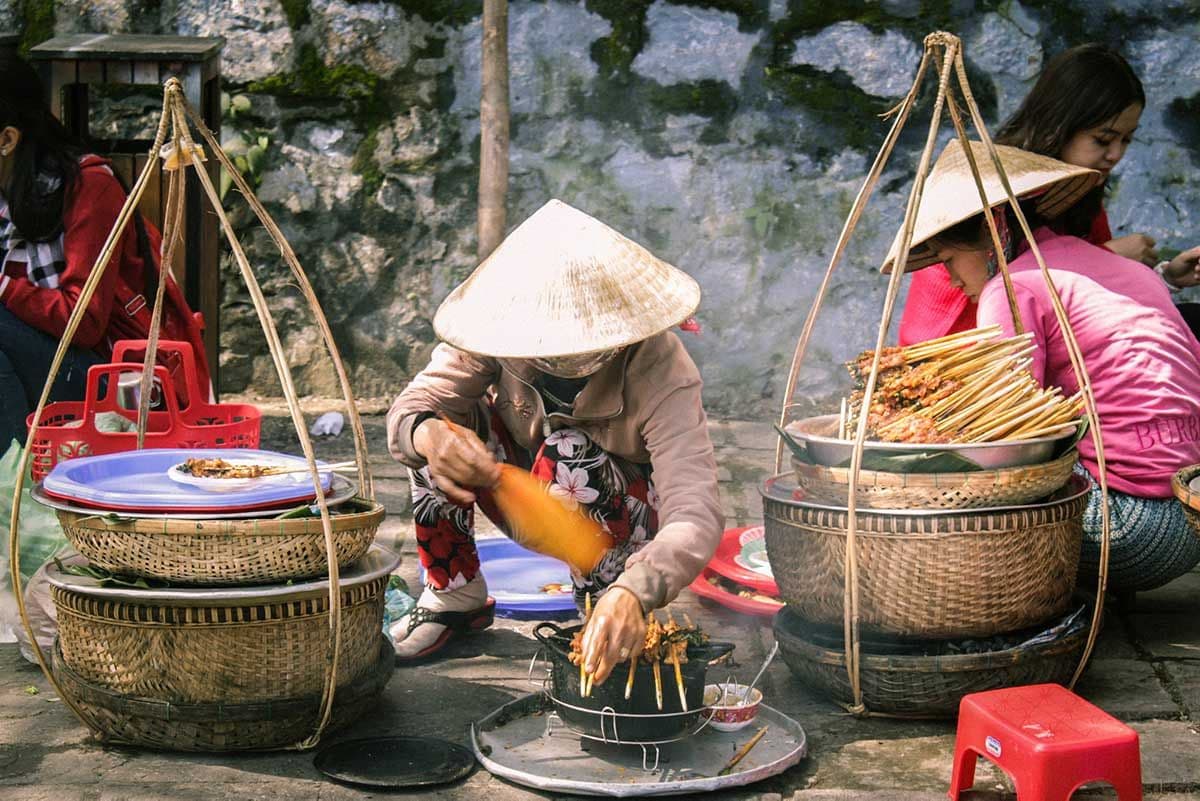
Village meals and city street food create an interesting contrast. Travelers can combine Hanoi food with Ninh Binh villages, or Ho Chi Minh City street food with Mekong Delta villages.
This helps travelers compare urban food culture and countryside cooking. A local guide can explain regional differences and daily food habits.
It is a strong choice for food-focused itineraries.
Why Combine a Village Tour with a Heritage Tour?
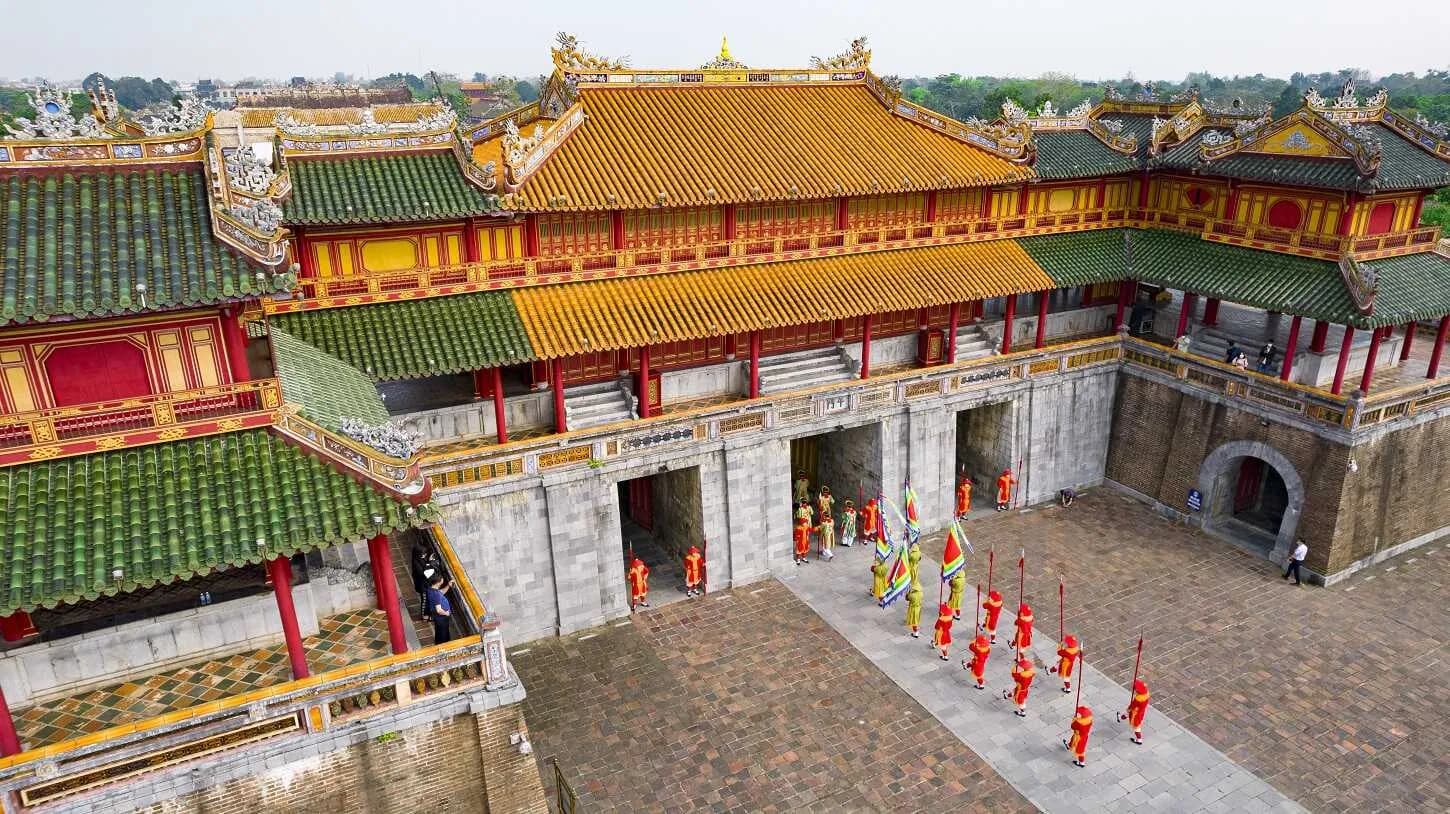
Village tours can connect past and present. Travelers can combine Ninh Binh villages with Hoa Lu, Hue countryside with imperial heritage, Hoi An villages with the Ancient Town, or Mekong Delta villages with southern history in Ho Chi Minh City.
This creates a stronger cultural context and helps travelers understand how local life connects with history.
It works well for travelers who want deeper cultural meaning.
Why Combine a Village Tour with a Beach or Wellness Extension?
After village touring, travelers can add Da Nang, Hoi An beaches, Phu Quoc, Con Dao, or Nha Trang. Beach time helps balance active countryside days.
Spa or wellness days can make the itinerary more relaxing. This works well for couples, families, seniors, and slow travelers.
It is especially useful for longer customized Vietnam trips.
Cost Factors for Vietnam Village Tours
How Do Destination and Travel Distance Affect Cost?
Nearby villages are usually more affordable than remote mountain routes. Craft villages near Hanoi can be half-day or full-day experiences.
Mountain villages may require overnight stays, private transfers, and more logistics. Mekong Delta routes may include boats and longer transport.
Destination choice strongly affects cost.
How Does Private vs Small Group Format Affect Cost?
Private tours cost more but offer better pacing, flexibility, and local interaction. Small group tours can be good value and social.
Families, seniors, couples, and photographers often benefit from private guiding. Large groups may feel less personal in small villages.
The right format depends on comfort and budget.
How Do Included Activities and Workshops Affect Cost?
Cooking classes, craft workshops, boat rides, farming activities, local meals, and homestay-style experiences can affect price.
Some activities require special coordination with local hosts or artisans. Higher-quality experiences often feel more meaningful.
Travelers should check what is included before comparing packages. Transparent inclusions help avoid surprise costs.
How Do Hotel, Transport, and Guide Quality Affect Cost?
Village tours can be day experiences or part of a full Vietnam package. Hotel level, private transfers, domestic flights, local guides, and specialist hosts can change the total cost.
Comfort level matters for countryside and mountain routes. Guide quality affects how meaningful the experience feels.
A well-designed tour should balance cost, comfort, and authenticity.
Common Mistakes to Avoid When Booking a Vietnam Village Tour
A Vietnam village tour should feel respectful, comfortable, and connected to local life. Travelers should avoid choosing a tour only by price or booking a village visit that only includes photo stops.
Common mistakes include:
- Not checking walking distance or road time
- Forgetting to ask about weather and season
- Visiting local homes without proper guidance
- Not asking whether hosts or artisans benefit from the experience
- Choosing large group tours for small village settings
- Not sharing dietary needs, allergies, or mobility limits
- Booking remote routes without enough time
- Assuming all village tours are suitable for families or seniors
- Taking photos of people without permission
- Overpacking the day with too many activities
The right tour should support both traveler comfort and community respect.
Travel Requirements US Travelers Should Prepare
What Passport and Vietnam Visa Details Matter?
US travelers need a valid passport and Vietnam visa or e-visa. The U.S. Department of State states that travelers need a visa for Vietnam, and passports should have six months’ validity beyond arrival with one blank page per stamp.
Vietnam’s official e-visa system lists the fee as US$25 for single entry and US$50 for multiple entry. Travelers can apply online, pay the fee, and receive the e-visa result online.
Visa details should match passport information exactly. Travelers should apply early and print approved visa documents before departure.
Why Are Travel Insurance and Health Preparation Important?
Travel insurance is strongly recommended for Vietnam village tours as part of a larger trip. Coverage should include medical care, cancellation, delays, lost luggage, domestic flights, boats, countryside routes, mountain roads, and planned activities.
Travelers should prepare prescription medication and basic first aid. Insect repellent, sun protection, rain gear, and comfortable shoes are useful for many village routes.
Families, seniors, and travelers joining countryside or mountain experiences may need extra comfort planning.
What Money, Connectivity, and Documents Should Travelers Prepare?
Travelers should bring credit cards and some Vietnamese Dong for small purchases. A SIM, eSIM, or roaming plan is useful for maps, messaging, and local support.
Hotel addresses, guide contacts, itinerary details, and emergency numbers should be saved offline. Travelers should keep printed and digital copies of passport, visa, insurance, and flights.
Medication and key documents should stay in hand luggage.
Why Plan a Vietnam Village Tour with FtripAsia?
FtripAsia helps travelers design Vietnam village tours based on travel dates, destination route, hotel style, comfort level, dietary needs, interests, and preferred pace.
The team is 100% local, with 7+ years of experience creating Vietnam trips for international travelers. This local background helps travelers choose village routes that feel authentic, respectful, comfortable, and meaningful.
FtripAsia can customize village tours for first-time visitors, couples, families, seniors, small groups, luxury travelers, food lovers, photographers, and creative travelers.
The team has experience serving niche markets, including Muslim and Judaism travelers, making it easier to arrange suitable meals, cultural sensitivity, private support, and smoother logistics.
Travelers can request experiences that are difficult to find in standard packages, such as village photography tours, cooking classes, local workshops, craft villages, private food routes, countryside stays, scenic boat rides, river communities, wellness days, and daily cultural activities.
Many tourists praise FtripAsia for enthusiastic, knowledgeable, and friendly support. This is especially valuable for travelers who want village experiences arranged with care, respect, flexibility, and local insight.
With FtripAsia, travelers can design a Vietnam village itinerary that feels personal, respectful, insightful, and deeply connected to local traditions.
FAQs
What is a Vietnam village tour?
A Vietnam village tour is a guided experience that takes travelers into countryside communities, craft villages, river villages, fishing villages, mountain villages, or farming areas. It may include local meals, craft workshops, village walks, boat rides, farming activities, cooking classes, market visits, or homestay-style encounters. The goal is to help travelers understand local life beyond major tourist attractions. A good village tour should be respectful, well-guided, and comfortable.
What are the best village tours in Vietnam?
Some of the best village tour options include Ninh Binh countryside, Hanoi craft villages, Hoi An countryside, Mekong Delta river villages, Mai Chau, Pu Luong, Sapa, Ha Giang, and Central Vietnam fishing villages. The best choice depends on travel style, comfort level, season, and itinerary length. First-time visitors may prefer Ninh Binh, Hoi An countryside, and the Mekong Delta, while photographers and slow travelers may enjoy mountain and rice-field villages.
Are Vietnam village tours suitable for families?
Yes, Vietnam village tours can be suitable for families when activities are interactive, flexible, and not too long. Good family-friendly experiences include farming, cooking classes, lantern making, pottery, basket boats, garden visits, fruit tasting, and gentle cycling. Families should choose private transfers, child-friendly guides, and suitable meal stops. Children’s ages, food preferences, and allergies should be shared before booking.
Can Vietnam village tours be customized?
Yes, Vietnam village tours can be customized by destination, activity type, hotel level, guide style, travel pace, dietary needs, walking distance, and comfort level. Travelers can combine village tours with cooking classes, craft workshops, food tours, heritage walks, photography routes, beach stays, or wellness days. With FtripAsia, travelers can design a village tour that matches their interests and preferred travel style.
Conclusion
A Vietnam village tour experience is one of the most meaningful ways to discover the country’s local charm, daily life, craft traditions, countryside landscapes, food culture, and community values. These tours help travelers slow down and understand Vietnam through people, homes, fields, rivers, workshops, and family traditions.
Key village experiences include rice field villages, craft villages, Ninh Binh countryside, Hoi An villages, Mekong Delta river communities, fishing villages, mountain ethnic villages, farming tours, home-style meals, and photography routes.
The right village tour should match travel style, physical comfort, dietary needs, season, guide quality, responsible tourism standards, and desired level of local interaction. Customized village tours are especially useful for first-time visitors, couples, families, seniors, food lovers, photographers, and travelers who want more than standard sightseeing.
FtripAsia can help travelers design Vietnam village tours with trusted local guides, private transfers, suitable hotels, special meals, authentic workshops, respectful community visits, and flexible pacing.
Travelers can request a customized Vietnam village itinerary that feels personal, respectful, insightful, and deeply connected to local traditions.

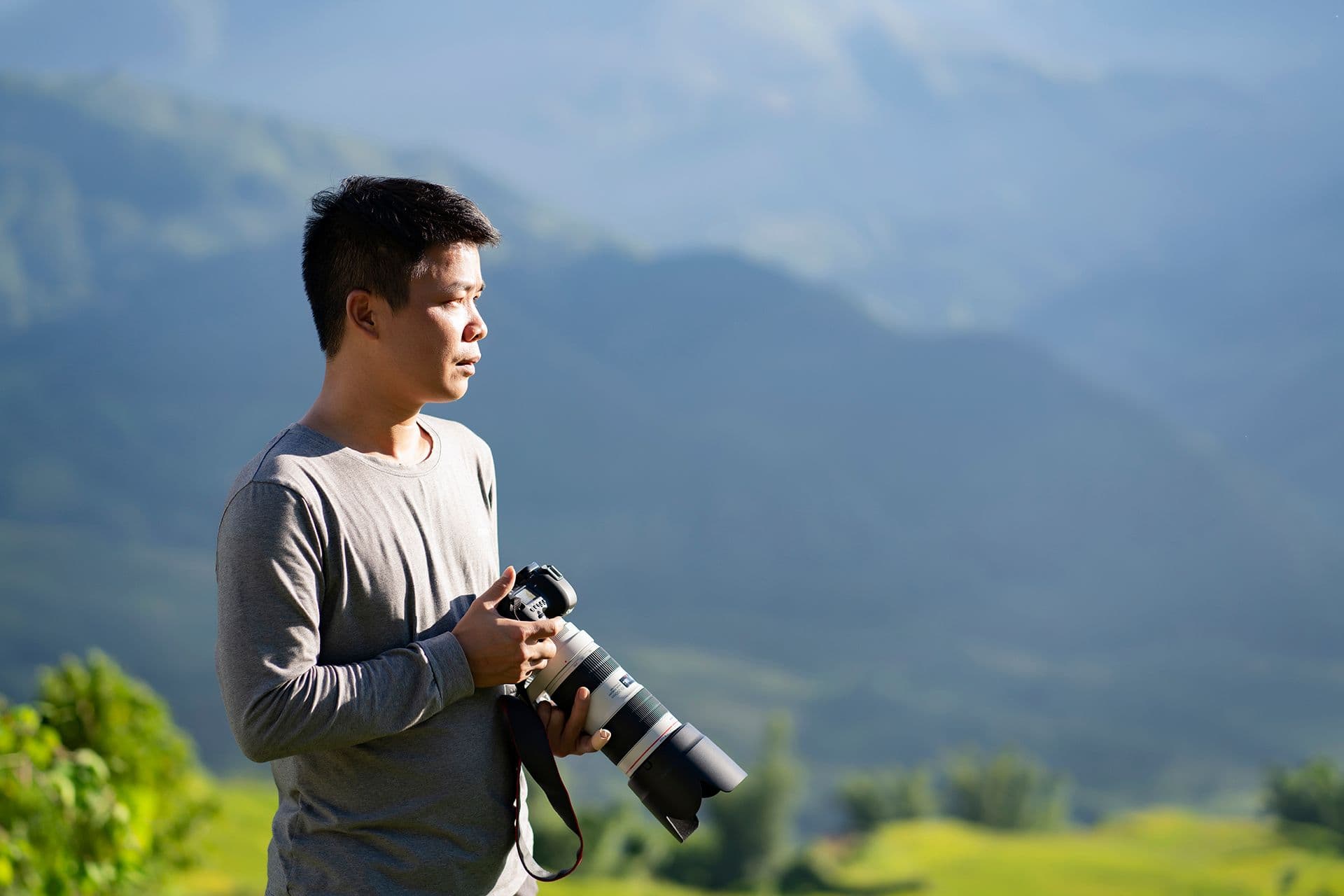
Founder & Photography Guide
Specialties: Culture, landscape, portrait, hiking, active and adventurous tour
Besides my unlimited passion for traveling, a professional tour guide for over a decade, I have been taking photographs since sitting at Hanoi of the University of Culture in the early 2000s. Photography started as a hobby but it was seriously taken due to my work relations and my significant passion for the beauty of our world, especially in Southeast Asian parts such as Vietnam, Laos, Cambodia, and Myanmar.
Within a few years of taking photographs, my works began to be recognized by many reliable international publications such as AFAR Travel, The Times, and The Daily Telegraph newspaper. In addition, I continuously add to my growing profile by winning numerous major awards: 3rd Position of The Independent Photographer 2018, 1st Position of Amateur Photographer of the year 2018, Grand Prize Winner of the AFAR Travel Photography 2019, and a Gold Award of San Francisco Bay International Photography 2020.
I photograph a wide variety of subjects, from travel to landscapes to street scenes. I enjoy documenting the East’s rich cultural heritage and its land soaked in glorious sunrise or sunset light in remote and secluded spots. And, I am very happy to share my knowledge and experience with you. You can visit Luminousvietnamtour to explore tour!