- Why Combine Vietnam and Cambodia in One Holiday from Australia?
- Flights from Australia to Vietnam and Cambodia: Routes, Duration & Costs
- Flying from Australia to Vietnam
- Flying from Australia to Cambodia
- How Much Do Flights from Australia to Vietnam and Cambodia Cost?
- Where Should You Start Your Vietnam and Cambodia Tour?
- Option 1: Fly into Siem Reap, Cambodia
- Option 2: Fly into Ho Chi Minh City, Vietnam
- Which Entry Point Is More Convenient?
- How Much Does a Vietnam and Cambodia Holiday Cost from Australia?
- Budget, Mid-Range, or Luxury Travel?
- How to Save Money Without Compromising the Experience
- What to Prepare Before Traveling from Australia to Vietnam and Cambodia
- Passport and Visa Requirements
- Travel Insurance and Health Preparation
- Money, Connectivity, and Packing
- Suggested 14-Day Vietnam and Cambodia Tour from Australia
- Days 1–3: Siem Reap – Discover the Wonders of Angkor
- Days 4–5: Siem Reap to Phnom Penh – From Ancient Temples to the Capital
- Days 6–9: Discover the Mekong Delta – River Journeys and Local Life
- Days 10–11: Ho Chi Minh City – History and Urban Exploration
- Days 12–14: Mui Ne – Coastal Relaxation and Departure
- When Is the Best Time to Visit Vietnam and Cambodia?
- Is a Guided Vietnam and Cambodia Tour Worth It?
- Plan Your Vietnam and Cambodia Holiday from Australia with Ftrip Asia
Planning a holiday from Australia to Southeast Asia? Combining Vietnam and Cambodia in one trip lets you explore ancient temples, vibrant cities, traditional river communities, and relaxing coastal destinations without limiting your holiday to a single country. With the right itinerary, you can experience both countries in around two weeks.
This guide covers flights from Australia to Vietnam and Cambodia, travel costs, visa preparation, the best time to visit, and a suggested 14-day itinerary. Whether you prefer independent travel or a private guided tour, these tips will help you plan a smoother journey.
Why Combine Vietnam and Cambodia in One Holiday from Australia?
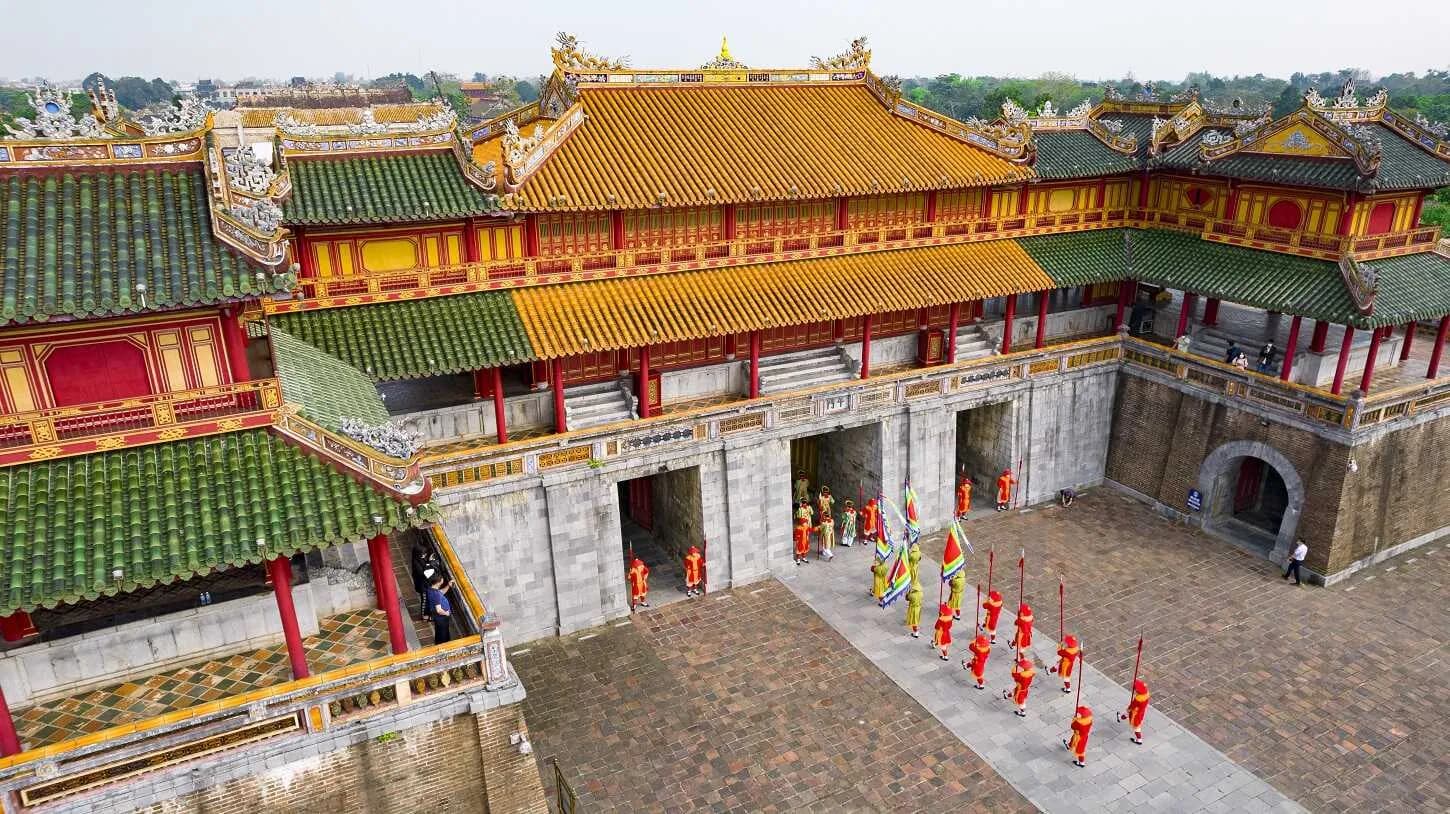
For Australian travellers planning a longer international holiday, Vietnam and Cambodia offer two complementary travel experiences. Both countries have rich histories, distinctive food cultures, and welcoming communities, but each brings something different to the journey.
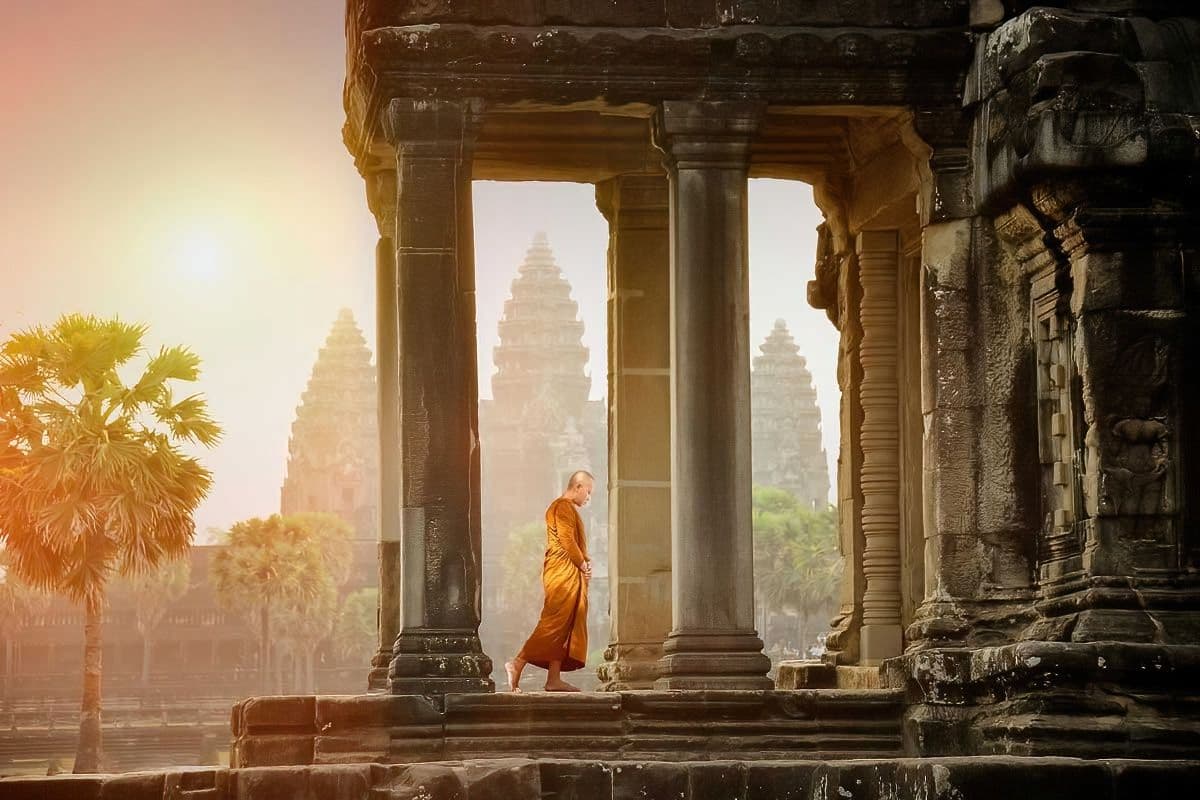
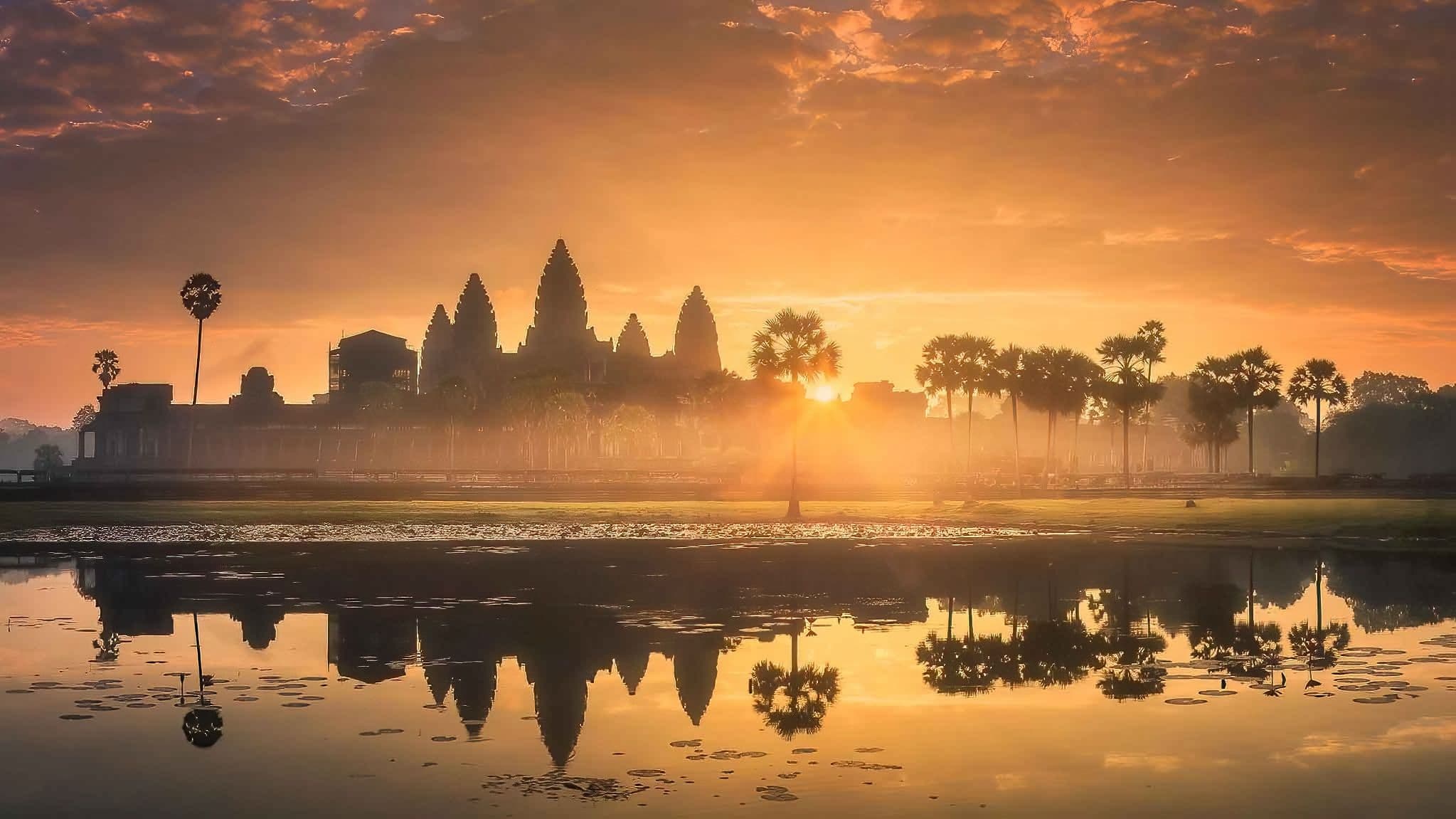
In Cambodia, Angkor Wat and the surrounding temple complex reveal the scale and sophistication of the ancient Khmer Empire. Phnom Penh offers another perspective through its royal landmarks, museums, and modern urban life.
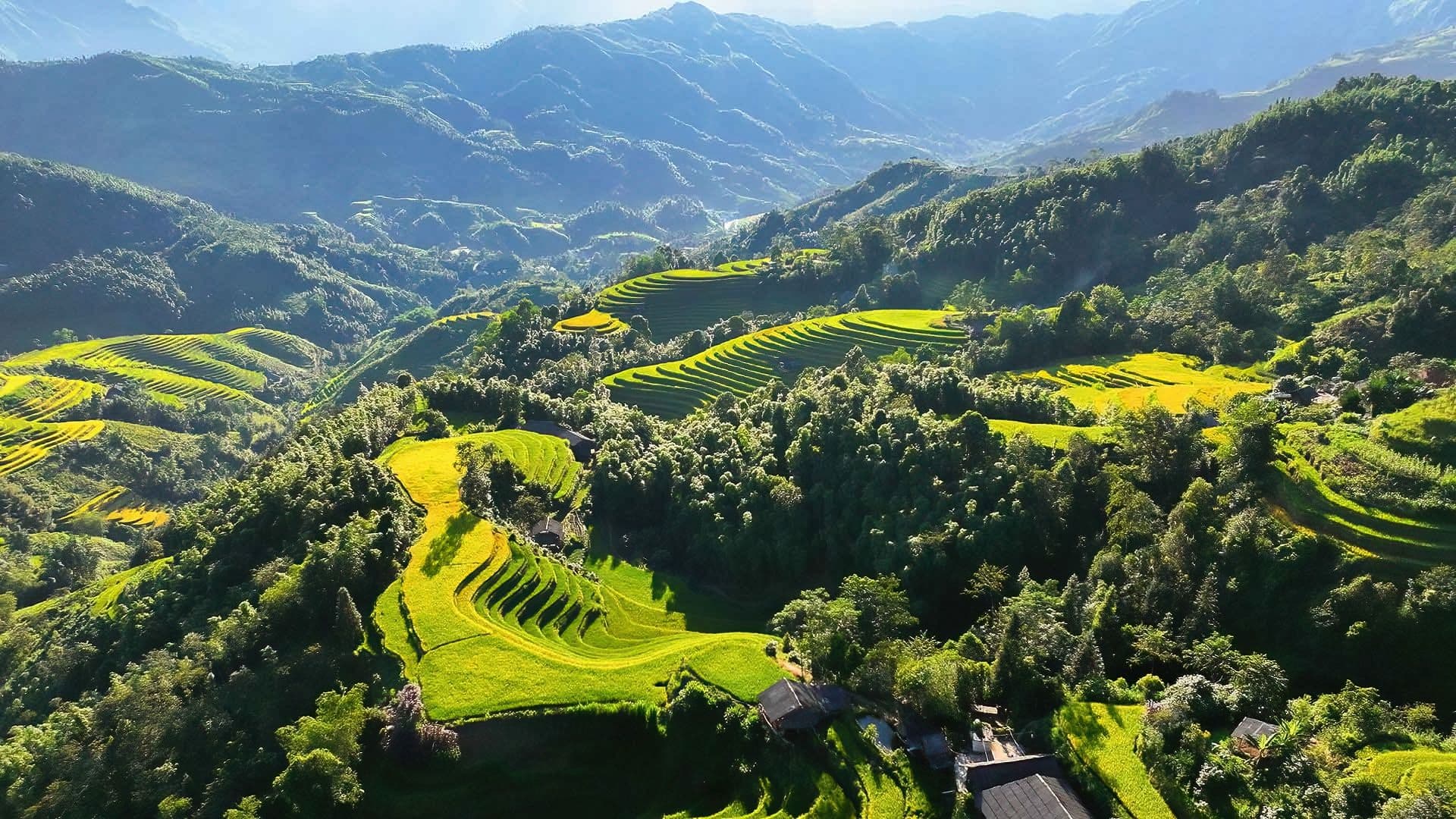
Vietnam adds greater geographical variety to the same holiday. In the south, Ho Chi Minh City combines historic architecture with busy markets and contemporary dining. The Mekong Delta offers boat journeys through waterways and opportunities to discover local farming and traditional crafts. Further east, Mui Ne provides a change of pace with sandy beaches and distinctive coastal landscapes.
Combining the two countries also makes sense geographically. Southern Vietnam shares a border with Cambodia, allowing travellers to connect the Mekong region with Phnom Penh or other Cambodian destinations by road or river, depending on the route.
A 14-day trip provides a practical starting point for exploring both countries. It is long enough to experience major highlights without changing hotels every day, particularly when flights, transfers, and accommodation are planned together.

Flights from Australia to Vietnam and Cambodia: Routes, Duration & Costs
Choosing the right international flights is one of the first steps in planning Vietnam and Cambodia tours with flights from Australia. Your departure city, travel dates, preferred entry point, and willingness to take connecting flights will influence both the journey time and overall budget.
Flying from Australia to Vietnam
Vietnam is a convenient starting point for Australian travellers, with international connections to major cities including Ho Chi Minh City and Hanoi.
Direct flights operate on selected routes from Australian cities such as Sydney, Melbourne, and Perth. Flight availability and schedules vary, so check your departure airport and travel dates before finalising the itinerary. Connecting flights through regional hubs are another option, particularly for travellers departing from Brisbane, Adelaide, or other Australian cities.
Approximate nonstop flight times include:
- Sydney to Ho Chi Minh City: around 9 hours.
- Melbourne to Ho Chi Minh City: around 8.5–9 hours.
- Perth to Ho Chi Minh City: around 6–7 hours.
These are indicative journey times for nonstop flights, not guaranteed schedules. Connecting itineraries can take considerably longer.
For a tour focused on southern Vietnam and Cambodia, Ho Chi Minh City is often the most practical Vietnamese arrival or departure point. It provides access to the Mekong Delta, onward connections to Cambodia, and domestic transport to coastal destinations such as Mui Ne.
If your plans include northern or central Vietnam, arriving in Hanoi or Da Nang may be more appropriate. However, adding these destinations to a two-week Cambodia and southern Vietnam itinerary could require additional domestic flights and travel time.
Flying from Australia to Cambodia
Travellers flying directly to Cambodia can look for international connections to Siem Reap or Phnom Penh. Depending on the departure city and travel dates, flights may involve a stop in Singapore, Kuala Lumpur, Bangkok, or another regional hub.
Siem Reap is the preferred entry point for travellers whose main priority is Angkor Wat. Arriving here allows you to begin sightseeing without travelling across Cambodia first.
Phnom Penh is a useful alternative for travellers who want to explore the capital before continuing towards Vietnam. It can also work well for itineraries that travel overland between the two countries.
When comparing flights, consider the complete journey rather than just the airfare. A cheaper ticket with a long layover, an inconvenient arrival time, or a separate airport transfer may not offer the best overall value.
How Much Do Flights from Australia to Vietnam and Cambodia Cost?
Airfares depend on your Australian departure city, travel season, airline, baggage allowance, and booking lead time. There is no single price that applies to every Vietnam and Cambodia holiday.
Use the following factors when comparing your options:
- Return versus multi-city tickets: A multi-city booking may allow you to fly into Siem Reap and return from Ho Chi Minh City, avoiding the need to backtrack.
- Direct versus connecting flights: Direct services can save time, while connecting flights may offer more departure options or competitive fares.
- Seasonal demand: Australian school holidays, Christmas, New Year, and other busy travel periods can increase demand.
- Baggage and ticket conditions: Low advertised fares may exclude checked baggage, seat selection, or flexible changes.
- Regional flights: If your itinerary includes separate international arrivals and departures, account for any additional flights within Southeast Asia.
Compare fares across the same dates and with equivalent baggage and ticket conditions. Check both the international flight cost and the cost of reaching your chosen starting point.
If you want a package that includes flights, clarify whether the quoted tour price covers international airfare from Australia, regional flights between destinations, or land arrangements only. These inclusions can differ between tour operators.
Where Should You Start Your Vietnam and Cambodia Tour?
Your first destination affects how much time you spend travelling, which places you can visit, and how easily you can arrange your return flight to Australia.
Option 1: Fly into Siem Reap, Cambodia
Starting in Siem Reap works particularly well for travellers who want to visit Angkor Wat at the beginning of their holiday.
Spend the first few days exploring the temple complex, including Angkor Wat, Bayon, and Ta Prohm. You can then travel to Phnom Penh before continuing towards southern Vietnam.
This route moves naturally from Cambodia's historical landmarks to Vietnam's river landscapes, urban attractions, and coastline. It also places the most physically demanding sightseeing, such as early-morning temple visits, near the beginning of the trip.
Siem Reap is especially suitable for travellers who want a strong cultural focus before slowing down in the Mekong Delta and Mui Ne.
Option 2: Fly into Ho Chi Minh City, Vietnam
Ho Chi Minh City is a practical entry point if you prefer to begin with Vietnamese food, markets, historical sites, and city life.
From here, you can explore the Mekong Delta before travelling into Cambodia, or visit Mui Ne as part of a southern Vietnam extension. Your return journey can then depart from Cambodia if suitable international connections are available.
However, this order may require more careful planning. Depending on the destinations you prioritise, travelling from southern Vietnam to Siem Reap could involve a flight or a longer overland journey.
For travellers who want to spend more time in Vietnam than Cambodia, starting in Ho Chi Minh City may be the better choice.
Which Entry Point Is More Convenient?
Neither entry point is universally better. The most convenient option depends on flight availability, your preferred sightseeing order, and the location of your final departure airport.
| Consideration | Start in Siem Reap | Start in Ho Chi Minh City |
|---|---|---|
| Best for | Angkor temples and Cambodian culture | Vietnamese city life and the Mekong Delta |
| Suggested first activities | Angkor Wat and surrounding temples | Historic landmarks, markets, and local food |
| Route planning | Continue through Cambodia towards Vietnam | Explore southern Vietnam before connecting to Cambodia |
| Main advantage | Begins with Cambodia's major cultural highlight | Offers convenient access to southern Vietnam |
| What to compare | Connections into Siem Reap | International flights and onward transport |
For the 14-day itinerary below, arriving in Siem Reap and departing from Ho Chi Minh City is a logical option. It follows a generally west-to-east route through Cambodia and southern Vietnam, although the best flight arrangement will depend on your dates.
How Much Does a Vietnam and Cambodia Holiday Cost from Australia?
The total cost of a Vietnam and Cambodia holiday depends on your accommodation standards, transport choices, activities, and international airfare. Travellers who prefer comfortable hotels and private transfers will have different budgets from those who travel independently and use public transport.
When estimating your expenses, account for international flights, regional transport, accommodation, meals, entrance fees, guided activities, travel insurance, visas, and personal spending.
Budget, Mid-Range, or Luxury Travel?
Budget travel
Budget-conscious travellers can stay in guesthouses or simple hotels, eat at local restaurants, use public transportation where practical, and select a few guided activities. This approach keeps daily expenses manageable while leaving room for independent exploration.
However, budget travel requires more time to organise transport and compare services. Some journeys between destinations may also be less convenient without private transfers.
Mid-range travel
Mid-range travel offers a balance between comfort, convenience, and cost. It typically includes comfortable hotels, private transfers for selected journeys, guided sightseeing, and a mix of organised activities and independent time.
For a two-week trip across Vietnam and Cambodia, this option works well for couples, families, and travellers who want to explore several destinations without managing every detail themselves.
Luxury travel
Luxury travellers can choose premium accommodation, private guides, customised transfers, and exclusive or upgraded experiences. A private itinerary also allows more flexibility around sightseeing times, dining preferences, and time spent at each destination.
For a trip covering two countries, the convenience of coordinated arrangements can be particularly valuable.
Rather than comparing tour prices alone, review what each package includes. A tour that covers hotels, transfers, guides, entrance fees, and selected meals may offer better overall value than a lower-priced option that requires numerous additional bookings.
How to Save Money Without Compromising the Experience
A well-planned itinerary can reduce unnecessary expenses without sacrificing the highlights of your holiday.
- Book international flights early. This is particularly important if you are travelling during Australian school holidays, Christmas, or New Year.
- Consider shoulder seasons. Travelling outside the busiest periods may offer more accommodation choices and better availability, although weather conditions vary by destination.
- Compare multi-city flights. Flying into Siem Reap and returning from Ho Chi Minh City may eliminate the cost and time of returning to your original arrival airport.
- Avoid unnecessary backtracking. Plan destinations in a logical order to reduce transport costs and lost sightseeing time.
- Compare tour inclusions carefully. Check whether accommodation, transfers, guides, entrance fees, and meals are included before deciding whether to organise everything independently.
- Prioritise paid experiences. Choose guided tours for places where historical context or local knowledge adds value, and explore markets, neighbourhoods, and everyday city life independently when appropriate.
The goal is to allocate your budget towards the experiences that matter most to you, rather than simply choosing the cheapest available option.
What to Prepare Before Traveling from Australia to Vietnam and Cambodia
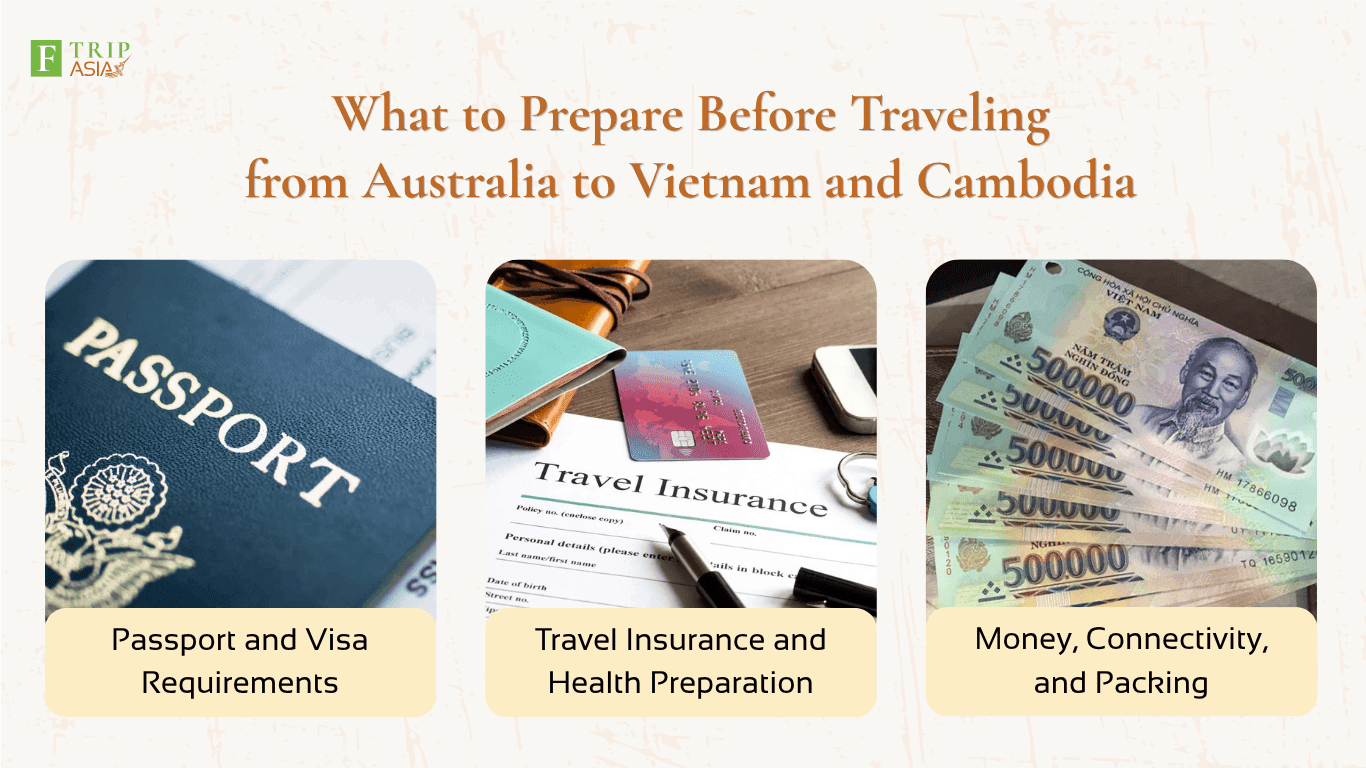
Before departing Australia, check your travel documents, entry requirements, insurance, and practical arrangements for both countries. Completing these preparations early can help prevent avoidable delays during your holiday.
Passport and Visa Requirements
Australian passport holders should check visa requirements separately for Vietnam and Cambodia. Permission to enter one country does not automatically grant entry to the other.
For Vietnam, Australian citizens generally need a valid visa before travelling. Eligible travellers can apply through the official Vietnam e-Visa portal, which provides information about application requirements and visa validity.
Cambodia has its own entry requirements, including tourist visa arrangements for eligible travellers. Check the latest conditions through the official Cambodian immigration or e-Visa channels before departure, including any applicable arrival procedures.
Before applying, verify:
- Passport validity and available blank pages.
- Visa validity, permitted length of stay, and number of entries.
- The entry and exit points permitted under your visa.
- Any arrival declarations or additional documents required for your travel dates.
If your itinerary crosses the Cambodia–Vietnam border by land or river, confirm that your visas and chosen crossing arrangements are suitable for that route. Allow sufficient time for visa processing and verify all details before travelling.
Travel Insurance and Health Preparation
Travel insurance is an important part of planning a multi-country holiday. Choose a policy that covers your intended activities, medical expenses, emergency assistance, and travel disruptions, subject to its terms and exclusions.
Before departure, review official health advice for both destinations and consult a qualified healthcare professional if you need individual medical guidance. Carry essential medication in its original packaging and check any restrictions that apply to the medicines you bring.
It is also sensible to keep digital and printed copies of your passport, insurance details, bookings, and emergency contacts in separate locations.
Money, Connectivity, and Packing
Vietnam uses the Vietnamese dong (VND), while Cambodia uses the Cambodian riel (KHR), with US dollars also commonly used for many tourist transactions in Cambodia. Carry a payment card and some cash, particularly for smaller purchases and rural excursions.
For connectivity, compare international roaming, local SIM cards, and eSIM plans that cover both countries. Check whether your phone supports eSIM and whether your chosen plan includes sufficient data for maps, bookings, and communication.
Pack lightweight clothing suitable for warm weather, comfortable walking shoes, sun protection, insect repellent, and a compact rain jacket. If you are visiting temples, bring clothing that covers your shoulders and knees.
A small day bag, reusable water bottle, and portable charger are useful for long sightseeing days. Adapt your packing list to the season, especially if your itinerary includes outdoor activities or coastal excursions.
Suggested 14-Day Vietnam and Cambodia Tour from Australia
This suggested itinerary combines Cambodia's major cultural attractions with the river landscapes and coastal destinations of southern Vietnam. It starts in Siem Reap and finishes in Ho Chi Minh City, reducing the need to return to your initial arrival point.
The route is designed as a flexible framework rather than a fixed schedule. Travel times, border arrangements, and the availability of specific transport services should be confirmed before booking.
Days 1–3: Siem Reap – Discover the Wonders of Angkor
Begin your holiday in Siem Reap, the gateway to the Angkor archaeological complex and one of Cambodia's most important cultural destinations.
Dedicate your first full day to Angkor Wat, arriving early to experience the temple in the cooler morning hours. Continue exploring the complex with a local guide who can explain the history, architecture, and religious significance of the Khmer Empire.
On the following day, visit Bayon, known for its carved stone faces, and Ta Prohm, where tree roots intertwine with the temple ruins. Depending on your interests, you can also explore local markets, discover Cambodian cuisine, or spend a relaxed afternoon in town.
Keep your arrival day relatively flexible to account for the international flight from Australia and any time needed to recover from the journey.
Days 4–5: Siem Reap to Phnom Penh – From Ancient Temples to the Capital
Travel from Siem Reap to Phnom Penh by road or another suitable transport option. Allow enough time for the journey, as travel duration depends on traffic and the service you choose.
Spend the next day exploring Phnom Penh's Royal Palace and other cultural landmarks. The city's museums and memorial sites also provide important insight into Cambodia's recent history.
A local guide can help put these contrasting historical periods into context. In the evening, enjoy the riverside atmosphere or try Cambodian dishes at a local restaurant.
Two nights provide a useful introduction to the capital without making the itinerary too rushed.
Days 6–9: Discover the Mekong Delta – River Journeys and Local Life
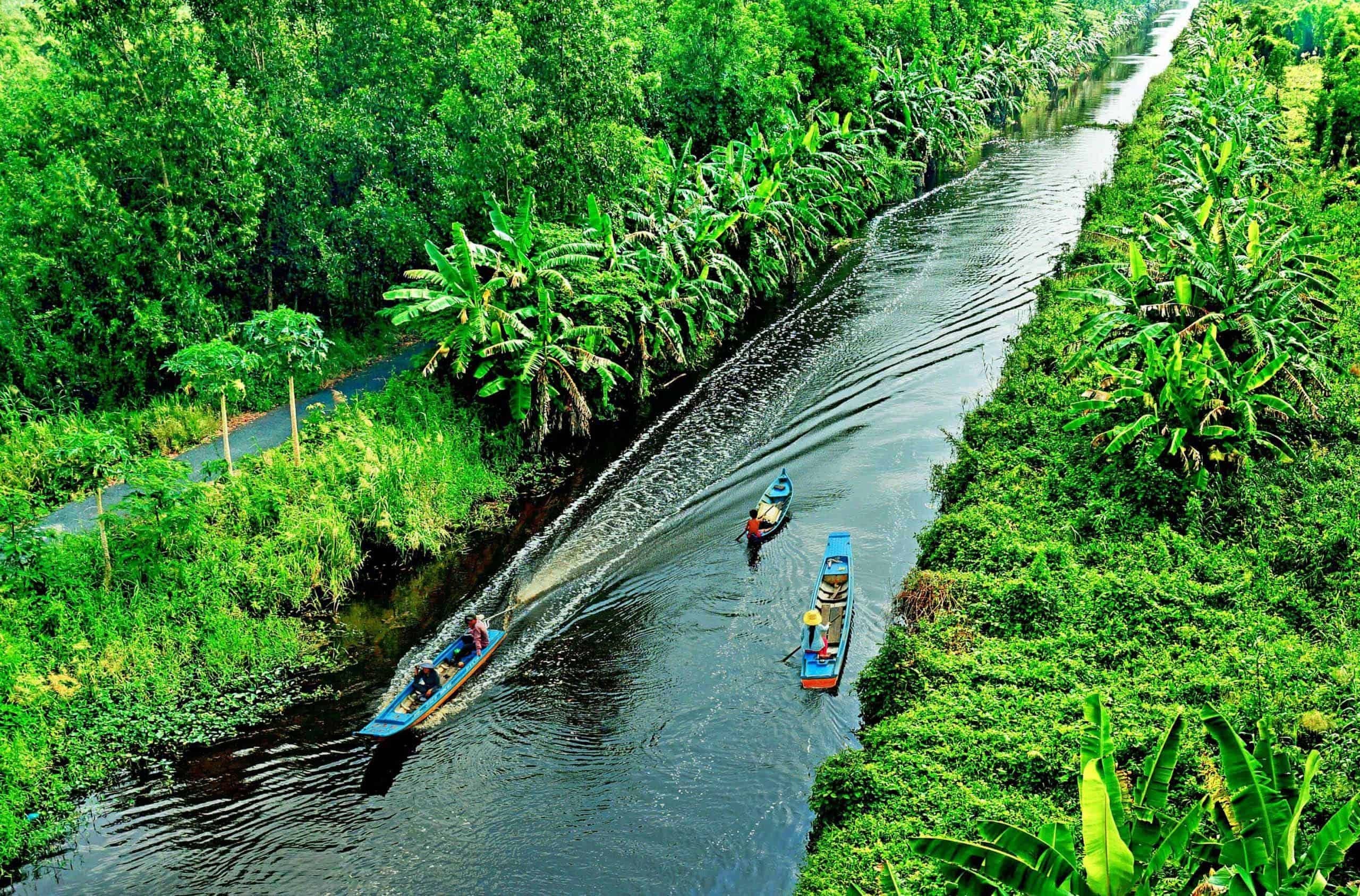
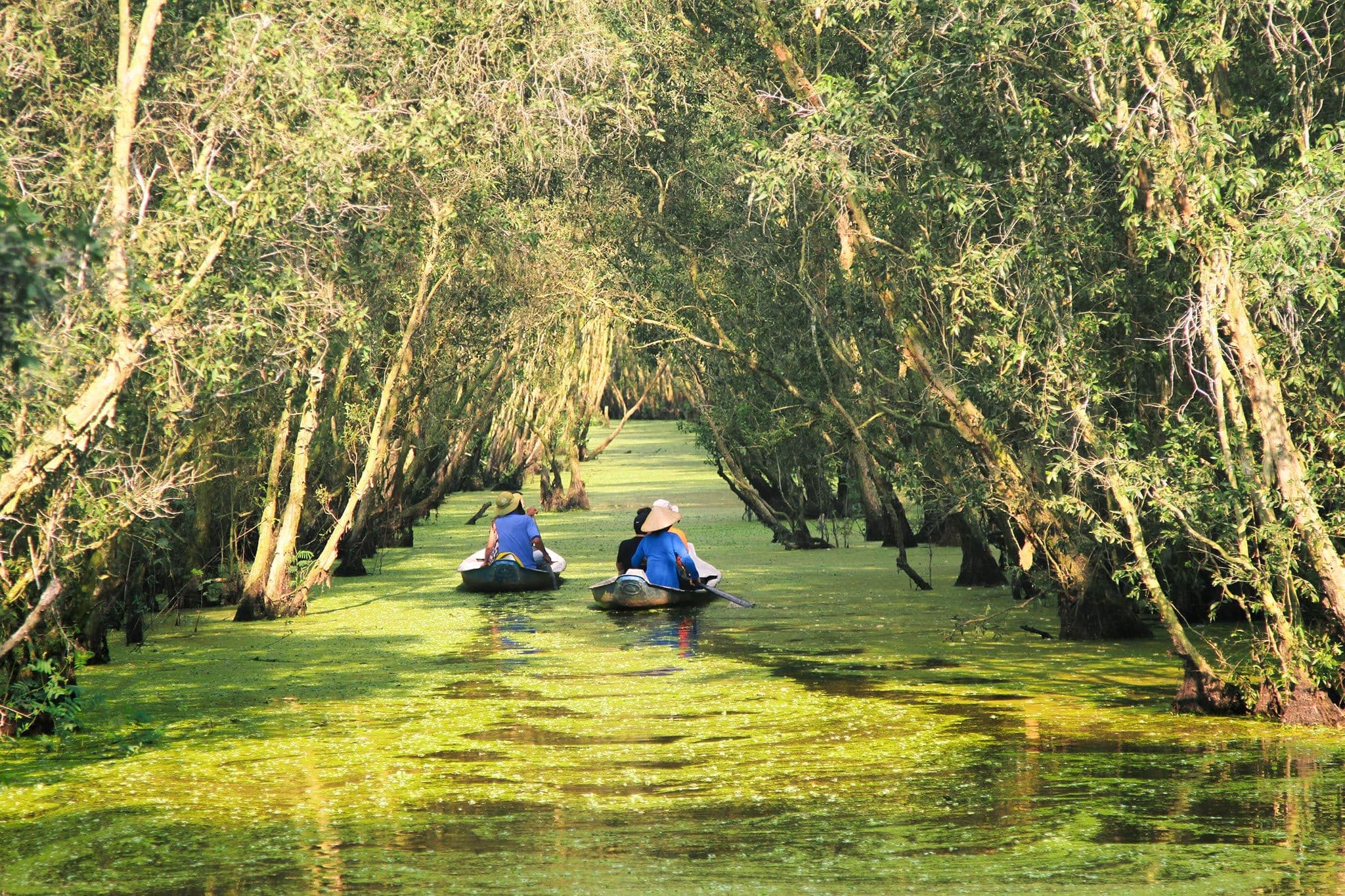
Continue into southern Vietnam and discover the Mekong Delta, a region where waterways, orchards, agricultural communities, and traditional crafts shape everyday life.
The journey from Phnom Penh to the Mekong Delta can be arranged by road, or through a suitable river connection where available. A speedboat service between Phnom Penh and the Chau Doc area may be an option, subject to the operating schedule and border formalities. Confirm the route before building the itinerary around it.
Spend the next few days exploring the delta at a relaxed pace. Depending on your chosen base, activities can include boat trips along smaller canals, visits to local workshops, cycling through rural communities, and sampling regional food.
Ben Tre is known for its coconut-growing areas and traditional coconut-based products. Can Tho offers access to the region's river culture and, for early risers, Cai Rang Floating Market.
Allow time for unhurried encounters with local communities rather than filling every day with transfers and scheduled activities. The Mekong Delta is often best experienced at a slower pace.
Days 10–11: Ho Chi Minh City – History and Urban Exploration
Move from the quieter waterways of the Mekong Delta to the energy of Ho Chi Minh City.
Explore the city's historic landmarks, including the Central Post Office and the surrounding colonial-era architecture. Visit the War Remnants Museum if you want to learn more about the Vietnam War and its lasting impact.
The city's markets, street food stalls, and cafés offer another perspective on contemporary Vietnamese life. You can also arrange a guided food tour to discover regional dishes and local dining traditions.
Two nights provide enough time for major sightseeing while leaving space to explore independently.
Days 12–14: Mui Ne – Coastal Relaxation and Departure
Finish the trip in Mui Ne, a coastal destination known for its beaches, sand dunes, and laid-back atmosphere.
Travel from Ho Chi Minh City to Mui Ne by private transfer or another suitable road service. The journey generally takes several hours, depending on traffic and your starting point.
Spend your time relaxing by the coast, visiting the red and white sand dunes, or exploring the local fishing area. Travellers interested in outdoor activities can also look into kitesurfing and other water sports when conditions permit.
On Day 14, return to Ho Chi Minh City for your international flight home. Because the road journey takes time, choose a departure schedule that allows a comfortable buffer, or arrange an additional overnight stay if your flight leaves early.
If your international return flight is not available at a suitable time, consider adjusting the final night rather than risking a tight connection.
Explore the complete itinerary here.
When Is the Best Time to Visit Vietnam and Cambodia?
November to March is a commonly preferred travel window for a combined Vietnam and Cambodia holiday, particularly for travellers focusing on Angkor, the Mekong Delta, Ho Chi Minh City, and Mui Ne.
However, the best time depends on your priorities. Cambodia and southern Vietnam have broadly similar seasonal patterns, but local weather conditions can still differ between destinations.
November to March: Generally favourable for sightseeing
Cambodia's dry season typically begins around November, bringing relatively lower rainfall and more comfortable conditions for visiting Angkor's temples. Southern Vietnam also enters its dry season, making it a popular period for exploring Ho Chi Minh City and taking boat trips in the Mekong Delta.
Mui Ne can be a good coastal addition during this period, although wind conditions may appeal more to some activities than others.
December and January can be particularly busy, so book accommodation and popular experiences early if travelling during the Australian summer holiday period.
April to May: Hotter weather and seasonal transition
Temperatures rise across Cambodia and southern Vietnam. Outdoor sightseeing can still be enjoyable, but early starts, shade, and regular hydration become more important.
April and May may suit travellers who can tolerate the heat and want to consider travel outside the busiest winter months. Rainfall begins increasing as the wet season approaches.
June to October: Green landscapes and a higher chance of rain
Cambodia's rainy season generally runs from May or June through October, depending on the source and local conditions. Southern Vietnam also experiences its wet season during much of this period.
Rain does not necessarily prevent travel. Showers can be brief, landscapes become greener, and some destinations may be less crowded. However, heavy rainfall can affect road journeys, outdoor sightseeing, and river excursions.
If you plan to visit Angkor during the wet season, allow flexibility in your schedule. For the Mekong Delta, check local river conditions and tour arrangements. In Mui Ne, review the forecast and sea conditions before planning water activities.
For the most reliable planning, check regional forecasts closer to departure rather than relying on a single weather prediction for either country.
Is a Guided Vietnam and Cambodia Tour Worth It?
A guided multi-country tour can make a two-week holiday easier to organise, especially when the itinerary includes international flights, border crossings, regional transfers, and several destinations.
For travellers departing from Australia, the main advantage is having the different parts of the trip coordinated before arrival.
Coordinated travel arrangements
A well-planned tour brings accommodation, transport, sightseeing, and connections together into one itinerary. This reduces the time spent researching each journey and managing separate bookings.
Support with border-crossing logistics
Travelling between Vietnam and Cambodia requires attention to entry requirements, transport schedules, and border procedures. An experienced local operator can help coordinate the arrangements, although travellers remain responsible for meeting immigration requirements.
Local guides and cultural context
Local guides can explain the history of Angkor, introduce regional food traditions, and provide insight into everyday life in the Mekong Delta. Their knowledge can make visits more meaningful than sightseeing independently without background information.
Private transport between destinations
Pre-arranged transfers can be particularly useful for travellers with limited time, families, or anyone who prefers not to navigate unfamiliar transport systems.
A more flexible private tour
A private tour offers greater control over the pace and structure of your holiday. You can discuss hotel categories, sightseeing priorities, additional free time, and special interests before the itinerary is confirmed.
This flexibility is useful when combining major highlights such as Angkor Wat with slower experiences in the Mekong Delta and Mui Ne.
Ftrip Asia can help travellers plan a personalised journey through Vietnam and Cambodia, with itinerary arrangements shaped around preferred destinations, travel dates, and accommodation standards.
Plan Your Vietnam and Cambodia Holiday from Australia with Ftrip Asia
A two-week journey through Vietnam and Cambodia offers a varied introduction to Southeast Asia, from the temples of Angkor to the waterways of the Mekong Delta and the coast of southern Vietnam.
The right itinerary depends on your flight options, budget, travel dates, and preferred pace. Planning these details together can help you make better use of your time while avoiding unnecessary travel.
Planning a Vietnam and Cambodia holiday from Australia? Contact Ftrip Asia to customise your 14-day itinerary, discuss flight arrangements, and receive a tour proposal tailored to your travel dates and preferences.


Founder & Photography Guide
Specialties: Culture, landscape, portrait, hiking, active and adventurous tour
Besides my unlimited passion for traveling, a professional tour guide for over a decade, I have been taking photographs since sitting at Hanoi of the University of Culture in the early 2000s. Photography started as a hobby but it was seriously taken due to my work relations and my significant passion for the beauty of our world, especially in Southeast Asian parts such as Vietnam, Laos, Cambodia, and Myanmar.
Within a few years of taking photographs, my works began to be recognized by many reliable international publications such as AFAR Travel, The Times, and The Daily Telegraph newspaper. In addition, I continuously add to my growing profile by winning numerous major awards: 3rd Position of The Independent Photographer 2018, 1st Position of Amateur Photographer of the year 2018, Grand Prize Winner of the AFAR Travel Photography 2019, and a Gold Award of San Francisco Bay International Photography 2020.
I photograph a wide variety of subjects, from travel to landscapes to street scenes. I enjoy documenting the East’s rich cultural heritage and its land soaked in glorious sunrise or sunset light in remote and secluded spots. And, I am very happy to share my knowledge and experience with you. You can visit Luminousvietnamtour to explore tour!