- What Is a Hanoi Coffee Tour?
- How Does a Coffee Tour Introduce Local Coffee Culture?
- Why Is It More Than a Café-Hopping Experience?
- Why Is Hanoi Special for Coffee Culture?
- Best Coffee Styles to Try on a Hanoi Coffee Tour
- Which Vietnamese Coffee Styles Should You Try?
- Why Is Egg Coffee So Famous in Hanoi?
- Why Should Travelers Try Vietnamese Phin Coffee?
- What Makes Iced Milk Coffee a Classic Daily Drink?
- Why Add Coconut Coffee to the Tour?
- Why Try Salt Coffee and Yogurt Coffee?
- What Can Specialty Coffee and Local Roasters Add?
- Best Areas for a Hanoi Coffee Tour
- Hanoi Old Quarter
- Hoan Kiem Lake Area
- French Quarter
- West Lake
- Hidden Apartment and Alley Cafés
- Suggested Hanoi Coffee Tour by Travel Stage
- Stage 1: Old Quarter Coffee Culture and First Tasting
- Stage 2: Egg Coffee, Hidden Cafés, and Local Stories
- Stage 3: Creative Coffee Drinks and Modern Café Culture
- Stage 4: Coffee Pairings, Food Add-On, or Coffee Workshop
- What to Expect During a Hanoi Coffee Tour
- How Many Coffee Tastings Are Usually Included?
- How Much Walking Is Involved?
- Why Does Cultural Storytelling Matter?
- What Makes the Café Atmosphere Special?
- How to Choose the Right Hanoi Coffee Tour?
- What Should You Check Before Booking?
- Should You Choose a Walking Tour or a Workshop?
- Why Does Group Size and Pace Matter?
- Why Ask About Dietary and Health Needs?
- When Is the Best Time for a Hanoi Coffee Tour?
- Best Hanoi Coffee Tour Options by Traveler Type
- What Works for First-Time Visitors?
- What Works for Couples?
- What Works for Families?
- What Works for Senior Travelers?
- What Works for Food Lovers?
- What Works for Photographers and Creative Travelers?
- How to Combine a Hanoi Coffee Tour with Other Experiences?
- Why Combine Coffee with a Hanoi Old Quarter Food Tour?
- Why Combine Coffee with a Market Walk?
- Why Combine Coffee with a Heritage Walk?
- Why Combine Coffee with a Coffee-Making Class?
- Why Combine Coffee with a Photography Route?
- Cost Factors for Hanoi Coffee Tours
- How Does Tour Length Affect Cost?
- How Does Private vs Small Group Format Affect Cost?
- How Do Included Drinks and Add-Ons Affect Cost?
- How Do Guide Quality and Route Design Affect Cost?
- Common Mistakes to Avoid When Booking a Hanoi Coffee Tour
- Travel Requirements US Travelers Should Prepare
- What Passport and Vietnam Visa Details Matter?
- Why Are Travel Insurance and Health Preparation Important?
- What Money, Connectivity, and Documents Should Travelers Prepare?
- Why Plan a Hanoi Coffee Tour with FtripAsia?
- FAQs
- What is included in a Hanoi coffee tour?
- What coffee should I try in Hanoi?
- Is a Hanoi coffee tour suitable for non-coffee drinkers?
- Can a Hanoi coffee tour be customized?
- Conclusion
A Hanoi coffee tour is not only about drinking coffee. It is also about understanding Vietnamese culture, history, social habits, local creativity, and the city’s quieter rhythm. Each cup can reveal something about Hanoi, from its old merchant streets and family-run cafés to its modern specialty coffee spaces.
Hanoi is closely connected with egg coffee, traditional phin coffee, iced milk coffee, coconut coffee, salt coffee, hidden cafés, and old family coffee shops. Some cafés are tucked behind narrow alleys, upstairs in old buildings, or hidden behind small doors that travelers may easily miss without local guidance.
Coffee tours are suitable for first-time visitors, couples, families with older children, solo travelers, food lovers, photographers, creatives, and slow travelers. They offer an easy and memorable way to experience Hanoi beyond standard sightseeing.
FtripAsia helps travelers design customized Hanoi coffee tours with trusted local guides, private transfers, food pairings, café routes, dietary support, and authentic cultural experiences.
What Is a Hanoi Coffee Tour?
How Does a Coffee Tour Introduce Local Coffee Culture?
A Hanoi coffee tour takes travelers through cafés, hidden alleys, old houses, local roasters, coffee workshops, and neighborhood coffee stops. Travelers can taste different Vietnamese coffee styles while learning how coffee fits into daily life.
A local guide can explain the story behind phin coffee, condensed milk, robusta beans, egg coffee, and modern specialty cafés. These details help travelers understand why Vietnamese coffee tastes bold, sweet, rich, and highly distinctive.
The experience may include historic cafés, modern coffee shops, rooftop views, market areas, or Old Quarter corners. A good tour connects each cup with the people, places, and stories behind it.
Why Is It More Than a Café-Hopping Experience?
A strong Hanoi coffee tour should include cultural storytelling, not only a list of café stops. Travelers can learn about French influence, Vietnamese adaptation, local creativity, and the rise of specialty coffee.
Coffee can be connected with architecture, family-run cafés, old merchant streets, local habits, and neighborhood life. The tour can also include light walking, food pairings, photo stops, or a hands-on coffee workshop.
This turns coffee into a cultural lens for understanding Hanoi. Instead of simply ordering drinks, travelers learn why coffee matters to the city’s identity.
Why Is Hanoi Special for Coffee Culture?
Hanoi has a long café tradition shaped by history, climate, local creativity, and social life. The city is famous for egg coffee, a creamy drink closely associated with Hanoi’s culinary identity.
Traditional phin coffee remains part of daily life, often enjoyed slowly on sidewalks or in compact cafés. Modern cafés now add coconut coffee, salt coffee, yogurt coffee, specialty brews, and creative local twists.
Hanoi’s coffee culture blends old and new in a way that feels both nostalgic and modern. This mix makes the city one of the most rewarding places in Vietnam for a guided coffee experience.
Best Coffee Styles to Try on a Hanoi Coffee Tour
Which Vietnamese Coffee Styles Should You Try?
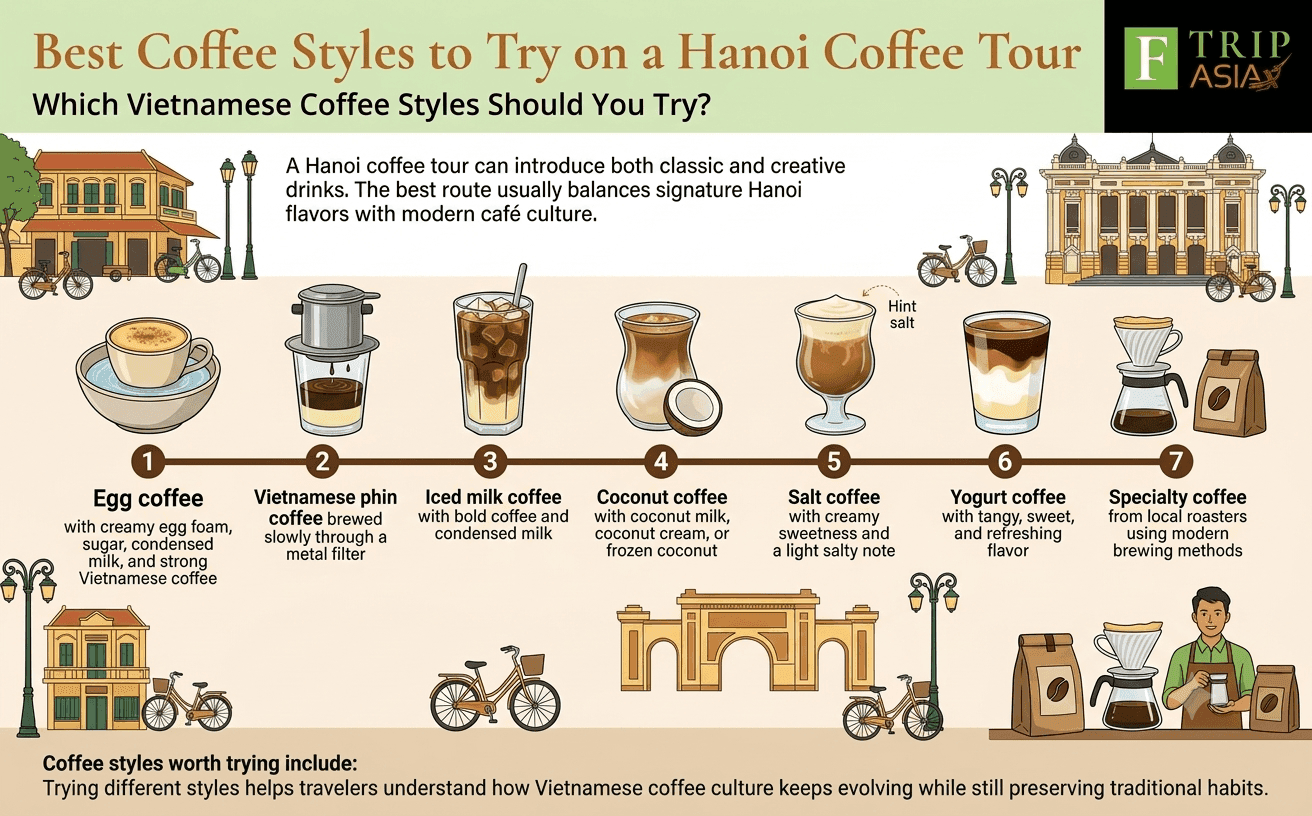
A Hanoi coffee tour can introduce both classic and creative drinks. The best route usually balances signature Hanoi flavors with modern café culture.
Coffee styles worth trying include:
- Egg coffee with creamy egg foam, sugar, condensed milk, and strong Vietnamese coffee
- Vietnamese phin coffee brewed slowly through a metal filter
- Iced milk coffee with bold coffee and condensed milk
- Coconut coffee with coconut milk, coconut cream, or frozen coconut
- Salt coffee with creamy sweetness and a light salty note
- Yogurt coffee with tangy, sweet, and refreshing flavor
- Specialty coffee from local roasters using modern brewing methods
Trying different styles helps travelers understand how Vietnamese coffee culture keeps evolving while still preserving traditional habits.
Why Is Egg Coffee So Famous in Hanoi?
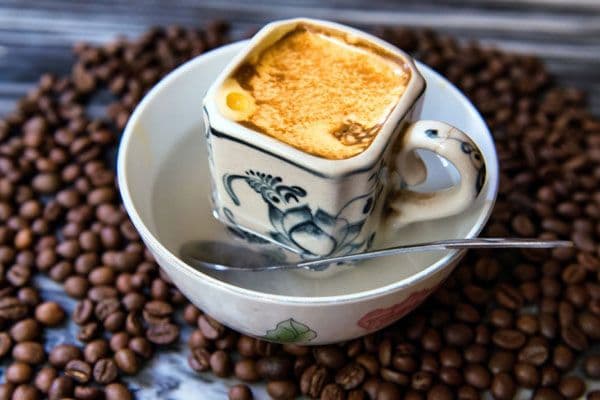
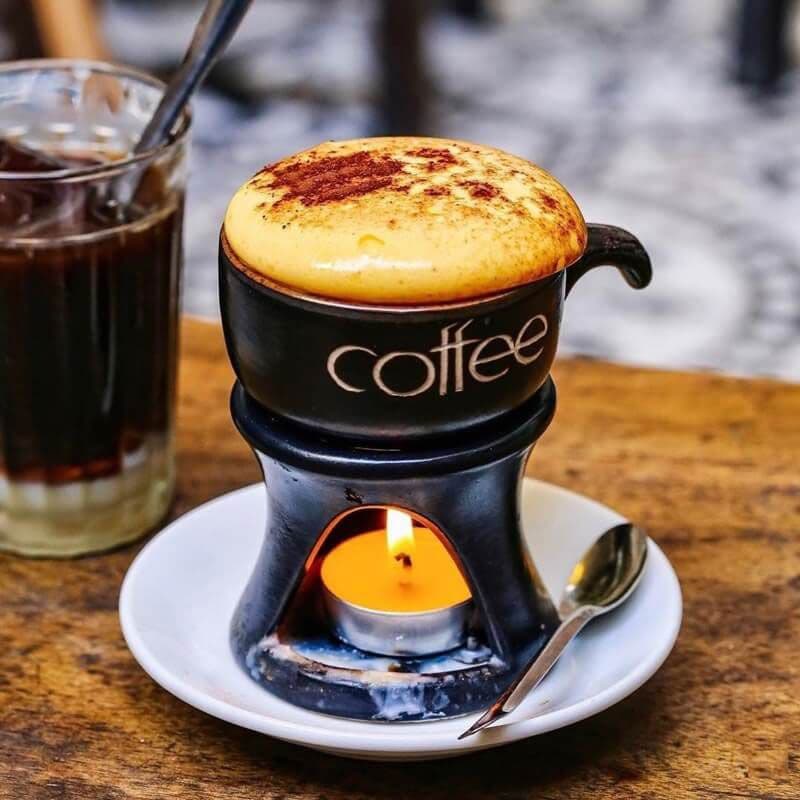
Egg coffee is one of Hanoi’s most famous coffee creations. It is usually made with creamy foam from egg yolk, sugar, and condensed milk layered over strong Vietnamese coffee.
The flavor is rich, sweet, smooth, and dessert-like. For many travelers, egg coffee feels more like a local dessert than a regular coffee drink.
It is a signature stop for many Hanoi coffee tours and is especially suitable for first-time visitors, couples, food lovers, and travelers who want a distinctly Hanoi experience.
Why Should Travelers Try Vietnamese Phin Coffee?
Phin coffee is brewed slowly through a small metal filter. The result is strong, aromatic, and usually more intense than many American-style coffees.
It can be served black, with condensed milk, hot, or iced. Phin coffee reflects Vietnam’s slow café rhythm because drinkers often wait for the coffee to drip before enjoying it slowly.
Travelers can learn how to brew it and understand why it remains central to Vietnamese coffee culture.
What Makes Iced Milk Coffee a Classic Daily Drink?
Vietnamese iced milk coffee is a bold, sweet, refreshing drink made with strong coffee and condensed milk. It is especially enjoyable in warm weather or during afternoon café stops.
The contrast between strong coffee and sweet milk makes it approachable for many first-time visitors. It can also be paired with street food, pastries, or light snacks.
This is one of the easiest ways to experience everyday Vietnamese coffee culture.
Why Add Coconut Coffee to the Tour?
Coconut coffee is a creamy, refreshing drink that often blends coffee with coconut milk, coconut cream, or frozen coconut. It feels more like a dessert coffee and is popular among travelers who prefer smoother flavors.
It works well on hot days, afternoon breaks, and café-hopping routes. Coconut coffee is suitable for couples, families, and travelers who want a lighter coffee experience.
It can be added after an Old Quarter walk or food tour.
Why Try Salt Coffee and Yogurt Coffee?
Salt coffee is a modern favorite that balances coffee bitterness with creamy sweetness and a light salty note. While strongly associated with Central Vietnam, salt coffee is now widely available in many Vietnamese cities, including Hanoi cafés. It shows how Vietnam’s coffee culture keeps evolving.
Yogurt coffee is a tangy, creamy, refreshing Vietnamese coffee variation. It combines coffee intensity with the sour-sweet taste of yogurt and often works well as an afternoon or dessert-style drink.
Both drinks are good for adventurous coffee lovers who want something beyond classic phin coffee and egg coffee.
What Can Specialty Coffee and Local Roasters Add?
Hanoi’s specialty coffee scene is growing, giving travelers a chance to learn about Vietnamese robusta, arabica, roasting methods, brewing styles, and modern café design.
Specialty cafés often appeal to coffee enthusiasts who want more technical tasting. A coffee tour can combine traditional drinks with modern roasters so travelers can see both sides of the city’s coffee identity.
This contrast helps travelers understand how Hanoi’s coffee scene is evolving.
Best Areas for a Hanoi Coffee Tour
Hanoi Old Quarter
The Hanoi Old Quarter is best for heritage cafés, hidden alleys, street-side coffee, egg coffee, and classic local atmosphere. Travelers can combine coffee with food, markets, temples, and old merchant streets.
The Old Quarter is ideal for first-time visitors because many iconic stops are close together. A guided route helps travelers find cafés that are easy to miss.
This area works well for morning, afternoon, or evening coffee tours.
Hoan Kiem Lake Area
The Hoan Kiem Lake area is best for scenic walking, people-watching, historic streets, and relaxed coffee stops. Travelers can enjoy coffee before or after visiting the lake, temples, and nearby cultural sites.
This area works well for a gentle first-day introduction to Hanoi. It is suitable for couples, seniors, and travelers who prefer a lighter walking route.
Café stops can be combined with photography and local stories.
French Quarter
The French Quarter is best for colonial-era architecture, elegant cafés, tree-lined streets, and a calmer atmosphere. Travelers can connect coffee culture with Hanoi’s architectural history.
This area works well as a contrast to the busy Old Quarter. It is suitable for couples, luxury travelers, and photographers who enjoy heritage buildings and quieter café spaces.
A coffee route here can feel slower and more refined.
West Lake
West Lake is best for spacious cafés, lakeside views, modern roasters, garden cafés, and slower coffee breaks. It shows a more contemporary side of Hanoi’s coffee scene.
This area works well for afternoon coffee, sunset cafés, and longer stays in Hanoi. It is suitable for slow travelers, remote workers, and couples.
West Lake is also a good option for travelers who want a less crowded café route.
Hidden Apartment and Alley Cafés
Hidden cafés are part of Hanoi’s coffee charm. Some are located inside old houses, narrow staircases, apartment buildings, or quiet courtyards.
These places often feel more personal than street-front cafés. A local guide helps travelers find them safely and understand their stories.
Hidden cafés are especially suitable for photographers, creatives, and travelers who enjoy discovery.
Suggested Hanoi Coffee Tour by Travel Stage
Stage 1: Old Quarter Coffee Culture and First Tasting
A Hanoi coffee tour can begin in the Old Quarter with a local guide and a gentle walking route. This first stage introduces how coffee became part of daily life in Vietnam.
Travelers can try traditional phin coffee or iced milk coffee as the first tasting. A classic café or family-run coffee shop helps set the tone for the tour.
This stage introduces Hanoi’s coffee rhythm and neighborhood atmosphere. It also helps travelers learn how to drink coffee slowly in the local style.
Stage 2: Egg Coffee, Hidden Cafés, and Local Stories
The second stage can continue to a café known for egg coffee or a guided egg coffee workshop. Travelers can learn why egg coffee became closely linked with Hanoi’s identity.
A hidden café in an old house, alley, apartment building, or balcony setting can add more atmosphere. Local stories about old streets, family businesses, and creative café owners make the experience deeper.
This stage connects Hanoi’s famous coffee flavor with heritage and storytelling.
Stage 3: Creative Coffee Drinks and Modern Café Culture
The third stage can introduce coconut coffee, salt coffee, yogurt coffee, or another creative Vietnamese coffee drink. Travelers can visit a modern café, local roaster, or specialty coffee space.
This part of the tour shows how Hanoi’s younger coffee culture blends tradition with innovation. Travelers can compare traditional phin coffee with modern brewing or creative recipes.
A light snack or dessert can be added if suitable.
Stage 4: Coffee Pairings, Food Add-On, or Coffee Workshop
The final stage can personalize the tour with food pairings, a coffee workshop, or a slower café ending. Travelers can add banh mi, local pastries, Vietnamese snacks, or dessert.
A hands-on coffee workshop can teach travelers how to make egg coffee, coconut coffee, or phin coffee. The route can also be combined with an Old Quarter food tour, market walk, photography route, or cultural walk.
This stage turns a coffee tasting route into a richer local experience.
What to Expect During a Hanoi Coffee Tour
How Many Coffee Tastings Are Usually Included?
A typical Hanoi coffee tour may include two to four coffee stops depending on duration. Tastings can include egg coffee, phin coffee, iced milk coffee, coconut coffee, salt coffee, yogurt coffee, or specialty coffee.
Portion sizes may vary, so travelers should pace their caffeine intake. Non-coffee alternatives may be available at some cafés.
Private tours can adjust the tasting list more easily, which is useful for caffeine-sensitive travelers or families.
How Much Walking Is Involved?
Many Hanoi coffee tours are walking-based, especially in the Old Quarter and Hoan Kiem area. Streets can be narrow and busy with motorbikes, so comfortable shoes are recommended.
Seniors and families can request shorter walking routes. A local guide can help travelers cross streets and move through busy areas comfortably.
The walking is part of the experience because it connects cafés with Hanoi’s street life.
Why Does Cultural Storytelling Matter?
Guides can explain coffee history, local drinking habits, café design, family businesses, and neighborhood stories. Travelers may learn about phin filters, condensed milk, robusta beans, and creative café trends.
Storytelling helps each coffee stop feel meaningful. Cultural context is what separates a coffee tour from simply ordering drinks alone.
This is especially useful for first-time visitors who want to understand Hanoi beyond the surface.
What Makes the Café Atmosphere Special?
Coffee tours often include atmospheric spaces such as hidden cafés, old houses, balconies, rooftops, or lakeside cafés. Travelers can take photos of drinks, interiors, street scenes, and city views.
Travelers should ask before photographing staff or other guests closely. Private tours allow more flexibility for photography.
Coffee culture pairs naturally with slow travel and creative exploration.
How to Choose the Right Hanoi Coffee Tour?
What Should You Check Before Booking?
The right Hanoi coffee tour should match the traveler’s taste, walking comfort, caffeine level, and preferred pace. Some tours focus on classic drinks, while others add hidden cafés, food pairings, or hands-on workshops.
Before booking, travelers should check:
- Which coffee styles are arranged
- Whether the route includes egg coffee, phin coffee, coconut coffee, or specialty coffee
- Whether the tour is walking-based or includes transfers
- Whether a coffee-making workshop is available
- How many café stops are included
- Whether food pairings, snacks, or desserts are arranged
- Whether dietary or caffeine concerns can be supported
- Whether the group is private, small-group, or large-group
Clear details make it easier to choose a tour that feels comfortable and worthwhile.
Should You Choose a Walking Tour or a Workshop?
A walking tour is best for discovering cafés, streets, and local atmosphere. It works well for travelers who want hidden spots, neighborhood stories, and photography opportunities.
A workshop is better for travelers who want hands-on coffee making. Some tours combine both formats, allowing travelers to taste different drinks and learn how to prepare one of them.
Workshops are good for families, couples, and food lovers. Walking tours are better for photography and neighborhood discovery.
Why Does Group Size and Pace Matter?
Private tours offer more flexibility, dietary support, and pace control. Small group tours can be social and good value. Large groups may feel less personal in small cafés.
Families, seniors, and photographers often benefit from private guiding. The right format depends on comfort level and travel style.
A good coffee tour should leave enough time to enjoy each stop, not rush from one café to another.
Why Ask About Dietary and Health Needs?
Egg coffee may include egg yolk and condensed milk. Coconut coffee may include dairy or coconut cream. Some travelers may want decaf, less sugar, plant-based milk, or non-coffee alternatives.
Travelers with egg, dairy, caffeine, or nut concerns should mention them before booking. Private tours can usually adapt more easily.
Dietary and health details should be clear before the tour starts.
When Is the Best Time for a Hanoi Coffee Tour?
Morning tours work well for classic coffee and local breakfast culture. Afternoon tours are good for café hopping and creative drinks. Evening coffee tours can be atmospheric but may not suit caffeine-sensitive travelers.
Families and seniors may prefer earlier times. Coffee tours should not be scheduled too heavily after a long-haul arrival day.
The best timing depends on travel pace and caffeine comfort.
Best Hanoi Coffee Tour Options by Traveler Type
What Works for First-Time Visitors?
First-time visitors should choose an Old Quarter coffee tour with egg coffee, phin coffee, iced milk coffee, and one hidden café. This gives a clear introduction to Hanoi’s classic coffee culture.
Simple cultural explanations and local street guidance are useful. The tour can be paired with a short food walk if desired.
It works well as a first or second-day Hanoi experience.
What Works for Couples?
Couples can choose a private coffee route with hidden cafés, balconies, lake views, or quieter spaces. Egg coffee, coconut coffee, coffee dessert, and a slow café ending can make the experience feel more personal.
The tour can be combined with a photography walk or romantic Old Quarter evening. The pace should stay relaxed.
This option works well for honeymooners and couples who enjoy slow travel.
What Works for Families?
Families can choose a shorter tour with low-caffeine options, snacks, and interactive stops. A coffee-making workshop can work well if children are older and interested.
Non-coffee drinks such as cocoa, fruit drinks, or desserts may be available at some cafés. Families should avoid too many crowded cafés and share children’s ages or dietary needs before booking.
A flexible route makes the experience easier for everyone.
What Works for Senior Travelers?
Senior travelers should choose a comfortable route with fewer stairs, shorter walking distance, and quieter cafés. Late evening caffeine may not be suitable for everyone.
Private transfers can be added if the route includes multiple neighborhoods. Cafés with proper seating may be better than sidewalk stools.
The experience should stay relaxed and story-focused.
What Works for Food Lovers?
Food lovers can combine coffee with Hanoi street food, desserts, banh mi, or market snacks. Coffee pairings and local food stories make the tour richer.
They may want to try egg coffee, iced milk coffee, coconut coffee, yogurt coffee, and phin coffee. A hands-on coffee workshop can add even more depth.
This style turns the coffee tour into a broader culinary experience.
What Works for Photographers and Creative Travelers?
Photographers and creative travelers can choose hidden cafés, old houses, balconies, rooftops, lake views, and street scenes. A private guide helps with flexible timing and route adjustments.
Early morning or late afternoon light can improve photography. Café interiors, coffee preparation, and local street life can all become part of the route.
Travelers should ask before photographing people closely.
How to Combine a Hanoi Coffee Tour with Other Experiences?
Why Combine Coffee with a Hanoi Old Quarter Food Tour?
Coffee pairs naturally with Hanoi’s food culture. Travelers can combine coffee with pho, bun cha, banh cuon, xoi, nem ran, che, or banh mi.
The route can start with food and end with coffee, or coffee breaks can be built into the food tour. A local guide helps balance portions and timing.
This combination is suitable for first-time visitors and food lovers who want a full culinary introduction to Hanoi.
Why Combine Coffee with a Market Walk?
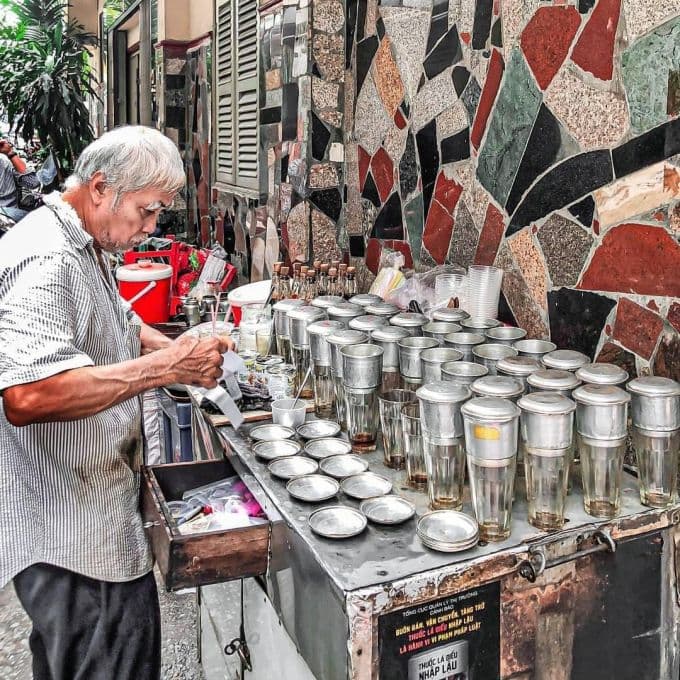
A local market visit can add color and cultural depth before a café stop. Travelers can learn about daily ingredients, snacks, and neighborhood life.
This combination works best in the morning and is especially suitable for photographers and culture-focused travelers.
Coffee tasting near the Old Quarter or Hoan Kiem area can make the route smooth and practical.
Why Combine Coffee with a Heritage Walk?
Coffee can be combined with Hoan Kiem Lake, Old Quarter streets, French Quarter architecture, temples, or historic cafés. This helps travelers understand how coffee culture connects with Hanoi’s urban history.
The route should stay comfortable and not too packed. Ending at a quiet café gives travelers time to reflect and enjoy the city’s slower rhythm.
This option works well for couples, seniors, and first-time visitors.
Why Combine Coffee with a Coffee-Making Class?
A hands-on coffee-making class can teach travelers how to make egg coffee, coconut coffee, salt coffee, or phin coffee. This helps travelers bring the memory home.
The experience combines tasting with technique and cultural context. It works well for food lovers, families, couples, and creative travelers.
A coffee-making class can turn a simple tasting route into a half-day Hanoi experience.
Why Combine Coffee with a Photography Route?
A coffee and photography route can include Old Quarter alleys, hidden cafés, balconies, old apartment buildings, and street scenes. Coffee stops create natural breaks during the photography route.
A guide can help with timing and respectful photo opportunities. Private format allows slower pacing and more flexible stops.
This option is especially suitable for content creators and photographers.
Cost Factors for Hanoi Coffee Tours
How Does Tour Length Affect Cost?
Short coffee tastings are usually more affordable. Half-day coffee tours with several stops cost more but offer deeper context.
Tours that include workshops, food pairings, or private guiding may cost more. Longer tours should still be paced carefully because of caffeine intake.
Travelers should choose based on desired depth, not only price.
How Does Private vs Small Group Format Affect Cost?
Private tours cost more but allow customized pace, café selection, dietary support, and photography time. Small group tours can be good value and more social.
Large groups may feel less comfortable in small Hanoi cafés. Families, seniors, couples, and photographers often benefit from private tours.
The right format depends on comfort and travel style.
How Do Included Drinks and Add-Ons Affect Cost?
Travelers should check how many drinks are arranged and whether food pairings, snacks, desserts, workshops, or transport are part of the package.
Some premium cafés or specialty tastings may cost more. Hands-on workshops may also be priced separately.
Clear inclusions help travelers compare value.
How Do Guide Quality and Route Design Affect Cost?
A good guide adds cultural context, café stories, and local navigation. Route design matters because Hanoi traffic and walking distance can affect comfort.
Hidden cafés can be hard to find without local knowledge. Specialist coffee guides or barista-led workshops may cost more.
The best value comes from both good drinks and strong storytelling.
Common Mistakes to Avoid When Booking a Hanoi Coffee Tour
A Hanoi coffee tour should feel relaxed, flavorful, and culturally meaningful. Travelers should avoid booking only based on the number of café stops because quality matters more than quantity.
Common mistakes to avoid include:
- Choosing a tour only by the number of cafés
- Not checking which coffee styles are arranged
- Booking a route with too much caffeine too quickly
- Forgetting to mention egg, dairy, caffeine, or sugar concerns
- Choosing a large group for small hidden cafés
- Not checking walking distance or stairs
- Scheduling the tour too late if sensitive to caffeine
- Ignoring food pairings or snacks
- Booking a coffee tour without cultural storytelling
- Assuming all cafés offer the same experience
- Not allowing enough time to enjoy each stop
- Skipping private options when flexibility matters
A good tour should balance coffee, stories, atmosphere, comfort, and local connection.
Travel Requirements US Travelers Should Prepare
What Passport and Vietnam Visa Details Matter?
US travelers need a valid passport and Vietnam visa or e-visa. The U.S. Department of State states that travelers need a visa for Vietnam, and passports should have six months’ validity beyond arrival with one blank page per stamp.
Vietnam’s official e-visa system lists the fee as US$25 for single entry and US$50 for multiple entry. Travelers should apply online, pay the application fee, and receive the e-visa result online.
Visa details should match passport information exactly. Travelers should apply early and print approved visa documents before departure.
Why Are Travel Insurance and Health Preparation Important?
Travel insurance is strongly recommended for Vietnam trips, including city experiences such as coffee tours. Coverage should include medical care, cancellation, delays, lost luggage, domestic flights, and planned activities.
Travelers should prepare prescription medication and basic first aid. Food and drink-focused travelers should share allergies and medical dietary needs early.
CDC recommends hepatitis A vaccination for unvaccinated travelers one year old or older going to Vietnam. Caffeine-sensitive travelers should also choose lighter tasting routes or earlier tour times.
What Money, Connectivity, and Documents Should Travelers Prepare?
Travelers should bring credit cards and some Vietnamese Dong for small purchases. A SIM, eSIM, or roaming plan is useful for maps, messaging, and local support.
Hotel addresses, guide contacts, itinerary details, and emergency numbers should be saved offline. Travelers should keep printed and digital copies of passport, visa, insurance, and flights.
Medication and key documents should stay in hand luggage.
Why Plan a Hanoi Coffee Tour with FtripAsia?
FtripAsia helps travelers design Hanoi coffee tours based on travel dates, hotel location, walking comfort, caffeine preference, dietary needs, interests, and preferred pace.
The team is 100% local, with 7+ years of experience creating Vietnam trips for international travelers. This local background helps travelers discover cafés, hidden routes, food pairings, and cultural stories that are easy to miss when exploring alone.
FtripAsia can customize coffee tours for first-time visitors, couples, families, seniors, small groups, luxury travelers, food lovers, photographers, and creative travelers.
The team has experience serving niche markets, including Muslim and Judaism travelers, making it easier to arrange suitable food pairings, cultural sensitivity, private support, and smoother logistics.
Travelers can request experiences that are difficult to find in standard packages, such as hidden café routes, egg coffee workshops, coffee-making classes, private food pairings, Old Quarter walks, photography routes, coffee culture storytelling, and daily local experiences.
Many tourists praise FtripAsia for enthusiastic, knowledgeable, and friendly support. This is especially valuable for travelers who want a Hanoi coffee experience arranged with care, flexibility, and local insight.
With FtripAsia, travelers can design a Hanoi coffee tour that turns each cup into a deeper cultural memory.
FAQs
What is included in a Hanoi coffee tour?
A Hanoi coffee tour may include guided café visits, several coffee tastings, cultural storytelling, hidden cafés, egg coffee, phin coffee, iced milk coffee, coconut coffee, salt coffee, or a coffee-making workshop. Some tours also include snacks, desserts, food pairings, market walks, or Old Quarter routes. Inclusions vary by tour style and duration, so travelers should check the number of drinks, café stops, guide service, and add-ons before booking.
What coffee should I try in Hanoi?
Travelers should try egg coffee, Vietnamese phin coffee, iced milk coffee, coconut coffee, yogurt coffee, and creative local café drinks. Salt coffee can also be found in many Hanoi cafés, although it is more closely associated with Central Vietnam. Egg coffee is especially connected with Hanoi’s coffee identity. A guided tour helps travelers understand the story and flavor behind each drink.
Is a Hanoi coffee tour suitable for non-coffee drinkers?
Yes, some Hanoi coffee tours can be adapted for travelers who prefer lighter drinks, desserts, cocoa, tea, fruit drinks, or lower-caffeine options. Non-coffee drinkers can still enjoy the café atmosphere, hidden spaces, food pairings, and cultural stories. Travelers should mention caffeine sensitivity or drink preferences before booking. Private tours are easier to adjust.
Can a Hanoi coffee tour be customized?
Yes, Hanoi coffee tours can be customized by coffee style, café area, walking distance, food pairing, workshop option, dietary needs, caffeine preference, and travel pace. Travelers can combine coffee with Old Quarter food tours, market walks, heritage walks, photography routes, or coffee-making classes. With FtripAsia, travelers can design a Hanoi coffee tour that matches their taste, comfort level, and travel style.
Conclusion
A Hanoi coffee tour is one of the most enjoyable ways to discover Vietnam’s rich coffee culture through flavor, history, hidden cafés, local habits, and creative drinks. Each cup can reveal a different side of the city, from traditional phin coffee and egg coffee to modern roasters and hidden balcony cafés.
Key coffee styles to try include egg coffee, phin coffee, iced milk coffee, coconut coffee, salt coffee, yogurt coffee, and specialty coffee. Strong areas for coffee tours include Hanoi Old Quarter, Hoan Kiem Lake, the French Quarter, West Lake, and hidden alley cafés.
Travelers should choose a coffee tour based on coffee styles, walking distance, café atmosphere, dietary needs, group size, timing, guide quality, and cultural storytelling. The right tour should feel relaxed, flavorful, and deeply connected to Hanoi’s daily rhythm.
FtripAsia can help travelers design Hanoi coffee tours with trusted local guides, hidden cafés, food pairings, coffee workshops, private pacing, and flexible local support.
Travelers can request a customized Hanoi coffee itinerary that turns each cup into a deeper cultural memory.

Founder & Photography Guide
Specialties: Culture, landscape, portrait, hiking, active and adventurous tour
Besides my unlimited passion for traveling, a professional tour guide for over a decade, I have been taking photographs since sitting at Hanoi of the University of Culture in the early 2000s. Photography started as a hobby but it was seriously taken due to my work relations and my significant passion for the beauty of our world, especially in Southeast Asian parts such as Vietnam, Laos, Cambodia, and Myanmar.
Within a few years of taking photographs, my works began to be recognized by many reliable international publications such as AFAR Travel, The Times, and The Daily Telegraph newspaper. In addition, I continuously add to my growing profile by winning numerous major awards: 3rd Position of The Independent Photographer 2018, 1st Position of Amateur Photographer of the year 2018, Grand Prize Winner of the AFAR Travel Photography 2019, and a Gold Award of San Francisco Bay International Photography 2020.
I photograph a wide variety of subjects, from travel to landscapes to street scenes. I enjoy documenting the East’s rich cultural heritage and its land soaked in glorious sunrise or sunset light in remote and secluded spots. And, I am very happy to share my knowledge and experience with you. You can visit Luminousvietnamtour to explore tour!