
- Best Time to Do This Route
- Best overall: April to May
- Best for terraces plus beaches: September to October
- If traveling in hotter or rain-risk periods
- Why This Route Order Works
- Transport Game Plan
- Hanoi to Sapa
- Sapa back to Hanoi, then Hanoi to Da Nang
- How Many Days Do You Need?
- 8 days: tight but possible
- 9 to 10 days: best balance
- Plug-and-Play 10-Day Itinerary
- Day 1 — Arrive in Hanoi
- Day 2 — Hanoi culture and food day
- Day 3 — Hanoi buffer day, then Sapa departure
- Day 4 — Sapa valley day
- Day 5 — Sapa signature highlight
- Day 6 — Return to Hanoi, then fly to Da Nang
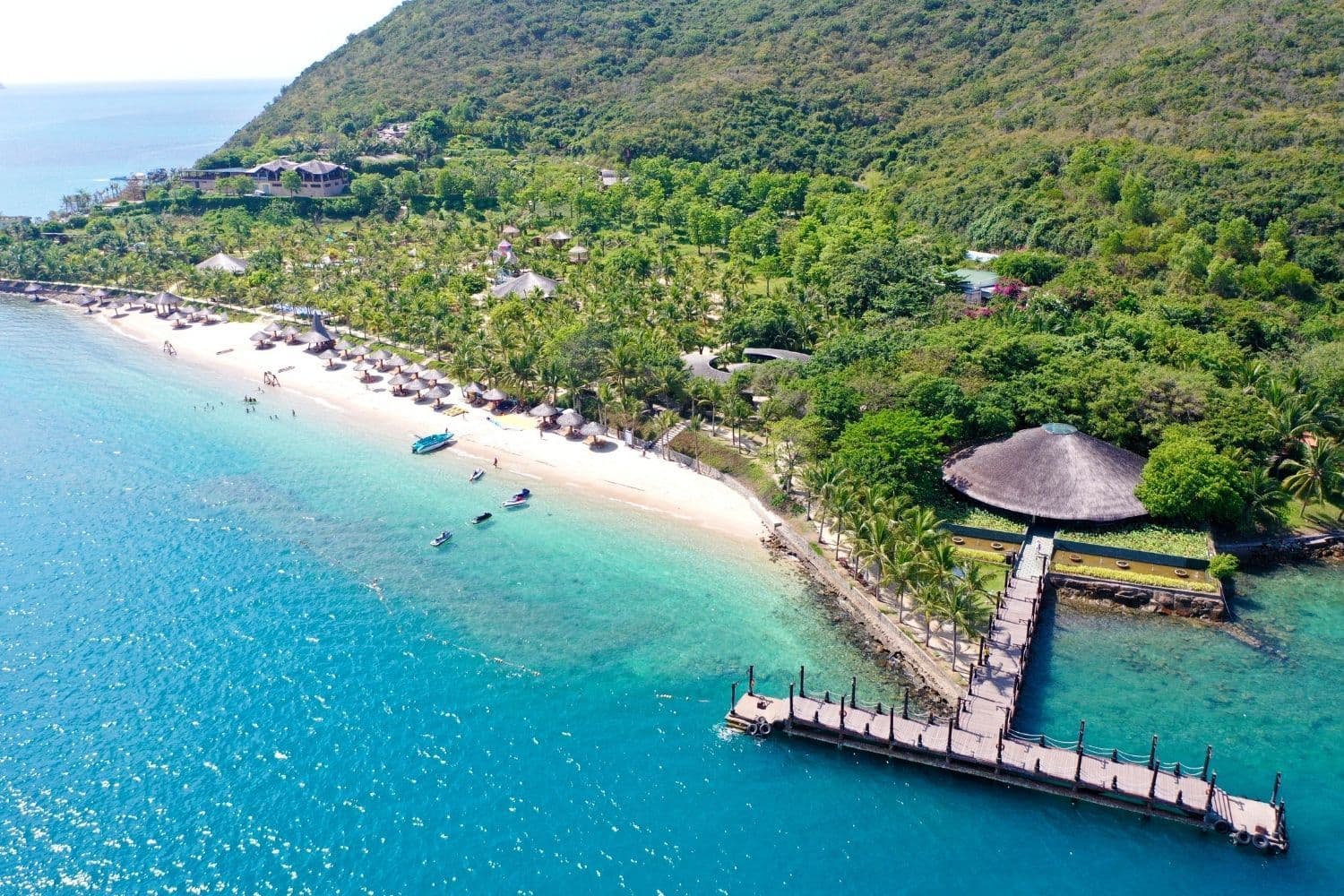
- Day 7 — Da Nang beach reset
- Day 8 — Light Da Nang adventure
- Day 9 — Easy day trip or extra beach day
- Day 10 — Slow morning, then depart
- 9-Day Version
- What to Book Early
- Packing Notes
- FAQs
- What’s the best month to do Hanoi–Sapa–Da Nang in one trip?
- How long is the trip from Hanoi to Sapa by bus?
- How long is the flight from Hanoi to Da Nang?
- Is Sapa better in April–May or September–October?
- When is Da Nang best for beaches?
- Conclusion
If you want Vietnam to feel varied in one trip, this route is one of the smartest combinations: Hanoi for culture and food, Sapa for mountain scenery and valley life, then Da Nang for beach recovery and lighter coastal days. The route works best when you pace it properly. Vietnam’s official tourism site highlights April–May as the best weather countrywide overall, while Sapa is strongest in September–October for terraces or April–May for clearer skies, and Da Nang’s best weather windows are March–May and September–October, with June–August bringing little rain and clear, calm seas.
A smooth 8–10 day Hanoi–Sapa–Da Nang itinerary usually means 2–3 days in Hanoi, 2–3 days in Sapa, and 3–4 days in Da Nang. For transport, the low-stress anchors are straightforward: Hanoi to Sapa by direct bus usually takes about 5.5 to 7 hours, while direct flights from Hanoi to Da Nang average about 1 hour 25 minutes.
Best Time to Do This Route
Best overall: April to May
If you want the safest all-round timing, April–May is the strongest choice. Vietnam’s official tourism guide says March to May offers the best weather countrywide, and Sapa’s official page specifically highlights April–May for ideal weather and clearer skies. That makes this window especially good for combining Hanoi sightseeing, Sapa trekking, and Da Nang’s warming beach season without forcing too many weather compromises.
Best for terraces plus beaches: September to October
If your number one Sapa goal is golden terraces, September–October is the better fit. Vietnam Tourism says this is when Sapa’s rice terraces are at their most splendid. Da Nang is also still strong in September–October, which official tourism describes as warm-weather months, though with more weather variability than mid-summer beach season.
If traveling in hotter or rain-risk periods
If you travel in more weather-sensitive months, the smartest adjustment is to plan early mornings for Sapa viewpoints and trekking, then keep afternoons more flexible. That approach fits both Sapa’s variable mountain weather and Da Nang’s hotter beach months.
Why This Route Order Works
This order works because the trip gets physically easier as it goes.
Start in Hanoi first so you can settle into Vietnam, explore on foot, and build cultural context through the Old Quarter, Hoan Kiem area, food streets, and museums. Then go to Sapa while your energy is still high enough for trekking and weather-flexible mornings. Finish in Da Nang, where the pace naturally softens into beach time, coastal cafés, and optional light day trips. That order also makes transport cleaner, because Hanoi is the natural hub for both the Sapa leg and the domestic flight south to Da Nang.
Transport Game Plan
Hanoi to Sapa
You have two simple choices.
The easiest is a direct bus or limousine. Vietnam Airlines’ guide says buses take about 5.5 to 7 hours and go directly to Sapa, which is why most first-time travelers pick them.
The second option is the overnight train to Lao Cai plus transfer to Sapa. Vietnam Airlines says that the route is about 8 hours by train to Lao Cai, followed by about 1 hour by bus or van to Sapa. This can work well if you want to sleep while traveling, but it is less simple than a direct road transfer.
Sapa back to Hanoi, then Hanoi to Da Nang
The most practical way to connect Sapa and Da Nang is to return to Hanoi, then fly to Da Nang. Vietnam Airlines says direct Hanoi–Da Nang flights average about 1 hour 25 minutes. That is by far the most time-efficient way to protect your beach days.
How Many Days Do You Need?
8 days: tight but possible
Eight days can work if you move efficiently and accept that one segment will feel a bit compressed. A practical split is 2 days Hanoi, 2 days Sapa, 3 days Da Nang, with one day absorbed by transfer structure.
9 to 10 days: best balance
Nine or ten days is much better. It gives you weather flexibility in Sapa and at least one real do-nothing beach day in Da Nang, which is what makes the route feel balanced rather than rushed. This matters especially because Sapa’s best moments are often weather-dependent, while Da Nang rewards slower pacing.
Plug-and-Play 10-Day Itinerary
Day 1 — Arrive in Hanoi
Keep the first day easy. Walk the Old Quarter, circle Hoan Kiem Lake, and end with a simple street-food dinner. Vietnam Tourism’s Hanoi content consistently positions the Old Quarter as one of the best ways to get oriented in the city.
Day 2 — Hanoi culture and food day
Use this day for 2 or 3 anchor experiences rather than trying to see everything. A good combination is heritage, architecture, and café culture. Keep the evening for a food crawl or a relaxed city view.
Day 3 — Hanoi buffer day, then Sapa departure
Use the morning or early afternoon for one more museum or heritage site, then leave for Sapa in the evening by night bus or overnight train. This is a good use of time because Hanoi–Sapa transport is long enough that many travelers prefer to absorb part of it overnight.
Day 4 — Sapa valley day
This should be your real Sapa day. Focus on one guided valley route, ideally in the Lao Chai–Ta Van direction, which Vietnam Airlines describes as one of the signature first-timer routes through Muong Hoa Valley. Finish with a warm dinner and an early night.
Day 5 — Sapa signature highlight
Use the morning for Fansipan or another big viewpoint if visibility is good. Keep the afternoon flexible for cafés or town wandering in case the weather closes in. This is the safest way to treat Sapa: one weather-dependent morning, one fog-proof backup later. Sapa’s official tourism page specifically notes that weather and visibility matter a lot by season.

Day 6 — Return to Hanoi, then fly to Da Nang
This is a transition day, so keep expectations simple. Return from Sapa, then take the flight to Da Nang. If timings line up well, you can still end the day with a beach walk and seafood dinner. Flights are short enough that this connection is realistic if booked carefully.
Day 7 — Da Nang beach reset
Do almost nothing on purpose. Spend the day around My Khe or your chosen beach base. Da Nang’s official tourism page says June to August usually brings little rain and clear, calm seas, while March to May and September to October are among the best months overall.
Day 8 — Light Da Nang adventure
Pick just one:
- Son Tra Peninsula for viewpoints and a quieter coastal feel, or
- Marble Mountains plus Non Nuoc for a mix of sightseeing and calmer shoreline time.
This keeps the itinerary varied without turning your beach segment into another full sightseeing block. Da Nang’s official tourism positioning strongly supports both beach and nearby scenic add-ons.
Day 9 — Easy day trip or extra beach day
This is where you decide your pace. A gentle option is Hoi An in the afternoon and evening. The slower option is to stay in Da Nang and keep the day open. If this trip is about balance, there is real value in choosing the extra beach day instead of forcing one more destination. Vietnam’s monthly guide often highlights this central-coast area as especially enjoyable in brighter months.
Day 10 — Slow morning, then depart
Finish with coffee and a short walk before your onward flight or connection. Ending softly is one of the reasons this itinerary works so well.
9-Day Version
The easiest trim is to remove one Hanoi day or one Da Nang day. Try not to cut Sapa below two full days if possible, because that is the part of the route most vulnerable to weather changes.
What to Book Early
To keep the trip smooth, book these pieces first:
- Hanoi ↔ Sapa transport, especially in terrace season or holiday periods
- Hanoi → Da Nang flight, because this protects your beach segment
- Sapa hotel with a good view and Da Nang hotel in a beach-convenient area
This matters most in Sapa’s strongest months and Da Nang’s best beach windows, when demand naturally rises.
Packing Notes
Because this route moves from city to mountain to coast, pack for contrast.
For Sapa, bring shoes with grip, a light rain shell, and a warm layer for cooler mornings and evenings. Vietnam Tourism says Sapa is chilly from November to March, but even in better months mountain weather can shift quickly.
For Da Nang, prioritize beachwear, sandals, and strong sun protection. Its best beach months are warm and often bright, especially in March–May and June–August.
For the whole route, a small daypack and power bank help a lot.
FAQs
What’s the best month to do Hanoi–Sapa–Da Nang in one trip?
For the easiest all-round balance, April or May is the safest answer because Sapa has clearer-sky potential and Da Nang is entering strong beach weather. For terrace-focused travelers, September or October is better.
How long is the trip from Hanoi to Sapa by bus?
Usually about 5.5 to 7 hours, depending on operator, stops, and traffic.
How long is the flight from Hanoi to Da Nang?
A direct flight averages about 1 hour 25 minutes, though actual block time can vary by airline and conditions.
Is Sapa better in April–May or September–October?
It depends on your goal. April–May is stronger for clearer skies and easier trekking weather, while September–October is best for the golden terrace landscape.
When is Da Nang best for beaches?
Da Nang’s official tourism page highlights March–May and September–October as best overall, while June–August is especially strong for clear, calm sea conditions.
Conclusion
This itinerary works because it follows the right rhythm: Hanoi for culture, Sapa for mountains, then Da Nang for beaches. If you travel in April–May, you get one of the easiest all-round weather windows for all three regions. If you travel in September–October, you trade into Sapa’s best terrace season while still keeping Da Nang workable for the coast.
The biggest planning wins are simple: keep Sapa mornings for views, use direct road transport for the Hanoi–Sapa leg unless you really want the train experience, and protect your Da Nang time with a flight from Hanoi. Done that way, the trip feels full, varied, and rewarding without becoming frantic.


Founder & Photography Guide
Specialties: Culture, landscape, portrait, hiking, active and adventurous tour
Besides my unlimited passion for traveling, a professional tour guide for over a decade, I have been taking photographs since sitting at Hanoi of the University of Culture in the early 2000s. Photography started as a hobby but it was seriously taken due to my work relations and my significant passion for the beauty of our world, especially in Southeast Asian parts such as Vietnam, Laos, Cambodia, and Myanmar.
Within a few years of taking photographs, my works began to be recognized by many reliable international publications such as AFAR Travel, The Times, and The Daily Telegraph newspaper. In addition, I continuously add to my growing profile by winning numerous major awards: 3rd Position of The Independent Photographer 2018, 1st Position of Amateur Photographer of the year 2018, Grand Prize Winner of the AFAR Travel Photography 2019, and a Gold Award of San Francisco Bay International Photography 2020.
I photograph a wide variety of subjects, from travel to landscapes to street scenes. I enjoy documenting the East’s rich cultural heritage and its land soaked in glorious sunrise or sunset light in remote and secluded spots. And, I am very happy to share my knowledge and experience with you. You can visit Luminousvietnamtour to explore tour!