
- What Does the Real Sapa Experience Actually Mean?
- Sapa town vs. Sapa valley
- The three pillars of a strong first trip
- Best Time to Visit Sapa
- Best overall windows for first-timers
- Rainy season reality check
- A practical rule for first-timers
- How Many Days Do You Need in Sapa?
- 2 days: tight but workable
- 3 days: best balance for most first-timers
- 4 days or more: better for slow travel
- Where to Stay?
- Stay in Sapa town for convenience
- Stay in Ta Van or Muong Hoa Valley for a more real feel
- The Best Real-Experience Activities in Sapa
- 1. Do one signature trek: Lao Chai to Ta Van
- 2. Treat Fansipan as iconic but weather-dependent
- 3. Choose villages with intention
- Food and Culture: How to Make Sapa Feel Local
- First-Time Mistakes to Avoid
- Do not combine Fansipan and a serious trek on the same day
- Do not stay only near-town if you want the real version of Sapa
- Do not underestimate rain risk
- Plug-and-Play Itineraries
- 2 days: Real Sapa essentials
- 3 days: Best balance for first-timers
- 4 days: Slow-travel Sapa
- Logistics for Fast Planning
- FAQs
- How many days do first-time visitors need in Sapa?
- What is the best time to visit Sapa for clear views and terraces?
- Is the Lao Chai–Ta Van trek beginner-friendly?
- Is Cat Cat Village worth it?
- What months are riskier for rain in Sapa?
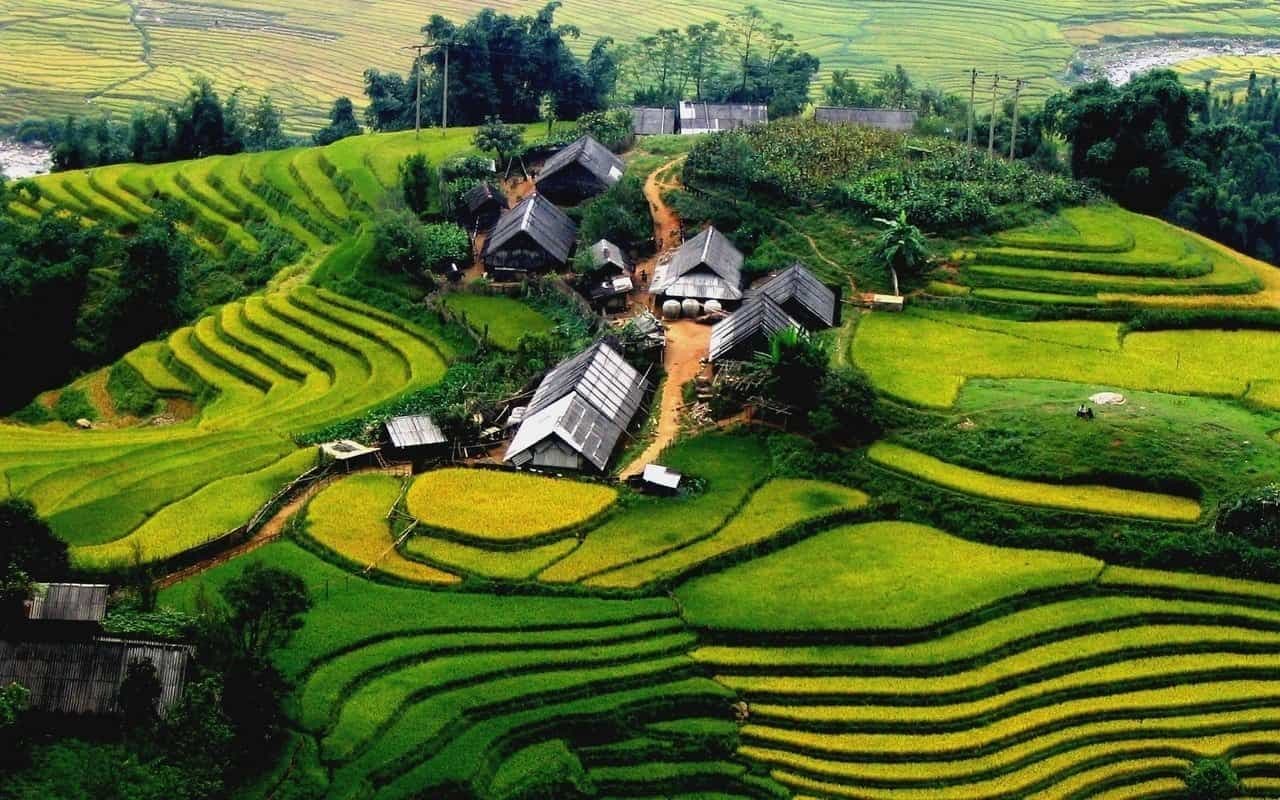
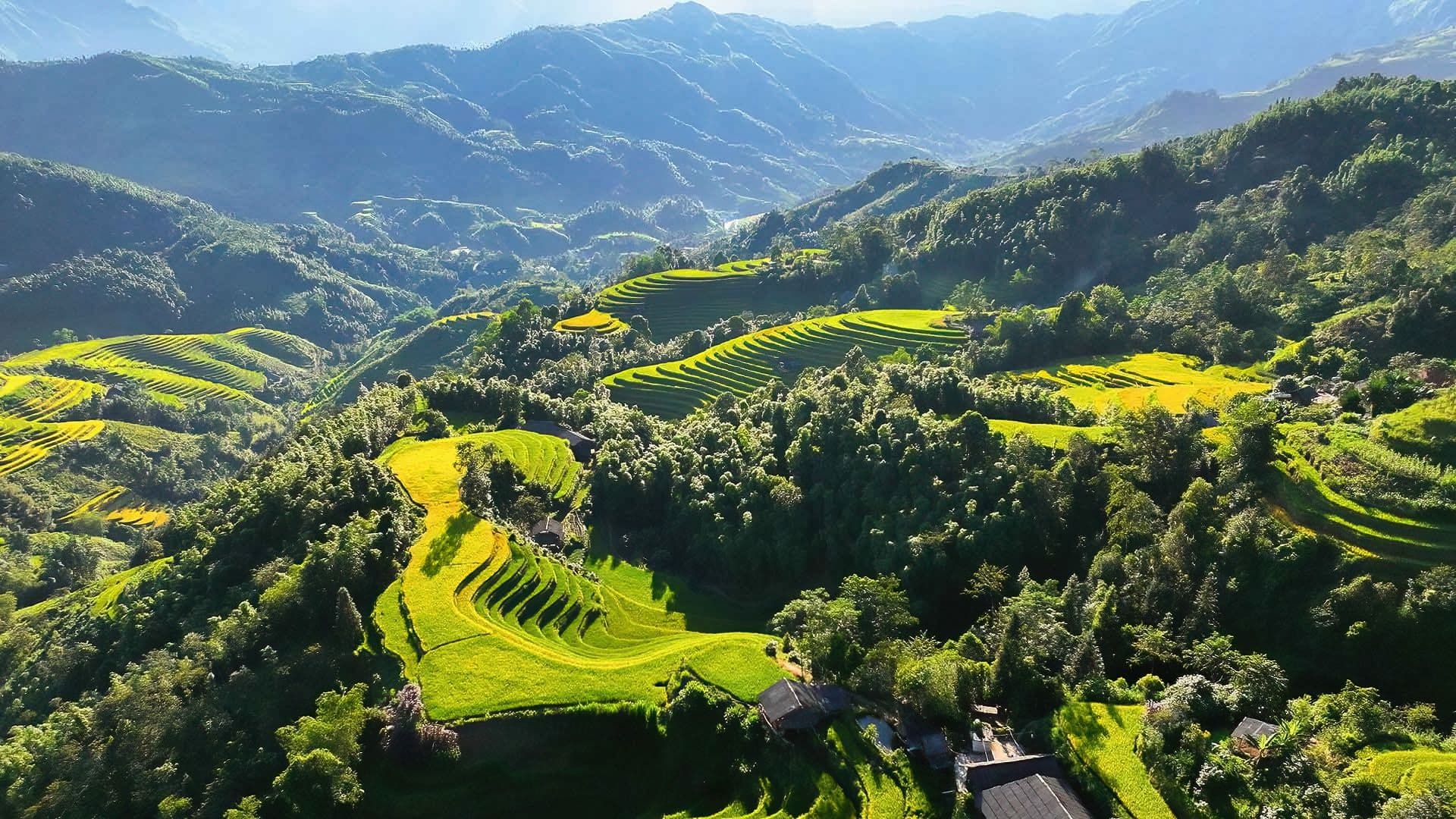
Sapa can feel like two destinations at once. One is the mountain town of cafés, viewpoints, hotels, and easy transport. The other is the wider valley landscape of rice terraces, village trails, and local communities, where the experience slows down and starts to feel more real. Vietnam’s official tourism guide frames Sapa the same way: the town is the access point, but the real draw is the scenery and village life around Muong Hoa Valley. It also says the best times to visit are September to October for spectacular terraces and April to May for ideal weather and clearer skies.
For first-time visitors, the best “real Sapa” plan is simple: do one valley trek, one signature mountain experience, and one relaxed cultural evening. A strong 2–3 day trip usually means Day 1 in Sapa town, Day 2 trekking Lao Chai–Ta Van, and Day 3 Fansipan if the weather is clear enough. Vietnam Airlines’ Ta Van guide describes the Lao Chai–Ta Van route as about 7–12 km and around 2–3 hours depending on the route and breaks, while Vietnam Tourism highlights Fansipan as one of Sapa’s signature experiences.
What Does the Real Sapa Experience Actually Mean?
Sapa town vs. Sapa valley
For first-timers, it helps to set expectations early. Sapa town is useful: it gives you restaurants, transport, cafés, hotels, and quick access to attractions. But the valley and village areas are where Sapa starts to feel more memorable. Vietnam Airlines’ Ta Van guide emphasizes rice terraces, bamboo forests, Muong Hoa Valley views, and encounters with H’Mong and Giay communities on the Lao Chai–Ta Van route.
The three pillars of a strong first trip
A first Sapa itinerary feels most authentic when it includes three things: a guided valley trek, a village-based meal or homestay-style evening, and one iconic highlight such as Fansipan, planned around the weather. That mix gives you scenery, local context, and one “big” mountain moment without turning the trip into a checklist. The importance of timing Fansipan around visibility is supported by official tourism coverage of the cable car and summit views.
Best Time to Visit Sapa
Best overall windows for first-timers
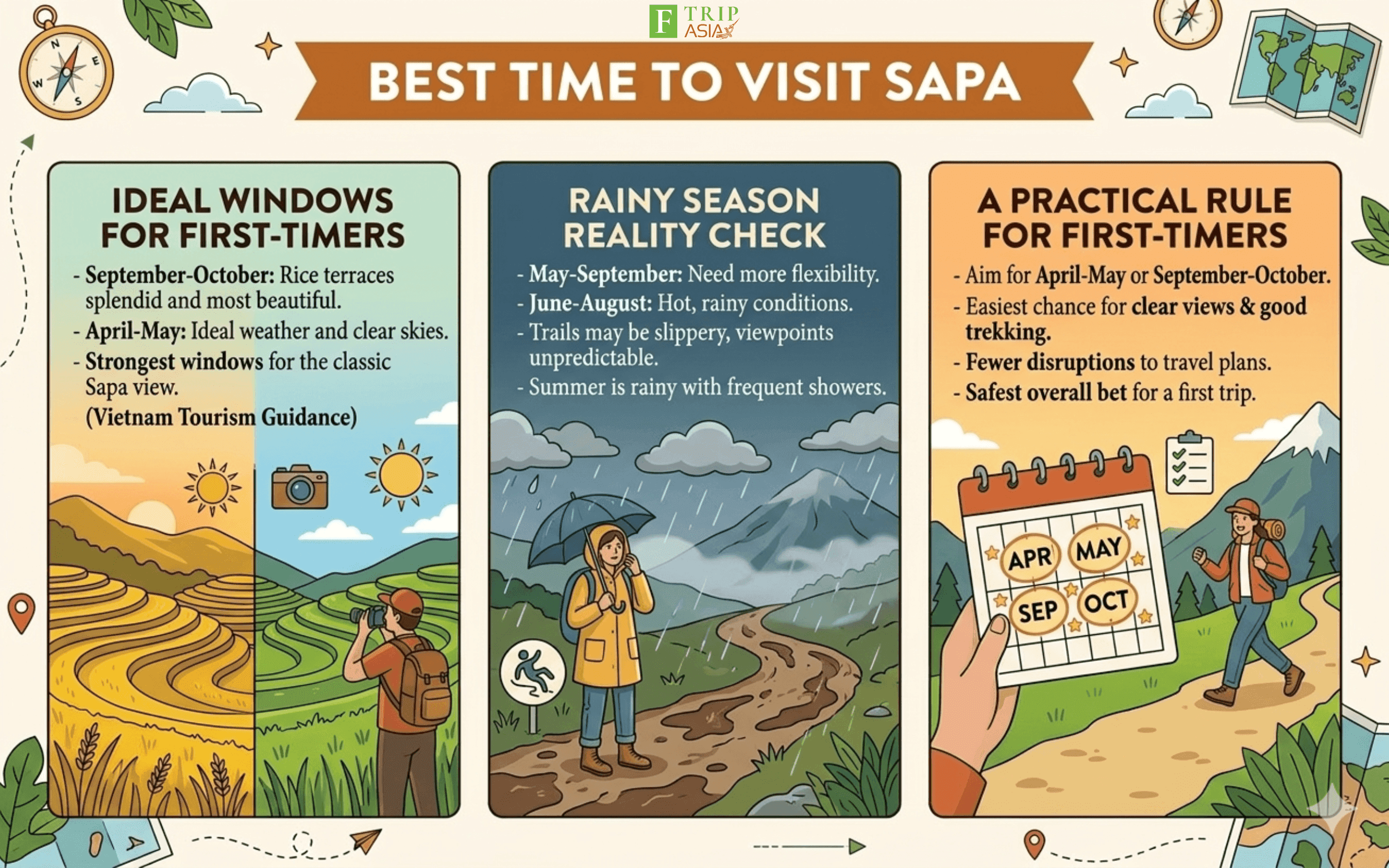
Vietnam’s official tourism page is unusually clear here: the best time to visit Sapa is September and October, when the rice terraces are at their most splendid, or April and May, when the weather is ideal and skies are clear. Those are the strongest windows if you want your first visit to look and feel like the version of Sapa most travelers hope for.
Rainy season reality check
If you travel from May to September, you need more flexibility. Vietnam Tourism says June to August can still work for travelers who do not mind hot weather, but rainy-season conditions can make trails more slippery and viewpoints less predictable. Vietnam Airlines’ Fansipan weather guide also notes that summer is the rainy season, with frequent showers.
A practical rule for first-timers
If this is your first trip and you want the easiest chance of clear views, good trekking conditions, and fewer disruptions, aim for April–May or September–October. Those months are the safest overall bet based on official tourism and airline travel guidance.
How Many Days Do You Need in Sapa?
2 days: tight but workable
Two days are enough for a quick first taste of Sapa if you keep the itinerary focused. The best version is usually one evening in town and one trek day. The tradeoff is that you lose weather flexibility, which matters a lot in a mountain destination. That is a practical inference from the strong weather dependence of both trekking and Fansipan visibility.
3 days: best balance for most first-timers
Three days is the sweet spot. It gives you room for one full valley day, one Fansipan or viewpoint day, and some unhurried town time. This is the best choice if you want “real Sapa” without turning the trip into a rush between attractions. The structure aligns well with how Vietnam Tourism and Vietnam Airlines separate Sapa’s town, trekking, and mountain experiences.
4 days or more: better for slow travel
Four days become worthwhile if you want two different valley routes, a homestay rhythm, or more flexibility for the weather. This works especially well for travelers who care more about walking and village landscapes than checking off every attraction.
Where to Stay?
Stay in Sapa town for convenience
Sapa town is the best base for shorter trips, mixed groups, and travelers who want easy access to restaurants, transport, and Fansipan. Vietnam Airlines’ first-time Sapa guide also positions the town as the central base and notes direct Hanoi–Sapa bus options of about 5–6 hours, which reinforces how town-based stays simplify logistics.
Stay in Ta Van or Muong Hoa Valley for a more real feel
If your priority is atmosphere, quiet mornings, and waking up in the landscape rather than above it, staying in Ta Van or the Muong Hoa Valley direction is usually the better choice. The Ta Van trekking guide’s focus on valley scenery and local encounters supports why this side of Sapa often feels more authentic than town-only itineraries.
The Best Real-Experience Activities in Sapa
1. Do one signature trek: Lao Chai to Ta Van
For first-timers, this is the trek to prioritize. Vietnam Airlines describes the Lao Chai–Ta Van route as around 7–12 km, about 2–3 hours, and suitable for beginners, with panoramic Muong Hoa Valley views and village encounters along the way. That makes it one of the best “real Sapa” experiences because it combines scenery with actual movement through the landscape rather than just viewpoint stops.
A local guide makes this route better. The difference is not only navigation, but context: village names, farming rhythms, terrace landscapes, and what you are actually seeing. That is an inference from the route’s emphasis on local encounters and valley life.
2. Treat Fansipan as iconic but weather-dependent
Fansipan deserves its reputation, but it works best when you plan it smartly. Vietnam Tourism highlights the Sun World Fansipan cable car as a must-do and notes operating hours from 7:30 a.m. to 5:30 p.m. on its guide page, while the official Sun World site remains the main access source for current operations and updates. The main practical point is simple: go early if the weather looks promising, and do not force it on a heavy-fog day.
3. Choose villages with intention
Cat Cat Village is easy and popular, but it should be chosen for convenience, not for the most authentic valley experience. Recent Tripadvisor summaries describe Cat Cat as scenic but often crowded, which supports the common first-timer advice to treat it as a quick, accessible stop rather than the deepest version of Sapa village life. For a more grounded feeling, Lao Chai–Ta Van is usually the better first choice.
Food and Culture: How to Make Sapa Feel Local
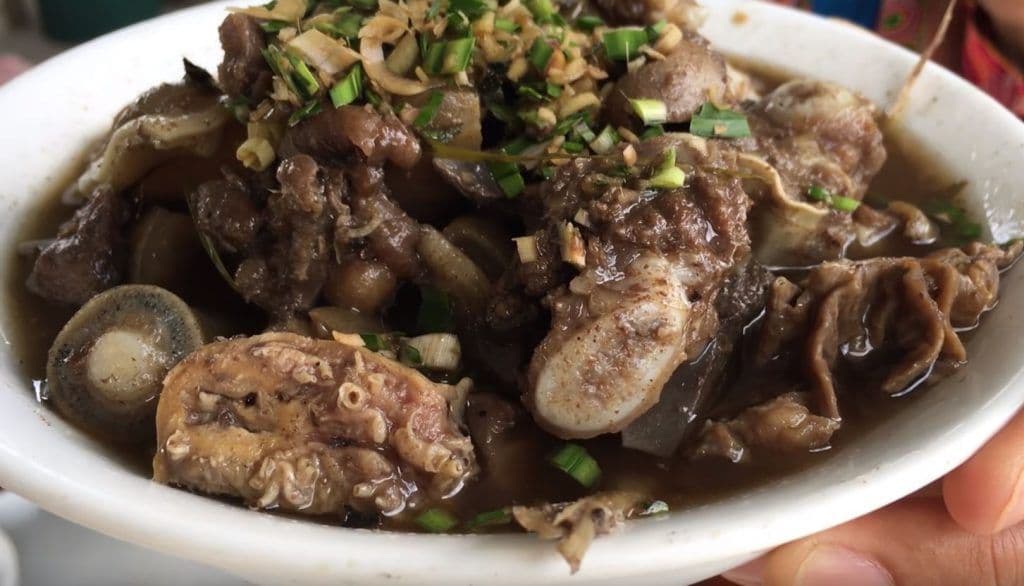
A first Sapa trip feels better when evenings stay simple. Warm meals fit the climate best, especially hotpot, grilled dishes, and mountain vegetables. That is less about chasing one famous restaurant and more about matching the meal to the mountain weather and slower pace. For many first-timers, the most effective cultural add-on is not a formal attraction but a market browse, a simple local dinner, and time outside after dark when the town cools down. The chilly-weather pattern from November to March on Vietnam Tourism’s Sapa page also supports why warm evening meals become part of the experience.
First-Time Mistakes to Avoid
Do not combine Fansipan and a serious trek on the same day
This usually sounds efficient and feels rushed in practice. Trek days work better when they are not squeezed around cable car timing, weather windows, and town transfers. The separate demands of trekking and Fansipan access make them stronger as different-day activities.
Do not stay only near-town if you want the real version of Sapa
A town-only Sapa trip can still be enjoyable, but it misses the landscape that makes the destination special. At least one Muong Hoa / Lao Chai / Ta Van day should be the minimum for first-timers who want a more authentic impression.
Do not underestimate rain risk
In rainy periods, keep your route flexible, prioritize safer trails, and accept that the weather decides part of the itinerary. This is especially true if you are traveling between late spring and summer, when showers and visibility issues become more common.
Plug-and-Play Itineraries
2 days: Real Sapa essentials
Day 1: Arrive, walk around Sapa town, warm dinner, easy evening
Day 2: Guided Lao Chai → Ta Van trek, then depart
This is the best short itinerary because it gives you one proper valley experience instead of spreading time too thin.
3 days: Best balance for first-timers
Day 1: Arrive, town walk, café, sunset viewpoint if clear
Day 2: Full valley trek and village meal in the Ta Van direction
Day 3: Fansipan in the morning if visibility is good, then relaxed café time and departure
This is the strongest overall first-time plan because it combines the valley and the iconic summit experience without forcing both into one rushed day.
4 days: Slow-travel Sapa
Add a second trek, a valley overnight, or a slower morning in Ta Van or Muong Hoa. This version works best for travelers who want Sapa to feel lived-in rather than completed.
Logistics for Fast Planning
Most first-timers reach Sapa from Hanoi. Vietnam Airlines’ Sapa guide lists direct buses at about 5–6 hours and also notes limousine bus options, which makes the road route one of the simplest first-time choices. Train-plus-transfer is still possible, but the bus is usually more direct for town-to-town convenience.
For packing, bring shoes with grip, a light rain shell, layers for evenings, and a small waterproof pouch for your phone. Those choices are especially important if you are trekking or traveling outside the clearest spring and autumn windows.
FAQs
How many days do first-time visitors need in Sapa?
Three days is the best balance for most people. It gives you enough time for one full valley trek, one Fansipan or viewpoint day, and a more relaxed pace.
What is the best time to visit Sapa for clear views and terraces?
The strongest windows are September–October for the terraces at their most spectacular and April–May for ideal weather and clearer skies.
Is the Lao Chai–Ta Van trek beginner-friendly?
Yes. Vietnam Airlines describes it as suitable for beginners, with a distance of about 7–12 km and a duration of roughly 2–3 hours, depending on route and breaks.
Is Cat Cat Village worth it?
Yes, if you treat it as a convenient, scenic stop close to town. It is less convincing if your goal is the most authentic village experience, because traveler summaries often describe it as crowded.
What months are riskier for rain in Sapa?
Rain risk is higher from May into September, and summer showers can affect trails and visibility.
A real first-time Sapa trip is not about doing everything. It is about doing the right few things well. Visit in April–May or September–October for the best overall conditions, spend one full day on the Lao Chai–Ta Van route for scenery and local context, and treat Fansipan as a weather-dependent bonus that can be unforgettable on a clear day.
The simplest formula works best: stay slow, get into the valley, and let the mountains decide the pace a little. That is usually how first-time visitors get the version of Sapa that feels most real.

Founder & Photography Guide
Specialties: Culture, landscape, portrait, hiking, active and adventurous tour
Besides my unlimited passion for traveling, a professional tour guide for over a decade, I have been taking photographs since sitting at Hanoi of the University of Culture in the early 2000s. Photography started as a hobby but it was seriously taken due to my work relations and my significant passion for the beauty of our world, especially in Southeast Asian parts such as Vietnam, Laos, Cambodia, and Myanmar.
Within a few years of taking photographs, my works began to be recognized by many reliable international publications such as AFAR Travel, The Times, and The Daily Telegraph newspaper. In addition, I continuously add to my growing profile by winning numerous major awards: 3rd Position of The Independent Photographer 2018, 1st Position of Amateur Photographer of the year 2018, Grand Prize Winner of the AFAR Travel Photography 2019, and a Gold Award of San Francisco Bay International Photography 2020.
I photograph a wide variety of subjects, from travel to landscapes to street scenes. I enjoy documenting the East’s rich cultural heritage and its land soaked in glorious sunrise or sunset light in remote and secluded spots. And, I am very happy to share my knowledge and experience with you. You can visit Luminousvietnamtour to explore tour!

 David and wife (Australia)
 Curious534121
 726hannes
 Planning a Trip to Vietnam from Canada? Start Here.
- Not supported render article type: page - test
 14 Day Tour Ha Giang & Ha Long Bay for a Complete Northern Vietnam Discovery