- What Are Vietnam Street Food Tour Packages?
- How Do Guided Food Experiences Work Across Local Neighborhoods?
- Why Is a Street Food Tour More Than Just Tasting Food?
- Why Book a Package Instead of Exploring Alone?
- Best Vietnam Street Food Tour Packages You Shouldn’t Miss
- 1. Hanoi Old Quarter Street Food Tour Package
- 2. Hanoi Night Street Food and Coffee Tour Package
- 3. Hue Street Food and Imperial Flavor Tour Package
- 4. Hoi An Street Food and Ancient Town Tour Package
- 5. Da Nang Street Food and Coastal Flavor Tour Package
- 6. Ho Chi Minh City Street Food Tour Package
- 7. Saigon Night Street Food by Scooter or Private Vehicle Package
- 8. Mekong Delta Local Food and River Life Package
- 9. Vietnam Market Walk and Street Food Package
- 10. Multi-City Vietnam Street Food Tour Package
- Best Destinations for Vietnam Street Food Tours
- Hanoi
- Hue
- Hoi An
- Da Nang
- Ho Chi Minh City
- Mekong Delta
- Suggested Vietnam Street Food Tour by Travel Stage
- Stage 1: Hanoi Old Quarter, Northern Dishes, and Coffee Culture
- Stage 2: Central Vietnam Street Food, Heritage, and Hands-On Experiences
- Stage 3: Ho Chi Minh City Night Food, Markets, and Local Neighborhoods
- Stage 4: Mekong Delta River Food, Home-Style Meals, and Local Workshops
- How to Choose the Right Vietnam Street Food Tour Package?
- What Should You Check Before Booking?
- Why Does Guide Quality Matter?
- How Should Travelers Think About Food Safety and Comfort?
- Why Check Group Size and Walking Distance?
- Why Ask About Dietary Support?
- Best Vietnam Street Food Tour Packages by Traveler Type
- What Works for First-Time Visitors?
- What Works for Couples and Honeymooners?
- What Works for Families?
- What Works for Senior Travelers?
- What Works for Serious Food Lovers?
- What Works for Photographers and Creative Travelers?
- How to Combine Street Food Tours with Other Vietnam Experiences?
- Why Combine a Street Food Tour with a Coffee Tour?
- Why Combine a Street Food Tour with a Cooking Class?
- Why Combine a Street Food Tour with a Market Walk?
- Why Combine a Street Food Tour with a Heritage Walk?
- Why Combine a Street Food Tour with a Local Workshop?
- Cost Factors for Vietnam Street Food Tour Packages
- How Do Tour Length and Number of Tastings Affect Cost?
- How Does Private vs Small Group Format Affect Cost?
- How Do Included Drinks, Desserts, and Add-Ons Affect Cost?
- How Do Transport and Route Design Affect Cost?
- Common Mistakes to Avoid When Booking Vietnam Street Food Tours
- Travel Requirements US Travelers Should Prepare
- What Passport and Vietnam Visa Details Matter?
- Why Are Travel Insurance and Health Preparation Important?
- What Money, Connectivity, and Documents Should Travelers Prepare?
- Why Plan Vietnam Street Food Tour Packages with FtripAsia?
- FAQs
- What are the best Vietnam street food tours?
- Is Vietnam street food safe for tourists?
- What should I eat on a Vietnam street food tour?
- Can Vietnam street food tour packages be customized?
- Conclusion
Vietnam street food tour packages help travelers taste the country in a safer, more guided, and more meaningful way. Instead of choosing random dishes without knowing ingredients, cooking style, or local etiquette, travelers can follow a trusted guide through food streets, markets, hidden alleys, family-run eateries, and neighborhood cafés.
Street food in Vietnam changes from north to central to south, so travelers can discover different flavors in Hanoi, Hue, Hoi An, Da Nang, Ho Chi Minh City, and the Mekong Delta. A guided tour helps explain why each dish belongs to its region and how local people eat it in daily life.
Street food tours are suitable for first-time visitors, couples, families, seniors, food lovers, small groups, photographers, and travelers who want local experiences beyond restaurants. The right package can turn every bite into a cultural memory.
FtripAsia helps travelers design customized Vietnam street food tour packages with trusted local guides, private transfers, special meals, market walks, café stops, and flexible pacing.
What Are Vietnam Street Food Tour Packages?
How Do Guided Food Experiences Work Across Local Neighborhoods?
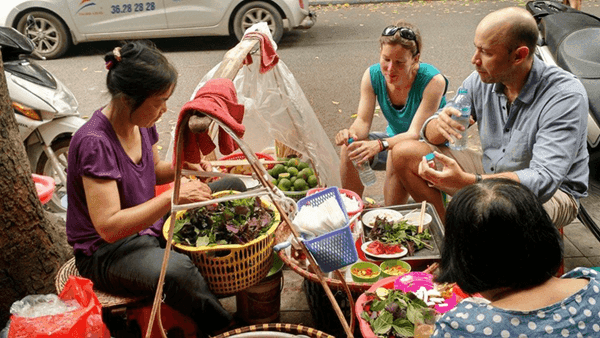
Vietnam street food tour packages usually include guided walks through food streets, markets, hidden alleys, local eateries, family-run stalls, and neighborhood cafés. Instead of choosing random dishes alone, travelers follow a planned route with local guidance.
A guide can explain what each dish is, how to eat it, what ingredients are used, and why it matters locally. This is especially useful in Vietnam because many dishes come with herbs, sauces, side vegetables, dipping bowls, and specific eating styles.
Packages may include several tasting stops, drinks, desserts, coffee, and cultural stories. The goal is to help travelers experience Vietnamese food with more confidence and context.
Why Is a Street Food Tour More Than Just Tasting Food?
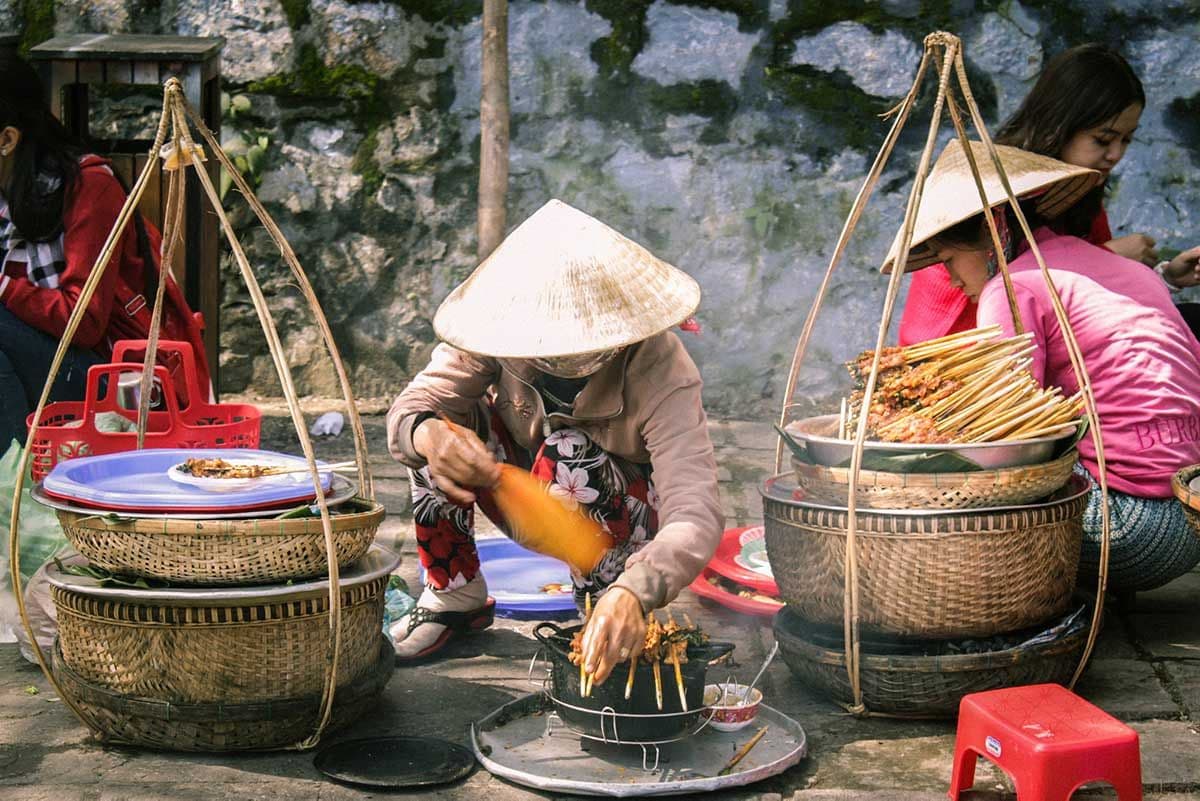
A strong street food tour should connect dishes with local culture, history, family traditions, and daily life. Travelers can learn about herbs, sauces, noodles, rice paper, grilled meats, soups, snacks, desserts, and Vietnamese coffee.
Food tours can also include markets, old streets, local neighborhoods, night food areas, and hidden cafés. This helps travelers understand how Vietnamese people eat throughout the day, from breakfast noodles and market snacks to evening street food and late-night coffee.
Street food becomes a cultural journey, not only a meal.
Why Book a Package Instead of Exploring Alone?
Local guides know which vendors are reliable, popular, and suitable for visitors. A package helps travelers avoid confusion around menus, ingredients, ordering, and local etiquette.
Guides can adjust stops based on dietary needs, spice level, allergies, and comfort level. This is especially important for travelers with vegetarian needs, Muslim-friendly preferences, Judaism travel support, seafood allergies, pork-free requests, or low-spice preferences.
Packages also save time in busy cities where food choices can feel overwhelming. A guided route is especially helpful for first-time visitors and travelers with limited time.
Best Vietnam Street Food Tour Packages You Shouldn’t Miss
1. Hanoi Old Quarter Street Food Tour Package
A Hanoi Old Quarter street food tour package is one of the best ways to experience northern Vietnamese cuisine. Travelers can explore narrow streets, family-run eateries, local cafés, and hidden food alleys.
The tour can feature pho, bun cha, banh cuon, xoi, nem ran, banh goi, che, and egg coffee. A local guide can explain how northern Vietnamese food balances herbs, dipping sauces, light broths, grilled flavors, and simple presentation.
Stories about Old Quarter merchant streets, local dining habits, and family recipes make the experience more meaningful. This package is suitable for first-time visitors, couples, food lovers, photographers, and small groups.
It can be customized for vegetarian meals, Muslim-friendly meals, Judaism travel support, low-spice preferences, allergies, or private pacing.
2. Hanoi Night Street Food and Coffee Tour Package
A Hanoi night street food and coffee tour package introduces travelers to the city after dark. The route can include food streets, local snacks, dessert stalls, coffee shops, and lively neighborhood corners.
Travelers may try grilled dishes, fried snacks, noodles, Vietnamese desserts, egg coffee, coconut coffee, or iced milk coffee. The evening atmosphere of the Old Quarter, Hoan Kiem area, or selected local streets adds a different feeling from daytime sightseeing.
This package is good for travelers who want street lights, local energy, and a relaxed night activity. It works well for couples, friends, solo travelers, and food lovers.
Private guiding helps adjust caffeine, walking distance, and food preferences.
3. Hue Street Food and Imperial Flavor Tour Package
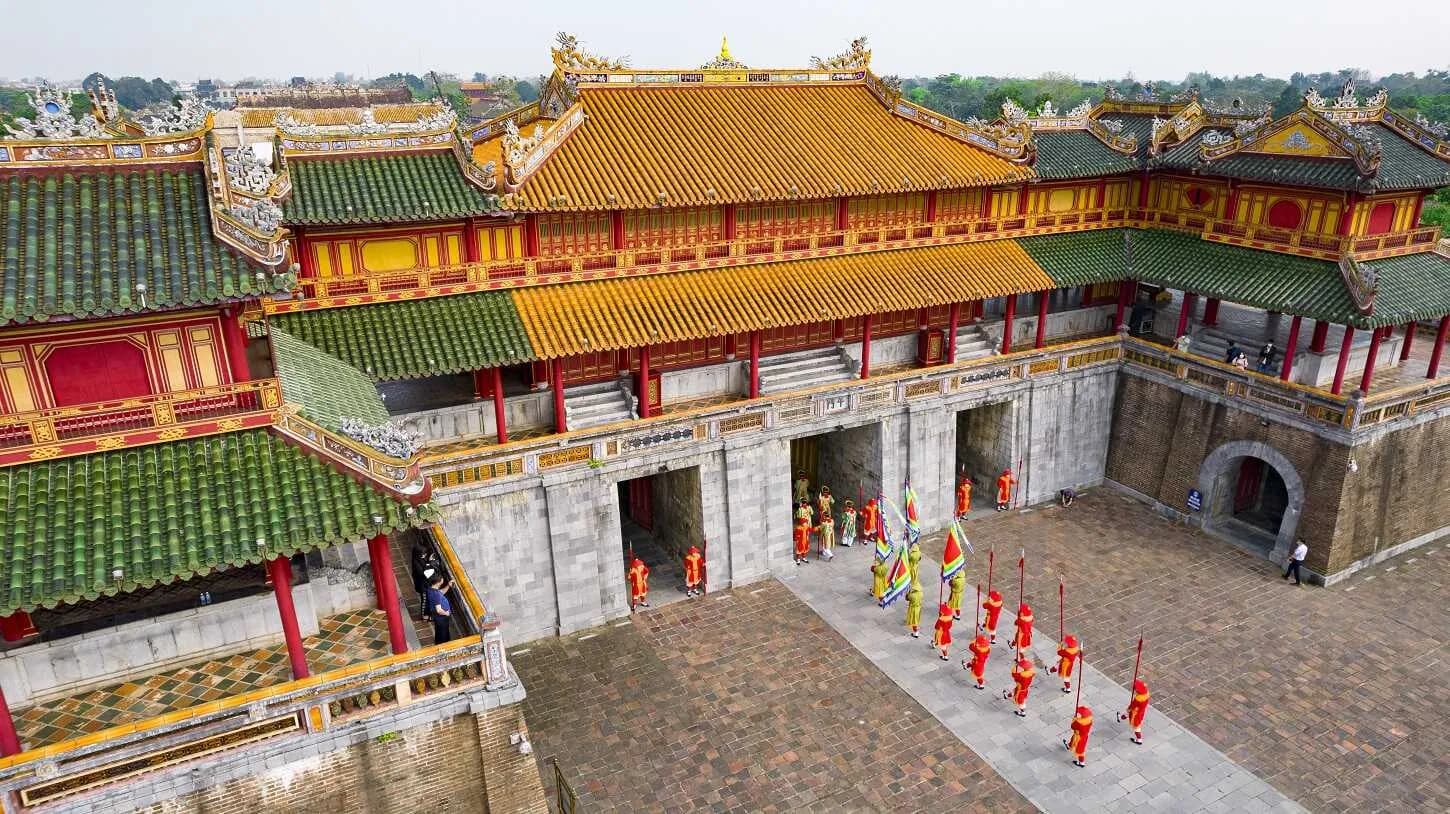
Hue street food is closely connected with imperial heritage, royal influence, and central Vietnamese flavors. A Hue food tour can include bun bo Hue, banh beo, banh khoai, nem lui, com hen, che Hue, and local snacks.
Travelers can learn how Hue cuisine combines bold flavor, refined presentation, and historical identity. A guide can connect food stops with heritage streets, local markets, pagodas, or garden-house stories.
This package is suitable for history lovers, seniors, food travelers, and culture-focused visitors. A local guide adds strong value because Hue’s food is deeply tied to its heritage.
4. Hoi An Street Food and Ancient Town Tour Package
A Hoi An street food and ancient town tour package combines food, heritage, and atmosphere. Travelers can walk through Hoi An Ancient Town, riverside streets, local markets, lantern alleys, and small food stalls.
Signature dishes may include cao lau, mi Quang, white rose dumplings, banh mi, banh xeo, herbal drinks, and local desserts. A guide can explain how Hoi An’s trading history shaped its food culture, architecture, and local specialties.
The tour can include lantern streets, old merchant houses, and riverside cafés for a richer cultural route. It is suitable for couples, families, honeymooners, photographers, and first-time visitors.
It can also be combined with a cooking class, lantern workshop, basket boat ride, or countryside cycling.
5. Da Nang Street Food and Coastal Flavor Tour Package
A Da Nang street food and coastal flavor tour package is a good choice for travelers staying in Central Vietnam. The route can include local food streets, coastal eateries, markets, and seafood spots.
Travelers can try mi Quang, banh trang cuon thit heo, seafood, banh xeo, central-style noodles, and local snacks. The tour explains how Da Nang connects central Vietnamese flavors with coastal ingredients and modern city life.
Beach time, coffee stops, local markets, or night food areas can be added. This package works well for families, couples, beach travelers, and travelers moving between Hue and Hoi An.
6. Ho Chi Minh City Street Food Tour Package
Ho Chi Minh City is one of Vietnam’s strongest destinations for street food energy. A street food package can take travelers through local markets, alleys, food streets, cafés, and energetic neighborhoods.
Dishes may include com tam, banh xeo, hu tieu, banh mi, bo la lot, goi cuon, Vietnamese coffee, desserts, and local snacks. A guide can explain how migration, trade, modern city life, and southern hospitality shaped Saigon food culture.
This package is suitable for food lovers, first-time visitors, couples, small groups, and travelers who enjoy city energy. Evening tours work especially well because Ho Chi Minh City has a lively night food scene.
7. Saigon Night Street Food by Scooter or Private Vehicle Package
A Saigon night street food package by scooter or private vehicle introduces travelers to multiple food districts, local eateries, and hidden neighborhood stops.
Travelers may try grilled dishes, noodle soups, rice dishes, fresh rolls, desserts, and local drinks. Scooter tours can feel adventurous, while private vehicle options are better for families, seniors, or comfort-focused travelers.
This package helps travelers learn about local nightlife, street dining culture, and southern food habits. It is suitable for adventurous travelers, couples, friends, and food lovers.
Travelers should choose licensed, safety-conscious operators and share comfort level before booking.
8. Mekong Delta Local Food and River Life Package
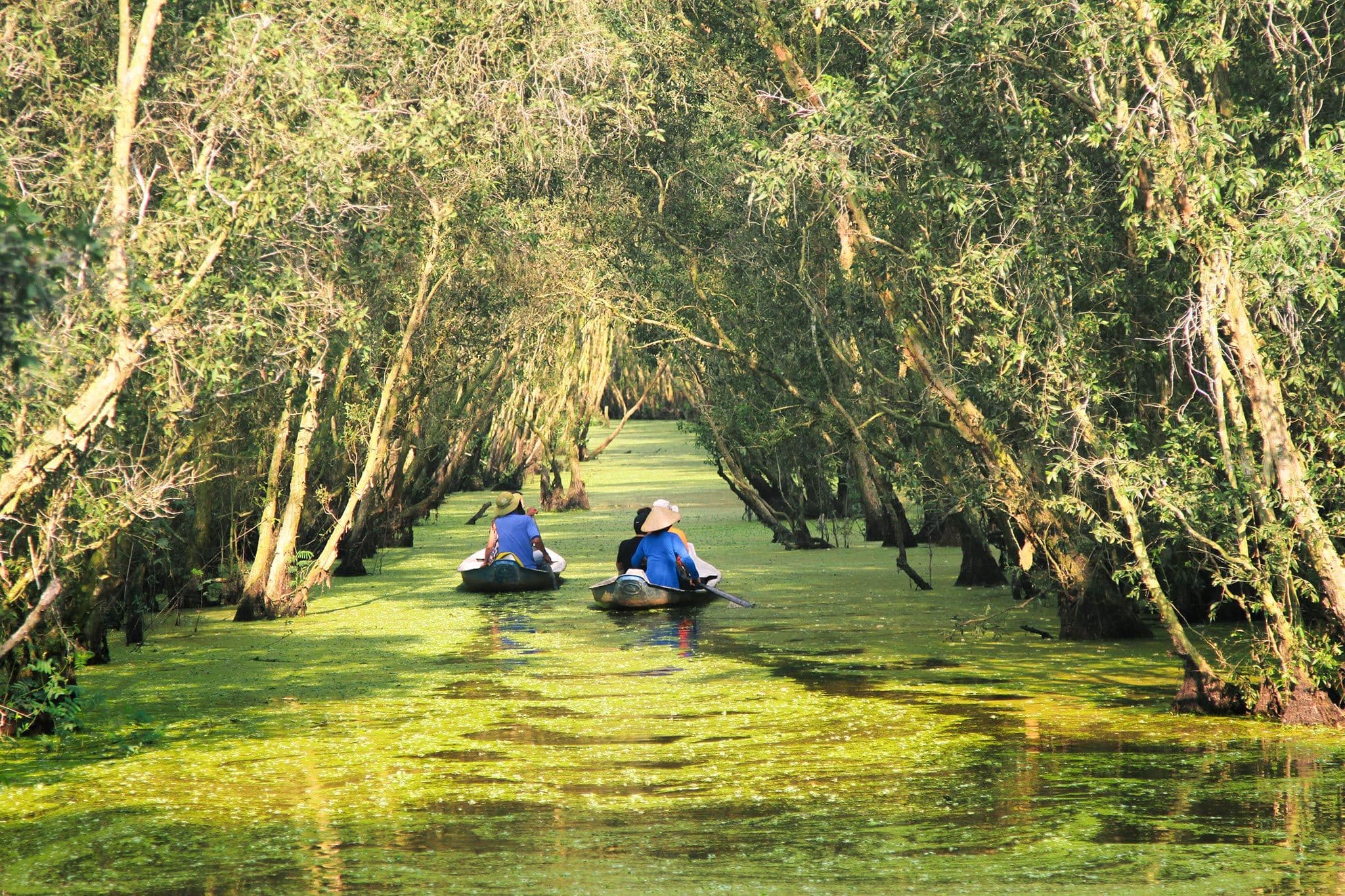
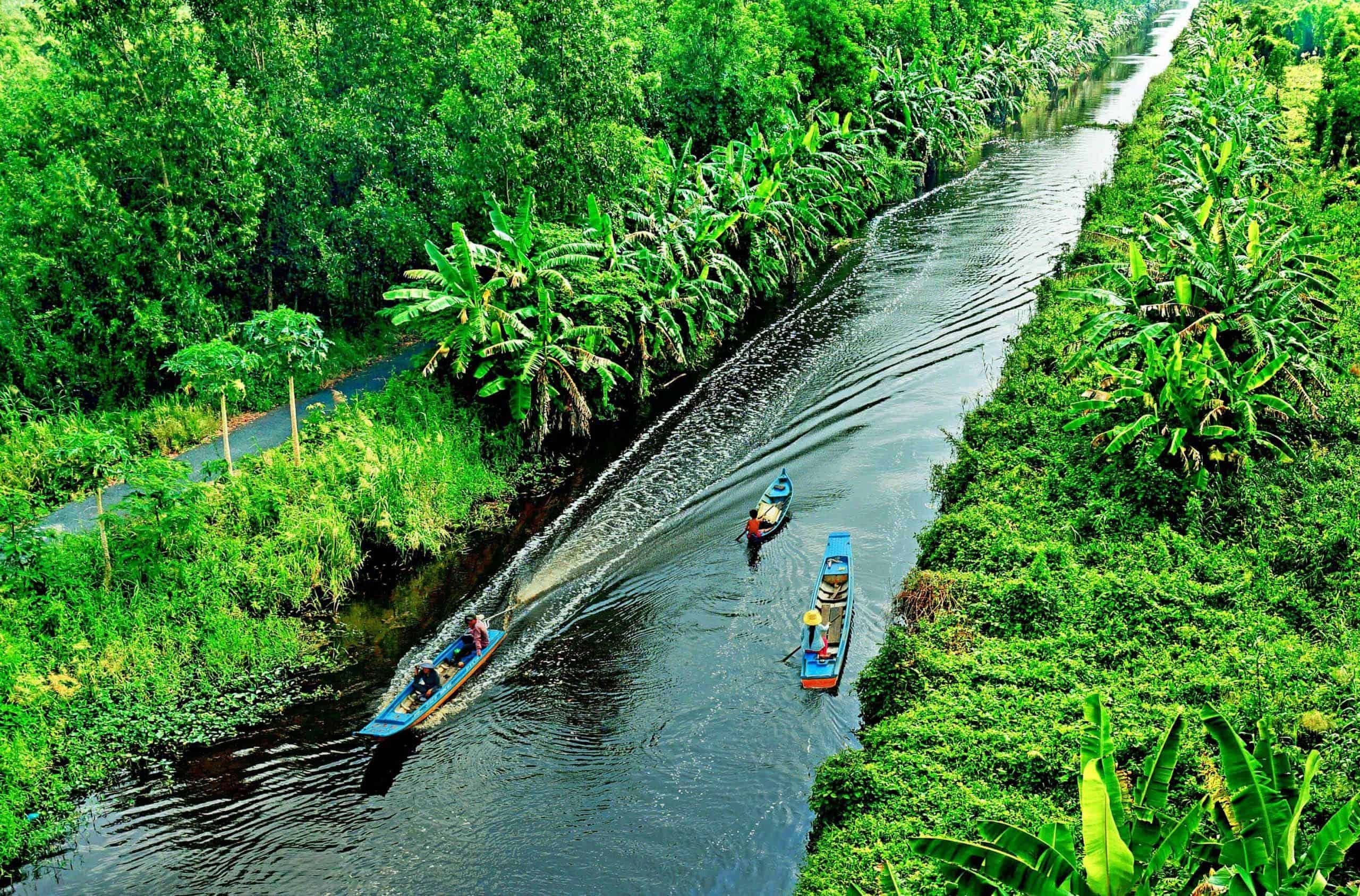
A Mekong Delta local food and river life package connects food with canals, fruit gardens, riverside homes, local workshops, and home-style meals.
Travelers can try tropical fruits, coconut-based dishes, river fish, rice paper, local snacks, southern desserts, and garden meals. A guide can explain how river life shapes agriculture, food preparation, trade, and family routines.
The package can include coconut candy making, rice paper making, rowing boat rides, or local market visits. It is suitable for families, slow travelers, food lovers, and culture-focused visitors.
A private route helps avoid overly commercial stops and creates a warmer local connection.
9. Vietnam Market Walk and Street Food Package
A Vietnam market walk and street food package combines local market exploration with nearby food stops. Travelers can learn about herbs, vegetables, noodles, rice paper, spices, sauces, seafood, tropical fruits, and local snacks.
Strong destinations include Hanoi, Hoi An, Hue, Ho Chi Minh City, and the Mekong Delta. This package is useful for photographers, food lovers, and travelers who want ingredient-level understanding.
It can be paired with a cooking class for deeper culinary learning. The experience works best when guided by someone who can explain both food and daily market culture.
10. Multi-City Vietnam Street Food Tour Package
A multi-city Vietnam street food package can combine Hanoi, Hue, Hoi An, Ho Chi Minh City, and the Mekong Delta into one food-focused itinerary. Travelers can taste northern, central, and southern Vietnamese dishes in their original local settings.
The package can include food walks, market visits, coffee culture, cooking classes, home-style meals, and regional snacks. It is best for serious food lovers and travelers who want to understand Vietnam through flavor.
This type of route works well for 10-14 day itineraries. FtripAsia can customize the journey based on comfort level, dietary needs, hotel style, and travel pace.
Best Destinations for Vietnam Street Food Tours
Hanoi
Hanoi is best for pho, bun cha, banh cuon, xoi, nem ran, banh goi, che, egg coffee, and Old Quarter food culture. It is a strong starting point for first-time visitors who want to understand northern Vietnamese flavors.
The city works well for walking food tours, coffee add-ons, market walks, and hidden alley routes. It is suitable for couples, photographers, solo travelers, and small groups.
FtripAsia can customize Hanoi street food tours based on walking comfort, spice level, dietary needs, and preferred pace.
Hue
Hue is best for bun bo Hue, banh beo, banh khoai, nem lui, com hen, che Hue, and royal-influenced street food. It is ideal for travelers who want food connected with history.
Street food tours in Hue can work well with imperial heritage tours, garden houses, markets, and pagoda visits. This destination is suitable for seniors, food lovers, culture travelers, and first-time visitors to Central Vietnam.
A local guide helps explain the meaning behind Hue’s flavors.
Hoi An
Hoi An is best for cao lau, mi Quang, white rose dumplings, banh mi, banh xeo, herbal drinks, and local desserts. It is easy to combine with Hoi An Ancient Town, lantern streets, cooking classes, and market walks.
Food routes can be shorter and gentler than in larger cities, making Hoi An suitable for families, couples, honeymooners, photographers, and slow travelers.
Free time should be included because Hoi An is best enjoyed slowly.
Da Nang
Da Nang is best for seafood, mi Quang, banh trang cuon thit heo, central-style snacks, local markets, and coastal dining. It is a good option for travelers staying near the beach.
Da Nang works well as part of a Central Vietnam route with Hue and Hoi An. Food tours can be combined with coffee, beach walks, or night markets.
It is suitable for families, couples, and beach-focused travelers.
Ho Chi Minh City
Ho Chi Minh City is best for com tam, banh xeo, hu tieu, banh mi, bo la lot, goi cuon, desserts, and southern coffee culture. It is a strong choice for night food tours and neighborhood exploration.
The city’s food reflects migration, trade, and modern southern energy. Private or small-group routes help travelers discover areas beyond the most obvious tourist streets.
This destination is suitable for food lovers, friends, couples, solo travelers, and urban explorers.
Mekong Delta
The Mekong Delta is best for river fish, tropical fruits, coconut dishes, rice paper, local snacks, home-style meals, and floating-river culture. Street food here often connects with gardens, workshops, and riverside communities.
This region is suitable for families, slow travelers, and food lovers. It works well as a day trip or overnight extension from Ho Chi Minh City.
A local guide helps choose routes with stronger local value.
Suggested Vietnam Street Food Tour by Travel Stage
Stage 1: Hanoi Old Quarter, Northern Dishes, and Coffee Culture
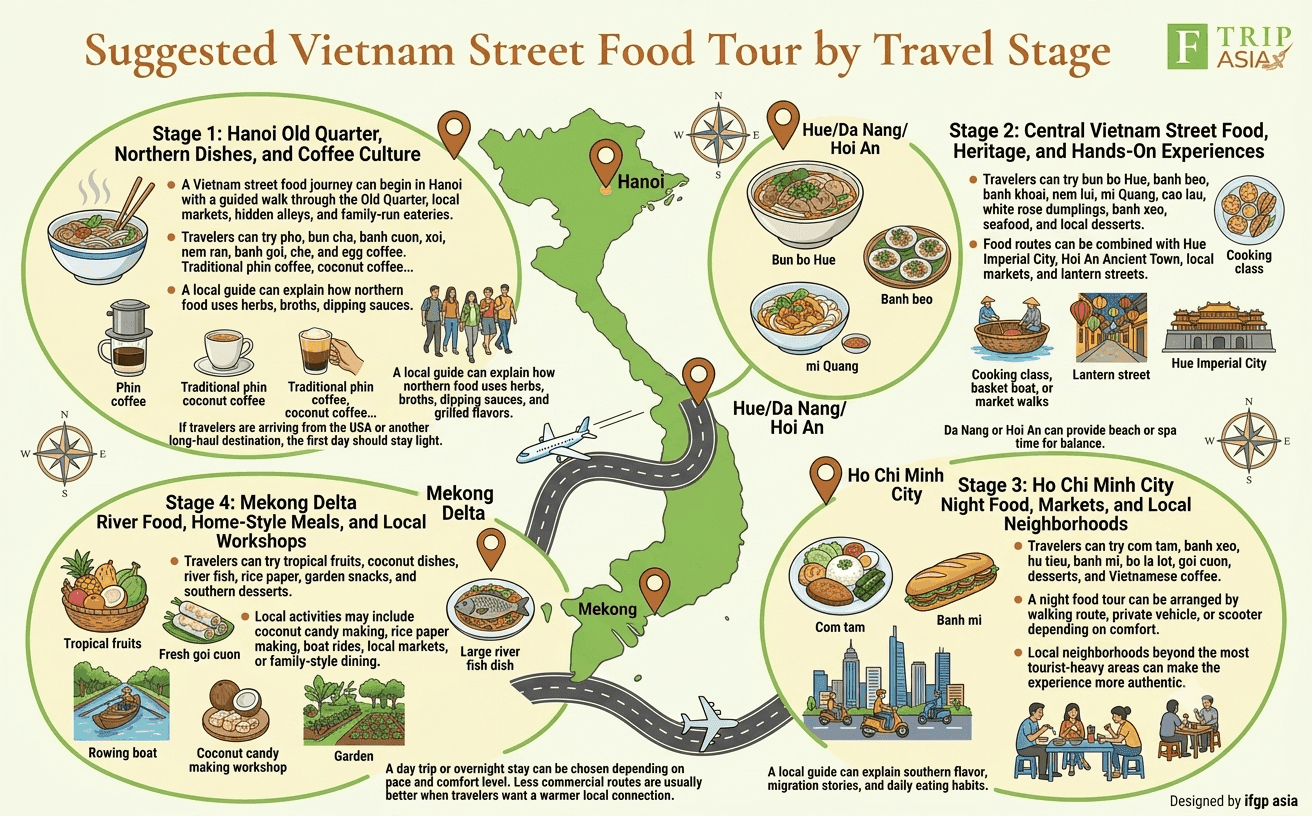
A Vietnam street food journey can begin in Hanoi with a guided walk through the Old Quarter, local markets, hidden alleys, and family-run eateries.
Travelers can try pho, bun cha, banh cuon, xoi, nem ran, banh goi, che, and egg coffee. Traditional phin coffee, coconut coffee, or a hidden café stop can also be added.
A local guide can explain how northern food uses herbs, broths, dipping sauces, and grilled flavors. If travelers are arriving from the USA or another long-haul destination, the first day should stay light.
This stage introduces Vietnam through classic northern street food and café culture.
Stage 2: Central Vietnam Street Food, Heritage, and Hands-On Experiences
The second stage can continue to Hue, Da Nang, and Hoi An for central Vietnamese food and heritage. Travelers can try bun bo Hue, banh beo, banh khoai, nem lui, mi Quang, cao lau, white rose dumplings, banh xeo, seafood, and local desserts.
Food routes can be combined with Hue Imperial City, Hoi An Ancient Town, local markets, and lantern streets. Cooking classes, basket boat experiences, or market walks can also be added if suitable.
Da Nang or Hoi An can provide beach or spa time for balance. This stage connects bold central flavors with heritage, craft, and local history.
Stage 3: Ho Chi Minh City Night Food, Markets, and Local Neighborhoods
The third stage can bring travelers to Ho Chi Minh City for southern street food, markets, cafés, and evening neighborhood routes.
Travelers can try com tam, banh xeo, hu tieu, banh mi, bo la lot, goi cuon, desserts, and Vietnamese coffee. A night food tour can be arranged by walking route, private vehicle, or scooter depending on comfort.
Local neighborhoods beyond the most tourist-heavy areas can make the experience more authentic. A local guide can explain southern flavor, migration stories, and daily eating habits.
This stage adds city energy, variety, and modern food culture.
Stage 4: Mekong Delta River Food, Home-Style Meals, and Local Workshops
The final stage can continue to the Mekong Delta for river culture, canals, fruit gardens, local workshops, and home-style meals.
Travelers can try tropical fruits, coconut dishes, river fish, rice paper, garden snacks, and southern desserts. Local activities may include coconut candy making, rice paper making, rowing boat rides, local markets, or family-style dining.
A day trip or overnight stay can be chosen depending on pace and comfort level. Less commercial routes are usually better when travelers want a warmer local connection.
This stage completes the journey with southern river flavors, local hospitality, and hands-on food experiences.
How to Choose the Right Vietnam Street Food Tour Package?
What Should You Check Before Booking?
A strong Vietnam street food package should clearly explain the route, dishes, guide style, group size, walking distance, and dietary support. Travelers should compare more than just the number of food stops.
Before booking, check:
- Which dishes are arranged
- Whether the route includes local specialties or only basic dishes
- Whether drinks, desserts, and coffee are part of the tour
- Whether the guide explains ingredients, sauces, herbs, and local stories
- Whether vendors are trusted and suitable for visitors
- Whether the tour is private, small-group, or large-group
- Whether walking distance, seating, and restroom stops are comfortable
- Whether dietary needs can be supported
Clear details help travelers compare real value and avoid generic food routes.
Why Does Guide Quality Matter?
A good food guide explains ingredients, sauces, herbs, local etiquette, and cultural stories. Guides help travelers order, eat correctly, and understand regional differences.
Food tours are more meaningful when the guide connects dishes with local life. Private or small-group formats allow better questions and interaction.
Guide quality should be a major booking factor because it shapes both comfort and cultural depth.
How Should Travelers Think About Food Safety and Comfort?
Travelers should choose tours that use trusted vendors and well-planned routes. Busy stalls with fresh turnover are usually better choices.
Travelers should drink bottled or properly filtered water and mention allergies or dietary needs early. A good street food package should feel adventurous but still comfortable.
Private tours are especially helpful for families, seniors, and travelers with special food concerns.
Why Check Group Size and Walking Distance?
Private tours offer more flexibility and dietary customization. Small groups can be social and good value. Large groups may feel difficult in small food stalls.
Families and seniors should ask about walking distance, seating, and restroom stops. Photographers may prefer private pacing because it allows more time for observation and photos.
The right format depends on comfort level and travel style.
Why Ask About Dietary Support?
Street food tours should be planned carefully for travelers with dietary needs. Some dishes may include fish sauce, pork, shellfish, peanuts, gluten, or chili.
Travelers should share vegetarian, vegan, low-spice, pork-free, seafood-free, Muslim-friendly, Judaism, allergy-aware, or medical dietary needs before booking. Private tours are easier to adjust.
A good provider should be clear about what can and cannot be adapted.
Best Vietnam Street Food Tour Packages by Traveler Type
What Works for First-Time Visitors?
First-time visitors should choose a classic Hanoi or Ho Chi Minh City street food tour. These cities provide clear introductions to northern or southern food culture.
The tour should include well-known dishes, safe vendor selection, and clear cultural explanations. Egg coffee, dessert, or a short market walk can add more depth.
Travelers should avoid overly adventurous dishes on the first night if they are tired after travel. A food tour often works best on the first or second day.
What Works for Couples and Honeymooners?
Couples and honeymooners can choose a private evening food tour with hidden cafés, dessert stops, lantern streets, or romantic walking routes.
Hoi An, Hanoi, and Ho Chi Minh City work well for couples. Photography, coffee culture, or a quiet final café can make the route more personal.
The experience should feel relaxed and not rushed.
What Works for Families?
Families should choose a shorter, flexible route with familiar textures and child-friendly dishes. Good options may include banh mi, spring rolls, pho, noodles, desserts, fruit, and mild snacks.
Spicy or strongly flavored stops should be limited if children are not used to them. Rest breaks and comfortable seating are helpful.
Children’s ages, food preferences, and allergies should be shared before booking.
What Works for Senior Travelers?
Senior travelers should choose a comfortable route with shorter walking distance, proper seating, and gentler food choices.
Late-night tours may not be suitable for everyone. Private transfers can help in Ho Chi Minh City or Da Nang.
Travelers should ask about stairs, street crossing, and restroom access. A senior-friendly food tour should balance local flavor with comfort.
What Works for Serious Food Lovers?
Serious food lovers can choose a multi-city food route across Hanoi, Hue, Hoi An, Ho Chi Minh City, and the Mekong Delta.
The package can include deeper dishes, markets, cooking classes, coffee culture, local neighborhoods, and home-style meals. Travelers can ask for less touristy stops and stronger regional explanations.
Multiple food tours in different cities help travelers treat Vietnam as a regional culinary journey.
What Works for Photographers and Creative Travelers?
Photographers and creative travelers should choose food tours with markets, street stalls, old alleys, night lights, coffee shops, and local neighborhoods.
Private pacing helps with photos and observation. Travelers should ask before photographing vendors or diners closely.
Hanoi, Hoi An, Ho Chi Minh City, and the Mekong Delta are strong options for combining food with street photography and local storytelling.
How to Combine Street Food Tours with Other Vietnam Experiences?
Why Combine a Street Food Tour with a Coffee Tour?
Coffee is a natural addition to a Vietnam street food package. In Hanoi, travelers can combine street food with egg coffee, phin coffee, coconut coffee, or hidden cafés. In Ho Chi Minh City, iced milk coffee, local cafés, and dessert stops can add a southern touch.
Coffee provides a relaxed ending after several food stops. This combination works well as a half-day or evening experience for first-time visitors and food lovers.
Why Combine a Street Food Tour with a Cooking Class?
A street food tour lets travelers taste local dishes, while a cooking class shows how selected dishes are made. This combination helps travelers understand both eating culture and cooking technique.
Strong destinations include Hanoi, Hue, Hoi An, Ho Chi Minh City, and the Mekong Delta. This pairing is good for food lovers, families, and culture travelers.
It turns tasting into hands-on learning.
Why Combine a Street Food Tour with a Market Walk?
Market walks help travelers understand ingredients, herbs, noodles, seafood, vegetables, fruits, and sauces. They are especially useful before cooking classes or food tours.
Markets are strong for photographers and culture-focused travelers because they show daily life clearly. Early morning markets can feel more local and active.
A guide helps explain unfamiliar ingredients and local shopping habits.
Why Combine a Street Food Tour with a Heritage Walk?
Food can be combined with Hanoi Old Quarter, Hue Imperial City, Hoi An Ancient Town, or Ho Chi Minh City historic neighborhoods. This helps travelers understand how history shaped each region’s food.
The route should stay balanced so it does not feel too packed. This combination works well for first-time visitors and couples who want culture and flavor together.
A local guide can make the connection between places and dishes clearer.
Why Combine a Street Food Tour with a Local Workshop?
Street food tours can be combined with lantern making, pottery, incense, weaving, tailoring, or craft villages. This is especially strong in Hoi An, Hanoi, and Hue.
The combination helps travelers experience both food and hands-on culture. It is suitable for families, couples, and creative travelers.
The schedule should leave enough time to enjoy both experiences.
Cost Factors for Vietnam Street Food Tour Packages
How Do Tour Length and Number of Tastings Affect Cost?
Short tasting tours usually cost less. Longer tours with more dishes, drinks, desserts, and coffee cost more.
Multi-city packages cost more because they include guides, transfers, hotels, and domestic travel. Travelers should compare the number and quality of tastings.
Value depends on guide quality and route design, not only food quantity.
How Does Private vs Small Group Format Affect Cost?
Private tours cost more but offer better flexibility, dietary support, and pacing. Small group tours can be good value and social.
Large groups may feel less comfortable in small food stalls. Families, seniors, couples, and photographers often benefit from private tours.
The right format depends on budget and travel style.
How Do Included Drinks, Desserts, and Add-Ons Affect Cost?
Travelers should ask whether coffee, desserts, local drinks, market visits, cooking classes, or transport are included. Some tours include only food tastings, while others include cultural stops.
Premium experiences or special menus may cost more. Dietary adaptations may require extra planning.
Clear inclusions help travelers compare packages fairly.
How Do Transport and Route Design Affect Cost?
Walking tours are common in Hanoi and Hoi An. Ho Chi Minh City may include walking, scooter, or private vehicle routes. Mekong Delta food packages may require private transfers and boats.
Route design affects comfort and cost. A well-designed food tour should avoid unnecessary travel time and rushed stops.
Good logistics help the experience feel smoother.
Common Mistakes to Avoid When Booking Vietnam Street Food Tours
A Vietnam street food tour should feel flavorful, guided, and comfortable. Travelers should avoid choosing a package only because it is cheap or because it lists many dishes.
Common mistakes include:
- Choosing a tour only by price
- Not checking which dishes are arranged
- Booking a food tour without cultural explanation
- Forgetting to mention allergies or dietary needs
- Choosing large groups for small food stalls
- Scheduling a heavy food tour immediately after long-haul arrival
- Ignoring walking distance, stairs, or street-crossing comfort
- Trying too many unfamiliar dishes too quickly
- Not asking whether drinks and desserts are included
- Assuming every region serves the same street food
- Skipping local coffee or dessert stops
- Not checking vendor quality and guide experience
The right tour should balance flavor, safety, comfort, storytelling, and local connection.
Travel Requirements US Travelers Should Prepare
What Passport and Vietnam Visa Details Matter?
US travelers need a valid passport and Vietnam visa or e-visa. The U.S. Department of State states that passports should have six months’ validity beyond arrival and one blank page available per stamp. It also notes that travelers need a visa for Vietnam.
Vietnam’s official e-visa system lists the fee as US$25 for single entry and US$50 for multiple entry. Travelers can apply online, pay the fee, and receive the e-visa result online.
Visa details should match passport information exactly. Travelers should apply early and print approved visa documents before departure.
Why Are Travel Insurance and Health Preparation Important?
Travel insurance is strongly recommended for Vietnam street food tours as part of a larger trip. Coverage should include medical care, cancellation, delays, lost luggage, domestic flights, cruises, countryside routes, and planned activities.
Food-focused travelers should prepare basic stomach medicine and share allergies or medical dietary needs early. Families, seniors, and travelers joining night tours may need extra comfort planning.
CDC recommends hepatitis A vaccination for unvaccinated travelers one year old or older going to Vietnam.
What Money, Connectivity, and Documents Should Travelers Prepare?
Travelers should bring credit cards and some Vietnamese Dong for small purchases. A SIM, eSIM, or roaming plan is useful for maps, messaging, and local support.
Hotel addresses, guide contacts, itinerary details, and emergency numbers should be saved offline. Travelers should keep printed and digital copies of passport, visa, insurance, and flights.
Medication and key documents should stay in hand luggage.
Why Plan Vietnam Street Food Tour Packages with FtripAsia?
FtripAsia helps travelers design Vietnam street food tour packages based on travel dates, destination route, hotel location, comfort level, dietary needs, interests, and preferred pace.
The team is 100% local, with 7+ years of experience creating Vietnam trips for international travelers. This local background helps travelers choose trusted food stops, meaningful routes, and comfortable pacing.
FtripAsia can customize street food tours for first-time visitors, couples, families, seniors, small groups, luxury travelers, food lovers, photographers, and creative travelers.
The team has experience serving niche markets, including Muslim and Judaism travelers, making it easier to arrange suitable food stops, cultural sensitivity, private support, and smoother logistics.
Travelers can request experiences that are difficult to find in standard packages, such as private food walks, market visits, coffee culture routes, cooking classes, local workshops, hidden neighborhood tours, night food tours, home-style meals, and daily cultural activities.
Many tourists praise FtripAsia for enthusiastic, knowledgeable, and friendly support. This is especially valuable for travelers who want street food experiences arranged with care, flexibility, and local insight.
With FtripAsia, travelers can design a Vietnam street food itinerary that turns every bite into a deeper travel memory.
FAQs
What are the best Vietnam street food tours?
Some of the best Vietnam street food tours include Hanoi Old Quarter food tours, Hanoi night food and coffee tours, Hue street food tours, Hoi An ancient town food walks, Da Nang coastal food tours, Ho Chi Minh City night food tours, and Mekong Delta local food experiences. The best choice depends on travel style, destination, comfort level, dietary needs, and schedule. First-time visitors often enjoy Hanoi or Ho Chi Minh City food tours, while serious food lovers may prefer a multi-city street food package.
Is Vietnam street food safe for tourists?
Vietnam street food can be enjoyable when travelers choose trusted vendors, freshly prepared dishes, and guided routes. A local guide can help travelers identify reliable stops and understand what to order. Travelers should drink bottled or properly filtered water and mention allergies or dietary needs early. Private tours are helpful for families, seniors, and travelers with special food concerns.
What should I eat on a Vietnam street food tour?
Popular dishes include pho, bun cha, banh cuon, xoi, nem ran, bun bo Hue, banh beo, cao lau, mi Quang, banh mi, banh xeo, com tam, hu tieu, goi cuon, che, and Vietnamese coffee. Each region has different specialties, so travelers should try dishes in the places where they are most connected. A guided tour helps explain ingredients, sauces, herbs, and local eating styles.
Can Vietnam street food tour packages be customized?
Yes, Vietnam street food tour packages can be customized by destination, dish preference, walking distance, group size, dietary needs, transport style, and activity add-ons. Travelers can combine street food tours with coffee tours, market walks, cooking classes, heritage walks, photography routes, or local workshops. With FtripAsia, travelers can design a street food package that matches their taste, comfort level, and travel style.
Conclusion
Vietnam street food tour packages are one of the most enjoyable ways to experience the country’s regional flavors, local culture, markets, cafés, and daily life. They help travelers discover Vietnam through dishes, stories, neighborhoods, and the people behind each food stop.
Key street food destinations include Hanoi, Hue, Hoi An, Da Nang, Ho Chi Minh City, and the Mekong Delta. Must-try experiences include Old Quarter food walks, Hue imperial-flavor street food, Hoi An ancient town food tours, Saigon night food routes, Mekong Delta home-style meals, market walks, coffee stops, and cooking class add-ons.
Travelers should choose a package based on guide quality, food safety, dish selection, dietary flexibility, walking comfort, group size, and local storytelling. The right tour should feel safe, flavorful, flexible, and deeply connected to local life.
FtripAsia can help travelers design Vietnam street food tour packages with trusted local guides, safe food stops, special meals, private pacing, hidden neighborhoods, and flexible local support.
Travelers can request a customized Vietnam street food itinerary that turns every bite into a deeper travel memory.


Founder & Photography Guide
Specialties: Culture, landscape, portrait, hiking, active and adventurous tour
Besides my unlimited passion for traveling, a professional tour guide for over a decade, I have been taking photographs since sitting at Hanoi of the University of Culture in the early 2000s. Photography started as a hobby but it was seriously taken due to my work relations and my significant passion for the beauty of our world, especially in Southeast Asian parts such as Vietnam, Laos, Cambodia, and Myanmar.
Within a few years of taking photographs, my works began to be recognized by many reliable international publications such as AFAR Travel, The Times, and The Daily Telegraph newspaper. In addition, I continuously add to my growing profile by winning numerous major awards: 3rd Position of The Independent Photographer 2018, 1st Position of Amateur Photographer of the year 2018, Grand Prize Winner of the AFAR Travel Photography 2019, and a Gold Award of San Francisco Bay International Photography 2020.
I photograph a wide variety of subjects, from travel to landscapes to street scenes. I enjoy documenting the East’s rich cultural heritage and its land soaked in glorious sunrise or sunset light in remote and secluded spots. And, I am very happy to share my knowledge and experience with you. You can visit Luminousvietnamtour to explore tour!