- What Is a Hanoi Food Tour?
- Simple Definition for Travelers
- Food Tour vs Eating Around Hanoi Alone
- Why Hanoi Street Food Is Special
- Why Take a Hanoi Food Tour?
- It Helps First-Time Visitors Feel Confident
- It Gives Better Local Context
- It Saves Time and Reduces Guesswork
- It Combines Food with Neighborhood Discovery
- It Makes the Trip More Memorable
- Who Should Book the Best Hanoi Food Tour?
- First-Time Visitors to Hanoi
- Food Lovers and Culinary Travelers
- Couples and Honeymooners
- Families with Children
- Senior Travelers
- Vegetarian Travelers
- Muslim and Jewish Travelers
- Best Dishes to Try on a Hanoi Food Tour
- Pho
- Bun Cha
- Banh Mi
- Banh Cuon
- Cha Ca
- Xoi
- Nem Ran or Fresh Spring Rolls
- Bun Thang or Bun Rieu
- Local Desserts
- Egg Coffee
- Best Areas for Authentic Hanoi Street Food
- Hanoi Old Quarter
- Hoan Kiem Area
- Dong Xuan Market Area
- French Quarter and Nearby Local Streets
- West Lake Area
- Local Neighborhood Food Routes
- Best Types of Hanoi Food Tours
- Hanoi Old Quarter Street Food Tour
- Hanoi Evening Food Tour
- Private Hanoi Food Tour
- Hanoi Market and Food Tour
- Hanoi Coffee and Dessert Tour
- Vegetarian Hanoi Food Tour
- Family-Friendly Hanoi Food Tour
- Premium Hanoi Culinary Tour
- Hanoi Food and Cooking Class Combination
- Suggested Hanoi Food Tour Itineraries
- Classic 3-Hour Hanoi Street Food Tour
- Hanoi Evening Street Food Tour
- Hanoi Market and Breakfast Food Tour
- Private Hanoi Food Tour for Couples
- Family-Friendly Hanoi Food Tour
- Vegetarian Hanoi Food Tour
- Hanoi Food and Culture Full-Day Experience
- How to Choose the Best Hanoi Food Tour?
- Check Whether the Tour Is Truly Local
- Review the Dish List
- Ask About Food Safety
- Confirm Dietary Flexibility
- Choose the Right Time of Day
- Consider Walking Distance
- Decide Between Group and Private Food Tour
- Work with a Local Vietnam Expert
- Why Hanoi Food Tours Are Popular?
- Food Is Now a Major Travel Motivation
- Travelers Want Authentic, Local-Led Experiences
- Street Food Needs Trust and Guidance
- Private and Dietary-Friendly Food Tours Are Growing
- Coffee and Dessert Experiences Are Becoming More Popular
- Why Choose FtripAsia for the Best Hanoi Food Tour?
- Fully Customizable Based on Your Taste and Comfort Level
- 100% Local People with 7+ Years of Experience
- Experience with Niche Markets Like Muslims and Judaism
- Unique Experiences Travelers Cannot Easily Find Elsewhere
- Partnerships with Local Workshops and Daily Experiences
- Enthusiastic, Knowledgeable, and Friendly Service
- Sample Cost Factors for a Hanoi Food Tour
- Private vs Group Format
- Tour Duration
- Number of Food Stops
- Guide Type
- Transportation
- Dietary Customization
- Add-On Experiences
- Best Time to Take a Hanoi Food Tour
- Morning Food Tour
- Lunch Food Tour
- Evening Food Tour
- Best Overall Months
- Best Time for Coffee and Desserts
- Practical Tips Before Booking a Hanoi Food Tour
- Come Hungry but Not Starving
- Wear Comfortable Shoes
- Bring Small Essentials
- Share Dietary Needs Early
- Ask About Spice and Ingredients
- Be Open to Local Seating
- Respect Local Vendors
- Add Food Tour Early in the Trip
- Plan the Best Hanoi Food Tour with FtripAsia
- A Street Food Experience Designed Around You
- Why Food Travelers Choose FtripAsia
- FAQs
- Is a Hanoi food tour worth it?
- What foods should I try on a Hanoi food tour?
- Which area is best for a Hanoi food tour?
- Is Hanoi street food safe for tourists?
- Can a Hanoi food tour support vegetarian or special dietary needs?
- Is a Hanoi food tour suitable for families?
- Why choose FtripAsia for the best Hanoi food tour?
- Conclusion
Hanoi is one of Asia’s most memorable street food cities, where travelers can taste smoky grilled pork, fragrant noodle soups, crispy snacks, fresh herbs, strong coffee, sweet desserts, and local dishes served from small family-run stalls. The charm of Hanoi food is not only in the flavor, but also in the setting: tiny plastic stools, narrow alleys, busy markets, sidewalk kitchens, old family recipes, and local people eating dishes they have loved for generations.
Travelers searching for the best Hanoi food tour usually want to know which dishes to try, where the most authentic street food areas are, how to eat safely, and whether a guided food tour is better than exploring alone. Hanoi has many famous dishes, but the best food experiences are not always easy to find from online lists alone.
A strong Hanoi food tour should go beyond famous dishes. It should help travelers understand local eating habits, food history, market culture, regional flavors, and how dishes are ordered, served, and enjoyed in daily life. FtripAsia helps travelers design authentic Hanoi food tours with local guides, trusted food stops, dietary support, market visits, coffee experiences, and flexible pacing.
What Is a Hanoi Food Tour?
Simple Definition for Travelers
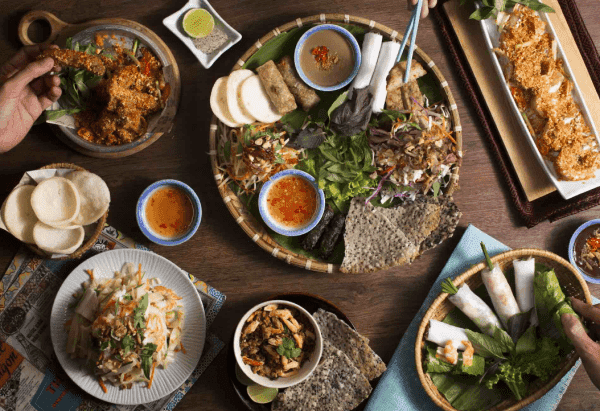
A Hanoi food tour is a guided culinary experience that introduces travelers to the city’s street food, local dishes, markets, cafés, family-run eateries, and food culture.
It may include walking through the Old Quarter, tasting signature dishes, learning how locals eat, visiting markets, trying Vietnamese coffee, and discovering hidden food alleys. Depending on the traveler’s style, a Hanoi food tour can be private, small-group, evening-focused, family-friendly, vegetarian-friendly, market-based, photography-friendly, or fully customized.
In simple terms, a Hanoi food tour is a guided street food experience that helps travelers taste local dishes such as pho, bun cha, banh mi, banh cuon, cha ca, sticky rice, fresh spring rolls, local desserts, and egg coffee while learning about Hanoi’s food culture, markets, neighborhoods, and daily eating habits.
Food Tour vs Eating Around Hanoi Alone
Eating independently gives travelers flexibility, but it can also be confusing for first-time visitors. Menus may not always have English translations. Seating styles can feel unfamiliar. Some dishes contain hidden ingredients such as pork broth, fish sauce, shrimp paste, peanuts, or seafood. Hygiene and food safety can also be hard to judge without local knowledge.
A guided food tour helps travelers choose trusted places, understand dishes, avoid tourist traps, and try more variety in less time. Instead of guessing what to order, travelers can follow a route designed around flavor, safety, local value, and cultural context.
A local guide can also explain how each dish fits into Hanoi’s culture and daily rhythm. This turns a simple meal into a deeper travel experience.
Why Hanoi Street Food Is Special
Hanoi food is known for balance, freshness, herbs, noodles, broths, grilled meats, dipping sauces, and simple but precise flavors.
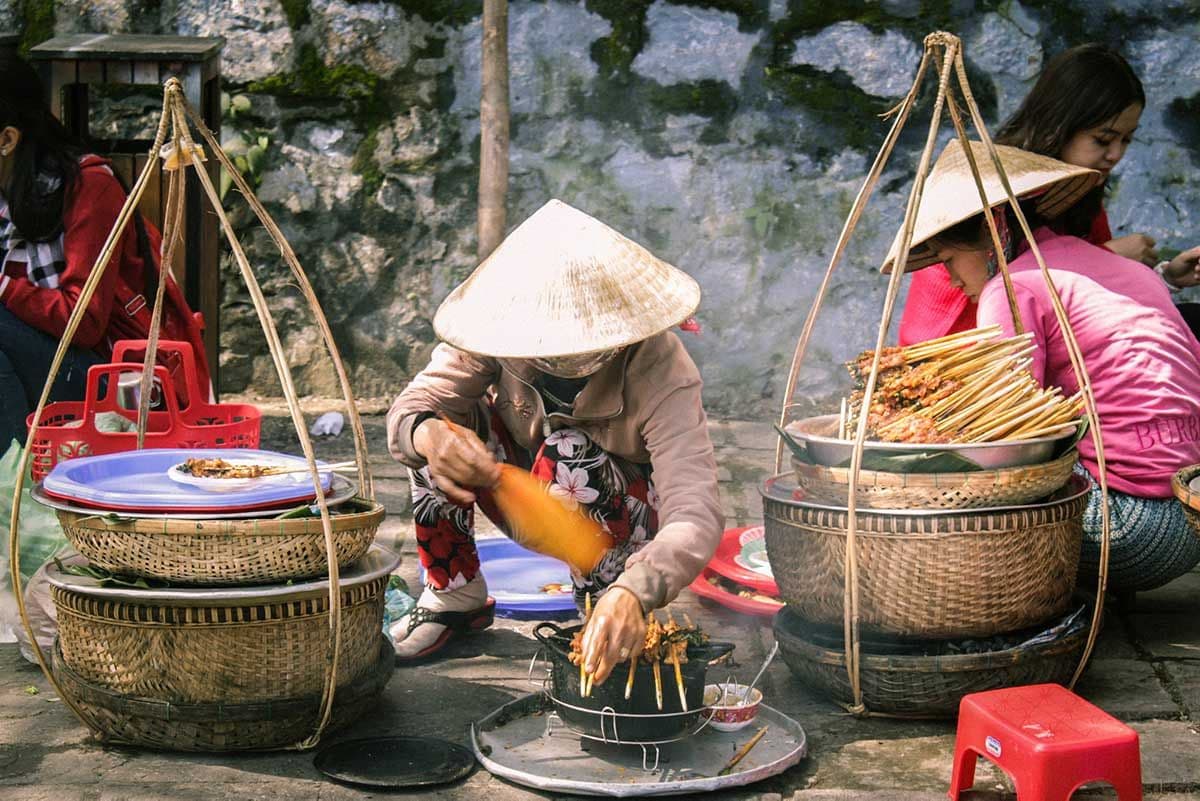
Many dishes are served in casual local spaces rather than formal restaurants. A bowl of pho may be enjoyed at breakfast on a busy street corner. Bun cha may be served from a family-run shop with charcoal smoke drifting onto the sidewalk. Egg coffee may be hidden upstairs in an old café overlooking narrow streets.
A food tour helps travelers experience the city through taste, smell, street sounds, and local interaction. That is why food is often one of the most memorable parts of visiting Hanoi.
Why Take a Hanoi Food Tour?
It Helps First-Time Visitors Feel Confident
Hanoi street food can feel exciting but overwhelming. There are many dishes, vendors, signs, smells, and crowds, especially in the Old Quarter.
A food tour helps travelers understand what to order, how to eat each dish, where to sit, and how to move between food stops. This is especially useful on the first or second day in the city because travelers can learn the basics before exploring more on their own.
After a guided food tour, visitors often feel more confident choosing meals during the rest of their Hanoi stay.
It Gives Better Local Context
A good food tour explains ingredients, cooking methods, regional differences, family recipes, and the story behind each dish.
Travelers can learn why pho is often eaten in the morning, why bun cha is popular for lunch, how dipping sauces are balanced, and why herbs are so important in Vietnamese cuisine. They can also understand how Hanoi food differs from dishes in Hue, Hoi An, Da Nang, or Ho Chi Minh City.
This cultural context makes each tasting more meaningful.
It Saves Time and Reduces Guesswork
Instead of searching online for every meal, travelers can taste several trusted dishes in one route.
This is especially helpful for travelers with limited time. A well-designed food tour can include noodles, grilled dishes, snacks, desserts, and coffee without requiring travelers to plan every stop themselves.
FtripAsia can customize food stops based on traveler interests, comfort level, dietary needs, and preferred pace.
It Combines Food with Neighborhood Discovery
Hanoi food tours often include the Old Quarter, local markets, hidden alleys, lakeside streets, coffee shops, and night food areas.
This means travelers get both food and city orientation in one experience. They can learn where locals eat, how neighborhoods change from day to night, and how food connects to Hanoi’s old streets and daily life.
It Makes the Trip More Memorable
Food is often what travelers remember most from Hanoi.
A guided food tour turns simple meals into cultural stories and personal travel moments. Travelers do not just eat pho or bun cha; they learn how locals enjoy these dishes, why the flavors matter, and where the dish fits into the rhythm of the city.
Who Should Book the Best Hanoi Food Tour?
First-Time Visitors to Hanoi
A Hanoi food tour is best for first-time visitors who want a safe, easy, and delicious introduction to local food.
It helps them understand menus, street food etiquette, common ingredients, local eating times, and food culture for the rest of the trip.
Food Lovers and Culinary Travelers
Food lovers will enjoy a tour that goes beyond basic sightseeing.
A strong food route can focus on street food, markets, sauces, herbs, noodles, coffee, desserts, and food history. Culinary travelers may also want to add a cooking class or market visit for a deeper food experience.
Couples and Honeymooners
Couples can enjoy romantic evening walks, shared tastings, hidden cafés, local desserts, and private food routes.
A private food tour can feel relaxed, fun, and intimate, especially when paired with Hoan Kiem Lake, quiet cafés, or a gentle Old Quarter evening route.
Families with Children
Families should choose food tours with kid-friendly dishes, mild flavors, clean stops, flexible pacing, and shorter walking sections.
Good options may include pho, banh mi, fresh rolls, desserts, fruit, and egg coffee alternatives for children. A family-friendly food tour should feel fun, safe, and easy, not too adventurous too quickly.
Senior Travelers
Senior travelers may prefer trusted food stops, comfortable pacing, fewer stairs, shorter walks, and private transfers if needed.
Some street food places have low stools and busy seating areas, which may not be suitable for everyone. A private route can help adjust food stops based on comfort.
Vegetarian Travelers
Vegetarian travelers can enjoy vegetarian pho, tofu dishes, fresh rolls, vegetable noodles, local desserts, coffee, and market stops.
However, ingredient checks are important. Some dishes that look vegetarian may still include fish sauce, meat broth, shrimp paste, or animal-based seasoning. A guided tour can help confirm ingredients in advance.
Muslim and Jewish Travelers
Muslim and Jewish travelers may need ingredient transparency, seafood-free or pork-free planning, halal-friendly preferences, kosher-conscious requests, prayer-time awareness, and cultural sensitivity.
FtripAsia has experience supporting niche markets such as Muslim and Jewish travelers, which can help make Hanoi food tours more comfortable and carefully planned.
Best Dishes to Try on a Hanoi Food Tour
Pho
Pho is one of Vietnam’s best-known dishes and a must-try in Hanoi.
A good bowl includes aromatic broth, rice noodles, beef or chicken, herbs, lime, chili, and local condiments. Pho is often enjoyed for breakfast or early lunch, though it can be found throughout the day.
On a food tour, travelers can learn how locals adjust the flavor with lime, chili, garlic vinegar, or herbs.
Bun Cha
Bun cha is one of Hanoi’s most iconic street foods.
It includes grilled pork patties or slices, rice noodles, herbs, pickled vegetables, and a sweet-savory dipping sauce. The smoky flavor from grilled pork makes it especially memorable.
Bun cha is best for lunch or dinner and is a strong choice for travelers who want a dish that feels deeply local.
Banh Mi
Banh mi is a quick and flavorful street food stop.
It usually includes a crispy baguette, fillings, herbs, pickles, sauces, and regional variations. In Hanoi, banh mi can be simple or creative depending on the stall.
It works well for short food tours or lighter tasting routes.
Banh Cuon
Banh cuon is made from steamed rice rolls filled with minced ingredients and served with herbs, fried shallots, and dipping sauce.
It is soft, delicate, and commonly eaten for breakfast. This dish helps travelers discover a lighter side of Hanoi cuisine beyond grilled meats and noodle soups.
Cha Ca
Cha ca is a famous Hanoi fish dish with turmeric, dill, herbs, noodles, peanuts, and dipping sauce.
It is a strong option for travelers who want a deeper local specialty. Because it usually requires more time than quick street snacks, it works best in a longer or premium food tour.
Xoi
Xoi, or sticky rice, can be served sweet or savory.
It is often eaten for breakfast, as a snack, or as a filling local meal. Travelers may find versions with mung beans, fried shallots, chicken, pork floss, corn, or sweet toppings.
Xoi helps travelers understand the important role of rice in Vietnamese daily food.
Nem Ran or Fresh Spring Rolls
Nem ran, or fried spring rolls, offer crisp texture and dipping sauce.
Fresh spring rolls are lighter and herb-focused. Both are good for families, first-time visitors, and travelers who want approachable Vietnamese dishes.
These dishes are also useful for understanding how Vietnamese food balances texture, herbs, dipping sauce, and freshness.
Bun Thang or Bun Rieu
Bun thang and bun rieu are deeper noodle soup options for travelers who want to explore beyond pho.
Bun thang is delicate and layered, often associated with careful preparation. Bun rieu is tomato-crab based and more tangy, with a stronger flavor profile.
These dishes are good for more adventurous food lovers.
Local Desserts
Local desserts can include che, sweet soup, sticky rice desserts, seasonal fruit, local cakes, or ice cream.
A dessert stop is a good way to end a street food route. It also gives travelers a chance to experience Hanoi’s sweeter side.
Egg Coffee
Egg coffee is a signature Hanoi coffee experience made with strong coffee and creamy egg foam.
It is rich, sweet, and memorable. For many travelers, egg coffee is one of the most surprising highlights of a Hanoi food tour.
It works well as a final café stop or afternoon break.
Best Areas for Authentic Hanoi Street Food
Hanoi Old Quarter
The Old Quarter is the most popular area for first-time food tours.
It offers narrow streets, family-run shops, markets, cafés, local snacks, noodle stalls, and evening food energy. It is especially good for walking food tours and street food photography.
Because the area is dense and lively, a guide can help travelers move safely and choose better stops.
Hoan Kiem Area
The Hoan Kiem area is convenient for travelers staying centrally.
It is easy to combine with Hoan Kiem Lake, Ngoc Son Temple, cafés, dessert shops, and Old Quarter food routes. This area works well for travelers who want food and light sightseeing together.
Dong Xuan Market Area
The Dong Xuan Market area is good for market food, snacks, local ingredients, and busy street scenes.
It is best visited with a guide who can explain ingredients and help travelers choose safer, suitable tastings. This area is especially interesting for food lovers and photographers.
French Quarter and Nearby Local Streets
The French Quarter offers a calmer contrast to the Old Quarter.
It is good for coffee, local restaurants, architecture, and more comfortable food stops. Travelers who prefer a less crowded route may enjoy combining food with colonial streets and café culture.
West Lake Area
West Lake is good for travelers who want a slower food route with cafés, lakeside views, and selected local restaurants.
It is suitable for private or comfort-focused food tours, especially for couples, seniors, or travelers who prefer a quieter atmosphere.
Local Neighborhood Food Routes
Local neighborhood food routes are better for travelers who want less touristy experiences.
They can include family-run stalls, residential markets, breakfast dishes, and local-only snacks. FtripAsia can customize hidden local food routes based on comfort level and traveler preferences.
Best Types of Hanoi Food Tours
Hanoi Old Quarter Street Food Tour
Best for first-time visitors.
This tour focuses on classic street food, local alleys, Old Quarter atmosphere, and signature dishes in one route. It is the easiest introduction to Hanoi street food.
Hanoi Evening Food Tour
Best for travelers who want lively street food energy.
An evening food tour can include dinner stops, night streets, local snacks, desserts, and coffee. The Old Quarter feels especially atmospheric at night.
Private Hanoi Food Tour
Best for couples, families, seniors, and travelers with dietary needs.
A private tour offers flexible pacing, customized dishes, private guide support, and better comfort. It is also useful for travelers who want to avoid overly crowded stops.
Hanoi Market and Food Tour
Best for food lovers and culture travelers.
This tour combines local market discovery, ingredient education, snacks, and authentic eating habits. It helps travelers understand where Hanoi food begins before it reaches the table.
Hanoi Coffee and Dessert Tour
Best for slow travelers, couples, and café lovers.
This type of tour can include egg coffee, Vietnamese coffee styles, local sweets, cafés, and soft cultural storytelling. It is a gentle way to experience Hanoi’s food culture without a heavy meal route.
Vegetarian Hanoi Food Tour
Best for plant-based travelers.
A vegetarian food tour can include vegetarian-friendly dishes, ingredient checks, tofu, fresh rolls, noodles, desserts, and coffee. Because hidden ingredients are common, careful planning is important.
Family-Friendly Hanoi Food Tour
Best for parents with children.
This route should include safe food stops, mild flavors, short walks, flexible timing, and kid-friendly tastings. It should be enjoyable without overwhelming children.
Premium Hanoi Culinary Tour
Best for luxury travelers and serious food lovers.
A premium culinary route may include curated food stops, deeper storytelling, refined pacing, private transfers, and selected local specialties.
Hanoi Food and Cooking Class Combination
Travelers can start with a food tour or market visit, then join a cooking class to learn how dishes are prepared.
FtripAsia can combine street food tours with cooking classes, market visits, and local workshops for a deeper culinary day.
Suggested Hanoi Food Tour Itineraries
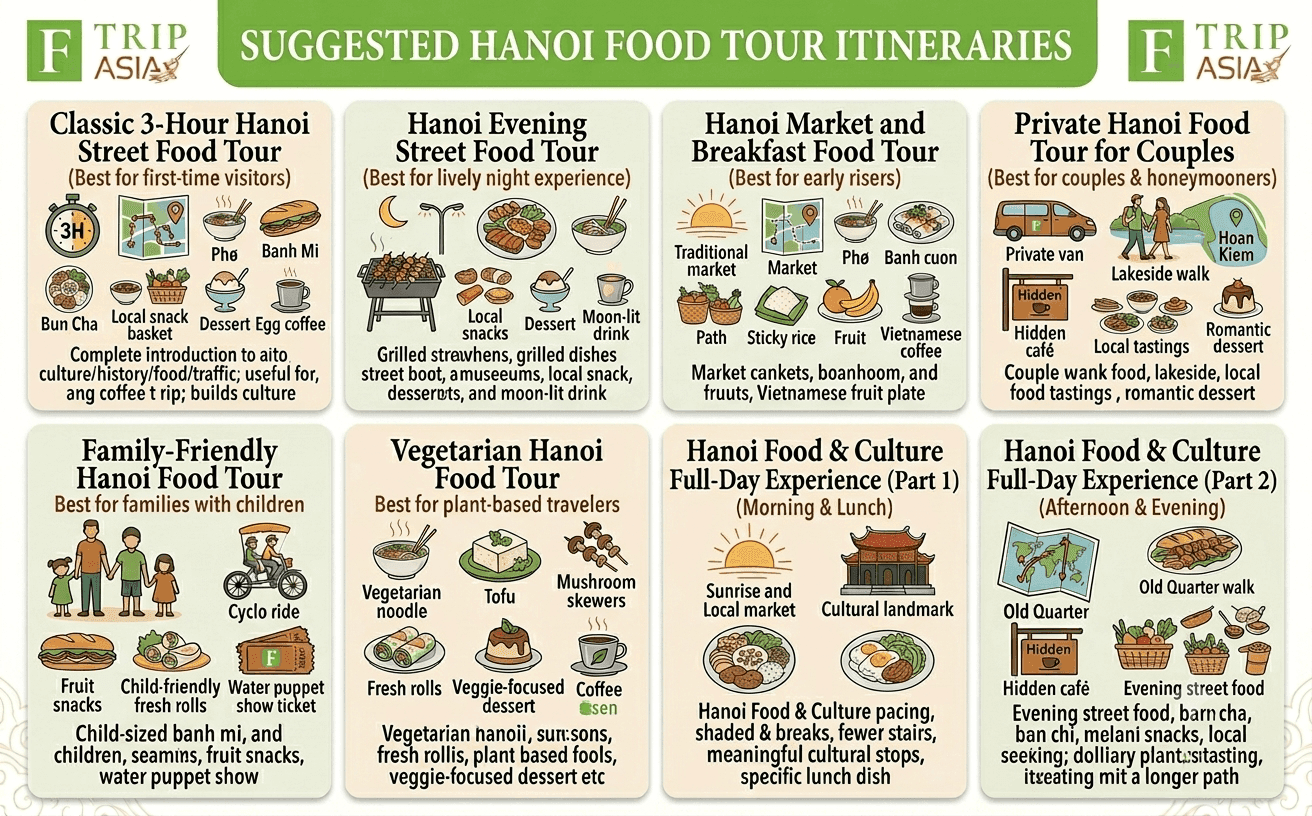
Classic 3-Hour Hanoi Street Food Tour
Route idea: Old Quarter walk – pho or bun cha – banh mi – local snack – dessert – egg coffee
Best for first-time visitors.
This route gives travelers essential Hanoi flavors in a compact and easy format. It works well for travelers who want a quick but meaningful food introduction.
Hanoi Evening Street Food Tour
Route idea: Old Quarter dinner route – grilled dishes – noodles – local snacks – dessert – coffee or local drink
Best for travelers who want a lively night experience.
This route focuses on street energy, casual eating, local flavors, and evening atmosphere.
Hanoi Market and Breakfast Food Tour
Route idea: local market – pho or banh cuon – sticky rice – fruit tasting – Vietnamese coffee
Best for early risers and food culture travelers.
This route highlights morning local life, ingredients, breakfast habits, and coffee culture.
Private Hanoi Food Tour for Couples
Route idea: curated street food stops – hidden café – dessert – Hoan Kiem evening walk
Best for couples and honeymooners.
This route creates romantic pacing, shared tastings, local stories, and relaxed timing.
Family-Friendly Hanoi Food Tour
Route idea: pho or banh mi – mild snack – fresh rolls – dessert – short Old Quarter walk
Best for families with children.
This route offers safe, approachable flavors with flexible pacing and short walking sections.
Vegetarian Hanoi Food Tour
Route idea: vegetarian noodle dish – tofu or mushroom stop – fresh rolls – local dessert – coffee
Best for plant-based travelers.
This route gives ingredient-aware food discovery without sacrificing local flavor.
Hanoi Food and Culture Full-Day Experience
Route idea: morning market – cultural landmark – lunch dish – Old Quarter food walk – coffee – evening street food extension
Best for travelers who want food plus sightseeing.
This route connects Hanoi’s cuisine, history, neighborhoods, and daily life in one immersive day.
How to Choose the Best Hanoi Food Tour?
Check Whether the Tour Is Truly Local
Look for routes that include family-run stalls, local markets, hidden alleys, and dishes locals actually eat.
Avoid tours that only stop at tourist-heavy restaurants. Authentic food tours should feel connected to daily Hanoi life.
Review the Dish List
A strong Hanoi food tour should include a mix of noodles, grilled dishes, snacks, coffee, dessert, and fresh elements.
Travelers can ask whether the route includes pho, bun cha, banh cuon, banh mi, local sweets, and egg coffee.
Ask About Food Safety
Choose trusted stops with high turnover, fresh ingredients, clean preparation, and local guide knowledge.
Food safety is especially important for families, seniors, and first-time visitors. A local guide can help choose places that are both authentic and more reliable.
Confirm Dietary Flexibility
Travelers should ask about vegetarian needs, allergies, seafood-free options, pork-free requests, halal-friendly preferences, kosher-conscious planning, and spice tolerance.
Dietary needs should be shared before booking so the route can be planned properly.
Choose the Right Time of Day
Morning is good for markets, breakfast dishes, and coffee.
Lunch works well for pho, bun cha, rice dishes, and local noodles. Evening is best for street food energy, snacks, desserts, and night atmosphere. Late afternoon is good for coffee, lighter tastings, and an Old Quarter walk.
Consider Walking Distance
Food tours often involve walking and standing.
Families, seniors, and travelers with mobility needs may prefer private tours with shorter routes or transport support. Comfortable pacing can make the experience much more enjoyable.
Decide Between Group and Private Food Tour
Group tours can be social and budget-friendly.
Private tours are better for customized dishes, dietary needs, families, couples, and slower pacing. For travelers with specific food concerns, private routing usually offers better value.
Work with a Local Vietnam Expert
A local planner can match food routes to taste, safety, dietary needs, comfort level, and wider itinerary.
FtripAsia is a 100% local team with 7+ years of experience designing authentic Vietnam food experiences.
Why Hanoi Food Tours Are Popular?
Food Is Now a Major Travel Motivation
Travelers increasingly plan trips around local dishes, markets, street food, coffee, and cooking experiences.
Hanoi fits this trend because its food culture is accessible, diverse, and deeply tied to local identity. Food is one of the easiest ways to understand the city.
Travelers Want Authentic, Local-Led Experiences
Modern travelers want to eat where locals eat, understand ingredients, and hear the stories behind dishes.
A guided food tour helps connect flavor with culture. Instead of only tasting dishes, travelers learn how food reflects family life, neighborhood habits, and local history.
Street Food Needs Trust and Guidance
Travelers want authentic food but also want to feel safe and confident.
Local guides help choose reliable stalls, explain ingredients, and avoid confusion. This is one reason guided food tours remain popular, especially for first-time visitors.
Private and Dietary-Friendly Food Tours Are Growing
More travelers need vegetarian, allergy-aware, halal-friendly, kosher-conscious, seafood-free, or child-friendly food planning.
This trend fits FtripAsia, which can customize Hanoi food tours based on dietary needs and comfort level.
Coffee and Dessert Experiences Are Becoming More Popular
Travelers increasingly treat Vietnamese coffee, egg coffee, coconut coffee, and local desserts as essential parts of Hanoi food culture.
Coffee stops also make food tours feel more relaxed and memorable, especially for couples, solo travelers, and slow-travel visitors.
Why Choose FtripAsia for the Best Hanoi Food Tour?
Fully Customizable Based on Your Taste and Comfort Level
FtripAsia can customize Hanoi food tours based on favorite dishes, dietary needs, walking comfort, market interest, coffee preferences, family needs, luxury preferences, and travel pace.
Travelers can choose classic street food routes, private food tours, vegetarian-friendly routes, family-friendly tastings, market tours, coffee experiences, or food-and-culture combinations.
100% Local People with 7+ Years of Experience
FtripAsia is operated by local people who understand Hanoi’s food culture, neighborhoods, market habits, trusted food stops, street food etiquette, and traveler expectations.
With 7+ years of experience, the team can design food tours that feel authentic, safe, smooth, and memorable.
Experience with Niche Markets Like Muslims and Judaism
Support may include ingredient checks, pork-free planning, seafood-free planning, halal-friendly preferences, kosher-conscious requests, cultural sensitivity, and daily schedule adjustments.
This is helpful for travelers who need careful food planning.
Unique Experiences Travelers Cannot Easily Find Elsewhere
Travelers can request photography tours, hidden local food routes, market-to-table activities, craft and cooking workshops, seasonal cultural activities, and local neighborhood experiences.
These options help make the food tour more personal and different from a standard route.
Partnerships with Local Workshops and Daily Experiences
FtripAsia works with local experiences such as cooking classes, craft workshops, local market visits, coffee experiences, home-style dining, and cultural activities.
These partnerships help turn a Hanoi food tour into a richer culinary and cultural experience.
Enthusiastic, Knowledgeable, and Friendly Service
FtripAsia receives high praise from tourists for enthusiastic, knowledgeable, and friendly service.
This matters because the best food tours depend on trust, local knowledge, smooth pacing, dietary communication, and friendly storytelling.
Sample Cost Factors for a Hanoi Food Tour
Private vs Group Format
Private tours cost more but offer flexibility, dietary support, and personalized pacing.
Group tours may be more affordable and social. The better choice depends on budget, food needs, and travel style.
Tour Duration
Short tasting tours usually cost less.
Longer food-and-culture routes or full-day culinary experiences cost more because they include more stops, planning, and guide time.
Number of Food Stops
More tastings, drinks, desserts, and premium dishes can affect the price.
Travelers should check whether the tour includes full portions, small tastings, drinks, desserts, and coffee.
Guide Type
Guide type can affect cost.
Options may include a general food guide, culinary specialist, market guide, family-friendly guide, photography-aware guide, or dietary-support guide.
Transportation
Walking tours are common in the Old Quarter.
Private vehicles, taxis, cyclos, or premium transport may add cost, but they can improve comfort for families, seniors, or longer routes.
Dietary Customization
Vegetarian, allergy-aware, halal-friendly, kosher-conscious, seafood-free, or child-friendly planning may require more coordination.
Travelers with specific dietary needs should share details early.
Add-On Experiences
Cooking classes, market tours, coffee workshops, dessert routes, craft activities, or private dining can increase the final quote.
These add-ons can make the food tour more immersive when selected carefully.
Best Time to Take a Hanoi Food Tour
Morning Food Tour
Morning is best for markets, pho, banh cuon, sticky rice, and coffee.
It is a good choice for travelers who want to understand local breakfast culture and see Hanoi waking up.
Lunch Food Tour
Lunch is best for bun cha, pho, rice dishes, noodles, and market-area meals.
This is a practical time for travelers who want classic Hanoi dishes without staying out late.
Evening Food Tour
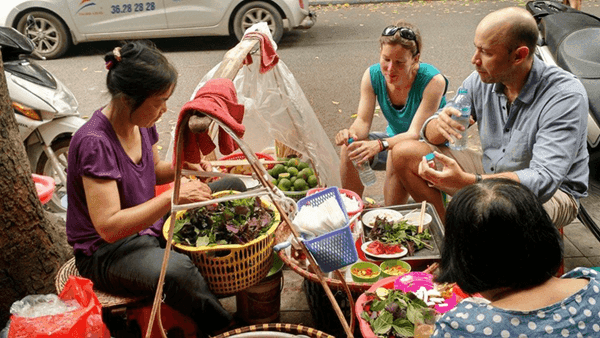
Evening is best for lively street food, grilled dishes, snacks, desserts, and Old Quarter atmosphere.
It is a good choice for first-time visitors who want night energy and a social food experience.
Best Overall Months
October to April is often comfortable for walking food tours.
May to September can be hotter and more humid, so shorter routes, shaded stops, and indoor cafés are helpful.
Best Time for Coffee and Desserts
Afternoon and evening are good for egg coffee, coconut coffee, local sweets, and relaxed café stops.
Coffee stops can also help balance walking and eating.
Practical Tips Before Booking a Hanoi Food Tour
Come Hungry but Not Starving
Food tours include multiple tastings.
A light meal earlier in the day may be better than arriving overly hungry. This helps travelers enjoy each stop without feeling uncomfortable too quickly.
Wear Comfortable Shoes
Hanoi food tours often involve walking through busy streets, alleys, markets, and uneven sidewalks.
Comfortable shoes make the experience easier and more enjoyable.
Bring Small Essentials
Travelers should carry water, hand sanitizer, tissues, weather-appropriate clothing, and a light bag.
A phone or camera is useful for food photos, but travelers should still stay aware of traffic and crowds.
Share Dietary Needs Early
Travelers should mention vegetarian needs, allergies, halal-friendly preferences, kosher-conscious requests, pork restrictions, seafood restrictions, spice tolerance, or child-friendly food needs.
Early communication allows the route to be adjusted properly.
Ask About Spice and Ingredients
Some dishes may include fish sauce, pork, shrimp paste, peanuts, gluten, or meat broth.
Ingredient transparency matters for comfort and safety, especially for travelers with allergies or religious food requirements.
Be Open to Local Seating
Authentic street food may involve small stools, simple tables, and casual settings.
Travelers who need more comfort should request adjusted stops. A private tour can help balance authenticity and comfort.
Respect Local Vendors
Travelers should ask before taking close-up photos.
They should also follow the guide’s advice on ordering, seating, and payment etiquette. Respectful behavior helps create a better experience for both visitors and local vendors.
Add Food Tour Early in the Trip
Taking a food tour early helps travelers understand what to order during the rest of their Hanoi stay.
FtripAsia can help place the food tour at the right point in a wider Vietnam itinerary.
Plan the Best Hanoi Food Tour with FtripAsia
A Street Food Experience Designed Around You
FtripAsia is a strong choice for travelers who want the best Hanoi food tour to feel authentic, safe, flexible, and deeply local.
The team can design private food tours, Old Quarter street food routes, market-based experiences, vegetarian-friendly tours, family-friendly tastings, coffee routes, cooking class add-ons, photography food walks, and full Hanoi culinary days.
Why Food Travelers Choose FtripAsia
Travelers choose FtripAsia because the itineraries are completely customizable and supported by a 100% local team with 7+ years of experience.
The team also has experience with Muslim and Jewish travelers, offers unique tours such as photography experiences, cooperates with local workshops and cooking classes, and provides enthusiastic, knowledgeable, and friendly support before and during the trip.
For travelers who want to taste Hanoi like a local, FtripAsia can help design a Hanoi food tour based on favorite dishes, dietary needs, walking comfort, schedule, and dream street food experiences.
FAQs
Is a Hanoi food tour worth it?
Yes. A Hanoi food tour is worth it for travelers who want to taste authentic street food, understand local dishes, avoid confusing menus, and explore trusted food stops with a local guide.
What foods should I try on a Hanoi food tour?
Must-try foods include pho, bun cha, banh mi, banh cuon, cha ca, sticky rice, fresh spring rolls, local desserts, and egg coffee.
Which area is best for a Hanoi food tour?
The Old Quarter is the best area for first-time food tours because it offers many street food stops, cafés, markets, snacks, and local dining scenes within a compact walking area.
Is Hanoi street food safe for tourists?
Hanoi street food can be safe when travelers choose busy, trusted places with high food turnover and fresh preparation. A local guide can help identify better stops and avoid risky choices.
Can a Hanoi food tour support vegetarian or special dietary needs?
Yes, with advance planning. Travelers should share vegetarian needs, allergies, halal-friendly preferences, kosher-conscious requests, pork restrictions, seafood restrictions, or spice tolerance before booking.
Is a Hanoi food tour suitable for families?
Yes. A Hanoi food tour can be family-friendly when it includes mild dishes, safe stops, short walking sections, desserts, and flexible pacing.
Why choose FtripAsia for the best Hanoi food tour?
FtripAsia helps travelers arrange customized Hanoi food tours with local insight, trusted food stops, dietary support, market visits, coffee experiences, cooking class add-ons, and flexible planning.
Conclusion
The best Hanoi food tour should combine authentic street food, local stories, safe food stops, market culture, coffee experiences, and enough flexibility to match each traveler’s taste and comfort level. Hanoi’s food scene is not only about eating famous dishes. It is about understanding how people live, gather, cook, shop, and share meals every day.
The main benefits include pho, bun cha, banh mi, banh cuon, egg coffee, local desserts, Old Quarter food alleys, market visits, family-run stalls, and guide-led cultural context.
For travelers who want Hanoi’s street food to feel authentic, delicious, safe, and beautifully organized, FtripAsia can help design a food tour with the right dishes, trusted stops, dietary support, local stories, and pacing for your Vietnam journey.


Founder & Photography Guide
Specialties: Culture, landscape, portrait, hiking, active and adventurous tour
Besides my unlimited passion for traveling, a professional tour guide for over a decade, I have been taking photographs since sitting at Hanoi of the University of Culture in the early 2000s. Photography started as a hobby but it was seriously taken due to my work relations and my significant passion for the beauty of our world, especially in Southeast Asian parts such as Vietnam, Laos, Cambodia, and Myanmar.
Within a few years of taking photographs, my works began to be recognized by many reliable international publications such as AFAR Travel, The Times, and The Daily Telegraph newspaper. In addition, I continuously add to my growing profile by winning numerous major awards: 3rd Position of The Independent Photographer 2018, 1st Position of Amateur Photographer of the year 2018, Grand Prize Winner of the AFAR Travel Photography 2019, and a Gold Award of San Francisco Bay International Photography 2020.
I photograph a wide variety of subjects, from travel to landscapes to street scenes. I enjoy documenting the East’s rich cultural heritage and its land soaked in glorious sunrise or sunset light in remote and secluded spots. And, I am very happy to share my knowledge and experience with you. You can visit Luminousvietnamtour to explore tour!