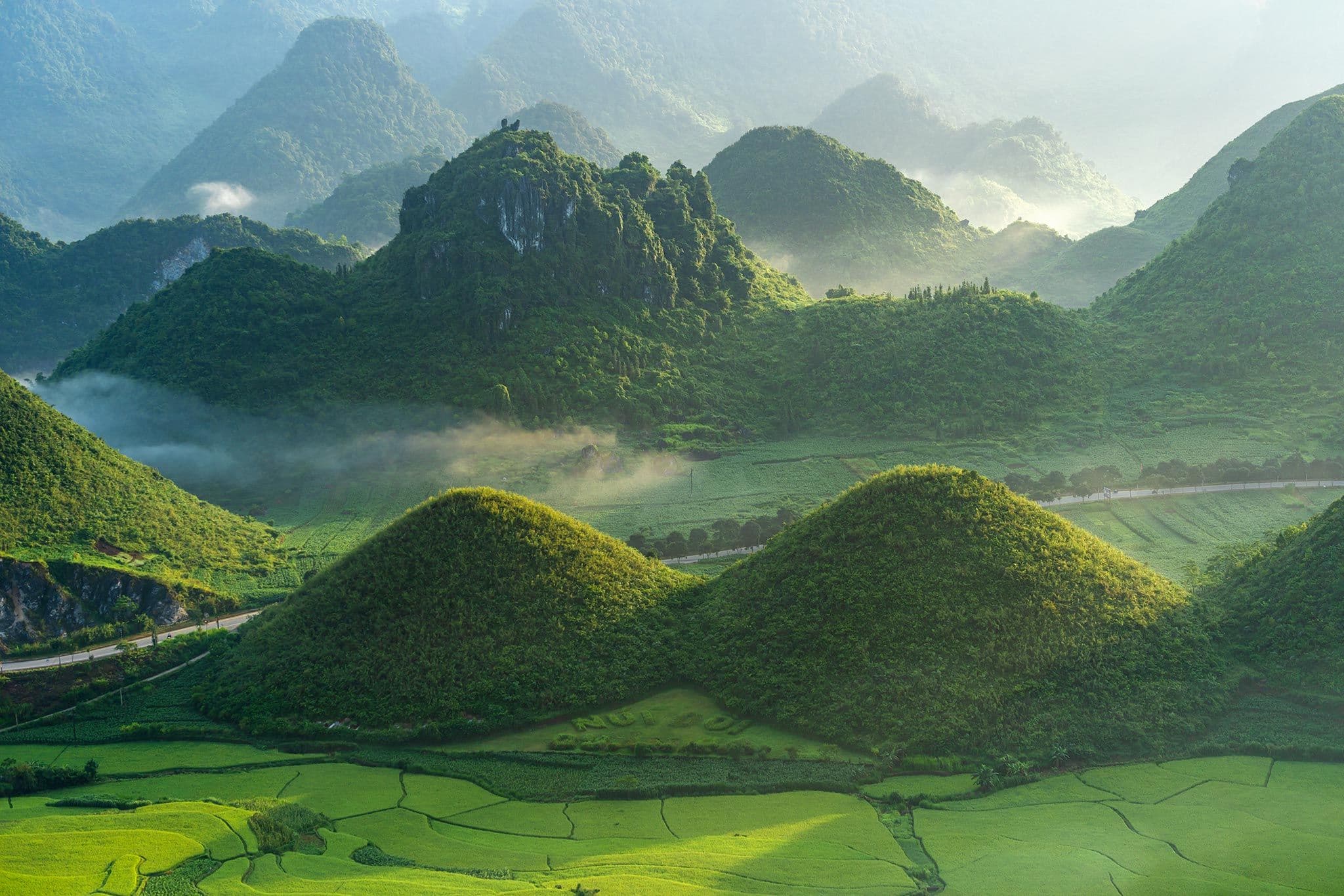
- What “Best Time” Really Means on the Ha Giang Loop
- Safer roads
- Better scenic payoff
- Festival value
- The Two Best Travel Windows
- March to May: Best for Comfort and Safer Riding Feel
- September to November: Best for Classic Views and Seasonal Scenery
- Festival-Focused Timing
- Long Tong Festival
- Khau Vai Love Market
- Buckwheat Flower Festival
- Scenic Calendar: What You’ll Actually See
- Spring: March to May
- Summer and Rain-Risk Season: May to September
- Autumn: September to November
- Winter: December to February
- Month-by-Month Cheat Sheet
- January to February
- March to April
- May
- June to August
- September
- October to November
- December
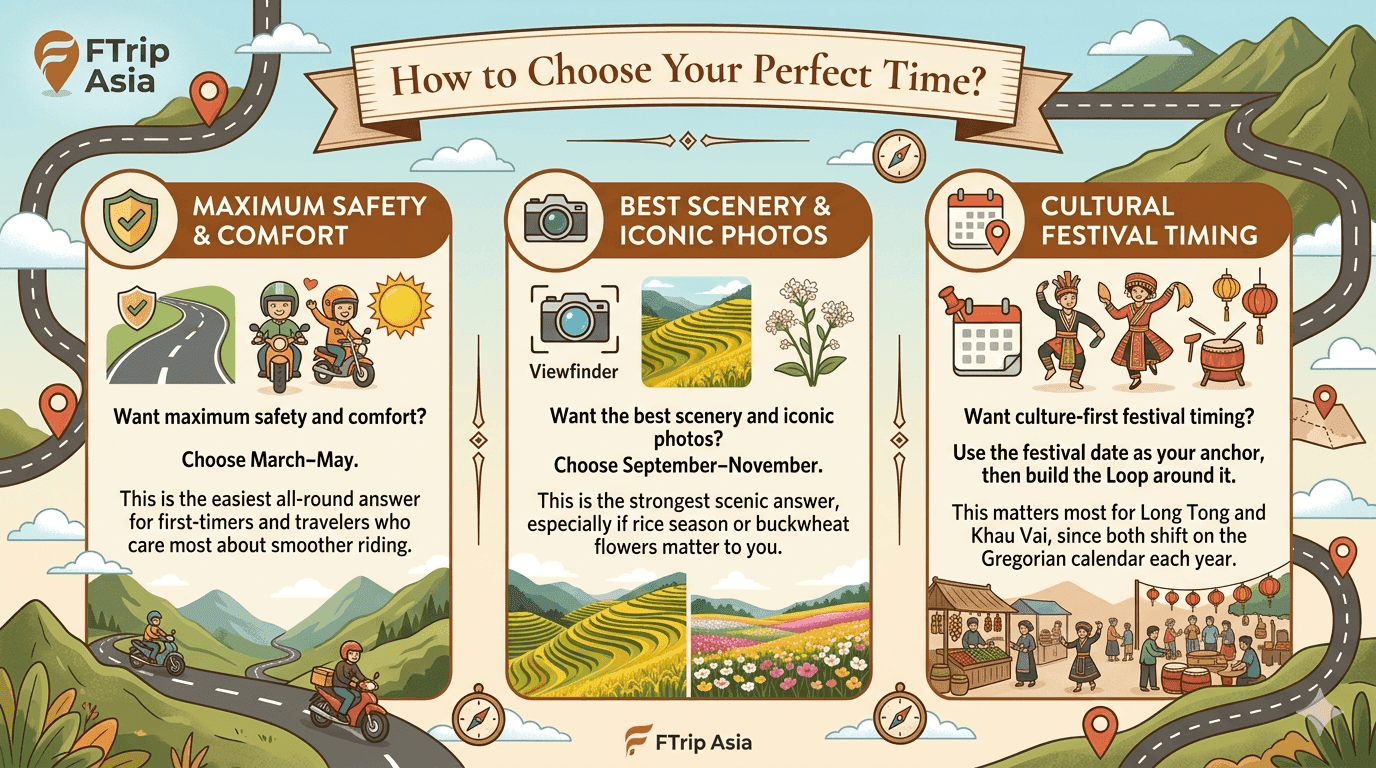
- How to Choose Your Perfect Time?
- Want maximum safety and comfort?
- Want the best scenery and iconic photos?
- Want culture-first festival timing?
- Planning Tips to Match Weather and Festivals
- FAQs
- What is the best month to do the Ha Giang Loop for clear views and safe roads?
- When is the Buckwheat Flower Festival in Ha Giang?
- When does the Khau Vai Love Market happen?
- What is the Long Tong Festival and when is it held?
- Is summer a bad time for the Ha Giang Loop?
- Conclusion
The best time to do the Ha Giang Loop depends on what matters most to you: safer roads and clearer visibility, cultural festival timing, or peak seasonal scenery. For most travelers, the strongest overall windows are March to May and September to November. Vietnam Airlines’ Vietnam guide highlights these shoulder seasons as some of the best periods for trekking and photography in Ha Giang, while Vietnam Tourism specifically points to September and October for golden rice-field scenery on the Loop.
If you want the short answer, use this rule: choose March–May for the easiest comfort-and-safety balance, or September–November for the most iconic scenery, especially golden rice and buckwheat flowers. Be more cautious with June–August, when northern Vietnam’s rainy season brings more humidity, heavier rain, slippery roads, and lower visibility in mountain areas like Ha Giang.
What “Best Time” Really Means on the Ha Giang Loop
Choosing the right season is not only about pretty weather. On the Ha Giang Loop, “best time” usually means three things.
Safer roads
Less rain means better grip, fewer slick corners, and a calmer ride. Current Ha Giang guides consistently recommend March–May and September–November for this reason.
Better scenic payoff
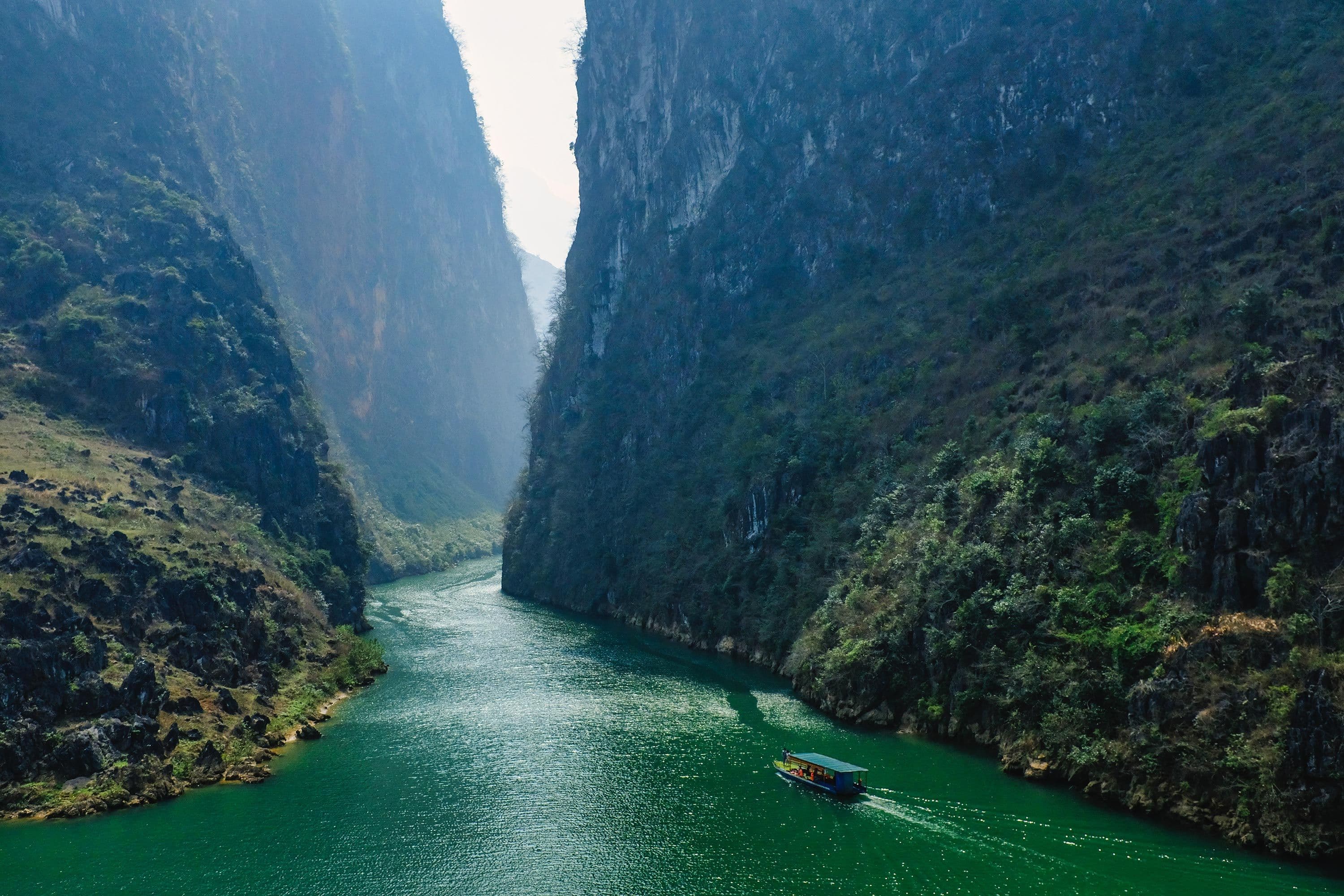
Season changes matter a lot in Ha Giang. September is strongly associated with golden rice-field views, while October and November are linked with buckwheat flowers across the Dong Van Highlands and Ma Pi Leng area.
Festival value
Some of Ha Giang’s best cultural experiences depend on the lunar calendar, not fixed Gregorian dates. That means festivals can be incredible anchors for a trip, but they need confirmation before booking.

The Two Best Travel Windows
March to May: Best for Comfort and Safer Riding Feel
This is one of the most beginner-friendly windows. Multiple Ha Giang guides describe spring as pleasant, with more comfortable temperatures and more reliable riding conditions than the wetter summer months. That makes it especially strong for first-timers, easy-rider tours, and travelers who care more about a smooth overall experience than one specific festival or harvest season.
Why this window works well:
- more comfortable temperatures
- better road confidence than summer
- good visibility potential
- strong conditions for photography and longer riding days
This is the best answer for travelers who want the Loop to feel more relaxed and less weather-dependent.
September to November: Best for Classic Views and Seasonal Scenery
This is the strongest window if you want Ha Giang to look like the photos. Travel sources repeatedly highlight September to November as a top period for the Loop, with September and October especially good for golden rice fields and October to November tied to buckwheat flower season.
Why this window stands out:
- strong scenic payoff
- usually comfortable temperatures
- high chance of the iconic “Ha Giang postcard” look
- festival overlap in autumn
If your priority is scenery first, autumn is usually the best answer.
Festival-Focused Timing
Long Tong Festival
Vietnam Tourism’s ethnic-culture page says the Long Tong Festival in Ha Giang is held on the eighth day of the first lunar month, especially associated with the Tay community in Quang Binh District. It is a spring agricultural festival focused on gratitude, community rituals, and hopes for a good harvest.
Why go:
- authentic early-year cultural atmosphere
- ritual and community energy
- good fit for travelers who want culture before scenery
Because it follows the lunar calendar, the Gregorian date changes every year, so it should always be confirmed before booking.
Khau Vai Love Market
Recent Ha Giang festival coverage says the Khau Vai Love Market is commonly held across the 25th to 27th day of the third lunar month, and 2026 coverage confirms it opened from April 25 to 27 that year. It is one of the region’s most distinctive cultural events and is strongly associated with Meo Vac.
Why go:
- unique cultural tradition
- especially rewarding for photographers and culture-focused travelers
- strong reason to time a Loop around late April in the right year
Again, the exact Gregorian dates shift each year because the event is lunar-calendar based.
Buckwheat Flower Festival
Vietnam Tourism says travelers can join the Ha Giang Buckwheat Flower Festival in the Dong Van Highlands and Ma Pi Leng Pass area until the end of November, and official 2024 festival coverage placed the event in November in Dong Van District.
Why go:
- signature Ha Giang seasonal look
- perfect match with Loop photography and scenic riding
- easiest festival to combine with classic autumn route planning
For many travelers, October to November is the best pairing for flowers plus road-trip scenery.
Scenic Calendar: What You’ll Actually See
Spring: March to May
Best for:
- comfortable riding
- balanced weather
- layered green mountains
- easier logistics for first-timers
The landscape is fresher and greener than in autumn, and the roads usually feel more forgiving than in peak wet season.
Summer and Rain-Risk Season: May to September
This stretch is often described as the trickiest for safer-road goals. Guides commonly frame May to September as the wetter season, with higher risk of slippery roads, fog, and changing visibility. It can still be lush and beautiful, but it is less forgiving.
If you must go in this period:
- choose an easy-rider or car-based option
- shorten daily distances
- keep your weather expectations flexible
Autumn: September to November
This is the strongest scenic season for many people:
- September: golden rice feeling
- October–November: buckwheat flowers and classic Loop atmosphere
This is the best match for travelers who want Ha Giang’s most iconic seasonal look.
Winter: December to February
Winter is cooler and moodier. It can be beautiful, but visibility and comfort become less predictable. This season works best for travelers who do not mind colder mornings and a less “easy mode” experience.
Month-by-Month Cheat Sheet
January to February
Cooler rides, possible festival timing around the first lunar month, and stronger cultural potential than scenic certainty. Long Tong may fall here depending on the lunar-to-Gregorian conversion.
March to April
One of the best comfort windows for most riders. Good road confidence, pleasant temperatures, and possible overlap with Khau Vai timing depending on the year.
May
Still workable, especially early in the month, but it sits closer to the broader rainy-season buildup.
June to August
The most difficult stretch for safer-road goals. Wetter, hotter, and more visibility-sensitive.
September
Top-tier for golden rice visuals and still one of the strongest all-round scenic months.
October to November
Best for buckwheat flowers, classic Ha Giang look, and strong overall Loop mood.
December
Cooler and quieter, with a more atmospheric but less predictable visual feel.
How to Choose Your Perfect Time?
Want maximum safety and comfort?
Choose March–May. This is the easiest all-round answer for first-timers and travelers who care most about smoother riding.
Want the best scenery and iconic photos?
Choose September–November. This is the strongest scenic answer, especially if rice season or buckwheat flowers matter to you.
Want culture-first festival timing?
Use the festival date as your anchor, then build the Loop around it. This matters most for Long Tong and Khau Vai, since both shift on the Gregorian calendar each year.
Planning Tips to Match Weather and Festivals
Protect major viewpoints for the morning, because visibility can change quickly in the mountains. This is especially important if you are traveling in shoulder or wetter months, when cloud and haze can build later. This is a practical planning inference supported by the strong seasonal emphasis on clearer windows rather than guaranteed all-day conditions.
If you are traveling around festivals, confirm the date early. Lunar-calendar festivals such as Long Tong and Khau Vai are not fixed on the Gregorian calendar, so waiting too long can mean missing the event or scrambling for accommodation.
Adding a buffer half-day is also smart if you travel in a shoulder or rainy period. That gives you room to adjust if visibility or road conditions change.
FAQs
What is the best month to do the Ha Giang Loop for clear views and safe roads?
There is not one single best month, but March, April, October, and November are among the strongest choices based on repeated guidance favoring spring and autumn.
When is the Buckwheat Flower Festival in Ha Giang?
It takes place in autumn, and Vietnam Tourism says travelers can join activities in the Dong Van Highlands and Ma Pi Leng area until the end of November. Official 2024 festival dates were in November.
When does the Khau Vai Love Market happen?
It is commonly held on the 25th to 27th day of the third lunar month, which often falls in April, but the exact Gregorian dates change yearly.
What is the Long Tong Festival and when is it held?
It is a Tay agricultural festival in Ha Giang, commonly held on the eighth day of the first lunar month.
Is summer a bad time for the Ha Giang Loop?
Not necessarily bad, but it is usually the least ideal if your priority is safer roads and easier visibility. It is hotter, wetter, and more weather-sensitive than spring or autumn.
Conclusion
If you want the best overall Ha Giang Loop best time of year, the strongest windows are March–May and September–November. Spring is the better comfort-first choice, while autumn is the stronger scenery-first choice, especially if you want golden rice or buckwheat flowers.
To add culture, plan around Long Tong or Khau Vai and confirm the lunar-calendar dates before you book. If your goal is the most iconic visual version of Ha Giang, October–November is usually the sweet spot.


Founder & Photography Guide
Specialties: Culture, landscape, portrait, hiking, active and adventurous tour
Besides my unlimited passion for traveling, a professional tour guide for over a decade, I have been taking photographs since sitting at Hanoi of the University of Culture in the early 2000s. Photography started as a hobby but it was seriously taken due to my work relations and my significant passion for the beauty of our world, especially in Southeast Asian parts such as Vietnam, Laos, Cambodia, and Myanmar.
Within a few years of taking photographs, my works began to be recognized by many reliable international publications such as AFAR Travel, The Times, and The Daily Telegraph newspaper. In addition, I continuously add to my growing profile by winning numerous major awards: 3rd Position of The Independent Photographer 2018, 1st Position of Amateur Photographer of the year 2018, Grand Prize Winner of the AFAR Travel Photography 2019, and a Gold Award of San Francisco Bay International Photography 2020.
I photograph a wide variety of subjects, from travel to landscapes to street scenes. I enjoy documenting the East’s rich cultural heritage and its land soaked in glorious sunrise or sunset light in remote and secluded spots. And, I am very happy to share my knowledge and experience with you. You can visit Luminousvietnamtour to explore tour!