- What the Ha Giang Loop Is — and What It Isn’t?
- Quick Planning Decisions: The 5 Choices That Shape Your Whole Trip
- 1. How many days
- 2. Travel style
- 3. Season
- 4. Your must-have moments
- 5. Comfort level
- How to Get to Ha Giang From Hanoi?
- Night bus
- Day bus or limousine
- Permits and Checkpoints: Avoid Surprise Stress
- Best Time to Do the Ha Giang Loop
- March–May
- September–November
- Wetter months
- Route Overview: The Classic Loop Logic
- Recommended Itineraries
- 3D2N: Highlights-First
- 4D3N: Complete First-Timer Journey
- 5D+: Full Experience Plus Hidden Stops
- The Hero Day You Must Protect: Dong Van → Meo Vac / Ma Pi Leng
- What to Do Beyond Viewpoints?
- Market mornings
- Homestay dinners
- River or gorge perspective
- Safety and Riding Reality
- Packing Checklist
- Budget Snapshot
- Booking Checklist
- FAQs
- What is the classic Ha Giang Loop route and which roads matter?
- How long does it take to get from Hanoi to Ha Giang City?
- Do foreigners need a permit for Ha Giang Loop checkpoints?
- How many days do I need for the full experience — 3, 4, or 5+?
- What is the Dong Van Karst Plateau UNESCO Global Geopark?
- Conclusion
Ha Giang feels like Vietnam’s edge of the map: limestone mountains, deep river gorges, remote towns, and roads that turn almost every hour into a viewpoint. It can also feel confusing at first. The distances look short, but the Loop rides slowly in real life because of curves, fog, weather swings, and constant stop temptation. The easiest way to make it manageable is to plan it as a sequence of sleep towns, not as one giant list of attractions. Vietnam’s official tourism site presents the classic Loop exactly that way: a four-day road trip that starts in Ha Giang City, heads northeast on QL4C, and returns southwest on QL34.
For first-timers, the cleanest plan is to anchor your days around Ha Giang City → Yen Minh → Dong Van → Meo Vac → return, and to treat Dong Van–Meo Vac / Ma Pi Leng as the protected highlight day. Much of the route’s iconic scenery sits inside the Dong Van Karst Plateau UNESCO Global Geopark, which is why the landscape feels so dramatically different from most of Vietnam. Current practical guides also commonly advise foreign travelers to carry a border travel permit on the classic route because checkpoint checks can happen in regulated border areas.
What the Ha Giang Loop Is — and What It Isn’t?
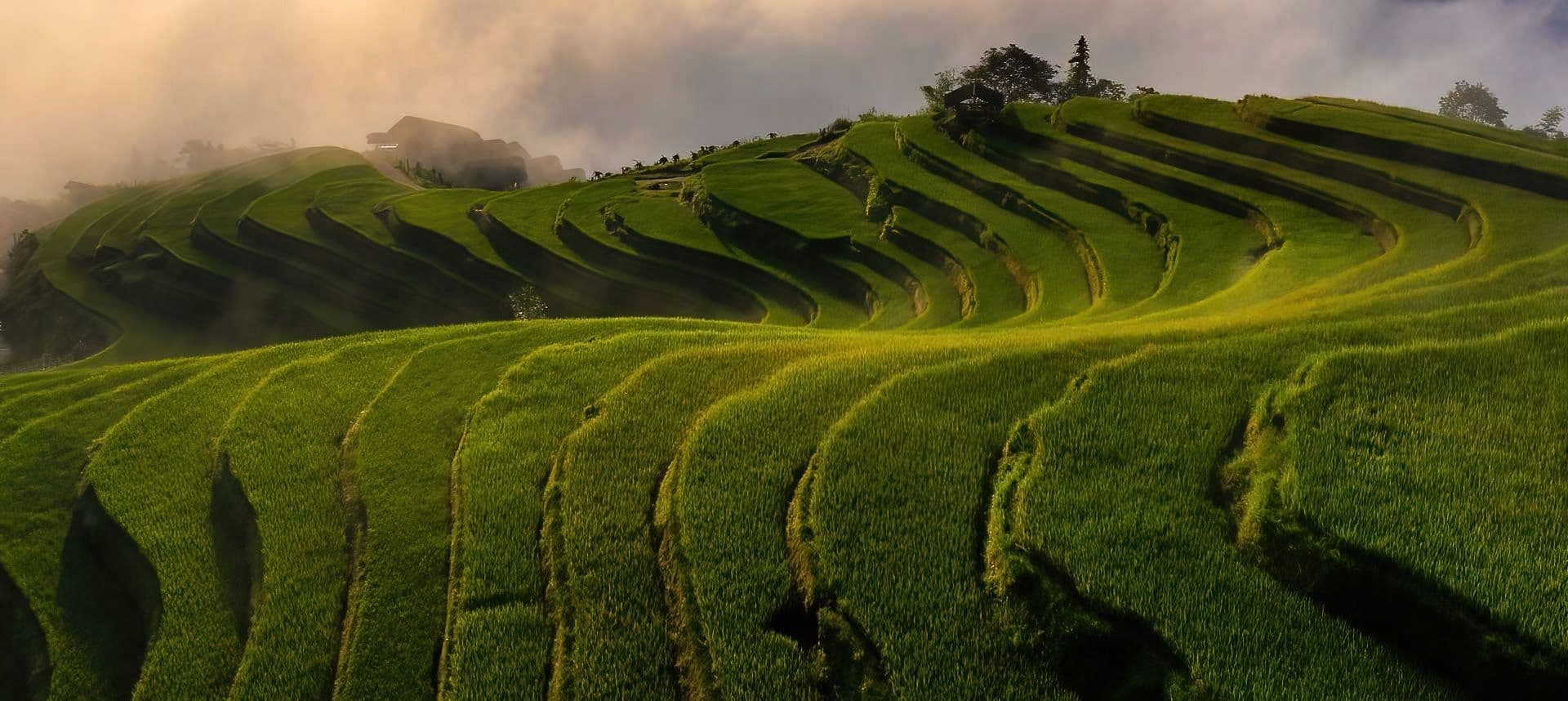
The Ha Giang Loop is a multi-day mountain road route, not one single attraction. It is best understood as a chain of riding days between small towns, with scenery and cultural stops unfolding along the way. Vietnam Tourism describes it as a road trip through Quan Ba, Yen Minh, Dong Van, and Meo Vac, crossing high passes and deep valleys.
The reason the scenery feels so extreme is geology. UNESCO identifies the Dong Van Karst Plateau UNESCO Global Geopark as being in Ha Giang Province, and the geopark covers the core districts that define the Loop’s most famous landscapes.
Quick Planning Decisions: The 5 Choices That Shape Your Whole Trip
Before you obsess over every stop, make these five decisions:
1. How many days
The most common versions are 3D2N, 4D3N, and 5D+. Vietnam Tourism’s official road-trip structure is 4 days, which is why many travelers find 4D3N the best balance.
2. Travel style
You can do the Loop as:
- easy rider passenger
- self-ride motorbike
- car or jeep
For first-timers, easy rider is usually the safest and simplest option, especially if you are not fully confident or not legally set up to self-ride. Recent 2026 guides stress that proper licensing matters for self-driving.
3. Season
Most guidance points to March–May and September–November as the strongest windows for comfort, scenery, and road confidence.
4. Your must-have moments
For most people, the non-negotiable highlight is Ma Pi Leng. After that, choose only one or two extras such as a market morning, Nho Que River, or a Du Gia-style slower stop.
5. Comfort level
Decide early whether you want:
- dorms or private rooms
- short or longer riding days
- nonstop road time or slower cultural pauses
That one decision affects your budget, your pace, and whether the trip feels exciting or draining.
How to Get to Ha Giang From Hanoi?
Current route platforms commonly show Hanoi → Ha Giang taking around 6 to 7 hours by bus, depending on operator, pickup route, and vehicle type. Baolau currently describes the trip as about 6–7 hours by bus, and 12Go listings cluster many options around the 6-hour mark.
The two simplest approaches are:
Night bus
Leave Hanoi in the evening and arrive in Ha Giang early. This saves daytime, but many travelers still like a short rest or briefing before starting the Loop.
Day bus or limousine
Arrive in the afternoon, sleep early, and start Day 1 fresh the next morning. This is easier if you do not sleep well on buses.
For first-timers, the lower-stress version is often: arrive → check in → eat → sleep → start riding the next morning.
Permits and Checkpoints: Avoid Surprise Stress
This is the part many first-timers underestimate. Multiple recent Ha Giang guides say foreign travelers are commonly advised to carry a border travel permit on the classic Loop because parts of the route pass through regulated border districts and checkpoints may ask for it. Recent 2026 guidance also notes that police and checkpoint enforcement remains active on popular tourist routes.
The simplest move is:
- ask your hostel, homestay, or tour operator in Ha Giang City to help arrange it
- keep your passport or ID details accessible during ride days
I could not verify a single official government permit page with one clear public process for travelers, so operator or accommodation support remains the most practical current solution.
Best Time to Do the Ha Giang Loop
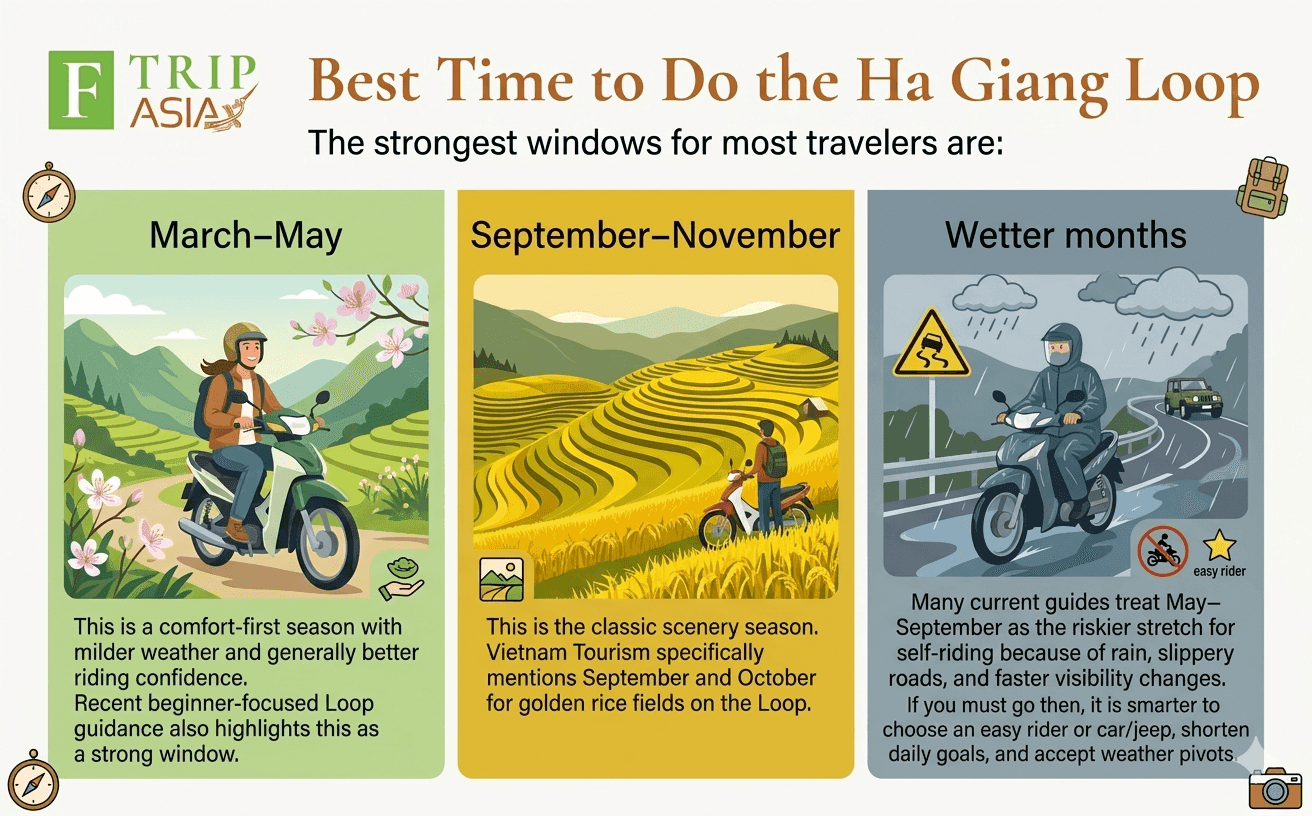
The strongest windows for most travelers are:
March–May
This is a comfort-first season with milder weather and generally better riding confidence. Recent beginner-focused Loop guidance also highlights this as a strong window.
September–November
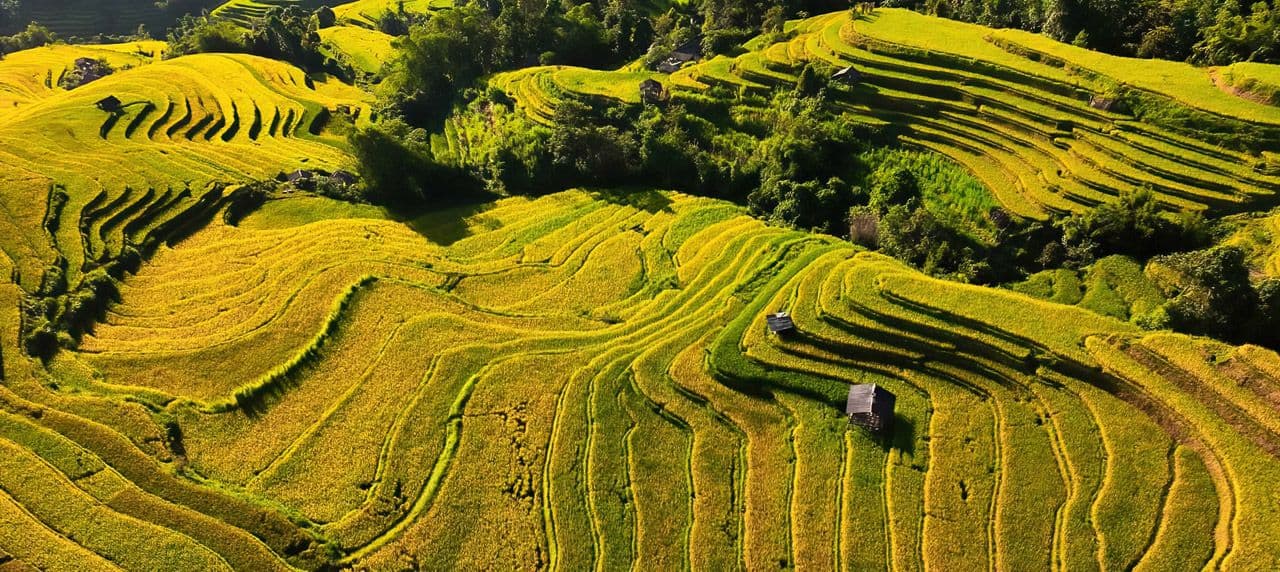
This is the classic scenery season. Vietnam Tourism specifically mentions September and October for golden rice fields on the Loop.
Wetter months
Many current guides treat May–September as the riskier stretch for self-riding because of rain, slippery roads, and faster visibility changes. If you must go then, it is smarter to choose an easy rider or car/jeep, shorten daily goals, and accept weather pivots.
Route Overview: The Classic Loop Logic
A widely shared classic structure follows:
- QL4C outbound
- QL34 return
Vietnam Tourism states this directly in its official four-day route.
The most useful overnight anchors are:
- Ha Giang City — start and finish
- Yen Minh — first positioning night
- Dong Van — geopark town base
- Meo Vac — post–Ma Pi Leng base
These towns are what make the map make sense. Once you lock them in, the rest of the Loop becomes much easier to pace.
Recommended Itineraries
3D2N: Highlights-First
Day 1: Ha Giang City → Quan Ba corridor → Yen Minh
Day 2: Yen Minh → Dong Van → Ma Pi Leng area → Meo Vac
Day 3: Return toward Ha Giang City
This is best for limited time, easy rider travelers, and people who are comfortable with longer days. It works, but it is tight.
4D3N: Complete First-Timer Journey
Day 1: Ha Giang City → Yen Minh
Day 2: Yen Minh → Dong Van
Day 3: Dong Van → Ma Pi Leng area → Meo Vac
Day 4: Return via the QL34 corridor to Ha Giang City
This is the best balance for most travelers because it matches the official route logic and protects the most scenic day.
5D+: Full Experience Plus Hidden Stops
Add one slower day for:
- markets
- village time
- Nho Que River
- a Du Gia-style reset
- extra photography flexibility
This is the best fit for photographers, slow travelers, and culture-first itineraries. Recent route guides often position Du Gia and similar softer add-ons as the value of longer versions.
The Hero Day You Must Protect: Dong Van → Meo Vac / Ma Pi Leng
This is the day that defines the Loop. Vietnam Tourism says the road from Dong Van to Ma Pi Leng is one of the most mind-blowing stretches in Vietnam, and that even though Meo Vac is only 24 km away, the scenery is so intense that the segment can easily take most of the morning.
That means:
- start earlier than you think
- do not overload this day with too many extras
- keep your stop list intentional
If there is one day not to turn into a checklist, it is this one.
What to Do Beyond Viewpoints?
If you want the Loop to feel real rather than just scenic, add one or two human-scale moments:
Market mornings
Vietnam Tourism explicitly recommends setting aside time for local markets around Dong Van and Meo Vac.
Homestay dinners
These are often the most memorable cultural moments of the trip because they slow the route down and make the landscape feel lived in.
River or gorge perspective
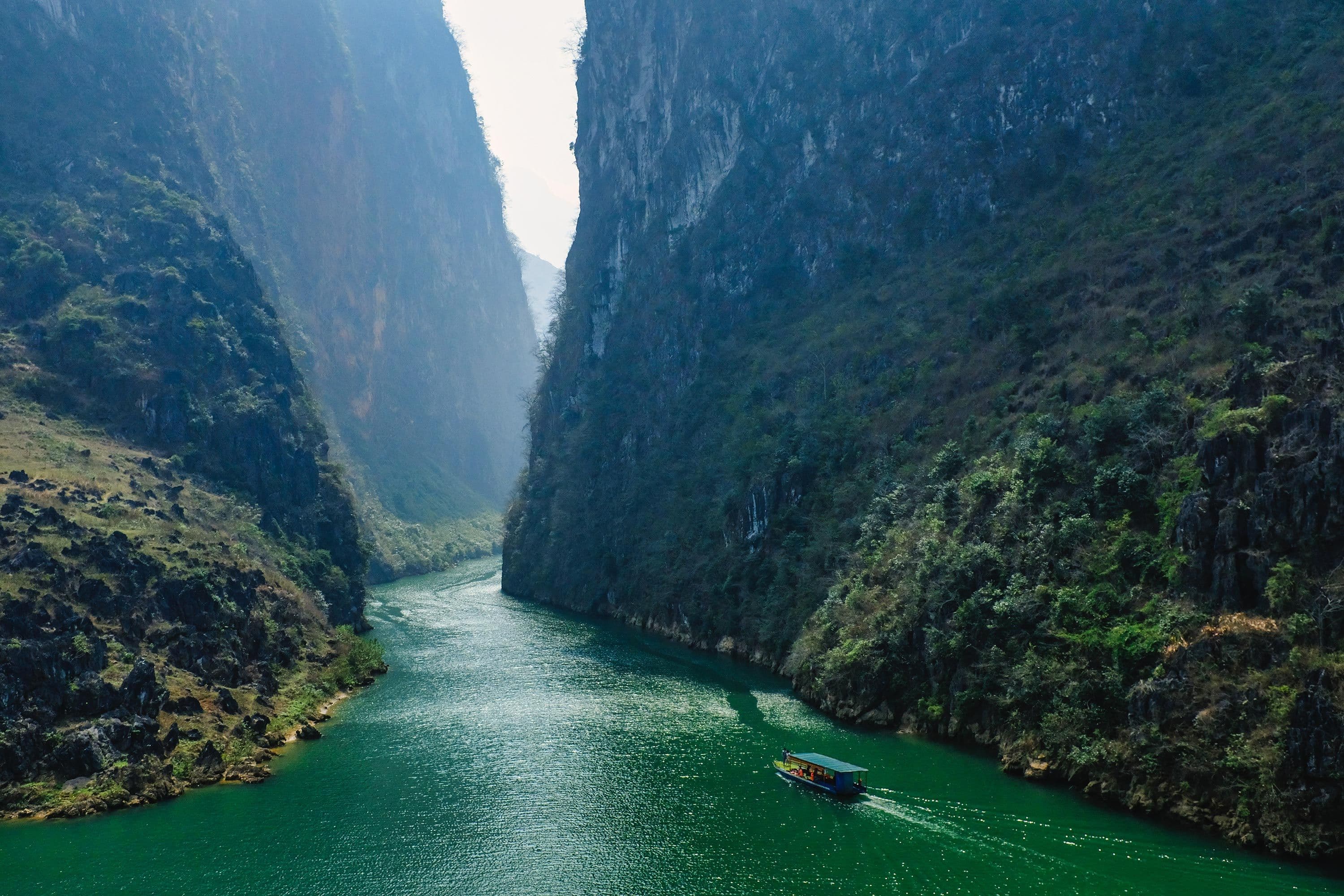
The Nho Que River changes your perspective from looking down into the gorge to being inside it. Vietnam Tourism mentions the access road toward the river as a worthwhile side road off Ma Pi Leng.
Safety and Riding Reality
The Loop is not hard because of one single dangerous moment. It gets harder when fatigue, weather, and time pressure stack up.
The most useful safety rules are:
- keep daily pacing realistic
- do not trust distance alone on mountain roads
- do not chase sunset or one more stop if roads are wet or visibility is dropping
- choose easy rider if you are not fully confident self-riding
Recent 2026 self-ride guidance also stresses that a valid license matters, and that many travelers are better off choosing a guided setup.

Packing Checklist
Bring:
- layers
- a light rain shell
- shoes with grip
- waterproof phone pouch
- power bank
- motion-sickness support, even as a passenger
- cash buffer for small payments in remote areas
These basics matter because the Loop combines altitude, changing weather, and long riding hours.
Budget Snapshot
At minimum, budget for:
- Hanoi ↔ Ha Giang transport
- permit costs if applicable
- tour or rental plus fuel
- room type upgrades
- daily extras like drinks, snacks, or optional stops
Because cost ranges vary a lot by format, it is smarter to think in cost buckets than one flat number.
Booking Checklist
Before you book, confirm:
- the route clearly includes Dong Van + Ma Pi Leng + Meo Vac
- permit or checkpoint support for foreigners
- room type guarantee: private or shared
- weather contingency approach
- approximate daily riding hours
A vague “scenic mountain tour” is not the same thing as a well-built Ha Giang Loop.
FAQs
What is the classic Ha Giang Loop route and which roads matter?
The classic route starts in Ha Giang City, runs out on QL4C, and returns on QL34, usually through Yen Minh, Dong Van, and Meo Vac.
How long does it take to get from Hanoi to Ha Giang City?
Usually about 6–7 hours by bus, depending on operator and conditions.
Do foreigners need a permit for Ha Giang Loop checkpoints?
Current guides commonly advise yes on the classic route because of regulated border areas and checkpoint checks.
How many days do I need for the full experience — 3, 4, or 5+?
For most travelers, 4D3N is the best balance. 3D2N is a highlights-only version, while 5D+ is better for slow travel and hidden stops.
What is the Dong Van Karst Plateau UNESCO Global Geopark?
It is a UNESCO-recognized geopark in Ha Giang Province covering the core limestone landscape that defines the Loop.
Conclusion
A great Ha Giang Loop trip is not about squeezing in every viewpoint. It is about choosing a route that respects mountain pacing, protects the Ma Pi Leng highlight day, and stays calm when weather changes the plan. The cleanest beginner-friendly structure is still the classic 4D3N, QL4C out / QL34 back route, built around Yen Minh, Dong Van, and Meo Vac.
Handle permits early, download offline navigation, choose the season carefully, and be honest about whether you should self-ride or take an easy rider. Do that, and the Loop stops feeling intimidating and starts feeling like what it really is: one of northern Vietnam’s most epic but manageable adventures.


Founder & Photography Guide
Specialties: Culture, landscape, portrait, hiking, active and adventurous tour
Besides my unlimited passion for traveling, a professional tour guide for over a decade, I have been taking photographs since sitting at Hanoi of the University of Culture in the early 2000s. Photography started as a hobby but it was seriously taken due to my work relations and my significant passion for the beauty of our world, especially in Southeast Asian parts such as Vietnam, Laos, Cambodia, and Myanmar.
Within a few years of taking photographs, my works began to be recognized by many reliable international publications such as AFAR Travel, The Times, and The Daily Telegraph newspaper. In addition, I continuously add to my growing profile by winning numerous major awards: 3rd Position of The Independent Photographer 2018, 1st Position of Amateur Photographer of the year 2018, Grand Prize Winner of the AFAR Travel Photography 2019, and a Gold Award of San Francisco Bay International Photography 2020.
I photograph a wide variety of subjects, from travel to landscapes to street scenes. I enjoy documenting the East’s rich cultural heritage and its land soaked in glorious sunrise or sunset light in remote and secluded spots. And, I am very happy to share my knowledge and experience with you. You can visit Luminousvietnamtour to explore tour!