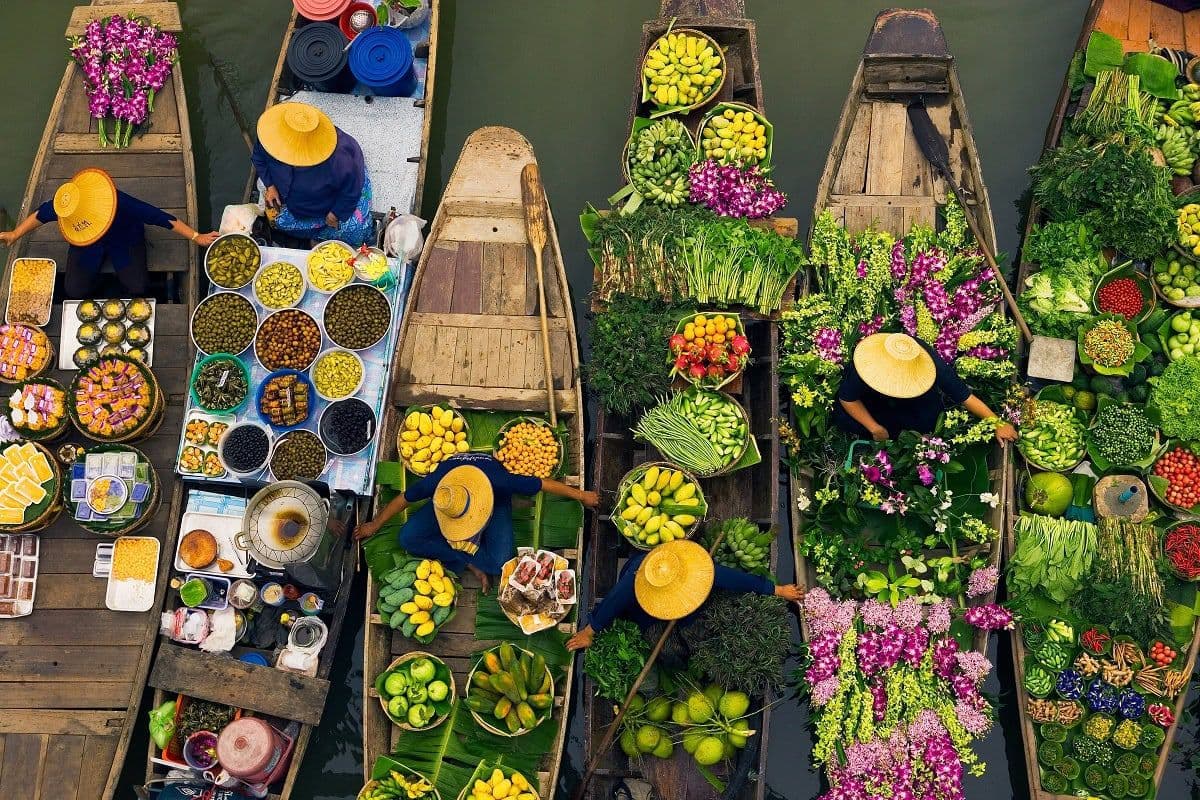
- Why Choose a Private Hanoi Food Tour?
- It Helps Travelers Eat Like Locals, Not Just Tourists
- It Gives More Flexibility Than a Fixed Group Tour
- It Turns Eating Into a Cultural Experience
- What Should Travelers Try to Eat in Hanoi?
- Phở Bò or Phở Gà – Hanoi’s Classic Noodle Soup
- Bún Chả – Grilled Pork with Noodles and Dipping Sauce
- Bánh Cuốn – Steamed Rice Rolls
- Chả Cá – Turmeric Fish with Dill and Noodles
- Bánh Mì – Vietnamese Baguette Sandwich
- Bún Riêu Cua – Crab and Tomato Noodle Soup
- Xôi – Vietnamese Sticky Rice
- Nem Rán or Fresh Spring Rolls – Crispy and Fresh Bites
- Cà Phê Trứng – Hanoi Egg Coffee
- Chè or Local Desserts – A Sweet Ending
- How to Select a Good Place to Eat in Hanoi
- Look for Local Customers, Not Only Online Ratings
- Choose Places That Specialize in One or Two Dishes
- Check Freshness and Food Safety Signs
- Match the Place with Your Comfort Level
- Do Not Judge Only by Appearance
- Suggested Private Hanoi Food Tour Route
- Morning Food Tour
- Lunch-Focused Food Tour
- Evening Street Food Tour
- Customized Food and Culture Route
- More Exciting Local Culinary Experiences to Add
- Visit a Morning Market with a Local Guide
- Join a Hands-On Cooking Class
- Try a Coffee Culture Walk
- Add a Street Photography Food Walk
- Eat with Local-Style Pacing
- Try Seasonal Dishes and Local Snacks
- What Will Travelers Receive from a Private Hanoi Food Tour?
- A Curated Food Route
- Local Explanations Behind Every Dish
- Help with Ordering and Eating Correctly
- Safer and More Comfortable Food Exploration
- A Personalized Pace
- Who Is This Private Hanoi Food Tour Best For?
- First-Time Visitors
- Couples and Honeymooners
- Families with Children
- Senior Travelers
- Muslim and Jewish Travelers
- Food Photographers and Content Creators
- Why Book a Private Hanoi Food Tour with FtripAsia?
- Completely Customizable Itinerary
- 100% Local Planning with Real Experience
- Support for Special Markets and Dietary Needs
- Unique Experiences Beyond Normal Food Stops
- Friendly and Knowledgeable Service
- Taste Hanoi Like a Local with a Private Food Tour
- FAQs
- What food should I try on a private Hanoi food tour?
- How do I choose a good place to eat in Hanoi?
- Is Hanoi street food safe for tourists?
- Is a private Hanoi food tour better than a group tour?
- Can vegetarians join a Hanoi food tour?
- Can Muslim or Jewish travelers enjoy a Hanoi food tour?
- What is the best time for a Hanoi food tour?
- Conclusion
Hanoi is one of Asia’s most exciting food cities. Around almost every corner, travelers can find smoky charcoal grills, steaming noodle bowls, tiny plastic stools, hidden cafés, local markets, and family-run stalls that have served the same dishes for years.
A private Hanoi food tour is not only about eating famous dishes. It is also about understanding how local people choose food, where they eat, how dishes are prepared, and why each flavor reflects Hanoi’s culture. The best food experiences in Hanoi often happen in small local places that may look simple from the outside but carry deep culinary tradition.
Travelers looking for a private Hanoi food tour usually want to know what to eat, where to eat safely, how to select authentic local places, and whether a guided food experience is worth it. Many travelers now prefer local culinary experiences, small-group or private tours, storytelling, market visits, hands-on food activities, and hidden local stops instead of only eating at tourist restaurants.
FtripAsia helps travelers design private Hanoi food tours based on taste preferences, dietary needs, hotel location, walking pace, cultural interests, and desired level of local adventure.
Why Choose a Private Hanoi Food Tour?
It Helps Travelers Eat Like Locals, Not Just Tourists
Hanoi food culture can be confusing for first-time visitors because many excellent places are small, busy, and not always easy to find online.
Some local stalls have no English menu. Some restaurants specialize in only one dish. Some places may look crowded and chaotic, but they serve food that locals trust. Without local guidance, travelers may end up choosing restaurants that are convenient but not especially authentic.
A private guide can explain what to order, how to eat each dish, which condiments to use, and what makes one stall better than another. Travelers can avoid random tourist traps and enjoy a more authentic route through local streets, markets, cafés, and hidden alleys.
It Gives More Flexibility Than a Fixed Group Tour
A private food tour can be adjusted around each traveler’s needs.
Some travelers want classic Hanoi dishes. Others want vegetarian options, Muslim-friendly considerations, Jewish traveler support, allergy-aware stops, or less spicy food. Families may need kid-friendly dishes and shorter walking routes. Senior travelers may prefer seated stops and slower pacing. Photographers may want more visual stops, markets, and street scenes.
FtripAsia can customize the experience based on each traveler’s requests, from hotel pickup and dish selection to extra experiences such as cooking classes, market visits, coffee workshops, or local photography routes.
It Turns Eating Into a Cultural Experience
A good food tour should not only say, “This is delicious.”
It should explain why Hanoians often eat phở in the morning, why bún chả is commonly enjoyed at lunch, why egg coffee became a Hanoi specialty, and how fish sauce, herbs, rice noodles, charcoal grilling, and dipping sauces shape northern Vietnamese cuisine.
This cultural context makes the meal more memorable. Travelers do not just taste food; they understand how food connects to family habits, street life, local weather, history, and neighborhood identity.
What Should Travelers Try to Eat in Hanoi?
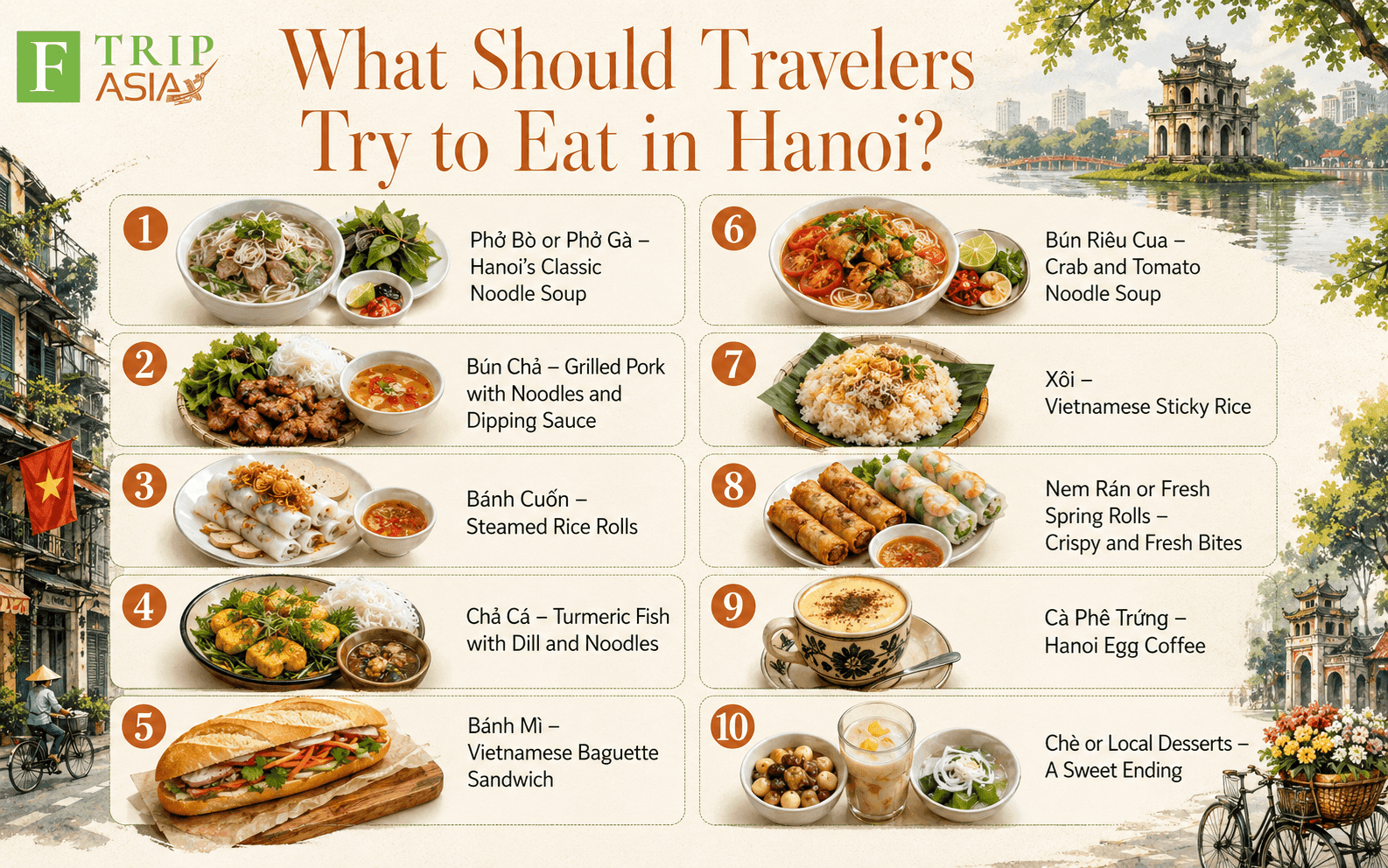
Phở Bò or Phở Gà – Hanoi’s Classic Noodle Soup
Phở is one of Vietnam’s most famous dishes, but Hanoi-style phở has its own character. It is often lighter, clearer, and more focused on broth aroma than heavily garnished versions found elsewhere.
Travelers can try phở bò with beef or phở gà with chicken depending on preference. A good bowl of phở shows the importance of patience, bones, spices, and balance. It is a perfect introduction to Hanoi’s food culture.
The best way to eat phở is to taste the broth first before adding lime, chili, vinegar, or herbs. This helps travelers understand the original flavor before adjusting it.
Recommended places include Phở Gia Truyền Bát Đàn in Hoàn Kiếm and Phở Bò Lâm in Hoàn Kiếm. A private guide can help travelers choose between local-style crowded phở shops and more comfortable places depending on their travel style.
Bún Chả – Grilled Pork with Noodles and Dipping Sauce
Bún chả is one of Hanoi’s most iconic lunch dishes.
It includes grilled pork patties, pork belly, rice vermicelli, herbs, and sweet-sour fish sauce. The smoky flavor from charcoal grilling is part of what makes the dish special.
Travelers usually dip noodles and herbs into the warm sauce, then enjoy them with grilled meat, garlic, chili, and pickled vegetables. The dish is fun because it feels interactive: each bite can be adjusted by adding more herbs, noodles, sauce, or chili.
Recommended places include Bún Chả Hương Liên in Hai Bà Trưng and Bun Cha Ta on Nguyễn Hữu Huân Street. For a more exciting experience, travelers can visit during lunch hours when grill smoke fills the street and local diners crowd into small restaurants.
Bánh Cuốn – Steamed Rice Rolls
Bánh cuốn is made from thin steamed rice sheets filled with minced pork and wood ear mushrooms, then served with fried shallots, herbs, Vietnamese ham, and dipping sauce.
It is soft, delicate, and very different from heavier grilled dishes. Watching the cook spread and lift the rice sheet is part of the experience, especially when the rolls are made fresh in front of travelers.
The best way to eat bánh cuốn is to dip each roll lightly into the sauce and enjoy it while hot. The texture is most enjoyable when the rice sheet is fresh and tender.
Recommended places include Bánh Cuốn Bà Hoành on Tô Hiến Thành and Bánh Cuốn Gia Truyền Thanh Vân in the Old Quarter. A private guide can take travelers to a place where they can watch the rice rolls being made fresh.
Chả Cá – Turmeric Fish with Dill and Noodles
Chả cá is one of Hanoi’s most distinctive dishes. It is made with turmeric-marinated fish, dill, spring onion, rice noodles, peanuts, herbs, and dipping sauce.
The dish is often cooked or finished at the table, making it more interactive than many other street food experiences. Travelers mix fish, dill, herbs, peanuts, noodles, and sauce together to create a rich, aromatic bite.
Some diners enjoy it with fish sauce, while others try shrimp paste for a stronger local flavor. Travelers who are sensitive to strong flavors can start with the milder sauce option.
Recommended places include Chả Cá Thăng Long on Đường Thành and Chả Cá Lã Vọng on Chả Cá Street. This dish is ideal for travelers who want a sit-down meal after walking through the Old Quarter.
Bánh Mì – Vietnamese Baguette Sandwich
Bánh mì reflects Vietnam’s mix of local flavors and French colonial influence.
The bread is usually crispy outside and soft inside. Fillings may include pâté, pork, chicken, egg, herbs, pickled vegetables, chili sauce, and mayonnaise. It is quick, affordable, flavorful, and easy to include in a walking food tour.
Travelers should eat bánh mì fresh while the bread is still crispy. Those sensitive to spice can ask for less chili.
Recommended places include Bánh Mì 25 on Hàng Cá and Bánh Mì Phố Cổ on Đinh Liệt. Travelers can also compare a classic bánh mì with a more modern version to see how Hanoi street food is evolving.
Bún Riêu Cua – Crab and Tomato Noodle Soup
Bún riêu is a tomato-based noodle soup with crab paste, tofu, herbs, and sometimes beef or snails.
It gives travelers a taste of northern Vietnamese sour, savory, and fresh flavors. It is a good choice for those who want something beyond phở.
Travelers can add herbs gradually and try it with lime and chili if they enjoy stronger flavor. The soup can be light but still deeply flavorful.
Recommended places include Bún Riêu Cô Hoàn on Hàng Lược and bún riêu shops around Hàng Bạc in the Old Quarter. This is a great dish to try in a small local shop where travelers can observe how locals eat breakfast or lunch quickly.
Xôi – Vietnamese Sticky Rice
Xôi is sticky rice served with toppings such as mung bean, fried shallots, chicken, pork floss, sausage, egg, or pâté.
It is a common local breakfast and a good way to understand everyday Hanoi eating habits. A savory version can be filling, simple, and satisfying.
Travelers can pair xôi with Vietnamese iced tea or coffee. A morning private food tour can start with xôi to show how Hanoians begin the day.
Recommended places include Xôi Yến on Nguyễn Hữu Huân and Xôi Mây around the Lý Thường Kiệt area.
Nem Rán or Fresh Spring Rolls – Crispy and Fresh Bites
Nem rán is a fried spring roll with pork, mushrooms, glass noodles, and vegetables. Fresh rolls are lighter and often served with herbs and dipping sauce.
Both options are easy to enjoy and suitable for many travelers. They work well as shared tasting dishes during a food walk.
A private guide can choose local Old Quarter family restaurants or selected street food stalls based on comfort level. Travelers who want hands-on experience can also join a cooking class or workshop to learn how to roll spring rolls themselves.
Cà Phê Trứng – Hanoi Egg Coffee
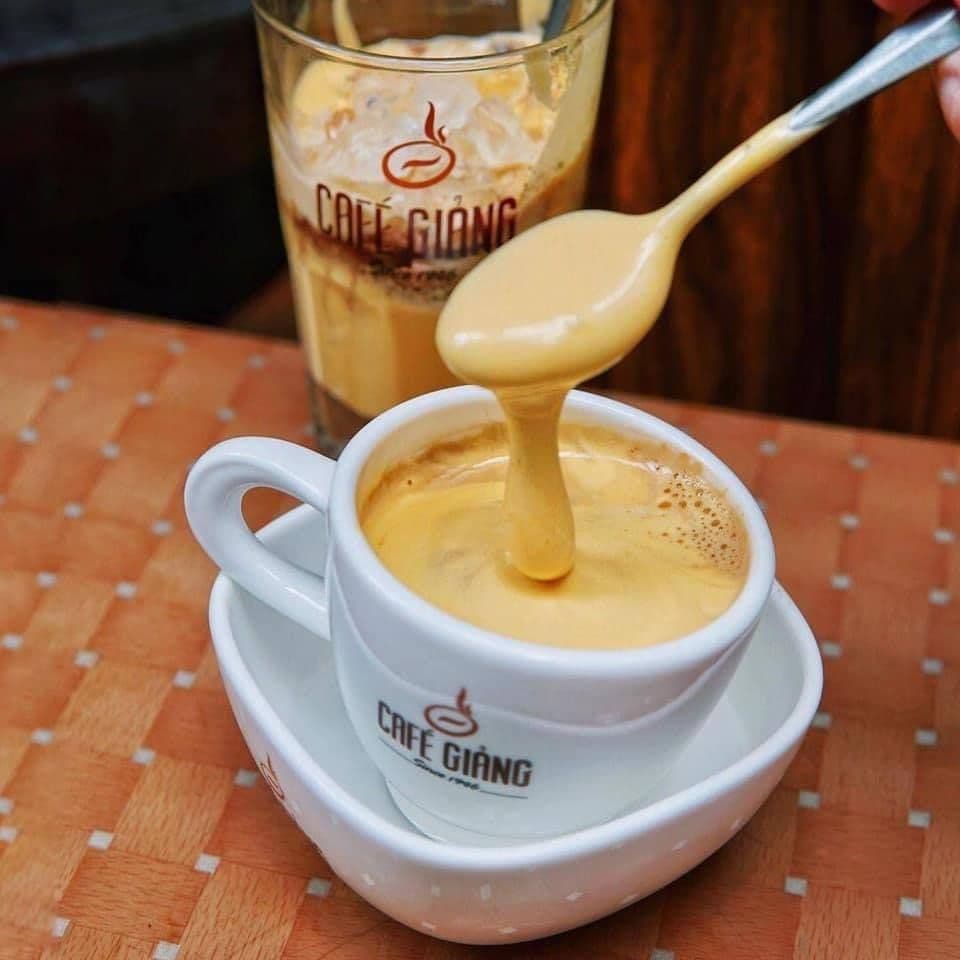
Egg coffee is a Hanoi specialty made with strong Vietnamese coffee and creamy whipped egg foam.
It is rich, sweet, unusual, and strongly connected with Hanoi café culture. For many travelers, it feels like both a drink and a dessert.
Travelers can stir slowly or sip through the foam depending on the café style. It is especially enjoyable after several savory dishes.
Recommended places include Café Giảng on Nguyễn Hữu Huân and Đinh Café near Hoan Kiem Lake. FtripAsia can include a café stop that matches the traveler’s preference, from iconic shops to quieter hidden cafés.
Chè or Local Desserts – A Sweet Ending
Chè is a broad category of Vietnamese sweet soups, puddings, jellies, beans, fruit, and coconut milk desserts.
It is refreshing after savory street food and helps travelers understand Vietnamese dessert culture beyond cakes and pastries.
Recommended places include Chè Bốn Mùa on Hàng Cân and local dessert stalls around the Old Quarter. Travelers can finish the tour with a dessert tasting and compare warm chè, iced chè, and fruit-based options.
How to Select a Good Place to Eat in Hanoi
Look for Local Customers, Not Only Online Ratings
A good local eatery often has steady local customers, quick turnover, and a focused menu.
If a place is full of locals during breakfast or lunch, it is usually a positive sign. This often means the food is fresh, familiar, and trusted by people who eat there regularly.
A private guide can help travelers distinguish between truly local popularity and places that are crowded mostly because of tourists.
Choose Places That Specialize in One or Two Dishes
Many of Hanoi’s best food spots are famous for doing one dish very well.
A phở shop should smell like broth. A bún chả shop should have active grilling. A bánh cuốn shop should make rolls fresh. A chả cá restaurant should serve fish hot and aromatic with dill.
This focus is part of what makes Hanoi food culture special. Instead of offering a long menu, many places build their reputation around one signature dish.
Check Freshness and Food Safety Signs
Good signs include busy service, fast ingredient turnover, food cooked hot, clean preparation areas, fresh herbs and vegetables, a clear menu or visible cooking process, and local guide familiarity.
Travelers with sensitive stomachs should avoid uncooked items from random stalls without guidance. A private guide can help choose stops that feel authentic but still suitable for traveler comfort.
Match the Place with Your Comfort Level
Some travelers love tiny plastic-stool stalls. Others prefer cleaner sit-down restaurants with air conditioning.
A private Hanoi food tour should balance authenticity and comfort. FtripAsia can adjust food stops for adventurous eaters, families, senior travelers, luxury travelers, or guests who prefer cleaner dining environments.
Do Not Judge Only by Appearance
In Hanoi, many excellent places are simple, narrow, and casual.
The best food experience may come from a family-run shop with a small menu and decades of local reputation. A guide helps travelers feel confident entering places they might not choose alone.
Suggested Private Hanoi Food Tour Route
Morning Food Tour
A morning food tour is best for travelers who want lighter crowds and classic breakfast culture.
Suggested dishes include phở, xôi, bánh cuốn, and Vietnamese coffee. This route works well for families, senior travelers, first-time visitors, and travelers with afternoon plans.
Morning is also a good time to visit markets and observe how the city begins its day.
Lunch-Focused Food Tour
A lunch-focused route is best for travelers who want to try iconic Hanoi dishes at the right time.
Suggested dishes include bún chả, bánh mì, chả cá, dessert, or coffee. This route works well for culture lovers, couples, and travelers who want a balanced walking and eating experience.
Lunch is especially good for bún chả because the smell of charcoal grilling adds atmosphere to the experience.
Evening Street Food Tour
An evening street food tour is best for atmosphere, street lights, local crowds, and stronger food energy.
Suggested dishes include grilled snacks, bún riêu, nem rán, bánh mì, egg coffee, and chè. This route works well for food lovers, friend groups, photographers, and travelers who want a lively Old Quarter experience.
Evening tours often feel more energetic because the streets become social dining spaces.
Customized Food and Culture Route
A customized route can combine an Old Quarter food walk, local market visit, hidden café, cooking class, street photography, Train Street café experience when suitable, workshop, or home-style dining experience.
FtripAsia can design this route for travelers who want food plus deeper local culture instead of only eating from stop to stop.
More Exciting Local Culinary Experiences to Add
Visit a Morning Market with a Local Guide
Travelers can see fresh herbs, rice noodles, tropical fruits, seafood, spices, tofu, and local snacks.
This helps them understand what goes into Hanoi dishes before tasting them. It is also good for travelers who enjoy photography and local life.
A market visit adds context because travelers can see ingredients before they become phở, bún chả, bánh cuốn, or daily family meals.
Join a Hands-On Cooking Class
A cooking class can teach travelers how to prepare dishes such as spring rolls, dipping sauce, phở-style broth basics, or Vietnamese salads.
This works well for families, couples, and travelers who want more than a tasting tour. It gives them something practical to bring home from Vietnam.
FtripAsia can connect travelers with local workshops and daily experiences such as cooking classes.
Try a Coffee Culture Walk
Hanoi is famous for its strong coffee culture, including egg coffee, coconut coffee, iced milk coffee, and hidden cafés.
A coffee walk can include stories about Vietnamese robusta, wartime creativity, café culture, and lake-view or rooftop cafés. This is a gentle option for travelers who want a slower culinary experience.
Add a Street Photography Food Walk
Food in Hanoi is very visual: smoke from grills, bowls of herbs, steam from noodle shops, colorful fruit vendors, and narrow alleys.
This is ideal for travelers who want both eating and storytelling through photos. FtripAsia can arrange unique photography-style tours that many standard tours do not offer.
Eat with Local-Style Pacing
Instead of one large meal, travelers can enjoy small bites across multiple stops.
This keeps the experience exciting and helps them try more dishes without getting too full too early. A good guide knows when to slow down, when to skip a dish, and when to add a surprise local snack.
Try Seasonal Dishes and Local Snacks
Depending on the season, travelers may try green rice snacks, tropical fruits, hot desserts in winter, iced desserts in summer, grilled corn, or sweet potato in cooler weather.
Seasonal food makes the tour feel more local and less generic. It also gives travelers a stronger sense of Hanoi’s food calendar.
What Will Travelers Receive from a Private Hanoi Food Tour?
A Curated Food Route
Travelers do not need to search randomly or worry about choosing the wrong place.
The route can include iconic dishes, hidden local stops, and comfortable breaks. It can also be adjusted around hotel location, weather, walking comfort, and food preferences.
Local Explanations Behind Every Dish
Travelers learn about ingredients, eating habits, history, family recipes, and local food etiquette.
This turns each tasting into a cultural story. Instead of only remembering what tasted good, travelers understand why it matters.
Help with Ordering and Eating Correctly
A guide can explain which sauce to use, how to mix herbs, how to eat noodles properly, what level of spice to add, and what to avoid if travelers have allergies or food restrictions.
This support makes street food feel less intimidating and more enjoyable.
Safer and More Comfortable Food Exploration
Travelers can enjoy street food with more confidence.
A private guide helps choose reliable places, avoid unsuitable dishes, and adjust the route if needed. This is especially valuable for families, seniors, and travelers with sensitive stomachs.
A Personalized Pace
Some travelers want a relaxed tour with seated meals. Others want a fast-paced street food adventure.
FtripAsia can customize the tour based on the client’s pace, interests, hotel, destinations, luxury preferences, and dining comfort.
Who Is This Private Hanoi Food Tour Best For?
First-Time Visitors
First-time visitors get a guided introduction to Hanoi’s most important dishes without confusion.
A private food tour early in the trip also helps them know what to order later on their own.
Couples and Honeymooners
The tour can include romantic cafés, comfortable restaurants, night walks, and photogenic stops.
Couples can share tastings, enjoy hidden cafés, and end the evening with egg coffee or dessert.
Families with Children
The route can avoid overly spicy dishes, include familiar textures, and add fun stops such as desserts or cooking activities.
Private pacing also allows families to pause when children need a break.
Senior Travelers
A private route can reduce walking distance, add seated breaks, and focus on comfortable restaurants.
This makes the experience easier without removing the local flavor.
Muslim and Jewish Travelers
Food planning is especially important for travelers with religious or dietary considerations.
FtripAsia has experience with niche markets like Muslims and Judaism, helping travelers plan a smoother and more sensitive food experience.
Food Photographers and Content Creators
Hanoi is ideal for food photography, from noodle shops to markets and hidden cafés.
A private guide can help travelers find better timing, angles, and less crowded stops. This makes the experience more visually rewarding.
Why Book a Private Hanoi Food Tour with FtripAsia?
Completely Customizable Itinerary
FtripAsia can customize the tour based on hotel, preferred destinations, luxury level, food interests, dietary needs, and travel pace.
This is helpful for travelers who want more than a fixed food tour route.
100% Local Planning with Real Experience
FtripAsia is built by local people with 7+ years of experience.
This helps travelers receive practical, real-world food recommendations instead of generic tourist advice. Local knowledge matters because many of Hanoi’s best food experiences are hidden in ordinary-looking places.
Support for Special Markets and Dietary Needs
FtripAsia has experience with Muslims, Jewish travelers, families, and niche travel preferences.
This makes the food tour more comfortable and better prepared, especially when travelers need ingredient checks, pork-free planning, seafood-free options, allergy support, or special timing.
Unique Experiences Beyond Normal Food Stops
Travelers can add photography tours, cooking classes, market visits, coffee experiences, workshops, or daily local activities.
These experiences help travelers understand Hanoi through taste, people, and daily life.
Friendly and Knowledgeable Service
Tourists value guides who are enthusiastic, knowledgeable, and friendly.
For a food tour, this matters because the guide’s attitude can make travelers feel more confident, curious, and connected.
Taste Hanoi Like a Local with a Private Food Tour
A private Hanoi food tour is ideal for travelers who want to explore the city’s food scene beyond tourist restaurants.
FtripAsia can help design a private Hanoi food tour based on each traveler’s taste, pace, dietary needs, and preferred level of local adventure. From phở and bún chả to egg coffee, hidden cafés, local markets, and cooking classes, FtripAsia helps turn every bite into a deeper cultural experience.
Travelers can choose a relaxed route, a food-focused walking tour, a family-friendly tasting experience, a coffee and dessert route, a market visit, a cooking class, or a private culinary day that connects food with culture, photography, and local life.
FAQs
What food should I try on a private Hanoi food tour?
Travelers should try phở, bún chả, bánh cuốn, chả cá, bánh mì, bún riêu, xôi, egg coffee, and local desserts such as chè.
How do I choose a good place to eat in Hanoi?
Look for local customers, fresh ingredients, hot cooking, fast turnover, focused menus, and places known for one or two signature dishes.
Is Hanoi street food safe for tourists?
Hanoi street food can be safe when travelers choose busy, reliable, and freshly cooked food spots. A local guide can make the experience safer and easier.
Is a private Hanoi food tour better than a group tour?
A private tour is better for travelers who want flexibility, special dietary support, personalized pacing, and a more local experience.
Can vegetarians join a Hanoi food tour?
Yes, but it should be planned carefully because many Vietnamese dishes use fish sauce, meat broth, shrimp paste, or pork toppings.
Can Muslim or Jewish travelers enjoy a Hanoi food tour?
Yes, with proper planning. Travelers should work with a local planner who understands food restrictions and can adjust the route.
What is the best time for a Hanoi food tour?
Morning is good for phở, xôi, and bánh cuốn. Lunch is ideal for bún chả. Evening is best for lively street food, cafés, snacks, and desserts.
Conclusion
A private Hanoi food tour with local culinary experiences is more than a tasting route. It is a flavorful way to understand Hanoi’s daily life, local habits, family-run food culture, and culinary traditions.
Travelers can receive curated food stops, local guidance, safer street food choices, dish-by-dish explanations, help with ordering, and a flexible pace based on their comfort level. They can try Hanoi favorites such as phở, bún chả, bánh cuốn, chả cá, bánh mì, bún riêu, xôi, egg coffee, and chè while learning how to eat them like locals.
The best food tour should feel exciting, personal, and authentic, with a mix of street food, hidden cafés, local markets, cooking classes, and seasonal snacks.
For travelers who want a private Hanoi food tour designed around their taste, dietary needs, hotel location, and travel style, FtripAsia can help create a customized culinary experience with trusted local stops, friendly guidance, and memorable food stories beyond the usual tourist route.

Founder & Photography Guide
Specialties: Culture, landscape, portrait, hiking, active and adventurous tour
Besides my unlimited passion for traveling, a professional tour guide for over a decade, I have been taking photographs since sitting at Hanoi of the University of Culture in the early 2000s. Photography started as a hobby but it was seriously taken due to my work relations and my significant passion for the beauty of our world, especially in Southeast Asian parts such as Vietnam, Laos, Cambodia, and Myanmar.
Within a few years of taking photographs, my works began to be recognized by many reliable international publications such as AFAR Travel, The Times, and The Daily Telegraph newspaper. In addition, I continuously add to my growing profile by winning numerous major awards: 3rd Position of The Independent Photographer 2018, 1st Position of Amateur Photographer of the year 2018, Grand Prize Winner of the AFAR Travel Photography 2019, and a Gold Award of San Francisco Bay International Photography 2020.
I photograph a wide variety of subjects, from travel to landscapes to street scenes. I enjoy documenting the East’s rich cultural heritage and its land soaked in glorious sunrise or sunset light in remote and secluded spots. And, I am very happy to share my knowledge and experience with you. You can visit Luminousvietnamtour to explore tour!