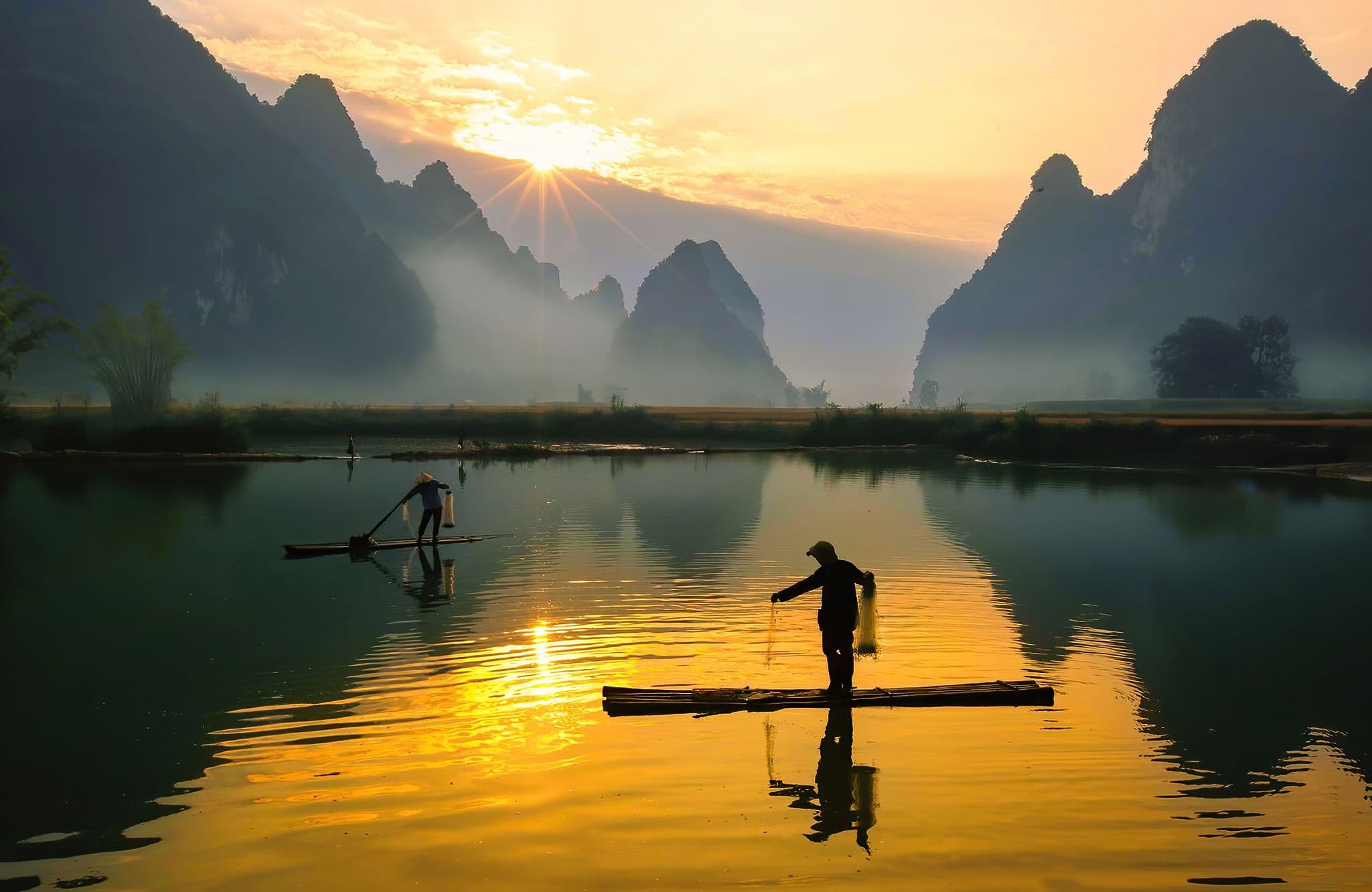
- The itinerary framework that almost always works
- Trang An vs Tam Coc
- Choose Trang An if you want the strongest “Ninh Binh” first impression
- Choose Tam Coc if rice-field river scenery is your top goal
- Choose your best base
- Tam Coc area
- Trang An / near Ninh Binh city
- Quieter countryside stays
- Plug-and-play itineraries by travel style
- 1) First-time visitors: balanced and easy
- 2) Scenic photography lovers: light first, crowds second
- 3) Slow travelers: relaxed and low-pressure
- 4) Adventure and active travelers
- 5) Culture-focused travelers
- 6) Family-friendly travelers
- 7) Budget travelers
- 8) Luxury / comfort travelers
- Time planning that prevents regret
- Best time to go, based on travel style
- What to book in advance vs decide on the ground?
- Packing checklist by itinerary type
- Common mistakes, and the easy fix
- FAQs
- Conclusion
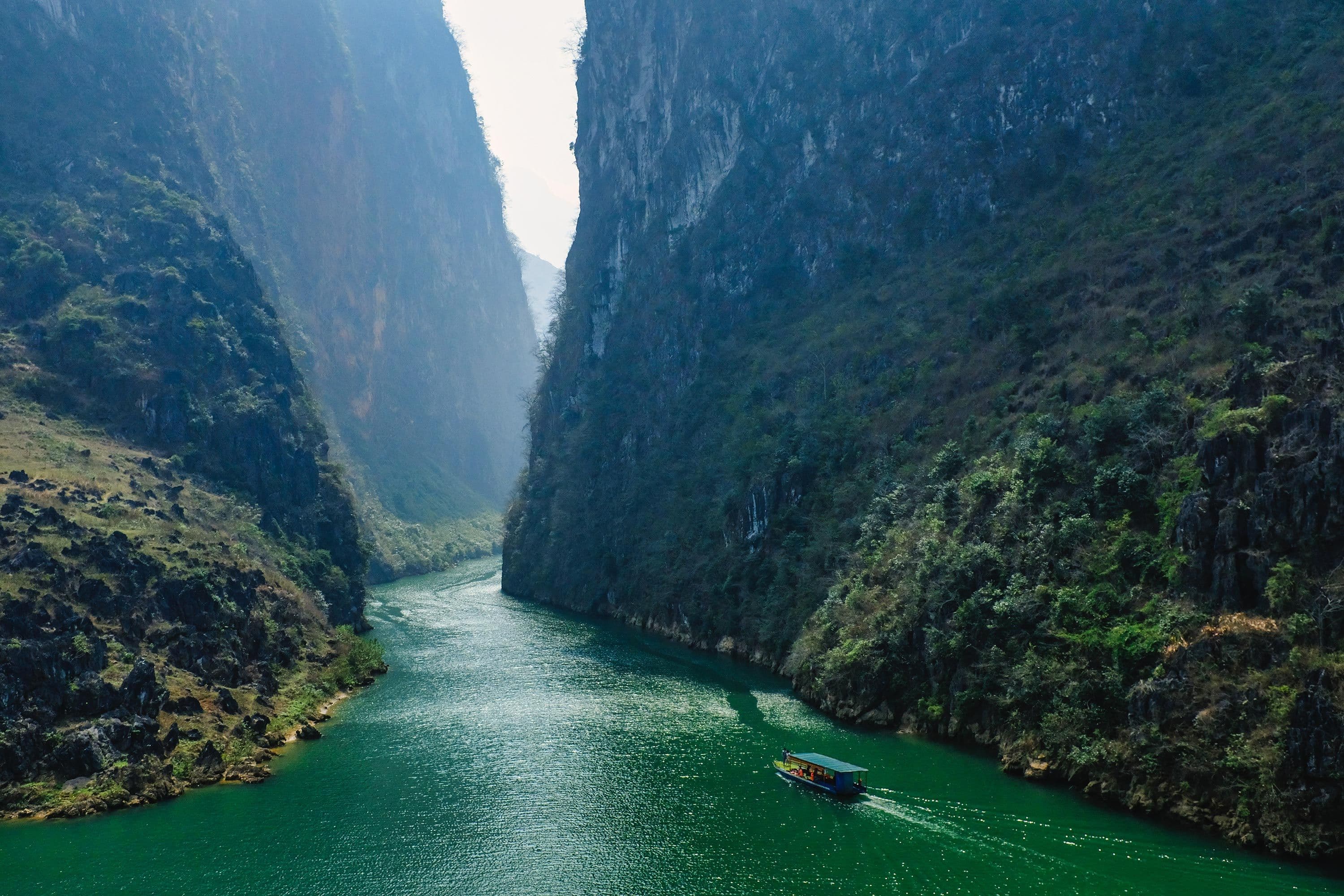
Ninh Binh feels easy when you build your trip around the right core experience. It feels stressful when you try to do every famous stop in one rushed loop. The best itinerary is usually simple: choose one main boat-and-landscape experience, add one viewpoint, then layer in culture or nature only if you still have time and energy. That works especially well because the region’s signature scenery sits inside the Trang An Landscape Complex UNESCO World Heritage site, recognized for limestone karst peaks, partly submerged valleys, and cave systems.
For most travelers, Ninh Binh works beautifully as either a full day trip or a 1–2 night stay. From Hanoi, road travel is commonly estimated at about 1.5–2 hours by car in typical conditions, which is why it is so easy to fit into a northern Vietnam itinerary. If rice fields are your priority, many guides point to late April through June, with late May to early June often described as the strongest golden-rice window in Tam Coc.
The itinerary framework that almost always works
A strong Ninh Binh itinerary has four layers:
1. Pick your core: Trang An or Tam Coc.
2. Add your viewpoint: usually Hang Mua.
3. Add one contrast: culture or quieter nature.
4. Lock your timing: early and late for hero sights, midday for lunch, cycling, or calmer detours.
This structure works because it gives you variety without duplicating the same scenery rhythm twice. It also matches the way Ninh Binh’s biggest attractions are actually experienced: one long boat block, one climb or viewpoint block, then slower countryside time.
Trang An vs Tam Coc
Choose Trang An if you want the strongest “Ninh Binh” first impression
Trang An is the better first-timer choice if you want the most concentrated version of the UNESCO karst-water landscape. It gives you caves, limestone corridors, and submerged-valley scenery in one main experience. UNESCO’s own description is the clearest reason why it feels so iconic.
Choose Tam Coc if rice-field river scenery is your top goal
Tam Coc is the better choice if what you really want is the softer countryside version of Ninh Binh: river, rice fields, and more pastoral valley views. Its biggest visual payoff is season-sensitive, especially around the late-May to early-June golden-rice period.
For a short trip, do one boat tour well, not both in the same rushed day. That is usually the biggest difference between a cinematic itinerary and an exhausting one. This is an itinerary recommendation based on the fact that both boat experiences take meaningful time and share some visual overlap.
Choose your best base
Tam Coc area
Best for travelers who want:
-
rice-field atmosphere
-
easy countryside cycling
-
quick access to Hang Mua-style valley views
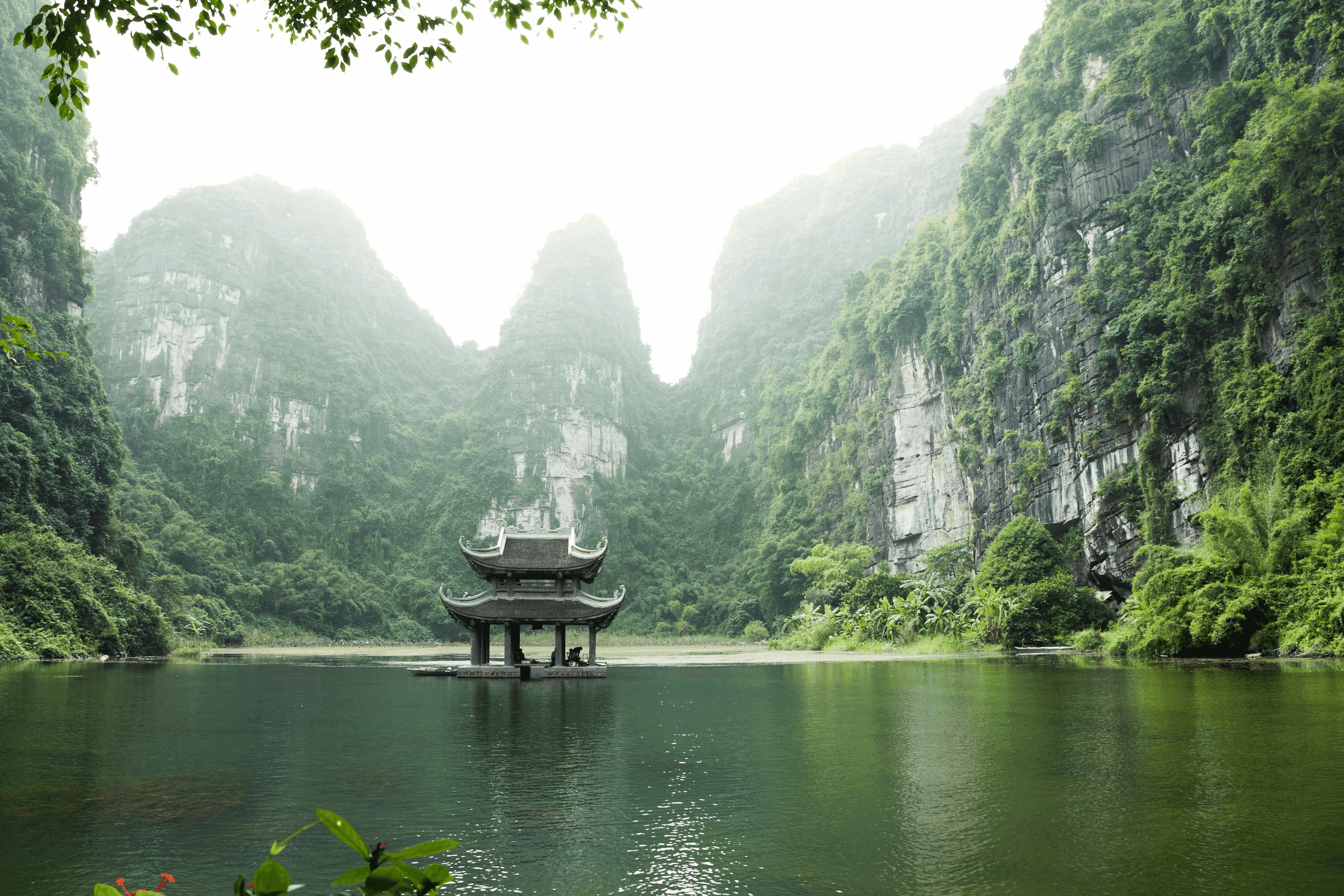
Trang An / near Ninh Binh city
Best for travelers who want:
-
easy access to Trang An routes
-
smoother transport connections
-
broader flexibility for day trips around the province
Quieter countryside stays
Best for:
-
slow travelers
-
couples
-
anyone who wants calmer mornings and fewer crowds
This base choice is an itinerary inference from attraction layout and travel times rather than a single official source, but it is strongly supported by how road access and activity clusters are distributed around Trang An, Tam Coc, and the broader Ninh Binh area.
Plug-and-play itineraries by travel style
1) First-time visitors: balanced and easy
This is the safest default.
Best duration: 1 full day or 2 days.
Best core: Trang An.
Best structure: boat tour → real lunch break → Hang Mua → relaxed evening.
Why this works: Trang An gives you maximum landscape variety in one activity, while Hang Mua gives you the wide panorama that completes the day. Hang Mua is commonly described as a climb of roughly 500 steps.
2) Scenic photography lovers: light first, crowds second
Morning: viewpoint first if you want softer light and fewer people.
Early day: boat tour before the biggest tour-bus rush.
Afternoon: countryside lanes, cycling, or rice-field compositions.
Best season: late April to June for rice-field variation, with late May/early June often strongest for golden Tam Coc visuals.
This style works best when you treat light as the real itinerary anchor.
3) Slow travelers: relaxed and low-pressure
Day 1: core boat tour + sunset viewpoint.
Day 2: cycling + quieter nature stops such as wetlands or bird park.
Optional Day 3: Cuc Phuong for forest contrast.
This is the version of Ninh Binh that feels least like a checklist and most like a place. Cuc Phuong’s official tourism site describes it as Vietnam’s oldest national park, established in 1962.
4) Adventure and active travelers
Morning: longer viewpoint climb and extra time at the top.
Midday: cycling through rice-field lanes.
Afternoon: shorter boat route or quieter water option.
Add-on: Cuc Phuong for trekking and forest atmosphere.
This style is best if you want your Ninh Binh trip to feel more physical and less passive.
5) Culture-focused travelers
Core: Trang An still works well, because the landscape context makes nearby heritage stops feel more meaningful.
Add-on: Hoa Lu or Bai Dinh.
Keep one viewpoint: so the trip still feels visually like Ninh Binh, not only historical.
This style works best when you keep culture as the contrast layer, not the whole trip.
6) Family-friendly travelers
A family version usually works best with:
-
one straightforward boat route
-
fewer transitions
-
longer breaks
-
skipping the hardest climb if needed
This is less about official rules and more about preserving energy across the day. The shorter Hanoi road connection helps a lot here.
7) Budget travelers
A high-value budget version is:
-
one boat tour
-
one viewpoint
-
cycling
-
early/late timing to avoid “convenience spending” under crowd pressure
Because Hanoi is so close, Ninh Binh does not require an overnight stay unless you want one. That makes it easy to control costs while still getting a lot of scenery.
8) Luxury / comfort travelers
The smoothest premium version is:
-
private car or driver from Hanoi
-
boutique countryside stay
-
fewer stops, longer experiences
-
timing built around light and crowd avoidance
This style is less about doing more and more about controlling timing better.
Time planning that prevents regret
The most common mistake in Ninh Binh is underestimating how long the “main block” really takes.
A realistic framework is:
-
Hanoi → Ninh Binh by car: about 1.5–2 hours in typical conditions
-
Boat tour: treat it as a major activity, not a quick stop
-
Viewpoint: allow time for the climb, recovery, and photos, not just the staircase itself
That is why a good itinerary usually feels spacious even when it only contains two major experiences.
Best time to go, based on travel style
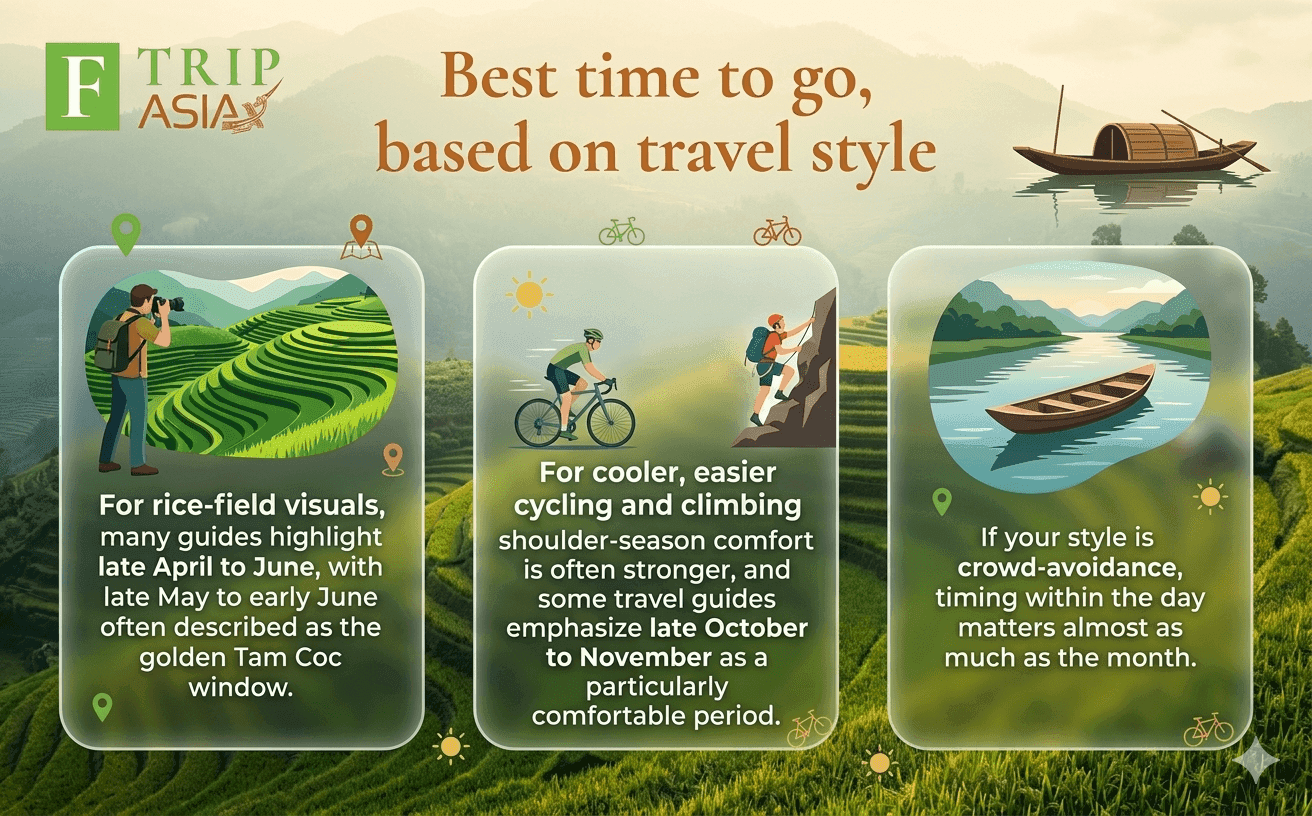
For rice-field visuals, many guides highlight late April to June, with late May to early June often described as the golden Tam Coc window.
For cooler, easier cycling and climbing, shoulder-season comfort is often stronger, and some travel guides emphasize late October to November as a particularly comfortable period.
If your style is crowd-avoidance, timing within the day matters almost as much as the month.
What to book in advance vs decide on the ground?
Book ahead if:
-
you are traveling on a weekend or holiday
-
you want a specific pickup time from Hanoi
-
you are doing a guided day tour
Stay flexible if:
-
you are arriving early independently
-
you want to choose between Trang An and Tam Coc based on weather, light, or crowd levels that day
This is a practical planning recommendation rather than a hard rule, but it matches how transport timing and attraction flow actually affect the experience.
Packing checklist by itinerary type
Boat day: sun protection, water, waterproof pouch.
Viewpoint day: shoes with grip, light layer, small towel.
Cycling day: sunglasses, power bank, comfortable clothes.
Forest day (Cuc Phuong): insect repellent, breathable long sleeves.
Common mistakes, and the easy fix
Mistake: Doing Trang An and Tam Coc in one short day.
Fix: Pick one core and do it properly.
Mistake: Scheduling all hero sights at midday.
Fix: Move your key visuals to early or late.
Mistake: Underestimating Hanoi drive time and local transfers.
Fix: Use the 1.5 - 2 hour Hanoi car baseline, then add a buffer for local movement.
FAQs
Is 1 day enough for Ninh Binh, or do I need 2 days?
One day is enough for a strong first impression if you keep it simple. Two days is better if you want the trip to feel relaxed and layered.
Trang An vs Tam Coc: which is better for first-timers?
Trang An is usually the stronger all-round first-time choice. Tam Coc is better if rice-field scenery is your top priority.
How long is the drive from Hanoi to Ninh Binh?
Common guidance places it at about 1.5–2 hours by car in typical conditions.
When is the best time to see golden rice fields in Tam Coc?
Many guides point to late May to early June.
Is Cuc Phuong worth adding to a Ninh Binh itinerary?
Yes, especially if you have 3 days or want a forest-and-wildlife contrast to the karst-water landscapes. Official tourism sites describe it as Vietnam’s oldest national park, established in 1962.
Conclusion
The perfect Ninh Binh itinerary is not about collecting every attraction. It is about matching the region to your style: one core boat landscape, one viewpoint, and one contrast experience if you have time. Build around the UNESCO karst world of Trang An, use Tam Coc when rice fields are the priority, and time your hero experiences around light and crowds.
Planned that way, Ninh Binh feels cinematic and calm instead of rushed.


Founder & Photography Guide
Specialties: Culture, landscape, portrait, hiking, active and adventurous tour
Besides my unlimited passion for traveling, a professional tour guide for over a decade, I have been taking photographs since sitting at Hanoi of the University of Culture in the early 2000s. Photography started as a hobby but it was seriously taken due to my work relations and my significant passion for the beauty of our world, especially in Southeast Asian parts such as Vietnam, Laos, Cambodia, and Myanmar.
Within a few years of taking photographs, my works began to be recognized by many reliable international publications such as AFAR Travel, The Times, and The Daily Telegraph newspaper. In addition, I continuously add to my growing profile by winning numerous major awards: 3rd Position of The Independent Photographer 2018, 1st Position of Amateur Photographer of the year 2018, Grand Prize Winner of the AFAR Travel Photography 2019, and a Gold Award of San Francisco Bay International Photography 2020.
I photograph a wide variety of subjects, from travel to landscapes to street scenes. I enjoy documenting the East’s rich cultural heritage and its land soaked in glorious sunrise or sunset light in remote and secluded spots. And, I am very happy to share my knowledge and experience with you. You can visit Luminousvietnamtour to explore tour!